
Including women in conflict-resolution and peace-building processes results in better outcomes, as shown by examples from El Salvador to Liberia. Women play essential roles in combat, non-combat, and leadership during armed conflicts but are often excluded from formal peace negotiations and governance afterward. This exclusion represents both a moral and practical failure, undermining the potential for durable peace and sustainable development.
Women’s Role in War Must Extend to Peace
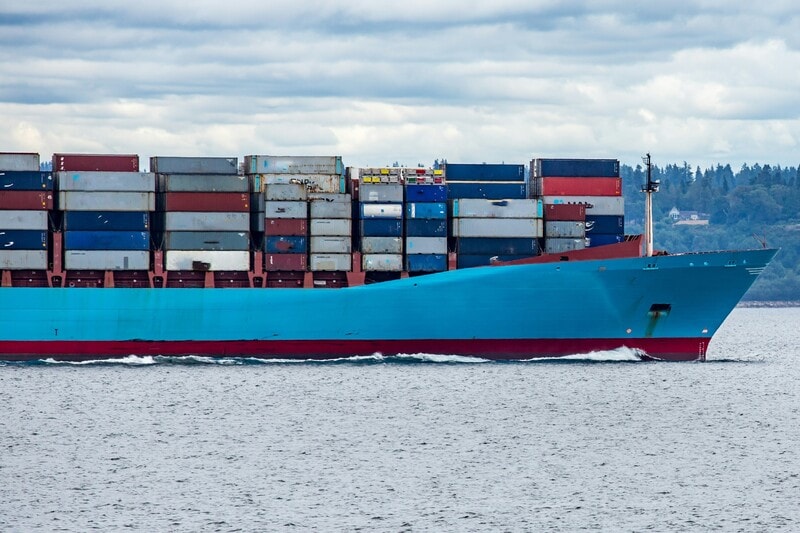
Trade uncertainties, primarily driven by tariffs, are raising cyber risks in supply chains, leading to an increase in incidents. Organizations are forced to restructure supply chains and onboard less secure suppliers hastily, creating vulnerabilities. The demand for rapid shifts introduces third-party risks, where unvetted vendors become potential weak points for attacks. Additionally, malicious domain registrations linked to tariff changes highlight a surge in digital fraud against businesses. To combat these challenges, organizations should adopt a zero-trust policy, enforce strong access controls, utilize real-time threat intelligence, train partners on cybersecurity, and develop robust incident response plans.
Ukraine | Financial services, ICT, Education
How trade policies are expanding supply chain cyber risks

Small businesses, particularly micro, small, and medium-sized enterprises (MSMEs), face significant barriers in global trade, including limited financing, complex regulations, and poor digital infrastructure. With initiatives like the WTO Informal Working Group on MSMEs and support from organizations such as the International Trade Centre, there have been improvements in access to trade information and financial resources. The International Finance Corporation has facilitated substantial loans for MSMEs, focusing on women entrepreneurs. Digital trade opportunities are growing, yet challenges remain due to the digital divide. Targeted efforts are necessary to enhance MSME participation in global value chains and address compliance costs.
Burkina Faso, Egypt, Ethiopia, Finland, Germany, Ghana, Indonesia, Ireland, Jordan, Kenya, Malawi, Malaysia, Malta, Moldova, Morocco, Mozambique, Myanmar, Pakistan, Paraguay, Peru, Portugal, Rwanda, Senegal, South Africa, Spain, Switzerland, Tanzania, Thailand, Tunisia, Ukraine, United Arab Emirates, United Kingdom | ICT, Financial services
How small businesses can navigate global trade in an era of polycrisis

Heavy industry, including shipbuilding and construction, is increasingly adopting automation, traditionally lagging behind other sectors. A new Large Structure Production (LSP) Center in Odense, Denmark, aims to develop advanced robotic and AI solutions for producing large structures such as ships and offshore platforms. Funded with approximately €37 million, the facility will utilize mobile robotic systems and digital twin technology to enhance flexibility and efficiency in production. By addressing challenges of scale, complexity, and variable production environments, the LSP model promotes sustainable practices and improved safety while preparing industries for future demands in infrastructure and energy.
How robotics and AI are reshaping heavy industry by automating the un-automatable

The UK and the EU have agreed on a post-Brexit "reset" of their relationship, with public support in the UK for closer ties. However, significant political obstacles remain to more ambitious steps like rejoining the single market. Polls indicate persistent public skepticism about Brexit and a preference for rejoining the EU, yet concerns about reopening divisive issues mean a reversal appears unlikely. Political leaders, including those in the Labour government, are cautious due to the complexities of public sentiment and the dynamics of voter demographics that favor Brexit.
United Kingdom
Is the UK-EU reset the first step toward Britain rejoining the single market?

Subnational governments (SNGs) in Asia and the Pacific face significant threats from climate change, responsible for approximately 80% of adaptation and mitigation efforts. The publication emphasizes funding and capacity challenges as SNGs escalate climate action. It advocates for coordinated planning, fiscal decentralization, and better access to global climate funds to enhance climate governance. Collaboration with development partners and alignment with national policies are essential for SNGs to effectively address climate challenges.
Bangladesh, Nigeria | Health
Climate Change Governance at the Subnational Government Level in Asia and the Pacific

The UN Ocean Conference aims to enhance global efforts to achieve Sustainable Development Goal 14 (SDG14) focused on ocean conservation. Despite several treaties and agreements, compliance issues and inadequate implementation have hindered progress, with overfishing and climate change exacerbating the crisis. With only a fraction of pledged funding delivered, progress towards conserving 30% of marine areas by 2030 is lagging. The conference will provide a critical platform for delegates to reassess commitments, address obstacles, and revitalize essential agreements like the High Seas Treaty and the Agreement on Fisheries Subsidies.
Antarctica | Health
Turning the tide on ocean conservation

Starbucks is reversing its automated drink-making system, launched in 2022, due to disappointing sales and customer dissatisfaction. The change, led by CEO Brian Nicholl, aims to reintegrate more baristas into its 3,000 US locations. While Starbucks has been a leader in digital transformation, the automation led to a transactional feel, detracting from customer experience. The situation reflects broader issues in the food service industry, where aligning technology with customer services and experiences is essential. Effective management principles are crucial for successful technology implementation, emphasizing service quality over mere automation.
ICT, Education
Is Starbucks’ reversal of automation the new game in town?

Britain is experiencing a rising sense of disconnection among its citizens, with 50% feeling isolated and 44% sometimes feeling like "strangers in their own country," particularly among Asian Britons. This situation is attributed more to the loss of community spaces due to funding cuts and the impact of the pandemic rather than immigration. Research indicates that the decline in community facilities, such as youth centers and libraries, along with increased loneliness, significantly affects social cohesion. The discussion around community cohesion often unfairly focuses on specific migrant groups when the reality is a widespread issue affecting all demographics, particularly younger generations.
Britain is already becoming an ‘island of strangers’ – but immigration isn’t the driver
The federal budget process is marked by a significant decline in transparency and accountability compared to the 1930s, when the Roosevelt administration provided detailed spending reports. Current challenges include obscured data within the Treasury and incomplete spending records in Congress, contributing to a degradation of state capacity in the U.S. Political scientists attribute this decline to excessive proceduralism. To restore state capacity, reformers must develop effective procedures and learn from historical budgeting and accounting reforms from the 20th century, which shaped the state’s ability to achieve its goals.
Financial services
Accounting for State Capacity
The UK and EU have established new agreements focusing on trade, defense, and border management, marking a significant shift in post-Brexit relations. The deal aims to improve supply chain efficiency and reduce food prices for consumers by easing checks on imports. It also facilitates export opportunities, particularly for British food producers. Although the agreement addresses key areas like fisheries and trade, it does not fully restore access to the EU single market. The political ramifications are notable, especially amidst growing opposition concerns regarding tighter UK-EU ties.
United Kingdom
UK and EU sign new trade, fishing and defence deal – what do economists think?

Africa faces significant challenges from rising debt, climate shocks, and joblessness, necessitating a shift towards green industrialization—this strategy aims to enhance economic growth through low-carbon manufacturing while safeguarding natural resources. A high-level roundtable discussed leveraging innovative financing, like blended finance and debt-for-climate swaps, to support this transition amidst economic constraints. The focus should also shift from raw material exports to domestic processing of critical minerals, fostering regional supply chains through the African Continental Free Trade Area (AfCFTA). Key actions include enhancing development bank roles, ensuring policy coherence, and prioritizing job creation in green industries.
Angola, Bangladesh, Benin, Burkina Faso, Djibouti, Egypt, Ethiopia, Germany, Ghana, India, Indonesia, Kenya, Mozambique, Nigeria, Pakistan, Peru, Rwanda, Senegal, South Africa, Tanzania, Tunisia, Uganda, United Kingdom | Financial services, Health, Education
Toward Green Industrialization in Africa: A New Chapter for Climate and Economic Transformation

Only 10% of the low-emissions technologies required for the global energy transition have been implemented. Significant innovation is essential to enhance existing technologies and fundamentally transform the energy system. Current low-emissions options face performance challenges compared to fossil fuels, especially in heavy-duty applications and high-temperature industrial processes. While advancements are being made, such as improvements in battery energy density and the introduction of innovative production methods, systemic rethinking is necessary. Successful integration of these technologies is crucial to achieving sustainability targets and addressing approximately half of the energy system's carbon emissions.
Financial services, Education
Advancing the energy transition will require innovation with a capital 'I'
The report by Henriette Litta and Peter Bihr examines the current state and future of Openness in the digital age. Key insights include the need to define a purpose for Openness, enhance its protection with guard rails, and increase investment in open innovation and infrastructure. It emphasizes that Openness is not neutral and highlights the necessity of curtailing market domination.
ICT, Education
Addressing Digital Harms in Conflict
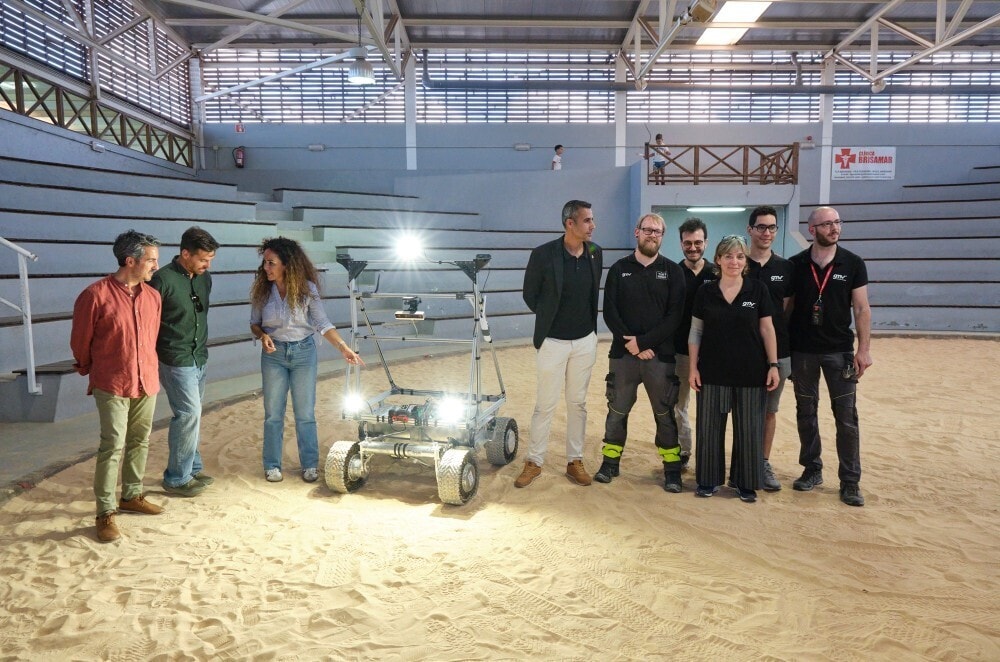
A Spanish company has developed LUPIN, a GPS-like navigation system for the moon, designed to improve lunar travel for astronauts and rovers by using signals from moon-orbiting satellites, which enhances accuracy. The European Union is urged to increase its semiconductor budget from $5 billion to $22 billion to support its goal of capturing 20% of the global chip market by 2030. Additionally, Amazon's new Vulcan robot, capable of sensing touch, will assist in item sorting, while China introduces a lightweight robot for disaster rescue. Other tech highlights include advances in nuclear reactor technology and UK investments in electric vehicle battery manufacturing.
Lunar navigation launched, and other technology news you need to know

Geopolitical tensions, particularly between India and Pakistan, hinder South Asia's economic growth and technological advancement. The region, home to nearly 2 billion people, struggles with fragmented policies, limiting cross-border collaboration in digital infrastructure and climate innovation. Despite this, advancements in digital finance, automation, and climate solutions show potential for growth. For sustained progress, a unified approach to regional cooperation and learning from middle powers' successes is crucial. Platforms like the Astana International Forum can facilitate essential dialogue and collaboration to shape a more integrated and resilient South Asian economy.
Bangladesh, Bolivia, Colombia, Egypt, Ethiopia, Ghana, India, Indonesia, Kenya, Malaysia, Nepal, Pakistan, Paraguay, Philippines, Republic of Korea, Rwanda, South Africa, Sri Lanka, Tanzania, Thailand | Financial services, ICT, Health, Education
Regional collaboration could unlock South Asia’s economic potential
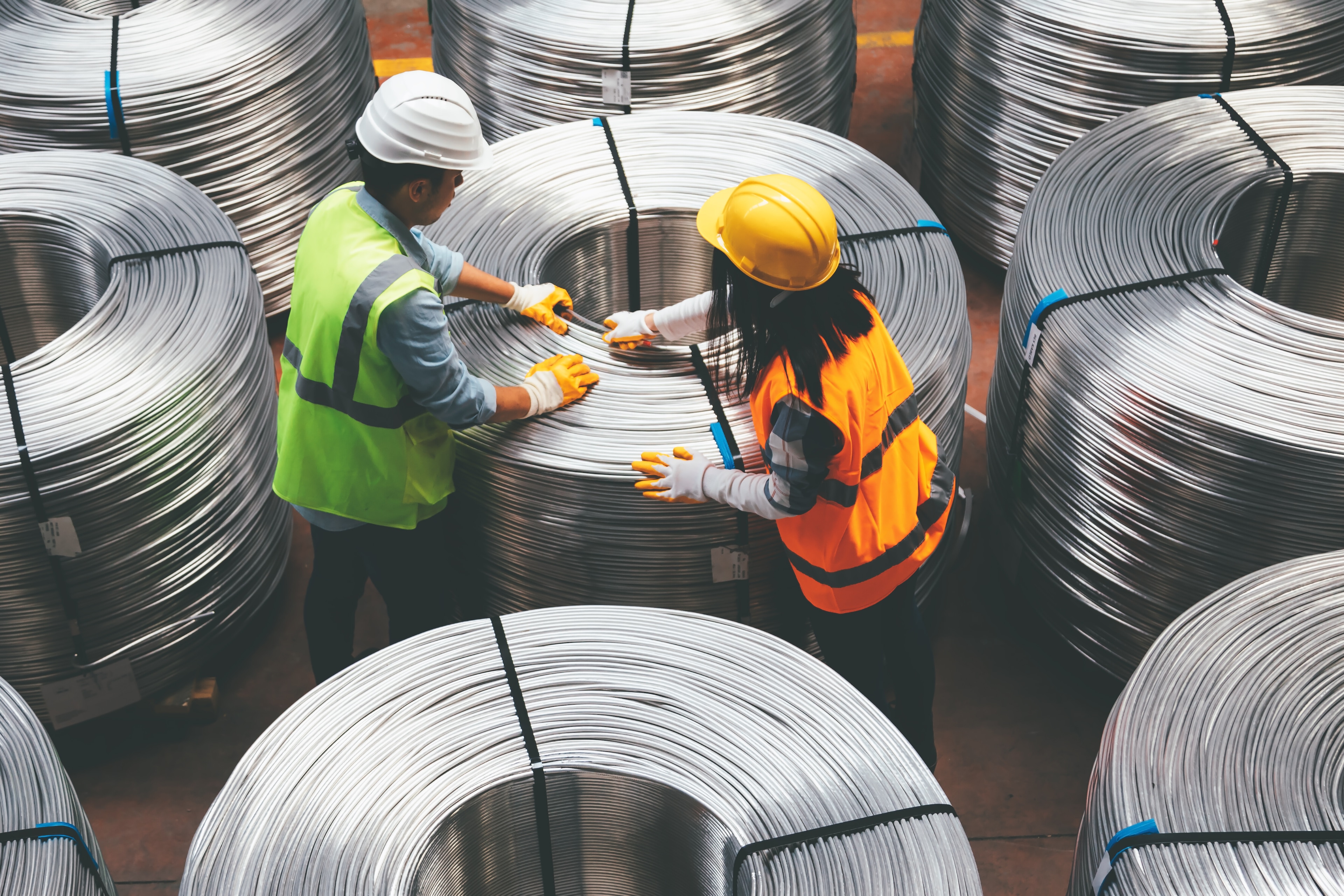
Workforce health is essential for ensuring supply chain resilience, especially in the face of climate volatility and economic uncertainty. A report by the World Economic Forum and Mercer emphasizes the need for employers to support employee well-being to maintain business continuity amidst rising health risks from climate events. The report highlights that effective health-focused strategies can mitigate disruptions and enhance productivity. Innovative solutions like parametric insurance and community health initiatives are suggested to improve healthcare access. Proactive investments in worker health yield significant returns, positioning companies to better handle potential supply chain challenges.
Financial services, Education, Health
Supply chain resilience depends on worker well-being. Here’s how businesses can protect both
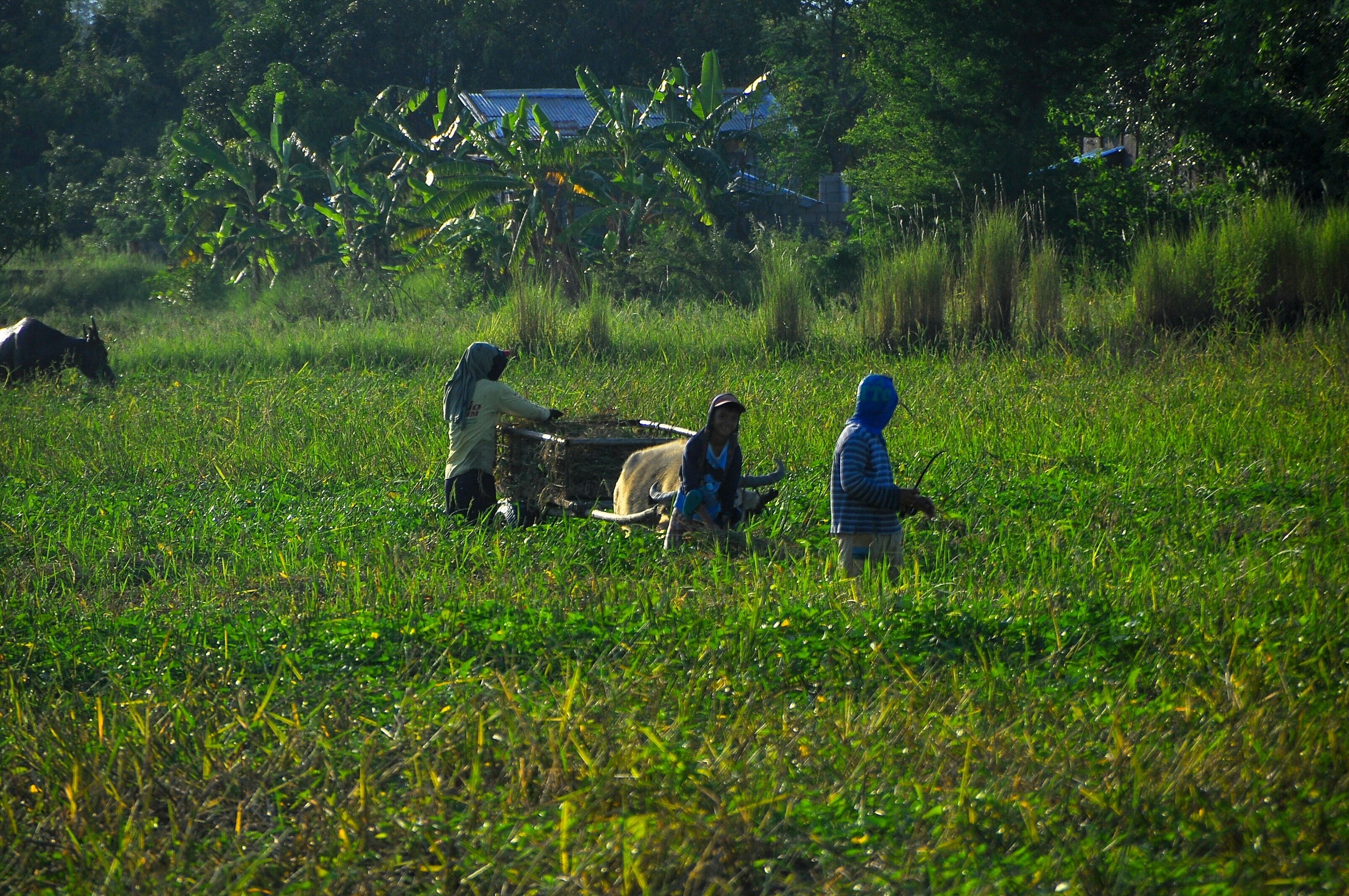
Governments, especially in developing countries, are grappling with financial constraints and the urgent need for sustainable food security. The CGIAR report emphasizes the necessity of science-based evidence to guide localized decision-making for effective resource allocation. It presents actionable solutions to combat malnutrition, such as integrating nutrition into health systems and biofortifying crops, along with climate adaptation measures like bundling climate information services for smallholder farmers. By bridging the gap between scientific research and policy implementation, the report aims to support nations in addressing challenges like nutrient deficiencies and water management while adapting to climate change.
Bangladesh, Nigeria | Financial services, ICT, Education, Health
With aid shrinking, governments need clear evidence to navigate tough choices for food security
Vulnerable low- and middle-income countries, disproportionately affected by climate change despite minimal historical emissions, require urgent adaptation strategies to address increasing global temperatures and frequent disasters. However, major donor nations are cutting development aid and focusing on emergency relief, compromising long-term resilience efforts. Proactive strategies, such as cash-plus programs that support diversified livelihoods and safe relocation, are crucial for enhancing community resilience. As climate-related crises escalate, the necessity for sustained investment in adaptive measures becomes paramount to prevent forced displacement and ensure communities can prepare for future challenges.
Bangladesh, Nigeria | Financial services, Health
How aid cuts could make vulnerable communities even less resilient to climate change
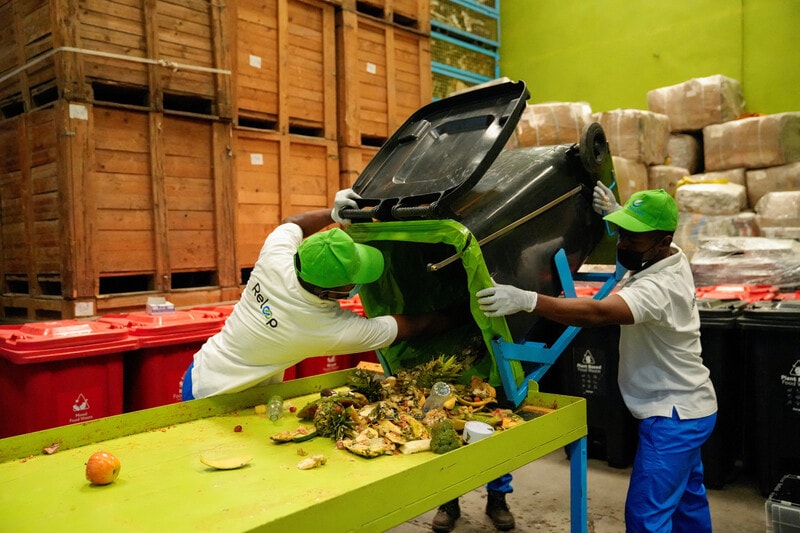
One-third of global food production, approximately 1.3 billion tonnes, is lost or wasted annually, impacting economies, hunger, and the environment. Enhanced food traceability, integrated with emerging technologies, can significantly reduce food loss and waste (FLW) by identifying inefficiencies throughout the supply chain. FLW costs the global economy $1 trillion each year and contributes to substantial greenhouse gas emissions. Effective traceability not only ensures food safety and transparency but also promotes accountability across the food system, driving efforts to create a more sustainable and efficient food supply aimed at meeting global demand.
How traceability can unwrap our food systems to give visibility on loss and waste