
History and memory significantly influence the current Russia-China relationship, highlighting the importance both Xi and Putin place on controlling narratives of the past. In contrast to the perceived decline of historical importance in the West, these leaders actively shape their nations' histories to avoid "nihilism" and ensure stability. Xi emphasizes the dangers of altering historical perceptions, linking it to national decline, while Putin balances the legacy of Stalin and frames current conflicts in historical contexts. Both leaders utilize historical narratives to bolster national identity and justify contemporary policies, especially regarding World War II contributions.
Xi, Putin and the struggle for “History”

Global health faces escalating challenges due to slowing progress in health outcomes, compounded by climate change, an ageing population, non-communicable diseases, and geopolitical disruptions. Traditional funding mechanisms are inadequate; innovative funding models are required to sustain advancements and enhance public health resilience. Declining development assistance threatens future gains, while collaborative, long-term financing approaches, such as blended finance and decentralized care models, are essential. Emphasis on technology and systemic adaptation is crucial to navigate these dynamic challenges and secure universal health access.
Africa | Financial services, Health, Education
Why we need innovation and new funding models in the face of falling global health spend

Children born in 2020 are projected to face unprecedented exposure to climate extremes, experiencing an average of 11 heatwaves in their lifetime if global warming is limited to 1.5°C. This number nearly doubles to 111 million under a 3.5°C scenario. The study, based on extreme weather analysis in Brussels, highlights increasing risks of heatwaves, floods, droughts, and other extreme events, particularly affecting younger generations and vulnerable populations. The findings suggest that today's youth will encounter climate conditions that older generations have never experienced, underscoring the urgent need for climate action.
Africa
Children born in 2020 will face ‘unprecedented exposure’ to climate extremes

Public Cloud offers significant opportunities for innovation, agility, and AI-driven transformation in businesses. While many have migrated to the cloud, true modernization lies in leveraging Public Cloud for data harmony and architectural flexibility. The hybrid solutions dominate the market, with Industry Cloud addressing specific sector needs, enhancing operations, and ensuring faster returns. Key technologies like SAP S/4 HANA and SAP BTP are pivotal for tailored transformations. Public Cloud's built-in security, compliance, and AI capabilities support real-time decision-making and automation, making it essential for future business success. Delaying the transition to Public Cloud could hinder growth and competitiveness.
The power of Public Cloud
In November 2024, China shifted its stance on climate finance at UN talks, with Vice Premier Ding Xuexiang stating that China has mobilized over CNY 177 billion (US$24.5 billion) for developing countries’ climate actions. This marked a significant change from China's previous focus on "South-South cooperation" to a more prominent role in global climate finance, aligning its contributions alongside developed nations. The New Collective Quantified Goal (NCQG) agreement established a dual-layer climate finance target, emphasizing the responsibilities of developed countries while allowing for broader recognition of funding from multilateral development banks and private sectors. This reflects China's growing influence and active engagement in global climate initiatives.
Financial services
Will China lead on global climate finance within a shifting world order?

Public assurance systems are essential for enhancing the credibility of Environmental, Social, and Governance (ESG) disclosures amidst growing concerns over ESG washing. As global ESG investments increase, inconsistencies in reporting standards and legal frameworks expose investors to misleading practices. External assurance obligations are being adopted in various countries, but challenges remain regarding the credibility of assurance providers. To mitigate greenwashing risks and improve investor trust, establishing a public entity for ESG assurance or oversight is recommended. This would facilitate accurate disclosures and support sound investment decisions during the current transitional phase.
Financial services
How Public Assurance Systems Improve ESG Disclosure and Investor Trust

Ethel Caterham, at 115, exemplifies longevity, prompting a look into behaviors that may enhance lifespan. Key habits include regular physical activity, which can improve life expectancy, and a diet rich in fruits, vegetables, and whole grains while limiting unhealthy foods. Good quality sleep is crucial, with consistent patterns linked to reduced mortality risk. Additionally, managing stress through resilience and fostering social connections can significantly impact health. These lifestyle choices, combined with awareness of genetic factors, may support healthier aging and increased longevity.
Four lifestyle habits that might just help you live to 100
The UK's push to decarbonize its energy sector by 2030 risks overwhelming its construction workforce, which will play a crucial role in building necessary infrastructure. The suicide rate among construction workers is significantly higher than the national average, exacerbated by a stressful work environment and tight deadlines. Most workers are employed by small firms with limited mental health support. To address these challenges, infrastructure owners should prioritize supplier contracts that enhance worker wellbeing and adopt a bottom-up approach to health and safety. Additionally, the sector faces a skills shortage, necessitating the recruitment of over 50,000 workers annually to meet increased demands for the green transition.
Education
Britain’s net zero construction workforce is already at risk of being burnt out
The UK construction workforce faces significant pressure as the government aims for a low-carbon energy supply by 2030. This transformation requires extensive infrastructure development, putting a strain on the 2.3 million workers in the sector, who already experience high stress and a suicide risk three times the male national average. Current assessments overlook mental health impacts amid the rapid transition. The industry must attract an additional 50,300 workers annually and address the aging workforce's challenges. Improved mental health support and involvement of workers in decision-making are crucial for fostering wellbeing and successfully achieving net zero goals.
Education
Britain’s net zero construction workforce is already at risk of burn out
The UK's push for a low-carbon energy supply by 2030 poses significant stress on the construction workforce, which is essential for substantial infrastructure development. Construction workers face high suicide rates and harsh conditions exacerbated by the increased demand for labor and tight deadlines in the transition to green power. Most workers are self-employed or employed by small firms lacking sufficient mental health resources. To address mental health issues, the industry must adopt strategies that prioritize worker wellbeing and facilitate open communication about their struggles. Additionally, attracting and training a sufficient workforce is critical to meet the demands of the green transition.
Education
Britain’s net zero construction workforce is already at risk of burnt out

The Iberian Peninsula experienced Europe's largest blackout in two decades, impacting millions and highlighting society's reliance on electricity. The April power outage was caused by a combination of generator loss events leading to grid instability, which resulted in the collapse of both the Spanish and Portuguese power grids. Factors contributing to the vulnerability of current power systems include rising electricity demand, the integration of decentralized renewable energy sources, and increased climate hazards. Enhancing grid resilience through updated infrastructure and preparedness strategies is essential to prevent future disruptions.
Nigeria | Financial services, Education, Health
What we can learn about building a resilient energy grid from the Iberian power outage
The UK government is implementing restrictive migration reforms to lower net migration, despite recognizing the economic benefits of immigration, especially in low-paid sectors like social care and agriculture. A survey of 103 MPs showed they generally align with public sentiment, believing immigration levels have been too high, though public concern is stronger. Despite a trend toward more liberal views on immigration, anti-immigration voters are more active and influential electorally. Recent polling indicates MPs prioritize economic growth over immigration levels, reflecting broader changes in Westminster aligned with public opinion shifts.
United Kingdom
What do MPs really think about immigration? We surveyed them to find out
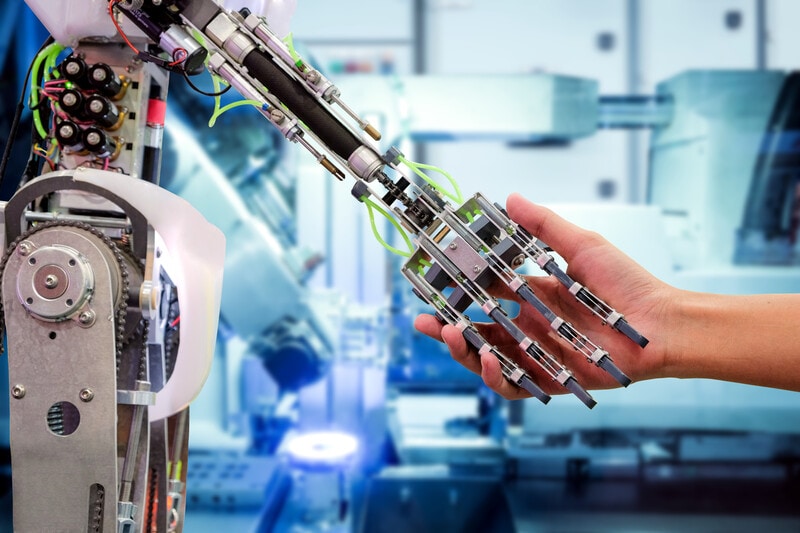
AI agents are increasingly automating repetitive administrative tasks within organizations, significantly enhancing productivity and allowing skilled workers to focus on strategic and creative endeavors. These task-specific digital workers operate within existing workflows and perform functions like data collection and compliance verification. A survey found that nearly two-thirds of identified automation use cases relate to administrative tasks, highlighting the potential for efficiency gains. This technological shift could evolve jobs rather than eliminate them, particularly in sectors heavily relying on manual processes, fostering productivity growth in both developed and developing economies.
Education
How AI agents are revolutionizing administration for businesses
67% of US enterprises experienced a data breach in the past two years, highlighting a persistent disconnect between security investments and effective risk management. Despite organizations managing an average of 75 security solutions, the reliance on automated pentesting is increasing, with only half testing annually. UK retailers including M&S and Co-op suffered significant cyberattacks, prompting calls for stronger security measures. Governments, such as the UK, are preparing for heightened cyber threats linked to AI developments, stressing the need for multi-factor authentication and robust account monitoring.
Financial services, ICT
Majority of US enterprises breached in past two years despite security spend, and other cybersecurity news

The Annual Meeting of the New Champions, commonly known as 'Summer Davos', is an annual event held in China, focusing on entrepreneurship and innovation. Alternating between Tianjin and Dalian, it aims to address economic challenges and promote sustainable growth, particularly in emerging economies. Established in 2007 through a collaboration with the Chinese government, the event highlights 'New Champions'—rapidly growing companies that drive change. Unlike the original Davos meeting, which focuses on immediate geopolitical issues, Summer Davos looks at long-term developments in technology and business, specifically within Asia's dynamic economic landscape.
What is 'Summer Davos'? 6 things to know about the Annual Meeting of the New Champions in China

Indigenous communities are challenging conflicting interpretations of the bioeconomy as global interest, particularly from the G20, grows. The bioeconomy, valued at $4 trillion and projected to reach $38.5 trillion by 2050, has the potential to create sustainable alternatives for Indigenous peoples in the Pan-Amazon, but misaligned definitions threaten ecological and social integrity. The G20 Initiative on Bioeconomy proposes collaboration but lacks clear definitions. Tensions arise between predatory practices and sustainable development, highlighting the need for principles prioritizing people and the environment over profit. Structural challenges hinder the competitiveness of Indigenous-led initiatives, despite their potential contributions.
Bangladesh, Bolivia, Brazil, Burkina Faso, Colombia, Ethiopia, Ghana, Indonesia, Kenya, Mozambique, Nigeria, Paraguay, Peru, Senegal, Tanzania | Financial services
Indigenous communities challenge the bioeconomy’s capitalist underpinnings
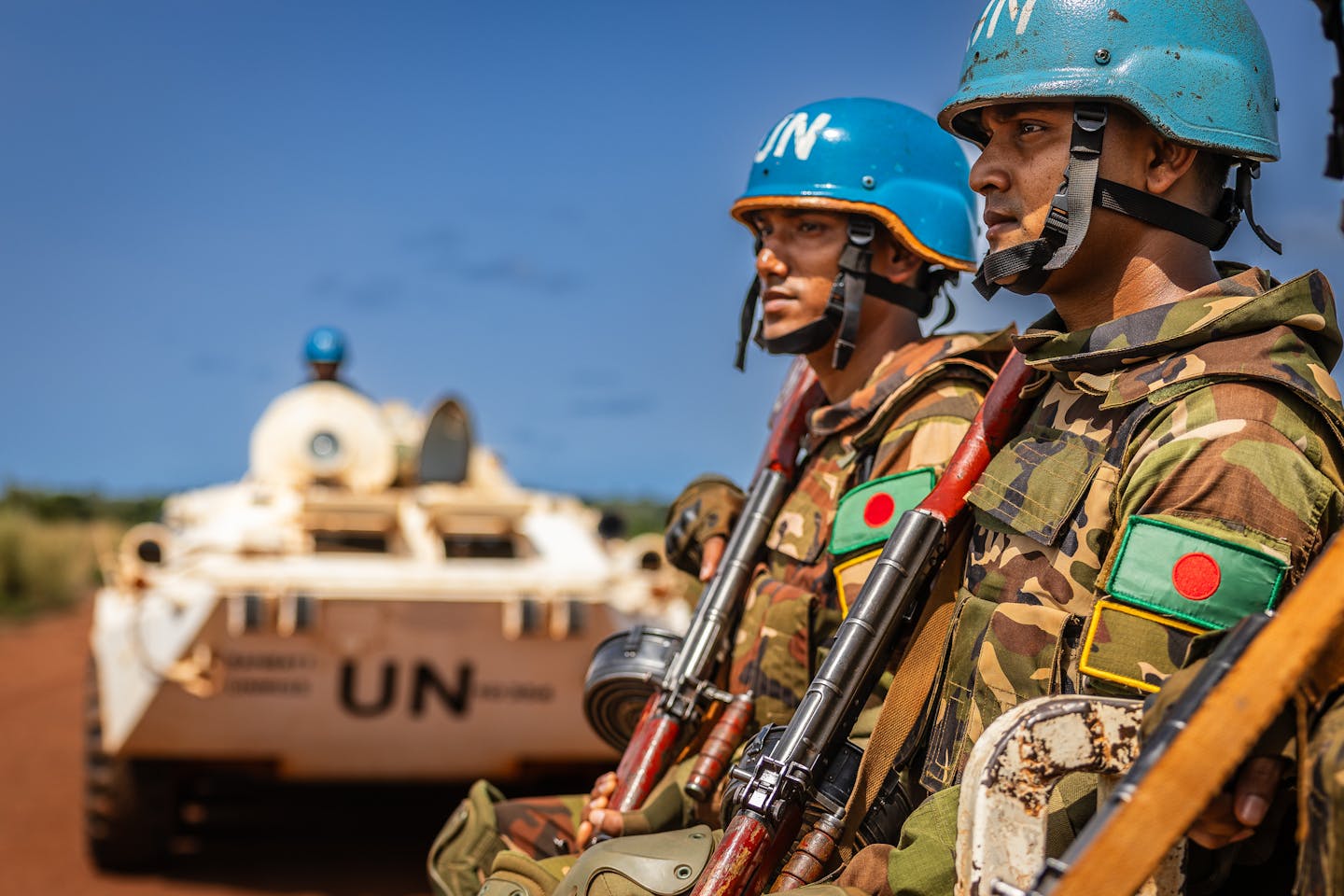
India has suspended the 1960 Indus Waters Treaty with Pakistan following a recent attack in Kashmir, raising concerns among Pakistani farmers about potential impacts on their already water-stressed agricultural sector. The treaty, crucial for Pakistan's water supply, has faced threats in the past, but the formal suspension represents a significant escalation in tensions. Experts caution that while panic may be unnecessary in the short term, Pakistan's water crisis, exacerbated by climate change and population growth, could intensify without a reliable treaty framework. Pakistani officials have warned that any disruption to water flow could lead to severe repercussions, asserting that India’s actions lack legal standing.
Pakistan
The Indus Waters Treaty hangs in the balance
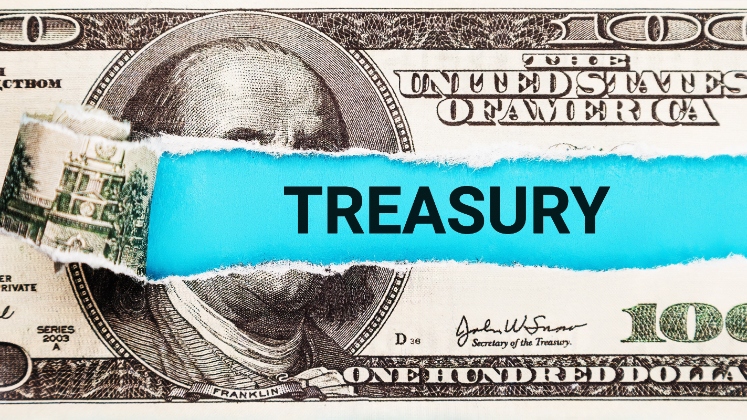
President Trump's "tariff liberation day" led to significant financial repercussions for the US, endangering the dollar's dominance and exposing vulnerabilities in the macroeconomic landscape. Following the Geneva agreement, US tariffs on China were reduced from 20% to 10%, easing market tensions and allowing the dollar to recover slightly against the euro. However, this shift reflects Trump's ineffective bargaining tactics, as Chinese exports to the US dropped 21% in April, and US manufacturers faced production slowdowns. The Federal Reserve has paused interest rate cuts due to an increasingly uncertain economic outlook, heightening the risk of stagflation amidst rising inflation and unemployment. Concerns over the dollar's stability have appeared as US Treasury bonds, once seen as safe assets, have become less attractive, indicating a shift in global investor sentiment.
Financial services
Dollar under threat led to Trump’s about-face on tariffs
Over 60 million people live with dementia, a condition costing over $1.3 trillion annually. Although there is no cure, up to 45% of cases could be prevented by addressing 14 modifiable risk factors, primarily linked to lifestyle choices. Evidence suggests that these risk factors can begin in childhood, highlighting a need for early intervention strategies. Research indicates that cognitive abilities established in early life significantly impact later dementia risk. A coordinated approach is essential for prevention, focusing on healthier environments, education, and public policy, emphasizing that dementia prevention should be a lifelong goal.
Dementia risk factors can start in childhood – prevention should be a lifelong goal
Over 60 million people live with dementia, leading to significant global health and economic impacts. While dementia is often viewed as an inevitable consequence of aging, up to 45% of cases may be preventable through addressing 14 modifiable risk factors. These risk factors, such as obesity and smoking, often emerge in adolescence and persist into adulthood. Research indicates that exposures to risk factors in childhood or even prenatally can influence dementia risk later in life. Therefore, prevention strategies should focus on a lifelong approach, involving healthier environments, education, and public policy, rather than solely targeting middle age.
The roots of dementia can start in childhood – prevention should be a lifelong goal