
Dating apps are losing popularity, with major platforms in the UK losing over a million users collectively. This decline is attributed to user frustration and boredom stemming from poor behavior and a perceived lack of meaningful connections due to reliance on AI driven by engagement metrics. Users experience a cycle of boredom, disappointment, cynicism towards algorithms, and communication fatigue. Despite ongoing interest in online dating, the industry's AI practices hinder authentic connections. Providing users with transparent feedback on AI interactions may improve experiences and enhance satisfaction in finding partners.
Why we’ve fallen out of love with dating apps

Women are increasingly sidelined in AI roles, facing dual disadvantages where they are underrepresented in augmented positions and overrepresented in disrupted jobs. Current data shows that only 20.5% of women work in AI-augmented roles compared to 24.1% of men, while 33.7% of women are in roles at risk of disruption. This trend parallels the broader STEM gender gap, with women holding only 12.2% of C-suite positions in STEM. To address these gaps, businesses must rethink hiring and promotion processes and leverage generative AI to create equitable opportunities. Positive trends indicate growing participation of women in AI skills, suggesting potential for improvement.
Education
How AI is worsening workplace gender gaps and how we can course correct

The Gulf states have significantly bolstered American economic dominance through investment and strategic alliances. Historical ties, notably Saudi Arabia and other Gulf monarchies investing heavily in U.S. treasury bonds, enhanced U.S. financial power. The political arrangement involved U.S. military protection in exchange for energy stability and investments. Despite shifting trade ties towards China, the Gulf remains a major foreign investor in the U.S., holding over $1 trillion in American securities by 2024. Gulf military procurement predominantly comes from the U.S., reinforcing their strategic relationship. This dynamic illustrates the Gulf's ongoing influence on American economic structures.
Saudi Arabia, United Arab Emirates
Not every US president gets a free private jet, but the Gulf states have boosted US economic dominance for decades
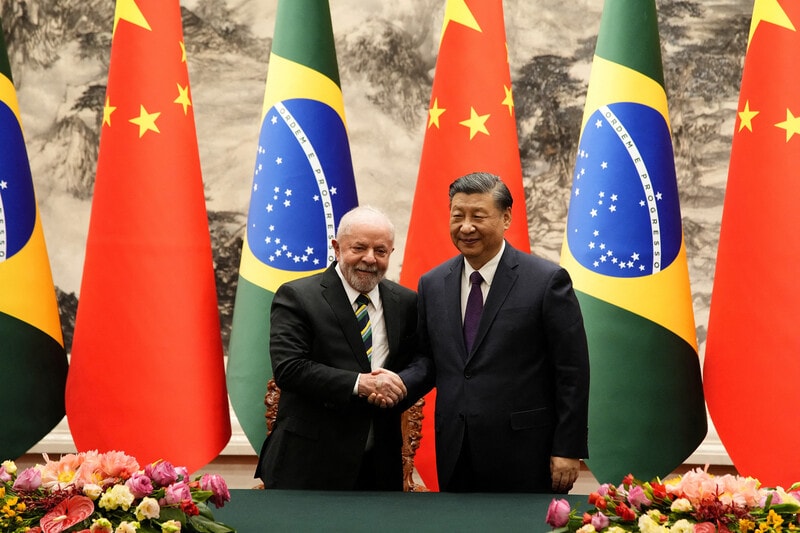
Brazil and China are enhancing their agricultural trade, specifically in soybeans, with Brazil expected to produce 167 million tonnes in 2025 and record exports to China. However, this increased demand poses a risk of deforestation, particularly in the Cerrado biome, contributing to global carbon emissions. Brazil has pledged to end deforestation by 2030 and launched the PPCerrado plan to tackle land conversion issues. Both nations are urged to align economic growth with environmental sustainability, with initiatives like the Tropical Forest Alliance facilitating sustainable soy agreements to combat deforestation while meeting food security needs.
Argentina, Bolivia, Brazil, Ethiopia, Myanmar, Sudan
Brazil and China are talking trade. Here’s how they can deliver on sustainability goals

Global funding cuts from the US and possible declines from the EU necessitate a transformation of African Union (AU) peace support operations (PSOs). Traditional funding sources are waning, and the AU must adopt innovative strategies to ensure efficiency and sustainability. Future PSOs should focus on limited, clearly defined objectives with a set timeframe, avoiding long-term engagements. Key principles include political clarity, selective troop contributions, and a tailored, multidisciplinary approach. A reimagined model emphasizes rapid deployment and withdrawal to support stable political processes, rather than state-building or societal cohesion efforts.
Global uncertainty calls for an overhaul of AU peace support operations
In 2024, over 60 countries held elections, marking a significant year for global democracy. Despite the rise of illiberal forces, voter turnout remained stable or increased in many Western nations, indicating civic vitality. Key issues included economic concerns, immigration, and health care, while environmental issues saw a decline in prominence. The impact of foreign interference was minimal in immediate election outcomes but could destabilize democracies long term. This year serves as a complex assessment of democracy's future, highlighting the need for adaptation to new political dynamics.
2024, a Year of Elections: Twilight or Renewal of Democracy?

In February 2022, as Russia advanced toward Ukraine, Elon Musk provided critical support by deploying Starlink terminals to maintain Internet connectivity, earning acclaim for keeping Ukraine online. However, Musk's refusal to extend coverage for a military operation raised concerns about the influence of private technology leaders over national security. This situation exemplifies "technopolarity," where powerful tech figures challenge traditional state authority and reshape global dynamics. The emergence of major tech companies as significant geopolitical actors has transformed the global order, historically defined by state power.
The Technopolar Paradox
Eye health significantly influences the economic and social future of the Asia Pacific region, with vision impairment costing billions in lost productivity annually. About 90% of vision loss is preventable or treatable. A regional survey identifies five areas for action: the economic burden of vision loss on households; the gap between concern and preventive action; the need for integrating vision care in diabetes management; the importance of vision in healthy aging; and the low awareness of retinal diseases. Strengthening eye health systems through targeted interventions and cross-sector collaboration is essential for improving overall wellbeing and reducing economic impacts.
Africa | Education, Health
Eye health is crucial for Asia Pacific’s economic and social future

George Simion and Nicușor Dan are set to contest Romania’s presidential election runoff on 18 May, which carries significant implications for Romania and Europe. Simion, a populist figure opposed to EU integration, contrasts with Dan, a centrist pro-EU mayor. This election represents a clash of visions, with rising public disillusionment amidst economic anxiety fostering support for extremist parties. Despite strong pro-EU sentiments, economic challenges and distrust in governance have heightened political polarization. Simion's rhetoric poses risks to Romania's European alignment, potentially impacting foreign investment and economic stability.
Romania
Romania at the crossroads as Europe watches on
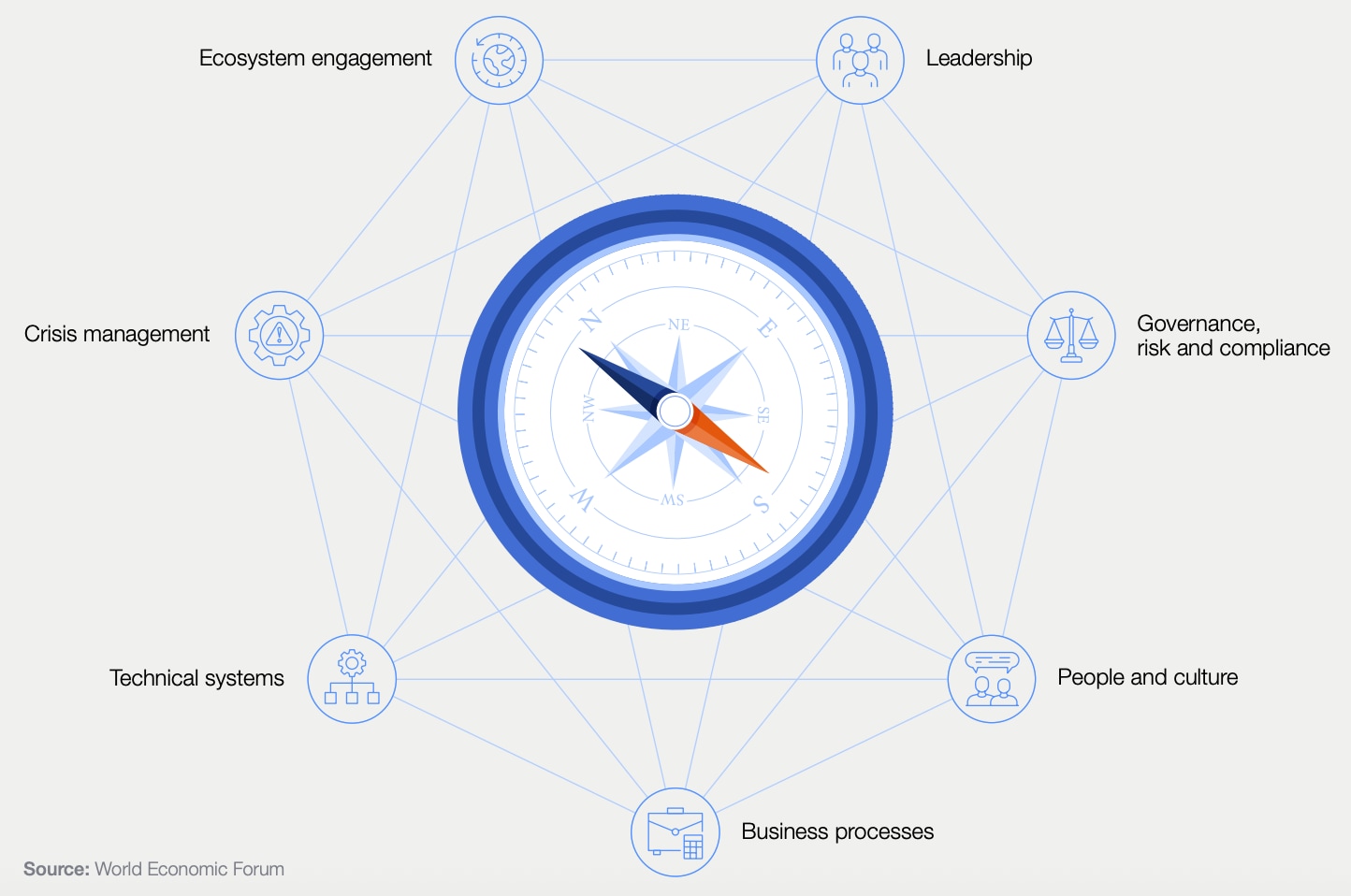
Cyber resilience is an ongoing process essential for organizations to minimize the impact of cyber incidents and protect their primary goals. The World Economic Forum, in collaboration with the University of Oxford, introduced the Cyber Resilience Compass, which outlines effective practices to enhance resilience across seven categories: leadership, governance, people and culture, business processes, technical systems, crisis management, and ecosystem engagement. High collaboration and tailored strategies based on specific contexts are critical for success, as complete cybersecurity is unattainable. This approach allows organizations to absorb and learn from incidents while maintaining operational continuity.
Financial services, ICT, Education
Practical lessons on navigating cyber resilience from leading organizations worldwide
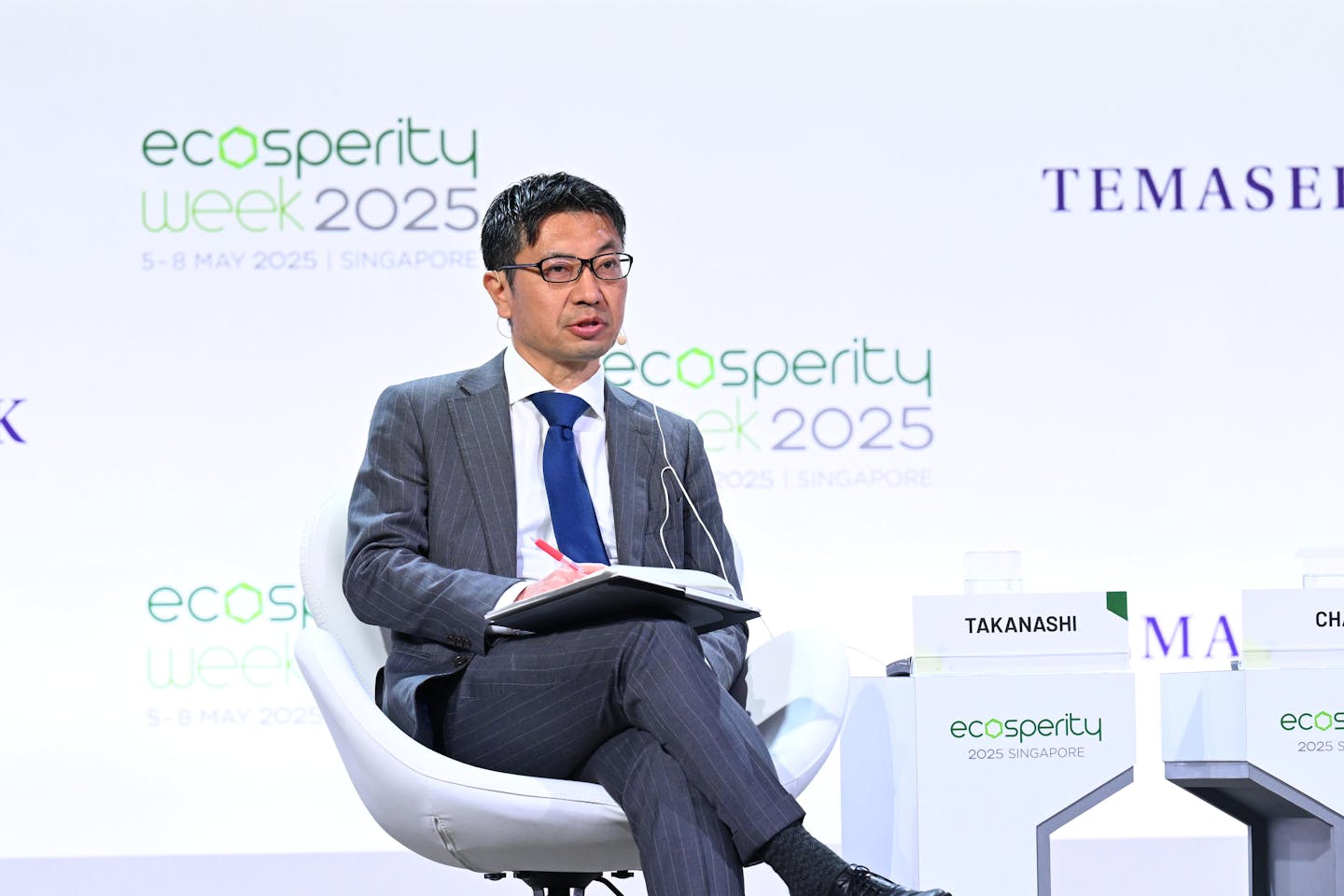
Japan remains committed to low-carbon hydrogen despite rising production costs and project suspensions. SMBC’s sustainability chief, Masayuki Takanashi, emphasized hydrogen's versatility in sectors like power, mobility, chemicals, and steel, essential for decarbonizing fossil-based thermal power, which will supply a significant portion of Japan's electricity by 2040. The Japanese government's definition of low-carbon hydrogen is less stringent than that of the EU or UK. A recent study predicts hydrogen will contribute 4% to Asia's carbon abatement by 2050, primarily as green hydrogen. However, experts caution against overreliance on hydrogen where electrification is feasible.
Japan
Japan ‘does not have the luxury’ to give up hydrogen: SMBC sustainability head
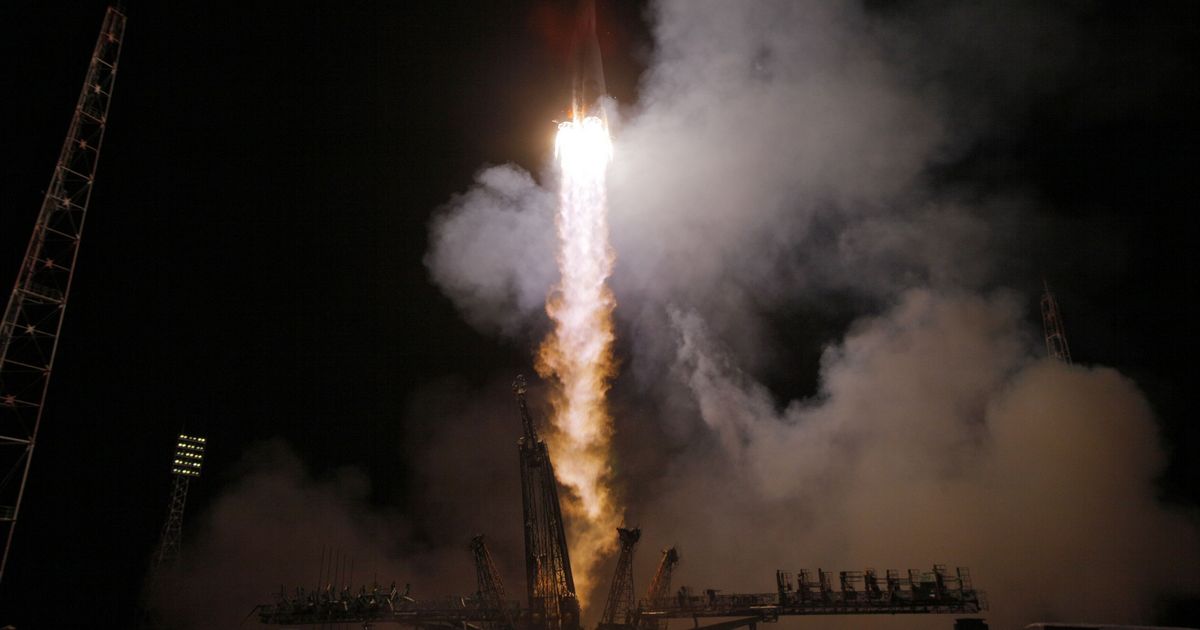
Russia is reportedly developing a program to arm some satellites with nuclear warheads, potentially allowing it to destroy civilian satellite infrastructure and weaken US military capabilities in space. This development could violate the Outer Space Treaty and exacerbate military tensions on Earth, particularly in the context of the Ukraine conflict. The US is monitoring the situation closely, notably regarding the Russian satellite Cosmos 2553, suspected of harboring a dummy nuclear warhead. The implications of Russia's nuclear satellite capabilities remain uncertain, raising concerns about threats to Western reliance on space-based technology amid rising dependencies and vulnerabilities.
Russian Nuclear Weapons in Space?
Flourishing, a comprehensive state encompassing happiness, health, meaning, relationships, and financial security, should be prioritized for individuals and nations. Current research on flourishing is insufficient, hindered by challenges in collecting robust, global data across various dimensions of well-being. The Global Flourishing Study, encompassing over 200,000 individuals from 22 countries, aims to address this gap. Effective policies necessitate both objective measures (income, environment) and subjective assessments (personal well-being). Enhanced data collection is crucial for understanding the complexities of flourishing and guiding meaningful policy decisions.
Health, Education
Why we need to measure people’s well-being — lessons from a global survey
Washington and Beijing have agreed to a 90-day pause in their escalating trade war, reducing US tariffs on Chinese goods to 30% and Chinese tariffs on US products to 10%. This interim agreement signals a willingness to negotiate, but the outcomes depend heavily on political considerations, particularly for President Trump. For China, the goal is to achieve tariffs closer to pre-trade war levels, but this remains unlikely due to Trump's need for political gain and the complexities surrounding issues like fentanyl trafficking. Any long-term resolution will require significant concessions from both sides.
China-US trade war: the next 90 days are a big deal for Beijing as it seeks long-term solutions

Society is undergoing a transformation driven by artificial intelligence (AI), necessitating a focus on maximizing its benefits while minimizing risks. Effective AI deployment requires three key elements: robust infrastructure, a supportive ecosystem, and sound governance. Infrastructure must accommodate edge computing and high-speed networks to facilitate real-time data processing and decision-making. Additionally, sustainable power solutions and model efficiency are critical due to AI's substantial energy demands. The ecosystem should aim for inclusivity, ensuring access to AI benefits for all, thereby addressing the digital divide.
ICT, Education
­­Ask not what AI can do for you – ask what you can do for AI

Netflix's drama "Adolescence" highlights the global mental health crisis among boys and young men, exacerbated by toxic masculinity and inadequate educational systems. The series follows Jamie, a troubled 13-year-old, showcasing the struggles of many boys who are underserved by societal structures. Scouting offers a solution by creating safe, inclusive spaces for youth to develop leadership skills and emotional intelligence, fostering respect and teamwork. With 57 million participants globally, Scouting aims to combat harmful gender norms and promote mental health resilience, particularly through various international initiatives and partnerships.
Education
Netflix’s 'Adolescence' spotlights the crisis of boyhood. Scouting is part of the solution
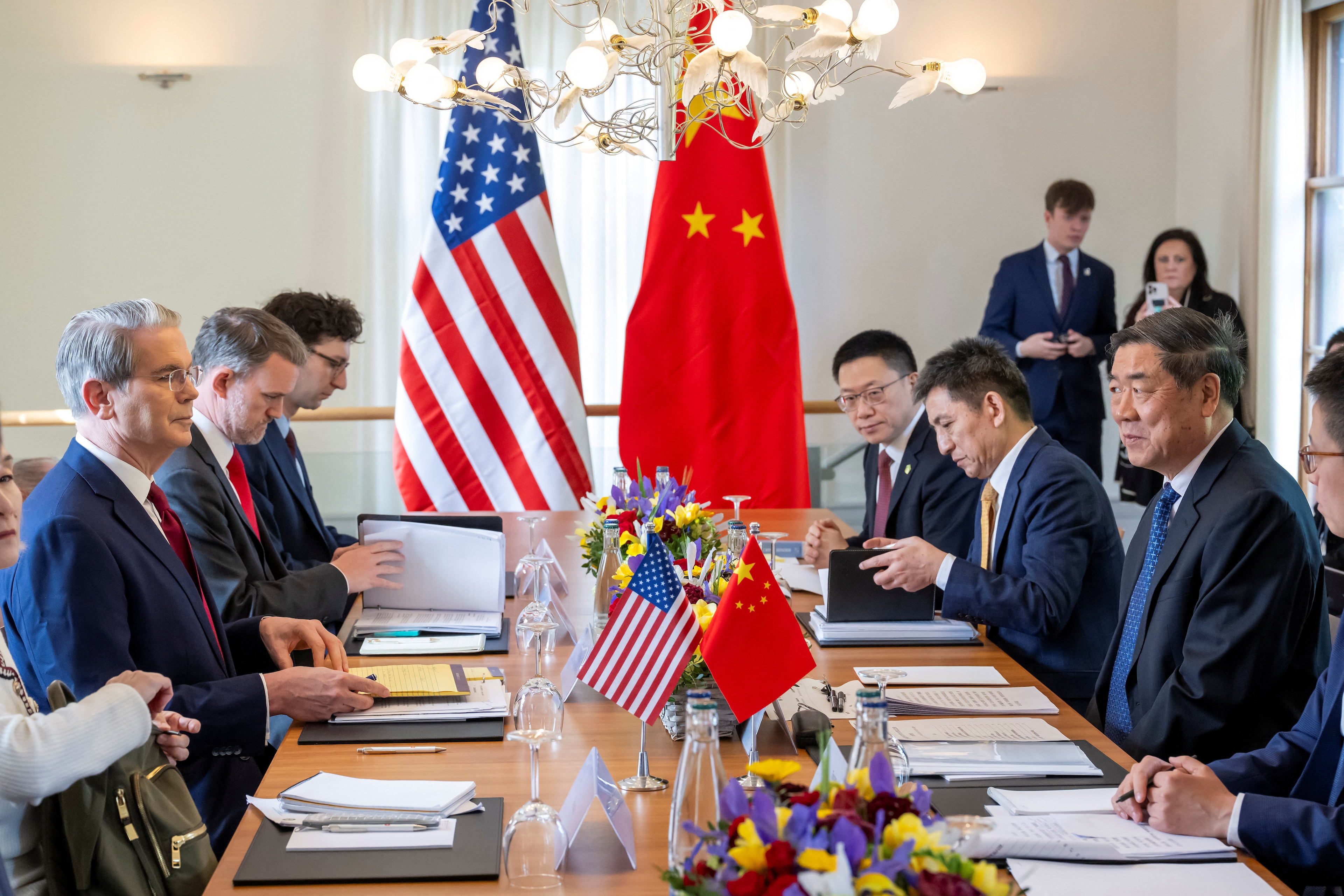
China and the US have reached an agreement to significantly reduce tariffs, easing recent trade tensions and providing a boost to global economic confidence. The US will apply a 30% tariff on Chinese exports, while China will impose a 10% tariff on US goods, effective for at least 90 days. Despite this positive development, economic uncertainty remains high, with the IMF projecting a slowdown in global growth to 2.8% this year. US GDP declined by 0.3% in Q1, and consumer sentiment has plummeted, indicating that recovery could be slow despite temporary relief from tariffs.
Taiwan, China | Financial services
A step back from the brink for the global economy, and other key economic news to know
Territorial control will be a central issue in potential peace talks between Ukraine and Russia. President Zelensky is open to discussions following international calls for a ceasefire, but Russia's insistence on recognizing Crimea and other regions as part of its territory remains a significant barrier. The strategic and economic importance of occupied regions, particularly Crimea and areas along the Azov Sea, complicate negotiations. Both sides view control of these territories as integral to national identity and military strategy, making concessions challenging. For Ukraine, restoring 1991 borders is crucial to avoid perceiving defeat, complicating any potential agreement.
Territorial concessions will be central to any Ukraine peace deal, and to Russia’s long-term plan

Southeast Asia's coastal fisheries show resilience despite historical overfishing concerns. A recent study reveals that 43% of marine stocks in the region are underfished, significantly exceeding the global average of 11.8%. The research, based on 105 assessments from 2018 to 2022, indicates that 33% of stocks are overfished compared to 37.7% worldwide. Factors contributing to this resilience include rich biodiversity and the prevalence of environmentally friendly small-scale fisheries. Southeast Asia's fisheries production, growing steadily since the 1950s, reached 18 million metric tons by 2022, representing 19% of global output.
ASEAN
Southeast Asia’s fisheries show resilience despite decades of overfishing warnings: study

Disagreements over the independence of information sources significantly contribute to political belief polarization. Research by Jens Koed Madsen, David Young, and Lee de Wit highlights that individuals with opposing views can interpret the same evidence differently based on their perceptions of source dependencies. An experimental study showed that manipulating perceptions of source independence led to increased polarization. Additionally, surveys indicated that people tend to view their political in-group as more independent compared to the out-group, reinforcing divergent perspectives on shared information.
The perceived independence of information sources has a powerful impact on polarisation