Blended finance is essential for scaling sustainable development in Asia by addressing investment risks that deter private capital. Jessica Cheam emphasizes its role in de-risking sustainable projects through the combination of public, philanthropic, and private funding. Despite a current blended finance total of approximately US$213 billion, challenges remain in project standardization and transparency. Initiatives like Singapore's FAST-P platform aim to raise US$5 billion for green financing, showcasing effective collaboration among various sectors. The need for action is urgent to meet the Sustainable Development Goals in high-risk markets.
Financial services, Health
On blended finance, bold leadership and Asia's green future
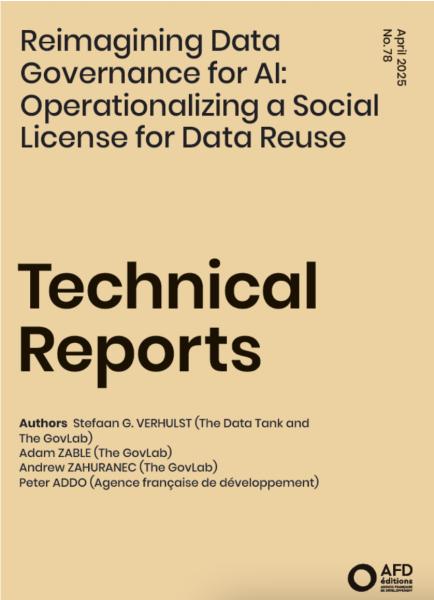
A community-centered framework for data reuse in AI development in low- and middle-income countries is presented, focusing on social licensing. This participatory approach empowers communities to collectively establish and manage the conditions under which their data is utilized. The report includes practical tools such as a Social Licensing Questionnaire and adaptable contract clauses, along with real-world examples and guidance for enforcement and policy integration. It emphasizes transitioning data governance from individual consent to a community-driven decision-making process.
Reimagining Data Governance for AI: Operationalizing Social Licensing for Data Reuse

Public–private partnerships (PPPs) effectively support cybersecurity workforce development by combining public and private sector strengths to foster skills, career growth, and sustainable talent pipelines. The white paper highlights benefits like financial sustainability, market access, and educational infrastructure. It addresses challenges such as local awareness, cultural differences, and alignment of goals. Successful PPPs depend on three foundations: engaging stakeholders through transparency, delivering tangible outcomes like training centers, and ensuring strong project management with clear roles and performance metrics.
Health, Education
Growing Cyber Talent Through Public–Private Partnerships

Corporate spending on generative AI is expected to surge sixfold in 2024 as businesses integrate these technologies into strategic plans. Despite widespread adoption of tools like ChatGPT among consumers, enterprises struggle to leverage generative AI effectively. Insights from interviews with 150 data and AI executives reveal critical challenges in data quality and integration, particularly regarding unstructured data. While 93% of executives anticipate that AI will enhance data management, many industries still face significant obstacles in accessing high-quality data. The study outlines strategic steps to help companies optimize their data assets for generative AI success.
Toward data-centric AI
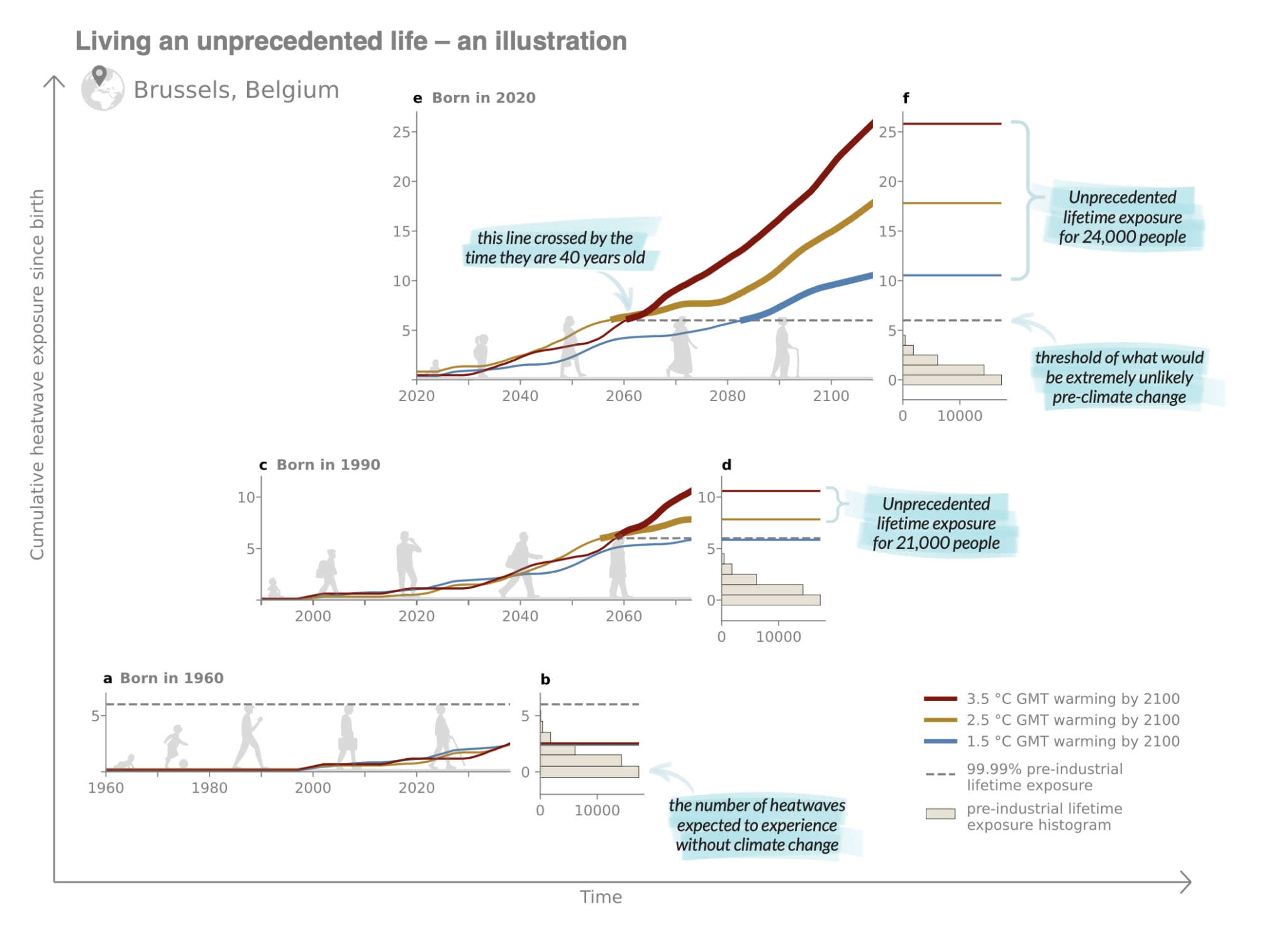
Children born in 2020 will experience unprecedented lifetime exposure to climate extremes, including heatwaves, droughts, and wildfires, even if global warming is limited to 1.5°C. Research indicates that over half will face 11 heatwaves in their lifetime, compared to just three for those in a pre-industrial era. Additionally, Hawaii plans to implement a 'green fee' by raising tourist taxes to fund climate relief efforts. Other notable findings include the potential negative impact of dying satellites on ozone recovery and increased climate-related flooding and wildfires linking to human-induced climate change.
Children born in 2020 will face 'unprecedented lifetime exposure' to climate extremes, and other nature and climate news
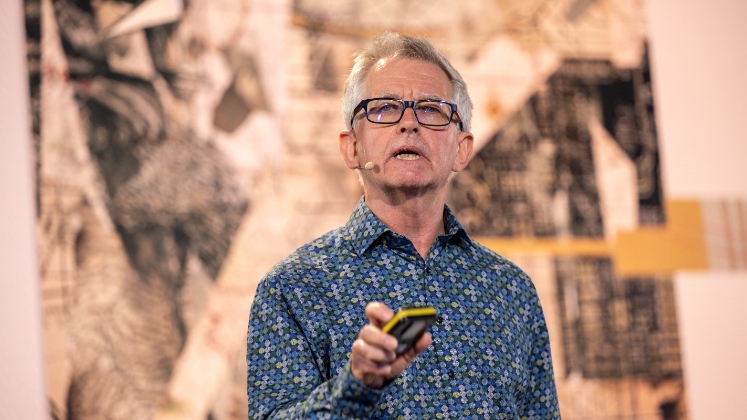
Data centres globally consume significant electricity and water, raising concerns over resource shortages, especially in London. Nick Couldry emphasizes the need to halt the use of AI for trivial tasks to mitigate climate change risks. Data centres, particularly hyperscale ones, are substantial energy and water consumers, often using 1.5 to 2 million liters of fresh water daily. The environmental impact is amplified when electricity is not sourced from carbon-neutral methods. While AI is vital for climate science, its excessive everyday use requires a behavioral shift to reduce its detrimental effects on the planet.
Nick Couldry: Using AI for trivial tasks hurts the planet

The Blue Economy is rapidly growing, projected to reach $3 trillion by 2030, driven by sectors such as shipping, offshore renewable energy, fisheries, aquaculture, and coastal tourism. While it promises economic growth and improved livelihoods, this expansion raises the risk of conflicts among sectors, marine life, and communities dependent on ocean resources. Potential conflicts stem from increased demands for goods and services, especially in crowded areas like continental shelves and Exclusive Economic Zones. Recommendations for conflict mitigation emphasize the need to manage growth sustainably and equitably within the Blue Economy.
Antarctica, Australia, Bermuda, Bolivia, Chile, France, Iceland, Jordan, Malta, Mauritius, New Zealand, Norway, Oman, Panama, Philippines, Portugal, Thailand, Türkiye | Health
Surging blue economy, increasing conflict risks and mitigation strategies

The book analyzes the impact of the digital landscape on trade dynamics and regulation in Asia and the Pacific. It focuses on digital economy agreements, digital taxation, cross-border payments, and data governance. The work emphasizes the need for alignment between digital trade rules and other regulations, while assessing topics like artificial intelligence and cybersecurity to foster regional cooperation and inclusive growth in the digital economy.
ASEAN, Asia Pacific | ICT
The Role and Future of Digital Economy Agreements in Developing Asia and the Pacific

A declining share of labor income in GDP poses a significant threat to public pension sustainability, surpassing concerns stemming from aging populations. In Spain, labor income's share decreased from 55% in the 1990s to around 50% today, reducing payroll tax revenues that fund pensions. This creates a financial gap as pension expenses lag behind the drop in revenue. Projections indicate further decline to 40% by 2060, exacerbating the imbalance. A dual decline in labor and capital income could worsen the situation. Urgent reforms are recommended, including adopting a mixed pension system similar to Sweden's and promoting private savings initiatives.
Spain
The decline of labor income: another challenge for public pensions

India's suspension of the Indus Waters Treaty (IWT) with Pakistan marks a critical escalation in South Asia's water diplomacy, fueled by tensions following a terrorist attack linked to Pakistan. Prime Minister Modi emphasized that India's water resources will be prioritized for national benefits, which aligns with recent actions including sediment-flushing operations and the closure of sluice gates at key dams, generating concerns in Pakistan. This shift in policy could threaten regional cooperation on water management, especially affecting Bangladesh's reliance on India for water flow data and raising potential for increased Chinese influence in South Asia as countries seek alternative partnerships to counterbalance India's position.
What India’s river moves mean for South Asian water cooperation
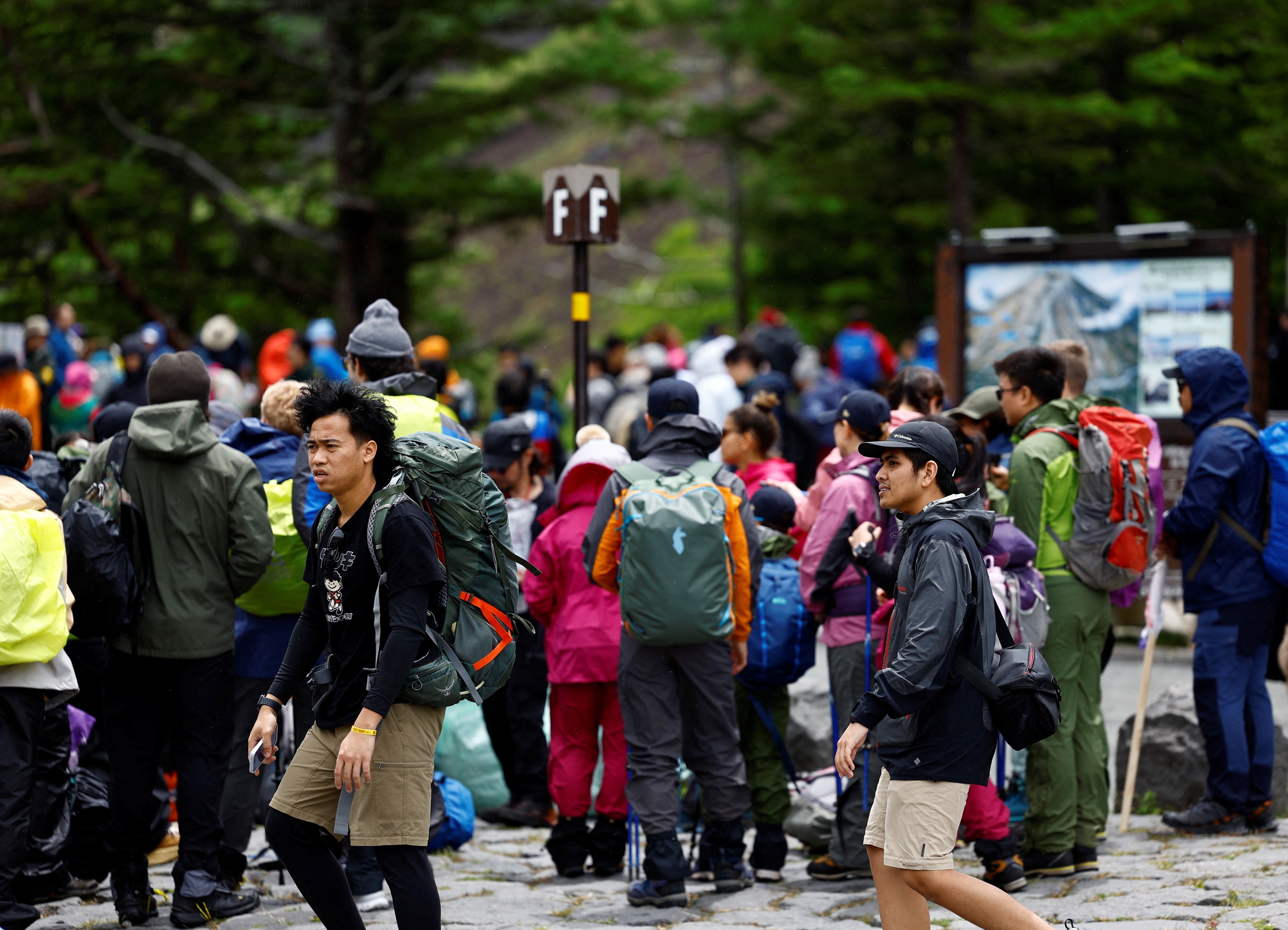
Japan is addressing overtourism by promoting regional tourism and directing visitors away from five heavily visited prefectures. Technologies like AI and real-time digital signage are being utilized to inform tourists about overcrowding. With a record 36.87 million international visitors in 2024, the government aims for 60 million by 2030 while implementing initiatives to disperse tourists and improve local conditions. Collaborations, such as Japan Airlines’ promotion of lesser-known regions and the development of apps to forecast crowd levels, target a more sustainable tourism model. Government funding supports these efforts, emphasizing the need for balance between tourism growth and community well-being.
Japan
How Japan is redesigning tourism to benefit local communities
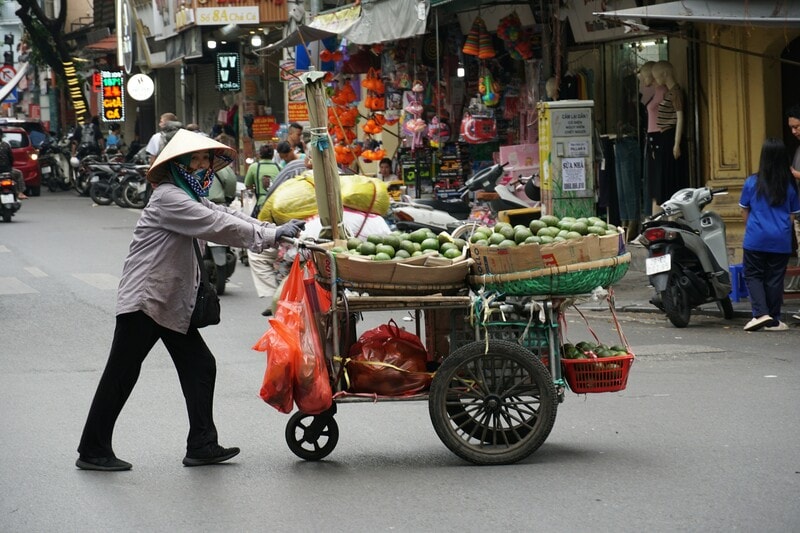
Over 60% of workers in the Global South are employed informally, utilizing digital tools but lacking visibility. AI can help these workers build verifiable digital reputations, overcome language barriers, and find employment. Informal work, essential for economic stability, is evolving rather than diminishing. AI solutions can improve visibility and efficiency by matching workers with tasks, verifying skills through digital records, and facilitating labor mobility across regions. The integration of AI technologies promises to empower informal workers, enhance economic participation, and support regional cooperation and job standardization.
Financial services, ICT, Education
How AI is reshaping the future of informal work in the Global South
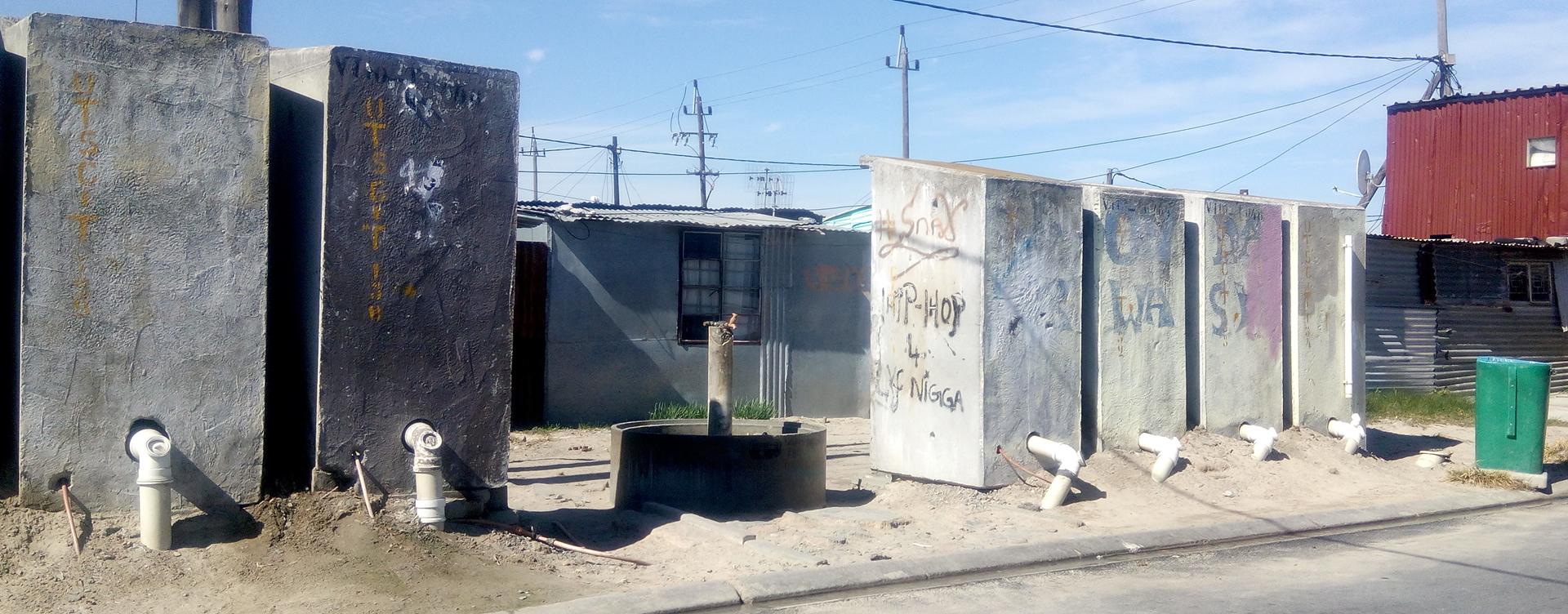
Africa faces a significant sanitation and safe water crisis, with only 57% of citizens having access to improved sanitation in 2019, compared to nearly 90% globally. In 2020, just 27% of the population had access to safe sanitation, highlighting severe regional disparities, particularly in East and Central Africa. Access to clean drinking water also lags, with 79% of Africans having such access versus 96% worldwide. Inadequate sanitation incurs annual economic losses of about $170 billion in sub-Saharan Africa. Enhanced water, sanitation, and hygiene (WaSH) infrastructure is linked to poverty reduction, education, and gender equality, emphasizing the urgent need for substantial policy action and investment to close these gaps.
Africa | Health
The sanitation gap in Africa’s progress
The 2025 Global AI Summit in Kigali, Rwanda, showcased Africa's confidence in leading the AI revolution, with over 2,000 participants from 90 countries. Key priorities included education and skills development, AI applications in healthcare, and sustainable financing, emphasizing the importance of youth engagement and localized AI solutions. Infrastructure development is crucial, highlighted by ECONET's partnership with NVIDIA to enhance computing capacity and support linguistic diversity. The African Declaration on AI aims to mobilize capital and coordinate governance with a proposed $60 billion fund. The summit's outcomes call for inclusive, sustainable AI, focusing on equity and local relevance.
Rwanda | Education
Integrating Africa’s AI Ambitions into the Global Development Agenda

72% of businesses report increasing cybersecurity risks, with almost half identifying the malicious use of generative AI as a primary concern. Notable cyber threats include the infiltration of US critical infrastructure by Salt Typhoon and a $1.5 billion cryptocurrency heist by Lazarus. Geopolitical tensions have influenced cybersecurity strategies, with 60% of organizations adjusting their approaches. Harvard University’s Belfer Center highlights that effective national strategies vary and should focus on infrastructure protection, workforce development, partnerships, and policy adaptation. A significant skills gap persists, with two-thirds of organizations lacking essential cybersecurity capabilities, disproportionately affecting smaller firms.
Africa | Financial services, Health, ICT, Education
72% of cyber leaders say risks are rising. Here's how states and businesses are responding
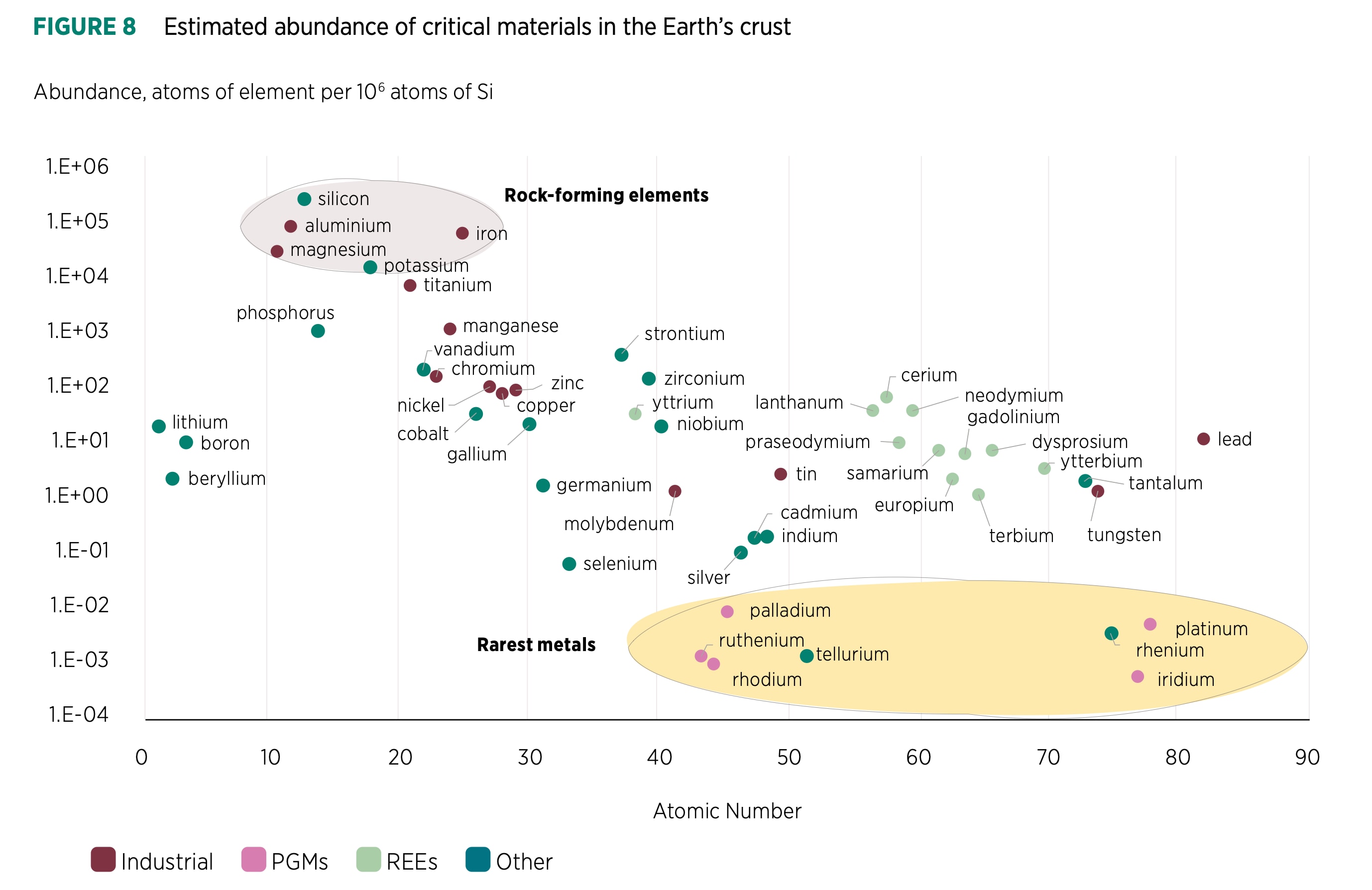
Critical minerals such as lithium, cobalt, and rare earth elements are essential for transitioning to sustainable energy technologies, including electric vehicles and renewable energy systems. The International Energy Agency predicts demand will triple by 2030 and quadruple by 2040 to achieve net-zero emissions. However, the concentration of mineral production, particularly in China, poses significant supply chain risks. Recycling critical minerals could mitigate shortages, but current technologies lag behind demand. Key sources include copper from Chile and Peru, while lithium is crucial for battery technologies, further establishing the geopolitical importance of securing these resources.
What are the critical minerals for the energy transition – and where can they be found?
China's White Paper on National Security outlines a comprehensive approach to national security, emphasizing the concept introduced by Xi Jinping that integrates various sectors such as politics, economy, and technology. The document elevates "political security" as essential for preserving the socialist system and CPC leadership, while also focusing on ideological security. It underscores a balance between national security and development, proposing structural priorities like risk monitoring and resilient infrastructure. Additionally, China positions itself as a source of stability amid global turmoil, particularly in the context of U.S.-China tensions.
Reading China’s White Paper on National Security in the New Era
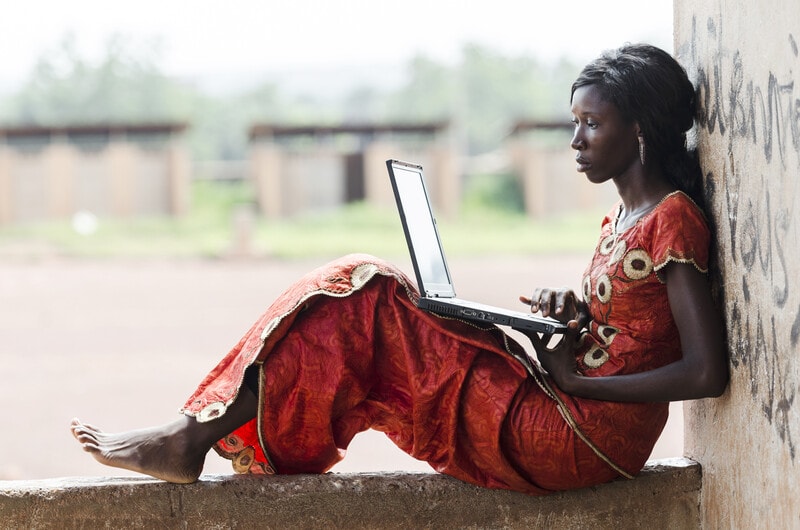
Women entrepreneurs in low- and middle-income countries (LMICs) significantly contribute to economic growth but face systemic barriers, particularly in digital access. Bridging the digital divide presents a moral and $5 trillion economic opportunity. With 45% lacking regular internet access and a 15% gender gap in mobile usage, women's participation in online markets is severely limited. Legal and regulatory frameworks are inadequate, with many women requiring male permission to register businesses and facing discrimination in credit access. Policymakers must implement reforms to enhance digital inclusion, ensure safe online environments, and support women's entrepreneurship to unlock economic potential.
Africa, Latin America | Financial services, Education, ICT
Digital inclusion: How to unlock the $5 trillion opportunity for women entrepreneurs

The Gulf Cooperation Council (GCC) is enhancing global cooperation amid rising geopolitical tensions by forming new alliances and expanding trade partnerships. The GCC emphasizes economic integration and diversification efforts to reduce oil dependency, exemplified by projects like Saudi Arabia’s logistics hub with China and Oman’s Duqm Port. Technological collaboration is fostered through initiatives like Bahrain's FinTech Bay and the UAE’s AI strategy. Climate action is prioritized with ambitious projects to transition away from fossil fuels, while advancements in healthcare, such as Qatar’s pharmacogenomics initiatives, further solidify GCC’s role in global cooperation.
Algeria, Bahrain, Barbados, Egypt, Gabon, Georgia, Ghana, Guatemala, Guinea, Iceland, Jordan, Kazakhstan, Kenya, Kuwait, Lebanon, Malaysia, Morocco, Mozambique, Netherlands, Oman, Philippines, Qatar, Republic of Korea, Saudi Arabia, Senegal, Singapore, Spain, Switzerland, Tanzania, United Arab Emirates, United Kingdom, Yemen | Health
5 ways the GCC is supporting global cooperation
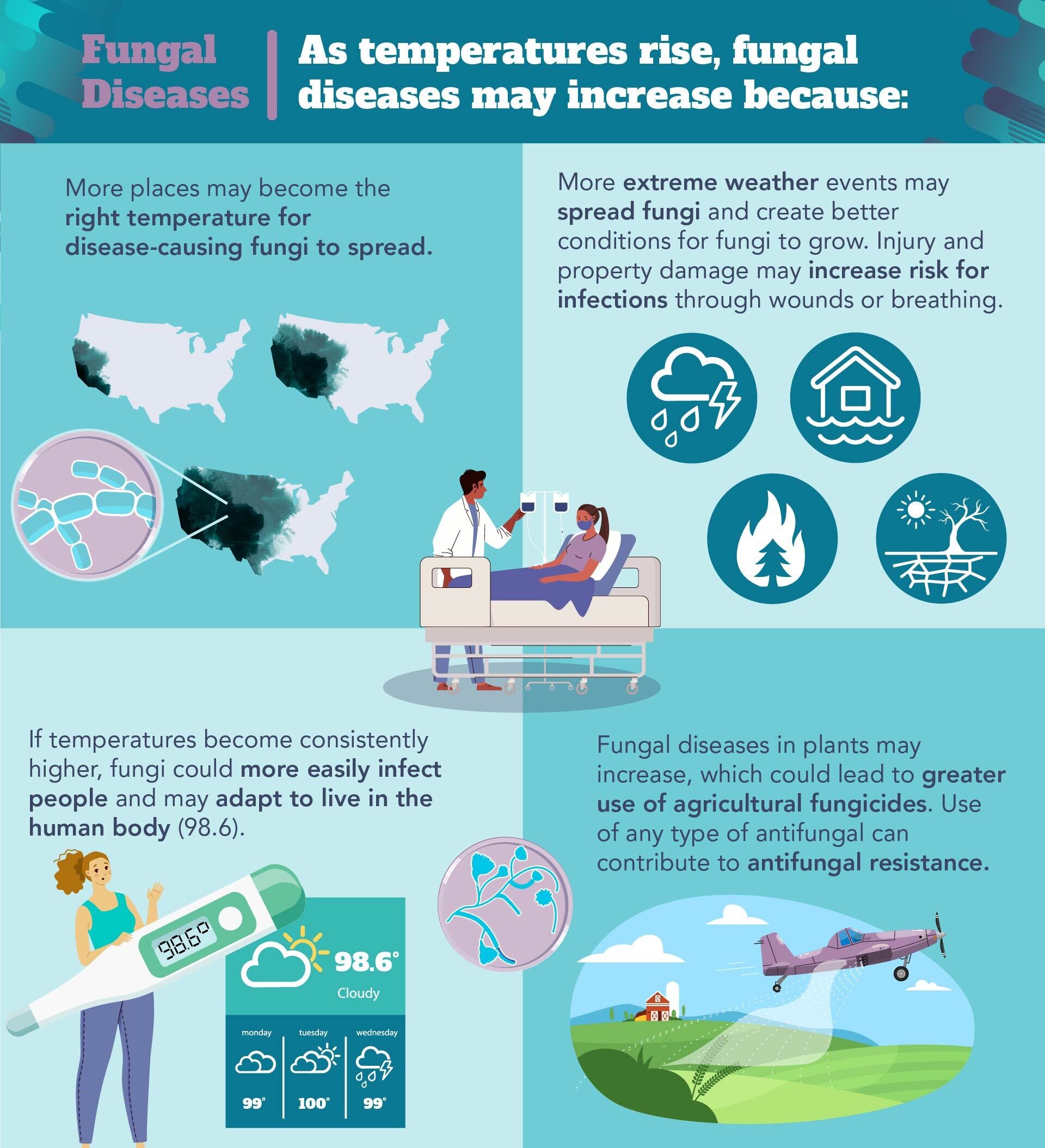
Rising global temperatures are projected to increase the spread of the fungus Aspergillus fumigatus, responsible for millions of infections and deaths annually. This fungus could expand its range by 77% by 2100, endangering up to 9 million additional people in Europe. Climate change may also allow A. flavus to affect a larger area. Additionally, a UK review highlights a gender imbalance in clinical research, with significantly more male-only studies. Urgent reforms are needed to address this disparity, which impacts the safety and effectiveness of treatments for women.
Africa | Education, Health
Rising temperatures could spread deadly fungus, experts warn, and other health stories