
National health-adjusted dependency ratios in the Asia and Pacific region from 1990 to 2021 reveal a more complex trend than traditional old-age dependency ratios suggest. The study indicates lower aging burdens in older economies and emphasizes the importance of incorporating health status into social policy and resource allocation strategies. These findings are crucial for informed decision-making, particularly in rapidly transitioning demographics with improved health outcomes.
Health
Dependency Ratios Adjusted by Health in Asia and the Pacific 1990–2021
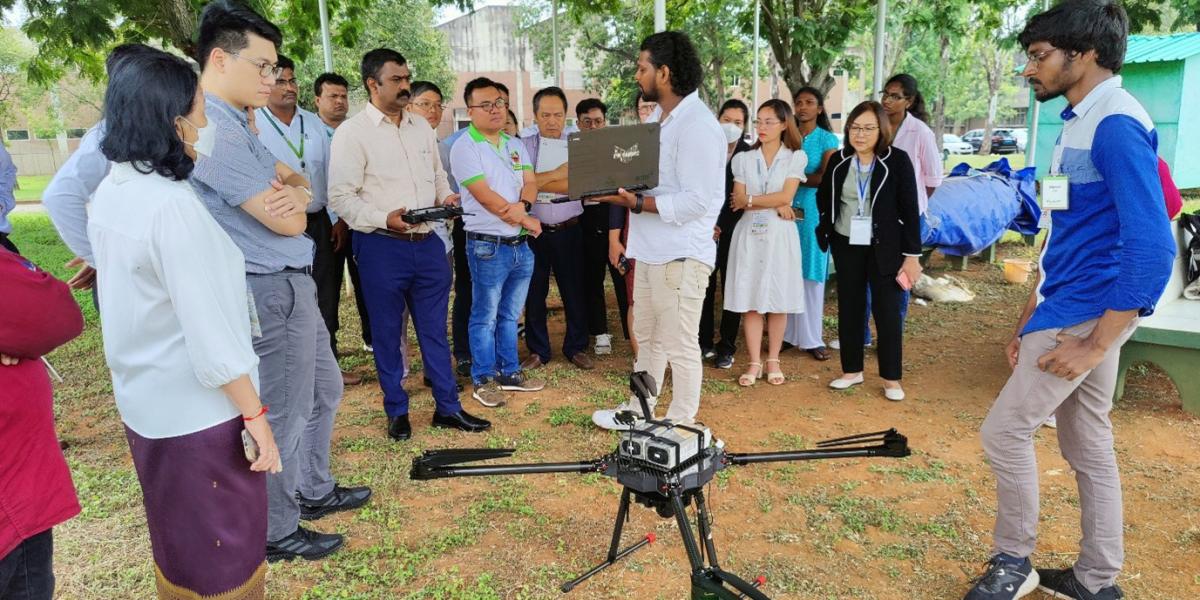
India has implemented digital innovations in agriculture since the 1990s, leading to a significant rise in food and agriculture startups, now around 3,116. The Greater Mekong Subregion's SAFSP organized a study tour to explore these technologies, highlighting autonomous vehicles, AI, and drone imaging solutions that enhance precision farming and crop monitoring. Notable innovations include the X100 robotic platform for agricultural tasks, Plantix app for pest and disease detection, Kalgudi's digital marketing platforms for produce, and FarmRobo's Minibot, designed for smallholder farmers. These technologies promote sustainability and improve market access in agri-food systems.
ICT, Education
Harnessing Digital Technologies for Sustainable Agriculture and Food Security

Behaviorally-informed technologies are influencing global aid by addressing humanitarian challenges such as maternal health and education. At the recent UN Behavioural Science Week, experts from organizations like UNICEF and the World Bank discussed how technology can support healthcare workers and teachers, as well as improve resource allocation for aid agencies. The conference emphasized the importance of understanding cultural contexts to address biases in AI deployment. Overall, the integration of behavioral science and technology is seen as vital for enhancing global development initiatives.
Africa | Health, Education
How Behaviorally-Informed Technologies Are Shaping Global Aid

Armed conflicts lead to various forms of violence and human rights violations that worsen poverty, particularly in regions like Syunik, Armenia. Conventional poverty measures inadequately reflect the multidimensional aspects of deprivation in such unstable environments. This study integrates the Multidimensional Poverty Index (MPI) to highlight methodological gaps and emphasizes the importance of factors like safety, predictability, and social cohesion. It advocates for enhanced poverty analysis frameworks that include empowerment and individual agency to provide policymakers with actionable insights to combat structural vulnerabilities in conflict-affected areas.
Latin America
Examining Poverty in Conflict-Affected Regions of Armenia: Methodological Overview - Armenia

Interest in retail investing has reached unprecedented levels, but barriers remain in access, education, trust, and investing catalysts. A proactive public-private partnership is essential to empower investors and promote equitable participation. Key strategies include enhancing investor confidence, democratizing access to guidance, and addressing educational deficiencies. Trust levels vary widely among generations and countries, necessitating transparency and fair operating models. Personalized solutions are vital, leveraging incentives and tailored products to motivate engagement. Overall, systemic efforts are crucial for nurturing long-term retail participation in capital markets.
Financial services, Education
More people want to make financial investments than ever before. How do we empower them?

The ongoing military confrontation between India and Pakistan poses a significant risk to Pakistan's already struggling economy. Following a recent terrorist attack in Kashmir, India has launched strikes on Pakistani territory, raising alarms about potential threats to the Indus River, crucial for Pakistan’s economic stability. To mitigate these challenges, Pakistan urgently needs a strategy that emphasizes fiscal discipline, demographic management, and long-term development spending, addressing decades of low savings, inadequate investment, and stagnant GDP growth.
Pakistan
Pakistan’s Best Chance to Save Its Economy

India's suspension of the 1960 Indus Waters Treaty with Pakistan, amid rising geopolitical tensions and climate change, underscores a shift in South Asia's approach to water resources. The region relies on transboundary rivers fed by Himalayan glaciers, but climate change poses severe risks with accelerated glacier melt, erratic monsoons, and unsustainable groundwater use threatening water security. The situation is exacerbated by China's hydropower projects, which raise concerns about upstream control. The erosion of trust and data sharing in existing treaties risks humanitarian crises, necessitating urgent reform of water governance to adapt to contemporary climatic and geopolitical challenges.
India-Pakistan conflict over water reflects a region increasingly vulnerable to climate change
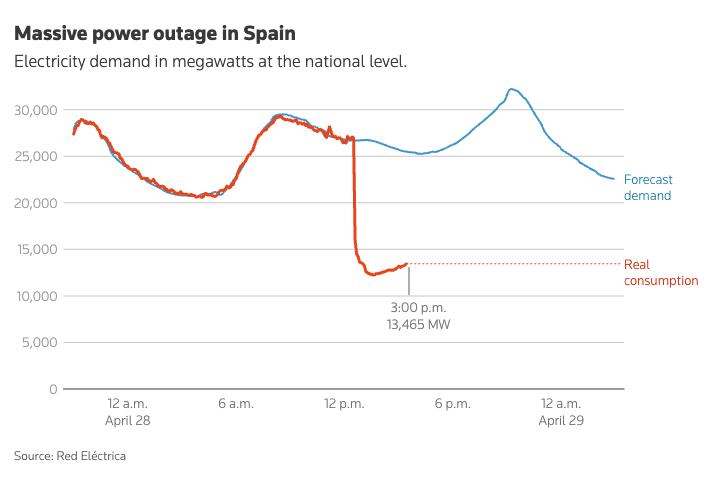
Blackouts in Spain and Portugal have raised urgent calls for increased investment in energy resilience as the regions experience significant power outages affecting various societal functions. Economic growth and new technologies are driving rising electricity demand, making power generation more decentralized and variable. The International Energy Agency reports a surge in carbon capture projects globally, indicating its crucial role in achieving low-emission energy systems. Other notable developments include a $100 billion commitment from the US energy storage sector to support domestic battery production, and innovative renewable energy initiatives across various countries.
Spain | Financial services
Europe blackouts turn spotlight on power systems - and more top energy stories

The Frontiers Planet Prize promotes groundbreaking scientific research to tackle urgent environmental challenges, with six out of nine planetary boundaries breached. It rewards transformative solutions by encouraging interdisciplinary collaboration among scientists, communities, and youth leaders. The initiative mobilizes the scientific community, drawing on the successful response to the COVID-19 pandemic as a model for urgent action. Key achievements include improved biodiversity in Amazon communities and the development of nature-based climate resilience programs. Celebrating its impact, the prize cultivates a culture of urgency in addressing global environmental issues through community engagement.
Health
Frontiers Planet Prize: The breakthrough science that could preserve our planet

Collaboration across the energy sector is essential to enhance cyber resilience amidst rising cyber threats to energy infrastructure. The sector is experiencing growth driven by diversification and technological changes, with increased energy demand, particularly for electricity from renewable sources. However, escalating cyberattacks on energy systems, such as notable incidents impacting pipelines and electric grids, highlight vulnerabilities. The integration of operational technologies with digital networks complicates cybersecurity efforts. The industry must adopt advanced strategies, including AI for protection, to safeguard against both cybersecurity threats and potential malicious AI misuse.
Financial services, Health, Education, ICT
Powering cyber resilience in the energy sector
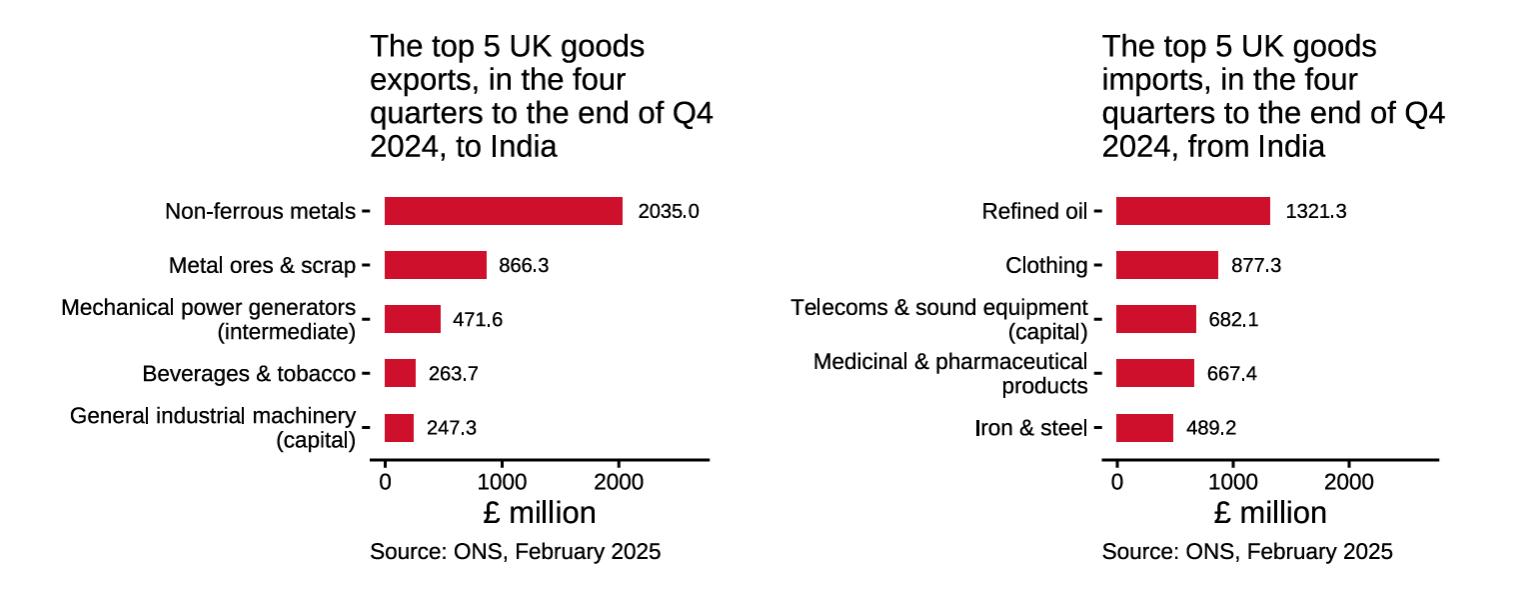
The UK and India have finalized a significant free trade deal, aimed at bolstering their strategic partnership and enhancing bilateral trade by $34 billion annually by 2040. The agreement will eliminate tariffs on 90% of British products, including whisky and electronics, and reduce automotive tariffs from over 100% to 10%. The UK will also lower tariffs on Indian exports, benefiting sectors like textiles and automotive parts. This partnership is seen as crucial amid global trade tensions, with the potential to create jobs and offer consumers in both countries a broader selection of goods.
India, United Kingdom
The UK and India just signed a 'historic' free trade deal. Here's what to know
Reform UK’s rise in local elections signals deep-rooted economic and social issues affecting British towns, exacerbated by digital disruption, demographic shifts, and austerity measures. Mainstream parties, including Labour and the Conservatives, must recognize the Reform vote as indicative of systemic challenges rather than a mere protest. The decline of community infrastructure and high streets has led to isolation and disillusionment among residents, who feel neglected. Opportunities for revitalization may emerge from trends like remote work and generative AI. To regain trust, mainstream parties should implement targeted policies aimed at supporting marginalized communities and repurposing local assets.
Financial services, Education
To fend off Reform, mainstream parties must address the tangible decline of British towns
Friedrich Merz, after facing initial challenges in his confirmation as Chancellor, aims to strengthen Germany's foreign policy and defense posture. His coalition with the SPD prioritizes military investment and resilience in the face of international challenges, particularly following Russia's actions in Ukraine. Merz has recommitted Germany to European integration, emphasized leadership within the EU, and reinvigorated key alliances, including the "Weimar triangle" with France and Poland. His administration also plans to create a national security council, consolidating foreign policy power in the chancellery while positioning Germany towards the US, China, and Israel.
Germany’s new government wants to be a foreign policy power
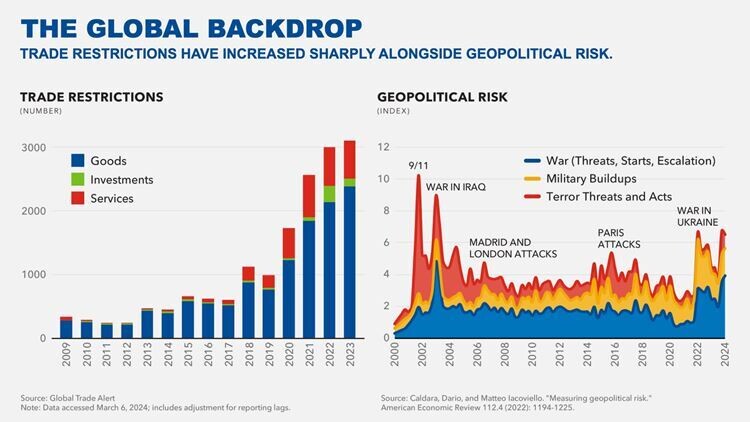
Industry leaders are adapting to challenges posed by geopolitical tensions and supply chain disruptions, with a focus on energy security, digital transformation, and workforce resilience. Key priorities include enhancing supply chain resilience, advancing energy efficiency, and harnessing artificial intelligence for operational improvement. Companies advocate for standardized regulations and cross-industry collaboration to mitigate risks. Despite the promise of AI, many organizations face obstacles in widespread adoption. The upcoming Industry Strategy Meeting 2025 in London aims to address these critical issues as leaders prepare for an unpredictable global landscape.
Switzerland | Financial services, Health, Education, ICT
From supply-chain upheaval to AI-led transformation, here's how industry leaders are keeping up

Agentic AI is pivotal in transforming the workforce by enhancing reskilling and upskilling initiatives. The World Economic Forum Future of Jobs Report 2025 highlights that while skill instability has decreased from 57% in 2020 to 44% in 2023, significant shifts in workforce demographics and technology will disrupt many existing skills by 2030. Employers must prioritize training aligned with business needs, leveraging agentic AI to personalize learning and develop essential life skills like analytical thinking. The integration of AI also streamlines instructional methods for educators, ultimately evolving job roles to require a blend of human and technical capabilities.
Education
How agentic AI can drive workforce transformation

Urban design significantly influences the mental health of populations, where factors like noise, overcrowding, and limited green spaces contribute to "anxious cities," intensifying psychological strain. This concept highlights how urban environments, when poorly designed, foster distress and exacerbate conditions like depression. Research shows disparities in mental health outcomes based on socio-economic contexts, with vulnerable groups facing greater challenges in stressful urban conditions. Green spaces are essential for mental wellbeing, offering restorative benefits that are often inequitably distributed. Prioritizing equitable access to nature and thoughtful urban planning can enhance community resilience and improve overall mental health.
How to better design urban environments to avoid 'anxious cities' and improve mental wellbeing

Tea farmers in Kenya are implementing climate change initiatives using techniques from Chinese experts as part of a trilateral cooperation project, funded partially by Germany and led by the UN Food and Agriculture Organization. This $2.5 million initiative, which runs until 2026, aims to enhance the resilience of Kenya’s tea industry against extreme weather, which significantly impacts its export earnings. The project exemplifies a broader trend in development cooperation where developing countries collaborate using shared resources and knowledge, emphasizing the exchange of experiences rather than a one-directional transfer of aid.
South Africa | Financial services, Education, Health
Is it possible to work with China for development?

On April 28, 2025, a massive blackout affected Spain, Portugal, and Andorra, highlighting business vulnerabilities to unexpected events. The increasing frequency of natural disasters necessitates a reevaluation of lean management practices. Businesses should focus on building resilience by diversifying supply chains and reducing complexity to mitigate risk. The blackout revealed the need for alternative energy sources and buffers against unpredictable supply disruptions. Effective crisis management prioritizes preparedness and flexibility over strict efficiency, ensuring continual access to necessary resources to withstand unforeseen challenges.
Financial services
Blackout in Europe: Lessons for business for when the unexpected occurs
Artificial intelligence (AI) has transformed information access, presenting vast global content through digital platforms. However, the availability of information does not equate to its accessibility, as algorithmic curation often limits critical understanding and promotes engagement over knowledge. This can exacerbate epistemic inequality, particularly among youth who may lack adequate media literacy. To address these issues, there is a need for algorithmic transparency, enhanced civic education, and inclusive formats for knowledge sharing.
ICT, Education
The world at our fingertips, just out of reach: the algorithmic age of AI
AI can enhance under-resourced nonprofits if designed to meet community needs. Nonprofits often seek tech sector expertise but face challenges such as a lack of understanding of community issues, potential biases in AI models, and resource limitations. Effective collaborations beyond the tech sector are essential for developing equitable and context-aware AI solutions. Nonprofits should envision an AI-enabled future that prioritizes human well-being and community agency by proactively defining which problems AI should address and centering diverse voices in decision-making to ensure AI is a tool for empowerment.
Building Community-Centered AI Collaborations