
The India-Pakistan conflict has escalated due to increasingly similar repressive regimes characterized by religious extremism. Recent events, including a militant attack in India targeting Hindu tourists, have heightened tensions. India, under Modi, is adopting a punitive deterrent approach, promising military retaliation against terrorism. Preceding this, India's military conducted strikes in Pakistan, signaling a willingness to extend conflict beyond Kashmir. Pakistan, historically engaging in asymmetric warfare, aims to exploit India’s internal divisions. The mutual grievances are intensifying extremism on both sides, complicating any potential resolution.
India, Pakistan
Why This India-Pakistan Conflict Is Different

Ukrainian consumers are responding to the ongoing war with Russia through boycotts and active support for brands that exhibit solidarity. Brands have employed satire, national symbols, and promotion of local products to foster cultural resilience. Humorous campaigns have reclaimed derogatory terms, while advertising has connected consumers to national identity and pride. Since full-scale conflict in 2022, there has been a shift towards a “Made in Ukraine” initiative to bolster local economy. Consumers remain critical of brand activism, emphasizing authenticity over profit-seeking motives in their support for civic-led marketing initiatives.
Keep calm and carry on buying: how Ukrainian consumers are hitting back at Russia
Donald Trump announced reductions in tariffs on British metals and cars, prompting positive reactions from both UK and US leaders. Key changes include a reduction of the US steel and aluminum tariff from 25% and a decrease in car tariffs from 27.5% to 10% for the first 100,000 vehicles. While the UK retains its digital services tax, agricultural market access is granted without altering food safety standards, which may limit practical benefits. Experts view the trade deal as limited and politically motivated, suggesting it may not significantly impact the trade deficits or growth forecasts of either country.
Donald Trump has reduced tariffs on British metals and cars, but how important is this trade deal? Experts react

Governments face the challenge of meeting rising service demands while reducing public spending. Frugal innovation offers a viable alternative to austerity by maximizing existing resources and creatively addressing societal needs. This involves resourcefulness, valorizing underused assets, and adopting innovative approaches. Examples include repurposing wastelands in France for sustainable industries and the Housing Innovation Lab in Boston developing affordable modular housing. Additionally, India's digital public infrastructure (DPI) permits efficient, accessible service delivery and has significantly increased tax revenue while cutting fraudulent claims, supporting economic growth.
Financial services, Health, Education
How frugal innovation is helping governments deliver more with less
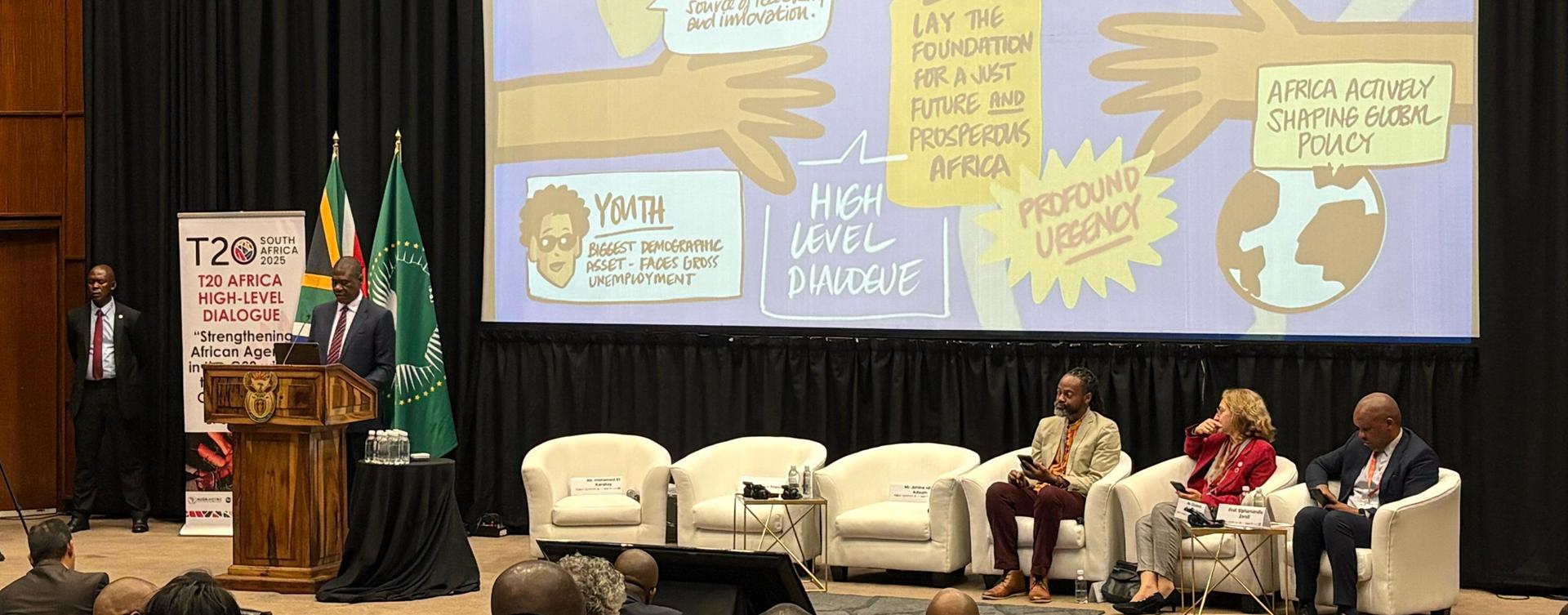
The T20 Africa High-Level Policy Dialogue highlighted the need for Africa to disrupt the status quo to enhance its agency in the global arena. While the admission of the African Union to the G20 is a milestone, deeper structural issues like governance failures and demographic challenges must be addressed. Key discussions emphasized the urgency of introspection and genuine leadership reform. African youth voiced their discontent over leadership disconnect, advocating for their inclusion in decision-making. To shape a sustainable future, Africa requires practical execution of plans rather than mere aspirations, ensuring alignment with strategic responses to its demographic realities.
South Africa | Health, Education
Africa’s uncomfortable future: insights from the T20 Policy Dialogue
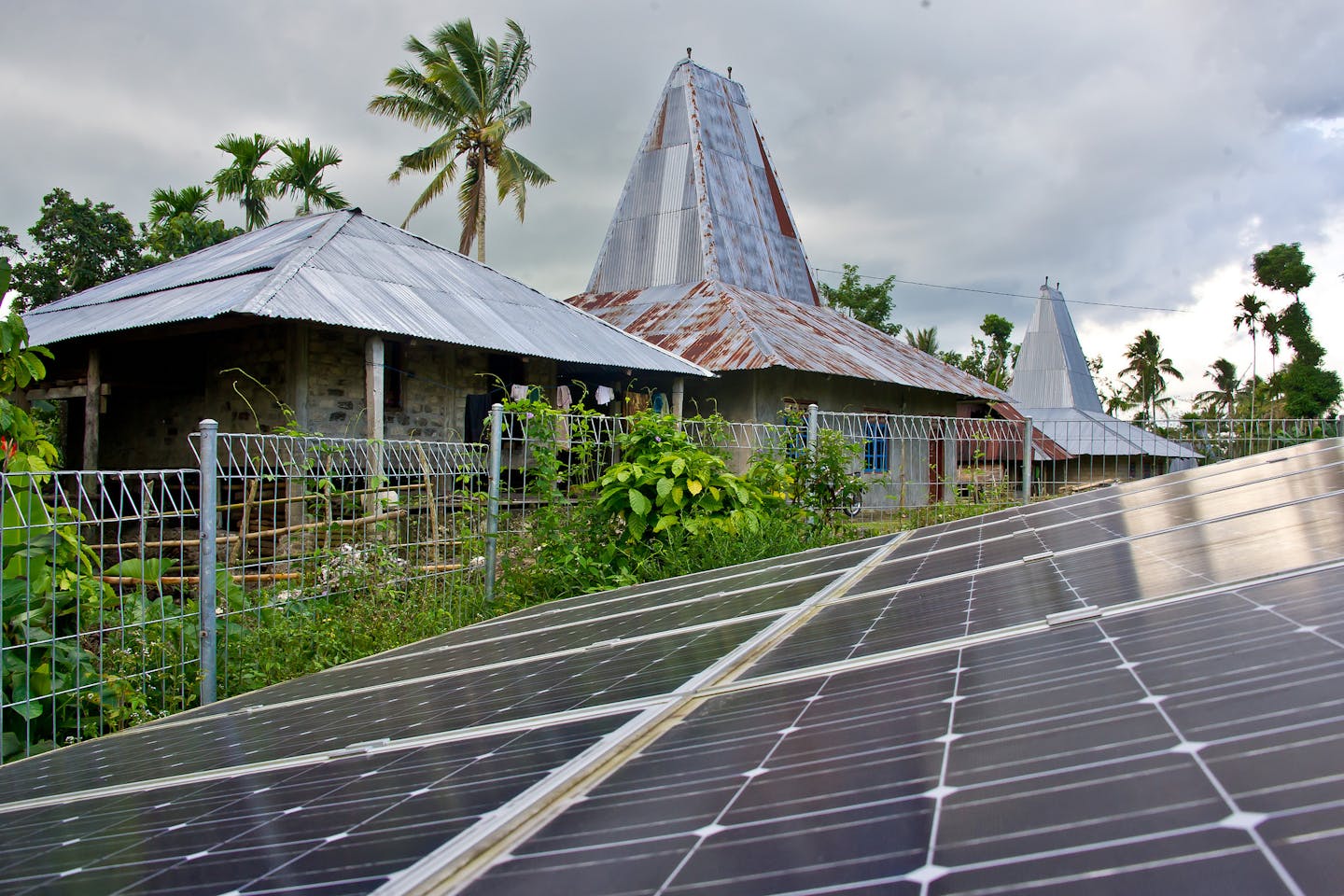
Shared use of Indonesia's transmission network could attract over US$150 billion in private investment for the renewable energy sector, according to a report by RE100, IESR, and IEEFA. By implementing a power wheeling scheme, non-utility stakeholders can access state-owned infrastructure to deliver electricity from private sources to consumers. This model can address the US$146 billion investment gap needed to meet Indonesia's 2030 goals, which aim for 26% renewable energy in the national mix. Enhanced private participation is essential for Indonesia to achieve its ambitious targets for renewable generation capacity and net-zero emissions by 2060.
Indonesia
Shared transmission network could unlock US$150 billion in renewable energy investments in Indonesia: report

Urban India can significantly reduce greenhouse gas emissions through climate-conscious strategies in urban planning and construction. Key approaches include low-carbon construction, passive design, and green building practices, which emphasize sustainable materials and energy efficiency. The rapid urban growth necessitates urgent actions to address both embodied and operational carbon emissions, which arise from building processes and energy consumption, respectively. Integration of green infrastructure and optimizing urban layouts can enhance resilience and lower temperatures. Collaborative policies and public awareness initiatives are essential to foster sustainable practices and behaviors among residents.
Financial services, ICT, Education
How to decarbonize urban India with climate-conscious strategies
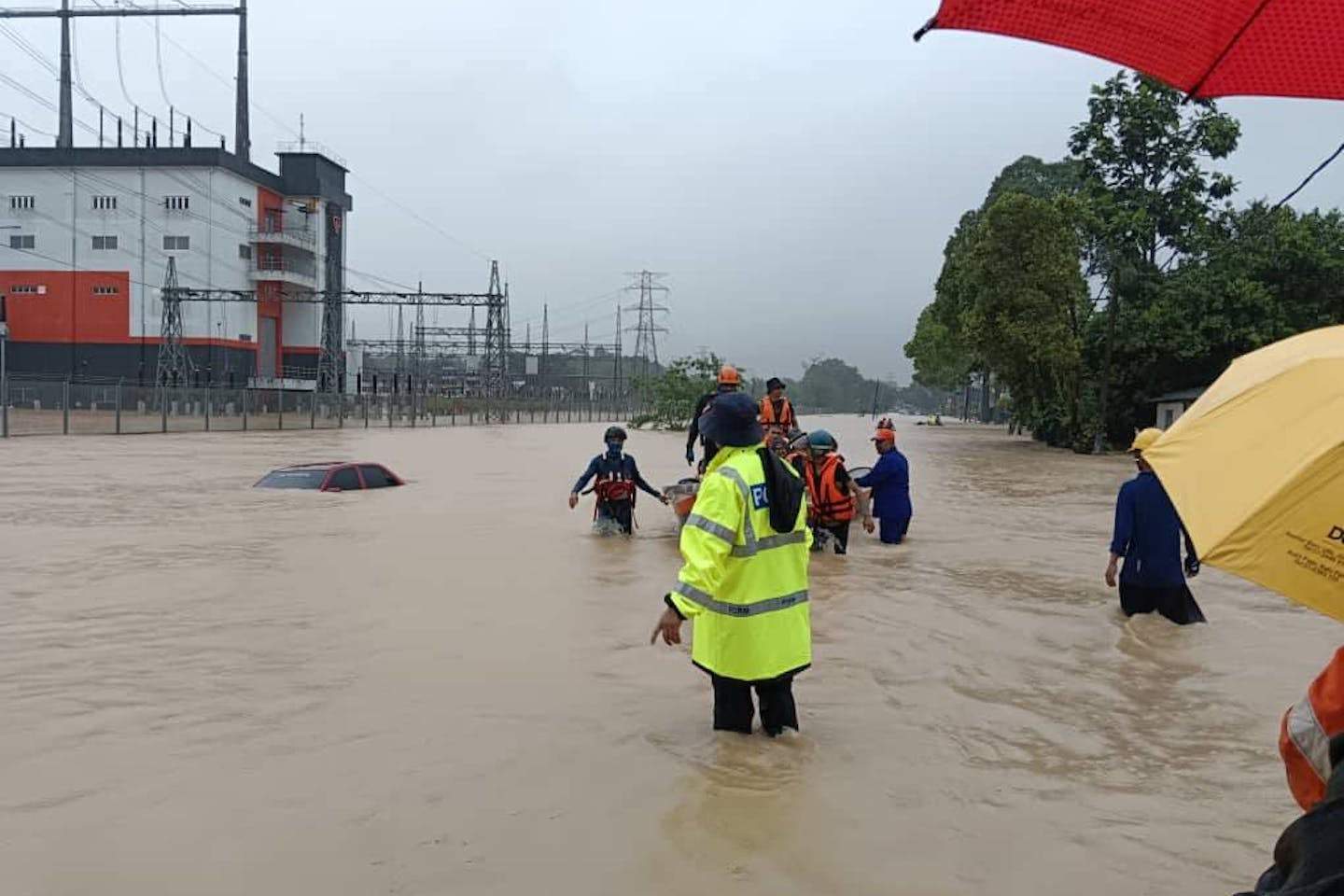
Flash floods in Malaysia have displaced over 15,000 people and caused significant economic losses, estimated at RM933.4 million (US$218.3 million) for 2024. The World Bank warns that if Malaysia does not integrate the costs of climate risks into its fiscal planning, it could face escalating economic challenges, potentially losing up to 4.1% of GDP by 2030. Current aid measures fall short, and the country must develop comprehensive national adaptation plans to attract private investment and build resilience. The focus should be on quantifying future costs and addressing climate change proactively to benefit economic growth.
Financial services
As Malaysia grapples with flood-related losses, World Bank warns of ‘rising economic cost of inaction’ on climate change

Chinese startup DeepSeek's R1 and V3 AI models challenge the belief that the U.S. leads in AI innovation, indicating a significant talent base in China. Analysis of DeepSeek's researchers reveals nearly all were educated in China, with over half remaining there for their careers. Among those with U.S. experience, many returned to develop AI in China. These patterns suggest the U.S. may be losing its advantage in AI talent, necessitating a policy reinvestment in attracting and retaining global AI talent while enhancing STEM education.
Policy Implications of DeepSeek AI’s Talent Base

Friedrich Merz became Germany’s Chancellor on 6 May, facing significant challenges in reviving a stagnating economy that has been flat since 2020. The German economy, impacted by structural and cyclical factors, contracted for two consecutive years, exacerbated by high inflation and deteriorating competitiveness. China's shift from a customer to a competitor, alongside two decades of underinvestment in infrastructure and education, has further strained Germany's economic position. Merz must navigate these issues while responding to pressing defense investments and demographic challenges. The path to recovery will require strategic adaptation and investment.
Germany | Financial services
Germany’s economic reckoning
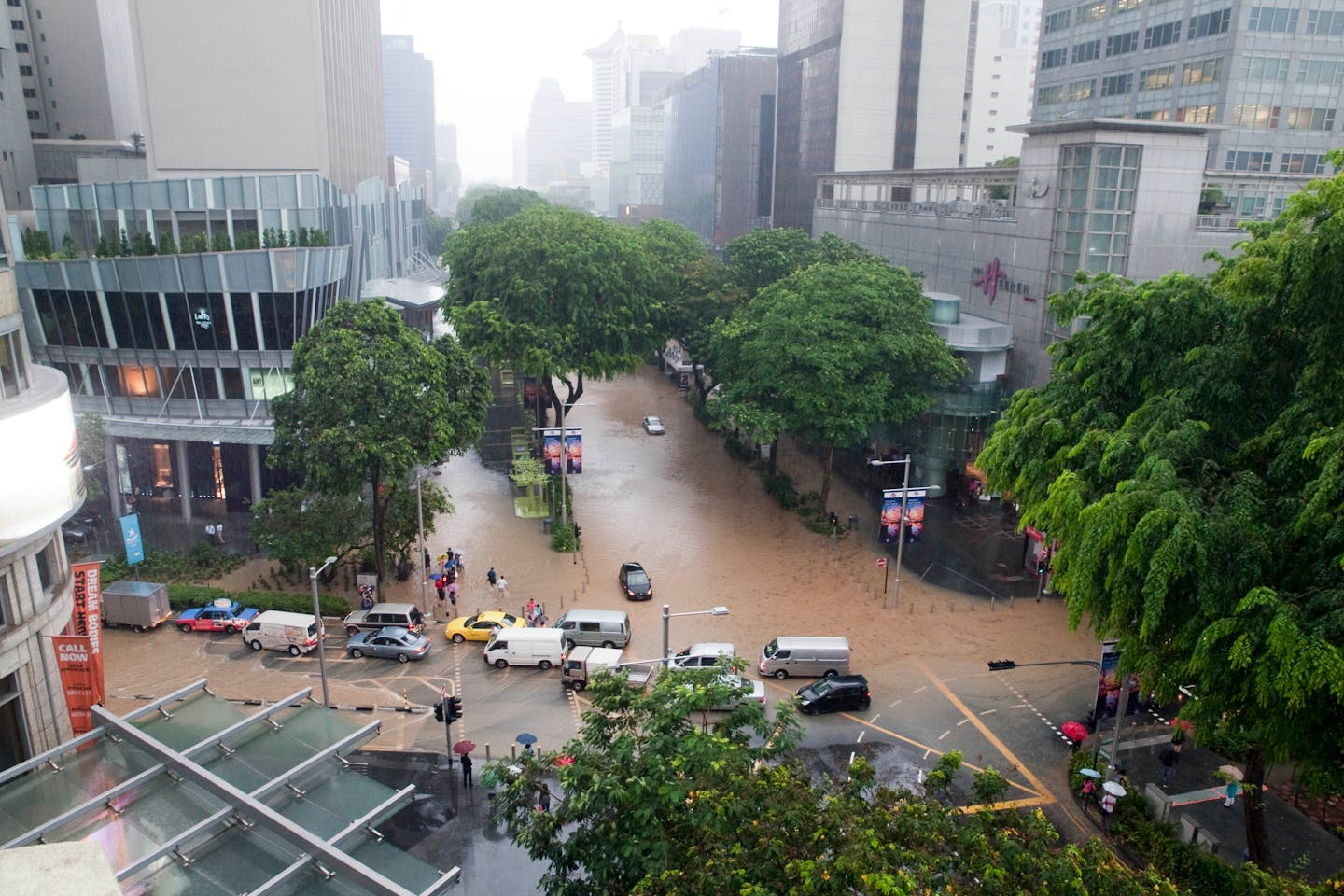
Private investors are poised to target a potential US$1.3 trillion climate adaptation market by 2030, although governments will primarily fund these initiatives. A report by Boston Consulting Group and Temasek identifies six investable sectors: climate intelligence, climate-resilient building materials, flood defense infrastructure, climate-adapted agricultural inputs, water efficiency technologies, and emergency medical services. Key growth areas include climate intelligence and flood defense solutions, driven by increasing extreme weather events and regulatory changes. The report highlights a surge in institutional interest and the establishment of dedicated climate adaptation funds.
Financial services
Private equity eyes up to US$1.3 trillion climate adaptation market by 2030

A new study reveals that a carbon market-like tool, specifically an emissions trading scheme (ETS), significantly reduces air pollution in India. The pilot program, initiated by researchers from several universities with the Gujarat Pollution Control Board, demonstrated a 20-30% reduction in emissions among participating coal-burning plants. Meanwhile, plants under standard regulations achieved only 66% compliance. The ETS not only cut costs by 11% compared to traditional methods but also maintained high legal compliance. However, experts caution that such schemes should only be applied where significant immediate pollution reductions are not feasible through other means.
Indian industries trade polluted air with each other in health fix

Sustained rapid economic growth is essential for poverty reduction and human progress. High economic productivity often relies on strong, inclusive institutions. However, low-quality institutions can initiate rapid growth, as seen in China's post-1978 economy. Several Asian countries have experienced this phenomenon since the 1990s, yet the lack of improvement in state capability raises concerns about the sustainability of this growth. The interactions between economic growth and institutional quality will be crucial in determining whether these countries can maintain rapid expansion and achieve high-income status or face stagnation and decline.
Republic of Korea | Financial services, Health
Exits from the Four-Lane Highway to National Development: What Are the Risks to Sustained Economic Growth?

Asia is addressing food and nutrition insecurity through various real-world solutions and policy insights. The book analyzes socioeconomic factors influencing food security, highlighting studies from countries like Indonesia, Pakistan, Vietnam, and India. It examines the links between well-being and food security, focusing on issues such as nutritional disparities and vulnerabilities exacerbated by the COVID-19 pandemic. Additionally, it explores agricultural policies affecting nutrition, including the dairy sector in India and organic food consumption in Vietnam. The findings emphasize structural inequalities in food access and offer policy recommendations for creating sustainable nutrition systems.
Navigating Food Security and Nutritional Challenges: Insights from Asia’s Diverse Landscapes

Local governments are increasingly adopting a "more than human" perspective in policy-making, recognizing the importance of non-human entities like animals and plants in decisions on urban development and climate action. Initiatives like Belgium's citizens’ assembly have allowed participants to represent non-human species, leading to principles for ecological balance. Countries like New Zealand and Spain have granted legal personhood to natural features, empowering them against pollution. Additionally, artificial intelligence is being used to advocate for biodiversity, further integrating nature’s needs into human decision-making processes.
Why local governments are tuning in to nature's voices in public consultations

Quantum computing has the potential to transform the legal system significantly by enhancing legal reasoning through superposition and entanglement. It could facilitate faster legal research via advanced algorithms, allowing for improved access to justice and more efficient court scheduling. However, legal professionals must ensure that these advancements promote substantive justice rather than merely increasing procedural efficiency. Additionally, while quantum algorithms could improve predictions of legal outcomes, they also raise concerns about algorithmic bias and fairness in judicial decisions. Overall, the focus should be on shaping quantum computing's impact to serve higher ideals of justice.
Quantum justice: How could quantum computing transform the legal system?
Researchers at Cornell Tech are developing AI tools to assist individuals with speech disabilities in making timely jokes during conversations, enhancing social interaction through humor. The study introduces four AI-assisted interfaces—Full-auto, Keywords, Context Bubble Selection, and Wizard—each balancing speed and user control in joke creation. Participants initially preferred crafting jokes manually but favored more efficient interfaces after using the tools. The research emphasizes the need for enhancing expressivity in augmentative and alternative communication (AAC) systems, addressing the emotional and social aspects often overlooked in accessibility solutions.
AI tools help people with speech disabilities make timely jokes
The Trump administration's proposed tariffs on foreign films aim to address the US's enduring goods trade deficit. While the US film and TV industry was previously the largest exporter, recent years have seen a dramatic shift: imports of films and shows surpassed exports, with foreign content now dominating due to strategies adopted by US streaming giants like Disney and Netflix, which prioritize direct-to-consumer services over traditional licensing. This trend reflects a broader issue within global trade, where multinational companies operate complex transnational supply chains, complicating the true nature of trade balances.
Why Trump’s plans for tariffs on foreign films probably won’t have a happy ending
Neglected tropical diseases (NTDs) significantly impact over a billion people, primarily in low- and middle-income countries, perpetuating poverty and hindering development. Effective interventions, including improved water, sanitation, and vector control, can yield high economic returns. The establishment of the UK-South East Asia Vaccine Manufacturing Research Hub aims to enhance vaccine research and manufacturing, prioritizing diseases like dengue and rabies, especially as dengue cases rise in the region. Sustainable health security requires regional ownership and innovation, along with a new generation of public health leaders. South-east Asia has the potential to be a global leader in tackling NTDs through strategic investments and collaboration.
ASEAN | Health
Why south-east Asia must lead the fight against neglected tropical diseases
China views the ongoing trade war with the US as a long-term conflict reminiscent of Mao Zedong's strategy in "On Protracted War." This approach emphasizes a war of attrition, expecting that sustained pressure will eventually favor China despite the US's belief in achieving a quick resolution. Beijing’s preparation for an extended struggle reflects its confidence in enduring hardship, while US strategies seem overly optimistic. Additionally, China's efforts to create alternatives to US-dominated institutions align with Mao's concept of a "people's war," signaling its potential to reshape global governance amid American disengagement.
Why Trump fails to understand China’s trade war tactics, and what his negotiators should be reading