
Social sector leaders are increasingly seeking advice on utilizing AI effectively. Jim Fruchterman, with experience in both for-profit AI and nonprofit social enterprises, often advises against overestimating AI's potential while encouraging sensible applications. He highlights "Retrieval-Augmented Generation" (RAG) as a promising approach for social impact, offering practical solutions and protective measures for integrating large language models into organizations.
Glorious RAGs : A Safer Path to Using AI in the Social Sector
Governments use AI systems to assess citizens' privacy, mobility, access to benefits, and public speech. Eduardo Albrecht's book, "Political Automation," investigates citizen input in algorithmic governance across areas like policing and national security, based on interviews with rights activists. He proposes a "Third House," a virtual legislative chamber dedicated to AI decision-making, governed by direct democracy principles. Digital replicas of citizens would serve as their representatives in this framework, addressing the implications of automation in public policy and suggesting pathways for citizen engagement.
AI Agents in Global Governance: Digital Representation for Unheard Voices
AI's rapid advancement highlights a critical focus on human choices and freedoms, essential for true human development. The UNDP Human Development Report 2025 emphasizes that development should prioritize people's ability to make meaningful choices over merely showcasing AI's capabilities. Success in a world shaped by AI relies on harnessing human creativity to transform economies and societies, aiming to create new pathways for development that benefit everyone.
Education
A matter of choice: People and possibilities in the age of AI

Artificial intelligence (AI) and natural intelligence (NI) collaborate to form hybrid intelligence, which drives hybrid creativity in the workplace. This symbiotic relationship enhances innovation by combining human insight with AI's analytical capabilities. Examples include drug discovery and music composition, where AI expands possibilities and human expertise guides implementation. Organizations must cultivate an environment that promotes collaboration between humans and AI, establishing workflows that encourage experimentation and learning. Emphasizing the human element ensures that innovations remain responsible and aligned with societal values, paving the way for true creative breakthroughs.
Education
How AI Can Unlock Hybrid Creativity in the Workplace

AI chatbots, such as Therabot, show promise in addressing mental health care needs amid global shortages and rising mental health issues. Therabot uses generative AI for dynamic, personalized interactions, demonstrating effectiveness in reducing symptoms of depression and anxiety. However, ethical concerns arise regarding the exclusion of individuals with severe mental illnesses and potential risks of AI "hallucinations" leading to harmful advice. The findings highlight the necessity for more extensive, inclusive research, regulatory oversight, and careful implementation to ensure the safe use of AI in mental health care.
AI therapy may help with mental health, but innovation should never outpace ethics
Europe must reassess its economic strategy amid geopolitical tensions and uncertainties regarding American policies. The note evaluates the Trade and Technology Council (TTC) as Europe strives to establish a robust foreign economic policy while navigating potential collaborations and conflicts with the U.S.
Europe and Eurasia
Lessons from the TTC for Europe's Foreign Economic Policy, With and Without the U.S.
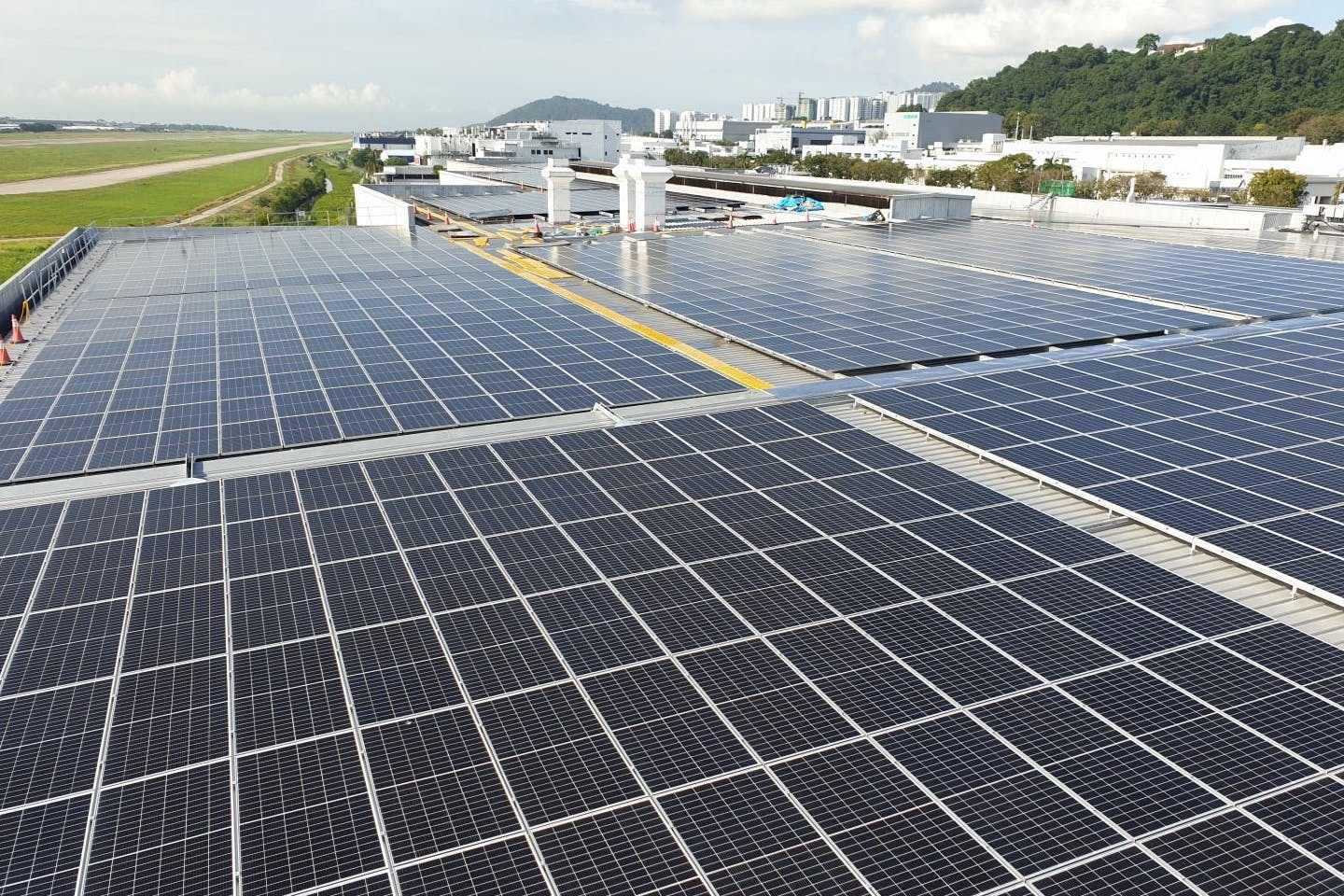
Malaysia and Singapore accounted for over 60% of the US$8 billion in green investments in Southeast Asia in 2024, reflecting a 43% increase from the previous year, driven mainly by solar projects. While these countries are making progress towards their national climate targets, others, such as the Philippines and Vietnam, lag in sustainable policies despite growth in renewable financing. The region faces a US$50 billion annual investment gap to meet 2030 decarbonization goals, with blended finance being a suggested solution, albeit facing challenges like small deal sizes and regulatory barriers.
Singapore | Financial services
Malaysia and Singapore attracted bulk of US$2.4 billion green investment hike in Southeast Asia in 2024
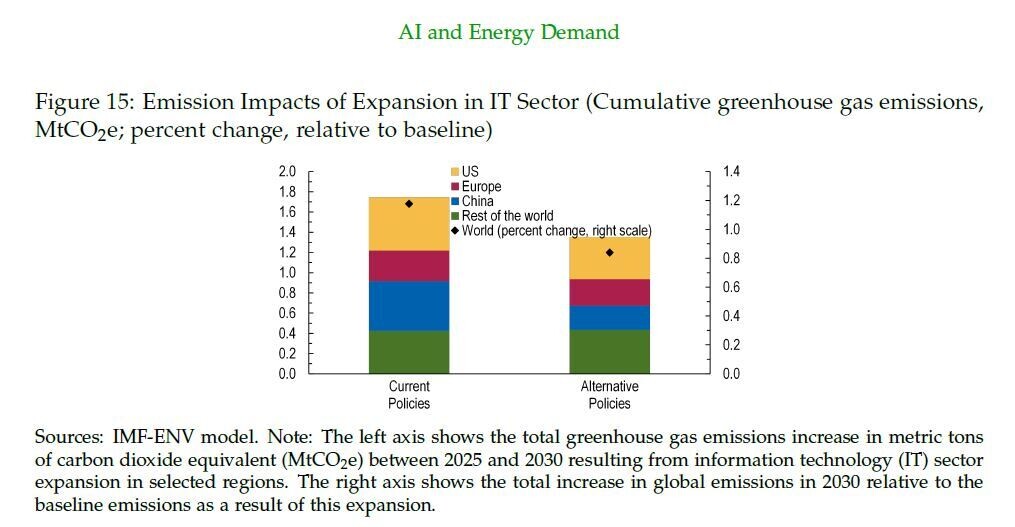
Artificial intelligence (AI) is projected by the International Monetary Fund (IMF) to boost global GDP by around 0.5% annually from 2025 to 2030, with economic benefits outweighing the costs associated with increased emissions from data centers. While AI-driven electricity needs may triple, the social cost of emissions generated remains less than the anticipated economic gains. A separate study indicates that emerging economies display greater trust in AI compared to advanced nations. Additionally, digital technologies are revolutionizing sectors like healthcare in India, enhancing access and efficiency.
Financial services, Health, ICT, Education
IMF says AI economic boost outweighs emissions cost, and other digital technology stories you need to know

Africa's demographic transformation by 2050 presents a significant opportunity, with the continent projected to have the largest working-age population globally. However, the annual influx of over 12 million young job seekers outpaces the creation of formal employment, risking high unemployment and socio-economic unrest. Outward migration, particularly among skilled workers, has intensified, driven by economic stagnation and opportunities abroad, notably in the UK and Canada. Countries like Kenya actively pursue labor export as a strategy for remittances and skill development, despite concerns over skill erosion and worker exploitation. Some propose controlling population growth as a solution, but such measures are contentious and raise human rights issues.
Burkina Faso, Nigeria, South Africa | Health, Education
Africa’s demographic conundrum: turning talent leaks into talent flows
Donald Trump's trade policies are threatening to disrupt global fashion supply chains by imposing tariffs on countries like China, Vietnam, and Bangladesh. While promoting American-made goods, Trump himself favors luxury Italian brands, highlighting the complex relationship between country of origin and brand identity in fashion. The potential tariffs could lead brands to reassess their sourcing strategies, possibly shifting production back to Europe for reliability and prestige, with countries like Italy and Portugal becoming new hubs. This shift may not lower prices for consumers but could provide stability and preserve brand image amidst growing trade uncertainties.
Trump likes to know where his suits come from. His tariffs could now upend the world’s fashion supply chains
The transition to a green economy globally faces challenges, particularly in the UK, where political opposition questions the feasibility of net zero targets. The UK government aims to attract foreign investment, exemplified by significant funding from companies like Tata Group and Orsted. However, this approach risks siphoning profits from local economies. Community wealth building offers an alternative by ensuring profits from green industries are reinvested locally. Successful examples include initiatives in Preston, Oldham, Lewes, and North Ayrshire that enhance local economies and sustainability. Strengthening community-focused strategies is crucial for overcoming resistance to net zero and revitalizing local economies.
Financial services
How a community-focused vision for net zero can revive local economies

More than 60 Labour MPs are urging the UK government to establish a capped, time-limited youth mobility visa scheme with the EU, aimed at individuals under 30. This initiative, which aligns with existing agreements the UK has with countries like Australia, seeks to enhance opportunities for young people to travel and study abroad post-Brexit. The European Commission supports this proposal, yet the UK government remains cautious due to immigration concerns. Current regulations have significantly reduced EU student enrollment in the UK, emphasizing the need for an agreement to foster beneficial cultural and educational exchanges.
Even a capped, time-limited youth visa scheme would be of value to young people in the UK and EU
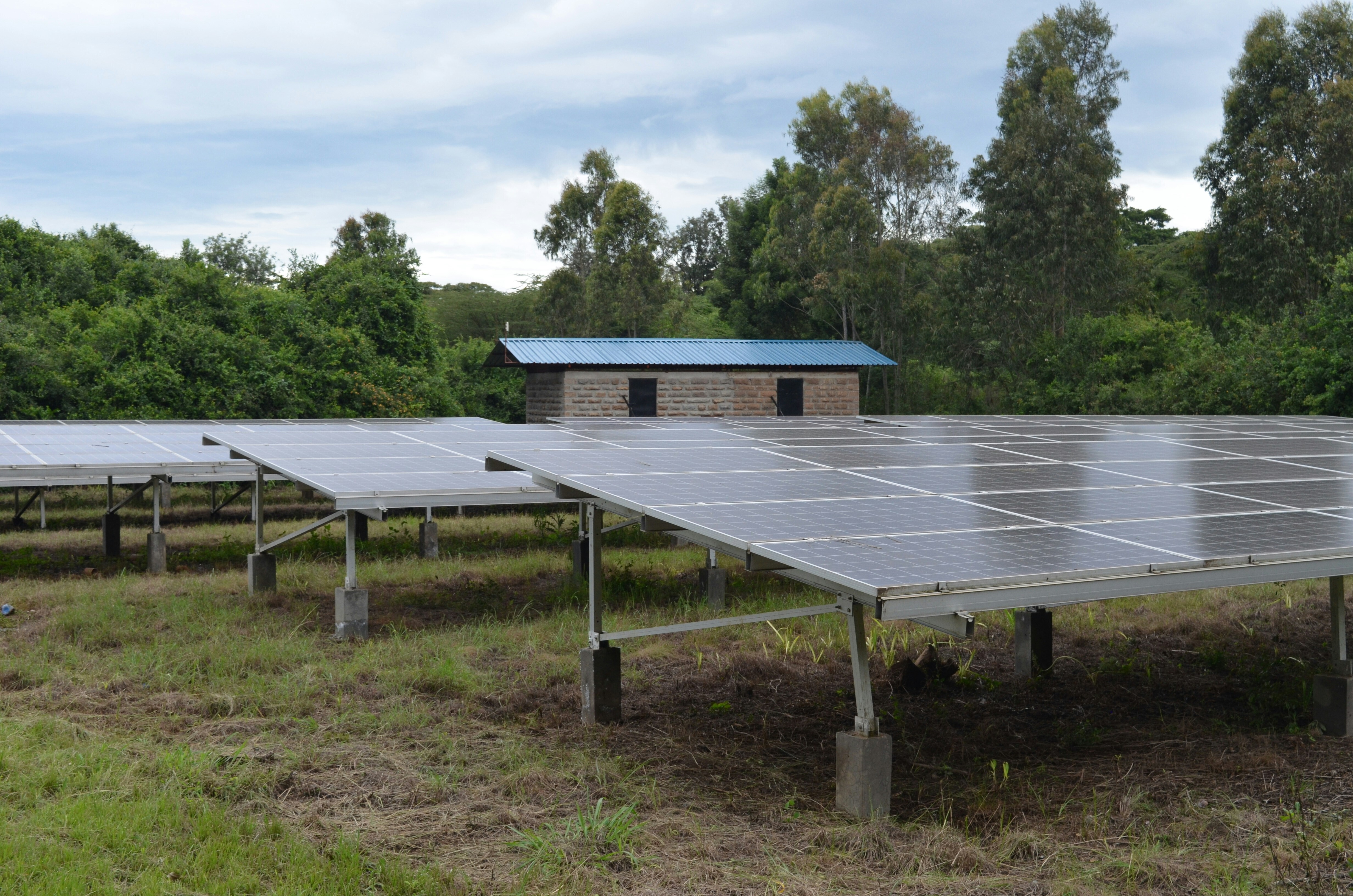
Africa's energy sector is challenged by the need to balance energy security, equity, and environmental sustainability. Over 600 million people lack electricity, and outdated infrastructure leads to frequent power outages, with over 75% of electricity generated from fossil fuels. While renewable resources like solar and wind are promising, barriers such as high capital costs and weak policy frameworks hinder their development. Sub-Saharan Africa faces significant energy poverty, while North Africa invests heavily but remains dependent on fossil fuels. Investment gaps are exacerbated by perceived risks and regulatory issues, limiting progress towards an equitable and sustainable energy future.
Burkina Faso, Ghana, Rwanda, South Africa | Financial services, Health, ICT
Africa’s energy trilemma: Achieving security, equity and sustainability

The blue economy, valued at over $3 trillion by 2030, faces a critical investment gap due to perceived risks and regulatory uncertainty. Despite supporting essential industries and acting as a climate regulator, only $13 billion was invested in ocean sustainability from 2012 to 2022. Key priorities for unlocking a sustainable ocean economy include recognizing it as a high-growth investment opportunity, de-risking ocean investments through partnerships and financing, and expanding the pipeline of bankable projects. Successful examples, like innovative offshore wind technologies and Costa Rica’s renewable energy initiatives, showcase how sustainability can drive economic growth.
The business case for a sustainable blue economy

The Gates Foundation will open its first Southeast Asian office in Singapore to enhance global health and development partnerships, with an initial focus on Indonesia, the Philippines, and Vietnam. The foundation aims to mobilize over US$100 million for health improvement projects by 2030, particularly in maternal and child health and infectious diseases like tuberculosis and malaria. Gates emphasized the region's innovation and research potential during his visit and highlighted the need for increased health spending to tackle climate-related health impacts.
Health
Gates Foundation sets up Singapore office; fronts US$100 million philanthropic effort for regional health initiatives

Data governance has become increasingly vague, leading to ethical consequences in AI and beyond. Chris Wiggins and Alison Powell advocate for a governance model that emphasizes social participation, shared decision-making, and equitable risk distribution. The term “governance” has shifted from state responsibility to corporate compliance, underscoring a need for robust public engagement in data-driven decision-making. Current UK policies highlight a disconnect between growth narratives and public consultation, with the real impacts of technology often overlooked. As ethics in data evolves, its definitions become battlegrounds for power, emphasizing the necessity for meaningful governance and accountability in the face of technological advancements.
How data governance happens (and why it matters)
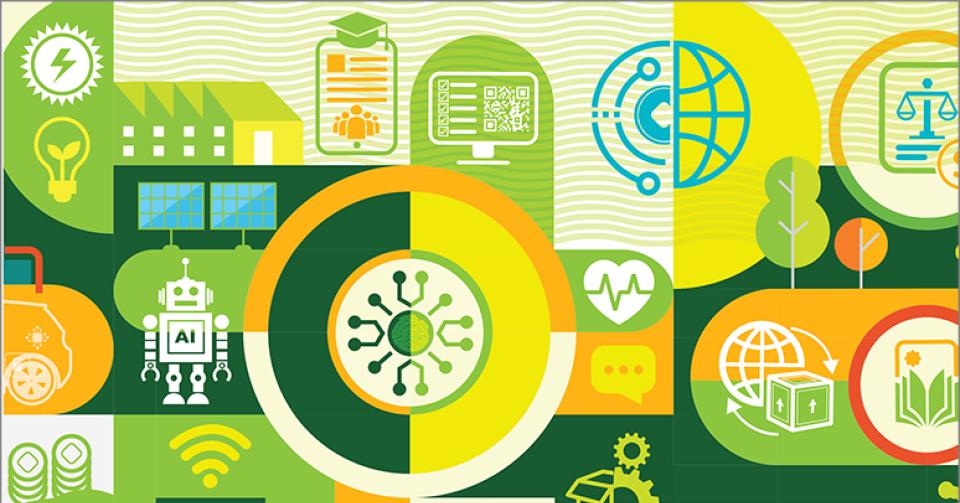
The publication emphasizes the need for tailored policies to optimize digital transformation for inclusive and sustainable development in Asia and the Pacific. It identifies opportunities arising from digital advancements to build resilience against climate-related challenges. However, it warns that poor management of these transformations could exacerbate inequalities and hinder environmental sustainability. The report advocates for national digital strategies to enhance policy coordination, deploy targeted digital tools to alleviate market failures, and engage diverse stakeholders to foster shared prosperity.
ASEAN, Asia Pacific | Health, ICT
Harnessing Digital Transformation for Good: Asian Development Policy Report 2025
Strategic investment in resilient, multimodal transport infrastructure—encompassing highways, railways, ports, and airports—is crucial for boosting competitiveness and fostering inclusive growth in the Asia Pacific region. Despite 1.8 billion people lacking reliable transport links, funding of $43 trillion is needed between 2020 and 2035 to address substantial shortfalls. Low-income nations show significantly less transport infrastructure per capita than wealthier ones, exacerbating costs and inefficiencies. Key actions include enhancing infrastructure quality, diversifying transport modes, prioritizing isolated regions, ensuring sustained funding, and aligning national transport policies with clear objectives to improve connectivity and reduce emissions.
Ghana, Kenya, Republic of Korea, Rwanda
Kilometers of Opportunity: Scale Up Asia Pacific Transport Through Regional Cooperation
Asia's international tourism is rebounding, with 323 million travelers in 2024, achieving 88% of 2019 levels, driven by strategic investments in transport and streamlined visa policies. While outbound tourism from China is recovering, it remains below pre-pandemic levels. Air transportation is key, with 60% of visitors traveling by air, although sea travel is rising. Improved connectivity and liberalized visa policies are enhancing travel within the region. A 1% increase in air transport investments yields significant tourism growth. Diversification strategies are essential as many Asian countries rely heavily on tourism for economic stability.
ASEAN | Financial services
Making Connections: How Asia’s Tourism Is Taking Off Again
Digital growth is increasingly reliant on energy, with global electricity consumption from devices surpassing 800 terawatt-hours annually, expected to rise significantly due to trends like cloud computing and AI. Data centers alone consumed up to 340 terawatt-hours in 2022, highlighting the urgent need for energy efficiency and clean energy integration.

Despite potential efficiency gains, the "rebound effect" can negate power savings, particularly where energy sources are fossil fuels. Solutions include advanced cooling methods, more efficient 5G technologies, and better chip designs. Policymakers can promote cleaner practices through mandates and incentives, while consumers can opt for energy-conscious devices and services. Ensuring a sustainable digital future necessitates collaborative action from all stakeholders.
Financial services, Education, ICT
Smart Tech, Green Power: Digital Growth Needs Energy Efficiency and Clean Power