
Zambia, a significant global copper exporter and key holder of critical raw materials, is seeking long-term alliances to boost investment and local value creation. The EU has initiated a strategic raw material partnership with Zambia amid rising mineral demands and geopolitical tensions. This partnership aims to enhance supply chain integration, infrastructure financing, research, innovation, and sustainable sourcing. However, Zambia's expectations, particularly regarding supply chain integration, remain unmet. To strengthen competitiveness, the EU must expedite its cooperation and align its raw material strategy with the broader "Team Europe" approach, setting itself apart from US protectionist policies.
Democratic Republic of the Congo, Eswatini, Germany, Ghana, Mozambique, Namibia, South Africa, Switzerland, Zambia, Zimbabwe | Financial services
The Strategic Raw Material Partnership between the EU and Zambia

More than 50% of nonprofits now use generative AI in their operations, reflecting a surge in AI tools and investments, with 10% of US AI companies founded in 2022. Over $300 billion has been invested in AI startups, indicating a strong ongoing trend. The diverse applications of AI range from commercial virtual assistants to public initiatives like AI-driven drug discovery and educational chatbots. The aid landscape has expanded significantly, with over 5,000 new AI tools listed in 2023, prompting a need for updated frameworks to navigate this evolving field effectively.
Charting the AI for Good Landscape – A New Look

Generative AI is reshaping workplace identity by redefining jobs rather than replacing them. It should be viewed as a technological differentiator that enhances human skills instead of merely serving as a branding tool. Employees are generally comfortable automating mundane tasks but resist automation that affects their identity-driven skills, highlighting the importance of creativity and strategic thinking. Companies must recalibrate workforce training to adapt to AI’s impact on entry-level tasks, ensuring talent development continues alongside technological advances. Additionally, AI may provoke a societal shift away from work-centered identities, influencing education and personal priorities.
Education
Five Ways Gen AI Is Changing Workplace Identity

Strategic restraint is the most effective response to Donald Trump’s tariffs, as argued by Joshua Fenton. Europe should avoid retaliation to protect its consumers and demonstrate the futility of unilateral tariffs. Historical evidence indicates that trade wars inflict significant economic pain on retaliating countries, with consumers bearing the costs. Instead, Europe can provide targeted support for affected industries and strengthen trade ties with other regions. This approach allows Europe to invest in innovation and maintain moral high ground in international forums, ultimately turning the impact of tariffs back onto the US economy.
Strategic patience is the smartest response to Trump’s tariffs

The global population is ageing rapidly, yet agetech innovation struggles to keep pace due to structural challenges. Despite the projected increase in older adults, current technological solutions often fail to meet their needs. Key barriers include fragmented healthcare systems, misaligned incentives, and regulatory constraints that hinder innovation. Founders of agetech companies advocate for preventative care and emphasize the importance of user-centered design and systemic collaboration. They urge policymakers to prioritize prevention in healthcare economics and streamline processes to support early-stage technologies, ultimately aiming to enhance the functional ability and quality of life for older adults.
Financial services, Education, Health
How agetech can ease care burdens and rejuvenate the longevity economy

International development is currently facing a funding and effectiveness crisis regarding inclusive economic growth. The Better Than Cash Alliance emphasizes the importance of respectful national partnerships to drive impactful economic development. This UN-based alliance accelerates the transition from cash to digital payments, resulting in significant cost savings and improved transparency, enabling over 70 national strategies and regulations. Success hinges on understanding local priorities and championing internal government leaders committed to digitization, ensuring that strategies align with national goals. This tailored approach has proven effective across diverse countries, enhancing digital payment ecosystems.
Financial services, Health, ICT, Education
Respectful national partnerships key to achieving impact and efficiency in international development

Investing in women's health is vital, representing a $1 trillion annual opportunity by 2040 that could enhance health outcomes, productivity, and longevity for women, who make up nearly half the global population. Despite this, women's health receives only 5% of global healthcare R&D funding. The adoption of artificial intelligence (AI) in healthcare is promising for improving diagnostics and closing gender data gaps, but requires significant investment. Bridging the gap in later-stage funding is essential for scaling healthcare innovations, with investors encouraged to support companies that address these needs effectively.
Health
Women’s health is a $1 trillion opportunity that demands greater investment

Modern malnutrition is increasingly prevalent in Japan despite food availability, largely due to the reliance on convenience stores and dining out. Workplaces are vital in enhancing employee nutrition through initiatives like “oki-shashoku,” which provides healthy food options. Studies reveal that unhealthy eating habits are linked to lifestyle diseases and decreased productivity. Companies are shifting towards healthier meal choices and investing in educational programs on nutrition. Government support includes tax benefits for meal provisions and subsidies for SMEs promoting employee well-being. Overall, balanced nutrition is essential for individual health and economic productivity.
Health
Nourishing productivity: How nutrition at work benefits businesses and societies

GenZero and the World Economic Forum have launched the Green Fuel Forward initiative in Singapore to enhance demand for sustainable aviation fuel (SAF) in Asia. This coalition, involving major airlines and corporates, aims to facilitate the purchase of SAF credits, enabling buyers to offset their emissions indirectly. Despite the potential, SAF currently represents only 0.3% of global jet fuel production, hindered by high costs and fragmented demand. While Singapore and Thailand plan to implement SAF mandates by 2026, the initiative seeks to create a more consistent market for SAF through innovative funding models and increased awareness.
Industry alliance launches in Singapore to spur Asia’s green jet fuel uptake
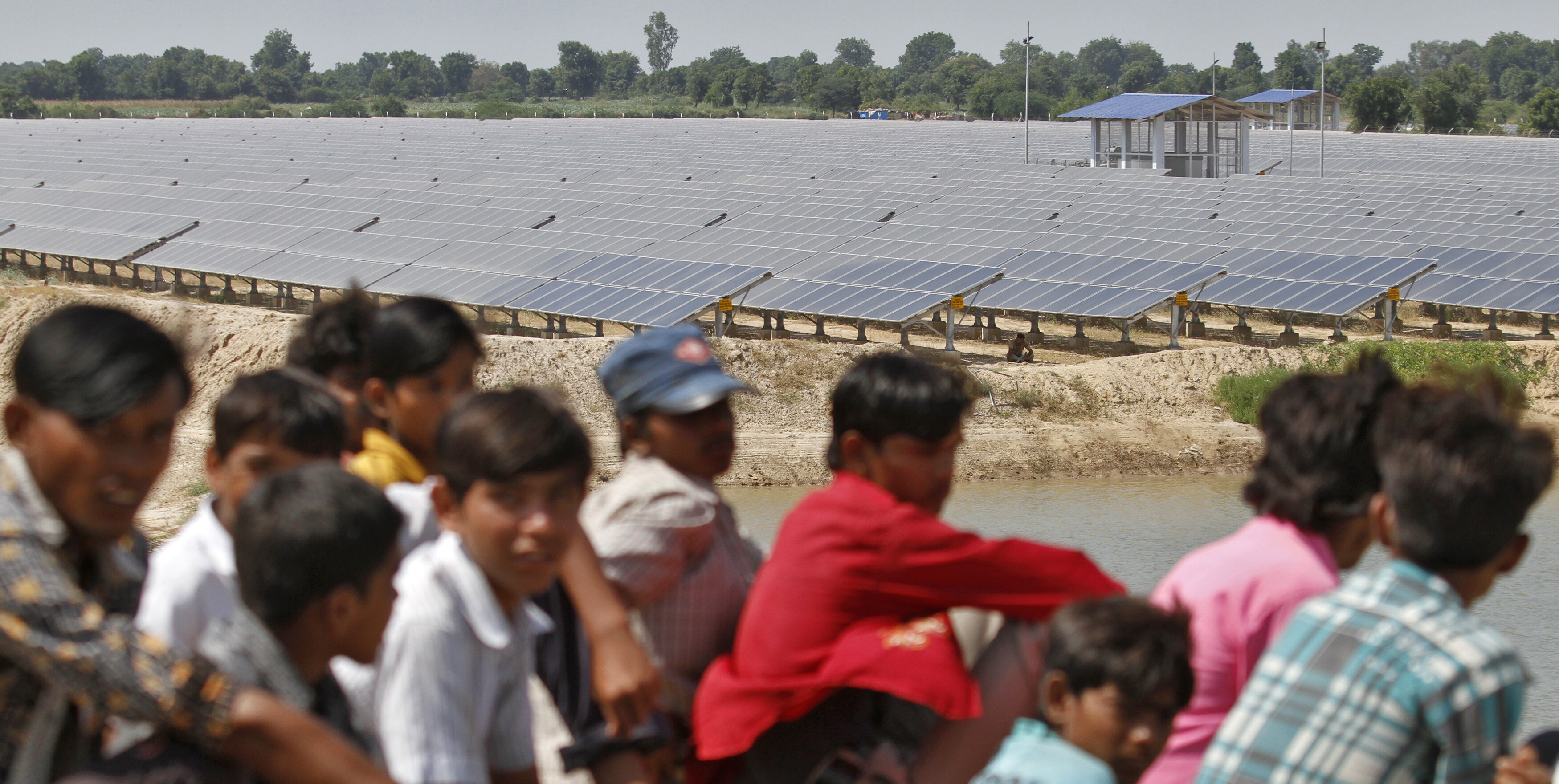
Climate-smart communities prioritize local innovation to tackle global challenges like energy access, sustainable development, and climate resilience. The Climate-Smart Villages initiative in India addresses these issues by providing reliable solar-powered energy solutions for agriculture, boosting productivity and household incomes while reducing dependence on polluting fuels. This initiative, focused on community-led development, empowers marginalized groups, especially women, enhancing their roles in decision-making and economic independence. Overall, it demonstrates that localized approaches can produce significant, equitable impacts on both livelihoods and the environment.
Education
Climate smart communities: How local solutions drive global impact
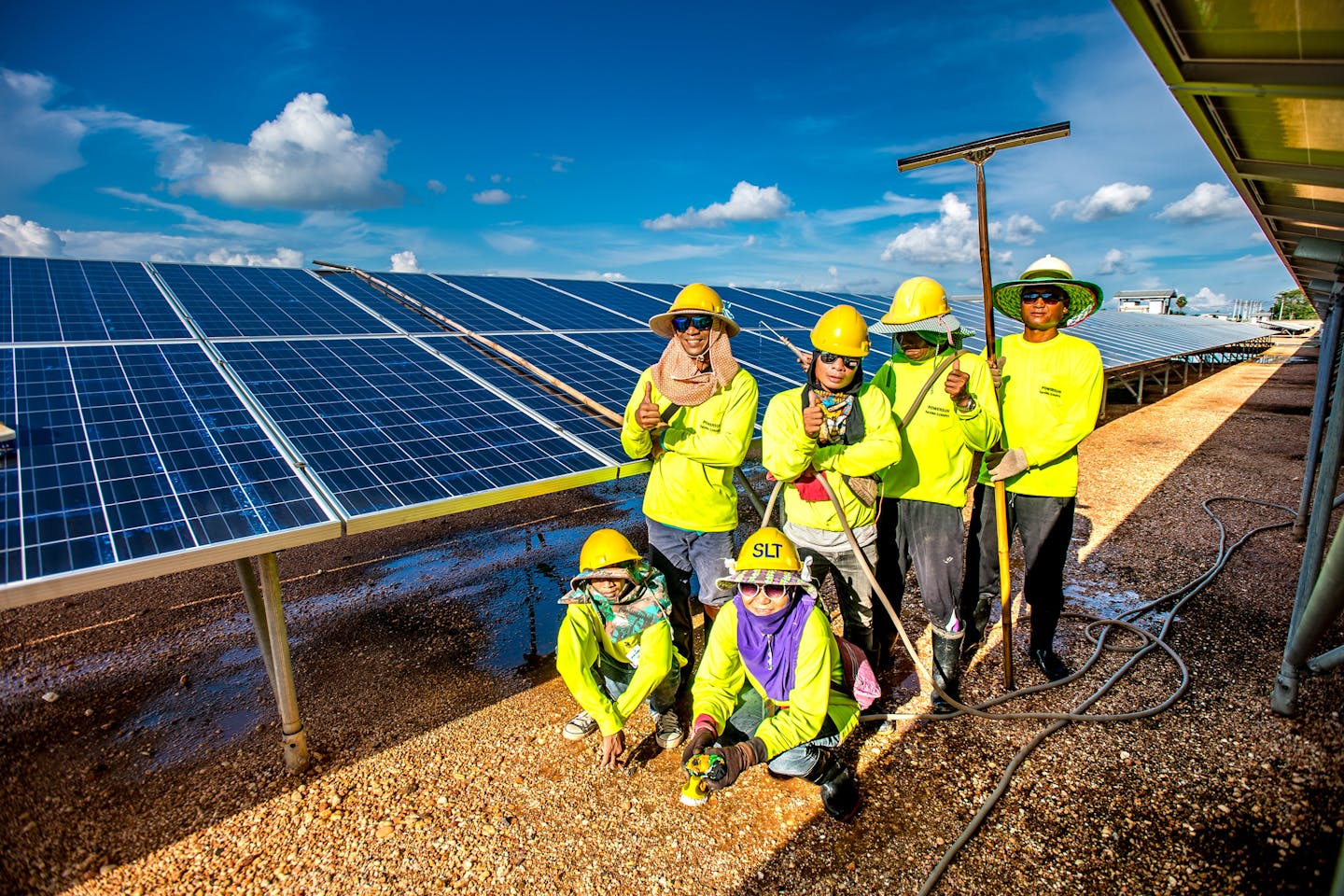
Southeast Asia is facing an energy transition due to economic growth, climate issues, and changing global markets, prompting a shift towards renewable energy. Experts highlight that the region can enhance local energy resilience by learning from China's rapid adoption of renewables and Vietnam's successful feed-in tariff programs, which prioritized solar and wind investments. Economically, renewable projects involve lower ongoing costs compared to fossil fuels, shielding economies from market volatility. Southeast Asia has potential to develop a robust renewable supply chain, focusing on components beyond solar panels, with opportunities in offshore wind sectors as well.
Australia, India, Indonesia, Myanmar, Pakistan, Republic of Korea, Singapore, Sri Lanka, Thailand, Viet Nam
Q&A: How Southeast Asia can seize the renewable energy opportunity

Cities increasingly serve as innovative hubs for water management, effectively addressing challenges like scarcity and infrastructure issues. Valencia exemplifies a private-sector led approach through the digitization of water operations, resulting in enhanced efficiency and customer satisfaction via the integrated platform Xylem Vue. In contrast, Singapore’s state-led model emphasizes strategic planning, scientific collaboration, and public-private partnerships, exemplified by its successful desalination and water recycling projects. Both cities demonstrate that distinct governance models can drive transformative water solutions through community engagement and collaborative innovation efforts.
Financial services, Health, Education
What can we learn from cities about water innovation?

Despite progress in connectivity, significant digital divides persist in Asia, affecting access and affordability of broadband, particularly in rural areas and among marginalized groups. Smart policies, such as universal service funds and interagency collaborations, are essential for enhancing connectivity and skills. Governments are fostering inclusivity by pairing infrastructure development with training initiatives, aiming to equip citizens with necessary digital skills. Sustainable digital transformation is emphasized, with a focus on green technologies and energy efficiency. Ultimately, collaborative efforts are crucial for ensuring equitable opportunities across the region.
Bangladesh | Financial services, Education, ICT
Signal Boosters: Expand Broadband and Boost Skills to Close Asia's Digital Divides

Pacific countries face significant challenges in maintaining correspondent banking relationships due to high compliance costs and regulatory shortcomings. To enhance economic resilience, it is crucial to improve compliance with international financial standards, particularly in anti-money laundering and counter-terrorism financing. Key strategies include developing risk-based national strategies, strengthening legal frameworks, investing in digital infrastructure, and increasing regulatory capacity. Public transparency regarding compliance measures is vital for restoring global banks' trust. Addressing these issues can help safeguard vital financial links, supporting trade, remittances, and overall economic growth.
Latin America | Financial services
Strengthen Compliance to Safeguard Pacific Banking Access
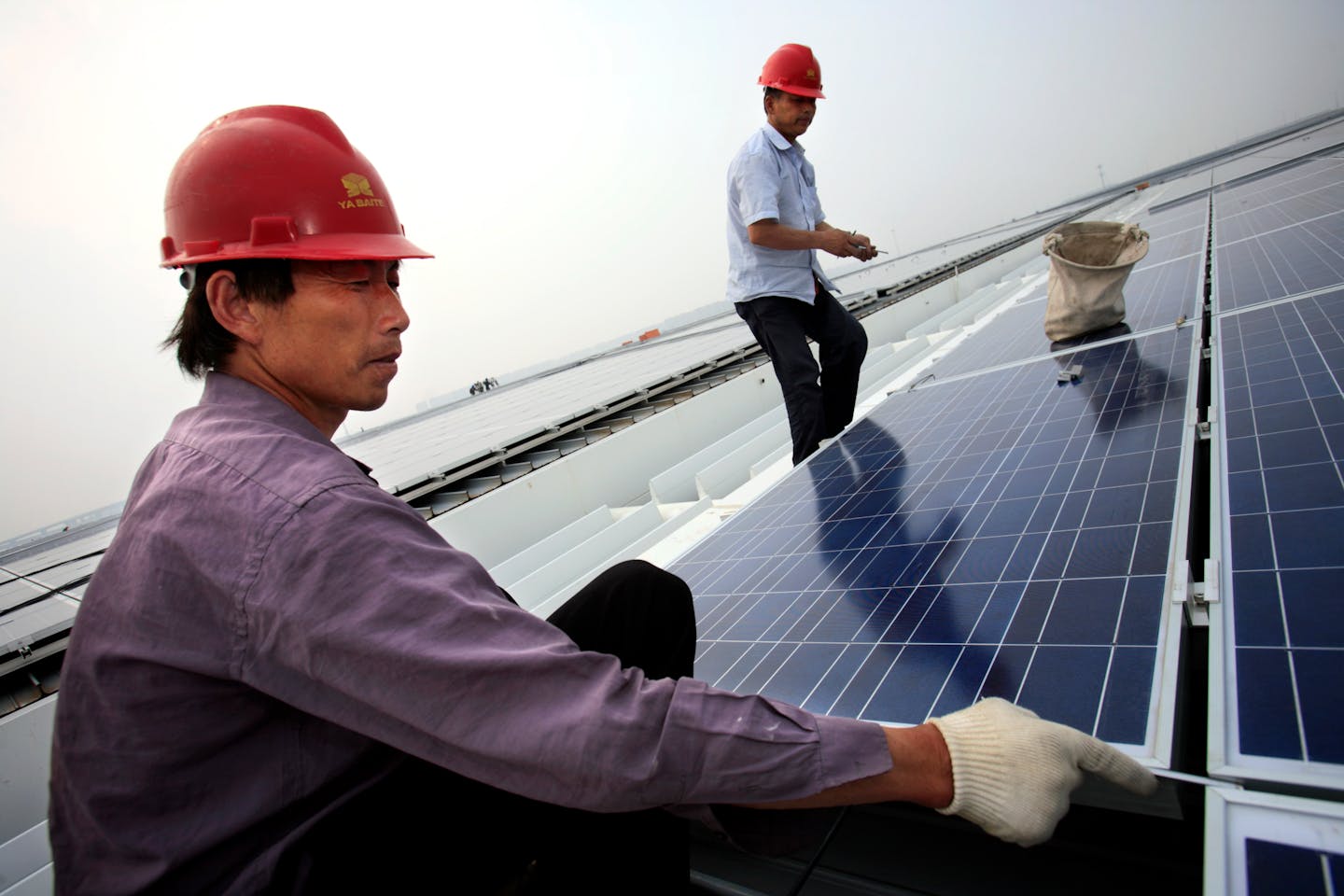
Southeast Asia has emerged as a leading exporter of solar power equipment due to the relocation of Chinese manufacturers. However, recent US tariffs threaten this growth, leading to significant challenges for the sector. Over 80% of Southeast Asia's solar exports targeted the US, but renewed tariffs could disrupt operations, prompting manufacturers to scale back or relocate. Key Chinese companies like Trina and Longi have substantial investments in the region, creating jobs and boosting local industries. Despite substantial economic benefits, concerns over over-dependence on Chinese investments remain amid escalating trade tensions.
ASEAN
What next for Southeast Asia’s China-backed solar boom?

Strengthening early warning systems, resilient infrastructure, and innovative farming practices is essential to safeguard livelihoods and ensure food security in Asia and the Pacific, a region increasingly affected by severe natural hazards. Vulnerable populations, particularly those dependent on agriculture, face economic instability and food shortages due to climate extremes. Prioritizing investments in adaptive crop development, sustainable farming methods, and resilient infrastructure is vital. Additionally, expanding access to agricultural insurance and empowering farmers through education and governance improvements will build resilience. Public-private partnerships can mobilize resources and enhance the agricultural sector's capacity to withstand future shocks.
Financial services, Health
As The Weather Gets Worse, Smart Farming Is Needed More Than Ever

Asia faces a critical juncture in its food systems, with 1.9 billion people lacking access to healthy diets amid rising food prices and resource degradation. To achieve sustainable food security, the region must modernize infrastructure, empower smallholders, and transform value chains. Innovative approaches like digital cooperatives and precision agriculture can drive productivity. Additionally, investments in environmental restoration and efficient irrigation are essential. Enhancing nutrition through policy reforms and leveraging the potential of young workers can bridge economic gaps, ultimately fostering a sustainable and equitable food landscape in Asia.
Bangladesh | Health, ICT, Education
How Asia Can Revolutionize Its Food Systems-Before It’s Too Late
Small farmers in Asia are enhancing food security and income through innovative partnerships with agribusinesses, supported by favorable policies and financing. Despite facing challenges such as limited market access and poor inputs, initiatives like tailored fertilizers in India and farmer training in Mongolia are boosting yields and profits. Forward contracts in Bangladesh and training programs in Mongolia encourage sustainable practices and increase earnings. Collaborative models that ensure both investment and shared risk result in stable livelihoods, promoting sustainable agriculture and local economies across the region.
Financial services
Seed Money: How Asia’s Small Farmers Are Quietly Reshaping Big Food
European automakers face significant challenges, including declining sales, rising costs, and increased competition from Chinese rivals. Their combined market capitalization is currently less than Tesla's, highlighting a crisis of confidence in their profitability. Key issues include the inefficiency of private car usage and the predominance of fossil-fuel-powered vehicles. To regain their edge, European carmakers should attract EV manufacturers to enhance competition, shift towards service-oriented business models, and involve governments in developing necessary infrastructure. The impact of tariffs, particularly from the U.S., is expected to further strain the industry.
Three strategies to help European carmakers regain their edge
Trump's tariffs, part of his protectionist economic policy, disproportionately impact developing economies, particularly those reliant on exports to the US. Initial tariffs targeted poorer countries, with significant rates imposed on nations like Laos and Lesotho. Simulation models predict substantial declines in exports for China (10.8%) and the US (11.7%) under current scenarios. Developing nations such as Nepal and Pakistan could see export drops between 2% and 4.4%. While Cambodia and Indonesia might benefit slightly under initial conditions, these gains are expected to diminish if tariffs escalate. Overall, GDP losses are anticipated across many emerging economies.
Cambodia, Ghana, Indonesia, Malaysia, Mexico, Nepal, Philippines, Republic of Korea, Sri Lanka, Taiwan, China, Tanzania, Thailand, United Kingdom, Viet Nam
How Trump’s tariffs could hit developing economies – even those not involved in the trade war