
Media freedom is under severe threat globally, undermined by the convergence of populist political leaders, tech billionaires, and foreign disinformation campaigns. This alliance weakens independent journalism, which is crucial for democracy, accountability, and exposing corruption. Platforms like X (formerly Twitter) and Meta are retreating from moderation and fact-checking, exacerbating misinformation. Political leaders like Donald Trump and Jair Bolsonaro have attacked the media, while foreign manipulation from countries like Russia and China employs disinformation as a strategic weapon. The result is a dangerous environment for press freedom, undermining democratic integrity and public trust.
Perfect storm of tech bros, foreign interference and disinformation is an urgent threat to press freedom

Trade facilitation is essential for maintaining trade flows during turbulent times, as it alleviates unnecessary obstacles that hinder legitimate trade. Political polarization, economic uncertainty, and rising protectionism are pressuring global trade; however, many delays stem from bureaucratic inefficiencies rather than tariffs. Streamlining procedures, reducing paperwork, and promoting digital border operations can significantly lower trade costs and enhance economic resilience, especially for small and medium-sized enterprises. The Global Alliance for Trade Facilitation focuses on public-private partnerships and agility to adapt to changing conditions, aiming to demonstrate real-world benefits and drive economic growth, particularly in developing countries.
Financial services
Why trade facilitation is key to keeping trade flows moving in turbulent times

Temasek will convene leading climate finance figures in Singapore to develop practical strategies for achieving 2030 decarbonisation goals. Notable attendees include executives from BlackRock, HSBC, and major carbon project registries. The summit aims to emphasize green pragmatism, addressing challenges like trade tensions and rising energy costs that threaten climate initiatives. Speeches will advocate for economically viable decarbonisation solutions, shifting the discussion from the 'green premium' to potential 'green discounts' in renewable energy. Participants are urged to take proactive measures to combat climate change amidst market uncertainties.
ASEAN | Financial services
Green pragmatism takes centrestage as Singapore state investor hosts annual climate summit

In Mexico and Honduras, journalists face significant dangers despite government protection initiatives. Humberto Padgett, a Mexican journalist, resigned after enduring threats and harassment, highlighting the ineffectiveness of the Protection Mechanism for Journalists. Similar issues plague Honduran journalist Wendy Funes, who, despite receiving police protection, also faced severe threats linked to powerful criminal networks. Approximately half of all attacks on journalists are attributed to state employees, with over 90% of these incidents going unpunished. The rise of anti-media sentiment and state-sponsored threats further exacerbates the climate of fear, compelling journalists to adopt self-protection strategies amidst ongoing violence and impunity.
Latin America
How state agents target journalists while governments claim to protect them – stark warnings from Mexico and Honduras
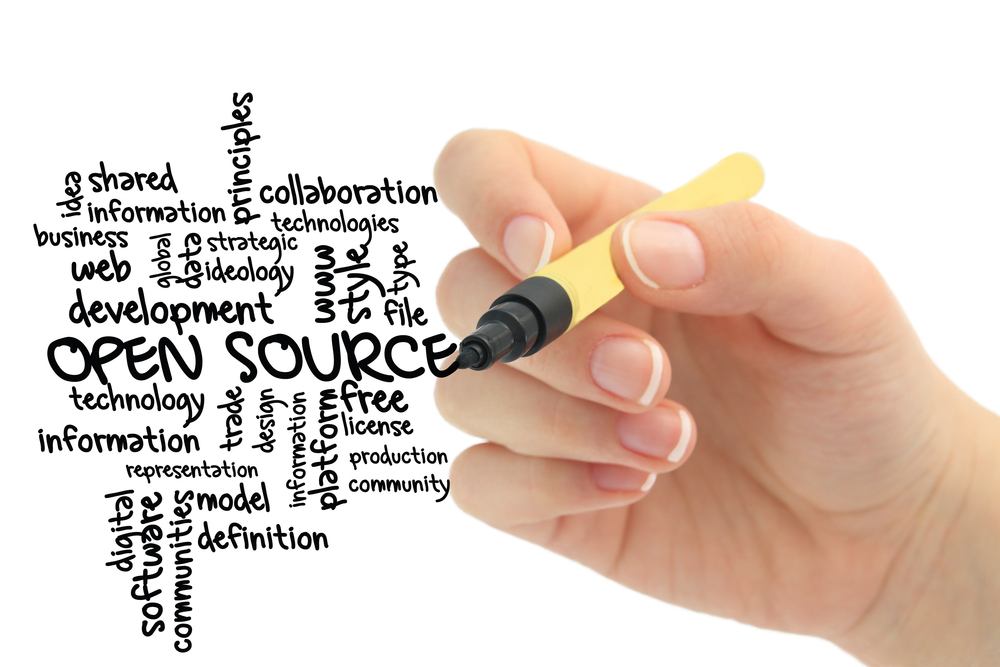
More than 700 technology leaders across 41 countries indicate a strong shift towards open source AI tools, with 76% expecting increased adoption in the coming years. Key drivers include advancements in privacy-centric Edge applications and reasoning models. Geopolitical factors also play a role, with governments seeking alternatives to centralized AI models, promoting accessibility and reducing digital divides. Initiatives like the Latam GPT project aim to democratize AI access in Latin America. Major tech companies are contributing to open source, recognizing that ecosystem development, rather than market dominance, will drive future innovation.
Why Companies Are Embracing Open Source AI
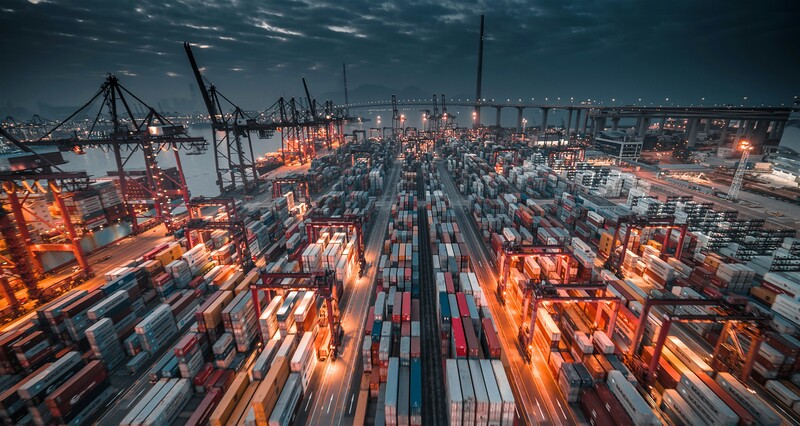
The maritime industry contributes approximately 3% of global greenhouse gas emissions, necessitating enhanced decarbonization efforts through real-time emissions tracking. This strategic approach enables shipping stakeholders to comply with evolving regulations like the Corporate Sustainability Reporting Directive (CSRD) and the EU Emissions Trading System (EU ETS). Advanced data technologies, such as IoT sensors and satellite tracking, provide precise emissions insights, allowing companies to improve fuel efficiency and operational transparency. As regulations tighten, real-time data has become essential for businesses to optimize operations, demonstrate climate commitment, and secure green financing.
How real-time emissions tracking can help decarbonize the maritime industry

Countries facing U.S. tariffs should retaliate proportionally across the board, as the U.S. only accounts for 15% of global trade and can be isolated. Paul De Grauwe highlights the fragility of the U.S. economy, linked to its unregulated financial markets. This vulnerability could prompt President Trump to yield if pressure is applied, particularly from his billionaire allies. Retaliating creates a countervailing force within the U.S. that opposes tariffs, potentially weakening Trump's position. Successful past strategies of reciprocity can inform contemporary responses, emphasizing the importance of coordinated action, ideally within the framework of the World Trade Organization.
How to make Trump blink again
Demographic aging in many Asian countries, characterized by increasing life expectancy and declining fertility rates, poses macroeconomic and fiscal challenges due to rising old-age dependency ratios. While low fertility may decrease the working-age population, increased worker productivity can help sustain labor supply. The examination of Japan’s experience provides strategies for effectively managing social insurance systems that balance fiscal sustainability with old-age security. Additionally, shifts in consumption patterns and income inequality are explored, alongside potential growth opportunities, including a "silver demographic dividend," emerging from these demographic trends.
Health
Navigating Demographic Aging and Macroeconomic Growth in Asia: Lessons from Japan’s Experience
Ukraine and the US have signed a deal granting the US access to Ukraine's rich mineral and energy resources, including significant reserves of lithium, rare earth metals, and manganese. The agreement covers 57 mineral resources vital for modern technologies, particularly in the electric vehicle and battery industries. However, extraction poses challenges due to ongoing warfare, damaged infrastructure, and economic viability concerns. The US aims to reduce reliance on critical materials controlled largely by China, viewing this deal as a strategic opportunity to secure essential supplies for future technologies and decarbonization efforts.
Ukraine
What resources will US gain access to under Ukraine mineral deal? Expert Q&A

A significant shift is occurring in scholarly research, marked by the collapse of a historically stable funding landscape influenced by Vannevar Bush's vision for science. Academic defunding, driven by changing political priorities, is dismantling the traditional model that supported long-term inquiry and investment in universities. Concurrently, AI-based research tools are rapidly advancing, enhancing efficiency and output in scholarly work. The intersection of decreasing funding and the rise of AI is creating a volatile environment, significantly altering knowledge production within academia.
Entering the Vortex
Wikipedia's new AI strategy prioritizes its community of volunteers, emphasizing that AI will not replace human-curated knowledge. The strategy aims to assist volunteers by developing AI tools that reduce technical barriers, automate repetitive tasks, enhance information discoverability, support local context sharing through translation, and improve onboarding for new contributors. The focus is on leveraging AI to empower Wikipedia's editors, enabling them to devote more time to collaborative content creation and knowledge integrity.
Our new AI strategy puts Wikipedia’s humans first
Timely and high-quality food price data is crucial for responsive decision-making in low- and middle-income countries. Traditional price monitoring faces challenges like cost and coverage. The World Bank's Real-Time Prices (RTP) platform addresses these issues by leveraging machine learning to provide monthly price data, filling gaps in local markets. Additionally, crowdsourced data complements this approach, though it requires rigorous validation to maintain trust. A recent study reveals that both crowdsourced and AI-imputed prices can serve as credible alternatives to traditional methods, enhancing data reliability in contexts with limited conventional resources.
Real-time prices, real results: comparing crowdsourcing, AI, and traditional data collection
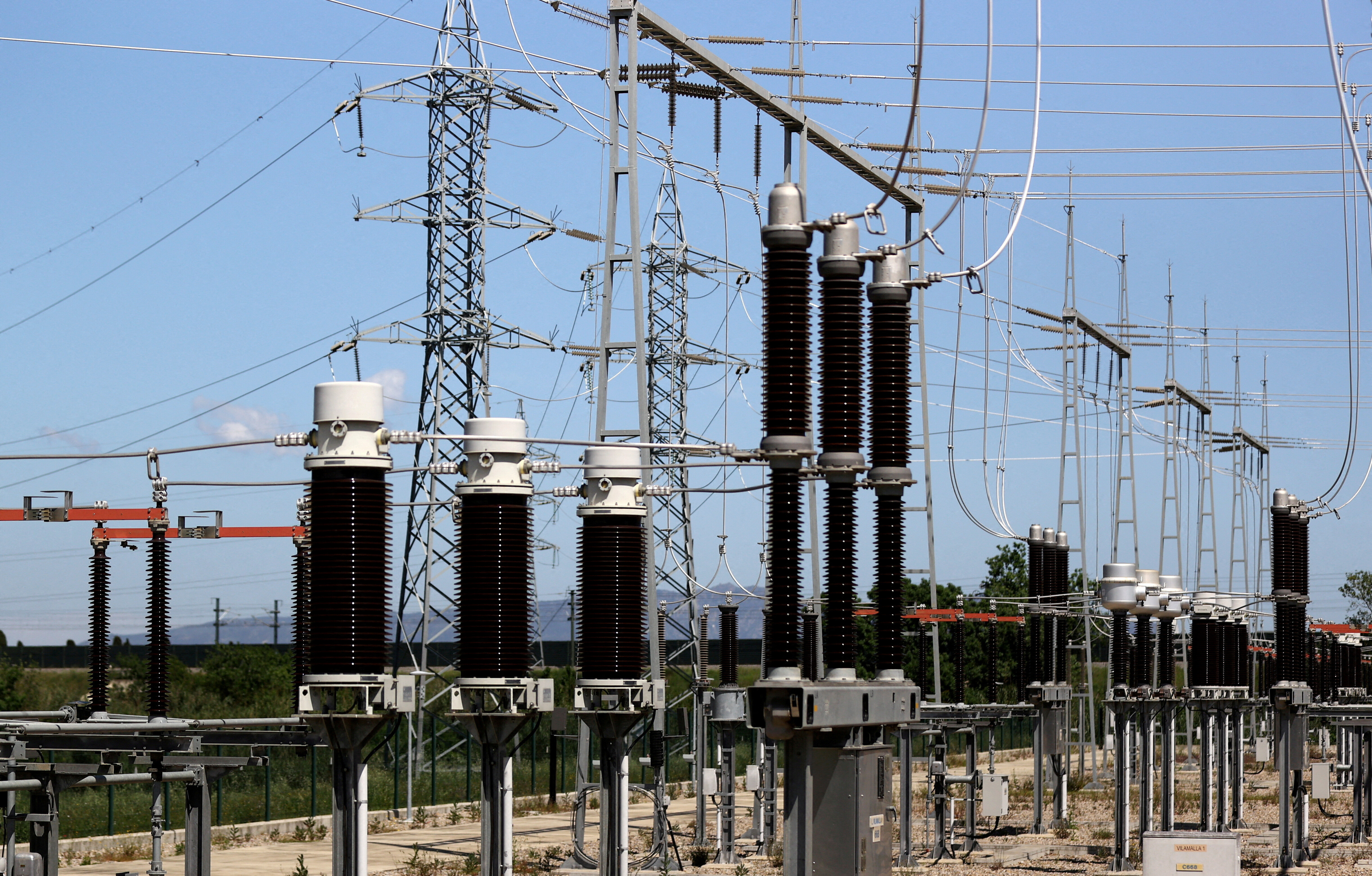
A widespread blackout in the Iberian Peninsula raised initial fears of a cyberattack, but investigations revealed no evidence of such an intrusion. Despite this, the incident highlighted significant vulnerabilities in energy infrastructure. Experts emphasize the need for enhanced cybersecurity measures, international collaboration, and securing critical energy systems against evolving threats. Cybercriminals often target electrical grids, as demonstrated by past incidents like the 2015 Ukraine blackout. The rise of renewable energy also introduces new risks, making cybersecurity integral to the design and operation of modern energy systems.
Financial services, Education, ICT
Iberian blackout: Cyberattack may not be to blame – but the threat to power grids is real. Here's why
Startups Flower AI and Vana have developed a new large language model, Collective-1, by utilizing a distributed training approach across global GPUs, rather than relying on centralized data centers. This model incorporates both private and public data and has 7 billion parameters, significantly smaller than leading models. Flower AI's cofounder Nic Lane notes plans for larger models, including a 30 billion parameter version and a future 100 billion parameter model, aiming to innovate AI development and potentially disrupt prevailing industry dynamics by leveraging decentralized resources.
These Startups Are Building Advanced AI Models Without Data Centers
Donald Trump's trade tariffs are expected to raise food prices in the U.S. and globally, especially impacting fresh produce and agricultural imports. The U.S. relies on imports for 16% of its food supply, predominantly from tariff-affected countries like Mexico. Research indicates that increases in U.S. market prices, such as the 7% rise in global maize prices, directly affect local prices in developing nations, worsening food insecurity. Tariffs on agricultural products, including fertilizers, will elevate production costs, further threatening crop yields and exacerbating existing vulnerabilities in nations like the Democratic Republic of Congo and Somalia. A strategic pause in negotiations may help stabilize prices and improve global food security.
Why Donald Trump’s trade tariffs are a threat to global food security
People globally value democracy but often support leaders who undermine democratic institutions. This paradox arises because individuals tend to prioritize specific political objectives like economic outcomes and security over democratic values when they feel threatened. 

Anti-democratic leaders exploit divisions in public opinion, framing their actions as protective of democracy, particularly in polarized environments, as seen with Donald Trump in the U.S. Despite a strong commitment to competitive elections, many are willing to forgo civil liberties for perceived better outcomes. 

This complacency towards anti-democratic actions poses risks to future electoral integrity. Political rhetoric often misleads the public, portraying attacks on democratic norms as populist defenses of democracy.
Why do people continue to support politicians who attack their democracies? Expert Q&A

Indonesia’s vocational training system faces challenges, with graduates experiencing the highest unemployment rates, highlighting a disconnect between education and job market needs. As a nation vulnerable to climate change, the promotion of green jobs is vital for sustainable development and mitigating environmental disasters. The government is revitalizing vocational education through partnerships with industries and aligning training with market demands. Key strategies include the establishment of a robust labor market information system and initiatives like the SMK-PK program to enhance cooperation between schools and industries, aiming to improve employment outcomes for graduates.
Indonesia | Education
Why Indonesia’s green jobs initiative and vocational training revival matter now

A significant 43% of employers in South-Eastern Asia anticipate a disruption in core skills by 2030, exceeding the global average of 39%. The region faces gaps in critical digital skills, heightened by geoeconomic fragmentation and climate change, prompting a push for upskilling and reskilling. With trade in services growing, businesses express concern over skills shortages, as 60% fear these gaps will impede adaptation efforts. Notably, 73% of employers in Thailand worry about slowing economic growth. Organizations must prioritize building workforce resilience and adaptability to navigate upcoming challenges in the job market.
Australia, Cambodia, Indonesia, Philippines, Republic of Korea, Singapore, Thailand, United Kingdom | Financial services, Education, ICT
The Future of Jobs in South-Eastern Asia: upskilling dominates as technology and geoeconomic uncertainty change talent landscape

The Future of Jobs Report 2025 Data Explorer offers an interactive tool for transforming complex workforce data into visual insights for policy-makers, business leaders, and researchers. It addresses the evolving job market driven by technological changes, such as AI and climate change. The tool allows users to explore job trends, compare regions and industries, and identify shifts in skills demands. Key features include an alluvial view for tracking job evolution, a map view for geographic trends, a column view for comparison, and a scatter plot view for analyzing correlations. This resource aids in strategic workforce planning and adaptation.
Algeria, Angola, Australia, Austria, Bahrain, Benin, Bolivia, Burundi, Cambodia, Cameroon, Canada, Chad, Chile, Costa Rica, Croatia, Cyprus, Denmark, Ecuador, Egypt, Ethiopia, Finland, France, Germany, Greece, Guinea, Hungary, Iceland, India, Indonesia, Ireland, Israel, Japan, Jordan, Kazakhstan, Kenya, Kuwait, Latvia, Luxembourg, Malawi, Malaysia, Mali, Malta, Mauritius, Mexico, Mongolia, Morocco, Namibia, Nepal, Netherlands, New Zealand, Norway, Oman, Panama, Peru, Philippines, Poland, Portugal, Qatar, Republic of Korea, Romania, Russian Federation, Singapore, Slovakia, Slovenia, Spain, Sweden, Switzerland, Taiwan, China, Tanzania, Thailand, Tunisia, Türkiye, Uganda, Ukraine, United Arab Emirates, United Kingdom, Venezuela | Financial services, Health, ICT, Education
From data to action: This tool will help you navigate the future of jobs

The global labor market is undergoing a transformation driven by technology, demographic changes, and economic disruptions. Outdated job-matching systems often overlook candidates' transferable skills and adaptability, resulting in prolonged unemployment and reduced productivity. A report from the World Economic Forum outlines a five-step roadmap for public employment services to utilize technology better, emphasizing the importance of quality data, standardized skills language, blockchain for credential security, personalized learning paths, and improved job matching through AI and machine learning. This approach aims to create more inclusive labor markets by aligning workforce skills with market demand.
ICT, Education
Smart data, better jobs: How technology is transforming labour markets