
Africa's private sector significantly bolstered the African Union (AU) Peace Fund, which is crucial for financial autonomy and effective peacemaking across the continent. Established in 1993 but revitalized in 2018, the fund raised $398 million by mid-2024, predominantly from member states. Following a July 2024 meeting, private contributions surged from 2% to 36%, totaling approximately $610 million, with major pledges from entities like Afreximbank. These funds are vital for AU missions, yet significant shortfalls remain in addressing Africa's escalating security challenges, necessitating ongoing efforts to secure further support from both the private sector and citizens.
Africa
Africa’s private sector boosts AU Peace Fund

The global building sector's CO₂ emissions have stabilized, yet significant reductions are still needed to achieve net-zero. Despite not increasing in 2023, buildings are responsible for 34% of global CO₂ emissions, with operational emissions reaching a record 9.8 gigatonnes. A whole building life cycle approach, supported by advanced data and technologies, is essential for reducing emissions across all phases—from design to operation. Key strategies include retrofitting, stricter energy codes, and reducing embodied carbon. Effective implementation relies on real-time data to drive sustainable practices, optimize performance, and ensure long-term accountability in the sector.
Financial services, Education
Why the building sector’s emissions milestone requires data-driven reinforcement

Participants in a study conducted by Northwestern University researchers identified AI-generated images with 76% accuracy and real photos with 74% accuracy. The experiment involved over 50,000 participants viewing images for varying times, revealing that longer observation improved detection, especially for complex images. Common flaws in AI images, such as odd distortions, aided identification. The study aimed to enhance understanding of how humans discern real from fake images amid advancing AI image generation technology.
When Put to the Test, Are We Any Good at Spotting AI Fakes?

Voter engagement in the lead-up to the 2025 Australian election is at a record high, with 98.2 percent enrollment and significant participation among young voters. Key concerns driving their focus include housing affordability, employment, and climate action, indicating a demand for political inclusivity. Major parties will need to address pressing issues like economic sustainability, climate policies, and international relations effectively to gain voter trust. Current challenges include rising housing costs, skilled labor shortages, and the government's climate targets amidst ongoing tensions over fossil fuel approvals.
Australia | Financial services
Election 2025: Food for Thought as Aussies Head to the Polls
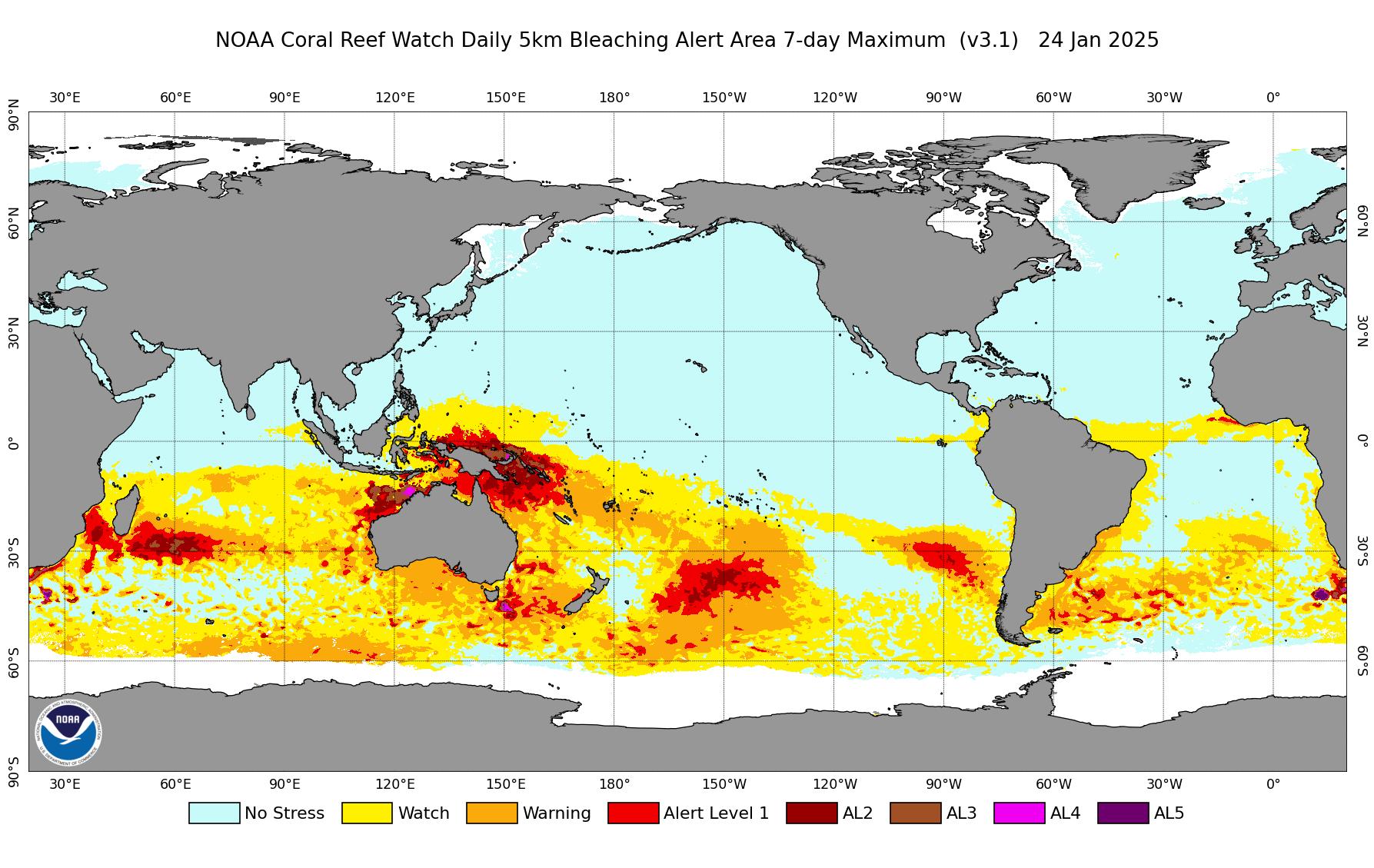
Over 80% of the world's coral reefs have experienced mass bleaching, marking the largest such event on record. This phenomenon, driven by rising ocean temperatures, has affected reefs in 83 countries and territories. Additionally, Earth's landmasses are losing trillions of tonnes of water, primarily due to decreased soil moisture linked to climate change. The International Monetary Fund commits to supporting nations facing climate risks. Environmental concerns also include rising TFA levels in European wines and initiatives aimed at protecting marine areas and endangered species like snow leopards.
Financial services
Over 80% of the world's reefs hit by bleaching event, and other nature and climate news

Artificial intelligence is transforming various sectors, yet there exists a critical data access issue that undermines its effectiveness for public good. Datasets essential for producing unbiased and accurate AI results are increasingly restricted due to proprietary practices and outdated policies, leading to a "data winter." To combat this, establishing data commons—a shared, responsibly governed pool of data—is essential. These commons can enhance collaboration among various entities, ensuring data accessibility for public interest initiatives. Although some projects are emerging, stronger infrastructure is urgently needed to support AI applications that address societal challenges.
Data Commons: The Missing Infrastructure for Public Interest Artificial Intelligence
The rise of AI has heightened geopolitical tensions, exacerbating fragmentation and monopolization of the internet, leading to a potential "Splinternet." Digital Public Infrastructure (DPI) offers a solution by promoting collaboration, reducing monopolistic control, and re-establishing the internet’s foundational ideals. It envisions a rebalanced digital landscape that aligns public interests with private innovation, aiming to cultivate a new digital social contract. This transformation could emerge from nations previously sidelined in global technology discussions.
Financial services, ICT
Digital Public Infrastructure Could Make a Better Internet

Wealthier older adults in the UK are nearly twice as likely to meet physical activity and dietary recommendations compared to their less affluent peers, highlighting significant health disparities. Research indicates that around 70% of participants engaged in physical activity, but only 40% of the lowest income group met nutritional guidelines. This disparity contributes to increased rates of depression, with 32.6% of low-income individuals showing symptoms compared to 11.1% in the wealthiest group. Addressing these inequalities requires policy interventions to improve access to healthy food and exercise, particularly for lower-income populations, to promote healthier ageing and mental wellbeing.
Wealth, wellness and wellbeing: why healthier ageing isn’t just about personal choices
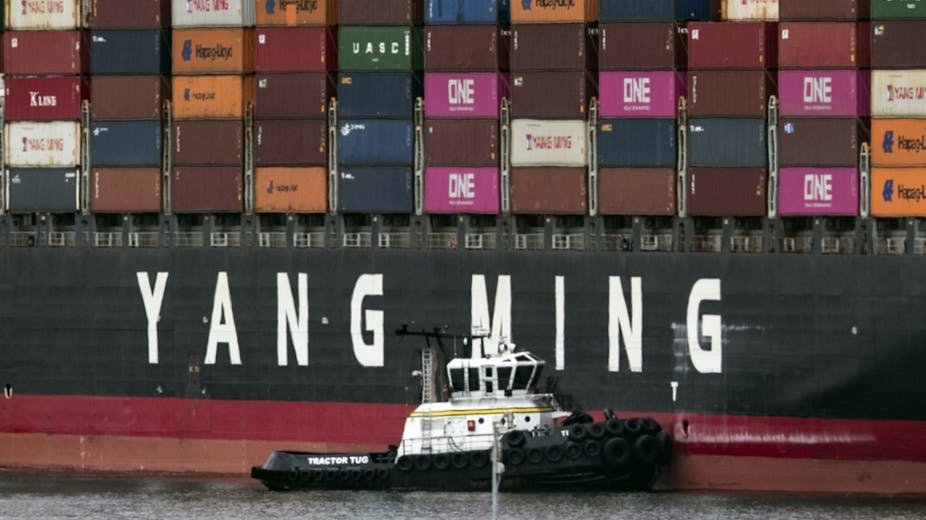
Scheduled shipments from China to US ports are declining due to Donald Trump’s 145% tariffs, particularly affecting agricultural imports and potentially leading to shortages in US supermarkets. Chinese President Xi Jinping is unlikely to back down, as doing so could undermine his nationalistic image. China is balancing the trade war by leveraging agriculture and energy, imposing high tariffs and bureaucratic hurdles on US products, and sourcing natural gas from other countries. Additionally, China controls crucial rare earth minerals essential for US defense technology, complicating the trade landscape further as tensions escalate.
China has identified how to fight back against Trump’s tariffs, and is not ready to back down
Research shows that individuals with neoliberal views are significantly less supportive of climate-friendly policies. In a survey across six countries, including the US, UK, Germany, Brazil, South Africa, and China, support for various climate policies was largely influenced by personal ideologies. People in upper-middle-income countries demonstrated stronger support for regulatory measures and subsidies compared to those in high-income nations, where support for such policies was often in minority. Key factors influencing support included biospheric values and trust in political institutions, while neoliberal beliefs prioritized individual responsibility and free market over collective environmental action, diminishing support for climate initiatives.
People with neoliberal views are less likely to support climate-friendly policies – new research
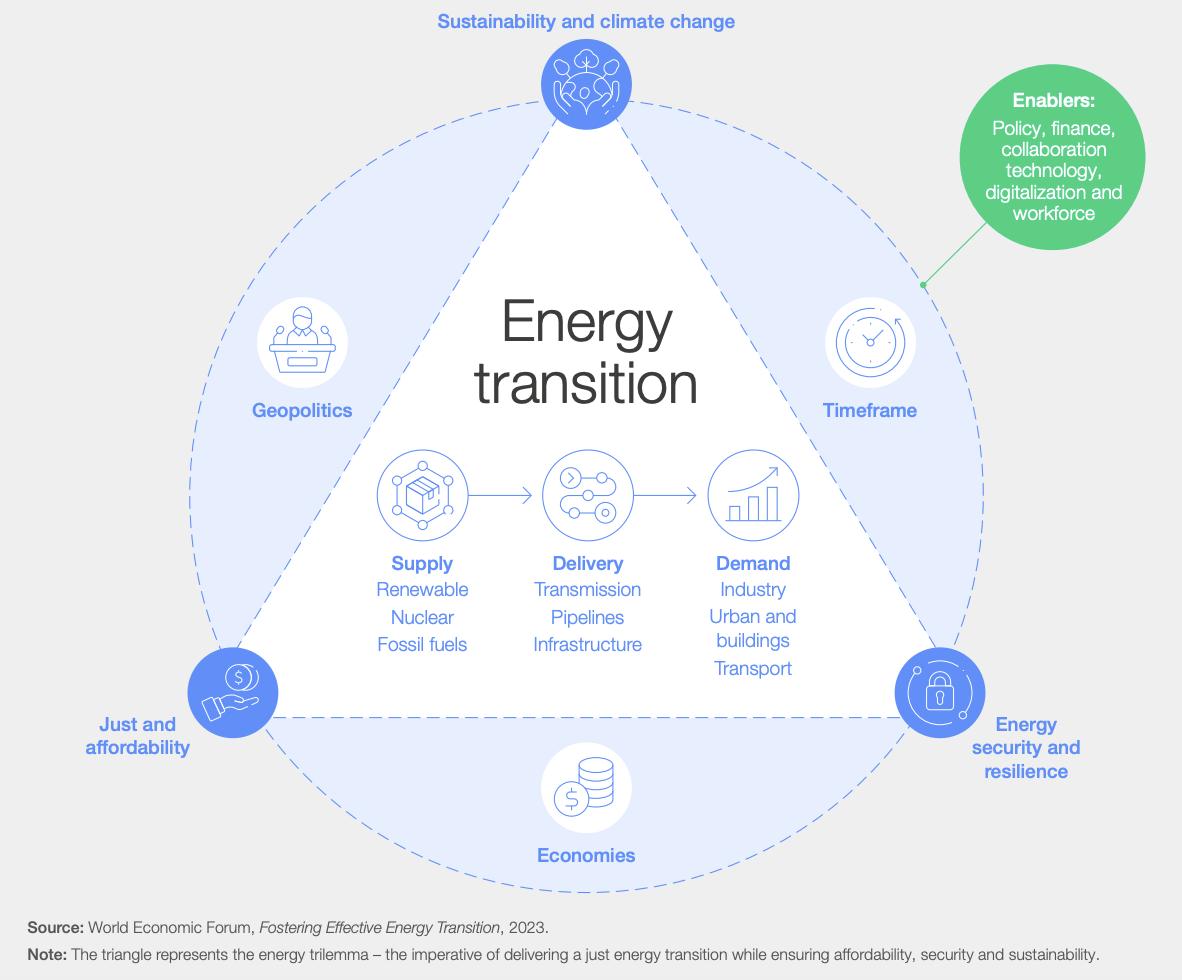
Clean energy is essential for enhancing energy security and resilience in today's volatile landscape influenced by geopolitical tensions and extreme weather. The shift towards resilience as a guiding principle addresses the need for a balanced approach to the energy trilemma: equity, security, and sustainability. Centralized power systems are vulnerable to disruptions, while decentralized solutions like solar and battery technologies can enhance resilience by diversifying energy sources. The integration of renewable energy has proven beneficial, as seen with Germany's response to the energy crisis stemming from reduced gas supplies after the Russian invasion of Ukraine, highlighting renewables' potential in stabilizing energy supply and prices.
Financial services
Why clean energy is key to building a more resilient future in uncertain times
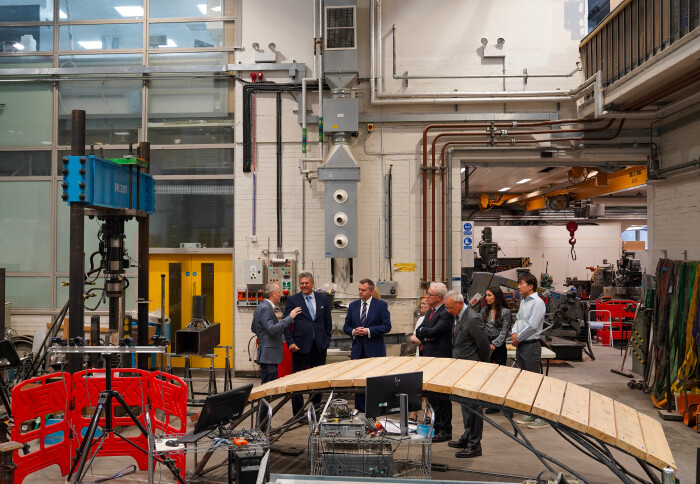
UK Minister for the Constitution and European Union Relations Nick Thomas-Symonds, European Commissioner for Trade Maroš Šefčovič, and EU Ambassador to the UK Pedro Serrano visited Imperial College to explore ongoing collaborations between Imperial researchers and European partners. The visit emphasized the significance of initiatives like Horizon Europe and strategic partnerships, showcasing projects such as brain surgery innovations, wildfire management research, and sustainable steel development. The delegation learned about new funding opportunities for UK researchers and Imperial’s contributions to major EU research projects addressing global challenges, positioning the institution as a leader in future UK-EU research collaboration.
UK's EU Minister and European Commissioner for Trade visit Imperial
Researchers are exploring large language models using techniques inspired by neuroscience to understand their complexities. Despite advancements, full comprehension remains elusive, akin to gardening rather than engineering. These models, based on artificial neural networks, rely on billions of parameters, which are adjusted through extensive training. Mechanistic interpretability allows scientists to inspect and modify these models to uncover how they store concepts and execute tasks. Findings reveal unexpected behaviors and complexities in model operations, making predictions challenging, though there is cautious optimism about future advancements in this field.
Why Language Models Are So Hard To Understand

Adaptive reuse is a strategy that repurposes existing buildings for new uses, addressing urban challenges while preserving architectural heritage. Cities are increasingly adopting this approach to reduce waste, cut emissions, and support the circular economy amid climate and resource constraints. Successful examples, like the Tate Modern in London and the High Line in New York, show how transformed spaces can revitalize local economies and communities. With significant carbon savings and less construction waste compared to new builds, adaptive reuse offers financial benefits as well, making it an essential tool for sustainable urban development and addressing housing and public service needs.
How adaptive reuse can help reimagine, repurpose and revitalize cities
The Trump administration's distancing from NATO signals a potential shift in the transatlantic order, prompting calls for European military rearmament from leaders like Ursula von der Leyen. A recent pro-European rally in Italy invoked the 1941 Ventotene manifesto, calling for political integration to combat fascism. The manifesto advocates for a supranational federal state and has become a symbol of European unity and anti-fascist resistance. The Italian left is defending the manifesto against right-wing critiques, leading to renewed public discourse on its historical significance and relevance in modern EU identity.
Ventotene manifesto: why European politicians are arguing over a 1941 document written by a group of imprisoned Italian antifascists

Declining birth rates and an ageing population in developed countries are shrinking the workforce and increasing pressures on healthcare and retirement systems. To address this, fostering an age-inclusive workforce is crucial, utilizing flexible work models to retain talent and enhance productivity. Key strategies include reducing ageism in recruitment, implementing internal mobility, and encouraging skills-based hiring. To expand the workforce size, companies must promote flexibility and invest in employee development, while governments can support through improved educational systems. These efforts can ensure the longevity economy is effectively realized and leveraged.
Health, Education
Unlocking the hidden workforce of the longevity economy

The UAE's AI model, Falcon, has emerged as a significant competitor in the global landscape, challenging established models like OpenAI's ChatGPT. Developed by a skilled team at the Technology Innovation Institute in Abu Dhabi, Falcon is designed to be an open-source, efficient, and cost-effective solution that promotes global collaboration. It excels in multilingual capabilities, particularly Arabic natural language processing, making it unique among large language models. Falcon's development reflects the UAE's ambition to lead in AI innovation, emphasizing accessibility and sustainability over exclusivity.
United Arab Emirates
The UAE’s Bold Leap into the Global LLM Race
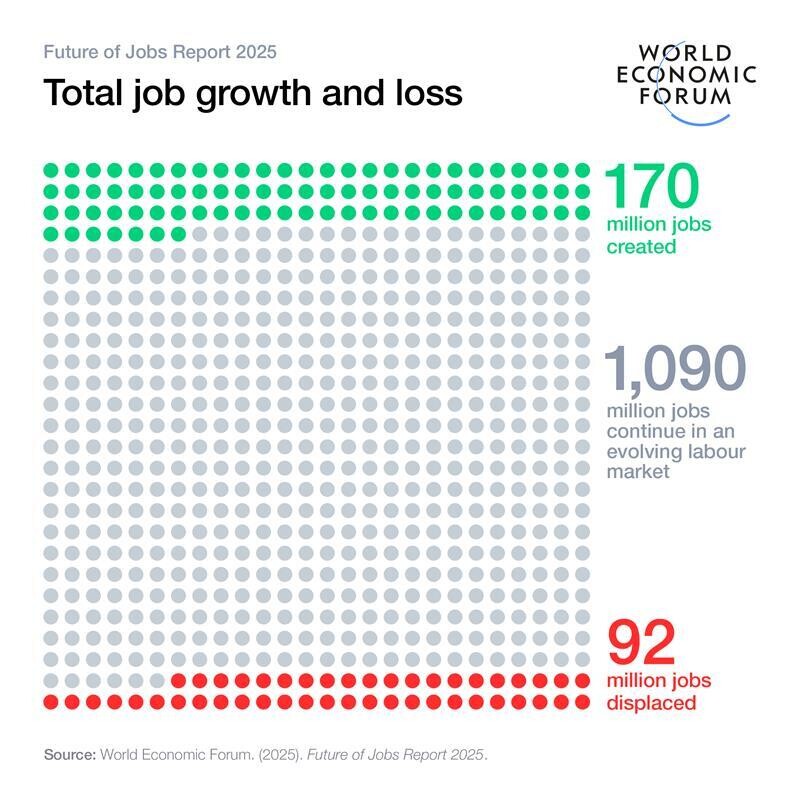
AI is increasingly threatening entry-level jobs, with projections suggesting it could replace over 50% of tasks in roles like market research and sales. As a result, significant shifts in salary expectations and job security are expected for newcomers to the workforce, particularly among Gen Z, who feel AI diminishes their education's value. However, AI also presents opportunities for upskilling and redefining job training structures. While the number of projected new jobs is high, the overall displacement poses challenges for social mobility and equal representation, necessitating a focus on education and skills development.
Education
How AI is reshaping the career ladder, and other trends in jobs and skills on International Workers' Day
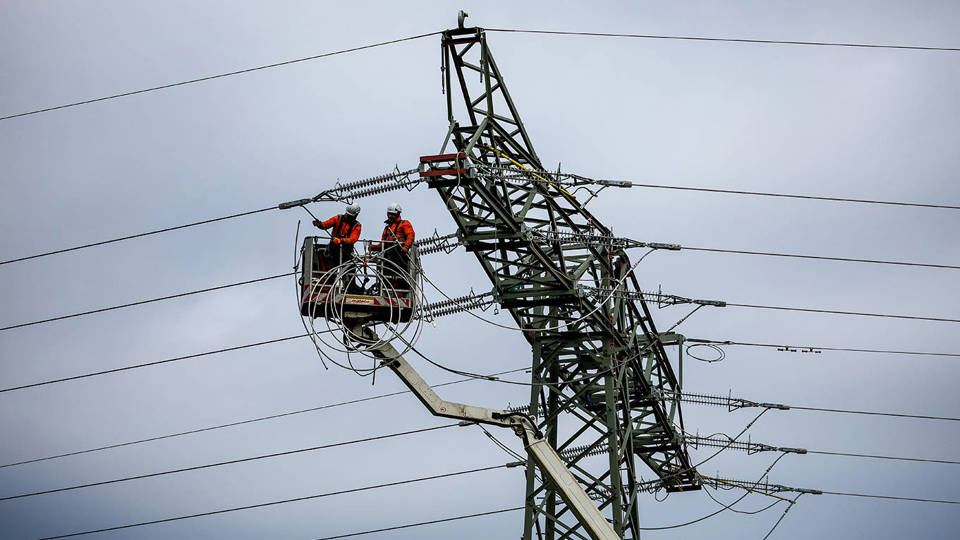
Europe faces a critical challenge in achieving its climate goals due to the aging electricity grid, which struggles to meet rising demand from sectors like electric vehicles and data centers. With nearly half of power generation coming from renewables in 2024, substantial investments of at least €584 billion are necessary to modernize and expand the grid by 2030. Current annual investments of €33 billion need to double to prevent energy bottlenecks and ensure the efficient transmission of renewable energy. Streamlining permitting processes and prioritizing mature projects are essential steps to enhance grid capacity and meet clean-energy targets.
United Kingdom | Financial services, Health, Education
Europe’s Climate Goals Require a Green Power Grid

Hong Kong struggles with severe air pollution, with roadside nitrogen dioxide levels exceeding WHO thresholds by up to 550%. The transportation sector is a major contributor, particularly diesel-powered vehicles, despite the city planning to subsidize the purchase of 600 electric buses and 3,000 electric taxis by 2027. Current initiatives, like the Green Transformation Roadmap, aim to improve air quality but lack ambition, with less than one-fifth of buses expected to transition to electric or hydrogen power. Financial challenges also hinder substantial fleet upgrades, exacerbating health concerns linked to elevated pollution levels.
Can electric vehicles steer Hong Kong towards better air quality?