
Cely's research examines why "culture wars" illustrate varying levels of public opinion polarization on moral issues across Europe. Key findings indicate that Catholic countries exhibit higher alignment on morality issues (40% more) but lower alignment on economic issues compared to Protestant nations. Notably, there is a diminishing East-West divide in polarization from 1990 to 2017, influenced by deep-seated religious cultural legacies rather than economic development. Catholic countries, particularly in Eastern, Southern, and certain Western regions, remain the focal point of these moral divides, while Nordic countries display more fragmented opinions on morality.
Europe’s culture wars – where people disagree on morality and why

Southeast Asia is poised to approve the highest number of oil and gas projects since 2016, with up to 14 gas projects potentially reaching final investment decisions (FID) in 2025. If successful, these projects could increase annual gas production by 18%, significantly locking in fossil fuels despite regional commitments to reduce hydrocarbon reliance. Key concerns include the ecological impact on biodiverse areas like the Coral Triangle and inconsistencies with long-term energy transition plans. Delays and disputes are already hindering progress, prompting calls for investments in renewable energy as a more sustainable alternative.
Malaysia
Southeast Asia to decide on decade-high number of oil and gas projects in 2025
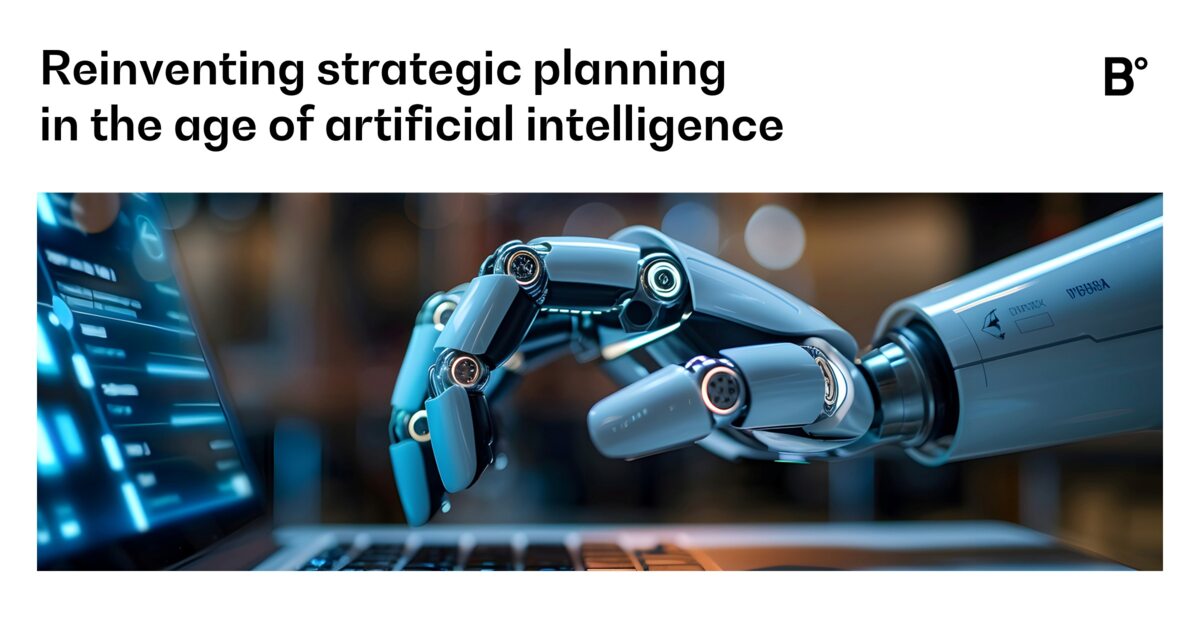
Strategic planning must be reimagined in the context of rapid technological disruption driven by artificial intelligence. A significant portion of executives recognizes the need for a new strategy, with many expressing caution towards AI. Companies are encouraged to create separate entities for developing innovative business models while simultaneously adapting existing operations. Prioritizing impactful areas like customer experience and innovation is vital for maintaining competitiveness. Additionally, workforce planning should evolve to engage employees in the transformation process. Using AI in planning enhances decision-making and prepares organizations to explore alternative futures in a volatile market. Flexibility and boldness are essential for success.
Reinventing strategic planning in the age of artificial intelligence

The global economic landscape is transitioning from convergence to fragmentation, driven by escalating geopolitical rivalries, particularly between the US and China, and the intertwining of national interests with capital flows. Economic governance is now characterized by multipolarity and political alignment, with strategic competition reshaping investment decisions. The EU must proactively pursue institutional reforms, deepen internal market integration, and develop trusted investment corridors to maintain its global influence. Key actions include enhancing internal capital market coherence, simplifying cross-border investments, and promoting a values-based approach to external capital partnerships.
Czech Republic, Germany, Ghana, Greece, Hungary, Ireland, Poland, Portugal, Republic of Korea, Switzerland, Ukraine, United Kingdom | Health, Education, Financial services
The EU must lead in the new geography of capital

Tariffs imposed by the Trump administration threaten the adoption of renewable energy in Asian data centres, crucial for supporting AI demand. Major tech companies like Microsoft have paused some projects due to increased uncertainty. Despite the challenges, firms like AirTrunk and Equinix continue pursuing sustainability-linked loans and renewable energy agreements. Data centres are projected to account for 4.5% of global electricity demand by 2035, emphasizing the need for green energy solutions. Experts suggest a "wait and see" approach as companies navigate the financial landscape amid evolving government policies.
Will Trump’s tariffs stall the greening of Asia’s data centres?

President Trump’s second term focuses on radically restructuring the U.S. and global economic order, emphasizing a “golden age of America.” This agenda confronts challenges posed by China’s export-led industrialization and U.S. fiscal deficits, both of which threaten global economic stability. Trump aims to rebalance trade and tackle wealth distribution inequality through initiatives like tariffs, which serve to raise revenue and address trade imbalances. The strategy prioritizes a renewed industrial base, innovation, and energy dominance to enhance national defense and economic resilience.
United Kingdom | Financial services
Shock as strategy: Making sense of Trump’s first 100 days

Nuance is essential for effective decision-making in complex business environments. Quick, simplistic responses can hinder strategic solutions. The rise in protectionism, while politically appealing, often results from fear rather than solid strategy, hindering development and innovation. Successful growth resembles mushroom farming: it thrives under optimal conditions rather than through rigid regulation. Value creation hinges on effectively utilizing time, requiring quality education and supportive structures. Economic growth relies on efficiently allocating talent and resources, with markets serving as decentralized mechanisms to optimize this allocation. Addressing inequality remains a collective democratic choice.
Ireland, Luxembourg, Republic of Korea, Spain, Switzerland, United Kingdom | Financial services, Education
Why nuance is the key to better decision-making

In January 2025, President Trump directed the Office of Science and Technology Policy to develop an AI Action Plan to enhance American AI leadership. The initiative gathered input through 10,068 public submissions. An AI-driven database was created to summarize and categorize specific recommendations from these submissions, enabling users to explore the proposals and analyze prevalent themes and ideas.
AI action plan database
The principle of purpose limitation aims to ensure transparency and fairness in data use, but is challenged by the nature of powerful AI models. Current EU regulations inadequately address the risks of secondary use of trained AI models and anonymized datasets, which can be misapplied in harmful ways, such as in insurance or employment contexts. The paper advocates for a shift in focus from data processing to the regulation of AI models themselves, requiring those who train AI to define and limit the use of these models to specific, declared purposes.
Updating purpose limitation for AI: a normative approach from law and philosophy

The April 2025 edition of the Federal Reserve's Beige Book highlights key economic trends across various U.S. regions, providing valuable insights for journalists. Key findings include a New Jersey salon struggling to find qualified hires, declining Canadian tourism, and widespread economic uncertainty linked to tariff policies. Businesses face rising production costs, with many planning to pass these on to consumers. The report underscores the importance of localized economic data for understanding national trends, urging reporters to explore specific story angles within sectors such as tourism, vocational training, and food.
Latin America | Financial services
Story ideas from the Federal Reserve’s Beige Book: April 2025
Norm-building among civil society organizations is essential for governing data and AI technologies, contrasting the traditional state-centric approach. The emerging norm, “nothing about us without us,” emphasizes the right of individuals represented in datasets to have a say in the use of their data. This form of counter-norming, linked to broader societal elements such as bodies, land, and labor, poses a challenge to market-driven governance. It is argued that recognizing civil society as norm-makers enhances understanding of power dynamics and governance, crucial for addressing the limitations of current data practices.
Rebooting the global consensus: Norm entrepreneurship, data governance and the inalienability of digital bodies
A new three-tiered classification system for analyzing the global AI workforce categorizes talent into non-technical roles, technical software development, and advanced deep learning specialization. An analysis of 1.6 million individuals across 31 countries reveals that Asian nations lead in specialized AI expertise, with South Korea, Israel, and Japan having the highest proportions of advanced talent. Europe, particularly Poland and Germany, also shows strengths in this area. Additionally, nations with points-based immigration systems attract significantly more high-skilled migrants. The study highlights EU countries' leading role in female representation in advanced technical roles, with Finland, Czechia, and Italy ranking highest.
Education
Technical Tiers: A New Classification Framework for Global AI Workforce Analysis
Billion-dollar technology modernization failures in government arise from misalignments in incentives, expertise, and decision-making authority, often leading to over-scoped projects that fail to meet user needs and waste taxpayer dollars. To address these issues, public institutions must rethink their approach to technology management and public-private partnerships. Successful strategies include funding technology as ongoing capabilities, embedding experienced technical leadership in procurement processes, and adopting iterative, outcomes-driven project methodologies. Proven examples demonstrate that aligning incentives and investing in internal capacity can lead to faster, cost-effective, and higher-quality service delivery.
Education
How to save a billion dollars

Fed independence is essential, particularly during economic challenges like inflation and recession, according to Wharton professor Peter Conti-Brown. The Fed requires autonomy to implement innovative measures without political pressure, as seen during past crises. While the public should hold the Fed accountable, excessive interference risks damaging its expertise and effectiveness. Historical perspectives illustrate that a lack of independence contributed to events like the Great Depression. Conti-Brown argues that independent central banking yields better outcomes than politically motivated monetary policy, which could lead to detrimental economic decisions.
Financial services
Why Fed Independence Is Critical

Eight diverse organizations from the Global South formed the South-to-South collective to challenge traditional North-South dynamics and promote decolonial research practices. Supported by the Ford Foundation and IDRC-Canada, the collective aims to address entrenched power imbalances in the global evaluation ecosystem through equity-driven inquiry. By engaging with over 100 key actors across 30 countries, the collective seeks to amplify Southern voices and transform research collaborations to focus on local realities and experiences of marginalization, fostering a culture of equity in evaluation practices.
South Africa | Education, Health
South-South Collaborations to Catalyse the Emergence of a New World

Supply chain security is increasingly vital as digital transformation drives heightened demand for services, yet the current supply chains are more fragile than ever. The complexity of modern supply chains, coupled with misaligned incentives where cost often trumps security, complicates security improvements. A corresponding demand chain exists, which, if effectively aligned with security needs, could enhance supply chain resilience. However, the lack of consistent supplier assessments and common security baselines hinders progress. Strengthening demand for security from consumers and fostering collaboration among stakeholders are essential for addressing these challenges.
Financial services, ICT
What’s really broken with supply chain security is the demand chain

Retirement does not imply a loss of identity or productivity, but rather an opportunity to redefine life in terms of work-life harmony. Stewart Friedman emphasizes the importance of integrating professional skills and personal values in retirement to create a mutually enriching life experience. Transitioning from full-time work to retirement should focus on finding ways to harmonize various life aspects—work, family, community, and self—rather than merely balancing them. This approach fosters a sustainable and fulfilling lifestyle, allowing individuals to continually contribute meaningfully and pursue new opportunities.
Integrating Work-life Harmony in Retirement | Stew Friedman

The urgent need for global climate leadership arises as the US retreats from climate action under the Trump administration. China is positioned to fill this gap, showing dominance in clean technologies and committing to climate action as a major global power. The country must enhance its domestic policies and support for developing nations, setting ambitious emission reduction targets ahead of the upcoming UN climate conference. China has already contributed significant climate finance to developing countries but needs to improve transparency and community involvement in projects. Additionally, reforming the global financial system to align with the Paris Agreement and sharing clean technology with developing nations will be crucial for effective climate action.
The world needs climate change leadership – it’s time for China to step up

Access to electricity in Africa is rising but remains significantly low and uneven, with only 58% of the population having electricity for basic needs in 2023. This leaves 626 million people without grid access and highlights severe energy poverty. Africa, despite having 60% of the world’s best solar resources, only contributed 5.7% of global energy production in 2023. Electrification disparities exist, particularly between urban and rural areas; rural access is as low as 19.6% in low-income countries. Poor infrastructure and regional grid separation impede progress. Electricity access is essential for economic growth, education, and healthcare, with major implications for human development across the continent.
Africa, Latin America
Why Africa’s electrification matters to the world
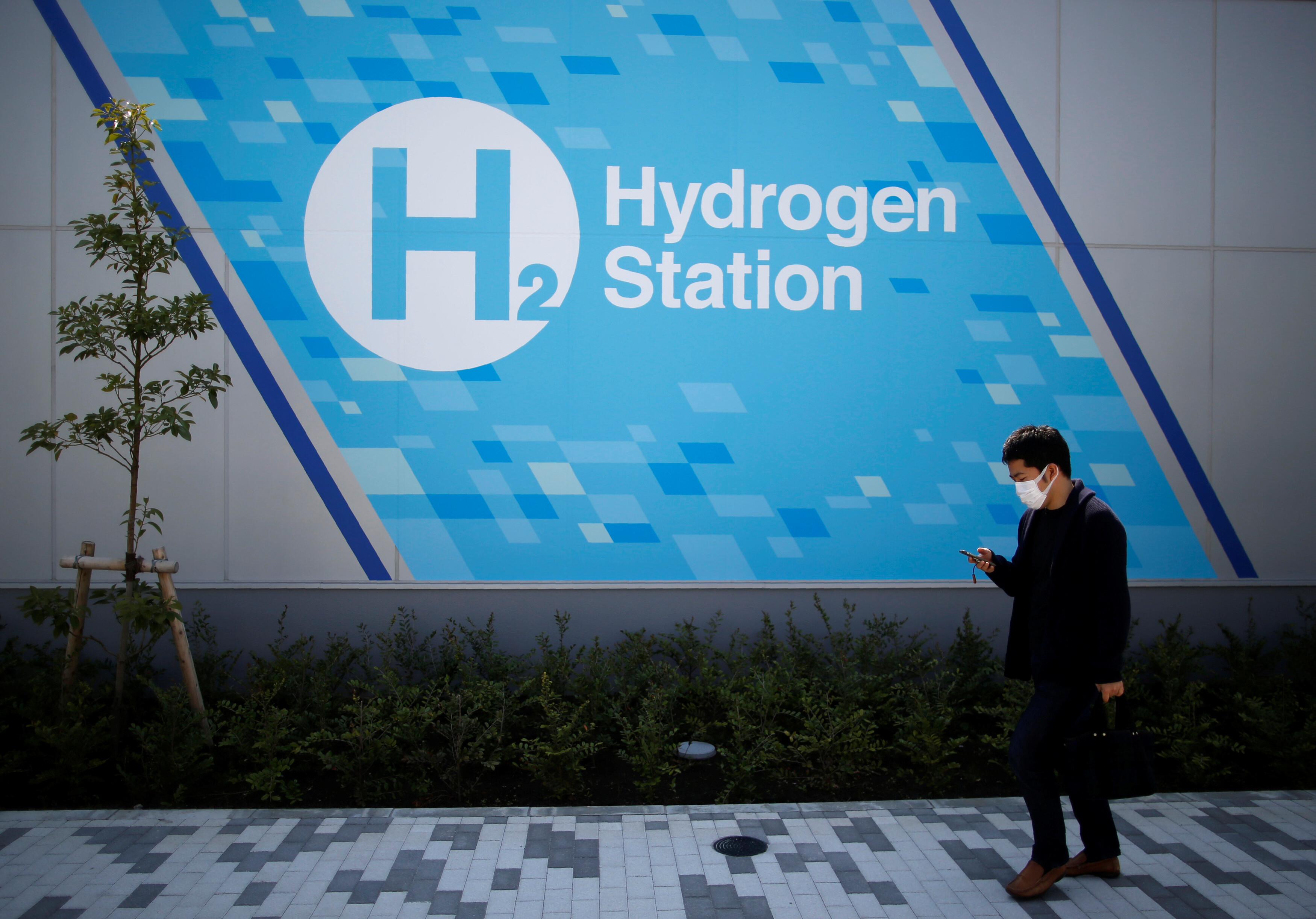
Japan aims to establish a 'hydrogen society' by integrating hydrogen across multiple sectors, including transportation, steel production, and energy. The country’s ambitious hydrogen strategy, initiated in 2017, has evolved to prioritize safety, energy security, economic efficiency, and environmental sustainability, amidst practical challenges. Japan's energy insecurity, stemming from heavy reliance on energy imports, drives its hydrogen initiative, but high costs and dependence on foreign supplies pose significant hurdles. Despite plans to procure 12 million tons of hydrogen annually by 2040, uncertain demand and an underdeveloped global supply chain keep the future landscape ambiguous.
Austria, Germany, Hungary, Japan, Norway, Republic of Korea, United Kingdom
Japan’s hydrogen gamble: What the world can learn from this high-stakes energy bet