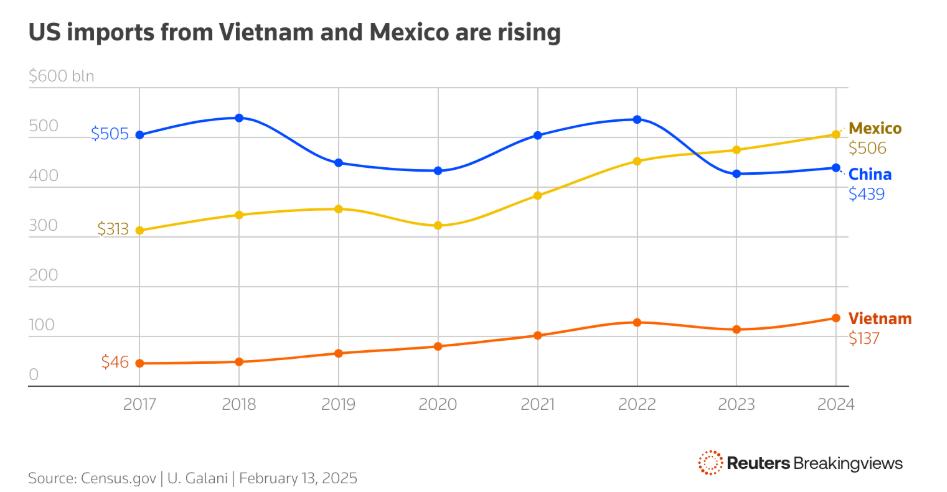
The IMF has raised the risk of a US recession to 40%, driven by President Trump's tariff policies, and downgraded its US growth forecast for 2025 to 1.8%. Trade tensions are increasing inflation and financial instability, impacting consumer sentiment and business confidence. Emerging economies in Asia are responding by enhancing intra-regional trade amidst the US-China conflict, adopting a 'China+1' strategy to diversify supply chains. Despite expected slowdowns, regional cooperation is on the rise to mitigate tariff impacts. US stock markets showed gains recently, bolstered by tech shares and easing trade tensions.
Financial services
IMF raises US recession risk as tariffs drive global economic slowdown, and other finance news to know
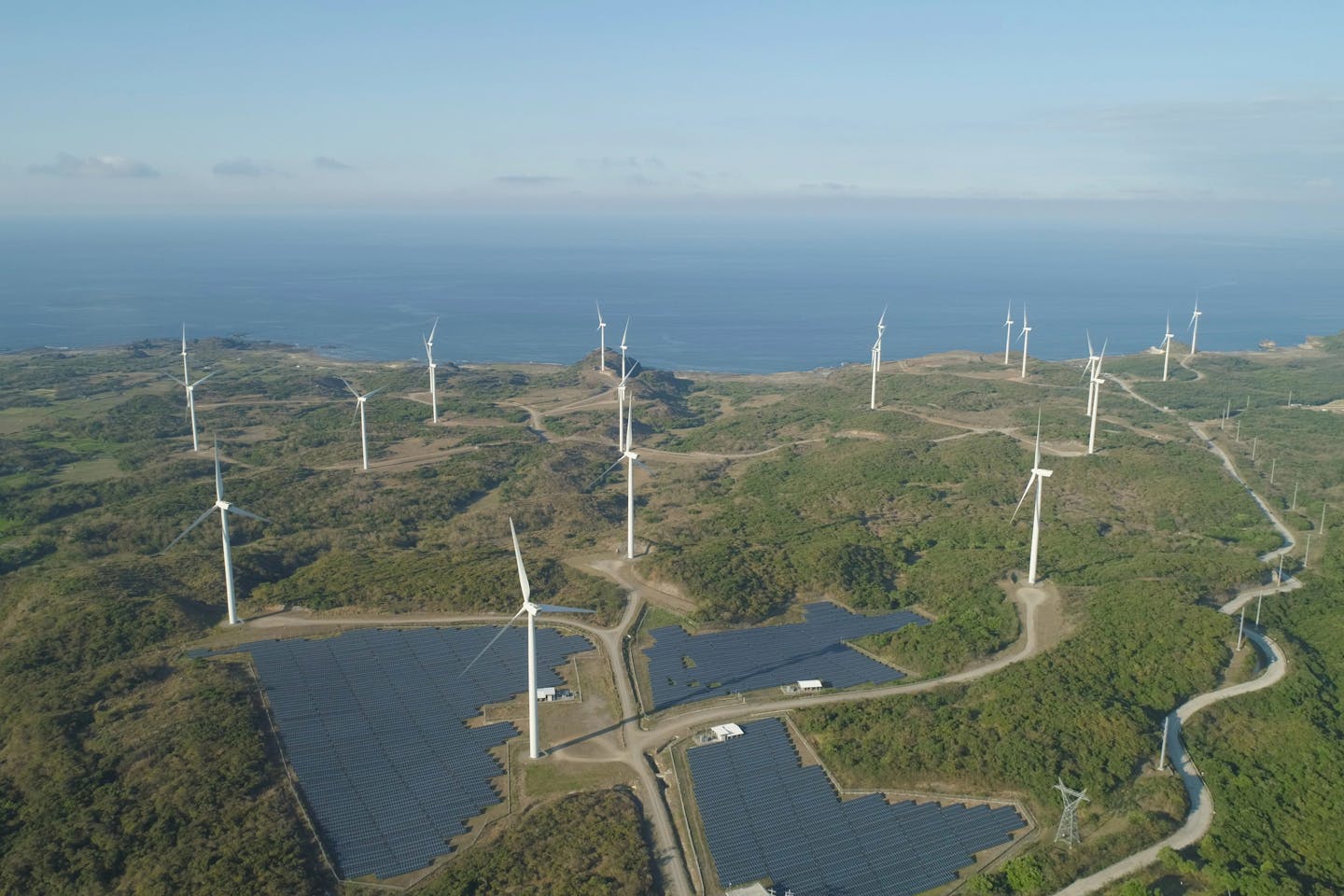
Asian countries face pressure to purchase U.S. liquefied natural gas (LNG) amid rising tariffs, but experts advocate for the development of renewable energy sources instead. With significant untapped solar and wind potential, particularly in Southeast Asia, experts argue that transitioning to renewables can enhance energy security and reduce import costs. Long-term commitments to U.S. LNG may lead to increased expenses and market uncertainty. Emphasizing the need for a diverse energy mix, experts assert that embracing clean energy will promote resilience and competitiveness in the region, offering a sustainable growth path.
Thailand
Asia should look to clean energy sector to weather tariff wars: experts

Agriculture in India, which employs 42% of the population and contributes 18% to GDP, struggles with low productivity, fragmented landholdings, climate risks, and market inefficiencies. To address these challenges, "Future Farming in India: A Playbook for Scaling Artificial Intelligence in Agriculture" outlines a strategic framework to enhance the adoption of artificial intelligence (AI) in the sector. Developed through consultations with various stakeholders, the playbook presents a three-pillar framework to foster an AI ecosystem, practical use cases, and clear implementation roadmaps, serving as a guide for creating a more inclusive, AI-driven agricultural landscape.
Future Farming in India: A Playbook for Scaling Artificial Intelligence in Agriculture

Agriculture in India, which employs 42% of the population and contributes 18% to GDP, faces critical challenges including low productivity, fragmented land, climate risks, and market inefficiencies. To address these issues, "Future Farming in India: A Playbook for Scaling Artificial Intelligence in Agriculture" presents a strategic framework aimed at enhancing AI adoption in the sector. Developed through consultations with various stakeholders, the playbook outlines a three-pillared approach to create an enabling AI ecosystem, featuring practical use cases and clear implementation roadmaps to help governments, agribusinesses, and academia build an inclusive, AI-driven agricultural framework.
Future Farming in India: A Playbook for Scaling Artificial Intelligence in Agriculture

Universal basic income (UBI) is proposed as a solution to the challenges posed by AI and automation displacing jobs, ensuring that technological progress aligns with human welfare. Teresa Almeida outlines that UBI could combat wage inequality, job insecurity, and poverty. While historical and recent pilot studies show generally positive outcomes, especially regarding individual wellbeing, the challenge of sustainable funding remains critical. UBI requires careful design to address diverse needs and might necessitate changes in current taxation structures to support its implementation effectively.
Financial services, Education
Universal basic income as a new social contract for the age of AI

Chatbots are increasingly utilized by companies for various customer service functions, but their effectiveness varies significantly. Well-designed chatbots can enhance sales and improve customer experiences, while poorly executed ones can drive customers away. To address this issue, Wharton professors developed The Wharton Blueprint for Effective Chatbots, offering strategies based on recent scientific research. Key recommendations include calibrating chatbots for personalized recommendations, emphasizing human involvement in their design to build trust, and choosing appropriate chatbot personas for different customer situations. The focus should be on enhancing customer experience rather than merely reducing costs.
Tired of Chatbots? Here’s How They Could Improve
The advancement of AI models like GPT-4 and Claude complicates the detection of machine-generated content. Researchers from Penn and Northwestern have created a statistical framework to enhance watermarking methods, essential for identifying AI-generated text. Their study, published in the Annals of Statistics, focuses on minimizing Type II errors, ensuring that watermarks are effective yet subtle enough not to disrupt text readability. With increased reliance on AI in various sectors, effective watermarking is critical for combating misinformation and upholding intellectual property rights amid evolving regulatory strategies.
Can We Still Detect AI-generated Content?

Donald Trump's first 100 days in office saw increased economic uncertainty despite inheriting a strong economy. His reliance on tariffs to revive domestic manufacturing and address voter dissatisfaction led to business and consumer caution, undermining confidence and approval ratings. The erratic tariff policies disrupted global trade and weakened financial markets, leading to significant stock and bond market losses. Proposed tax cuts could exacerbate national debt and threaten welfare programs, causing further political ramifications. With the IMF predicting a 40% chance of recession, Trump's economic outlook remains bleak.
Financial services
Trump’s first 100 days: economic uncertainty spikes while the president’s approval ratings tank
Climate change poses significant risks to cities, necessitating urgent adaptation efforts due to a persistent "adaptation gap." Effective climate resilience requires moving beyond mere recovery toward proactive strategies that reduce risk. Key approaches include:

1. **Bouncing Forward**: Encourage rebuilding that improves safety and integrates better planning, as seen in post-earthquake Christchurch.
2. **Risk-Informed Planning**: Assess vulnerabilities with a holistic approach, considering interconnected risks and demographic factors.
3. **Transformative Action**: Address underlying vulnerabilities and inequalities, exemplified by Bangladesh's floating gardens for food security during floods.
4. **Collective Approaches**: Foster collaboration across communities, ensuring that all areas adopt inclusive and comprehensive adaptation measures.
Health, Financial services, Education
Five ways to make cities more resilient to climate change

Efforts are being made to enhance participatory democracy and amplify marginalized voices through community-led research. Following the Millennium Development Goals, ground-level panels were established to address gaps in global frameworks. Amid the COVID-19 pandemic, Praxis India launched COLLECT in 70 districts to gather real-time data and reinforce grassroots action. The shift to digital platforms broadened networks and highlighted the dominance of the Global North in development narratives. The Global North Dominance Watch initiative seeks to challenge this hegemony by integrating insights from Global South perspectives, enhancing the discourse on responsible business practices and corporate accountability.
Africa | Financial services, Education, Health, ICT
Global North Dominance Watch: Building Alternative Development Narratives
Marine Le Pen's recent conviction has created turmoil within the National Rally (RN), complicating the race for the 2027 presidential election. While the ruling has restricted her political future, compelling parties to recalibrate strategies, it also highlights broader issues of judicial trust in France, with a significant number of citizens believing the system is politicized. Le Pen must now consider stepping aside for Jordan Bardella if her legal troubles persist, but RN maintains strong polling support at 32%-35%. The political landscape remains stalled, with Prime Minister François Bayrou struggling on reforms as President Macron focuses on international affairs.
[Decoding France] - Has the Race for 2027 Already Begun?
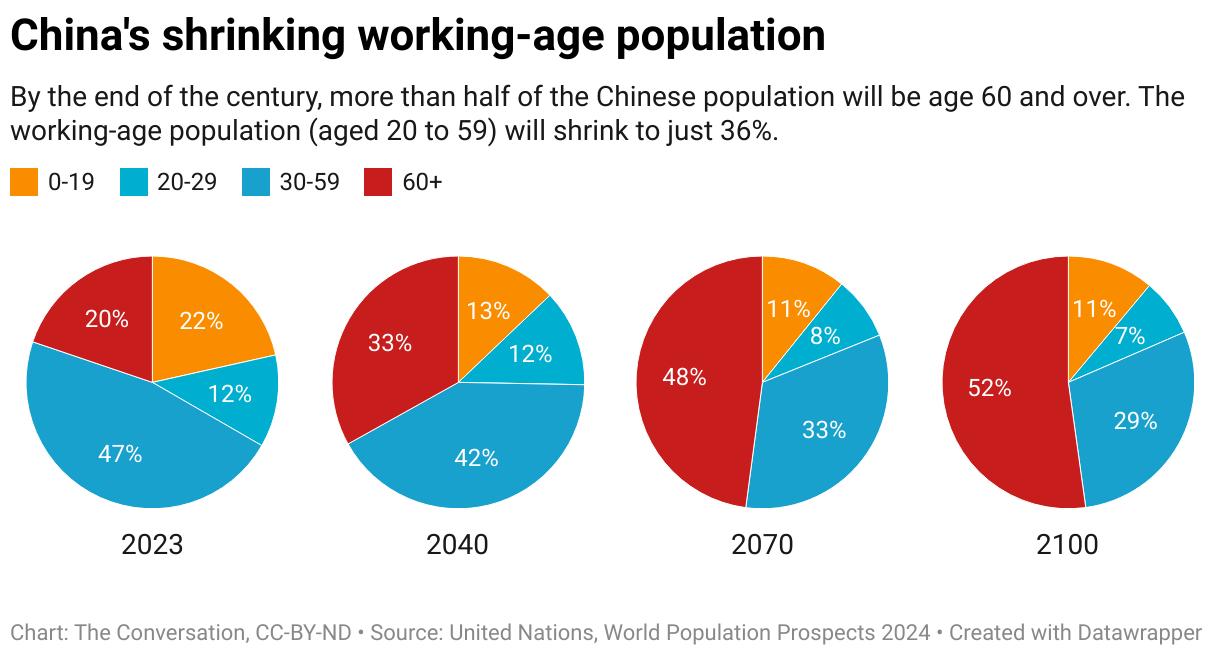
Robotics skills are increasingly in demand in China, where over 90% of organizations view AI and robotics as essential for business transformation. The country faces a decline in the working-age population, prompting a need for extensive reskilling and upskilling. China's market leads globally in industrial robot installations and is also advancing in climate technology, contributing to job creation. However, the shrinking workforce poses a long-term challenge, with projections showing just 36% of the population being of working age by 2100. Addressing skills gaps is critical for future economic growth, supported by government initiatives.
Republic of Korea, Singapore, Thailand, United Kingdom | Financial services, ICT, Education
The future of jobs in China: the rise of robotics and demographic decline are opening up skills gaps

High global trade tensions, spurred by tariffs introduced by the Trump administration, are reshaping cybersecurity strategies. Cybersecurity, previously viewed as politically neutral, is now impacted by geopolitical factors, leading to a potential decline in industry investment and innovation due to inflationary pressures and budget constraints. Cyber leaders must navigate increasing barriers to market access and a talent shortage, exacerbated by restrictive policies in various regions. This evolving landscape poses significant challenges for critical networks and the development of sovereign capabilities in cybersecurity.
Cyprus, Switzerland, Taiwan, China, Ukraine, United Kingdom | Financial services, Education, ICT
How will a global trade war shape the future of cyber leadership?
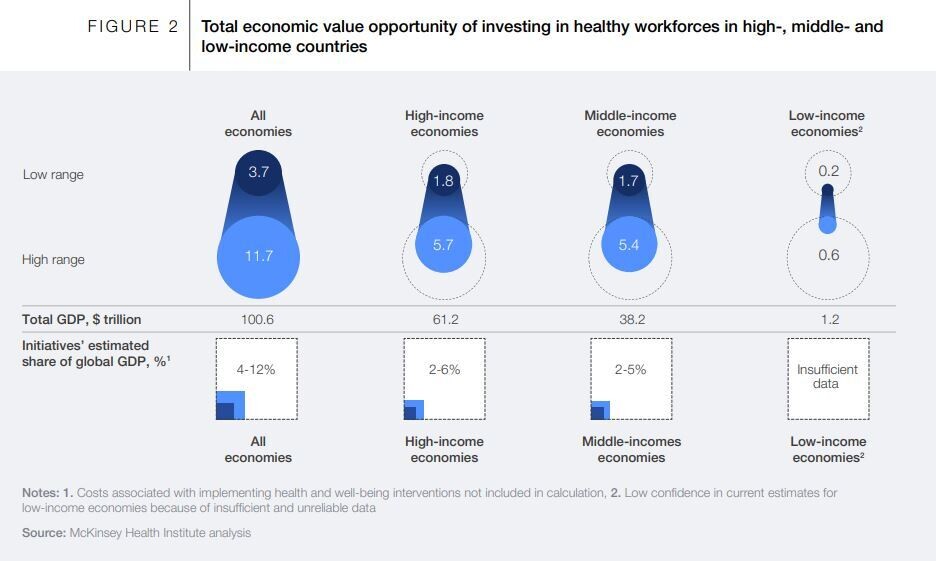
Only 25% of workers in the US, UK, and Canada report being happy at work, highlighting a significant need for improved workplace wellbeing. The World Economic Forum estimates that enhancing employee wellbeing could contribute an additional $11.7 trillion to the global economy. Despite strong managerial support for investing in employee health, actionable strategies remain lacking, as only 19% of managers prioritize this in their business plans. The emphasis on workplace wellbeing is crucial for enhancing productivity, retention, and overall organizational performance, with calls for a cultural shift to prioritize mental health, especially in the wake of the COVID pandemic.
How companies can improve workplace wellbeing in the Intelligent Age – and why it matters
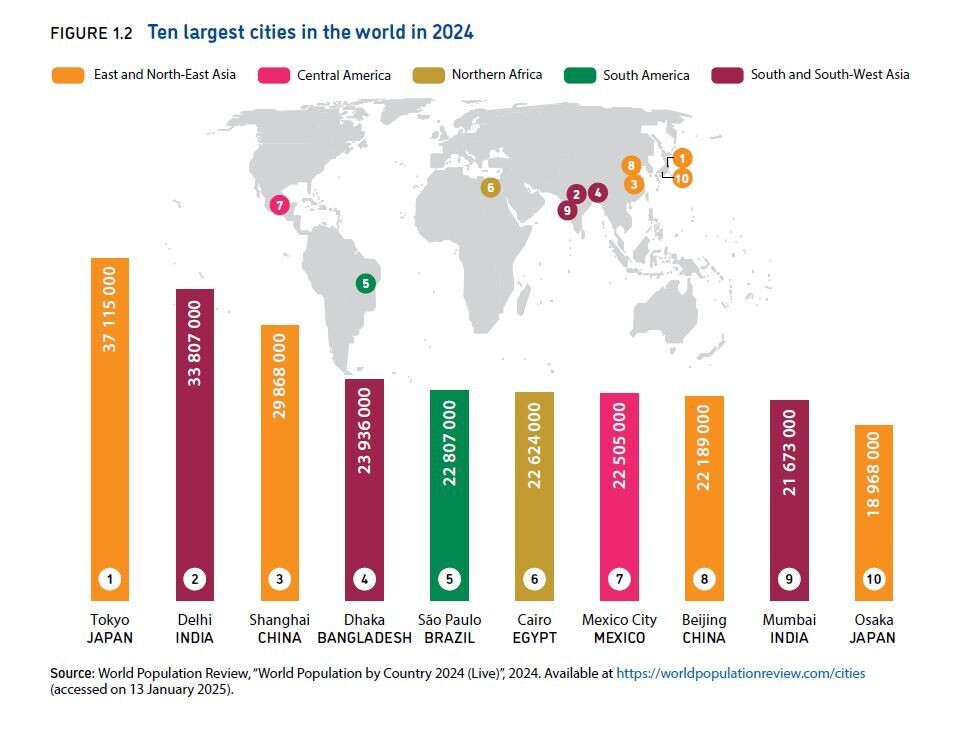
Asia's megacities face significant challenges due to rapid urban growth, risking increased inequality and overwhelmed public services, according to a UN report. Record heatwaves exacerbate dangers for vulnerable populations, particularly in informal settlements. Urban aging is shifting demographics, necessitating adaptations in infrastructure. ESCAP emphasizes the need for inclusive reforms, integrated planning, and innovative financing for sustainable growth. Meanwhile, twelve startups in San Francisco were recognized for sustainable innovations. A study also indicated that higher electric vehicle use could result in increased CO2 emissions if fossil fuels dominate the energy grid.
Thailand | Financial services, Health, ICT, Education
Asia's megacities at a crossroads – and other urban transformation stories to read this month
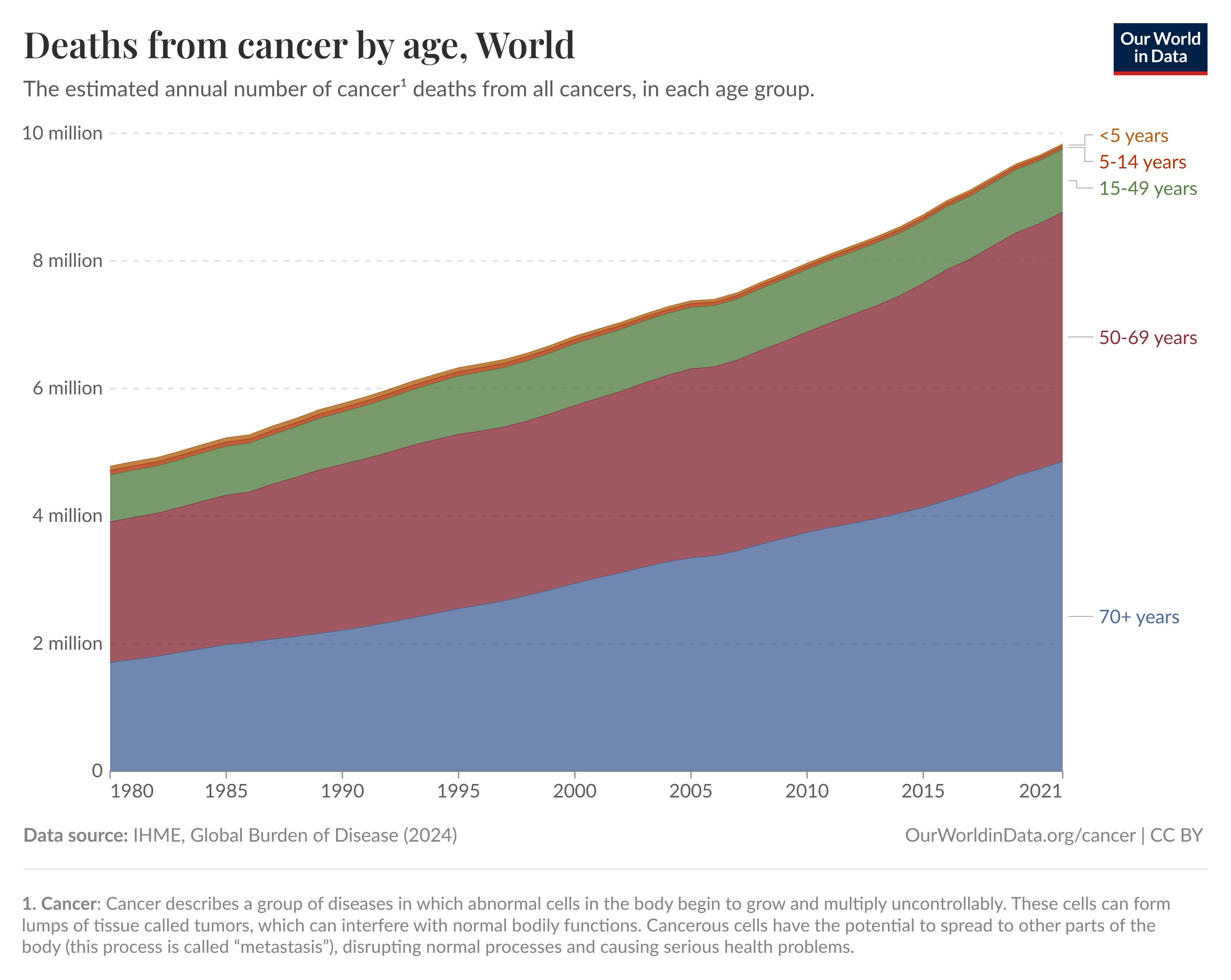
Older adults respond effectively to immune checkpoint inhibitors in cancer treatment, showing comparable results to younger patients despite age-related immune changes. This highlights the potential of these therapies for older populations, which account for most cancer cases and deaths. Additionally, the EU and Germany are advancing healthcare through AI initiatives, improving access to health data for enhanced patient care and research. Other health news includes efforts to expedite clinical trials, innovations in malaria vaccine delivery in Nigeria, and growing concerns over antimicrobial resistance, emphasizing the need for global health strategies.
Africa | Health
Cancer drugs equally effective for elderly as young, research shows – and other top health stories

Digital technology can revitalise civic life in America, providing everyday people with tools for connection and democratic engagement. Communities across the nation, such as Bowling Green, Kentucky, have successfully utilized AI-enabled platforms for public input and decision-making. These innovations lower engagement barriers, enhance collective intelligence, and rebuild trust in democratic processes. Examples include citizen assemblies in Fort Collins, Colorado, and the use of platforms like Discord to foster discussions. However, challenges such as data control and the translation of public input into policy remain critical considerations for future developments in civic technology.
Tech Can Help Cities Rebuild Civic Life, If We Let People In
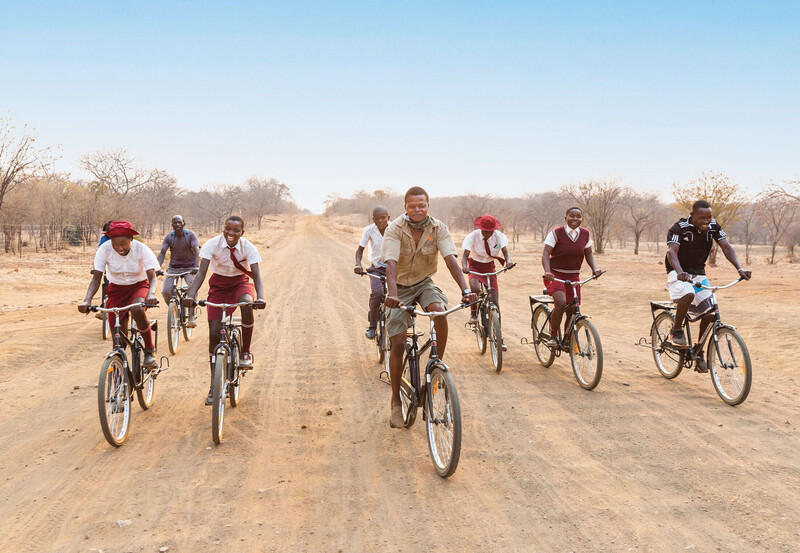
The international development sector must shift from a charity-based model to one focused on self-sufficiency and collaboration with local actors. With recent aid cuts from various countries exposing vulnerabilities in reliance on donor nations, solutions should prioritize community needs and local leadership. Effective programs integrate decision-making and resources at the community level, promoting sustainable outcomes through market-based approaches. Successful examples demonstrate the resilience of diversified funding structures and the significance of supportive infrastructure. This new era of development emphasizes locally-driven partnerships designed for lasting progress, moving beyond traditional metrics to measure autonomy and equity.
Latin America | Financial services, Education, Health
A new era in global aid: Why locally led, market-based solutions are the best route to resilience

To age well, individuals require supportive systems, policies, and collaborative efforts from various sectors. Legislation like the Age Discrimination in Employment Act allows older individuals to continue working, reflecting a broader understanding that aging involves community support. Organizations like the NCOA advocate for resources that enable older adults to contribute meaningfully, as seen in programs like the Senior Community Service Employment Program. Likewise, Japan's initiatives, such as the updated employment act and Silver Human Resource Centers, demonstrate the benefits of keeping older adults engaged in the workforce, highlighting the need for comprehensive, cross-sector strategies worldwide.
Education
Why ageing well takes a village

The new skills triad for workforce readiness includes carbon intelligence, virtual intelligence, and artificial intelligence (AI) proficiency. As environmental regulations tighten, understanding carbon metrics and sustainability is essential across various job roles. Virtual intelligence involves effective communication and collaboration in digital environments, essential for hybrid work settings. AI proficiency is crucial for integrating AI tools into daily workflows, enhancing productivity and creativity. These skills are becoming foundational for success in the modern workforce, mirroring the importance of traditional digital literacy. Educational institutions and employers must prioritize developing these competencies to adapt to evolving job market demands.
ICT, Education
The new skills triad: How we equip the workforce for the future of work