Greece has faced severe challenges from multiple EU crises over the past 15 years, including the Eurozone crisis, migration crisis, COVID-19 pandemic, and the Russia-Ukraine war. Despite these difficulties, Greece remains committed to European integration and aims to play a central role in shaping EU responses to emerging challenges. The country seeks to uphold western values derived from its civilization while advocating for a consolidated EU approach rather than individual bilateral agreements. Greece's experience in navigating these crises serves as a critical example for other EU member states in fostering a unified geopolitical stance.
Greece | Financial services
Greece and the EU in the age of permacrisis

NBS compiles the latest in business sustainability research, focusing on in-press articles to showcase innovative findings from top journals. The March 2025 edition includes studies on topics such as corporate activism, digital sustainability solutions, social justice narratives, and impacts of corporate social responsibility. Noteworthy articles also address issues like modern slavery, carbon emissions, and the intersection of business and public health, promoting a comprehensive overview of current sustainability challenges and strategies.
United Kingdom | Health, Financial services
Table of Contents: March 2025
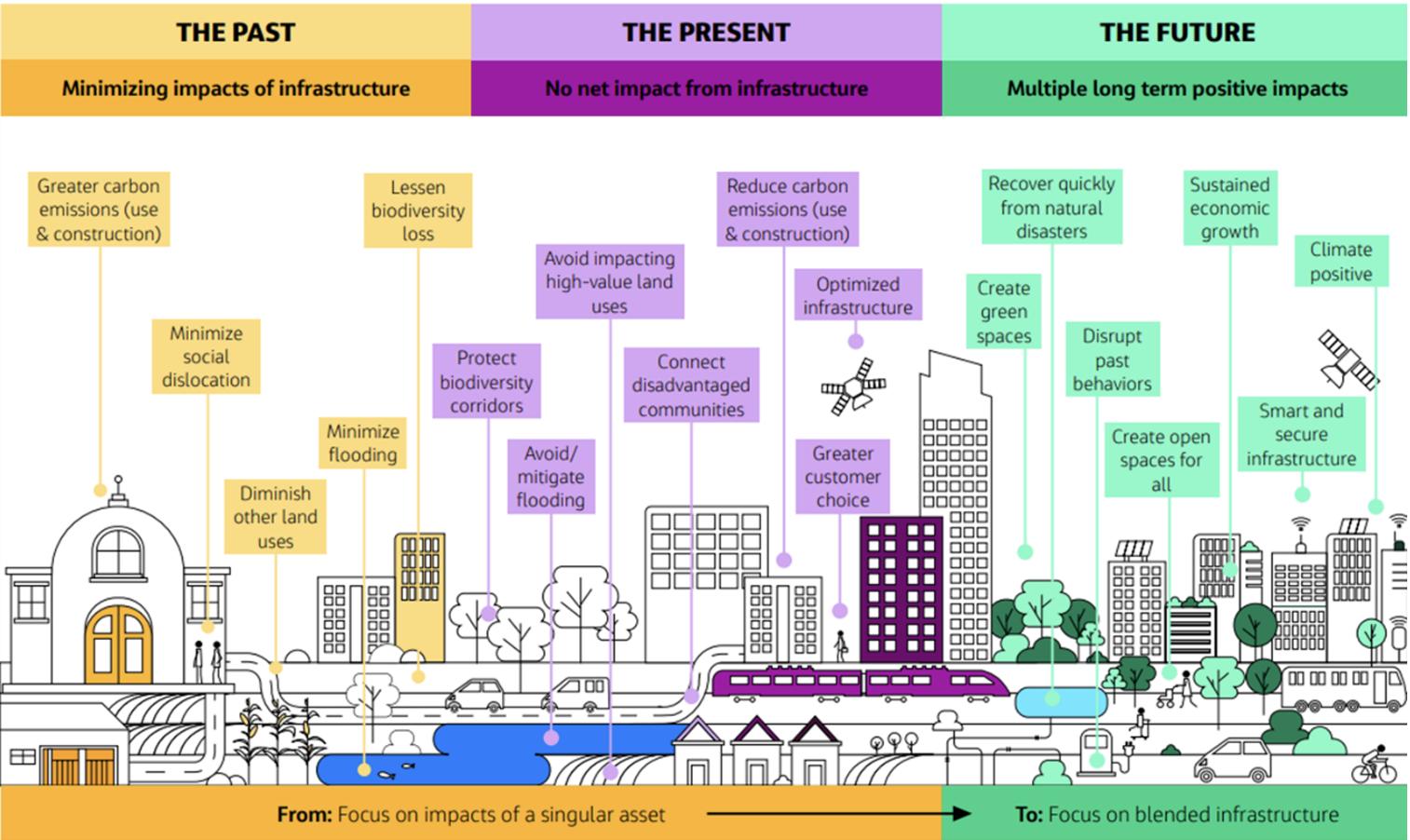
By 2050, over 800 million people in 570 cities may be at risk from rising sea levels. To combat challenges like ageing infrastructure and climate impacts, cities can strategically redevelop waterfronts into vibrant, resilient communities. This includes transforming old industrial sites for mixed-use developments and employing nature-based defenses like "sponge city" concepts, which utilize permeable surfaces and green spaces to manage stormwater. Successful examples include Rotterdam's waterfront and San Francisco's resilience program. Public-private collaboration is essential for revitalizing waterfronts, enhancing economic growth while improving urban living conditions.
Financial services
Transforming waterfronts for a resilient and sustainable urban future
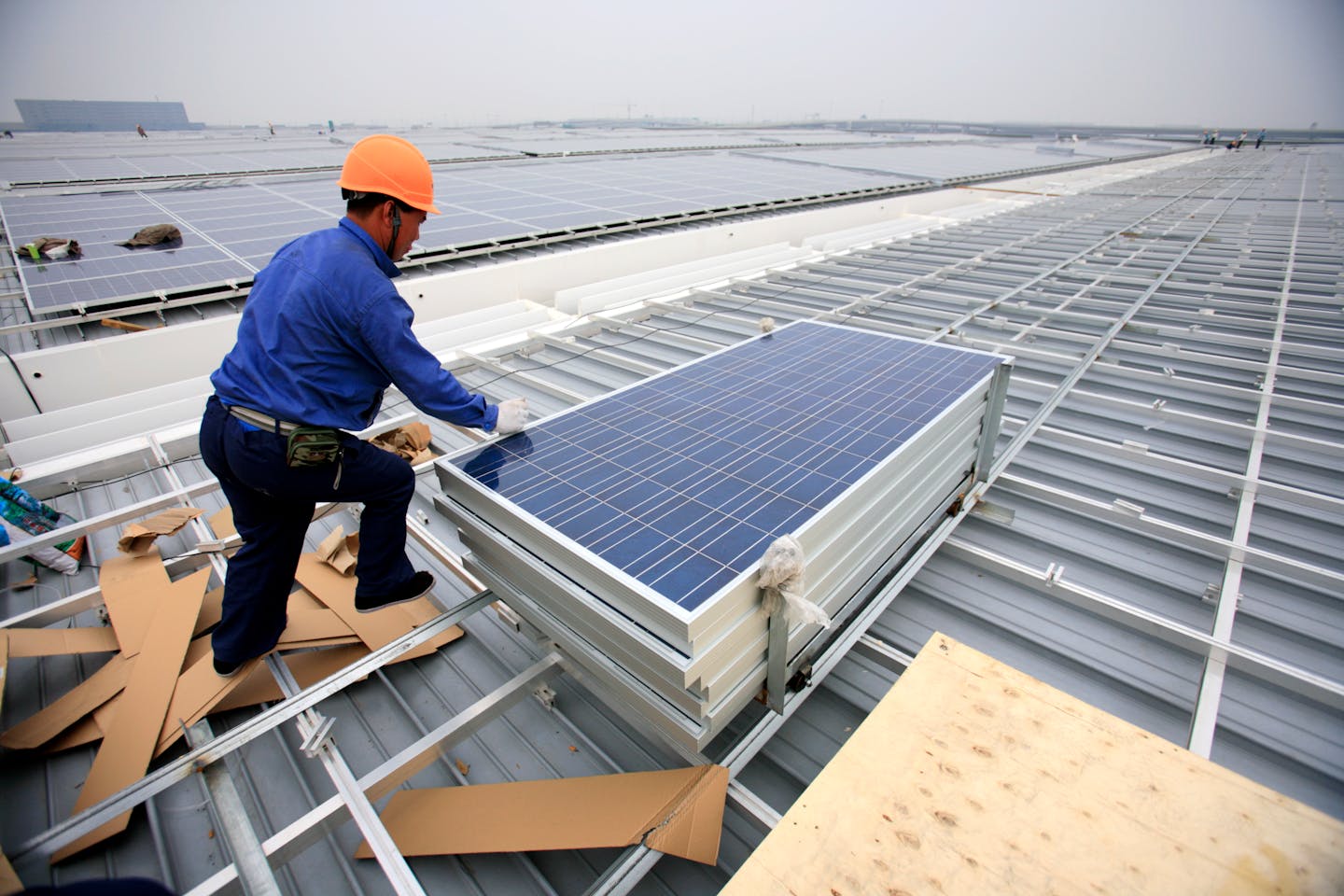
China is falling significantly behind in its commitment to reduce carbon intensity by over 65% by 2030 from 2005 levels. After making early progress, improvements slowed notably from 2020, with only a 7.9% reduction anticipated by 2024, far below an 18% target by 2025. The increase in CO2 emissions has been attributed to a rapid rise in energy demand, particularly in energy-intensive industries, exacerbated by pandemic-era economic policies. Success in achieving upcoming carbon intensity targets will be crucial for fulfilling climate commitments and impacting global emissions trajectories.
Will China fulfil its key climate pledge?

The creative economy is a crucial driver of economic resilience, social inclusion, and sustainable development, contributing 3% of global GDP with potential growth to 9% by 2030. It plays a significant role in addressing the climate crisis and promoting sustainability, as emphasized by global stakeholders. The sector fosters environmental awareness, circular economies, and sustainable development while transitioning to a knowledge-based economy. To leverage its potential for green transformation, there is a need for multilevel governance, a strong legal framework, targeted financing, and improved environmental performance measurement.
Indonesia, Republic of Korea, United Kingdom | Financial services, Health, ICT, Education
Harnessing the Creative Economy to Accelerate the Sustainability Transformation in Asia and the Pacific
Digital technology usage significantly influences innovation among new businesses, with a comparative analysis of 11 Asian countries and 57 others revealing that digital tools tend to be more transformative outside Asia. This disparity may stem from lower levels of digitalization and infrastructure in those regions, suggesting that digitalization can have a more pronounced impact on entrepreneurial innovation in less developed areas. The study also emphasizes relevant policy implications.
Republic of Korea, Thailand | Financial services, Education, ICT
The Impact of Digitalization on Entrepreneurial Innovation: A Comparative Analysis Between Developing Economies in Asia and in Other Regions
Accurate credit assessment for microfinance institutions (MFIs) is challenging due to a lack of traditional credit history among low-income borrowers. Utilizing social capital data—such as call logs, social media activity, and community involvement—can enhance credit evaluations for "thin file" customers. This alternative credit scoring approach can help MFIs identify creditworthy borrowers previously excluded from the system, reduce risk by assessing community networks, and improve agent performance. However, MFIs must address potential algorithmic biases, ensure customer privacy, and navigate technology risks to implement this strategy effectively.
Financial services
Using AI to Bring Social Capital Into Credit Decisions
A study reveals that non-experts are more inclined to trust legal advice from ChatGPT than from human lawyers, especially when the source is undisclosed. This suggests a troubling trend of dependence on AI-generated content, which can produce inaccurate information or "hallucinations." Despite being able to distinguish between the two sources slightly better than chance, participants exhibited a preference for AI advice, potentially due to its complex language and confident tone. The findings underscore the necessity for AI regulation and improved public AI literacy to mitigate the risks associated with erroneous legal guidance.
People trust legal advice generated by ChatGPT more than a lawyer – new study
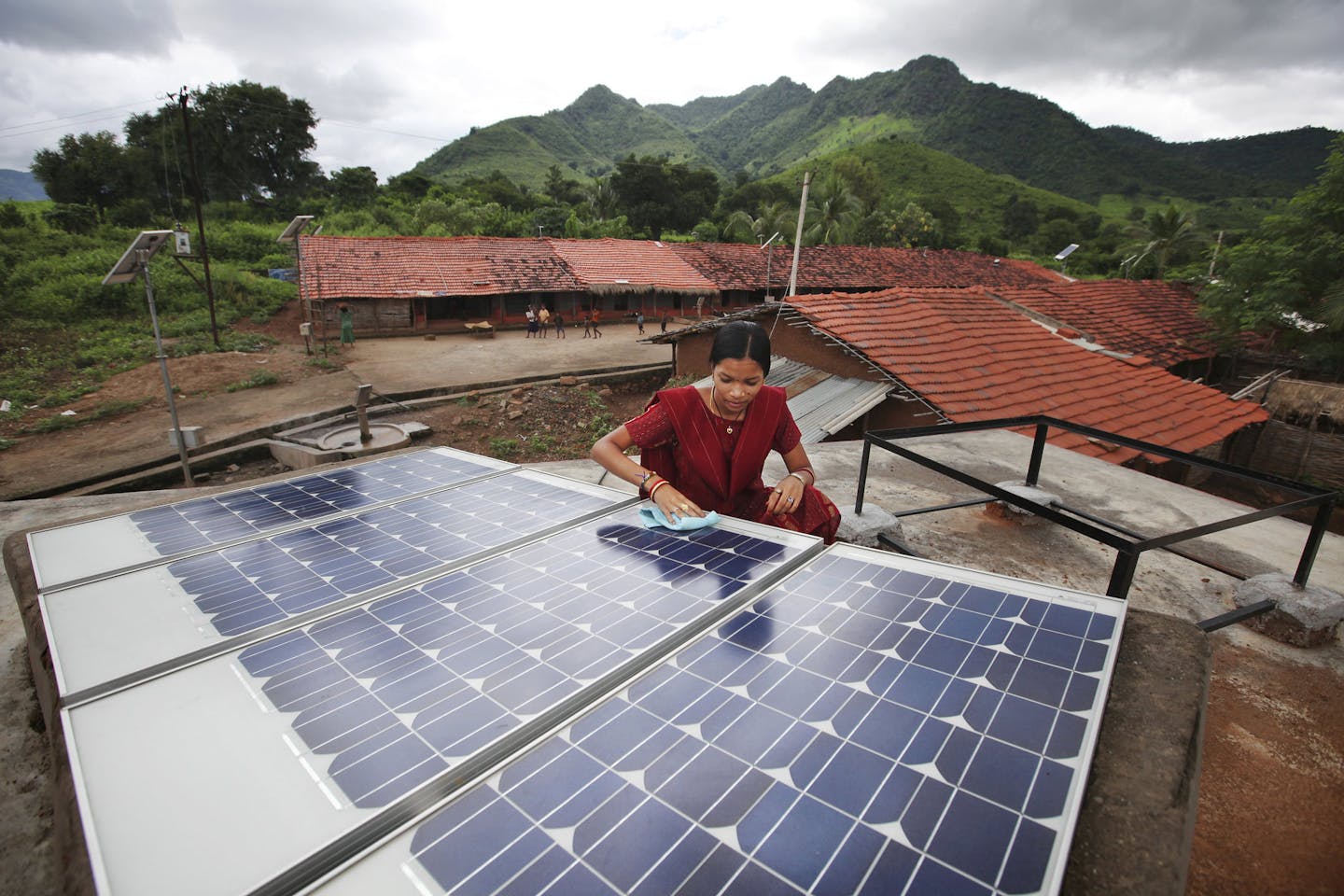
International aid experienced a significant decline in 2024, with major donors contributing $212.1 billion, a 7.1% drop from the previous year. Factors contributing to this decrease include cuts from key donors, particularly the U.S., which remains the largest donor but contributes less relative to its wealth. Only four countries exceeded the UN aid target of 0.7% of GNI. Concerns have been raised about the impact of these cuts on vulnerable populations, especially in sub-Saharan Africa. A UN conference is planned to address the future of development aid financing.
In data: Which countries fund global aid, and how much do they spend?

Andrew Dougall's "Mediatizing the Nation, Ordering the World" examines the impact of communication technology on nationalist movements, contrasting the rise of the New Right in the U.S. with the 19th-century Greater Britain movement. Dougall argues that social media is embedded in a hybrid media environment that fosters fringe views while highlighting redemptive nationalism's ambitions in a declining hegemonic order. He distinguishes between protean media, which allows diverse messages, and control media, which limits exposure. Ultimately, the book asserts the media's crucial role in shaping meanings and community formation, influencing both past and contemporary nationalist ideologies.
Book Review | Mediatizing the Nation, Ordering the World
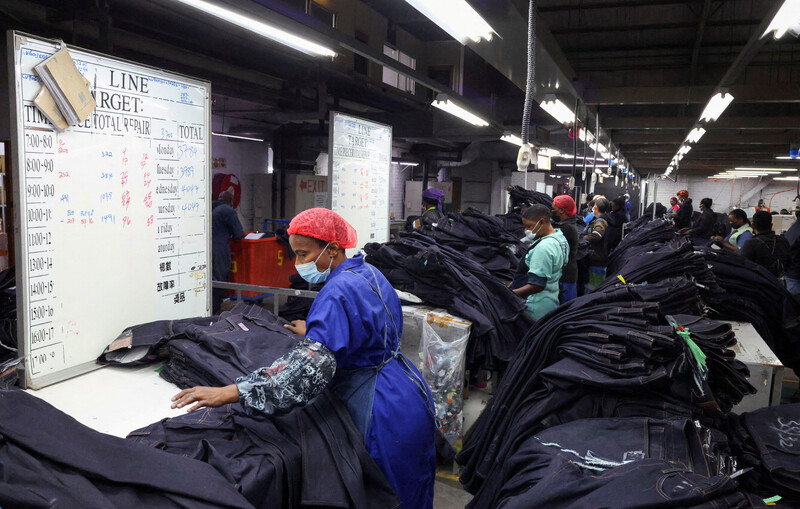
Trump's tariffs significantly impact vulnerable workers in countries like Cambodia, Vietnam, and Bangladesh, where high rates of tariffs threaten their already precarious employment and living conditions. In Cambodia, where around 80% of the garment workforce are women earning a mere $208 per month, the imposition of tariffs could lead to lower wages, increased demands, and job losses. Previous tariff measures from the EU have already strained their economy, causing the government to cut benefits and slow wage growth. Despite hopes that tariffs would bring jobs back to the U.S., the entrenched nature of international supply chains suggests that workers in these countries will bear the brunt of these economic shifts.
Cambodia
Trump’s tariffs: poor workers in countries like Cambodia will be among the biggest losers
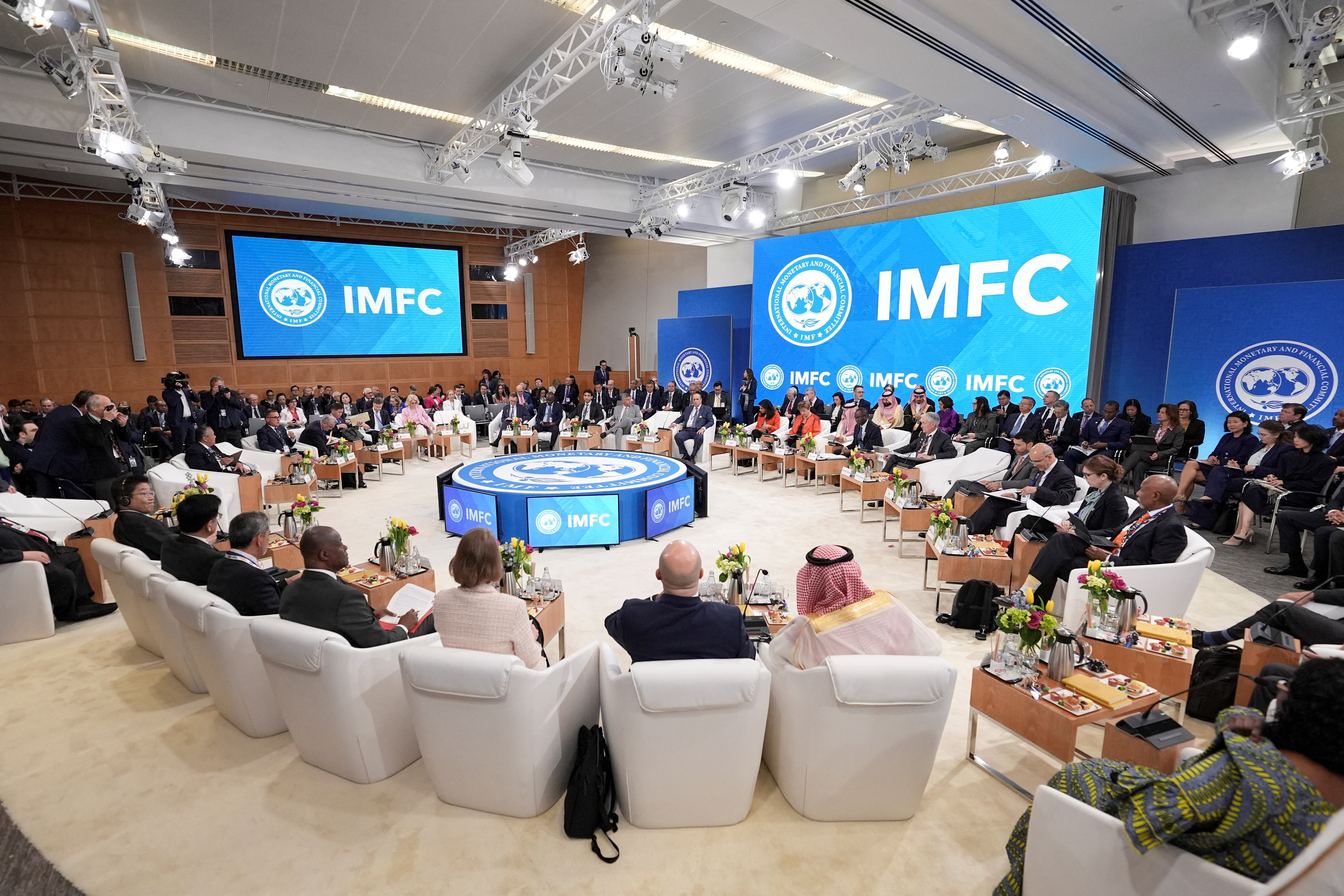
The 2025 Spring Meetings of the IMF and World Bank highlighted global economic challenges, including reduced growth forecasts due to escalating trade tensions and protectionist tariffs. The IMF downgraded its global growth projection to 2.8%, citing uncertainty's adverse effects. Financial stability risks have increased alongside global public debt nearing 100% of GDP. Job creation, especially in developing nations, and climate change were central themes, with a consensus on the necessity of multilateral cooperation to address these interconnected issues for a more resilient global economy.
Financial services
Trade tensions, debt warnings, and a call for unity: The 2025 World Bank-IMF Spring Meetings
Generative artificial intelligence (AI) has the potential to transform industries and significantly boost productivity. However, its environmental and human impacts are largely unknown. Generative AI requires substantial energy and water, yet companies often fail to disclose this information. Current estimates indicate that U.S. data centers consumed about 4% of the nation's electricity in 2022, potentially rising to 6% by 2026. GAO highlights five risks associated with generative AI, including safety concerns and the generation of harmful content. Policymakers are urged to consider options to address these challenges while maximizing benefits.
Artificial Intelligence: Generative AI's Environmental and Human Effects
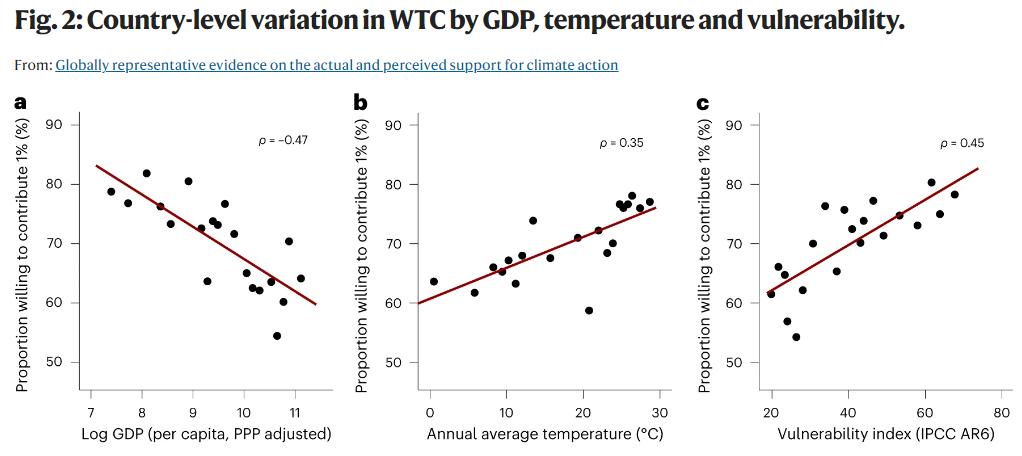
A study of nearly 130,000 people across 125 countries found that while 89% support increased climate action, many mistakenly believe that only 43% of their peers share this sentiment, revealing a significant perception gap. Additionally, nearly half of heat-related deaths globally occurred in Asia, exacerbated by urban heat and aging populations, highlighting the need for integrated urban planning. Recent reports also noted widespread flooding across Europe, US tariffs on solar panel imports, and the cancellation of a climate-friendly farming program. Climate change is also linked to a projected increase in intimate partner violence cases.
Majority of people support climate action – but believe others do not, and other nature and climate news

Private market investors play a critical role in transitioning to a low carbon economy by providing long-term capital and expertise. They remove funding constraints, optimize business models, and scale companies to accelerate the energy transition, creating significant investment opportunities, estimated at $275 trillion by 2050. Successful private equity firms integrate sustainability into core value propositions, enhancing operational efficiencies and aligning profitability with environmental goals. This strategic approach enables firms to prepare portfolio companies for successful exits, attracting sustainability-focused investors and driving both economic and sustainability performance.
Financial services
The critical role of private capital in transforming industries for a sustainable future

Stagnant peace under a singular world government poses a threat to human progress, suggesting that conflict may be necessary for growth. The article discusses the historical context and evolution of the United Nations, emphasizing that it was established by victors of war to manage power relationships rather than abolish conflict. Though military technology, particularly in air and space, predicates global unification, the potential benefits of competition among smaller sovereign entities are highlighted. Historical patterns show that significant human advancements often arise from periods of conflict rather than prolonged peace.
The Orbital Authority
Global trade upheaval, driven by tariff wars and rising protectionism, may reshape work dynamics, potentially creating new job opportunities through policies focusing on domestic industrialization. However, historical reliance on comparative advantage poses challenges in reshoring manufacturing jobs. While the U.S. seeks to bring back production, the transition may require specialized training due to increased automation and higher living costs in key areas. Additionally, funding for this shift could burden taxpayers, complicating efforts to adapt in a global economy historically favoring cost-effective manufacturing overseas.
Australia, Republic of Korea, United Kingdom | Financial services, Education
What could work in a rewired global economy look like?

In December, the EU implemented changes to the European Market Infrastructure Regulation (EMIR) to enhance financial sovereignty by repatriating clearing services. This shift aims to reduce reliance on London-based central counterparties (CCPs) for euro-denominated transactions, addressing strategic vulnerabilities raised by Brexit and geopolitical tensions. EMIR 3 mandates that entities maintain active clearing accounts with EU CCPs for certain derivatives, aiming to bolster financial stability and the European Central Bank's monetary policy effectiveness. Despite potential market disruption and resistance from participants, the EU seeks to strengthen its financial infrastructure and regulatory autonomy.
Financial services
How the EU is repatriating clearing services in the pursuit of financial autonomy

Spain's National Quantum Technologies Strategy aims to invest over €800 million ($860 million) by 2030 to enhance research, commercialization, and public engagement in quantum technologies. The initiative focuses on quantum computing, communication, and sensing, addressing national competitiveness and EU digital sovereignty goals. It includes establishing a Quantum Communications Hub and identifying seven priority areas for leadership. The strategy also targets key sectors like drug discovery and climate modeling, reflecting a commitment to building a strong quantum ecosystem and enhancing national security amid rising global competition.
Hungary, Ireland, Panama, Portugal, Spain, Switzerland, United Kingdom | Financial services, ICT, Education
Spain Launches $860 Million Quantum Strategy to Boost National Industry and Secure Digital Sovereignty
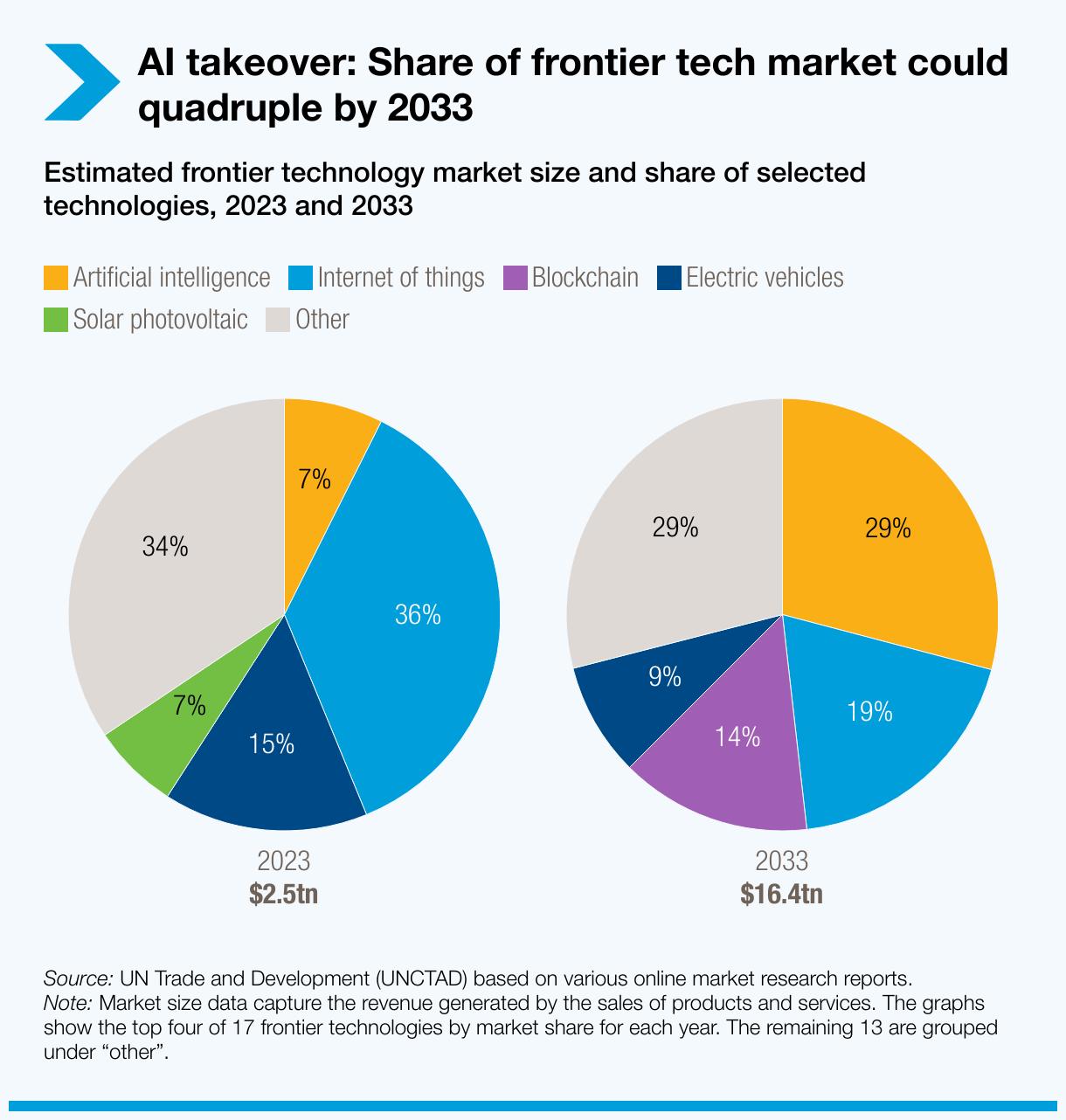
The TradeTech Forum 2025 focused on leveraging technology to enhance global trade's efficiency, sustainability, and inclusivity. Key discussions centered on the role of artificial intelligence in transforming supply chains, and the need for investment to enable innovation. Prominent speakers included leaders from the African Continental Free Trade Area and the World Trade Organization. The event introduced initiatives such as the TradeTech Accelerator for emerging tech companies and a Regulatory Sandbox to foster innovation. The overarching aim is to navigate geopolitical challenges and streamline trade while improving standards and risk management practices.
Ethiopia, Tanzania, Tunisia, United Kingdom | Financial services, Education, ICT
TradeTech Forum 2025: Key takeaways you need to know