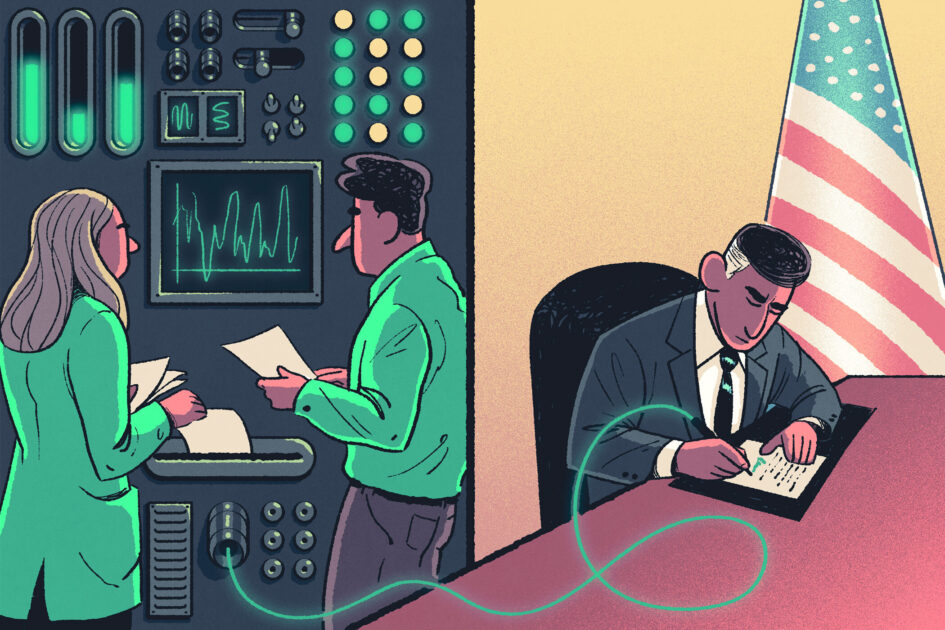
U.S. policymakers increasingly rely on scientific research for legislation and policy development, with citations in documents rising from 20% in 1995 to over 35% by 2020. This trend is attributed to greater access to scientific information and reduced expertise within legislative staff. However, a study reveals a significant partisan divide, with only about 5% of scientific references overlapping between Republican and Democratic sources. This discrepancy suggests that each party draws on different scientific insights, which may hinder effective governance.
Policymakers Are Relying on Science More Than Ever

Over 15% of the urban population in Latin America experiences multidimensional poverty, characterized by a lack of access to housing, education, and healthcare, despite a reduction in monetary poverty. Urban poverty has grown due to rapid urbanization and climate change, which exacerbates existing inequalities and increases vulnerability, particularly for women-led households. However, innovative urban strategies, such as Medellín's social urbanization and nature-based solutions in cities like Lima and Bogotá, demonstrate that urban resilience can be built while reducing poverty. Successful examples highlight the importance of collaboration, community engagement, and targeted actions to foster social inclusion and adaptability.
Latin America | Financial services, Education, Health
How human-centred cities address multidimensional poverty and build urban resilience in Latin America
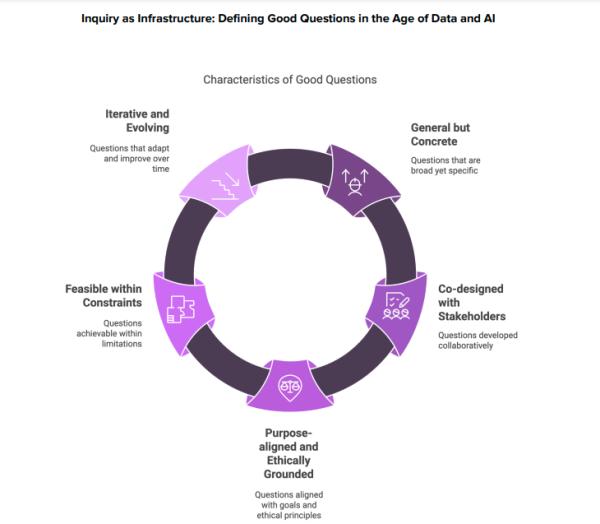
Failures in data-driven policymaking and AI deployment often arise from poorly framed questions rather than inadequate models or datasets. Question literacy is identified as a crucial but neglected skill in the data landscape. A "new science of questions" is proposed, defining good questions as technically feasible, ethically grounded, and aligned with societal needs. The paper classifies questions into descriptive, diagnostic, predictive, and prescriptive types and outlines five quality criteria: general yet concrete, co-designed, purpose-driven, data-grounded, and adaptable. It advocates for deliberate question design to enhance the decision-making process and reflects the importance of questions in shaping data collection, model development, and societal values.
Education
Inquiry as Infrastructure: Defining Good Questions in the Age of Data and AI

Throughout history, advancements in technology have often exacerbated inequality, as seen during the Han dynasty when innovations like the iron plough enriched landowners while impoverishing farmers. Today's AI-driven developments mirror this pattern, creating wealth for tech moguls and automation-induced job loss for many. Economic theories like the Kuznets curve suggest inequality is a temporary consequence of growth, but critiques, particularly from Thomas Piketty, argue that capitalism inherently favors the wealthy. China's extensive historical continuity provides valuable insights into these dynamics, offering a perspective on inequality's persistence across ages.
What 2,000 years of Chinese history reveals about today’s AI-driven technology panic – and the future of inequality
Chile's recent pension reform demonstrates how consensus can be achieved amidst political polarization and institutional distrust. The reform process involved persistent dialogue, technical analysis, and strategic compromises between government and opposition, resulting in a mixed pension model with increased contributions. Key to the success was the establishment of a cross-party technical commission that facilitated less politicized discussions, fostering trust among negotiators. This case illustrates that constructive political action is possible even in divided democracies, emphasizing the importance of shared goals, technical dialogue, and committed leadership to rebuild institutional trust.
Consensus in divided times: Lessons from Chile’s pension reform

The COVID-19 pandemic highlighted significant inequalities in Japan's education system. In response, the government revised the High School Tuition Support Fund Programme, providing uniform financial support across the country, effectively eliminating tuition fees for both public and private high schools. Additionally, online learning tools are being utilized to address disparities between urban and rural education, allowing students to learn at their own pace and access diverse learning experiences. Local initiatives further aim to support economically disadvantaged children, ensuring more equitable access to education across Japan.
Financial services, Health, Education, ICT
How Japan is bridging its learning gaps to ensure education is fully democratic

The Cyber Resilience Compass: Journeys Towards Resilience white paper emphasizes that cyber resilience is a practical discipline requiring real-world insights. It highlights seven pathways essential for organizations to build effective cyber resilience strategies: leadership, governance, risk and compliance, people and culture, business processes, technical systems, crisis management, and ecosystem engagement. The paper offers key practices and examples for each area, advocating for a shift from purely technical solutions to comprehensive strategies aligned with business objectives, while promoting knowledge-sharing for continuous improvement.

The Cyber Resilience Compass: Journeys Towards Resilience
Cyber resilience is a practical discipline that requires sharing real-world insights for effective implementation. The "Cyber Resilience Compass: Journeys Towards Resilience" white paper explores practical aspects of cyber resilience, informed by the experiences of leading global organizations. It advocates for the development of comprehensive strategies aligned with business objectives, organized into seven pathways: leadership; governance, risk and compliance; people and culture; business processes; technical systems; crisis management; and ecosystem engagement. Key practices and examples are provided for each pathway, emphasizing the importance of knowledge-sharing for continuous learning.
ICT, Education
The Cyber Resilience Compass: Journeys Towards Resilience
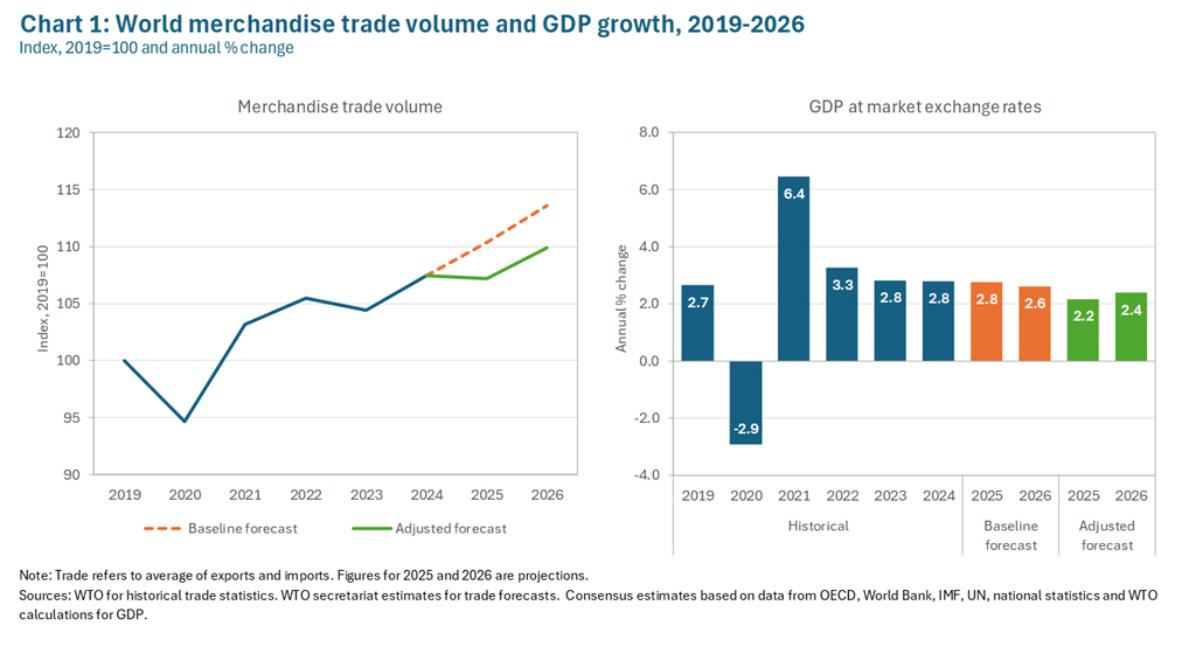
Global trade is projected to decline by 0.2% in 2025, according to the WTO, with North American exports experiencing a steep 12.6% drop. If trade tensions escalate, this decline could worsen to 1.5%. The services trade growth forecast has also been revised down to 4%. Concerns are particularly acute for vulnerable economies affected by ongoing trade policy volatility. Additionally, global finance leaders are focusing on US tariff policies at the IMF-World Bank Spring Meetings, amidst rising trade concerns and investor uncertainty, marked by significant stock market declines.
Australia, Belarus, Bermuda, Canada, Ethiopia, France, Germany, Greece, India, Ireland, Italy, Japan, Latvia, Mexico, Republic of Korea, Russian Federation, Switzerland, Taiwan, China, Thailand, Türkiye, Ukraine, United Kingdom | Financial services
WTO sounds alarm on trade risks as 2025 outlook weakens, and other international trade stories to know this month
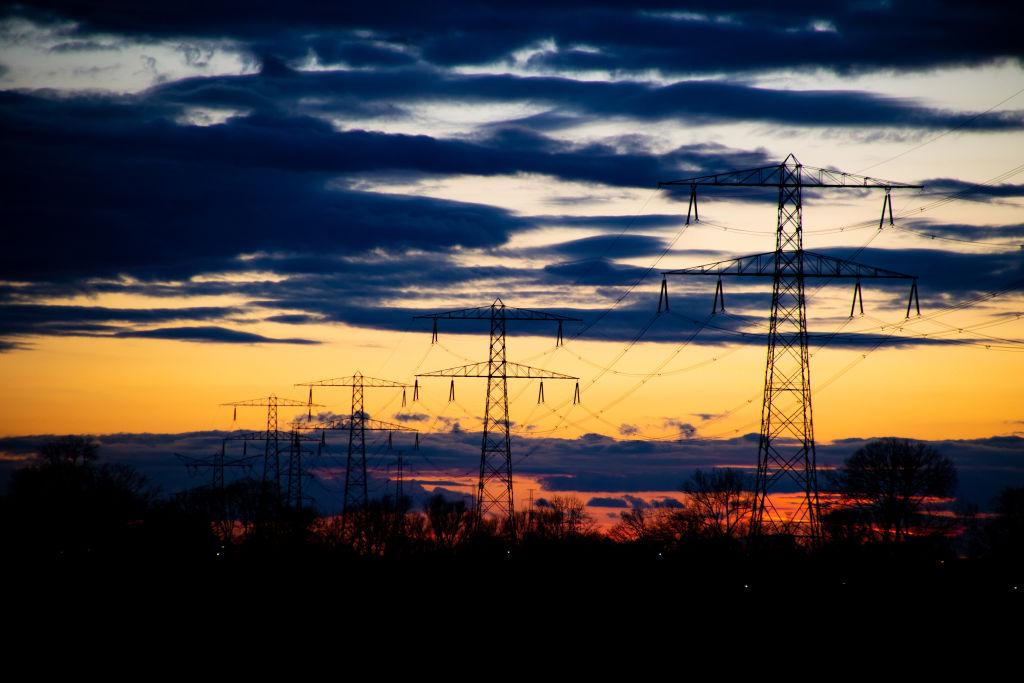
Four principles for fair electricity pricing are proposed to address high costs within the EU. The principles advocate against compromising energy policy goals for broader economic objectives, emphasize the need for efficient system operation, mandate carbon pricing, and recommend recovering fixed costs from inelastic consumption. The article highlights the need for transparent analytical tools to evaluate the effects of electricity policies and emphasizes lessons learned from the energy crisis. Short-term measures for cost redistribution may benefit specific consumer groups but can create trade-offs. The long-term goal involves deeper integration of the electricity sector to improve affordability.
Financial services
Who should be charged? Principles for fair allocation of electricity system costs
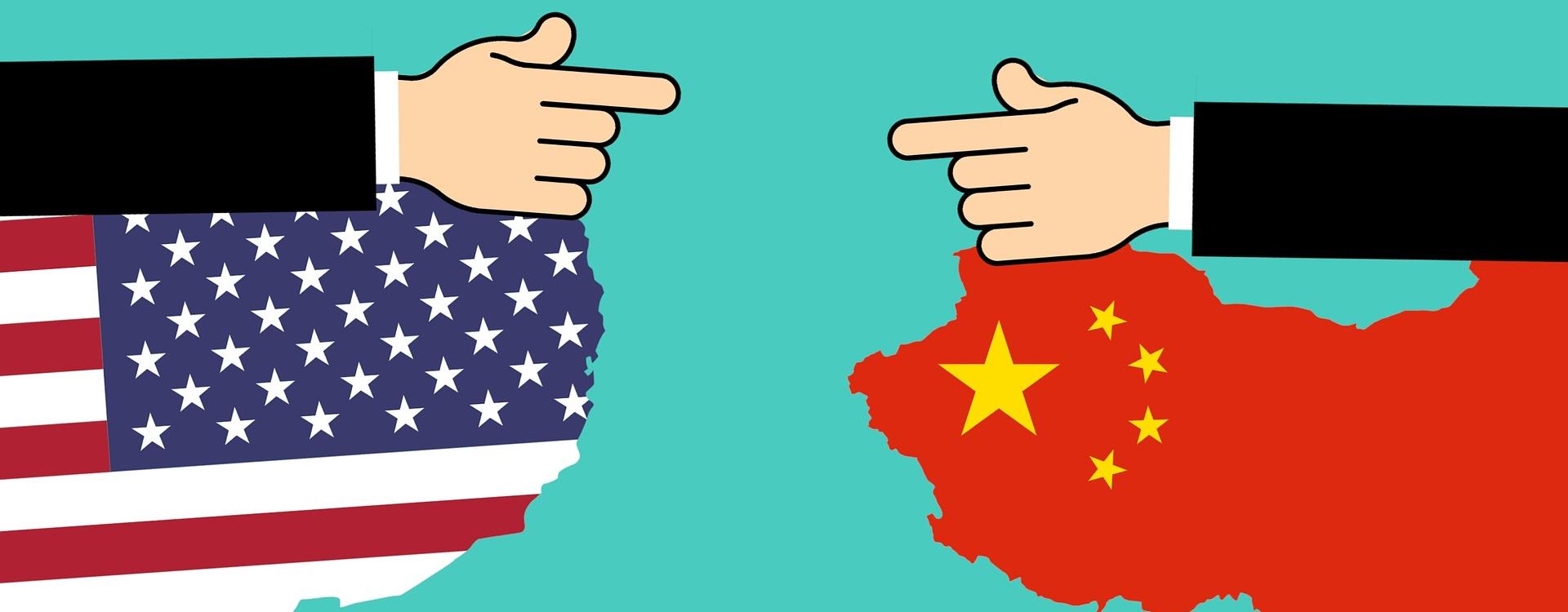
The US-China trade war, marked by significant tariffs, poses a severe threat to Africa's industrialization. As China seeks new markets for its exports, Africa faces an influx of subsidized Chinese goods, jeopardizing its fragile manufacturing sectors. Between 2002 and 2023, Africa's trade deficit with China escalated, while its trade relationship with the US improved, highlighting potential benefits from preferential trade agreements. Without strategic action, Africa risks becoming a dumping ground for cheap imports, further undermining its development prospects amid the competing interests of the US and China.
Burkina Faso, Ethiopia, Ghana, South Africa, Tanzania
The US-China trade war and Africa’s manufacturing crossroads
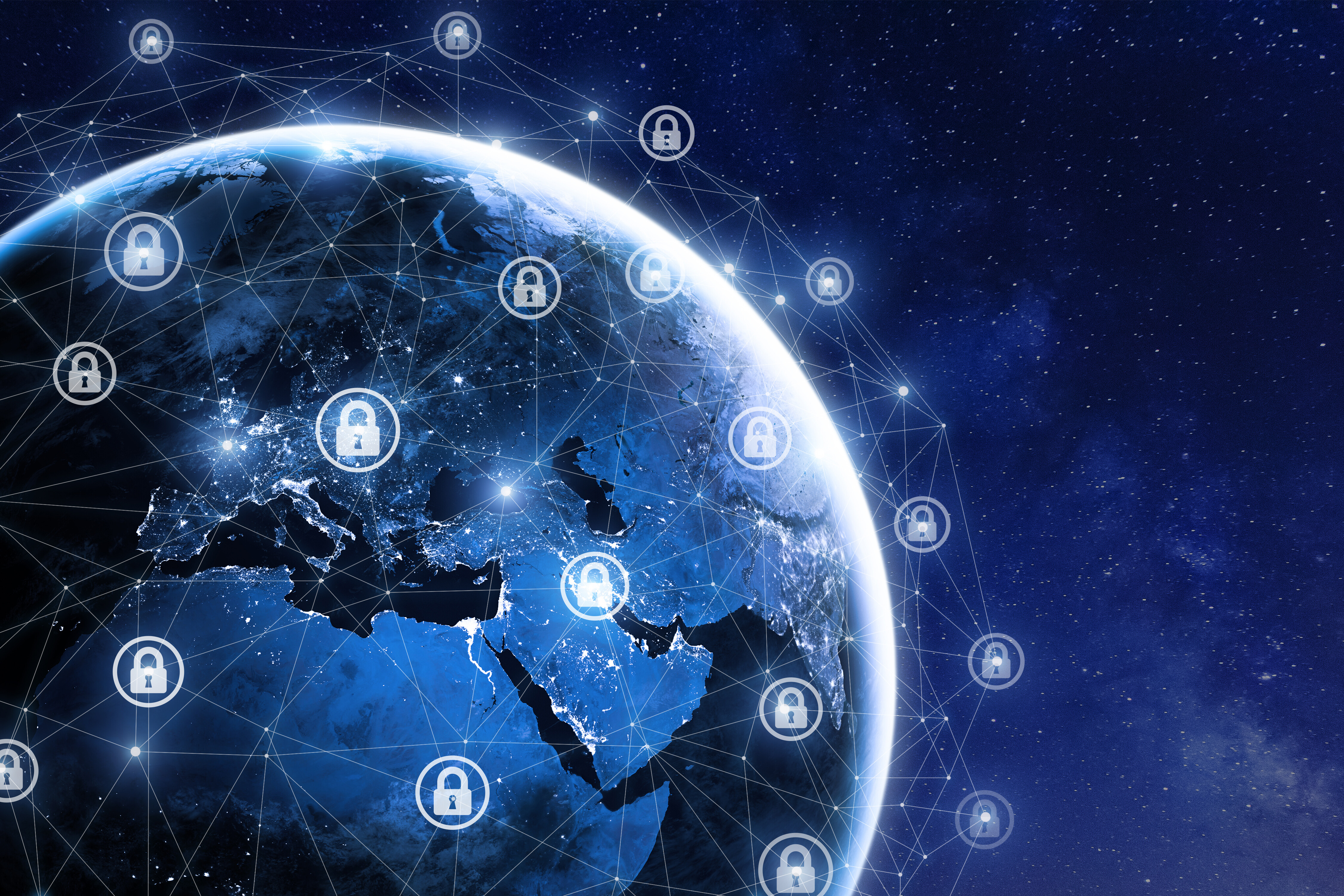
Creating an international agency against cybercrime is vital as current efforts are insufficient to address the escalating global threat. Cybercrime offers a pathway for consensus among nations, distinct from national security concerns. Key steps include establishing uniform definitions of cybercrime, harmonizing legal frameworks, and addressing digital inequality. Recent significant cyber incidents, such as ransomware attacks on healthcare systems, highlight the urgent need for cohesive international cooperation. A dedicated global body for the prevention and investigation of cybercrime is essential to facilitate cross-border law enforcement and enhance accountability for offenders.

Financial services
4 steps towards creating an international agency against cybercrime
Investment in sustainable infrastructure is crucial for closing a projected $15 trillion infrastructure gap by 2040. Currently, institutional investors allocate only 5% of their portfolios to infrastructure, despite sustainable assets performing over 20% better under net zero scenarios. Climate risks expose infrastructure to higher insurance costs and potential losses, emphasizing the need for resilience measures. Frameworks like the FAST-Infra Label can enhance market confidence and standardize sustainability metrics. Long-term trends such as the clean energy transition and urbanization further drive demand for sustainable infrastructure investments, presenting significant opportunities for investors.
Education, Financial services
Why investment in sustainable infrastructure is key to financial resilience in a changing climate
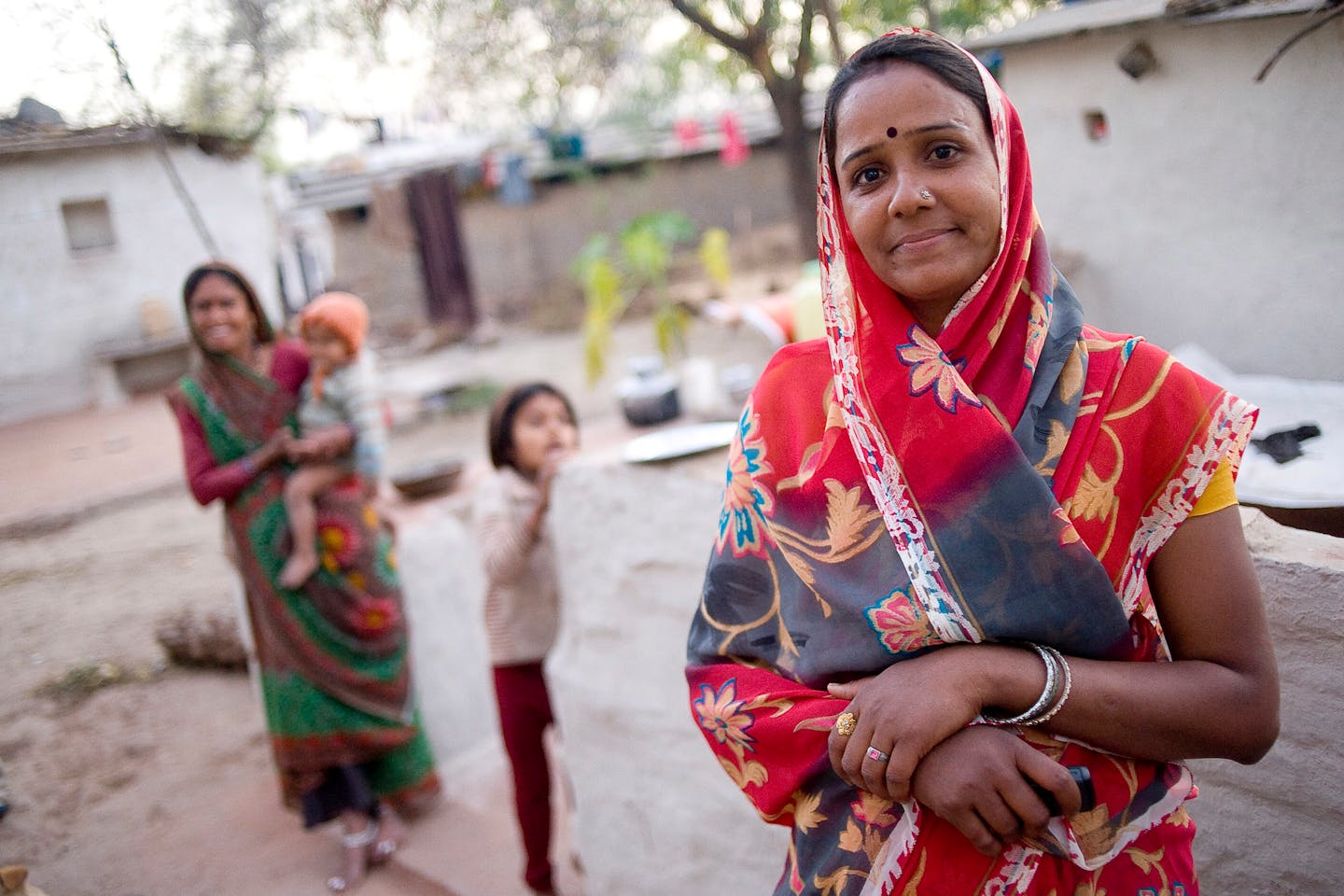
Climate change and extreme weather can drive migration; however, many vulnerable populations remain unable to leave due to cultural, legal, economic, and social barriers. A study by the International Institute for Applied Systems Analysis emphasizes the need for tailored policies to support these "trapped populations." It highlights the risks these groups face, such as the Rohingya in flood-prone areas, and argues for better data collection and planning to address their needs. Increased recognition of involuntary immobility is vital for effective policy interventions and disaster risk mitigation.
Latin America
‘Trapped populations’ need help to escape climate risks

Article 6 of the Paris Agreement could be vital for facilitating climate finance in Asia amid rising trade barriers. The mechanism aims to help countries achieve their climate goals and attract investment through carbon markets. By 2030, Southeast Asia's carbon market could generate approximately US$10 billion annually, driven by nature-based solutions. However, challenges remain due to fragmented standards across countries, hindering the effective implementation of Article 6. Nations like Japan, South Korea, and Singapore are already developing relevant policies to capitalize on this opportunity.
Financial services
Domestic implementation key to Article 6-led financing for Asia Pacific amid growing trade barriers: EcoSecurities
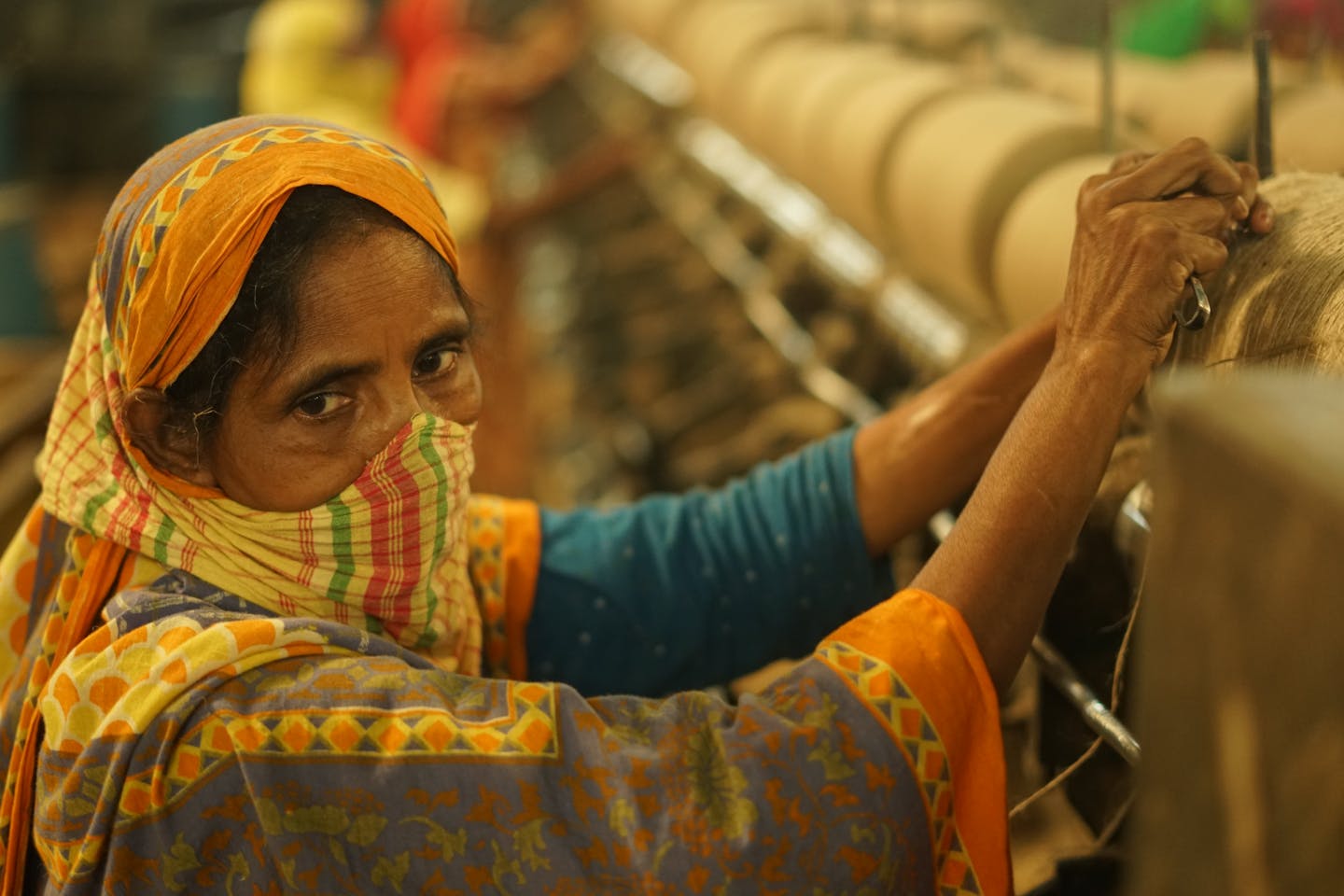
Bangladesh, the world's second-largest apparel producer, struggles with textile waste management, recycling only a small percentage of its 577,000 metric tons generated annually. As global demand for recycled materials rises, fueled by regulations like the EU's Ecodesign for Sustainable Products, Bangladesh must enhance its recycling capabilities to tap into a projected $9.4 billion market. The current waste processing is informal, with many workers lacking safety measures. Efforts are underway by some companies to improve labor standards and invest in recycling technology, but substantial investment and a transparent waste management system are essential for future success.
Textile giant Bangladesh pushed to recycle more waste
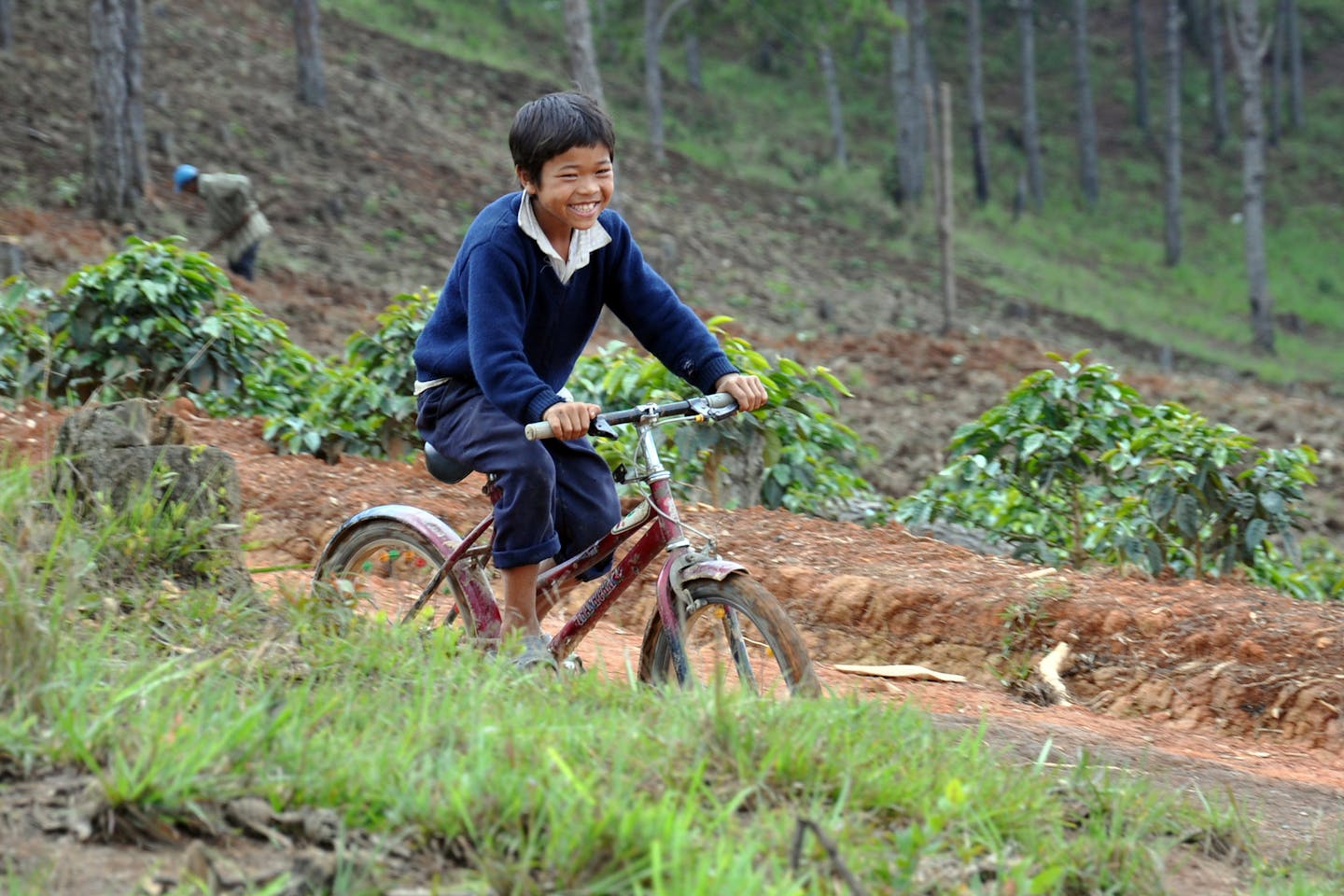
The Tropical Forest Forever Facility (TFFF) aims to conserve tropical and subtropical rainforests by rewarding countries that control deforestation while still needing resources to protect these areas. With 1.2 billion hectares at stake, the TFFF will provide annual payments of US$4 per hectare for preserved forest, with penalties for deforestation. Unlike past initiatives like REDD+, the TFFF incentivizes continued forest preservation rather than just penalizing deforestation. Set to launch at COP30 in November, it seeks to mobilize US$125 billion for forest protection, involving collaboration between the Brazilian government, WCS, and various NGOs.
What is the ‘Tropical Forest Forever’ fund and will it work?

Brazil's social security app, introduced in 2018, utilizes AI to expedite claims processing but has faced criticism for incorrectly rejecting applications from individuals in remote areas with limited digital skills. Approximately 2 million requests were pending when the system launched, and while it has effectively processed many claims, it disadvantages those with complex agricultural situations. Experts caution against deploying such technology without adequate understanding, warning of potential lack of transparency in its application. Other Latin American countries are also exploring AI to enhance government efficiency, with varying degrees of success.
Brazil’s AI-powered social security app is wrongly rejecting claims
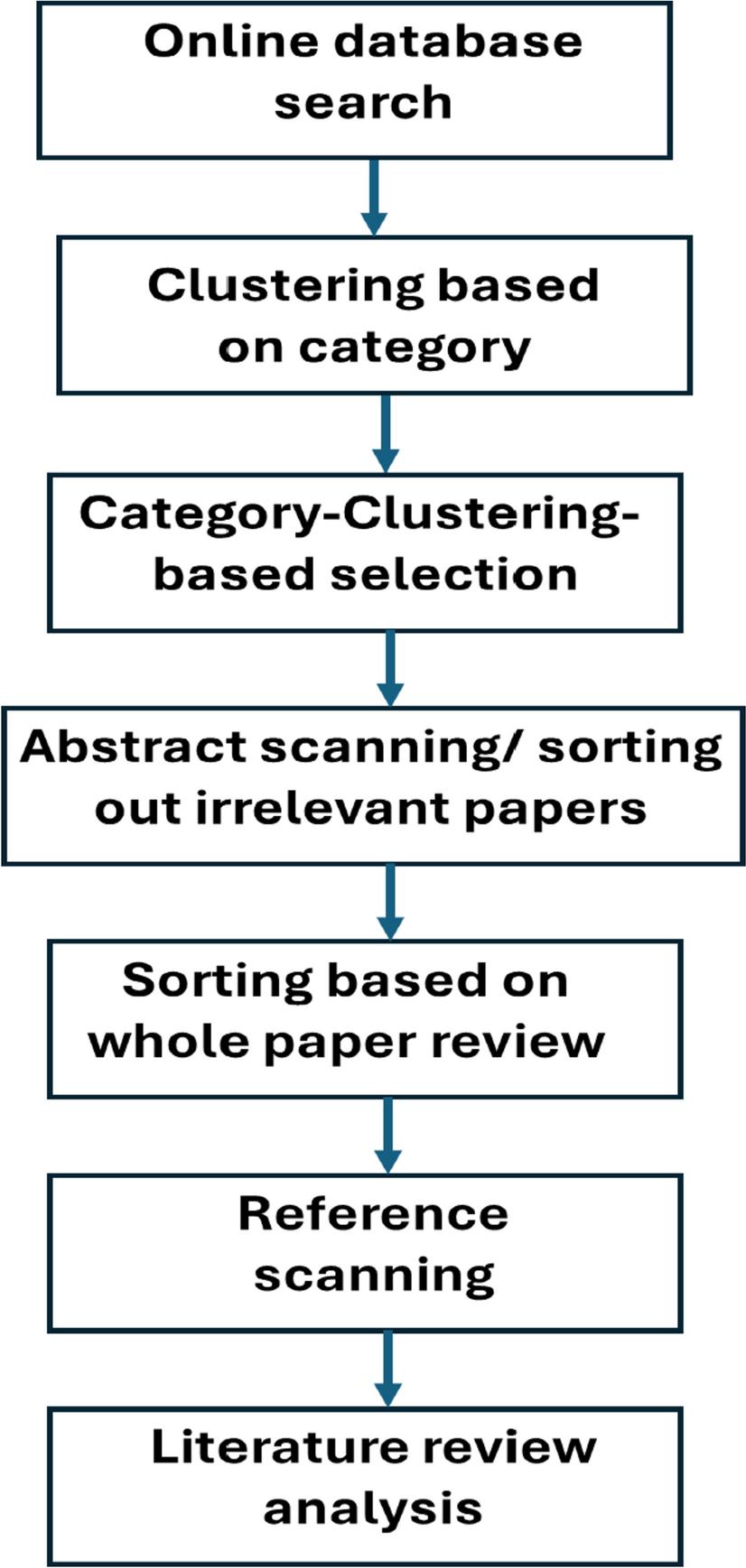
Electricity demand forecasting is vital for planning and operating electric power systems. Recent trends show a growing reliance on hybrid forecasting models, which combine the strengths of statistical and Machine Learning/Artificial Intelligence approaches, providing enhanced accuracy, flexibility, and cost-efficiency. This review evaluates diverse methodologies in existing literature, emphasizing their role in sustainable electricity management. It highlights global challenges and opportunities for future research, particularly within Nigeria, where accurate forecasting is crucial for meeting increasing electricity demand linked to industrialization and urbanization.
Egypt | Education
Electricity demand forecasting methodologies and applications: a review
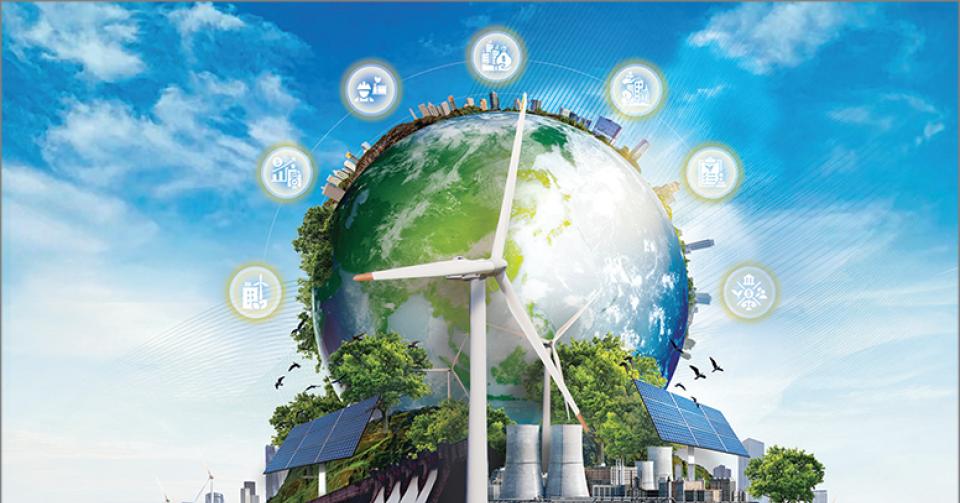
The Energy Transition Readiness Assessment (ETRA) evaluates the preparedness of developing Asian countries for transitioning to equitable, sustainable, and secure energy systems that support net-zero goals. Drawing inspiration from the World Economic Forum's Energy Transition Index (ETI), the ETRA utilizes a similar framework and methodology while addressing the specific conditions and needs of the region. It benchmarks countries on interconnected factors influencing energy transition, providing a multidimensional analysis tailored to each nation’s unique circumstances.
Thailand
Energy Transition Readiness Assessment for Developing Asia and the Pacific