
Businesses must adapt their strategies to navigate the new geopolitical order characterized by tariffs, supply chain disruptions, and technological rivalry. The decline of globalization necessitates increased resilience, requiring companies to reassess geopolitical risks by identifying risk factors, estimating impacts, and developing contingency plans. Key changes in international strategy include a focus on reduced efficiency, challenges in accessing local markets, and heightened demands for security. Organizational resilience involves financial adaptability, innovative business models, skilled personnel, robust technology, and a strong reputation. Effective leadership qualities in this landscape include authenticity, trust-building, continuous learning, and simplicity.
Iceland, Ireland, Israel, Jordan, Philippines, Republic of Korea, Russian Federation, Spain, Switzerland, Thailand, Ukraine, United Kingdom | ICT, Education, Financial services, Health
How to respond to the new geopolitical order

The global economy is entering a phase characterized by rising tariffs and significant policy unpredictability, leading to widespread economic disruptions. The U.S. has recently announced substantial tariffs, causing a notable increase in the global effective tariff rate and raising concerns about slower global growth, projected at 2.8% for this year. Tariffs are expected to decrease competition and innovation, leading to a negative supply shock and increased production prices. Countries like the U.S. and China face growth downgrades, while emerging markets could experience severe slowdowns. Global trade growth is expected to decline to 1.7% by 2025, reflecting these challenges.
Türkiye, United Kingdom | Financial services, Health
The global economy enters a new era

Africa faces a significant e-waste crisis, generating approximately 2.9 metric tonnes in 2019, with only 1% being formally recycled. Most e-waste is imported from wealthy nations under the guise of second-hand electronics, leading to hazardous materials contaminating communities. Addressing this challenge could unlock a circular economy, transforming e-waste into valuable resources like gold and copper while creating jobs and promoting green industrialization. Key actions include integrating informal recyclers into formal systems, strengthening e-waste legislation, and investing in necessary infrastructure and technological innovations. Proper e-waste management has implications for public health, economic growth, and social justice.
Africa
Turning Africa’s e-waste crisis into a circular economy opportunity
Sustainable economic growth in Africa has been a focus for over two decades, with GDP growth averaging 5.4% prior to the global financial crisis. However, the continent attracts only 3.5% of global foreign direct investment (FDI), primarily in extractive sectors, hindering economic transformation and reliance on primary commodities. Research by ACET identifies sector-specific strategies to enhance FDI, including improving the investment climate, diversifying into secondary and tertiary sectors, prioritizing greenfield investments, enhancing connections between foreign and local firms, and establishing stronger monitoring systems. These measures aim to foster sustainable and inclusive economic growth across Africa.
Burkina Faso, Democratic Republic of the Congo, Ethiopia, Ghana, Senegal, South Africa, Tanzania, Uganda, Viet Nam | Financial services, Education
Assessing the impact of FDI on Africa’s transformation agenda

The Trump administration's widespread tariffs aim to reshore manufacturing and reduce the trade deficit, but these measures pose significant economic challenges. Expert Nancy Qian notes that the administration lacks clarity on its objectives, leading to ineffective negotiations. Tariffs will likely increase prices for consumers, disproportionately affecting the working class, while lower corporate profits may ensue. Moreover, attempts to revive manufacturing jobs face hurdles from automation and prevailing economic advantages in the services sector. Ultimately, the focus on trade deficits as a primary concern may not address the complexities of the current global economy.
What Trump Wants From Tariffs … and What the U.S. Might Get Instead
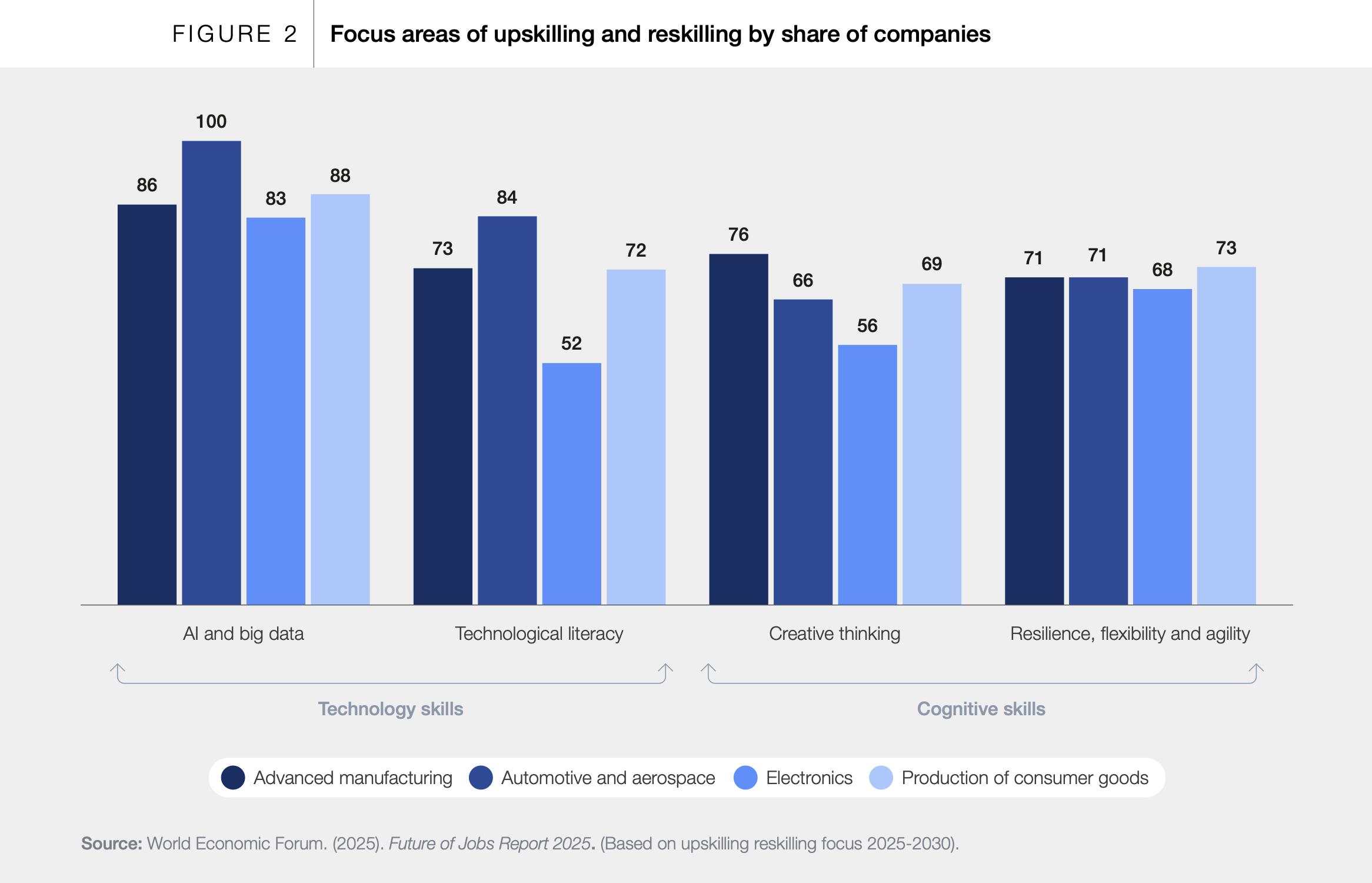
Workers in 2025 prioritize flexibility, a sense of belonging, the opportunity to learn new skills, and involvement in decision-making. Employers should actively seek employee feedback, particularly regarding technology implementation, to foster a collaborative environment. Trust and autonomy remain essential for organizational agility, while enhancing skills related to AI and technological literacy is crucial. Lastly, organizations should focus on maintaining employee employability rather than job security, sharing business strategies to build trust and encourage growth.
Education
The four things workers really want from their job in 2025
Trump's view on trade deficits is fundamentally flawed and lacks economic basis. He erroneously believes trade surpluses indicate unfair practices. Tariffs are intended to protect domestic industries but can lead to trade substitution and increased prices for consumers. Historical evidence suggests that such trade policies have rarely succeeded. The U.S. trade deficit reflects consumer choices and an affluent economy rather than exploitation by other nations. Attempts to address deficits through tariffs may harm U.S. competitiveness and raise costs, contradicting the president’s goals.
Trump’s obsession with trade deficits has no basis in economics. And it’s a bad reason for tariffs
Growth forecasts for the US and other advanced economies have been downgraded by the IMF due to the unpredictable economic policies of Donald Trump, which have diminished business and consumer confidence. While the IMF does not currently predict a recession, the likelihood of a global recession has increased from 17% to 30%, with a 40% chance for the US. Global growth rates have sharply declined, particularly in wealthy nations, while some developing countries like India continue to perform better. The article highlights the destabilizing effects of Trump's tariffs and policy shifts on trade, investment, and financial markets.
United Kingdom | Financial services
Could Trump be leading the world into recession?

Between 1990 and 2020, the world lost 420 million hectares of forest, impacting climate and biodiversity. New financial models have emerged, enabling large-scale forest restoration by attracting private capital. Companies like BTG Pactual's Timberland Investment Group in Brazil are leading efforts, raising $1 billion for reforestation, while also generating carbon credits and timber. Similarly, re.green aims to restore one million hectares, creating livelihood opportunities for local communities. Mastercard's Priceless Planet Coalition is financing restoration by covering operational costs for partnered projects. These initiatives demonstrate viable paths for economic benefits and environmental conservation.
Financial services
How new financial models for forest restoration create opportunities for nature, communities and investors

India is revolutionizing healthcare through AI and digital innovation, presenting a model for low- and middle-income countries. Key developments include AI-driven drug discovery, enhancing patient engagement with digital tools, increased investment in the biopharma sector, and advancing health data interoperability. Pharmaceutical companies leverage AI for faster drug development, while digital platforms allow remote healthcare access. Strategic investments bolster supply chains and innovations like federated learning improve predictive health modeling. This transformation positions India as a leader in scalable, cost-effective healthcare solutions while addressing ethical and infrastructural challenges.
Education, ICT, Health
4 ways India is deploying AI and innovation to revolutionize healthcare

The Gulf Cooperation Council (GCC) is enhancing its cybersecurity resilience in response to rising cybercrime costs, which in the Middle East average $8.05 million per breach. Key initiatives include national strategies in Bahrain, Saudi Arabia, the UAE, and Qatar aimed at strengthening digital infrastructure and fostering collaboration among member states. Legislative reforms have also been enacted to address cyber threats. Training programs, such as Bahrain's strategy to equip 20,000 citizens with cybersecurity skills, are critical for building a skilled workforce essential for digital transformation. By 2030, the region's cyber threat intelligence market is projected to exceed $31 billion.
Bahrain, Kuwait, Saudi Arabia, United Arab Emirates | Financial services, Education, ICT
How the GCC is strengthening its cyber resilience in the digital age

The ASEAN Digital Economy Framework Agreement (DEFA) faces challenges in implementation, despite its potential for enhancing regional economic cooperation. Effective enforcement mechanisms and robust institutions, similar to those in the European Union, are crucial for successful implementation. Current research has focused more on treaty design than on practical execution, leading to underutilized market access benefits. Implementing monitoring stages, regulatory cooperation, and private sector involvement could significantly enhance treaty effectiveness. Furthermore, the role of dispute settlement mechanisms in digital trade agreements is limited, often excluding core aspects. A proactive approach during negotiations is essential for success.
ASEAN | Financial services, ICT
Implementation options for ASEAN’s Digital Economy Framework Agreement
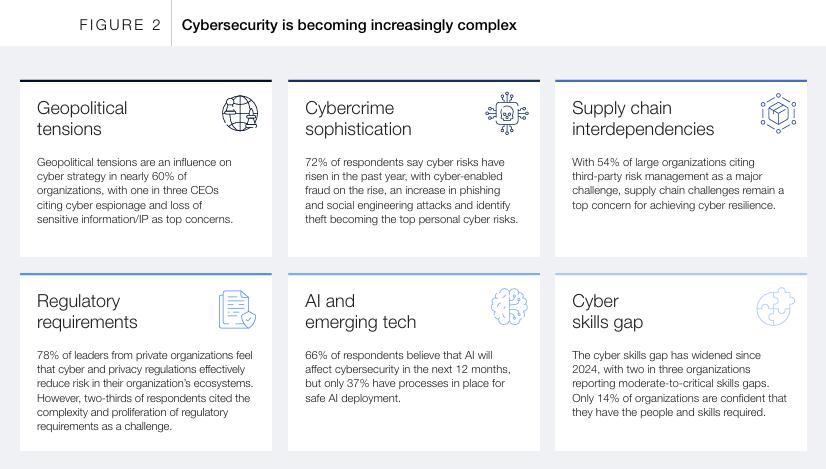
Organizations must prioritize honest cybersecurity communications to accurately reflect their internal vulnerabilities amid rising scrutiny from regulators and clients. Experts emphasize the necessity of aligning external messaging with operational reality to mitigate legal risks. The European Commission plans to enhance Europol's capabilities, strengthening law enforcement's access to data while balancing privacy concerns. Significant cybersecurity vulnerabilities have been identified in solar energy systems, jeopardizing power grid security. Recent news also highlights various breaches affecting health services and financial institutions, alongside emerging risks from code-generating AI technologies.
Financial services, ICT, Health, Education
Cybersecurity disclosures under the spotlight, and other cybersecurity news to know this month

Education and professional development need to adapt in the AI era by prioritizing questioning skills. Assessment should focus on students' abilities to engage in iterative questioning, identifying inconsistencies, and fostering deep inquiries. Additionally, prompt literacy—which encompasses refining questions and critically evaluating AI responses—should be integrated into core curricula. Future AI interfaces may facilitate Socratic dialogue by prompting users with clarifying questions, promoting a more interactive and collaborative learning environment.
Education
From Answer-Giving to Question-Asking: Inverting the Socratic Method in the Age of AI
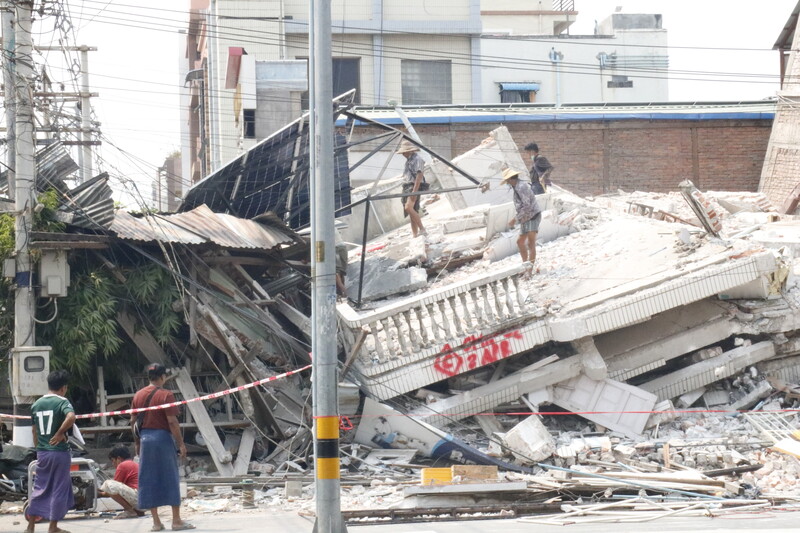
Myanmar's recovery from the 7.7-magnitude earthquake on March 28, 2025, will benefit from five key lessons learned from past crises in places like Türkiye, Syria, and Haiti. Preparedness and community-led responses are crucial for effective recovery. Immediate humanitarian support and early recovery efforts, including restoring energy access and local markets, are essential. Efficient debris management, exemplified by successful initiatives in Turkey and Haiti, is critical for swift reconstruction. Lastly, prioritizing local knowledge and resilient infrastructure ensures effective rebuilding and empowers communities to withstand future disasters.
Education
5 lessons in resilience to aid Myanmar’s earthquake recovery
A survey of 1,130 UK journalists reveals a significant shift towards activist roles among younger professionals, moving away from traditional objectivity. While traditional roles like being a detached observer remain important, support for this perspective has declined from 77% in 2015 to 69% in 2023. In contrast, the emphasis on monitoring and scrutinizing those in power has increased, as has the importance placed on educating audiences. Younger journalists particularly prioritize advocating for marginalized voices and society's issues, reflecting broader societal pressures and changing perceptions of journalism's responsibilities amidst political upheaval.
Young UK journalists lean towards activist roles, away from objectivity – new survey
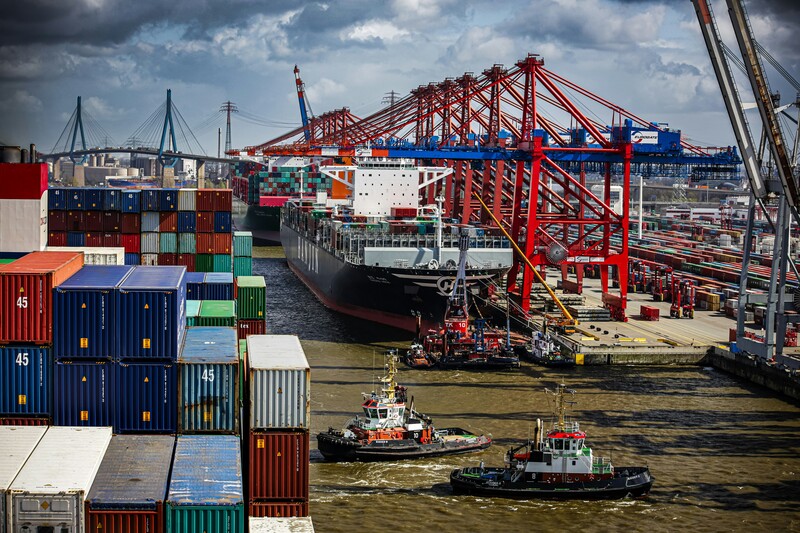
Managing cyber risk in global supply chains is critical due to increasing incidents and their significant impacts. Three key principles for resilience include integrating resilience into organizational culture, leveraging advanced technologies for better defenses, and fostering an adaptive, proactive mindset. Organizations have faced severe consequences from supply chain cyberattacks, highlighting limited visibility and poor collaboration as existing gaps. Recent incidents, like the CrowdStrike outage and the Change Healthcare breach, underscore the urgent need for improved risk assessment and governance. Collaborative efforts, such as workshops with industry leaders, aim to establish effective frameworks for better management of these risks.
ICT, Health, Financial services, Education
Three key ways to make supply chains more resilient to cyber risks

Ivan Savin, Associate Professor of Quantitative Analytics at ESCP Business School, focuses on extracting insights from complex data across various topics, including climate policy and machine learning. His research includes the analysis of over 300 Nationally Determined Contributions, revealing discrepancies in climate commitments between wealthy and lower-income nations. Savin's involvement in the CAPABLE project examines effective and socially acceptable climate policies in the EU. Additionally, he conducted a systematic review of degrowth economics, addressing the foundations of the rapidly evolving literature. He continues to develop methods that merge textual analysis with behavioral data in policy design.
Professor Ivan Savin: From Artificial Intelligence to Climate Policy — The Data-Driven Economist Behind the Models
The upcoming UK summit with the International Energy Agency (IEA) aims to redefine energy security amid geopolitical tensions and climate challenges. Historically, energy security has prioritized reliable and affordable supplies but often overlooked sustainability, which jeopardizes long-term security. The risk exists that the new definition could justify increased fossil fuel investments. The rush to reduce reliance on Russian fossil fuels has led to soaring costs and energy nativism, impacting poorer nations. Continued fossil fuel dependence undermines global safety; thus, a shift to renewable energy is essential for true energy security, necessitating a coordinated effort to phase out fossil fuels and enhance clean energy adoption.
‘Energy security’ is being used to justify more fossil fuels – but this will only make us less secure
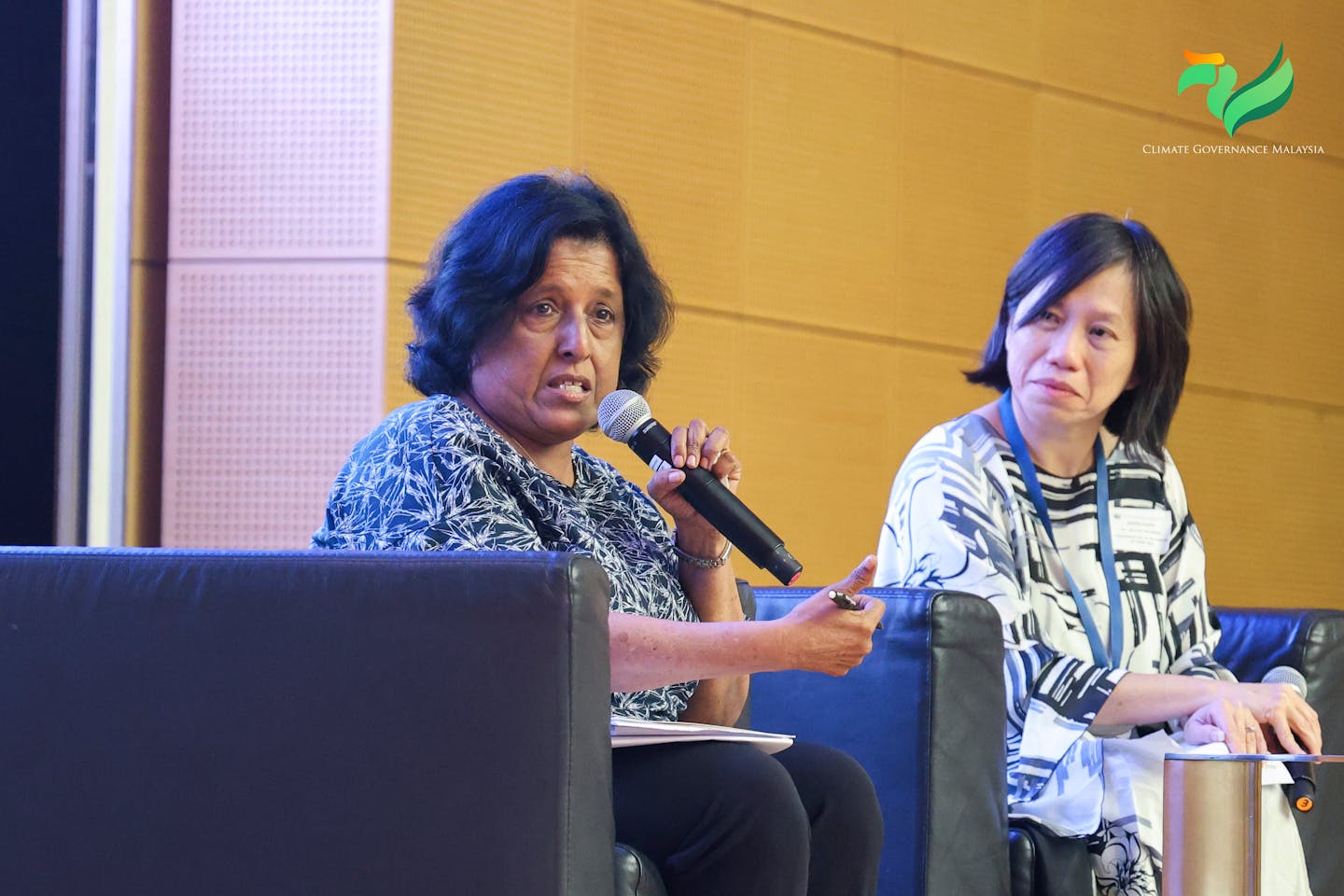
Malaysia must enhance accountability and equity in environmental decision-making, according to climate campaigner Meenakshi Raman. Speaking at the National Climate Governance Summit 2025, she emphasized that government leaders should take responsibility for national environmental issues rather than solely blaming the Global North. Wealthy individuals bear greater responsibility for greenhouse gas emissions due to their consumption patterns. The mismanagement of resources, particularly in forest governance and mining, exacerbates environmental problems. Raman urged the enforcement of existing environmental laws and greater public participation in the Environmental Impact Assessment process to protect Malaysia's natural resources effectively.
Malaysia
Malaysia must prioritise accountability and equity in environmental policy over short-term profits: veteran climate campaigner