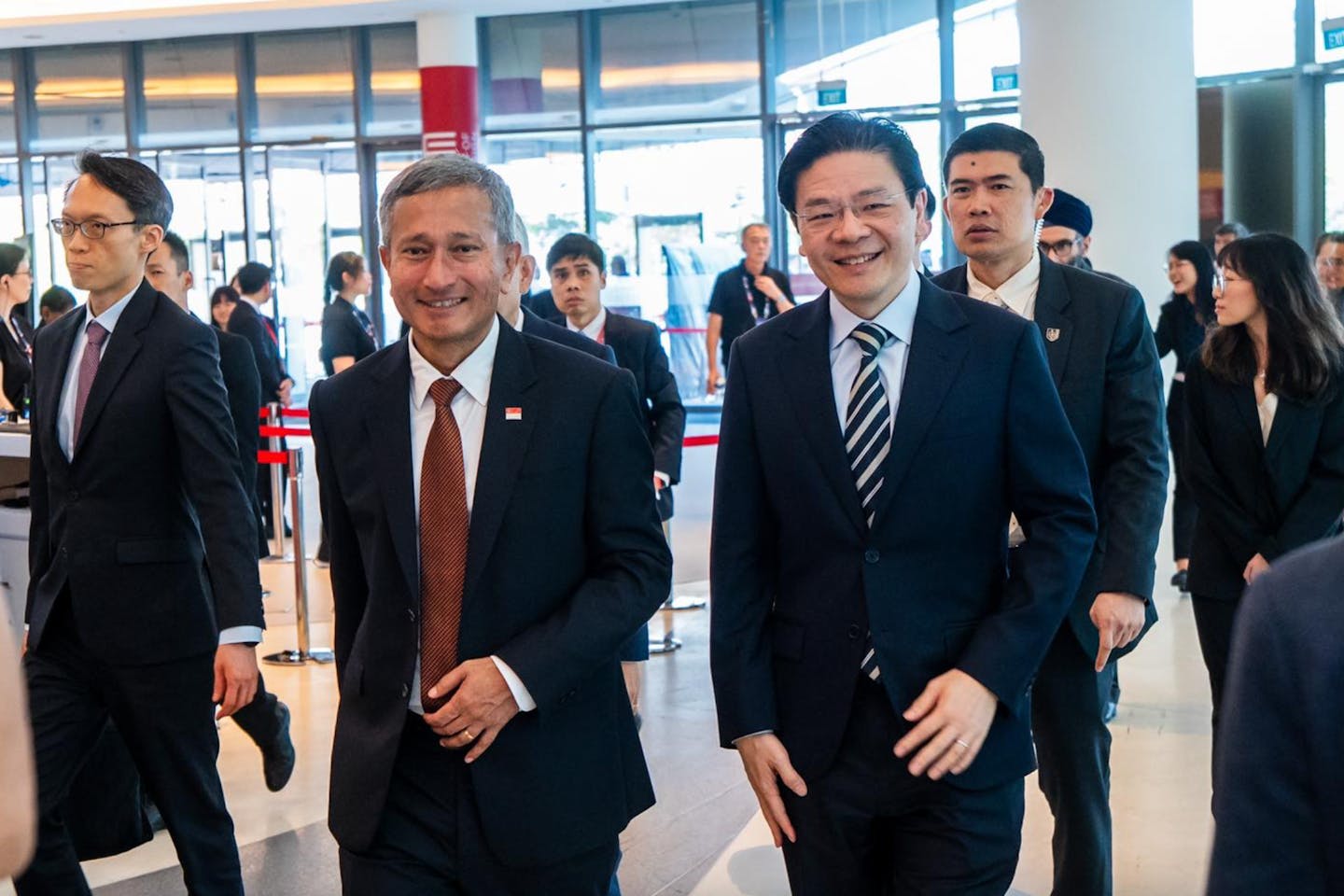
Singapore is prioritizing climate and clean energy initiatives as a response to escalating geopolitical and economic challenges, particularly amid US tariffs. Prime Minister Lawrence Wong emphasized the need for global cooperation to combat climate change and announced plans to promote deeper ASEAN integration, including a cross-border power grid to facilitate renewable energy trade. Wong stated that Singapore will not remain a passive actor and aims to transform challenges into opportunities by fostering regional collaboration and supporting the transition to green energy.
Australia, Indonesia, Malaysia, Philippines, Republic of Korea, Singapore, Taiwan, China, Thailand, United Kingdom
No 'passive bystander’: Clean energy trade among Singapore's 'recalibrations' to tackle new geopolitical reality

Innovation is advancing rapidly, driven by surging venture capital and new technologies, but not all breakthroughs create positive societal value; some exacerbate inequality, misinformation, or environmental damage. "Shaping Tomorrow: Responsible Innovation for a Brighter Future" presents an eight-principle framework for innovators to craft beneficial products and services. The report emphasizes actionable strategies for embedding responsibility throughout the innovation process and advocates for collaboration among stakeholders. By embracing a purpose-driven approach, it aims to foster innovation that positively impacts society and the environment, shaping the future of responsible business.
Health, Education
Shaping Tomorrow: Responsible Innovation for a Brighter Future

Southeast Asia’s clean-energy startups, such as Vietnam’s SmartSolar and Indonesia’s Swap Energi, are growing amidst challenges from reduced government support and changing global investment trends. SmartSolar secured US$1.85 million in funding to expand operations but faces a tougher investment climate due to US cuts in foreign aid and energy support. Similarly, Swap Energi reported declining electric motorcycle sales after government subsidies ended. Economic uncertainty and rising interest rates further complicate the funding landscape, making it difficult for these startups to attract necessary investment while competing with sectors like AI and fintech.
Southeast Asia’s green startups face headwinds amid funding slowdown

Israel’s government is dismantling the separation of powers and intensifying control over state institutions, exacerbated by the military response to Hamas after the October 2023 attacks. The Netanyahu administration promotes a policy of “voluntary” Palestinian emigration and aggressively pursues settlement expansion in the West Bank, with support from far-right coalition partners. This government seeks to eliminate checks on executive power, viewing dissent as part of a “deep state.” The judicial system is targeted for overhaul to facilitate these changes, despite strong public opposition. The evolving policies further destabilize the region and undermine liberal democracy.
Israel’s Radical Government
Artificial Intelligence and Big Data examines the roles of AI and big data in evaluating the rule of law and social and economic development programs across industrialized and developing nations. It addresses ethical considerations and biases in AI use while highlighting the differences in methodologies between rule of law and development evaluation. The book, featuring contributions from global experts, emphasizes the potential for interdisciplinary learning and offers practical insights for researchers and students in relevant fields.

Artificial Intelligence and Big Data
AI is entering a new frontier characterized by spatial computing, wearables, and robots that enhance interaction with the physical world. This paradigm shift merges digital and physical environments, propelled by advanced hardware such as AR glasses and humanoid robots. Companies like OpenAI and Meta are leading this transition, emphasizing the importance of spatial intelligence and real-time data collection from sensors and devices. AI will evolve from being a screen-based tool to an autonomous collaborator, capable of understanding and responding to its surroundings. Innovations in hardware will significantly influence how AI integrates into daily life, making it more intuitive and present.
Why spatial computing, wearables and robots are AI's next frontier
The United Arab Emirates is pioneering the use of AI to draft new legislation and amend existing laws, marking a significant advancement in regulatory practices. This initiative, termed "AI-driven regulation," aims to enhance the law-making process by enabling AI to analyze government and legal data for improvement suggestions. A new cabinet body, the Regulatory Intelligence Office, has been established to oversee this transformation. Sheikh Mohammad bin Rashid Al Maktoum indicated that the AI system could accelerate legislation by 70%. The UAE's heavy investments in AI include a dedicated fund, MGX, to support such advancements.
UAE set to use AI to write laws in world first
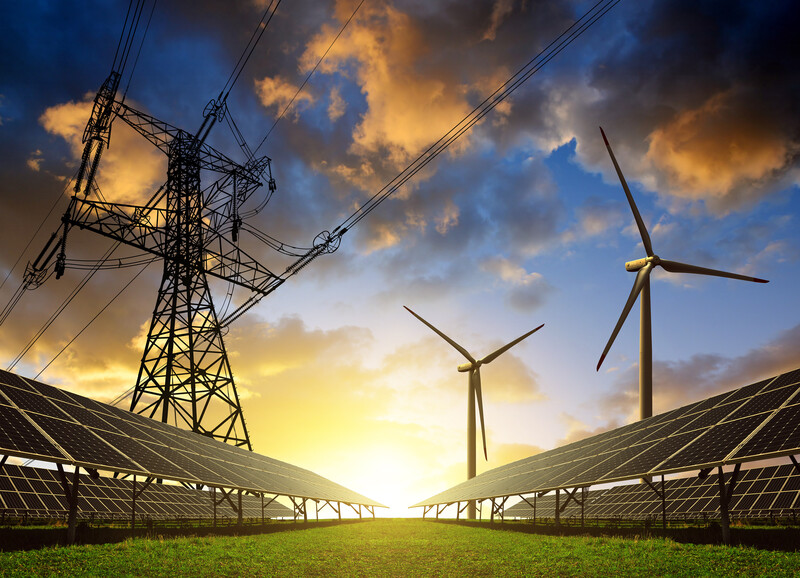
Emerging economies attract less than 15% of global clean energy investments due to perceived risks like currency volatility and political instability. To unlock these investments, three key strategies are proposed: de-risking investments, enhancing data sharing, and replicating successful models. Evidence shows that actual risks may be lower than perceived, with average default rates comparable to non-investment grade companies. Tools like guarantees have proven effective, such as the PIDG’s $27 million guarantee facilitating $270 million in private capital for renewable energy in Southern Africa. Enhanced data transparency and collaboration among stakeholders are essential for fostering investment in these regions.
Africa, Latin America | Financial services, Health
Unlocking clean energy investment: Overcoming perceived risks in emerging markets
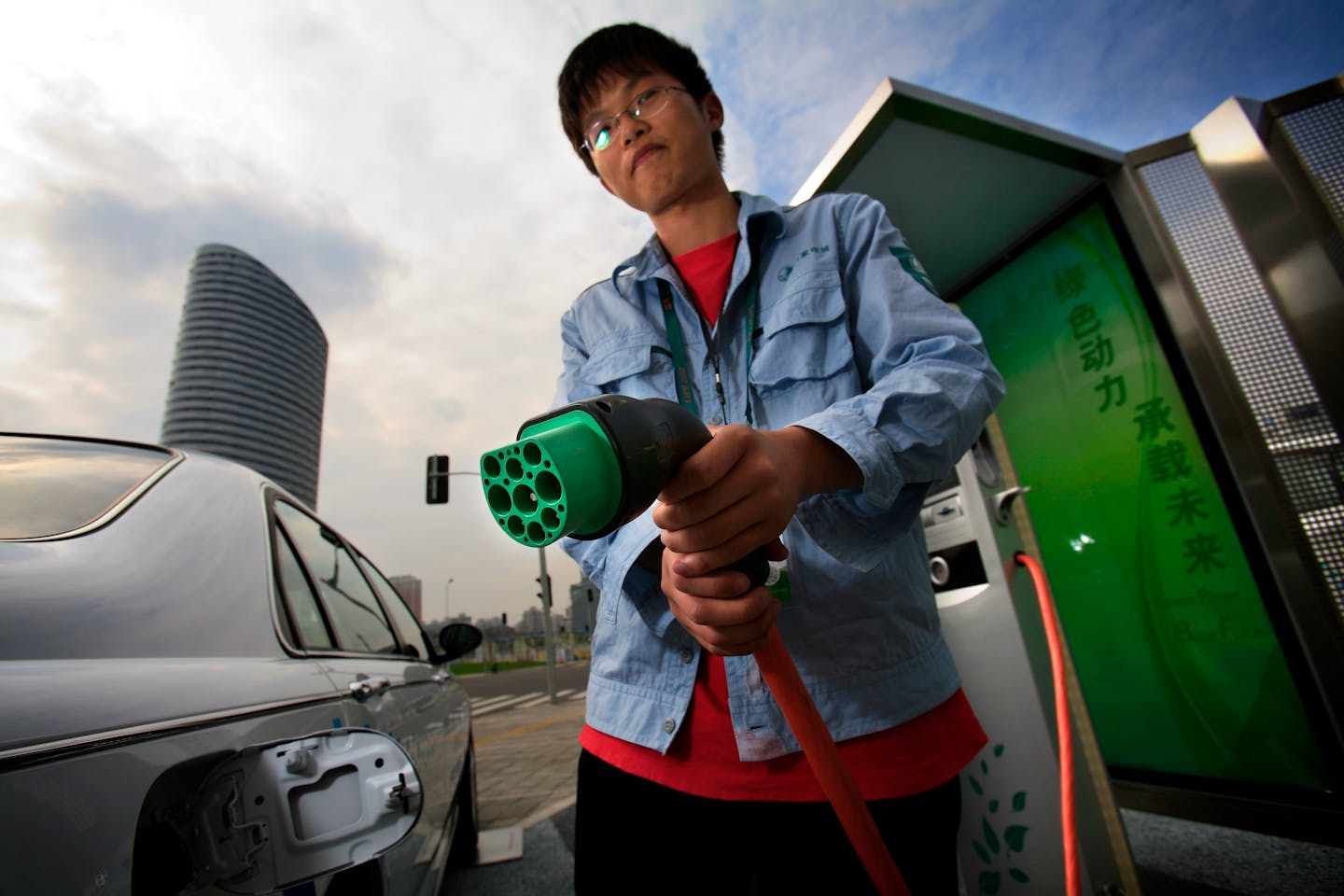
The northern summer of 2024 revealed the urgent need for climate-proofing China's power system as unprecedented heat waves drove record electricity demand, particularly for cooling. A significant 31% of demand growth from April to September was attributed to increased cooling needs, highlighting a reliance on fossil fuels like coal and gas despite advancements in renewable energy. China's transition to clean power must not only scale up renewable capacity but must also re-engineer the entire power system for greater flexibility and resilience. Without immediate action, increasing extreme weather events threaten energy security and exacerbate fossil fuel dependence.
China’s power system needs climate proofing
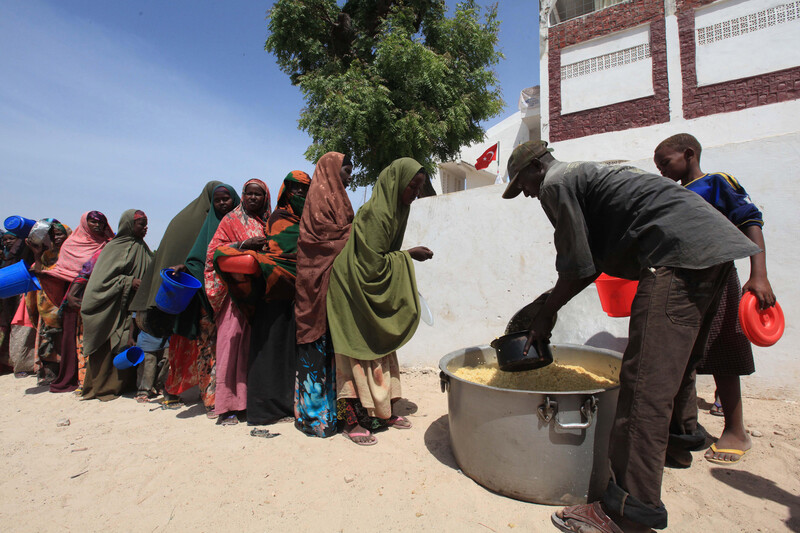
The global development sector is undergoing significant upheaval, moving away from reliance on Western donors amid deep cuts to official development assistance. This crisis impacts food security, health, and education, highlighting a shift from a liberal multilateral consensus to a more transactional, multipolar order. Five potential futures for aid are emerging, characterized by a retreat of Western support, increased roles for local actors, and a growing influence of China and BRICS+ countries. These developments create uncertainty about the future of aid, with risks of sidelining critical issues such as gender equity and human rights.
Republic of Korea | Education, ICT, Financial services, Health
5 futures for aid in a divided world

Southeast Asian banks remain committed to net-zero targets and transition finance despite a global shift away from strict climate targets within the Net Zero Banking Alliance (NZBA). Maybank's chief sustainability officer highlighted the significant economic risks of climate change for ASEAN, citing potential GDP losses compared to Europe. Regulatory pressure from Bank Negara Malaysia is further driving climate action, with intensified requirements for climate risk management and transition plans. Despite some global retreats from the NZBA, regional banks see an opportunity to reassess sustainability priorities while focusing on decarbonization and addressing climate risks.
Financial services
‘Global politics may change but the principles of nature do not’: Asean banks still hungry for transition-related deals, say CSOs
Nature loss and climate change threaten global prosperity, necessitating significant investments, particularly in emerging market and developing countries (EMDCs). However, capital is withdrawing from EMDCs due to slower growth in advanced economies and high inflation. The international environment for trade and investment is worsening, compounding the urgency of these issues. EMDCs must develop integrated strategies to mobilize finance, yet many struggle with sovereign debt pressures, insolvency, and illiquidity, creating a 'vicious circle' that hinders investment and responses to these crises.
Nigeria, United Kingdom | Financial services, Health
Expert Review on Debt, Nature and Climate
AI models are being developed to assist negotiators in securing peace deals, particularly in the context of the Ukraine conflict. One advanced initiative, Strategic Headwinds, involves an AI language model created by the Centre for Strategic and International Studies (CSIS) with input from the U.S. National Security Council. The project includes a strategy game that simulates negotiations among Russia, Ukraine, and their allies, using data from expert participants and analyses of existing peace agreements. The resulting Ukraine-Russia Peace Agreement Simulator generates draft agreements based on user inputs and assesses the acceptability of various outcomes for the involved parties.
AI models could help negotiators secure peace deals

Global political and economic uncertainties are challenging ESG (Environmental, Social, Governance) goals, particularly in the U.S. There is a shift from viewing ESG positively to a more critical stance, exposing instances of greenwashing. Despite short-term concerns causing a withdrawal of investment from ESG funds, long-term financial interest in integrating ESG factors persists. The urgency for climate action remains emphasized, with increasing climate-related losses reported. Extreme weather impacts both companies' operations and financial performance, highlighting the ongoing relevance of ESG considerations.
Financial services, Health
Where Does ESG Stand Today?

Businesses can address the AI engineering talent gap by implementing strategies such as remote work opportunities, upskilling existing employees, and fostering inclusivity. A surge in demand for AI skills, particularly in GenAI, has led to a 61% increase in job postings in 2024. Companies like Teleperformance leverage global presence to tap into diverse talent pools, while others focus on internal training to enhance workforce capabilities. A report indicates that hiring leaders find sourcing AI talent more challenging than for other tech roles, emphasizing the importance of training and early career exposure to emerging technologies.
Education
How can businesses solve the AI engineering talent gap?
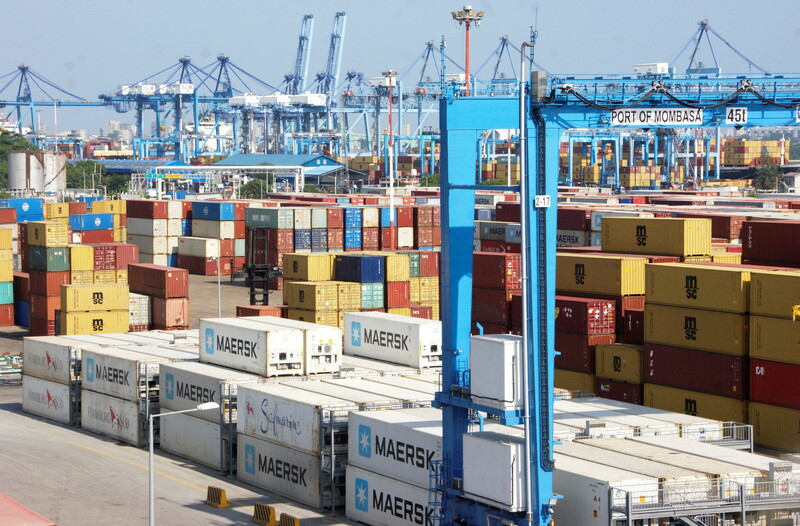
Tariffs are significantly disrupting global supply chains, especially impacting Africa, recently integrated into the global value chain. The rise of tariffs, particularly the US trade-weighted average tariff reaching 24%, illustrates a shift towards protectionism, raising concerns about geo-economic fragmentation affecting sub-Saharan Africa's growth prospects. Experts predict a decline in Africa's GDP and access to export markets. However, there is an opportunity for Africa to redefine its economic strategy by focusing on processing and manufacturing rather than raw material exports. The African Continental Free Trade Area (AfCFTA) should be aggressively implemented to reduce dependence on external markets and enhance competitiveness.
Afghanistan, Australia, Benin, Burkina Faso, Burundi, Cameroon, Democratic Republic of the Congo, Djibouti, Egypt, Eswatini, Ethiopia, Georgia, Ghana, Ireland, Italy, Kenya, Lesotho, Liberia, Madagascar, Malawi, Malta, Mauritania, Mauritius, Mexico, Morocco, Mozambique, Namibia, Nepal, Niger, Republic of Korea, Rwanda, Senegal, South Africa, Switzerland, Tajikistan, Tanzania, Thailand, Togo, Tunisia, Uganda, Ukraine, United Kingdom, Zambia, Zimbabwe | Financial services
What do tariffs mean for Africa’s supply chains?

Hyper-scaling AI computational power presents significant potential, but the energy demands may outstrip Earth’s capabilities. The Moon offers a viable alternative for energy needs, as AI workloads are projected to consume an increasing share of global electricity—up to 4.5% by 2030. Major companies like Microsoft and Amazon are turning to nuclear energy to meet their data center requirements, highlighting the urgency for sustainable energy sources. The continual push for greater computational power and accuracy in AI highlights the necessity of finding innovative energy solutions.
The Moon Should Be a Computer
Africa is actively building its artificial intelligence (AI) future, but lacks sufficient capital. Private equity must transition to being a more ethical and long-term partner in this growth, moving away from extraction-based models. The continent has notable AI initiatives, such as Amini in climate resilience and Aya Data creating culturally relevant language models. However, many startups face funding challenges due to mismatched capital. A proposed $60 billion Africa AI Fund aims to foster collaboration among various funding sources and support local entrepreneurship. Emphasizing patient, community-focused investment could unlock significant societal and technological returns, shaping Africa’s unique AI landscape.
Africa | Education
What role will private equity play in Africa’s AI future?

Dr. Shlomit Wagman, Chief Regulatory and Compliance Officer at Rapyd and a Senior Fellow at Harvard, is a prominent expert in fintech, AI, cryptocurrencies, and financial crime. She previously led Israel’s Money Laundering and Terror Financing Prohibition Authority and has held senior roles in international organizations, including the FATF. Wagman discusses how autonomous AI agents will revolutionize financial services by automating transactions, enhancing user experiences, and improving transparency. While AI may replace low-skill jobs, it will also necessitate more skilled workers to manage and oversee technology, leading to an inverted labor structure in the industry.
Education
Interview Of The Week: Shlomit Wagman, Fintech and AI Expert
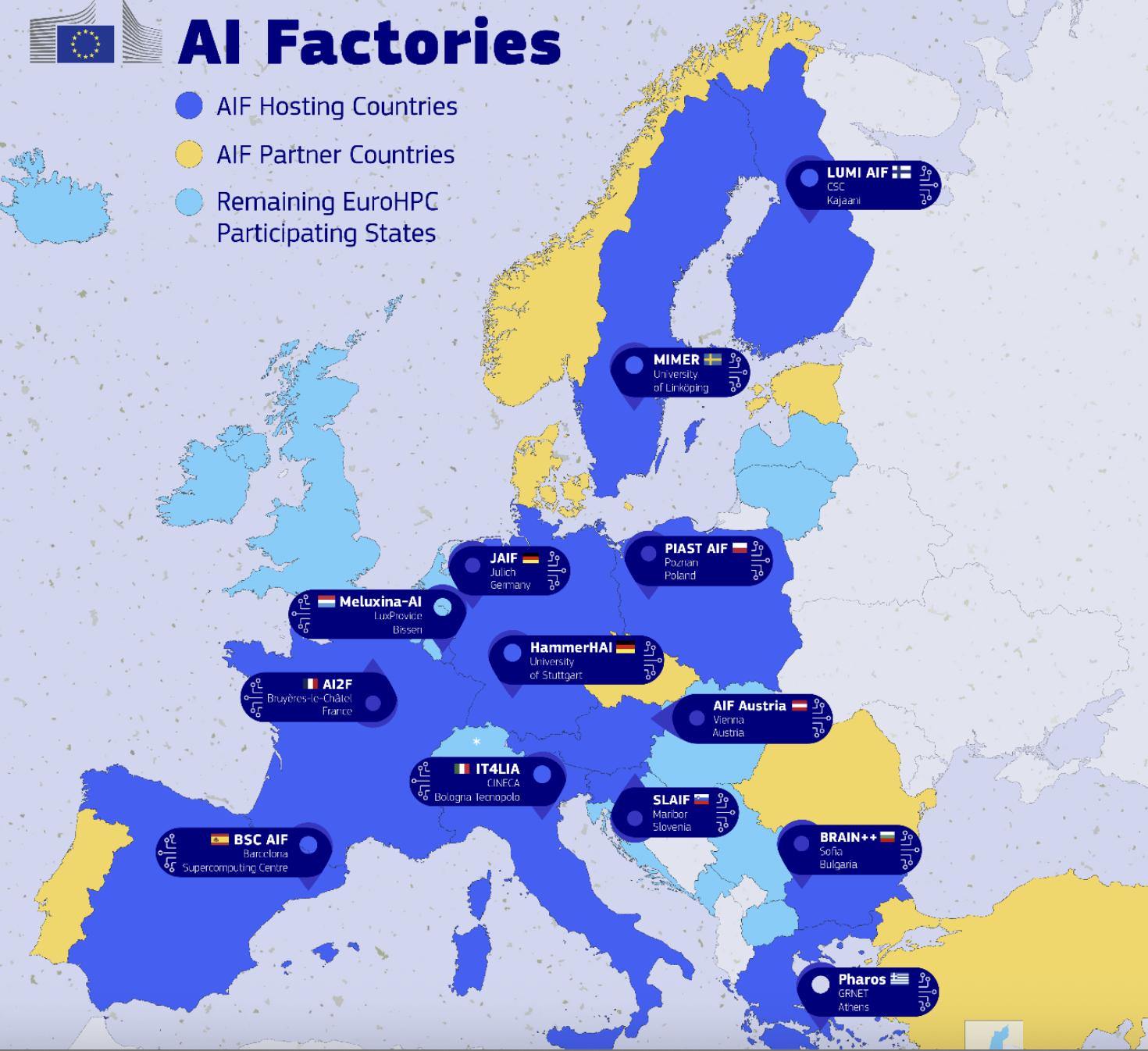
The European Union has launched the "AI Continent" action plan to capitalize on opportunities in the AI sector, aiming to strengthen AI infrastructure with a network of AI factories, create AI Gigafactories, and establish data labs. Despite plans to attract investments and cultivate AI talent, concerns exist regarding Europe's lag in AI model development and investment compared to the U.S. and China. Critics argue the approach may be misguided, advocating for a focus on open-source strategies to foster innovation and improve Europe's competitive position in the global AI landscape.
Africa | Education
Creating An AI Continent