
Next-generation DNA sequencing (NGS), crucial for advancements in medicine and biotechnology, is at risk of significant cyber threats, according to a comprehensive study published in IEEE Access. Led by Dr. Nasreen Anjum from the University of Portsmouth, the research identifies multiple vulnerabilities in the NGS workflow, which could be exploited for data breaches, privacy violations, and biothreats. The study emphasizes the urgent need for improved cyber-biosecurity practices, suggesting coordinated efforts among various disciplines to safeguard genomic data from misuse and malicious intent. Recommendations include secure protocols, encrypted storage, and AI-driven security measures.
Our DNA is at risk of hacking, warn scientists

S2, an AI agent developed by Simular AI, combines advanced general-purpose models with specialized models for using computers, achieving superior performance in tasks such as app usage and file manipulation. It excels in complex tasks, outperforming competitors on benchmarks like OSWorld and AndroidWorld. S2 enhances its capabilities through an external memory module that learns from experience. Current challenges, such as handling edge cases, indicate that agents still require improvement. The integration of human intervention, as demonstrated by the CowPilot plugin from Carnegie Mellon University, can significantly enhance agent performance. Together, humans and AI can complete tasks more effectively than either alone.
Meet The AI Agent With Multiple Personalities
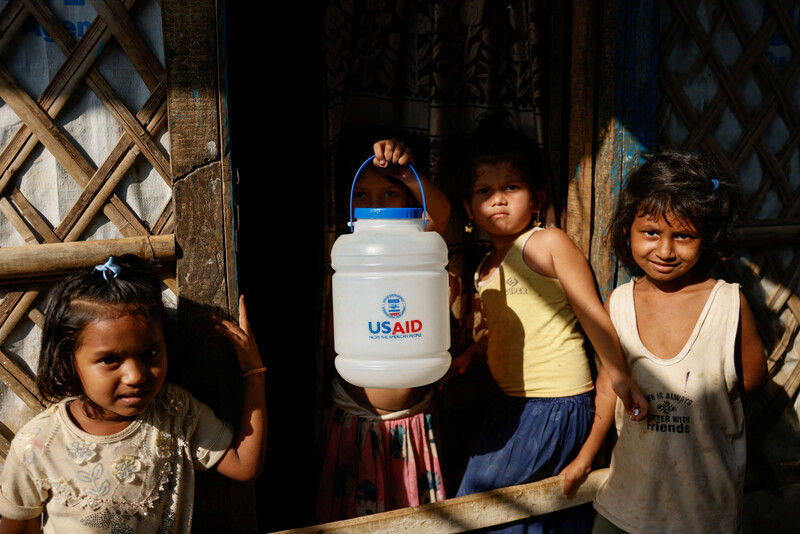
Cuts to US and UK development aid threaten youth programs globally, impacting health, education, and civic engagement. USAID’s investments in youth development, which totaled $1.56 billion from FY 2013 to FY 2020, led to significant improvements, including leadership training for 1.4 million youth. The funding cuts risk fewer training opportunities, increased unemployment, health setbacks, and weakened civil society, limiting youth's ability to address global challenges. To mitigate these impacts, governments in the Global South must prioritize youth in national strategies and seek support from international partners and multilateral platforms.
Africa, Latin America | Health, ICT, Financial services, Education
What USAID cuts mean for youth development — and what the world must do next

Gulf Cooperation Council (GCC) countries are transitioning from oil dependency to diversified economies, with the non-fossil fuel sector growing by 3.7% in 2024. Strategic initiatives, including "golden" licenses and residency schemes, attract investment and talent, driving growth in industries such as financial services, technology, and tourism. The International Monetary Fund projects GCC economies will grow 3.5% in 2025 and 4.2% in 2026. Programs like Bahrain's "Golden Licence" have already generated substantial investments and job creation. Enhanced infrastructure and global talent attraction are vital for sustaining this economic transformation.
Algeria, Armenia, Australia, Austria, Bahrain, Barbados, Belgium, Benin, Bermuda, Bolivia, Bosnia and Herzegovina, Botswana, Bulgaria, Burkina Faso, Burundi, Cambodia, Cameroon, Chile, Costa Rica, Cyprus, Czech Republic, Denmark, Ecuador, Egypt, Estonia, Eswatini, Ethiopia, Finland, Gabon, Georgia, Germany, Ghana, Greece, Guinea, Hungary, Iceland, Indonesia, Ireland, Israel, Jamaica, Jordan, Kazakhstan, Kenya, Kuwait, Kyrgyz Republic, Lebanon, Lesotho, Luxembourg, Malaysia, Malta, Mauritania, Mauritius, Mongolia, Morocco, Mozambique, Namibia, Netherlands, New Zealand, Norway, Oman, Pakistan, Panama, Portugal, Qatar, Republic of Korea, Rwanda, Saudi Arabia, Senegal, Singapore, Slovakia, Spain, Sweden, Switzerland, Tanzania, Thailand, Tunisia, Uganda, United Arab Emirates, United Kingdom, Viet Nam, Yemen | Financial services, ICT
How Gulf countries' golden schemes are paving the way to a sustainable future
The UK government has increased the pension age to address rising life expectancy and declining birth rates, equalizing the pension age for men and women. This transition, under the Pensions Act 1995 and subsequent legislation, has significantly impacted women born between 1950 and 1960, leading to the Waspi campaign. This group seeks compensation for perceived injustices caused by abrupt pension age changes, claiming inadequate communication and planning time. While the rise has improved employment rates for older women, it has adversely affected their well-being and household income, particularly for those in lower-income brackets.
Denying compensation to ‘Waspi’ women over pension changes could be a missed opportunity
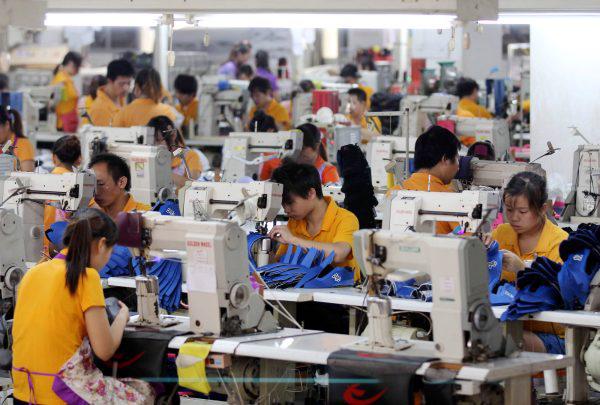
Chinese companies are undergoing significant transformations due to the U.S.-China trade war, which has prompted internal reforms and supply chain restructuring since 2018. Faced with U.S. tariffs, firms are adapting by relocating production to third countries, diversifying export markets, and increasing technological innovation. As a result, the share of exports going to G-7 countries has declined, while trade with developing markets has grown. Additionally, companies are reducing reliance on U.S. imports, evidenced by Huawei's shift towards domestically produced components. This evolving landscape reflects a gradual economic decoupling, driven by strategic adjustments at the firm level rather than outright political disintegration.
Republic of Korea, Taiwan, China, United Kingdom | Financial services, ICT
How China’s Companies Are Responding to the US Trade War

Artificial intelligence (AI) significantly improves urban air pollution detection and forecasting by analyzing extensive datasets from various sources, including sensors and satellites. It provides personalized insights into pollution exposure, allowing individuals to make healthier choices. While AI promises better management of urban air quality, ethical deployment is crucial to prevent exacerbating existing inequalities. AI-driven tools, such as DyNA and AirTrack, enable real-time pollution mapping and tailored recommendations for citizens. Overall, AI can transform urban planning and response strategies, fostering healthier environments but posing risks if mismanaged.
The role of AI in reducing urban pollution
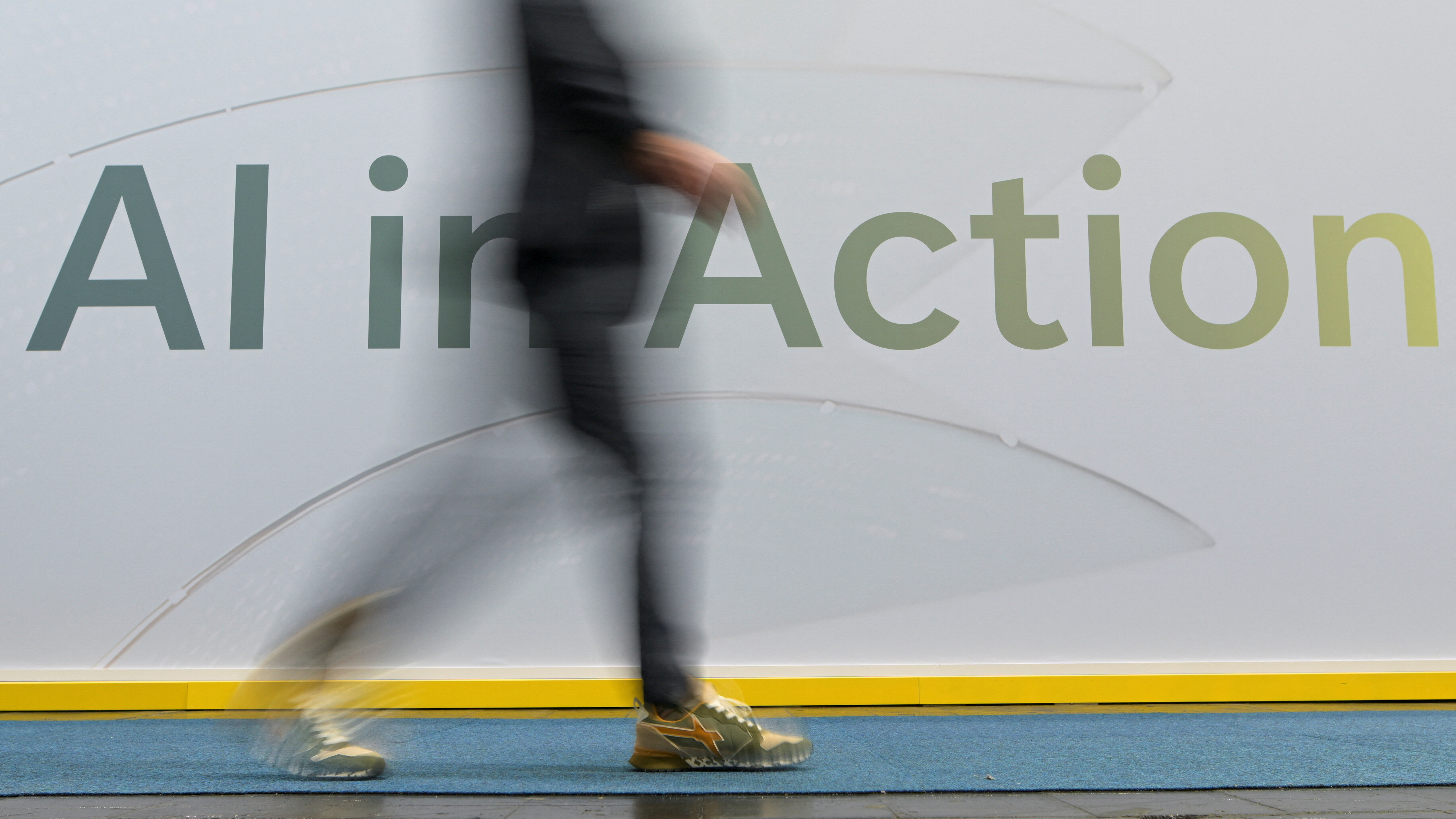
The United States has implemented its highest tariffs in over a century, significantly altering global trade dynamics. In this new environment, businesses are increasingly turning to artificial intelligence (AI) to manage complex supply chains, compliance obligations, and data handling amid evolving trade regulations. AI applications enhance the ability to navigate non-standardized trade processes and improve connections between smaller economies and global markets. Despite the initial exemption from tariffs, digital services, including AI, may still face future regulatory challenges. Effective AI governance and collaboration are critical for addressing these changes and ensuring fair practices in international trade.
Ireland, United Arab Emirates, United Kingdom | Financial services, Education, ICT
Navigating global trade: AI solutions for tariff turmoil
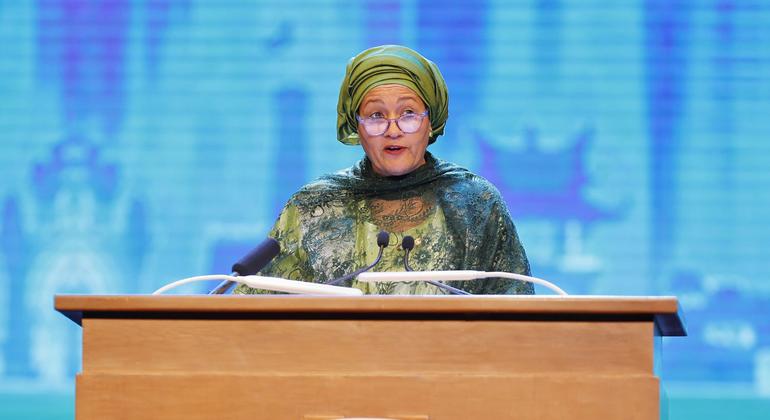
UN Deputy Secretary-General Amina Mohammed, addressing the P4G summit in Hanoi, emphasized the urgent need for partnerships and increased climate investment to achieve global climate and development goals. While acknowledging progress since the Paris Agreement and the SDGs, she highlighted ongoing challenges, such as energy access for 750 million people and severe air pollution. Mohammed identified hope in global commitment, collaboration, and the economic advantages of climate action. She called for $2.4 trillion annually to support emerging economies by 2030, urging leaders to innovate and mobilize finance for sustainable development. The United Nations remains dedicated to supporting these efforts.
Health
Partnerships, increased climate investment crucial for sustainable transition, says UN deputy chief
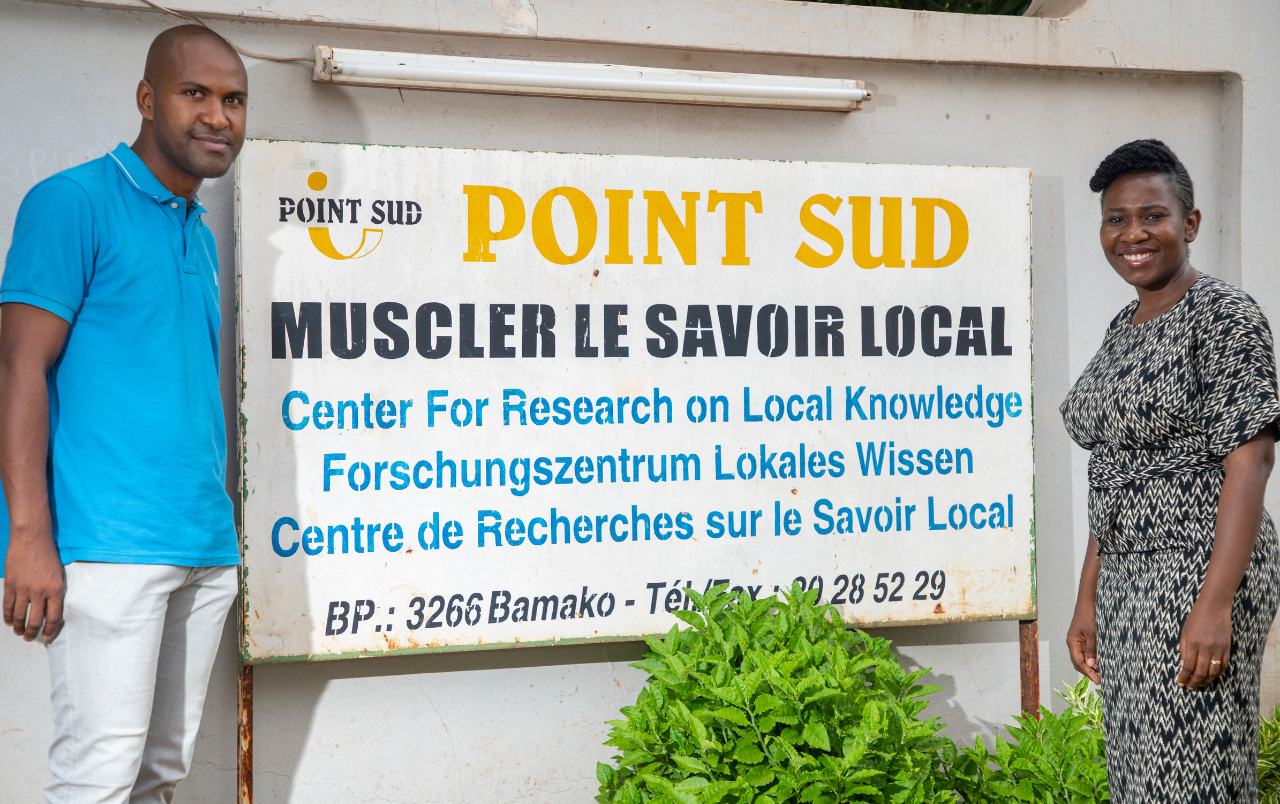
The Point Sud programme enhances North-South academic collaboration by fostering dialogue on innovative research and challenging existing knowledge hierarchies. Launched in 2009 and coordinated by Goethe University Frankfurt and Point Sud Bamako, it has organized 98 workshops with over 2,200 participants from 65+ countries. The programme emphasizes African scientific perspectives, promotes equity by ensuring 45-52% female participation and supports early career researchers. Events are held in Africa to reverse the North-to-South academic flow, with a focus on decolonizing knowledge production and addressing structural inequalities in research funding and collaboration.
South Africa | Education, Health
Programme Point Sud: Convivial Knowledge Production at the Heart of North-South Collaboration
Quminex, a Canadian tech startup, is transforming mineral exploration through AI and quantum computing, turning complex data into actionable insights for critical resource discovery. The company has secured pre-seed investments from QV Studio, Quantacet, and Quantonation, marking a significant milestone in its growth and technology development. Being among the first accepted into QV Studio's program in Sherbrooke, Quebec, Quminex focuses on responsible, data-driven exploration, aiming to enhance sustainable mineral supply chains. The experienced founding team has garnered support from leading quantum-focused investors, emphasizing innovation and societal impact.
Quminex Secures Pre-Seed Investment From QV Studio, Quantacet and Quantonation

Young Africans are set to significantly influence the future of artificial intelligence (AI) as they enter the workforce in unprecedented numbers by 2035. The recent C4IR Global AI Summit in Rwanda highlighted Africa's emerging role in AI governance and its potential for economic growth. Key discussions focused on building digital infrastructure, fostering technological ecosystems, and ensuring diverse African perspectives shape global AI standards. Initiatives such as a $60 billion AI fund and Africa's first AI scaling hub in Rwanda are crucial steps towards this goal. The continent's youthful workforce is prepared to lead in creating inclusive and empowering AI solutions.
Africa | Education
Why young people will shape Africa's AI future
Europe faces a growing demand for long-term care due to an ageing population, with one in five Europeans already aged 65 or older. This demand is projected to increase by 23.5%, creating a critical shortage of caregivers. Currently, about 10% of long-term care workers in the EU are foreign-born, primarily from South America, Africa, and Asia, who fill significant gaps in the care system. However, they often experience poor treatment, lower wages, and lack legal protections. Public resistance to migrant workers poses challenges, despite the clear need for their contributions in caregiving roles. Solutions include creating specific care visas and improving legal protections for migrant workers.
Education
Europe’s elderly need migrant caregivers – whether we like it or not
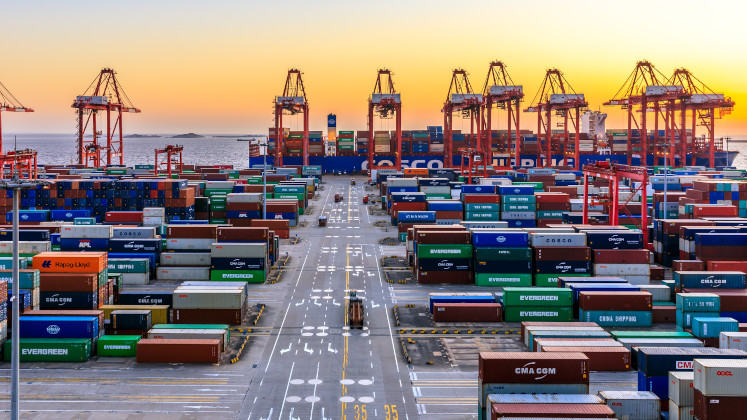
Cheap Chinese imports threaten European businesses as U.S. tariffs on Chinese goods redirect products to Europe, raising concerns about market distortion through dumping. EU leaders fear that underpriced consumer goods, intermediate inputs, and green technologies could further strain already vulnerable sectors like automotive, machinery, and steel. Despite calls for anti-dumping measures, evidence suggests these policies may harm efficient firms and weaken Europe’s competitive position. Instead, the EU aims to engage China for cooperation while focusing on enhancing productivity and addressing structural weaknesses in its manufacturing base.
Austria, Ethiopia, Germany, Indonesia, Ireland, Poland, Republic of Korea, Switzerland, Tanzania, Thailand, Uganda, Ukraine, United Kingdom | Education
Will Trump’s trade war trigger a flood of cheap Chinese products into Europe?
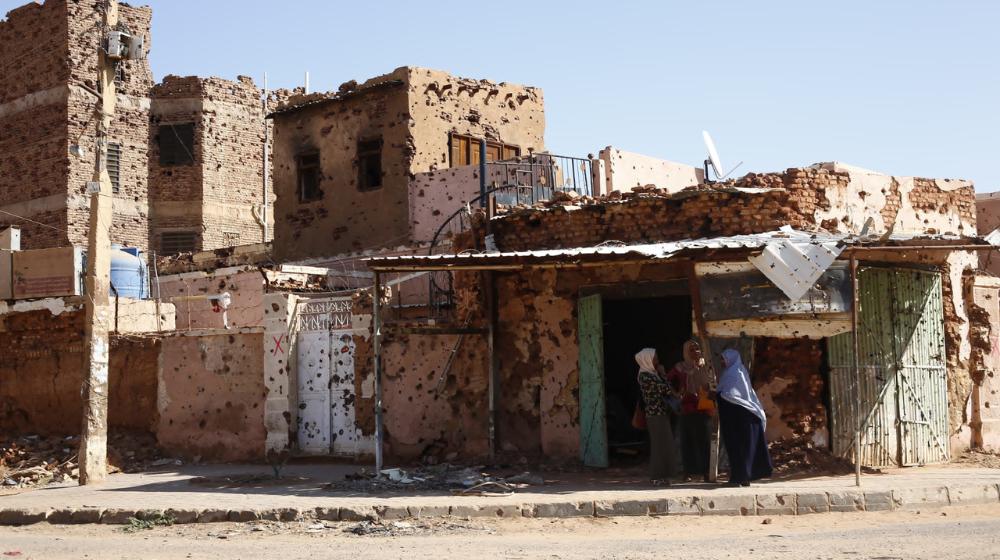
The ongoing civil war in Sudan has resulted in widespread insecurity, sexual violence, hunger, and poverty, significantly impacting women and girls. Reports indicate a 288% increase in demand for gender-based violence services, reflecting severe risks they face, including rampant sexual assault. The health care system is severely damaged, with 80% of facilities non-operational, endangering women during childbirth. Additionally, famine threatens thousands, forcing many to risk assaults in search of food. Approximately 13 million people have been displaced, with a critical number of pregnant women unable to access safe location or health care, raising maternal death rates.
After two years of war, has Sudan failed its female revolutionaries?
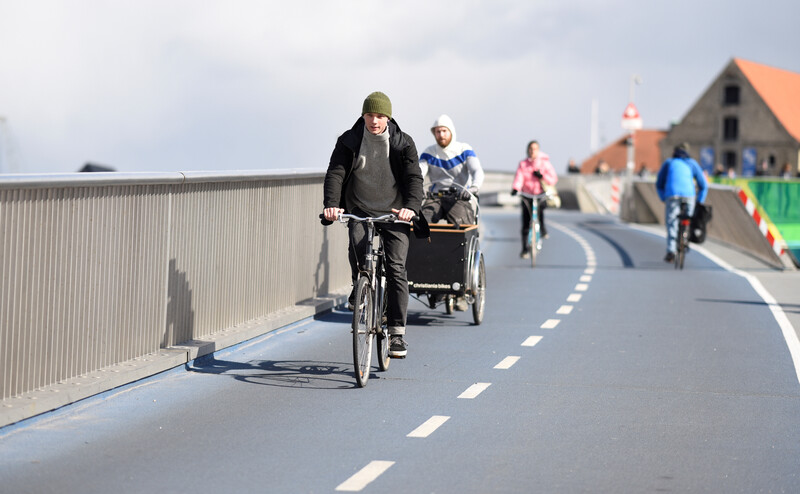
Smart urban design focused on health can significantly reduce non-communicable diseases (NCDs), which accounted for 43 million deaths in 2021. Key strategies include creating infrastructure that promotes cycling and walking, as seen in Copenhagen, where nearly half of commutes are by bike. In Italy's Wellness Valley, residents are 10% more active due to car-free areas designed for movement. Integrating green spaces into urban planning also enhances physical activity, mental health, and air quality. Evidence shows that activity-friendly neighborhoods lead to substantial increases in physical activity and lower obesity rates.
Health
Urban planners are promoting active lifestyles. Here’s how

The green transition faces significant challenges, with experts projecting that one in five green jobs will remain unfilled by 2030 due to a severe talent shortfall. LinkedIn's Global Green Skills report indicates that the green workforce is growing at only 3.2% annually, while demand increases at 5.9%. Regions like Singapore witness rapid demand growth, yet much talent remains concentrated in Europe. The rise of mandatory sustainability disclosures in Southeast Asia is set to amplify the need for green roles, even amid concerns about AI's impact on jobs. A substantial gender gap in green talent remains an ongoing issue.
Singapore | Education
Invest in capacity building to plug Asia's green jobs gap: experts
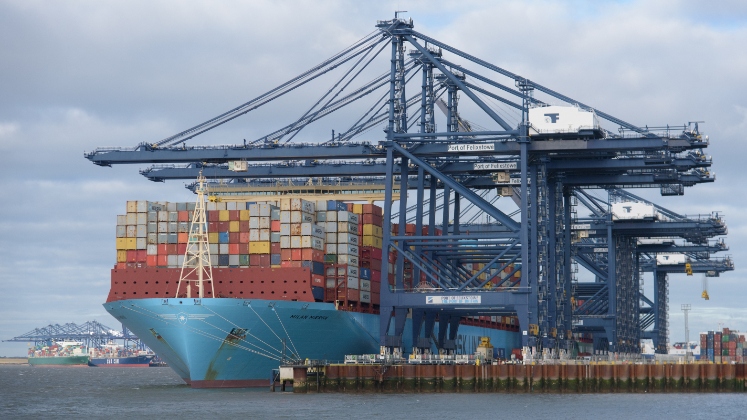
UK exporters face challenges due to tariffs imposed by President Trump, which require strategic pricing adjustments. The tariffs, effective at 10% starting April, will increase costs for US buyers while reducing revenue for UK firms. In the 12 months prior, UK exports to the US totaled £183 billion, making it the largest export market for the UK. Manufacturers must evaluate how much of the tariff to pass on, as price elasticity varies among products. For some goods, demand may remain stable despite price increases, while for others, significant reductions may occur. Understanding market dynamics post-tariff is crucial for optimizing pricing strategies.
United Kingdom
How the Trump tariffs affect UK firms
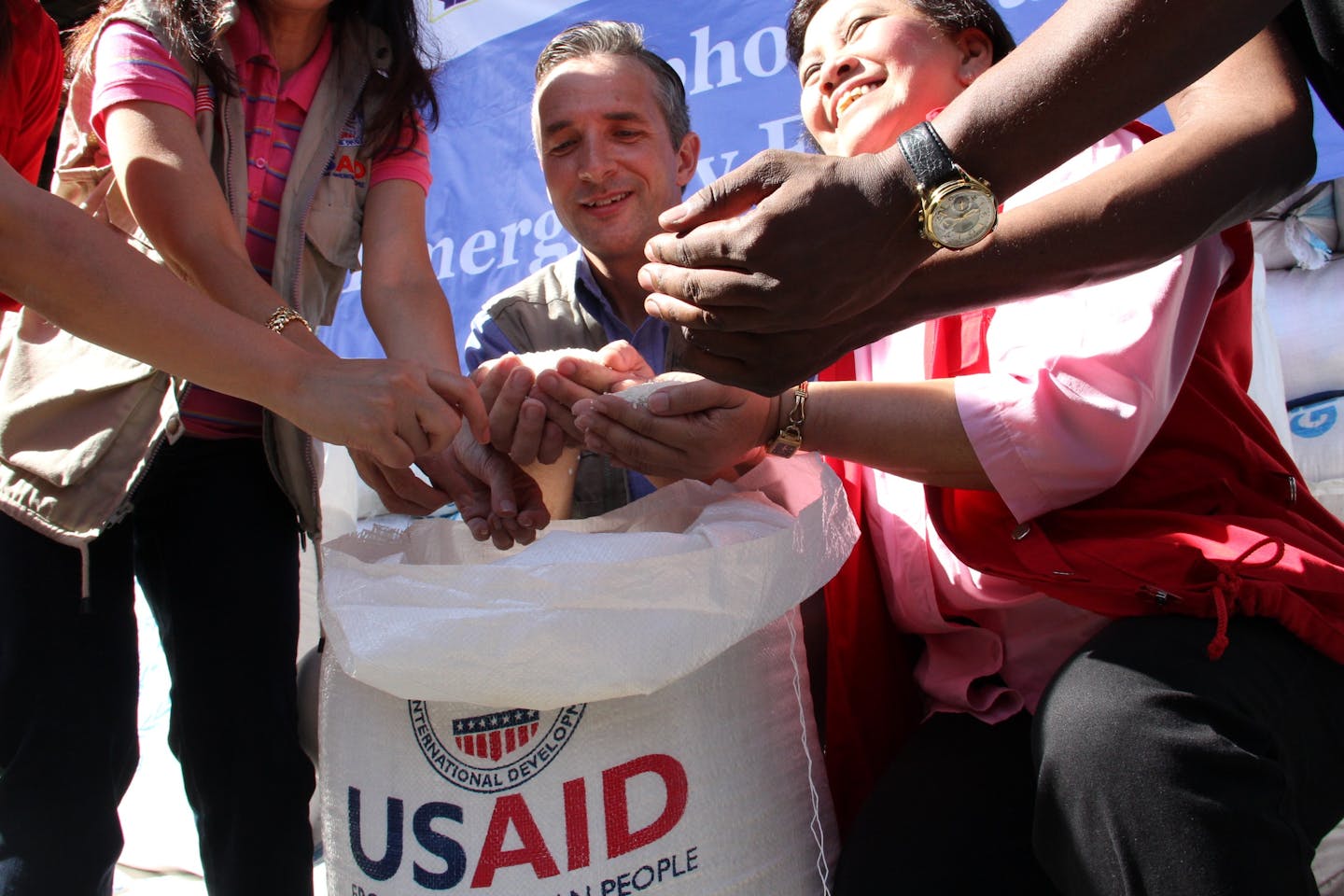
Philanthropies in Southeast Asia are being urged to increase funding in response to significant cuts in USAID aid, which has impacted numerous projects reliant on American support. A survey revealed that 70% of non-profits in the region depend on USAID funding, with an estimated loss of $275 million. Indonesia, Myanmar, and the Philippines are particularly affected, with advocacy, education, and climate sectors being the most vulnerable. Many organizations, like Thailand Clean Air Network, are struggling to adapt to funding gaps and are seeking alternative donors to sustain their crucial initiatives.
‘Not as easy as filling USAID’s gap’: How philanthropies in Southeast Asia are stepping up

The COVID-19 pandemic significantly impacted low-skilled gig workers in urban India, exposing their precarious working conditions. This study analyzes coping mechanisms of gig and non-gig workers using survey data and logistic regression. Findings show that platform workers tended to borrow more or liquidate assets, while nonplatform workers relied on savings. Gig workers commonly reduced nonfood expenditures, prioritizing immediate survival over education. Despite some institutional support, government assistance was largely ineffective. Recommendations include extending social protections, improving access to affordable credit, and enhancing support from employers and the government to improve resilience in the gig economy.
Financial services, Education
Exploring Economic Challenges and Resilience During COVID-19 of Low-Skilled Gig Workers in Urban India