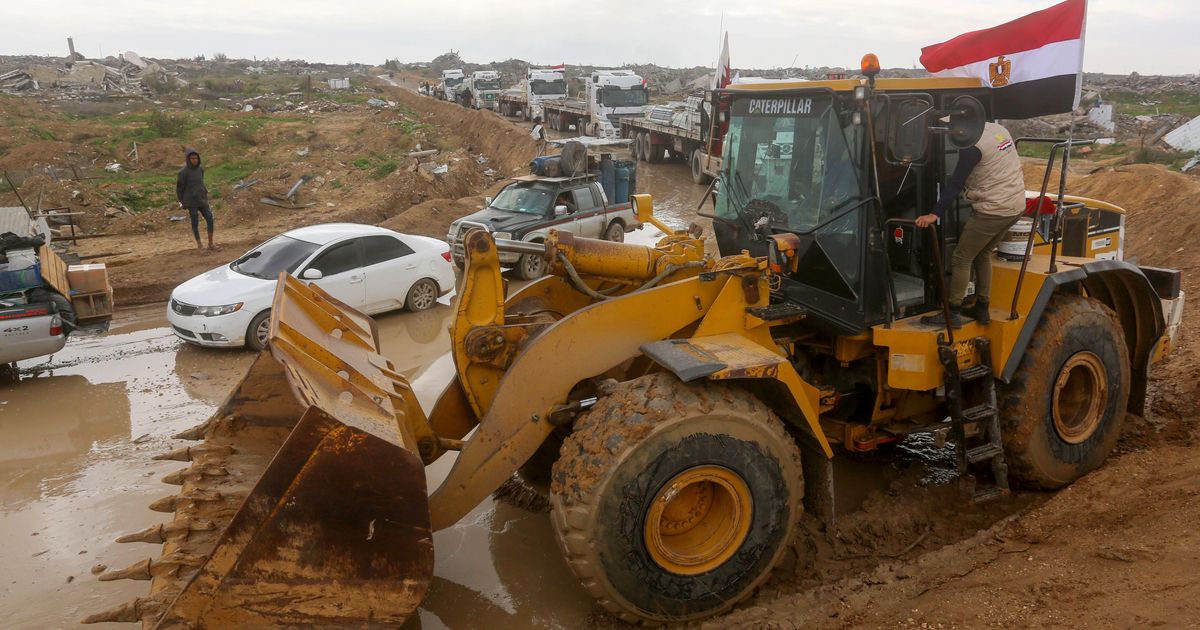
The reconstruction of the Gaza Strip remains uncertain amidst ongoing conflicts between Israel and Hamas. If pursued, Egypt's reconstruction plan, supported by the Arab League and European nations, is expected to serve as a framework. Central to this initiative is Ibrahim al-Argani, a businessman with ties to President Sisi, who stands to gain from the reconstruction efforts. The plan emphasizes the retention of Gaza's population during rebuilding and outlines three phases over several years, with an estimated cost of $53.2 billion requiring international funding. Transparency and accountability are critical to safeguarding Palestinian interests and preventing the entrenchment of Egypt's authoritarian governance.
How a Network of Entrepreneurs and Security Actors in Egypt Wants to Profit from the Reconstruction of Gaza
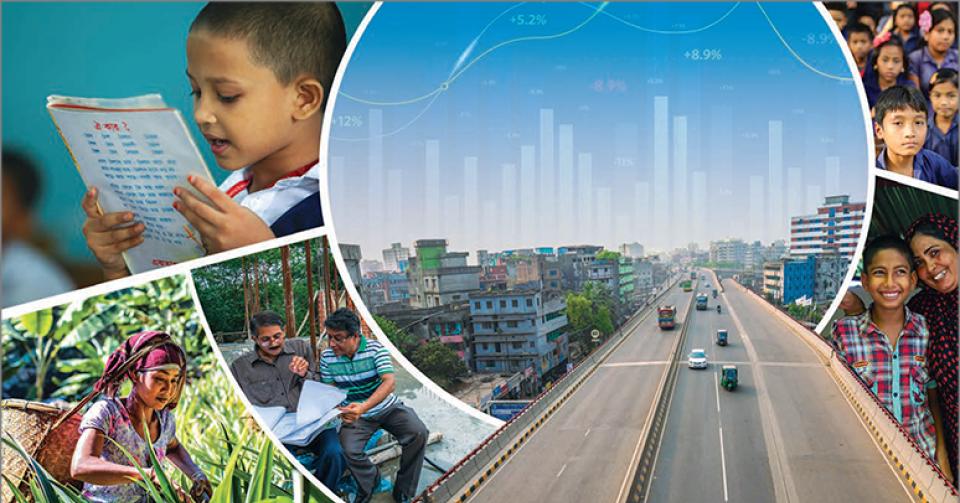
Bangladesh is set to graduate from least developed country status in 2026, necessitating economic diversification beyond garment manufacturing and improved business conditions for sustainable growth. The report highlights that rapid economic growth has reduced poverty for nearly 30 million people since 2000 but warns of environmental risks from urbanization and climate change. Recommendations include attracting more foreign direct investment through enhanced corporate governance, judicial reforms, and modernization of the legal framework to boost competitiveness and trade.
Bangladesh, Mongolia, Pakistan, Republic of Korea, United Kingdom | Financial services
Road Map for Investment Policy Reforms and Sustainable Development in Bangladesh

Turkish migration to Western Europe, particularly Germany, is driven by economic aspirations and socio-political conflicts, with a notable increase in highly skilled young Turks relocating since 2013 due to political instability. Concurrently, urban marginalization in Türkiye has led to the co-radicalisation of Turkish citizens and refugees, spurred by socio-economic tensions and manipulated by political narratives. This dynamic may trigger new waves of conflict-induced migration. To address these issues, policies fostering dialogue and inclusive social programs are critical to prevent escalation and promote social cohesion amidst growing grievances between communities.
Türkiye | Education
Youth Co-Radicalisation in Türkiye – New Conflict-Induced Migration

Democracies are evolving systems facing challenges from declining institutional values and practices. This paper emphasizes the concept of democratic resilience, which involves identifying issues and adapting to changes while maintaining institutional stability. It critiques current measurement efforts for lacking focus on the dynamics that strengthen democracies, and proposes a practical agenda centered on three key areas: trusted institutions, credible information, and social inclusion. The authors advocate for continuous monitoring of democratic institutions using a collaborative approach that connects scholars, civil society, and policymakers to foster innovation and reform.
Education, Financial services, Health
Democratic Resilience: Moving from Theoretical Frameworks to a Practical Measurement Agenda

The current U.S. administration is anticipated to adopt a more targeted approach to antitrust enforcement, moving away from the broad policies implemented under President Biden. This shift follows the belief that past enforcements have failed to keep pace with rapidly changing markets. Notable past cases, such as AT&T's merger with Time Warner, illustrate the challenges of timely regulatory responses. The focus will likely be on well-defined cases grounded in legal precedent, with a reduced emphasis on factors like labor markets and corporate equity. However, major antitrust actions against big-tech firms will continue as they progress through the judicial system.
A New Era for Antitrust Enforcement
African economies face heightened volatility and structural vulnerabilities exacerbated by external crises like the COVID-19 pandemic. Central banks play a crucial role in macroeconomic policy design and implementation, impacting economic growth, job creation, and structural transformation. Their focus has often solely been on fiscal policy, neglecting the significance of monetary policy. This report highlights the need to enhance central banks' roles, assess their effectiveness in financial stability, and recommends strategies for improving monetary policy to foster economic resilience and transformation in Africa.
South Africa | Financial services
African Central Banks and the Challenges of Economic Transformation
Crowdsourcing platforms face significant challenges like data overload and quality issues, which limit their effectiveness. A systematic literature review of 77 papers identifies key limitations including quality control, scalability, bias, and privacy concerns. The study explores how integrating various AI technologies—such as machine learning, deep learning, natural language processing, automatic speech recognition, and natural language generation—can address these challenges and enhance the functionality of crowdsourcing applications. The findings provide insight into AI's potential to improve crowdsourcing solutions.
AI adoption in crowdsourcing
US trade policy turmoil, marked by a surge in tariffs, has led to significant market drops and raised fears of a global recession. The average effective US tariff rate now stands at 22.5%, its highest since 1909. Market reactions included a loss of $5.4 trillion in US stock value, a four-year low in oil prices, and a weakened US dollar. In response to the tariffs, lawmakers are calling for more congressional oversight, while Canada and ASEAN countries seek to address trade challenges through measures and diplomacy. Additionally, significant progress in poverty reduction in India challenges previous development assumptions, amid ongoing preparations for the IMF-World Bank Spring Meetings.
Republic of Korea, United Kingdom | Financial services
US trade policy turmoil shakes the global economy, and other key economic news to know

Chile is pioneering public-private partnerships aimed at reversing biodiversity loss by 2030, aligning with the Global Biodiversity Framework. The country recently released its Business Action Plan on Biodiversity, a collaborative effort with local businesses, marking it as Latin America's first such initiative. This plan guides companies in integrating biodiversity into operations, underlining the role of private sectors in achieving national biodiversity targets. Key strategies include early engagement of businesses, articulating clear value propositions for corporate sustainability, and establishing robust governance to ensure accountability and effective collaboration. Chile's model serves as a potential blueprint for other nations.
Chile | Health
Collaboration is essential to build nature-positive economies and Chile leads the way
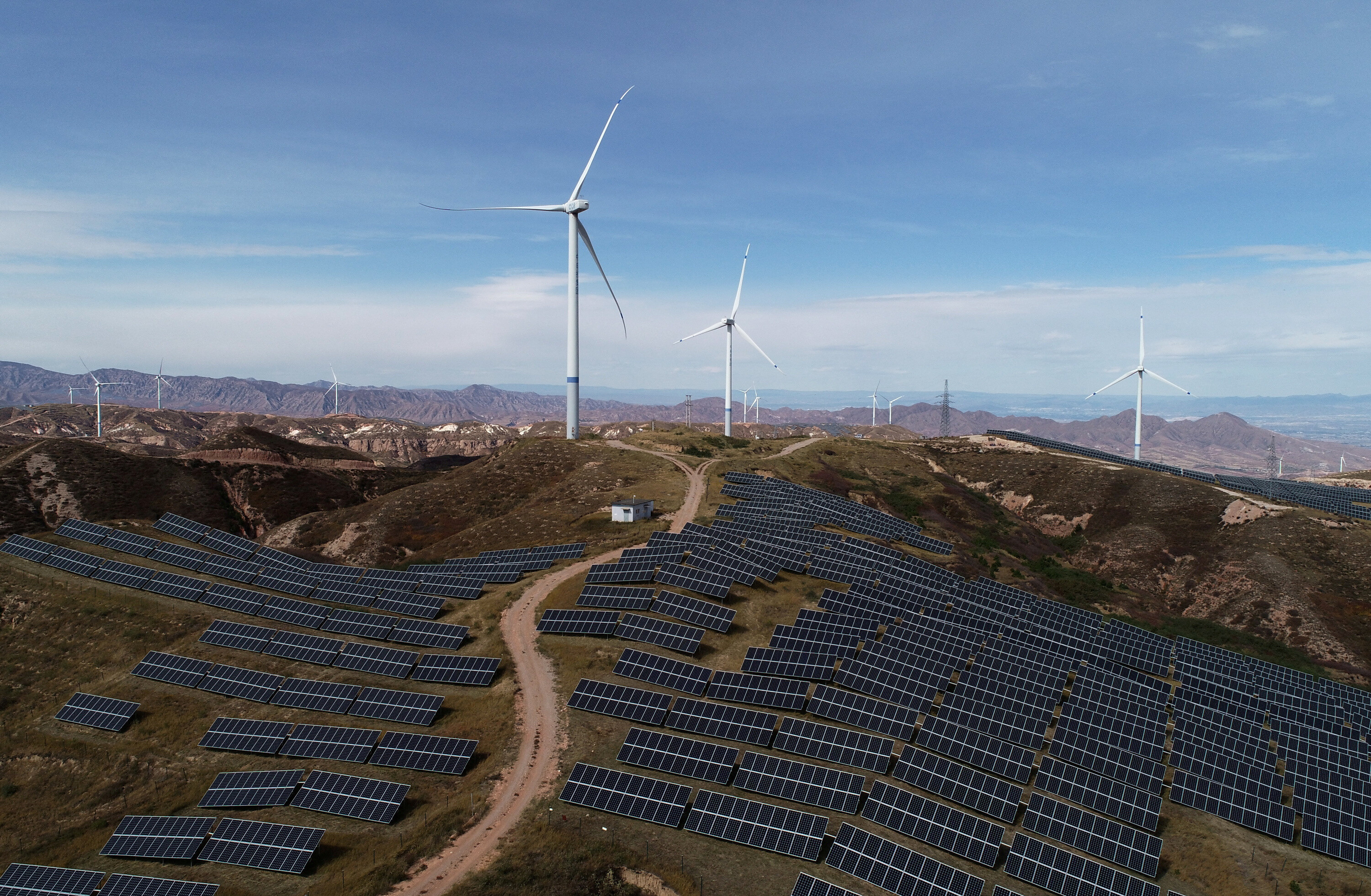
The transition to clean energy is urgent due to climate change, driven primarily by fossil fuel emissions. Solar energy is gaining traction as a crucial component, with its costs dropping significantly—an 89% reduction in levelized cost of electricity since 2010, making it highly affordable and efficient. Advances in technologies like TOPCon have improved solar panel efficiency to nearly 28.7%, promoting greater adoption. In 2023, renewables dominated new power capacity investments, signaling a shift towards a sustainable energy future. Solar energy's enhanced affordability and scalability position it as a cornerstone of this transition.
Synergy between solar and storage will drive the clean energy transition

Southeast Asia relies heavily on oceans for sustenance and climate resilience, yet funding for marine conservation is critically low. The region's catch rates have plummeted, and biodiversity is at risk, prompting a need for innovative financing to safeguard marine ecosystems. Recent initiatives like the Small-scale Fisheries Impact Bond and debt-for-nature swaps illustrate a growing momentum for funding marine protection through novel financial mechanisms. These approaches aim to unlock capital and create collaborative investments to address the challenges facing the ocean, driven by the urgent need outlined in the United Nations Sustainable Development Goal 14.
Financial services
A new age of innovative blue finance to protect Southeast Asia’s ocean

Sustainable leadership amid instability requires evidence-based decision-making, even when unpopular. Addressing the fears stemming from populism and conflict is essential, as these issues often arise from loss and disruption. Engaging diverse voices, particularly from grassroots and Indigenous communities, fosters collective solutions. The sustainability agenda faces challenges such as funding cuts and misinformation, affecting both businesses and non-profits. Leaders must acknowledge environmental realities and societal dynamics to navigate these complexities effectively, recognizing that proactive and inclusive strategies can pave the way for resilience and progress.
Financial services, Education, Health
5 insights on sustainable leadership through instability and change
Donald Trump utilizes tariffs as a bargaining tool in trade negotiations, notably during the US-China trade war where he quickly backtracked on tariff announcements. While countries initially retaliated, responses varied, with the UK opting for a more cautious approach. Economists highlight that trade wars lead to detrimental effects for consumers in both participating nations, with increased prices and reduced choices. Effective retaliatory tariffs should target goods with easy substitutes and politically significant sectors, to maximize impact. Historical analyses suggest that trade wars ultimately inflict pain on consumers and underscore the importance of negotiation over retaliation.
Trump has shown he will backtrack on tariffs. What does that say about how to wage a trade war?
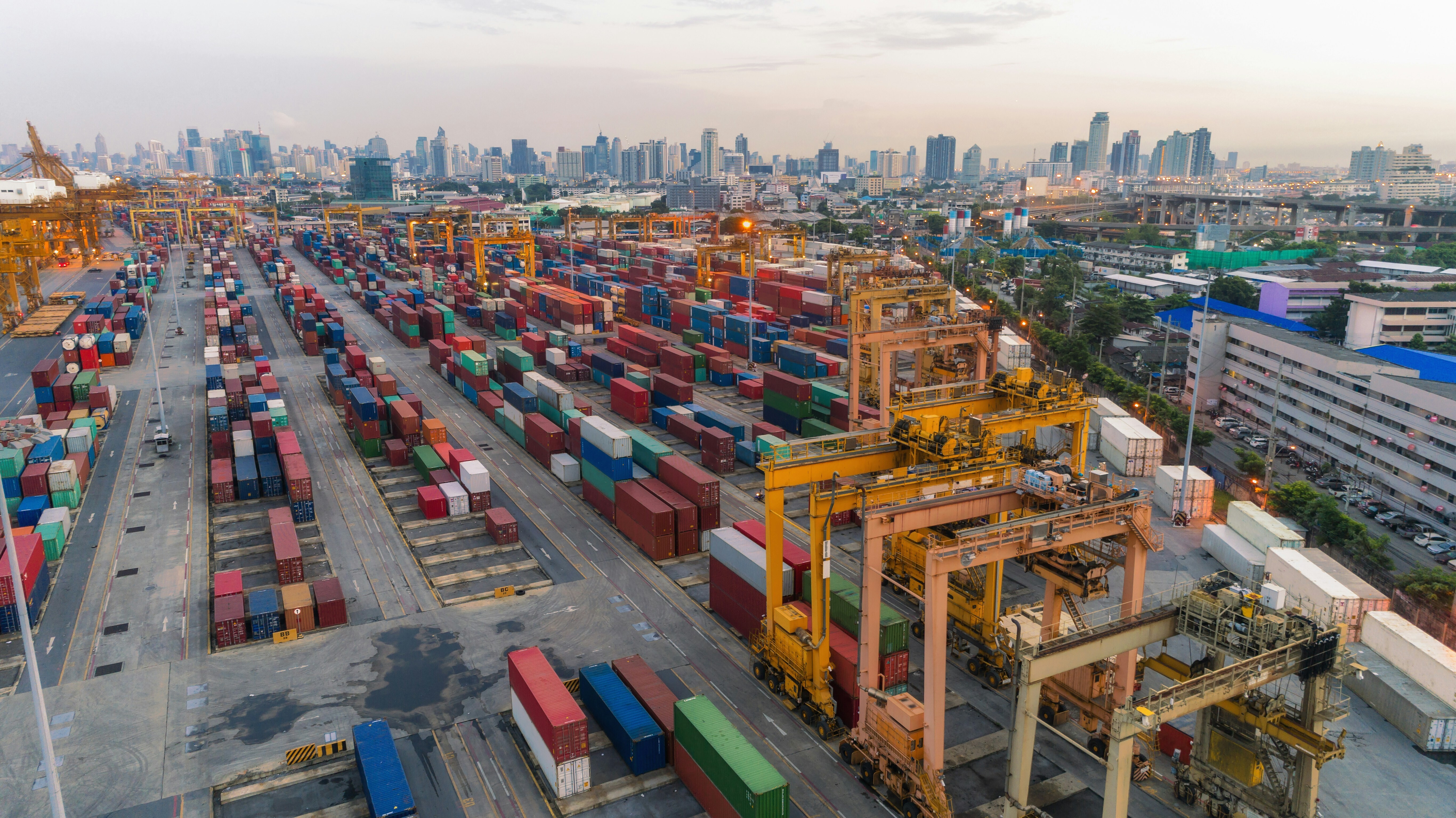
Five chief economists highlight critical long-term economic trends affecting the global economy. Global trade is evolving due to geopolitical tensions, with protectionist measures increasingly dominating over liberalizing policies. Demographic shifts are impacting workforces, particularly in developed countries facing an ageing population while younger populations grow in Africa and Asia. Lastly, artificial intelligence is rethinking productivity, potentially adding up to $4.4 trillion annually by 2040 and enabling broader task execution among employees. Understanding these trends is vital for fostering sustainable and inclusive economic growth.
Australia, Republic of Korea, Switzerland, Thailand, United Kingdom | Financial services, Health, ICT, Education
We asked 5 economists about long-term economic trends. Here's what they said

Climate change adaptation requires improved climate models that better serve on-the-ground applications. Historical models have accurately projected warming trends since the 1970s, but current models, developed primarily for emissions mitigation, fall short in addressing adaptation needs. There is a pressing need to integrate weather and climate modeling effectively to support decisions related to infrastructure, agriculture, and ecosystems over the next few decades. The complexity of the existing Climate Model Intercomparison Project (CMIP) simulations poses logistical challenges and significant biases, necessitating a reevaluation for their specific utility in adaptation planning.
Financial services
To adapt to climate change, we need better models
The recent announcement of a 10% tariff on nearly all imports by the US threatens Africa's trade surplus and exacerbates existing trade imbalances. Many African nations, particularly those reliant on exporting mineral fuels and raw materials, face increased costs and reduced competitiveness in the US market. The African Growth and Opportunity Act (AGOA), designed to boost manufacturing in sub-Saharan Africa, is undermined as high tariffs can result in job losses and firm closures, especially in low-income economies like Lesotho and Madagascar. This situation underscores the urgent need for African countries to diversify their markets and reduce reliance on US exports.
Ghana, Liberia, Niger, South Africa, Tanzania
Africa’s US trade surplus at risk

European city governments must enhance their innovation capacity to effectively address pressing and complex policy challenges. Sudeep Bhargava discusses how cities can develop this capacity through fostering partnerships, adapting internal structures, and prioritizing innovation in municipal strategies. A new report from LSE Cities outlines key capabilities for innovation, including organizational, analytical, partnership, and leadership capabilities. By systematically assessing and building these capabilities, city leaders can improve resident wellbeing and better align with community needs. The report emphasizes that a city's unique culture significantly influences its innovation capacity.
Financial services, Education
Making the case for innovation capacity in city governments
Southeast Asian countries often run significant trade surpluses with the U.S. due to their reliance on export-oriented industrialization, where low production costs enable them to compete in global markets. This model has been politically supported by the U.S. and institutions like the World Bank for decades. However, reliance on exports has its drawbacks, as highlighted during the COVID-19 pandemic, revealing vulnerabilities for these economies. As the U.S. shifts its trade policies, the viability of this development model is questioned, potentially leading to a focus on regional trade and less dependence on U.S. markets in the future.
Australia, Cambodia, Malaysia, Myanmar, Philippines, Republic of Korea, Sri Lanka, Thailand, United Kingdom, Viet Nam | Financial services
Why ASEAN Countries Often Run Trade Surpluses

AI-generated outputs can be enhanced through "epistemic responsibility," a concept introduced by Jakub Drábik. This involves incorporating source summaries, indicators of disagreement, and confidence scores based on credibility, thus improving transparency. Current AI systems, like large language models, struggle with factual verification and lack accountability in their responses. Developing an epistemic infrastructure layer to support these systems is vital, enabling traceable reasoning and context for claims. This approach would not only facilitate responsible research and journalism but also foster a more nuanced understanding of knowledge, emphasizing the need for transparent reasoning rather than mere accuracy.
An epistemic solution to do away with our illusion of AI objectivity
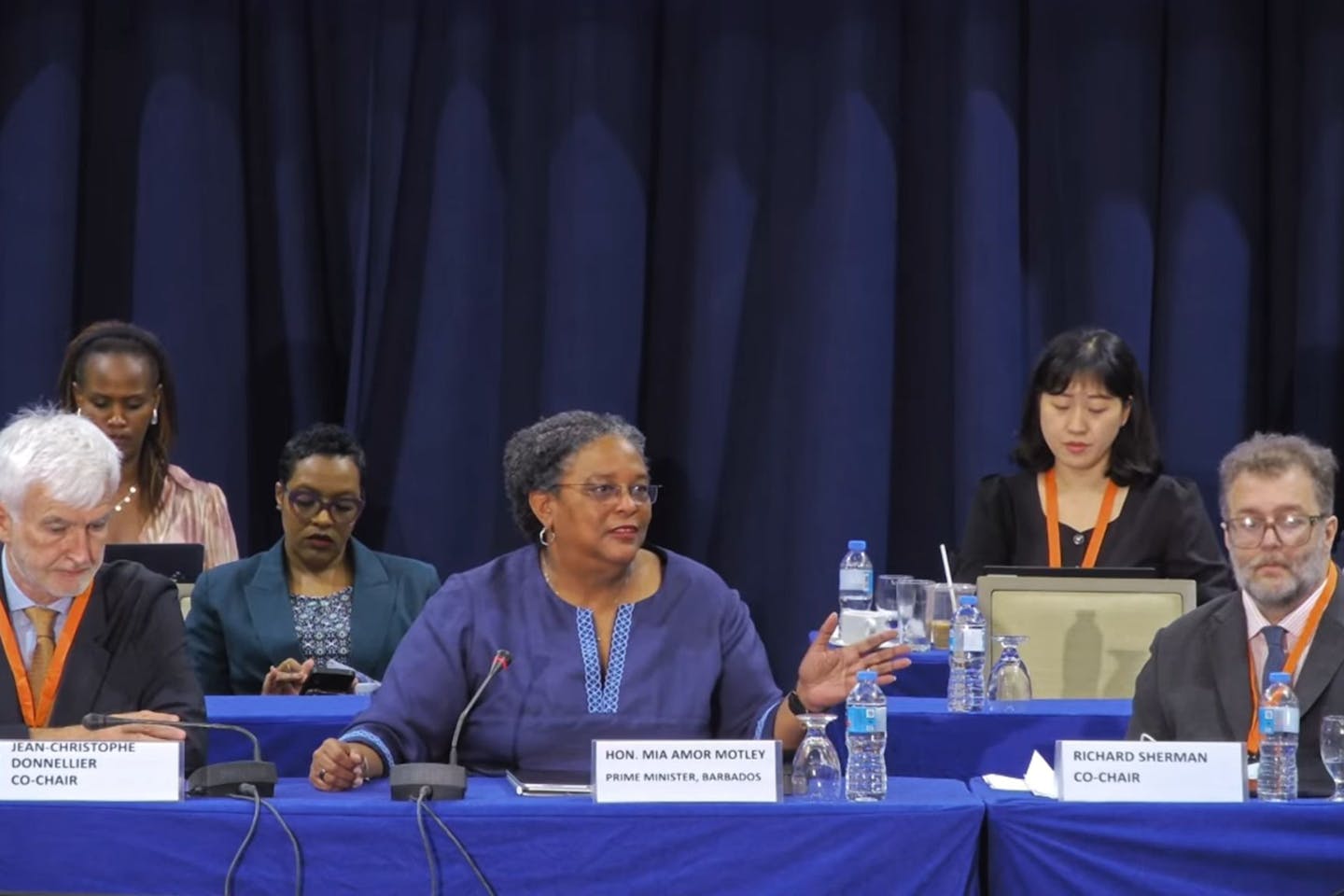
Civil society organizations are voicing concerns over the scaling down of a loss and damage fund from US$300 million to US$250 million for vulnerable nations affected by climate change. This decision, made during the fifth meeting of the fund board, comes after years of resistance from wealthy countries. Although a total of nearly US$800 million has been pledged, only US$321 million has been received. There are calls for 50% of the fund to support Small Island Developing States and Least Developed Countries. Critics argue that limiting access and funding amounts could hinder effective responses to climate emergencies. Developing nations are advocating for direct access to funds rather than going through financial intermediaries, which may slow down disbursement processes.
Financial services
Concerns emerge over scaled down loss and damage fund