
Dramatic advancements in artificial intelligence are reshaping our understanding of intelligence itself. Five paradigm shifts are redefining AI development: 

1. Natural Computing recognizes that computing exists in nature, influencing computer science and biology. 
2. Neural Computing aims to redesign AI to function more like the brain, enhancing efficiency and capability. 
3. Predictive Intelligence emphasizes that intelligence involves statistical modeling of the future, suggesting a continuous evolution of AI. 
4. General Intelligence indicates AI's growing capability to perform cognitive tasks, potentially achieving Artificial General Intelligence. 
5. Collective Intelligence highlights the importance of cooperation and scale among agents, urging a reevaluation of human assumptions about intelligence.
Education
AI Is Evolving — And Changing Our Understanding Of Intelligence

China's imports and exports reached CNY10.3 trillion (USD1.41 trillion) in Q1, a 1.3% increase, marking a historical high. The trade surplus stood at CNY1.96 trillion (USD268.8 billion), driven by a 6.9% rise in exports (CNY6.13 trillion), despite a 6% decline in imports (CNY4.17 trillion). Trade with ASEAN grew by 7.1%, and bilateral trade with the EU rose by 1.4%. China's strong domestic demand and diversified markets are expected to sustain exports amid external challenges, while the country retains its position as the world's second-largest importer.
Taiwan, China
China Has Record First-Quarter Trade

Global supply chains have significantly weakened due to tariffs imposed by the Trump administration on imports from China, Mexico, and Canada, with rates as high as 145% for some items. These tariffs are expected to reduce consumption and increase prices as companies grapple with cost shocks, particularly affecting low-margin industries like apparel and automotive. Some firms have preemptively stocked products or paused shipments, while layoffs and production cuts are becoming common. This shift signals a potential reset of the global economy and trade, leading to an immediate impact on consumers and market inventories.
Mexico
How U.S. Tariffs Are Upending Supply Chains

The UK government has allocated £65 million for Borealis, a new software system designed to enhance military satellite defense against increased threats in space. This investment highlights the strategic importance of space systems for critical infrastructure and the rising risks from state-sponsored attacks on satellites. A comprehensive security approach is necessary, addressing all segments of space systems and considering the entire lifecycle and various threats. Retrofitting security measures poses significant technical and financial challenges, compounded by the global nature of space operations and varying security regulations. Raising public awareness of these risks is crucial for justifying future investments in space security.
Financial services
New UK system to protect satellites against attack shows how global conflict has spilled into outer space
"Behavioral AI" by Rogayeh Tabrizi offers a comprehensive guide for organizations to effectively leverage their data for significant value creation. The book emphasizes the importance of intellectual diversity, merging insights from various disciplines such as psychology, economics, and computer science to enhance AI solutions. Key topics include the impact of behavioral economics on data governance and the digital transformation process, as well as strategies to overcome common barriers in big data and AI projects. This resource is valuable for business leaders and data professionals seeking to harness artificial intelligence effectively.
Behavioral AI: Unleash Decision Making with Data
AI does not possess human-like intelligence or emotions, contrary to its convincing presentation. Current AI operates as statistical machines, lacking understanding, consciousness, and genuine emotion. This disconnect renders the concept of general AI—mirroring human thought—unlikely. The true danger lies not in the AI itself but in its developers, who imbue it with intentions and ethics. While AI serves as a powerful tool for various tasks, it should not be anthropomorphized, as this obscures its nature and potential misuse. Users must recognize AI's limitations and refrain from attributing human traits to it.
We need to stop pretending AI is intelligent – here’s how
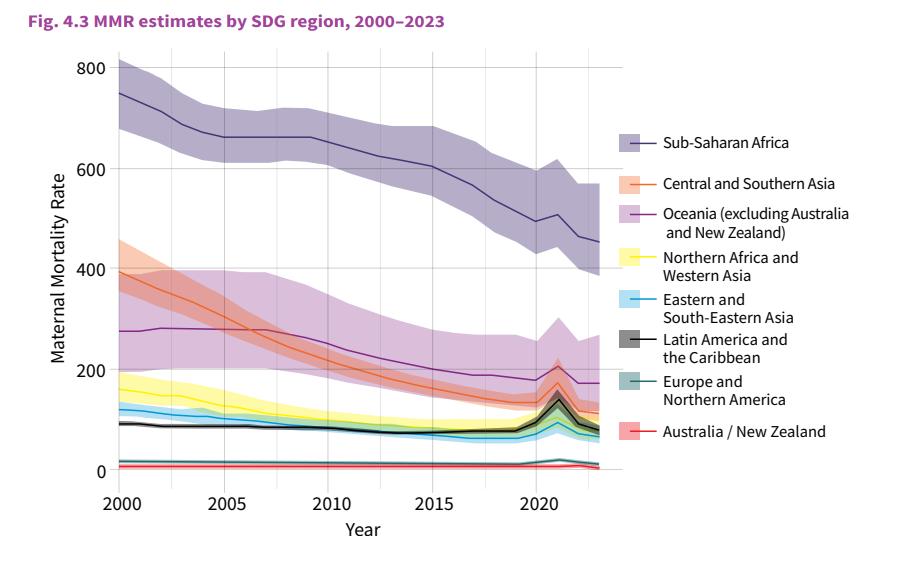
Preventable maternal deaths persist, with a UN report revealing that while maternal deaths have dropped 40% since 2000, approximately 712 women still die daily from preventable causes, primarily in fragile and conflict-affected regions. The WHO has launched a campaign to improve maternal and newborn health. In other health news, the WHO successfully tested its new pandemic response system with over 15 countries, emphasizing the need for global collaboration. Additionally, a study shows that epithelial cells can produce neuron-like signals post-injury, potentially aiding bioelectric healing technology.
Africa | Health
World Health Day 2025: Maternal health progress hides deep global inequalities – and other top health stories
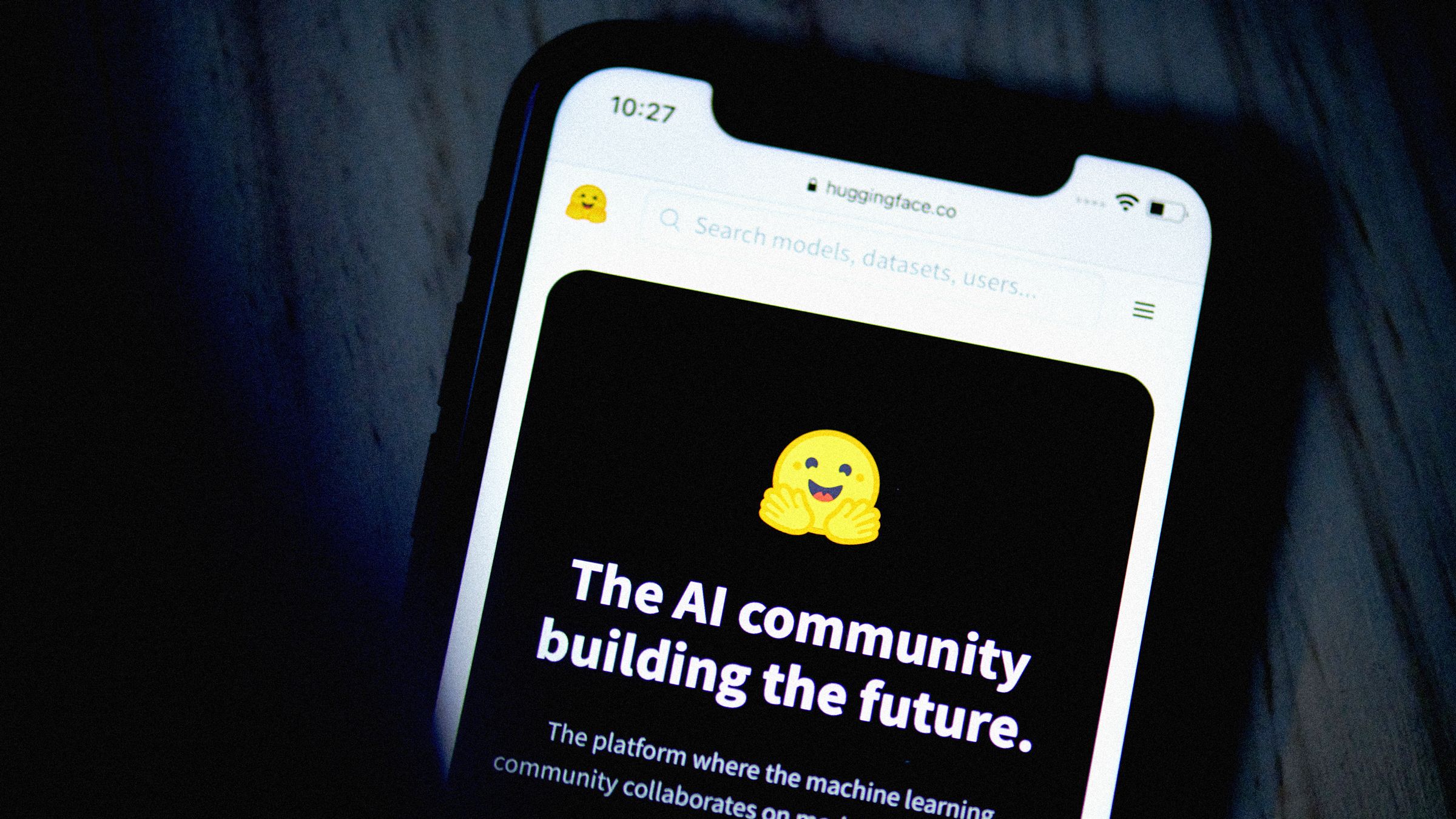
Clément Delangue, CEO of Hugging Face, emphasizes the necessity of open-source principles in robotics for increased trust and transparency. The humanoid robot Reachy 2, developed by Pollen Robotics, showcases promising capabilities but faces challenges in commercialization due to unclear use cases. Delangue and Matthieu Lapeyre advocate for democratizing robotics by open-sourcing hardware and software to accelerate innovation. This shift aims to enable broader contributions to robotic development, enhancing capabilities while maintaining transparency. The growing trend of open weight AI models further complements advancements in robotics, bolstering collaboration within the field.
An Open Source Pioneer Wants to Unleash Open Source AI Robots
Global renewable energy capacity increased by 15.1% in 2024, reaching 4,448 gigawatts, mainly driven by solar energy, which constituted over three-quarters of the new capacity added. However, a growth rate of at least 16.6% per year is necessary to meet the goal of tripling renewable capacity by 2030. Asia led the growth, particularly China, while Central America and the Caribbean contributed only 3.2%. Despite the record growth, current trajectories suggest that the world will not meet its renewable energy targets in alignment with the Paris Agreement.
Renewable energy capacity surged around the world in 2024

Sustainability and climate-related risks are accelerating, creating both challenges and opportunities for banks in emerging and developing economies. GIZ is implementing a demand-driven sustainable finance advisory program tailored to banks in markets like India, Mexico, and Egypt, addressing specific needs and maturity levels in sustainability integration. This approach contrasts with standardized methods, focusing on relevant interventions such as developing green financial products and enhancing climate risk analysis. By building internal capacity, the program aims for long-lasting impacts and improved readiness for regulatory changes, ultimately facilitating the transition to sustainable finance in these regions.
Education, Health, Financial services
Why we must transform technical assistance to accelerate sustainable finance in emerging markets
The Pacific has a significant opportunity to lead globally with a peace declaration emphasizing Women, Peace, and Security (WPS). The “Ocean of Peace” initiative, proposed by Fiji’s Prime Minister, aims to unite Pacific Island Countries (PICs) to tackle regional security threats, including climate change and geopolitical tensions. Amid the backdrop of the 25th anniversary of UNSCR 1325, the initiative seeks to highlight the importance of gender equality and address issues like gender-based violence and women's participation in leadership. However, initial discussions lack sufficient focus on WPS, revealing ongoing challenges in achieving true peace and security for women in the region.
Asia Pacific
WPS must be at the centre of any Ocean of Peace in the Pacific
Ten quantum startups have been awarded for their innovative solutions addressing global sustainability challenges during the World Economic Forum’s Quantum for Sustainability challenge, announced in Riyadh on World Quantum Day. The winners tackle issues like climate change, water scarcity, and healthcare by leveraging quantum technologies. Notable projects include Nomad Atomics developing a quantum gravimeter for monitoring CO₂ storage, Planqc's quantum computing for supply chain optimization, and Algorithmiq's platform for accelerating drug discovery. These advancements highlight the potential of quantum technologies to significantly enhance sustainability efforts worldwide.
Education, ICT
10 quantum startups win the World Economic Forum’s Quantum for Sustainability challenge

66% of European citizens support a stronger EU role in addressing global crises and security threats, according to the Winter 2025 Eurobarometer survey. Notably, support is highest in Sweden (87%) and lowest in Romania (47%). Additionally, 74% believe membership benefits their country, reflecting strong consensus on the need for unity and resources to tackle challenges. The European Parliament is also favored for a more significant role, with 62% of citizens endorsing this view. Key areas of focus include defense, competitiveness, and energy independence, underlining citizens' expectations for enhanced security and economic stability amid growing geopolitical concerns.
Public opinion is clear – citizens want the EU to play a stronger role in protecting them from crises

The global population is expected to reach 10.3 billion by 2100, with 80% in Africa and Asia, presenting both opportunities for economic growth and serious challenges, including poverty and unemployment. The PEOPLE Action Group emphasizes the need for significant investments in education and healthcare to unlock youth potential. Key findings show Sub-Saharan Africa suffers high youth unemployment, with over 30% of out-of-school children globally and over 90% unable to read by age 10. This situation fuels social unrest, migration for low-wage jobs, and rising cybercrime. Governments must enhance education systems and expand vocational training to improve employability and support overall youth well-being.
Nigeria | Financial services, Education, Health
How Can Governments Unlock Youth Potential?
Quantum technology is progressing swiftly, highlighting an urgent demand for a skilled workforce. This study identifies challenges in the availability and distribution of skills within the diverse global quantum technology ecosystem, which impacts sectors like life sciences, finance, and telecommunications. Policy actions are proposed to cultivate a resilient, equitable, and future-ready skills pipeline. Insights from a roundtable discussion with industry experts suggest critical strategies to bridge the skills gap and promote collaboration, highlighting the need for a holistic approach to skills development in the quantum technology field.
ICT, Education
Navigating skills and talent development for quantum technology
Increasing challenges in the digital landscape hinder effective grassroots political organizing, as seen since the early 2000s. While tools like email previously empowered movements, today’s oversaturated inboxes and autocratic surveillance diminish their impact. Activists like Heimans propose developing new organizing tactics and building a progressive media ecosystem. The legacy of Soviet dissidents highlights the importance of a principled approach focused on upholding laws rather than solely opposing authority. Figures like Bishop Mariann Budde exemplify modern dissent, risking personal safety to advocate for marginalized groups amidst a polarizing political climate.
So You Want to Be a Dissident?
The International Energy Agency (IEA) report examines the accelerating development of artificial intelligence (AI) and its implications for the energy sector. AI relies heavily on electricity, which raises questions about its impact on energy consumption and resources. The report provides new global and regional data, projections for AI's electricity consumption over the next decade, and analyses its effects on energy security, emissions, innovation, and affordability. It addresses the need for comprehensive data to support informed policymaking in the intersection of AI and energy.
Energy and AI
The World Meteorological Organization (WMO) reports that 2024 marked unprecedented levels of human-induced climate change, with global temperatures averaging 1.55 °C above the pre-industrial era, the highest in 175 years. Key indicators include record greenhouse gas concentrations, ocean heat, and sea-level rise, with irreversible effects for centuries. Extreme weather events led to the highest displacement numbers in 16 years and exacerbated food crises. The report stresses the need for enhanced early warning systems and climate services to build resilience, urging global leaders to accelerate action on climate initiatives for a sustainable future.
Antarctica
State of the Global Climate 2024 [EN/AR/RU/ZH] - World

Governance is essential for the success of innovation districts, influencing decision-making, resource allocation, and partnership management. As these districts evolve, they must shift from informal to formal collaborations and adapt to technological, economic, and community changes. Case studies from Detroit's Michigan Central and Gratiot Site, Diriyah's Media and Innovation District, and Monterrey's Distritotec highlight the importance of public-private partnerships and community engagement for fostering growth and enhancing social outcomes. Key challenges include aligning interests across stakeholders and measuring the impact on both economic and social fronts.
Financial services, Health, Education, ICT
Innovation districts: What makes them tick, from Detroit to Diriyah

The United States plans to impose tariffs on China's maritime industry, which is expected to increase global shipping costs, disrupt supply chains, and negatively impact various countries. China's Ministry of Foreign Affairs criticized the U.S. for its unilateral and protectionist practices, stating they won't revive the U.S. shipbuilding sector, which has lost competitiveness due to outdated technology and workforce shortages. U.S. President Trump's executive order targets China's shipbuilding policies while disregarding the contributions of China's innovative industry to global trade. In 2022, China accounted for significant shares of global shipbuilding metrics.
US Maritime Tariffs on China to Push Up Global Shipping Costs, Disrupt Supply Chains, Ministry Says