
Electricity demand from AI-driven data centres is projected to exceed 945 terawatt hours (TWh) by 2030, more than doubling current levels. This surge is expected to drive over 20% of global electricity demand growth in advanced economies, particularly in the US, where data centres will account for nearly half of demand growth. The International Energy Agency (IEA) report emphasizes AI's transformative role in the energy sector, potentially enhancing cost efficiency and reducing emissions, while acknowledging risks related to energy security. The IEA plans to establish an observatory to monitor AI's energy needs and impacts.
AI will increase data centre electricity demand and transform energy sector
UK Prime Minister Keir Starmer has emphasized the importance of maintaining strict fiscal rules to ensure economic stability. However, proposed US tariffs present a significant challenge, as estimates suggest they could slow UK economic growth by up to 1% and nearly eliminate the expected budget surplus by 2029-30. This situation pressures the government to either raise taxes or cut public spending, which would further hinder growth. Additionally, the UK's high debt-to-GDP ratio raises concerns among creditors, complicating borrowing and potentially increasing interest rates. High inflation has exacerbated these challenges, making the UK particularly sensitive to fluctuations in bond markets.
United Kingdom | Financial services
US tariffs will squeeze the UK economy. Could the government buy itself some breathing space?
Keir Starmer's psychological profile distinguishes him from previous UK prime ministers, affecting his foreign policy approach amidst challenges like Trump's presidency. While Starmer shares traits like self-confidence and a high need for power with recent leaders, he exhibits significantly higher levels of distrust, leading to a more hawkish and risk-prone decision-making style. Despite this, he demonstrates greater cognitive complexity, allowing for nuanced thinking and adaptability. These traits suggest a proactive leader who may face challenges in establishing collaborative dynamics with Trump, whose low task orientation and high distrust may clash with Starmer’s leadership style.
Why Keir Starmer’s psychological profile is different from other prime ministers – and what it means for his dealings with Donald Trump

Lior Zalmanson, PhD, is a senior lecturer at the Coller School of Management, Tel Aviv University, where he leads AIMLAB, focused on AI's impact on management and labor dynamics. His research highlights AI's transformative effects on managerial roles, emphasizing that management practices are increasingly vulnerable to algorithmic automation. Zalmanson's work illustrates how companies may implement AI for efficiency, resulting in changes to organizational structures, particularly reducing the role of middle management. He discusses the paradox of freedom and control for workers managed by algorithms, which complicates authority and impacts workplace dynamics.
Interview Of The Week: Lior Zalmanson, Future Of Work Expert
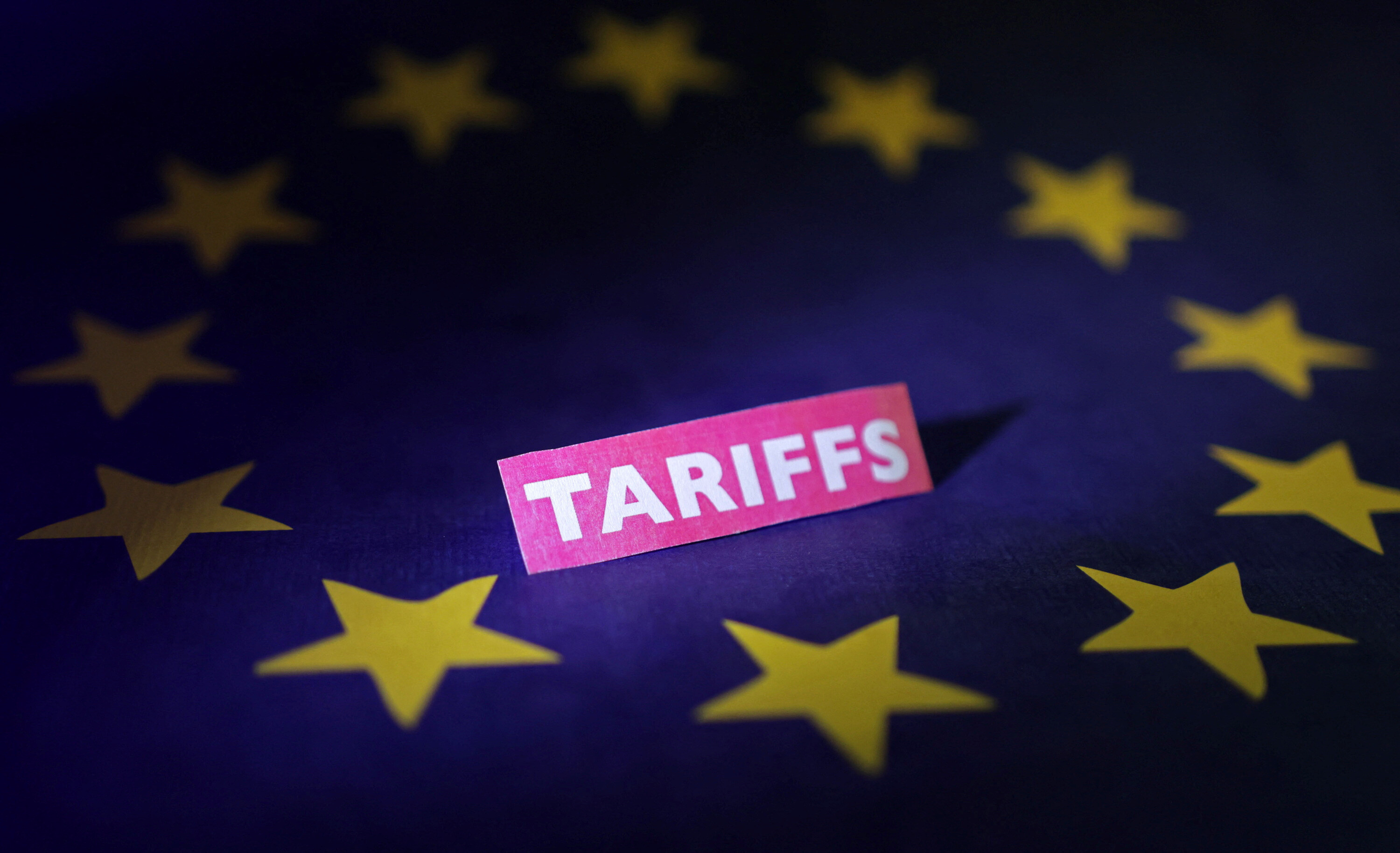
The European Union is countering US tariffs through a combination of countermeasures and negotiations. Although faced with significant tariffs on its goods, including steel and aluminum, the EU seeks to balance retaliation with diplomacy. It leverages a capable trade bureaucracy to respond swiftly and effectively. Recent countermeasures target a wide array of American products but aim to minimize destructive trade fallout. As the EU navigates this tariff landscape, it may also look to enhance trade relations with China, while maintaining a long-term strategy in the context of ongoing economic challenges.
Belgium, Germany, United Kingdom | Financial services
Europe just might be ‘uniquely well positioned’ to manage a tariff war
Internet shutdowns in Myanmar following a 7.7 magnitude earthquake have severely hampered disaster response efforts, hindering communication and aid delivery to affected communities. With 3,500 confirmed casualties, many remain unaccounted for due to restricted access to information. The military junta's control over communications has left large areas without internet, impacting coordination among humanitarian organizations. Calls from 120 global groups urge the junta to lift these shutdowns. While technology like Starlink offers some connectivity, it remains largely inaccessible to most citizens. Additionally, military-led attacks on affected regions further complicate aid efforts.
In Myanmar, internet shutdowns hinder earthquake aid response

On April 2, China launched its first green sovereign bonds on the London Stock Exchange, raising RMB 6 billion (US$824 million) for environmental projects including clean transportation and marine conservation. This issuance marks China's entry into the green bond market, joining over 50 jurisdictions globally. Experts view this as a significant opportunity to attract international investment and enhance climate collaboration with the UK and EU. The bonds drew strong demand, with bids exceeding available bonds by 6.9 times, and are intended to support China’s climate adaptation initiatives, focusing on ecological conservation rather than renewable energy projects.
Financial services
China releases its first green sovereign bonds in London
Asia and the Pacific are positioned to benefit from increasing demand for critical minerals essential for clean energy technologies. To support sustainable economic growth and strengthen supply chains, the region should implement effective policies and strategies. Key challenges include limited infrastructure and value addition, with the sector largely controlled by a few major players. The report emphasizes the need for improved recycling and enhanced regional cooperation to create resilient supply chains.
Asia Pacific
Advancing Resilient and Sustainable Development of Critical Minerals in Asia and the Pacific
This publication provides insights into enhancing supply chain resilience and promoting decarbonization among small and medium-sized enterprises (SMEs) in Malaysia. It outlines methods for businesses to assess and manage their greenhouse gas emissions to foster low-carbon competitiveness in export markets. The document discusses scalable tools, training, and financing strategies, leveraging collective intelligence from various stakeholders and lessons from Malaysia's Greening Value Chain Program. Key sections include recommendations for implementation and stakeholder perspectives, offering valuable lessons for other developing economies.
Malaysia
Building Supply Chain Resilience: Insights Into Greening Value Chains for ASEAN—A Collective Intelligence Playbook
The coalition agreement unveiled by CDU, CSU, and SPD on April 9, 2025, includes critical measures aimed at enhancing Germany's innovative capacity and competitiveness. Holger Hanselka, President of the Fraunhofer-Gesellschaft, highlights the creation of a dedicated ministry for research, technology, and space as a pivotal step for coherent national innovation policy. He supports proposed legislation such as the Innovation Freedom Act, emphasizing the need to remove bureaucratic barriers and align funding with the needs of SMEs, especially in AI. The plans for energy policy also prioritize climate goals alongside competitiveness, calling for a collaborative approach between research and industry to realize the agreement's objectives.
Germany | Education
Statement by Professor Holger Hanselka on the Coalition Agreement
Artificial intelligence can now identify complex quantum phases in materials in minutes, significantly accelerating research into quantum materials, particularly low-dimensional superconductors. Researchers from Emory University and Yale University developed a machine-learning framework that utilizes high-throughput simulations combined with limited experimental data, enabling recognition of quantum phases from minimal information. This advancement addresses challenges in understanding materials with unpredictable behaviors and could transform the exploration of superconductivity and other quantum phenomena.
AI tool set to speed quest for advanced superconductors
African policymakers face significant challenges due to limited and outdated data, impacting the effectiveness of economic policy. To address these issues, ACET and UNU-WIDER are collaborating to explore the generation of synthetic data using artificial intelligence and machine learning techniques. This initiative aims to enhance tax-benefit simulation models, allowing for timely analyses of fiscal policy impacts in African countries. By generating customized datasets that mirror real-world data without personal information, synthetic data could improve policymaking responsiveness and help fill the data gaps that hinder effective decision-making.
Africa
Synthetic Data – Another Tool for Economic Policymaking in Africa

Frontier technologies, especially artificial intelligence (AI), are transforming economies and societies by reshaping production processes and labor markets. The UNCTAD Report examines whether AI will aid in achieving Sustainable Development Goals or deepen existing inequalities. It stresses the need for developing countries to harness AI for sustainable development and advocates for AI policies prioritizing inclusion and equity. Key themes include leveraging AI for productivity, preparing for its opportunities, designing national policies, and fostering global collaboration for inclusive AI governance. Emphasis is placed on ensuring AI complements human workers and that benefits are equitably shared.
ICT, Education
2025 Technology and innovation report

Biochar-based carbon dioxide removal (CDR) is poised to transform the global carbon market amid rising demand for reliable carbon credits. With the global carbon market projected to grow from $723 million in 2024 to $10-40 billion by 2030, offtake agreements are facilitating this transition by providing stable, multi-year contracts for future carbon credits. This structure mirrors the power purchase agreements that catalyzed renewable energy growth. Currently, biochar accounts for 86% of CDR purchases, positioning it as a leading technology for investment and scalability. As early adopters secure supply through offtakes, they gain competitive advantages in the rapidly evolving market.
The new renewable revolution: Why carbon dioxide removal will transform the carbon market
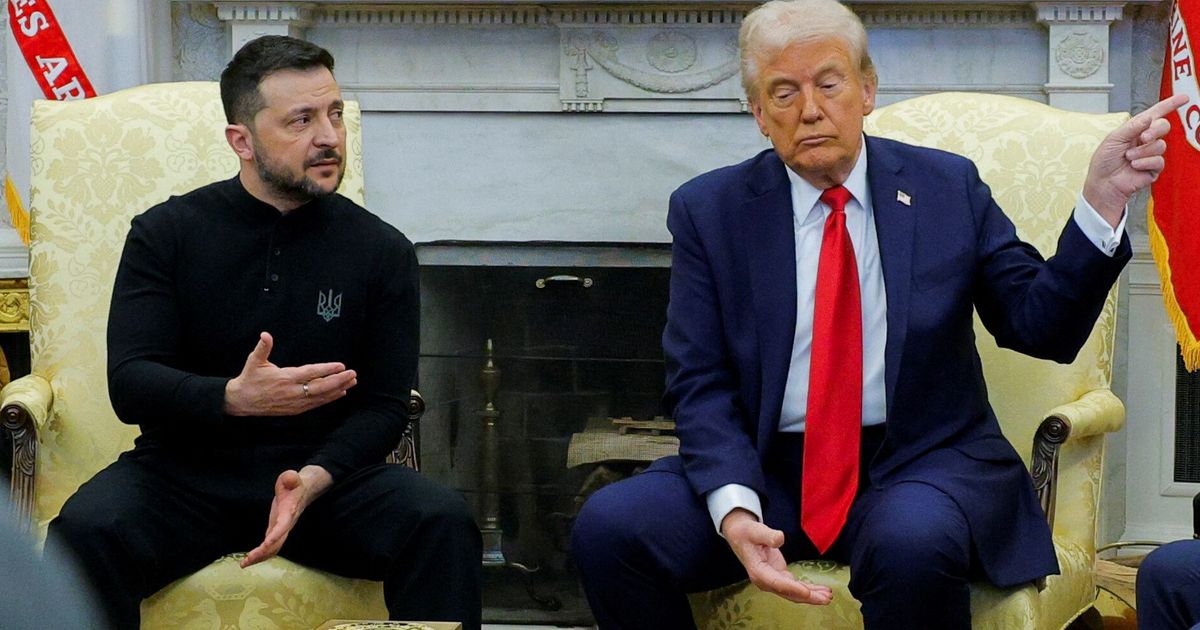
Ukraine has maintained its resistance against Russia's aggression, leading to a military and diplomatic stalemate. Recent shifts in U.S. policy under President Trump threaten this balance, as he aligns with Russia, abandoning the principle of “Nothing about Ukraine without Ukraine.” The U.S. is pressuring Ukraine to concede to Russian demands and contemplating a withdrawal of military support, exacerbating Ukraine's vulnerability. This shift could usher in disastrous consequences for Ukraine and Europe. Effective European action, particularly from Germany, is crucial to counter these developments and uphold support for Ukraine.
Europe and Eurasia
‘Everything about Ukraine without Ukraine’

CEOs must prioritize revenue growth amid geopolitical shifts, technological advancements, and market volatility. Despite expressing a growth mindset, many struggle to translate intentions into action, with only 30% allocating resources for new initiatives during uncertainty. Successful leaders adopt five key strategies: prioritize growth above all, seize first-mover advantages, leverage agile talent deployment, integrate AI across operations for competitive edge, and invest in breakout businesses. These actions enhance long-term resilience and enable companies to capitalize on opportunities during turbulent times.
ICT
CEOs: 5 actions to help navigate the ‘Grow or Go’ mandate

The publication "Understanding China's economy into 2025" from CMG outlines China's evolved development strategy, reform priorities, and short-term macroeconomic management amidst a slow post-Covid recovery and Donald Trump's return to the presidency. Key reforms from the CCP’s "Third Plenary" meeting emphasize accelerating openness to non-US nations and enhancing the integration of technology and industry. Short-term macroeconomic tactics include significant monetary easing to address growth challenges, coupled with a focus on long-term structural reforms. The report also assesses European businesses' strategic responses to these developments in the Chinese market.
Understanding China's economy into 2025: Publication & read-out webinar #pub
Great powers have historically competed in Asia, similar to the 19th-century European balance of power. This series of articles explores great power dynamics across East, Central and North, South, Southeast, and West Asia. Historical texts from the medieval era identified major powers, such as the Tang Empire and the Abbasid Caliphate, underscoring the interplay between civilizations like China, India, and Middle Eastern empires. The enduring significance of geography, demographics, and resources underscores the attributes of great powers, which include modern-day nations like China, India, Russia, and others. Prominent trade cities throughout history have also played crucial roles in fostering economic interactions.
Australia, Malaysia, Oman, Philippines, Republic of Korea, Singapore, Thailand, United Arab Emirates, United Kingdom
The Historical Great Powers of Asia: Introduction
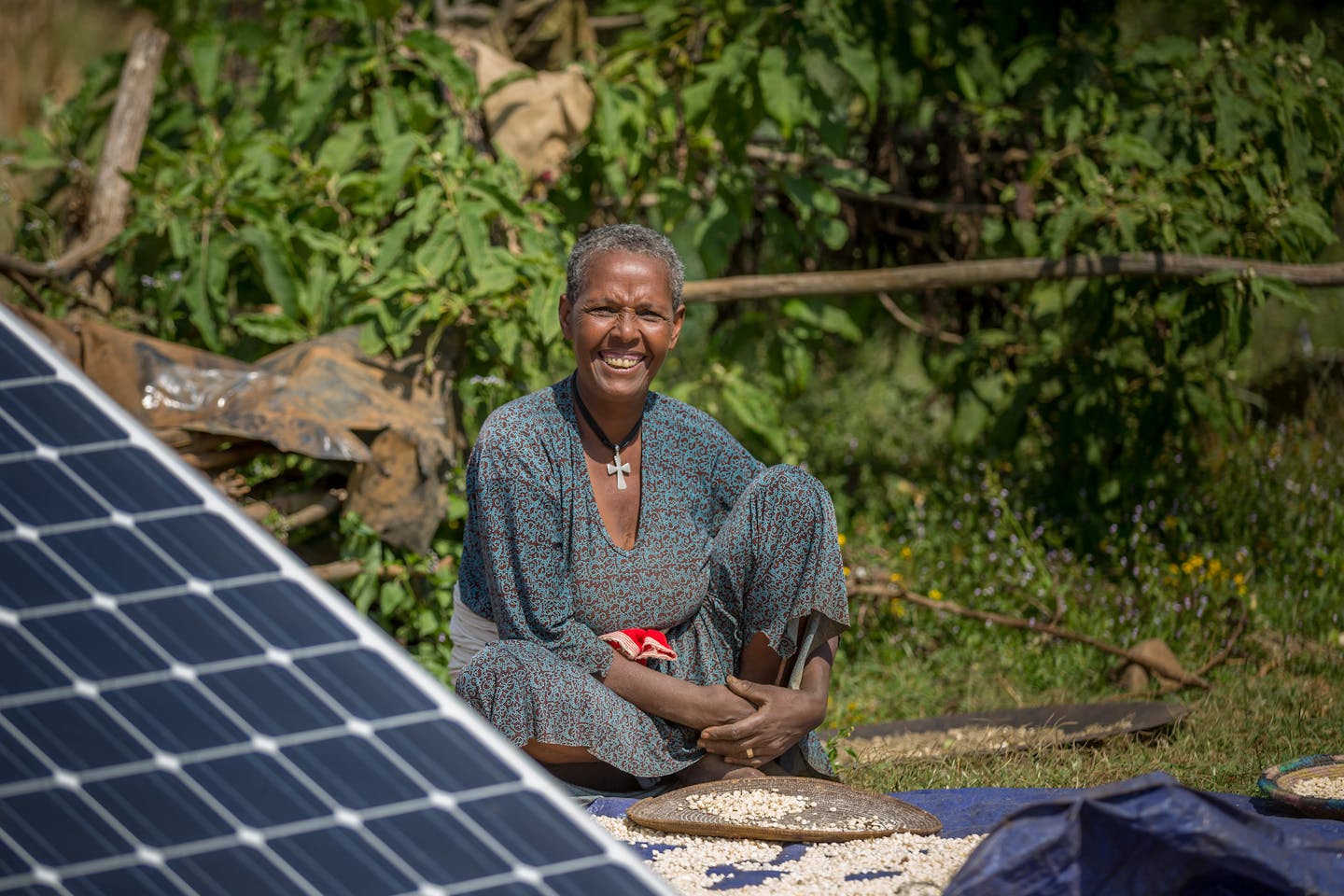
Chinese financing in Africa has evolved significantly over the past two decades. Initially focused on state-owned policy banks for infrastructure and energy projects, the landscape shifted around 2015 towards diversified and sustainable investment models, with increased participation from state-owned commercial banks and private enterprises. From 2000 to 2021, loans from commercial entities surged to approximately $75 billion, while traditional policy bank contributions declined due to economic and regulatory challenges. This trend reflects a global move towards market-driven financing, requiring Africa to adapt to a more commercially reliant energy financing environment.
South Africa | Financial services
Power plays: China’s changing energy financing in Africa
Poland assumed the rotating presidency of the Council of the EU for the second time in January, nearly 21 years after joining in 2004. Its EU membership has significantly transformed its economy, with GDP per capita growing about 40% and unemployment decreasing from 19% to around 5%. However, Poland's political landscape faces tension due to judicial reforms and civil liberties debates, particularly around LGBTQ rights. Public support for EU membership remains high, often exceeding 70%, despite some concerns over autonomy. The country continues to play a crucial role in shaping EU policies and responding to regional challenges, particularly migration.
Belarus, Belgium, Croatia, Czech Republic, Hungary, Lithuania, Poland, Slovakia
Two decades on – Poland’s evolving role in the EU