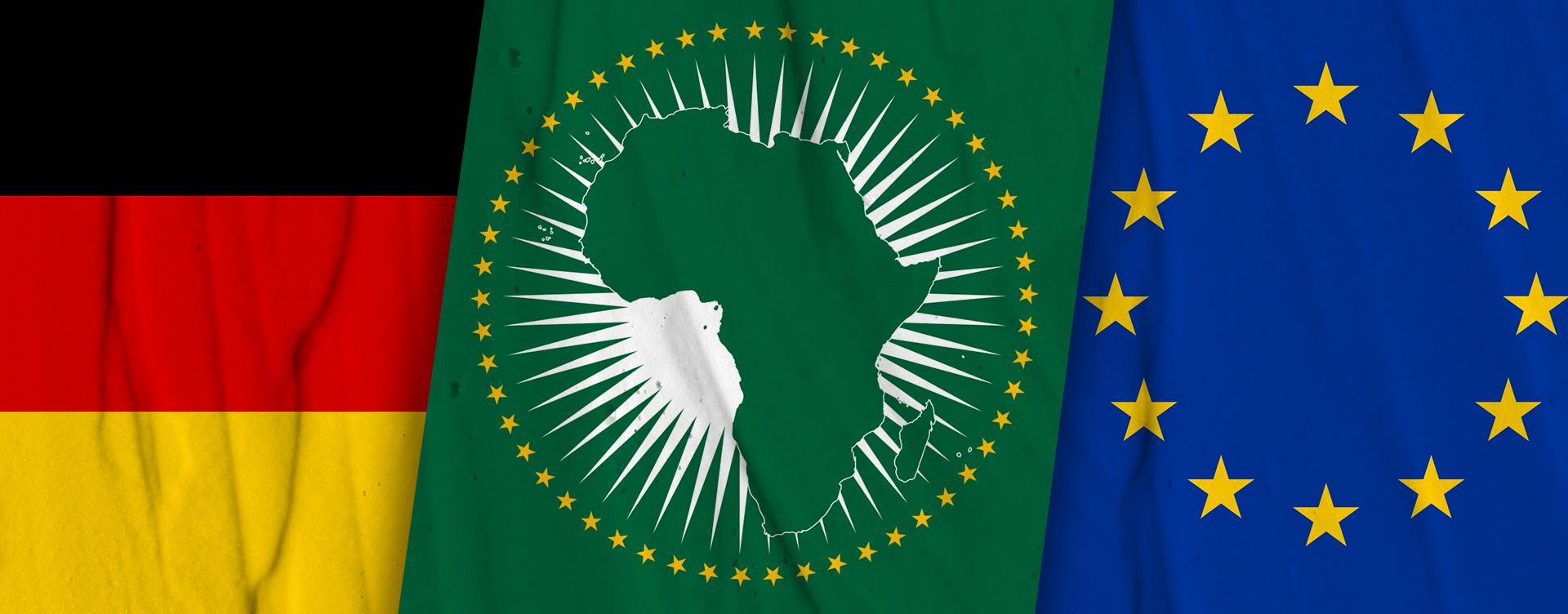
Germany has an opportunity to reshape EU-Africa relations by advocating for fair trade, fostering youth-driven growth, and recognizing Africa's emerging role in a multipolar global order. The new German administration is positioned to lead EU-Africa policy amidst global shifts, aiming to address challenges such as climate change and economic stability while supporting African initiatives like the African Continental Free Trade Area (AfCFTA). Key focuses include enhancing trade, promoting sustainable development, and reforming global governance for better African representation. Germany seeks to strengthen economic ties to facilitate Africa’s economic ascent and regional integration.
Afghanistan, Belgium, Benin, Burkina Faso, Burundi, Cameroon, Democratic Republic of the Congo, Djibouti, Ethiopia, France, Germany, Ghana, Kenya, Liberia, Mozambique, Namibia, Niger, Rwanda, Senegal, South Africa, Tanzania, Togo, Tunisia, Uganda, United Kingdom, Zambia, Zimbabwe
Redefining power: Germany, Africa and the EU
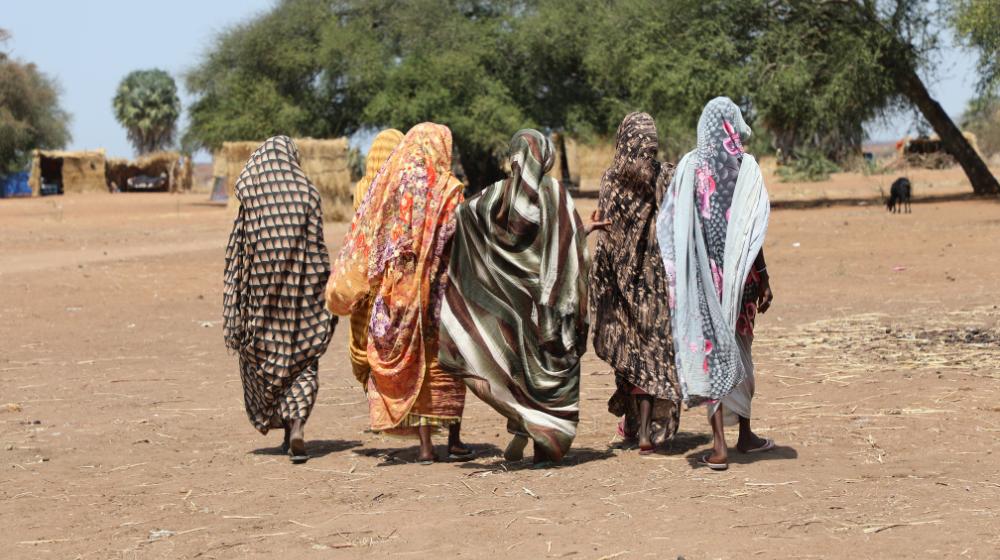
Mary Kak, a 55-year-old refugee, returned to South Sudan after fleeing fighting in Sudan, facing ongoing threats of violence. Many women like her contend with unemployment and the risk of sexual violence, exacerbated by climate shocks. The UNFPA’s safe spaces offer counseling and skills training, enabling women to start businesses and share experiences. Since opening in 2024, about 4,000 women have benefited, but funding cuts will soon close at least two safe spaces, threatening essential services. UNFPA urgently requires $8.8 million to sustain its efforts in empowering women and safeguarding their rights amid ongoing crises.
Women at the crossroads: Fleeing war in Sudan for an uncertain future in South Sudan

Stewardship of AI should prioritize benefits for those in need while addressing its energy demands responsibly, such as developing small modular nuclear reactors to ensure accessible energy. The concept of "integral ecology," as highlighted by Pope Francis, emphasizes interconnectedness in tackling social, political, and environmental challenges. A shift from profit-driven AI models to governance as a common-pool resource is necessary, promoting sustainability and long-term community benefits. There is an urgent need to critically engage with AI's societal impact, much like ongoing discussions about social media's role and both its perils and potentials.
We Must Steward, Not Subjugate Nor Worship AI

Malaysia's Ecological Fiscal Transfer (EFT) program, initiated in 2019 to incentivize state governments in biodiversity conservation, has disbursed RM800 million (US$178.9 million). While the scheme has evolved positively, experts, including WWF-Malaysia officials, argue for its improvement. Key recommendations include adjusting funding criteria to account for the quality of conservation rather than just land size, making EFT allocations permanent, and establishing a legal framework to ensure consistent federal budget allocations. Additionally, expanding the scope to include Other Effective Area-based Conservation Measures is suggested to enhance ecological protection.
Financial services
Ways to improve Malaysia’s ecological fiscal transfers

Microplastics, particles under five millimeters, account for over 90% of ocean plastic and stem from sources like cosmetic microbeads and larger plastic degradation. They hinder plant photosynthesis, potentially resulting in significant crop yield declines and challenging food security. Microplastics also infiltrate the food chain, affecting numerous species and increasing human ingestion rates. Additionally, they contribute to antimicrobial resistance and may disrupt brain function, evidenced by impairments in mice and seabirds. Efforts to remove aquatic plastics could significantly reduce human exposure.
4 things you didn’t know about microplastics pollution
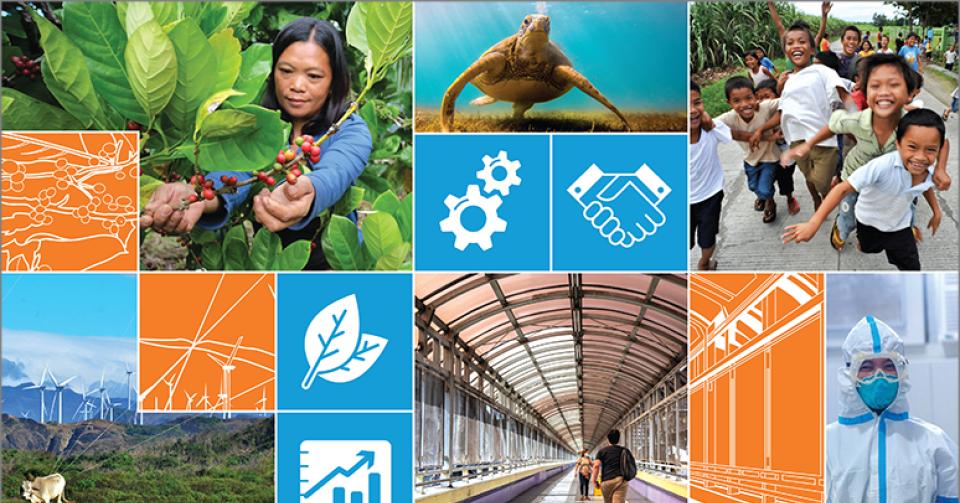
The report evaluates the robust public-private partnership (PPP) ecosystems in the Philippines while identifying challenges such as foreign investment restrictions, procurement roadblocks, and regulatory issues. It highlights the government's progress in enhancing the PPP environment through a new PPP Code adopted in 2024 and outlines a strategic action plan to boost investment across 12 sectors, aiming to address infrastructure gaps and promote inclusive growth and sustainable development.
Panama, Philippines, Portugal, Republic of Korea, Thailand
Public–Private Partnership Monitor: Philippines (2025)
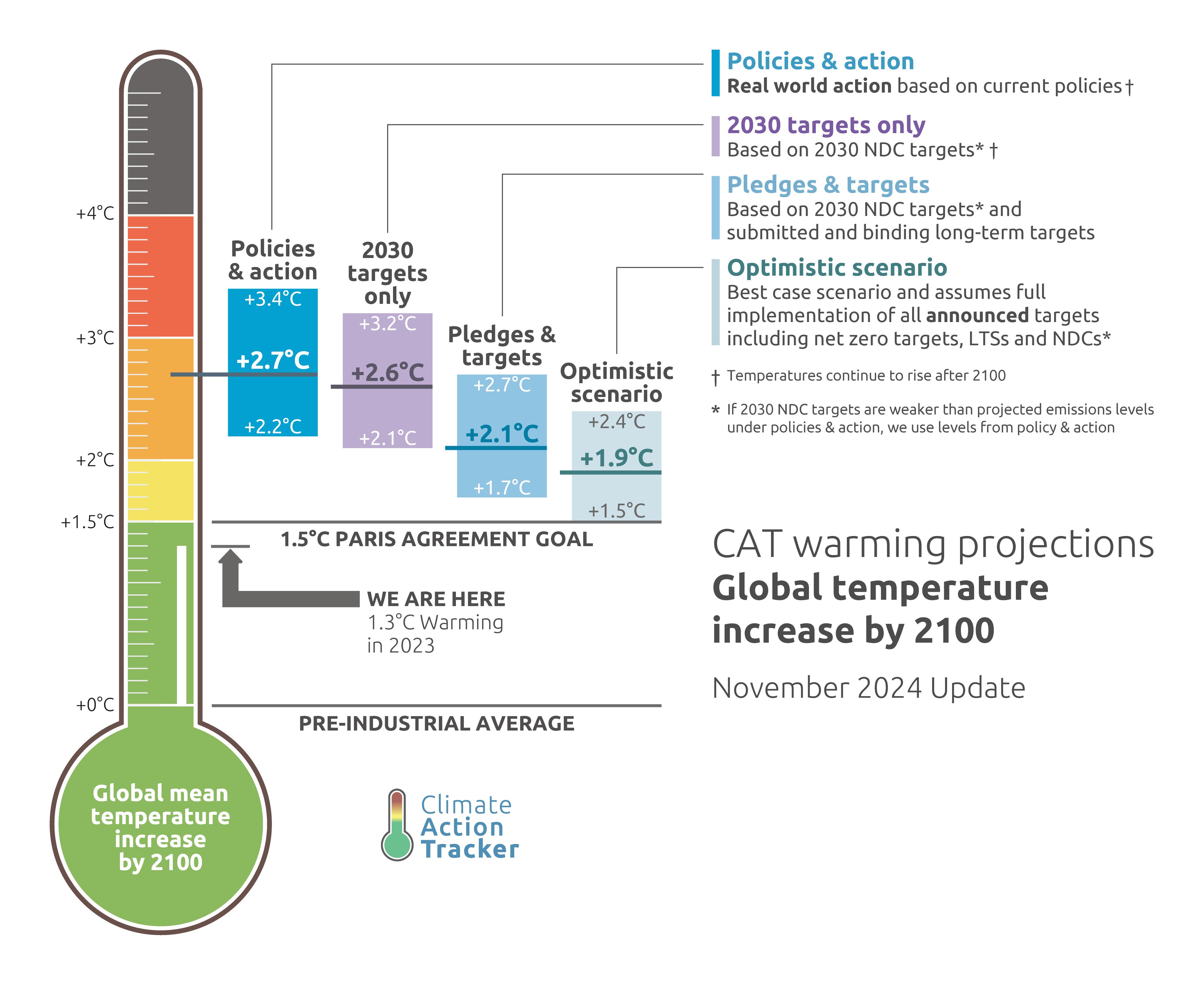
The climate crisis poses a significant threat to the global financial system, according to Allianz's Günther Thallinger, who warns that rising extreme weather events could render some risks uninsurable, leading to economic instability. Since 2000, costs from climate-related damages have nearly tripled, and insurers may soon be unable to provide coverage as temperatures rise. Additionally, the EU has postponed sustainability reporting regulations for smaller businesses until 2027 due to negotiations. In Southeast Asia, climate change has surpassed unemployment as the primary concern for 55.3% of the population, signaling a shift in regional priorities.
Denmark, Philippines, United Kingdom | Education, ICT, Health, Financial services
Climate crisis threatens global financial system, and other nature and climate stories you need to read this week
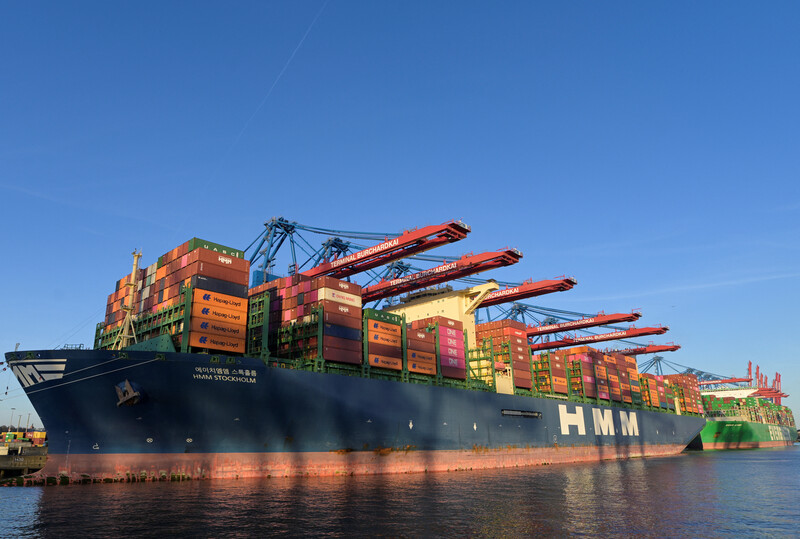
Carbon pricing is essential for decarbonizing the shipping industry, aiming for net-zero emissions by 2050. It incentivizes energy-efficient practices among ship owners and fosters innovation in cleaner fuel production. Revenue generated from carbon pricing can be reinvested into clean technologies, green port infrastructure, and support for climate-vulnerable communities. Effective management of these funds is crucial for the shipping sector's resilience and profitability. A legally binding economic mechanism, combined with strategic revenue disbursement, can enhance the industry's sustainability and credibility, while aligning with global climate goals and fostering partnerships for development.
How carbon pricing can chart a path to net zero shipping

Afghan women face severe oppression and exclusion from society, adversely affecting the nation's overall stability. Since the Taliban's return in 2021, women have been stripped of fundamental rights, including education and employment, leading to nearly 2.2 million out-of-school girls. Policies of gender apartheid deny women participation in public life and restrict their movement. This systematic marginalization risks creating a lost generation, exacerbating poverty and gender-based violence. Strategies like leveraging technology for education, enforcing diplomatic conditions prioritizing women's rights, and funding women-led initiatives are crucial for empowering Afghan women and ensuring long-term national stability.
Africa | Education, Health
Empowering Afghan women and children as leaders of change

Rising tariffs are impacting global supply chains, pricing, and consumer markets, as analyzed by Senthil Veeraraghavan, a Wharton professor. The conversation highlights both immediate and long-term effects of tariff increases on economic dynamics.
The New Tariff Era: Global Supply Chains Under Pressure

Shared digital infrastructure (SDI) is crucial for closing Africa's digital gap, where the continent has only 1% of global data center capacity despite housing 18% of the population. SDI fosters collaboration, reducing costs and enhancing capabilities for emerging economies to access AI, fintech, and public services. Successful initiatives, like Uganda's Buheesi village project, demonstrate tangible benefits by integrating electricity and internet access. The article calls for a supportive policy environment, investment incentives, and strategic planning to develop regional data centers and sustainable energy solutions, thus facilitating economic growth and sovereignty over digital resources in Africa.
Africa | Financial services, Education, ICT
How shared digital infrastructure can bridge the gap in Africa
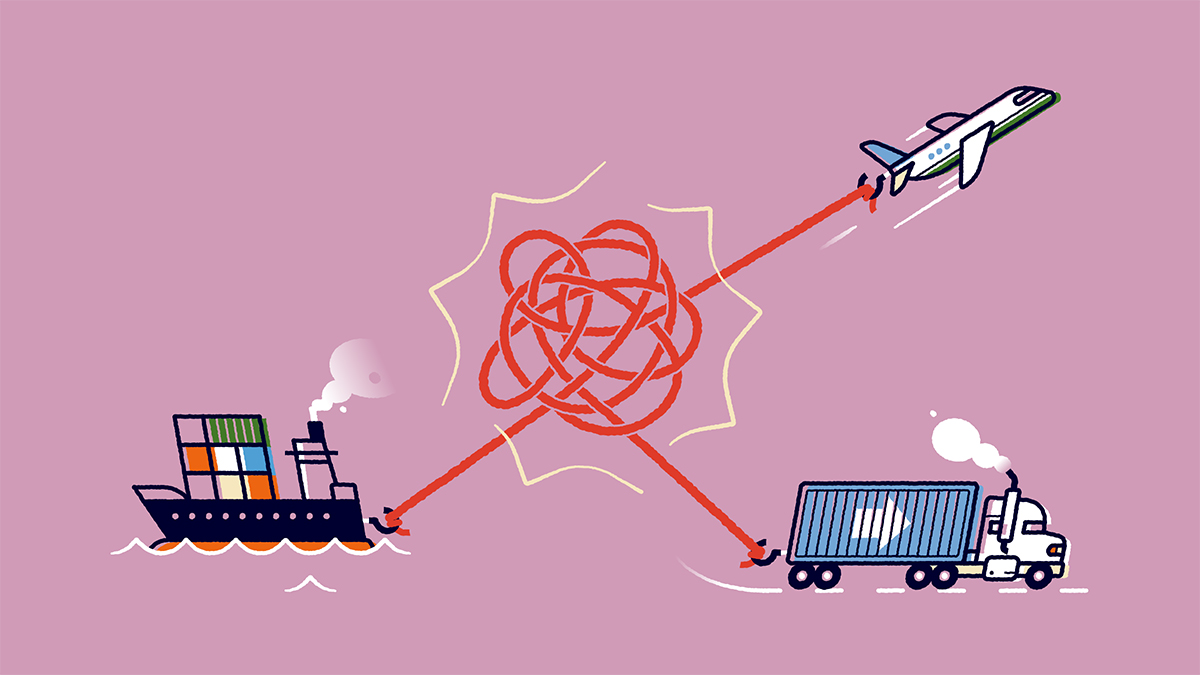
The unpredictability caused by President Trump’s tariff war has severely disrupted business planning. To adapt, managers should assess their challenges and take proactive steps, including ensuring preparedness with country-of-origin documentation, evaluating manufacturing locations, and reconsidering trading blocs. The comparison of capitalism to organized sports highlights the necessity for businesses to operate within stable rules to function effectively.
The Tariff Wars Just Upended Your Supply Chain. Here’s How to Adapt.
Commodity price booms, triggered by events like the Ukraine war, can significantly disrupt trade balances and inflate prices, particularly impacting importing nations. While oil-exporting countries benefit from increased revenues, democratic nations are more prone to ramp up production, leading to heightened pollution due to political pressures. A study reveals that during price surges, air pollution rises more in democracies compared to autocracies. As developing regions rely on extractive activities for growth, advanced economies must take responsibility for emissions and provide support to balance economic and environmental goals.
United Kingdom | Financial services
How windfalls from commodity price booms come back to bite exporters

AI is fundamentally changing organizational operations, necessitating a new leadership role: the chief innovation and transformation officer. Current CIOs often lack the authority and bandwidth to address the cultural and organizational changes crucial for successful AI integration. Most organizations still view AI adoption as a technical challenge, neglecting the need for reskilling and emotional intelligence among employees. Despite a recognition of the importance of transformation, fewer leaders prioritize cultural change, leading to significant operational focus. Neglecting strategic and human factors can result in costly failures, as seen in Zillow's $300 million loss over AI implementation.
Education
Why AI Demands a New Breed of Leaders

Cyberspace has become a contested arena for influence among nation-states, particularly between China and the West, shaped by geopolitical tensions and cybercrime. Historical precedents show that pragmatic cooperation, even amidst rivalry, is possible. Examples include U.S.-Cuban collaboration against hijackings and U.S.-USSR efforts on drug trafficking. Today, financial cybercrime, especially in Southeast Asia, poses a severe challenge, potentially costing the global economy $3 trillion. Urgent cooperation is needed to tackle sophisticated cybercrime networks that exploit technology, causing significant losses and human trafficking issues.
Financial services, Education, ICT, Health
Is there a way for China and the West to cooperate in cyberspace?

Artificial intelligence (AI) is transforming the creation and operation of startups, marking a shift towards AI-native companies that build their core products on AI technologies. These startups achieve faster market entry and greater efficiency with smaller teams, challenging traditional employment paradigms. As a result, they are altering venture capital dynamics by enabling founders to bootstrap longer and demand better investment terms. However, access to top AI talent remains concentrated in major hubs like San Francisco, posing challenges for emerging markets. Effective regional policies and data access can enhance competitiveness in nurturing AI-driven innovation.
ICT, Education
How AI is fundamentally changing the operational needs of startups
The emergence of a seabed mining industry poses significant implications for critical mineral supply chains, particularly in diversifying sources away from China, and influences the revenues of developing nations with existing terrestrial mining operations. A comprehensive analysis, including literature review, expert interviews, and economic modeling, indicates that seabed mining could boost supply for essential minerals in energy transition and defense technologies. However, it also presents challenges in terms of environmental regulations, security concerns, and international cooperation. Recommendations for U.S. policy to address these factors are provided.
The Potential Impact of Seabed Mining on Critical Mineral Supply Chains and Global Geopolitics
AI technologies such as natural language processing, machine learning, and predictive analytics enhance collective intelligence methods like citizen science and crowdsourcing to support Sustainable Development Goals (SDGs). These technologies improve data processing efficiency, enabling quicker decision-making and resource allocation during crises. For instance, Dataminr's First Alert system utilizes AI to analyze large volumes of unstructured data, providing early warnings for emergency events, which helps manage risks more effectively.
How is AI augmenting collective intelligence for the SDGs?
Governments globally are enacting data localization laws that require local storage of user data, often justified by concerns over privacy and security. However, these laws can worsen conditions in regions with weak legal frameworks, negatively impacting human rights and internet freedom. Research from Freedom House indicates a correlation between data localization policies and a decline in digital rights, highlighting the urgent need for transparent and accountable measures to protect human rights in the context of cross-border data flows.
Financial services, ICT
Data Localization: A Global Threat to Human Rights Online
Artificial intelligence (AI) has the potential to enhance public services, yet its application in government remains scarce. AI tools, like chatbots and automated reporting systems, could streamline access to benefits and address issues such as potholes. Scholarly advancements often fail to translate into practical policies, limiting real-world impact. The development of Street.AI, an app allowing citizens to report local issues via photos, exemplifies how AI can facilitate community engagement. Additionally, AI can optimize complex decision-making, such as selecting housing locations, offering more effective solutions for government planning.
Why more AI researchers should collaborate with governments