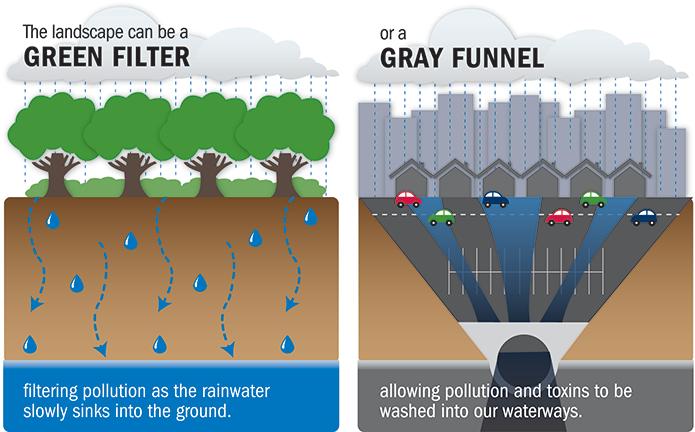
Runoff pollution occurs when rainwater transports pollutants from roads, farms, and industrial areas into waterways, compromising ecosystems and human health. Solutions include effective land management, reduced chemical usage, improved urban planning with green infrastructure, and enhanced waste disposal practices. Innovations such as IoT water quality monitoring, natural farming microparticles, and industrial wastewater recycling technologies are being developed to address this issue. Restoration of wetlands is also vital, as they filter pollutants and support biodiversity. Addressing runoff pollution is essential for maintaining water quality and the health of aquatic life.
What is runoff pollution – and what can we do about it?
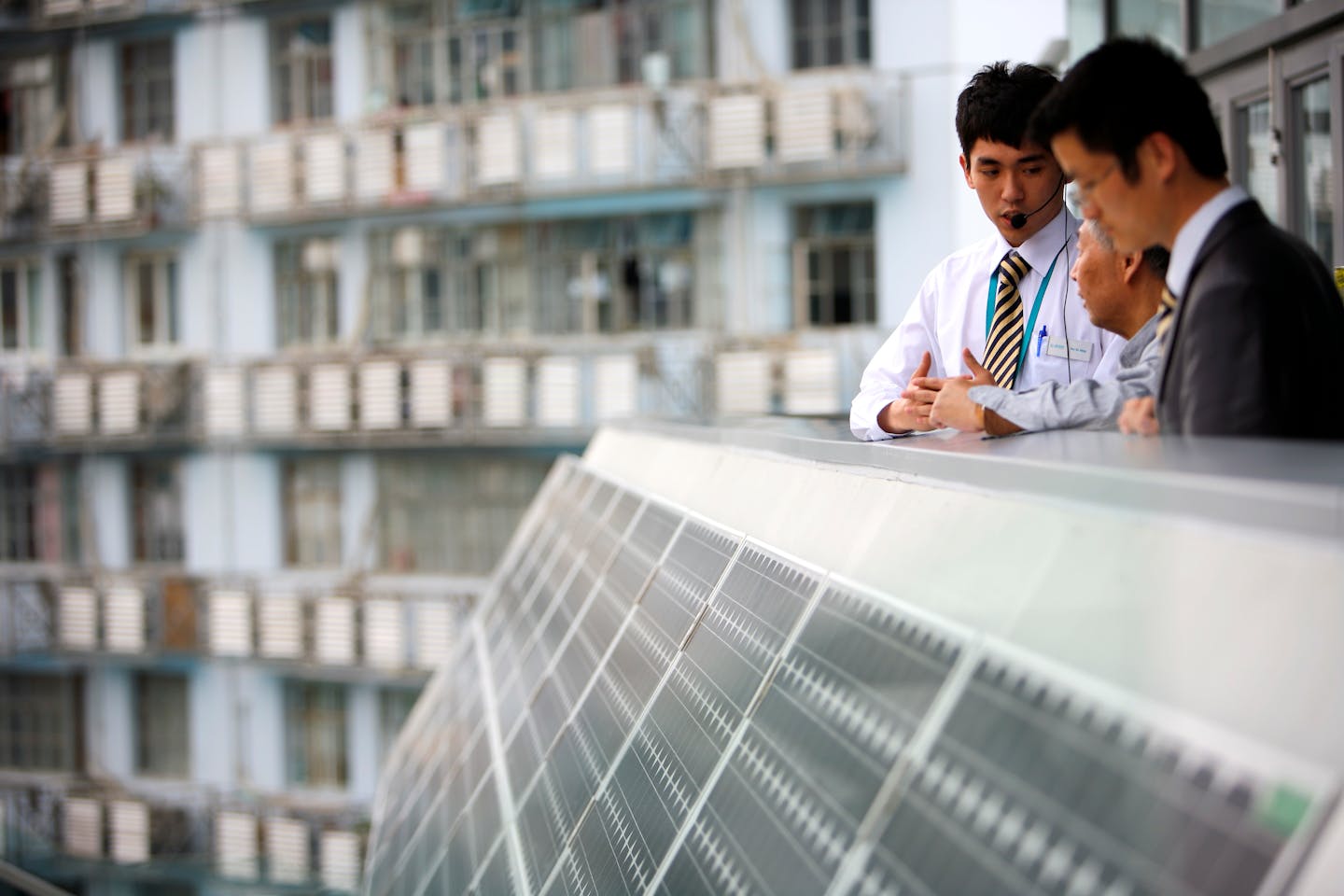
In 2024, CO2 emissions from the power sector reached an all-time high of 14.6 billion tonnes, a 1.6% increase due to a 4% rise in global electricity demand, primarily driven by coal and gas generation. Despite this, clean energy generation surged by a record 927 TWh, with low-carbon sources providing 40.9% of the world's electricity. Solar power led this growth, adding 474 TWh and preventing an estimated 1,658 MtCO2 emissions. Non-OECD countries, particularly China, accounted for a significant share of solar generation, underscoring the rapid decline in solar costs and its pivotal role in the energy transition.
Power-sector CO2 hits ‘all-time high’ in 2024 despite record growth for clean energy

Business schools are facing a pivotal challenge as they continue to operate under outdated paradigms, inadequately addressing contemporary issues such as climate change, wealth inequality, and technological advancements. Current curricula often include only isolated electives while still promoting obsolete ideas like shareholder supremacy and unlimited economic growth. To effectively prepare future leaders, it is essential to fundamentally redefine educational approaches, integrating a more holistic understanding of capitalism, the purpose of firms, and the broader societal impacts of business practices. Furthermore, innovative teaching methods, such as collaborative learning and real-world applications, should replace traditional pedagogies, fostering a more engaged and socially-conscious student body.
Financial services, Education
What’s holding business schools back?

The Methane Abatement Partnership Roadmap, announced at COP29, aims for a 30% reduction in global methane emissions from fossil fuel trading countries by 2030. This initiative follows the Oil and Gas Methane Partnership 2.0 to enhance transparency in emissions reporting. Concerns have risen due to actions by President Trump, including repealing methane fees and supporting increased fossil fuel production, potentially leading to a rise in emissions. Methane, a potent greenhouse gas, contributes significantly to global warming. The roadmap emphasizes the need for robust monitoring and collaboration between fossil fuel importers and exporters to achieve its goals.
A 'mosaic' of abatement strategies needed to cut global methane emissions amid US backtrack

Growth in Asia and the Pacific is expected to moderate slightly in 2025 and 2026 due to weak consumption in China, despite strong domestic demand in South Asia. Developing Asia's economy is projected to grow by 4.9% in 2025 and 4.7% in 2026, with inflation moderating to 2.3% and 2.2%, respectively. Strong exports and investment are mitigating the impact of lower consumption in China, but rising trade uncertainty and tariffs pose significant challenges to economic stability in the region.
ASEAN, Asia Pacific
Asian Development Outlook (ADO) April 2025
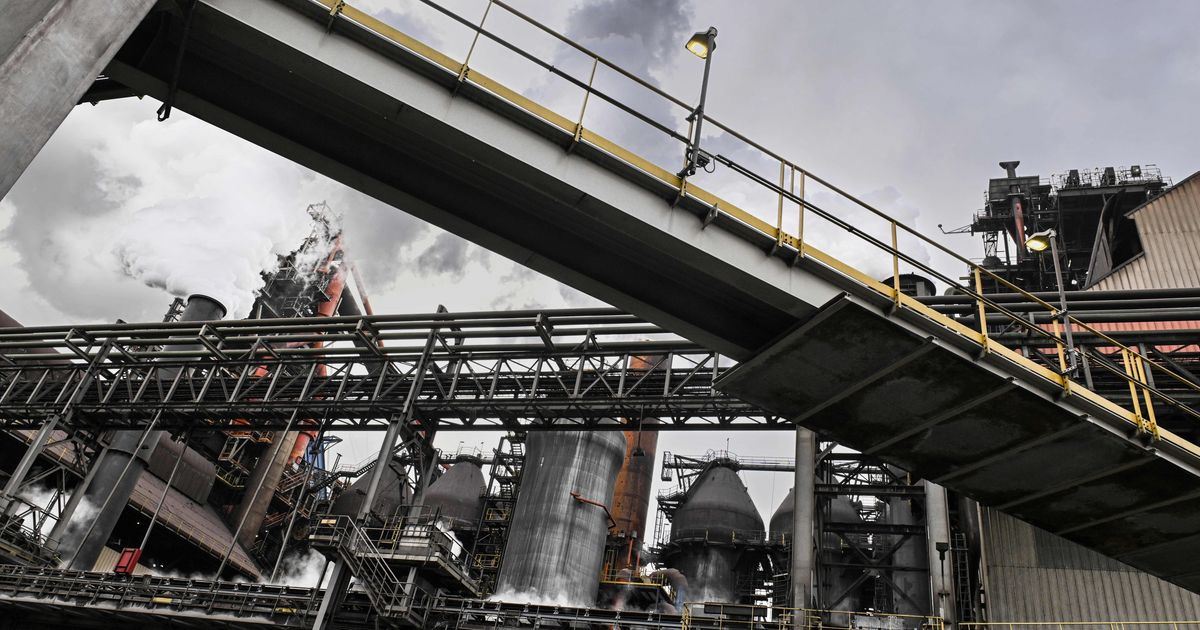
Permanent carbon dioxide removal (CDR) is increasingly recognized as essential for achieving net-zero greenhouse gas emissions, particularly in the EU and Germany. While long-term strategies are developing, immediate action is necessary to scale industrial CDR technologies. Some countries have initiated short-term measures to boost investment in CDR, yet there remains insufficient attention to integrating industrial CDR into existing climate policies. Notably, the EU aims to enhance CDR as part of its 2050 emissions target, while Germany is setting intermediate CDR targets for 2035, 2040, and 2045. Without robust short-term strategies, the scaling of industrial CDR could face significant political hurdles.
Financial services
Scaling Industrial Carbon Dioxide Removal: Policy Options for a Short-Term Strategy

Developing countries face significant challenges in achieving technology goals due to unreliable electricity and scarce resources. Shared digital infrastructure (SDI) offers a cooperative solution by fostering partnerships among regional organizations like ASEAN, AU, and CARICOM. This model can help these nations leverage digital technology's potential for growth, despite existing obstacles. The digital economy is crucial for global GDP, with innovations in AI, e-commerce, and fintech driving transformation, yet many developing nations lack the necessary data centers due to high costs and limited investment.
South Africa | Financial services, Education, Health, ICT
Developing countries are struggling to achieve their technology aims. Shared digital infrastructure is the answer
Privacy-enhancing technologies (PETs) are crucial in addressing privacy concerns within artificial intelligence (AI) systems, enabling data access and sharing while operationalizing privacy by design. Their implementation fosters trust and presents new opportunities throughout the AI life cycle, from data sourcing to model deployment. Recommendations for enhancing PET adoption include adopting a holistic view of their benefits, improving regulatory guidance to reduce uncertainty, and implementing a risk-based approach to data anonymization standards. Additionally, contextually appropriate transparency should be provided to enhance understanding for customers and data subjects regarding how PETs function in AI models.
Privacy-Enhancing and Privacy-Preserving Technologies in AI: Enabling Data Use and Operationalizing Privacy by Design and Default

The European Union's response to the recent arrest of Istanbul Mayor Ekrem İmamoğlu, a key opposition figure and potential presidential candidate, raises concerns regarding Turkey's democratic decline under President Erdoğan. Over the past decade, Turkey has seen significant erosion of democratic institutions, culminating in İmamoğlu's arrest, which could signal the end of fair elections. Despite being a candidate for EU membership, the EU's reaction has been muted, prioritizing strategic interests over democratic principles. The lack of robust action could have serious long-term implications for both Turkish democracy and EU security.
Inaction from Brussels over the arrest of an opposition leader in Turkey may be a strategic mistake
China has approved the construction of the world's largest hydropower dam on the Yarlung Tsangpo river in Tibet, potentially leading to significant environmental disruptions and displacement of local populations. Downstream countries, particularly India and Bangladesh, may face severe consequences such as reduced water flow, increased flooding risks, and sediment disruption that could threaten agriculture and food security. The absence of a comprehensive treaty for the Brahmaputra complicates equitable water sharing and disaster preparedness among China, India, and Bangladesh. Research on transboundary rivers in the global south is insufficient, often overlooked in favor of larger, geopolitically significant rivers in the north.
Health
China plans to build the world’s largest dam – but what does this mean for India and Bangladesh downstream?
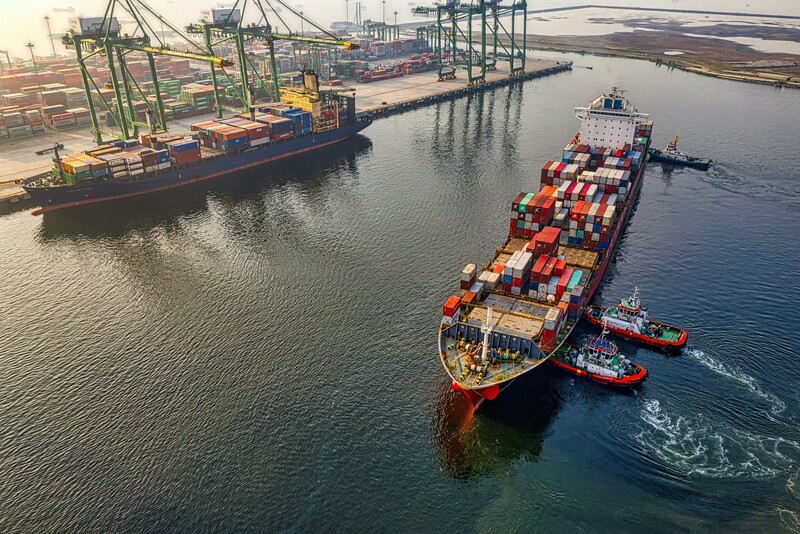
The new US tariff regime introduced by President Trump marks a significant shift in global trade dynamics, particularly impacting Asia's role in globalization. A blanket 10% tariff on imports, steep penalties on Chinese goods, and restrictions on direct-to-consumer models necessitate a reevaluation of supply chain strategies. Companies must adapt by enhancing traceability, creating resilient regional production systems, and recalibrating market focus towards Asia's rising demand. Asian firms need to diversify their global strategies, embrace localization, and foster trust to navigate the complexities of this changing trade landscape. Some sectors may find opportunities, while others face challenges from the new tariff landscape.
Australia, Colombia, Ethiopia, Indonesia, Japan, Malaysia, Mexico, Philippines, Republic of Korea, South Africa, Switzerland, Taiwan, China, Tanzania, Thailand, Ukraine, United Kingdom | Financial services, Education, ICT, Health
Navigating Asia's new trade reality after the US tariff shock

Online disinformation has become a significant threat to democracy, influencing elections and societal divisions. Discussions at the World Economic Forum highlighted the need for a balance between curbing harmful content and preserving free expression. The European Commission’s Digital Services Act aims to set standards for accountability, asserting that illegal offline behavior should also be illegal online. However, challenges persist in moderating vast amounts of content, with warnings that over-regulation could lead to authoritarianism. Effective content moderation is vital for protecting human rights and vulnerable groups while navigating the complexities of the digital landscape.
Financial services, Education, ICT
Protection vs. censorship: how to strike the right balance curbing online disinformation
Tariffs imposed by President Trump aim to revive U.S. manufacturing but focus solely on goods, excluding services. Despite an obsession with manufacturing rooted in nostalgia, the tariffs may not effectively address job losses, which are driven largely by rising productivity and automation rather than trade alone. While tariffs might temporarily boost some domestic production, they could also lead to higher costs for consumers and reduced competitiveness in global markets. Overall, the expected increase in manufacturing jobs from these tariffs is minimal, with many blue-collar workers feeling the impacts of globalization and economic changes without sufficient policy response.
United Kingdom
Trump thinks tariffs can bring back the glory days of US manufacturing. Here’s why he’s wrong
NATO faces challenges in adapting to contemporary global threats as the alignment between European security and U.S.-led NATO security has weakened. The U.S. is urging Europe to take greater responsibility for its own defense, amidst rising tensions following Russia's maneuvers, including the annexation of Crimea. NATO's Secretary-General Mark Rutte emphasizes the need for a stronger alliance. Long-standing issues regarding financial contributions have resurfaced, with U.S. dissatisfaction over European defense spending highlighted by recent U.S. administrations. This shift in U.S. leadership and changing priorities poses a significant risk to the alliance's cohesion and effectiveness.
Why Nato is struggling to rebuild itself in an increasingly threatening world
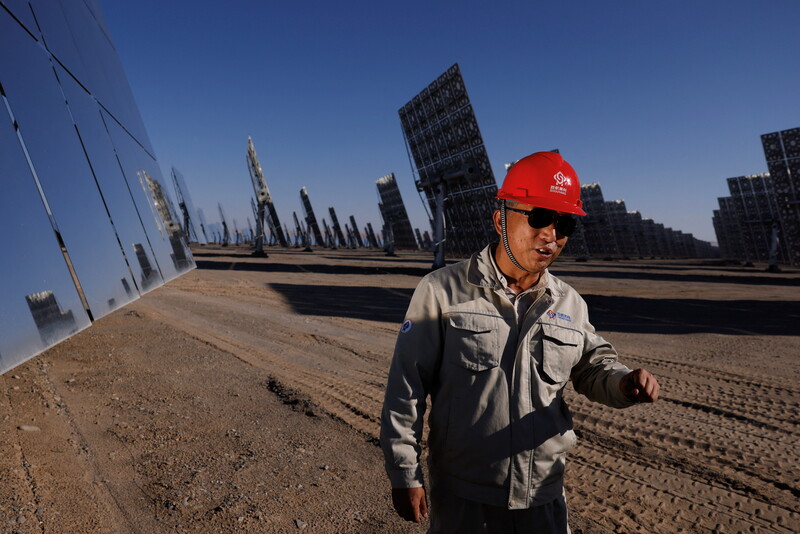
In 2023, China led global renewable energy growth, adding 297.6 gigawatts—63% of global capacity expansion—and generating 7.4 million jobs, or 45.5% of global employment in this sector. Key factors for success include stable policies, community trust, and multistakeholder collaboration. Recent market-oriented reforms, such as the transition to a renewable energy pricing model and Power Purchase Agreements, aim to enhance sector efficiency. Initiatives like combining solar energy with agriculture demonstrate effective community involvement. International standards and cooperation are vital for fostering trust and ensuring sustainable growth in renewable energy.
Building trust in renewable energy: Lessons from China's approach

Japan faces a significant succession crisis among small and medium-sized enterprises (SMEs), with a 2024 survey indicating over 52% lack successors. This trend threatens the economy, potentially resulting in the loss of 6.5 million jobs and roughly JPY22 trillion in GDP by 2025. Traditional industries are particularly affected, with a drastic decline in craftsmanship workforce and business closures. In response, the government has launched initiatives to connect retiring business owners with potential successors, expand market opportunities, and utilize AI for preserving traditional knowledge, aiming to safeguard Japan’s cultural heritage and economic stability.
Japan | Education
Japan's succession problem: how the country is safeguarding heritage through business

Embedded finance is revolutionizing the accessibility and delivery of financial services, integrating payments, lending, and insurance into non-financial platforms. Financial institutions are encouraged to shift from rivalry to collaboration with fintechs, leveraging their agility and innovation to remain relevant. The embedded finance market is projected to reach $7.2 trillion globally by 2030, with significant growth expected in regions like MENA. Collaborations improve financial inclusion by providing tailored financial solutions to underserved groups. Additionally, AI is enhancing the capabilities of embedded finance, facilitating real-time transactions and personalized services, thereby empowering users in managing their finances effectively.
Education, Financial services
Why embedded finance is a disruptive force financial institutions can’t ignore

Russia’s invasion of Ukraine posed a challenge for European radical right parties, many of whom had fostered ties with Putin. An analysis of 370,000 Facebook posts from 2013 to 2023 reveals these parties employed strategic silence, topic switching, and blurred positions to navigate politically sensitive discourse. Instead of condemning Russia outright, they often shifted focus to EU policy failures as responsible for economic issues like energy prices. This approach not only mitigated backlash but also reinforced Eurosceptic sentiments, marking a nuanced adaptation to the geopolitical crisis.
What happened to Putin’s friends? How Europe’s radical right navigated the Ukraine crisis on social media
New US tariffs significantly impact South African trade, imposing a 30% tariff on all goods entering the US and a 25% tariff specifically on vehicles and car parts. This threatens South Africa’s automotive sector, which has historically generated a trade surplus and contributed greatly to overall exports, accounting for 53% of the country's trade surplus with the US in 2023. Although key mineral exports like platinum group metals are exempt, the new tariffs jeopardize long-term growth and competitiveness in crucial industries, potentially affecting both South Africa’s economy and other African nations benefiting from trade agreements like AGOA.
Republic of Korea, South Africa
Tariff tensions hit SA-US trade
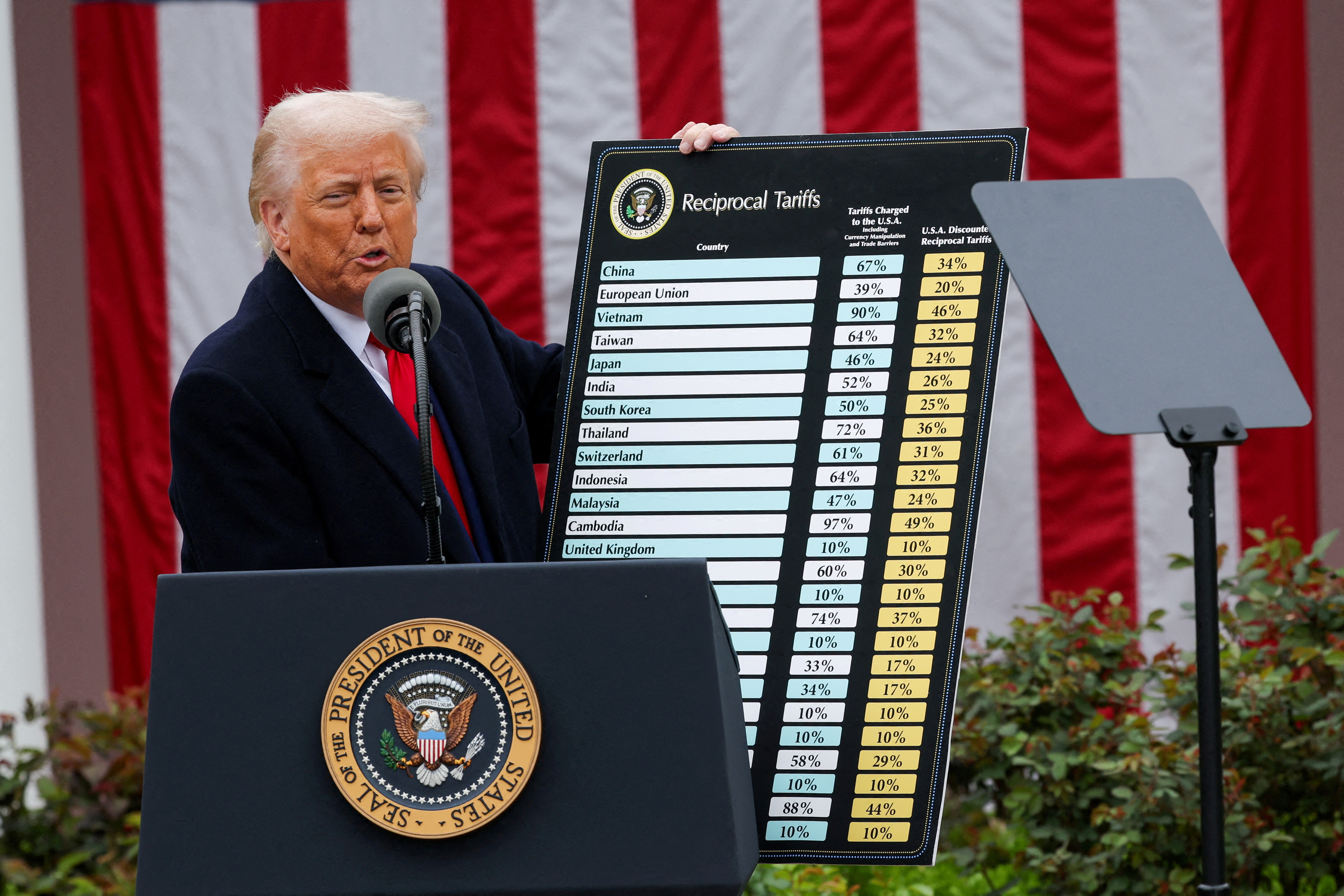
US President Donald Trump implemented extensive tariffs on imports from almost all countries, introducing a baseline add-on tariff of 10%. Starting April 9, approximately 80 countries will face higher rates, with significant increases for major economies: China (54%), the European Union (20%), and Japan (24%). These tariffs are designed to address perceived unfair trade practices and have created considerable volatility in global financial markets, prompting concern among governments and business leaders worldwide.
How impacted is your country by the Trump tariffs?