
The trade disruptions from President Trump’s tariffs are increasing global policy uncertainty, particularly impacting African nations reliant on foreign direct investment. Tariffs affect production planning, pricing, and investment strategies. African economies face reduced demand for exports tied to global supply chains and shifting commodity prices, aggravating fiscal challenges. To safeguard growth, Africa must deepen regional trade integration through the African Continental Free Trade Area (AfCFTA), diversify exports by investing in various sectors, and enhance cooperation with emerging economies to mitigate reliance on Western markets.
Burkina Faso, Ethiopia, Ghana, Kenya, Namibia, Republic of Korea, Senegal, South Africa, Tanzania, Uganda, United Kingdom, Zambia | Financial services
What US tariffs mean for Africa and the global south

In 2024, climate change significantly impacted global health and financial inclusion, especially among low-income populations. Rising healthcare costs push many into poverty, exacerbating financial exclusion in areas already struggling with climate-related challenges. A report by the Swiss Capacity Building Facility and UBS Optimus Foundation emphasizes the need for integrated financial solutions addressing health risks linked to climate change. Innovations such as hospital cash insurance and parametric income protection are emerging, particularly in vulnerable regions. Leveraging technology for telemedicine and digital platforms can enhance health protection. Collaborative efforts among various sectors are essential to scale effective solutions to this triple burden.
Africa | Health, Financial services
The Triple Burden: Climate, Health and Financial Exclusion

Scientists are responding to political interference threatening scientific integrity, particularly under the Trump administration. Increased resistance is crucial as researchers face challenges like budget freezes and funding denials impacting environmental justice initiatives. Proposed compromises on climate change often overlook community needs and public awareness, advocating instead for democracy-driven policies. To safeguard science, researchers should unite, learn from past mobilizations that reinforced research integrity, and create coalitions that advocate for science and social justice.
‘Now is not the time for despair’ — how scientists can take a stand against political interference

International shipping contributes over 200 million tonnes of fossil fuel emissions annually, prompting the sector to aim for a 30% reduction in greenhouse gas emissions by 2030. A pivotal meeting at the International Maritime Organization (IMO) will decide on key measures to facilitate this transition, including evaluating the effectiveness of a Carbon Intensity Indicator and implementing a global fuel standard to promote zero-emission fuels. The successful integration of these strategies is critical, especially as shipping demand may rise by 60%, potentially offsetting efficiency gains. The outcome of these discussions will shape the industry's future and its commitment to climate targets.
At a pivotal meeting, the world is set to decide how to cut shipping emissions

Indigenous businesses span various sectors, including crafts, tourism, and clean energy. Governments can enhance Indigenous entrepreneurship in global markets through targeted trade and investment policies that address structural barriers. A new report outlines six strategies for supporting Indigenous trade, emphasizing the importance of international agreements that recognize Indigenous rights and roles. Key provisions include intellectual property protections, trade facilitation, and financial support tailored to Indigenous needs. Effective implementation of local laws can further uphold Indigenous stewardship and promote economic inclusion, ensuring sustainable development while preserving cultural heritage.
Colombia, Indonesia, Japan, Peru, Philippines, South Africa
6 ways governments can enable Indigenous trade

A bottom-up approach is essential for successful AI integration in the workplace, focusing on cross-functional collaboration instead of merely enhancing existing processes. Organizations should build momentum by identifying super users who already utilize AI effectively, creating peer coaching circles for shared learning, and fostering collaborative problem-solving through structured asynchronous communication. Effective strategies also include a diverse core and engaged team structure to ensure broad participation and accountability. This grassroots method leverages peer influence, leading to more significant innovation and transformative outcomes in workflows across functions.
AI transformation: 4 ways to build human-centred movements that deliver results
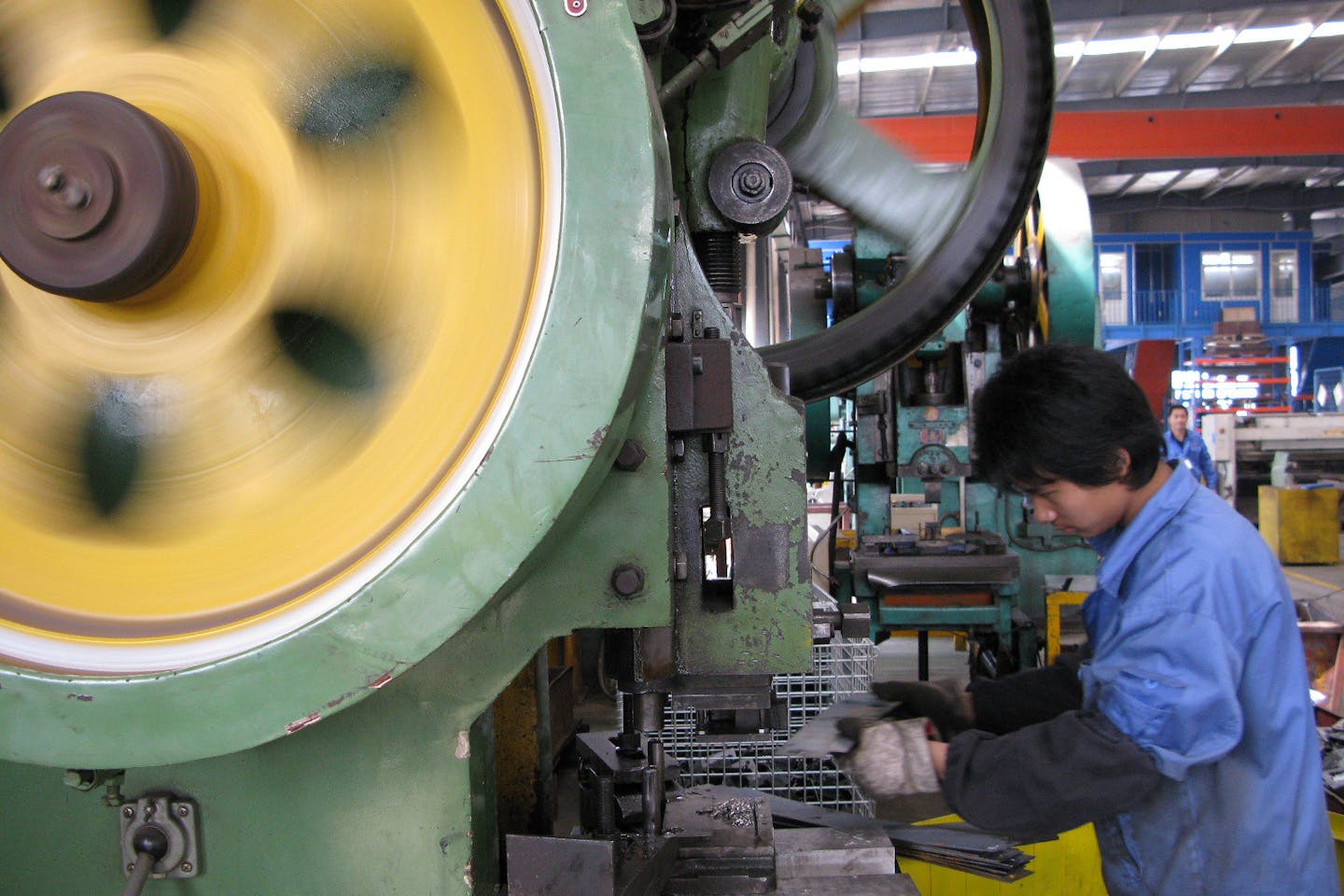
China's Two Sessions meetings revealed plans to stimulate the economy while maintaining a 5% GDP growth target. The government will issue CNY 300 billion in treasury bonds to subsidize purchases of electric appliances and cars. Provincial competition is key for developing green industries, with clean-energy sectors contributing significantly to GDP growth. AI is also a focal point, with many provinces implementing policies to attract investment. However, the need for increased subsidies for green products and the challenge of ensuring AI growth is environmentally sustainable remains a concern, alongside rising energy consumption in computation.
Taiwan, China | Financial services
Two Sessions: How are China’s local gov’ts responding to GDP growth drive?

The World Economic Forum's 2025 Annual Meeting in Davos focused on "constructive optimism," encouraging collaboration to address global challenges. Key initiatives included advancements in AI governance, climate action through the Transitioning Industrial Clusters initiative, and improving maternal health in Nigeria. The meeting highlighted the transformative role of AI and the urgency in democratizing technology to ensure equitable benefits. Leaders emphasized building on economic fundamentals and fostering innovation while addressing systemic challenges collectively, showcasing successes in various sectors and advocating for tangible, cooperative solutions.
Belgium, Colombia, Germany, Japan, Philippines, Switzerland, United Kingdom | ICT, Financial services, Health, Education
How collaboration and technology are shaping the future economy

Japan's universal health insurance system ensures equal healthcare access for all citizens, vital for addressing the challenges of an ageing population. With demographic shifts leading to a rising elderly population, healthcare expenditures have surged, prompting updates to the insurance system. Key initiatives include the Data Health Plan for efficient services, shifting financial responsibility from municipalities to prefectures, and postponing the cap increase on high-cost medical expense benefits to protect vulnerable patients. Digitization efforts, such as the My Number Card, enhance operational efficiency by consolidating medical records, thereby improving healthcare delivery.
Japan | Financial services, Health
How Japan is building a resilient society through equitable healthcare

Malaysia is implementing new energy efficiency regulations, including the Energy Efficiency and Conservation Act (EECA) effective January 2025, to reduce electricity consumption among large energy users. As part of its net zero ambitions by 2050, the country aims for 31% renewable energy in its mix by 2025, increasing to 70% by 2050. Businesses are increasingly investing in solar and other renewables due to rising energy consumption and regulatory pressure, despite challenges faced by SMEs in access to decarbonisation resources. Consumer demand for sustainability is also influencing corporate practices and tenant preferences in commercial spaces.
Malaysia
‘Radical change needed’: Can Malaysia grow renewable energy capacity amid increasing regulation?

Investing in Ukraine’s defence industry and integrating Ukrainian and European forces is essential for establishing Europe’s strategic independence from the United States. The decline of US military support amidst Russian aggression highlights Europe’s vulnerability and the need for strategic autonomy. Ukraine's advanced military technology, especially in drones and missile systems, positions it as a vital contributor to European security. Enhanced collaboration among European nations, increased defence spending, and forming a coalition beyond EU and NATO members are crucial steps toward achieving military parity with Russia and ensuring long-term security.
Ukraine
Ukraine’s defence industry is Europe’s best weapon for achieving strategic autonomy

Every two minutes, a woman dies from complications related to pregnancy or childbirth, highlighting a critical need for urgent action to reduce maternal mortality rates globally. The World Economic Forum’s Global Activator Network on Maternal Health aims to collaborate with governments to implement tailored solutions to end preventable deaths and achieve a Sustainable Development Goal target of less than 70 maternal deaths per 100,000 live births by 2030. Over 94% of these deaths occur in low- and lower-middle-income countries, exacerbated by poverty and inadequate healthcare infrastructure. Nigeria has joined this initiative, committing to reduce maternal mortality through cross-sector partnerships and evidence-based interventions.
Health
Why action and innovation in maternal health must be accelerated

AI has the potential to enhance public services, yet its integration into government remains limited. Most academic advancements, confined to publications, fail to address real-world issues. Tools like Street.AI exemplify how AI can facilitate citizen reporting of problems by using on-device processing for privacy and efficiency. Furthermore, AI can optimize complex planning decisions, such as housing locations, by providing actionable insights in a user-friendly format. To drive collaboration, academics must shift from traditional research to practical solutions, focusing on prototyping and creating tools that aid government decision-making.
Education
Why more AI researchers should collaborate with governments

AI is significantly transforming society, impacting economies, work, and daily life. It has the potential to enhance collective intelligence by improving collective memory, attention, and reasoning. This special issue editorial reviews emerging research that explores how AI can support the socio-cognitive framework of collective intelligence and introduces related articles.
AI for collective intelligence
Accurate and verifiable large language model (LLM) simulations offer a valuable data source for understanding human behavior and enhancing AI training. Current use in social science research is limited, but five key challenges must be addressed to unlock their potential. The authors highlight empirical comparisons between LLMs and human subjects and propose exploratory research applications across psychology, economics, sociology, and marketing. With advancing LLM capabilities, a greater adoption of these simulations is anticipated, necessitating the development of adaptable conceptual models and evaluations.
LLM Social Simulations Are a Promising Research Method

US President Donald Trump has proposed sweeping new tariffs targeting major trading partners, aiming to reassess trade relations and create global economic uncertainty. These tariffs will specifically focus on reciprocal trade practices, with officials examining partners' higher tariffs compared to the US. Trump announced a 25% tariff on all steel and aluminium imports, effective March 12, without exemptions, impacting the US's significant reliance on imported metals. The administration plans to evaluate trade beyond tariffs, considering non-tariff barriers such as subsidies and digital taxes.
Canada
Trump tariffs: Visualising new US trade restrictions

President Donald Trump's tariffs pose significant risks to the US economy and global trade dynamics. Tariffs serve as a consumption tax borne by consumers and businesses, resulting in higher prices, reduced employment, and diminished competitiveness. Forecasts indicate a potential drop in GDP growth and negative consumer sentiment, while industries shielded from competition may raise prices without accountability. Additionally, mass deportations further strain the labor market, driving up wages and production costs, which, combined with inflation and automation, threaten economic growth and consumer spending. Overall, tariffs and deportations could lead to increased inflation and job losses, compounding economic instability.
What Trump’s tariffs will do to the US economy
The policy brief emphasizes four key actions for G7 nations to foster an open-source AI ecosystem: expanding access to open data, supporting sustainable governance, promoting policy alignment in open-source AI, and enhancing local capacity building and use case identification. These initiatives aim to boost AI competitiveness, accountability, and innovation, establishing the G7 as a leader in responsible AI development.
Enabling an Open-Source AI Ecosystem as a Building Block for Public AI

AI is rapidly transforming jobs and required skills, necessitating immediate strategic upskilling for workers. While the proportion of workers with AI skills has doubled since 2016, the concentration of AI talent remains low, and broader upskilling efforts are crucial. Business leaders must prioritize training in both AI literacy and essential people skills—like leadership and teamwork—to effectively leverage AI technologies. The World Economic Forum stresses that governments must invest in AI upskilling and talent programs to facilitate a successful workforce transition and economic growth.
Education
AI is changing work — the time  is now for strategic upskilling
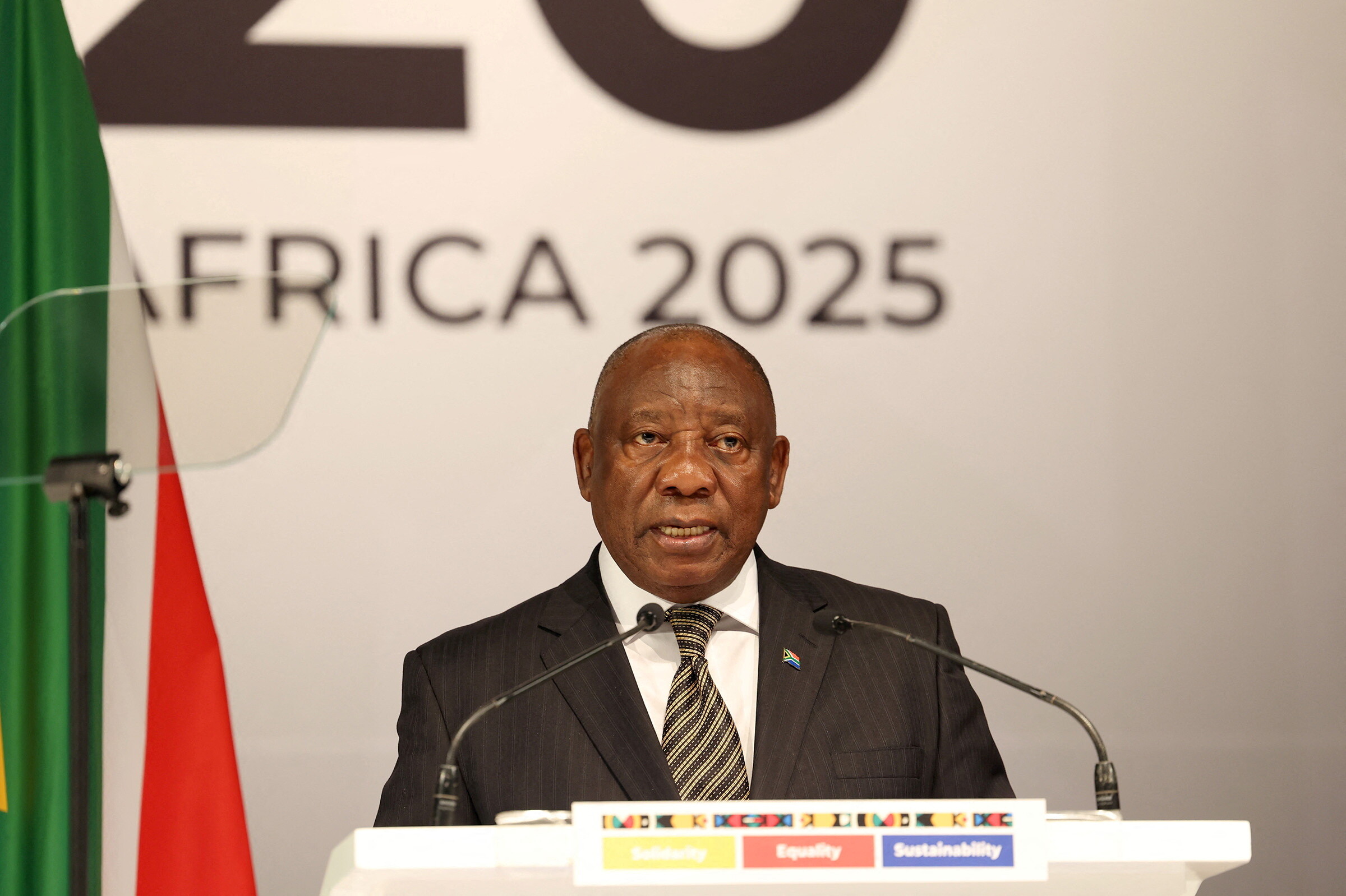
South Africa's G20 Presidency prioritizes digital public infrastructure (DPI) and artificial intelligence (AI) as essential components for sustainable development. Collaborating with the UNDP, South Africa aims to enhance the societal and economic value of DPI by assessing its design and implementation. The G20 Task Force on AI focuses on promoting regional partnerships to advance AI in Africa, addressing issues like governance and resource allocation. Key initiatives include frameworks enhancing interoperability for DPI and fostering growth for micro, small, and medium-sized enterprises (MSMEs), essential for strengthening the continent's economy and job creation.
South Africa | ICT
South Africa sets its ambitious G20 agenda for digital public infrastructure and AI