
Public debt levels have soared due to factors such as aging populations, the financial crisis, and COVID-19, leading to challenges in maintaining effective self-imposed borrowing rules. Wealthy countries are projected to issue a record $17 trillion in bonds this year, highlighting the struggle to balance government spending and fiscal responsibility. Countries like the UK and Germany are revisiting their debt frameworks due to pressing economic needs, while Japan faces significant public spending on its aging population. Central banks' interest rate hikes have further complicated borrowing costs, particularly for developing nations heavily burdened by interest payments.
Financial services
Can we come up with public debt rules that work in the real world?
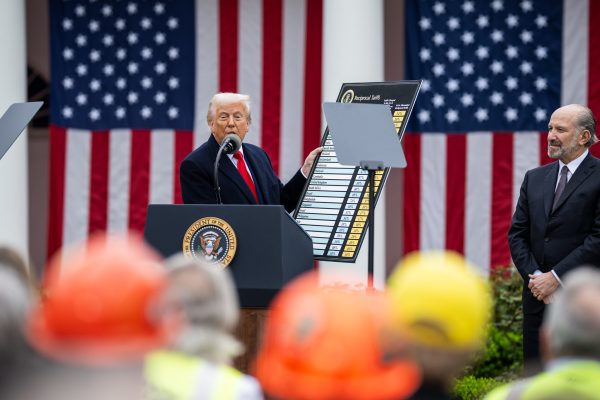
U.S. President Donald Trump's implementation of reciprocal tariffs aims to boost American manufacturing by increasing the cost of imported goods, impacting global trade dynamics. This policy affects countries like India, which faces a 27% tariff on its exports to the U.S. Although the Indian government considers lowering tariffs on American electric vehicles beneficial, it may harm local industries and alter consumer preferences. Experts warn that such tariffs could lead to a global recession, threatening developing economies. To mitigate risks, India should diversify its supply chains and market connections beyond the U.S.
Tariffs and Inflation for the US, Disruption for Indian Supply Chains
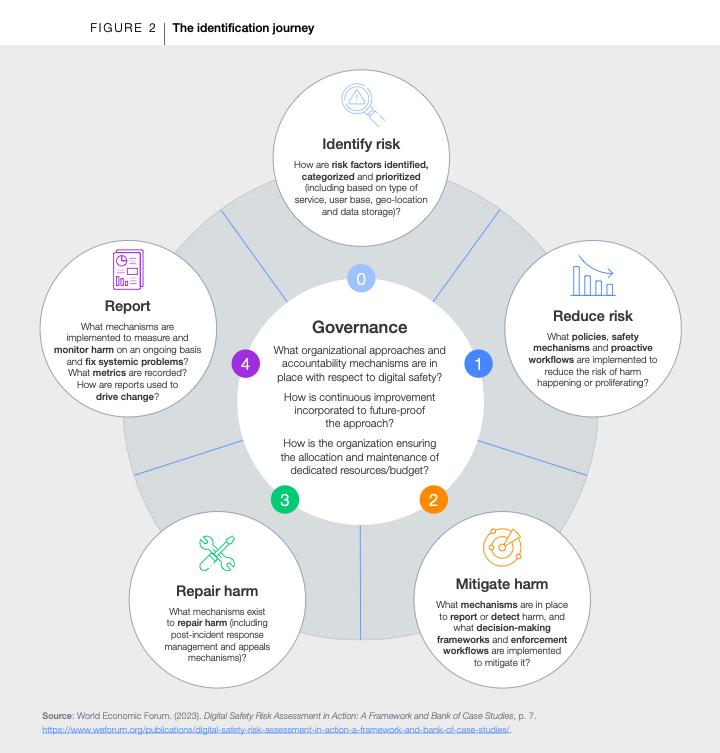
The Netflix drama "Adolescence" has sparked a global debate about online harm to children, highlighted by the recent World Economic Forum report advocating for a holistic approach to digital safety. The report compares online harm to a disease, urging prevention over mere policy enforcement. In the UK, the Online Safety Act holds social media companies accountable for user safety and requires them to remove illegal content and prevent minors from accessing harmful material. Additionally, there are calls for bans on smartphones in schools and a higher digital age of consent, emphasizing the need for open dialogue on these issues.
Health, ICT, Education
'Adolescence' has sparked a digital safety debate: A new report offers a fresh approach to tackling online harm

Peter Kyle, secretary of state for science and technology, has utilized ChatGPT for policy advice, raising concerns about its suitability for government decision-making. Key issues include ChatGPT’s reliance on past data, which may skew recommendations towards previous Conservative government policies, potentially limiting fresh perspectives for Labour's agenda. Additionally, ChatGPT may generate misleading information, embody social prejudices, and prioritize narrative appeal over nuanced real-world complexities. As such, the use of AI tools like ChatGPT could hinder effective policy formulation and risk perpetuating outdated or biased viewpoints.
Why ChatGPT is a uniquely terrible tool for government ministers
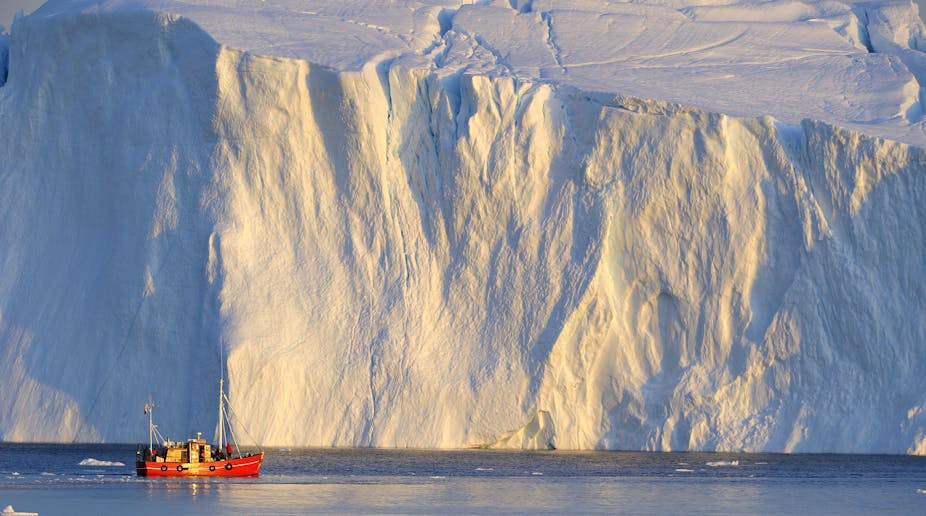
Danish Prime Minister Mette Frederiksen stressed that Greenland's future should be determined by its people, not by external powers like the US, which has shown interest due to the island's resources and strategic location. Melting Arctic ice is opening new shipping routes, significantly shortening travel times between Asia and Europe. This increased accessibility has heightened military tensions, particularly as Russia enhances its military presence while cooperating with China in the Arctic. Canada and Norway are responding by bolstering their Arctic defenses, amid concerns over territorial security.
US and Russia squabble over Arctic security as melting ice opens up shipping routes

InteliGente, launched in 2021, aims to promote equity in AI development by educating young people in Latin America to create impactful solutions for underserved communities. It collaborates with global AI networks to address the AI divide between the Global South and North, emphasizing ethical AI use and the importance of culturally relevant innovations. By utilizing active learning strategies and encouraging social awareness, InteliGente empowers students to identify and address local challenges through AI, fostering a generation equipped to leverage technology for sustainable development.
Education
InteliGente: Building Paths of Equality with Artificial Intelligence
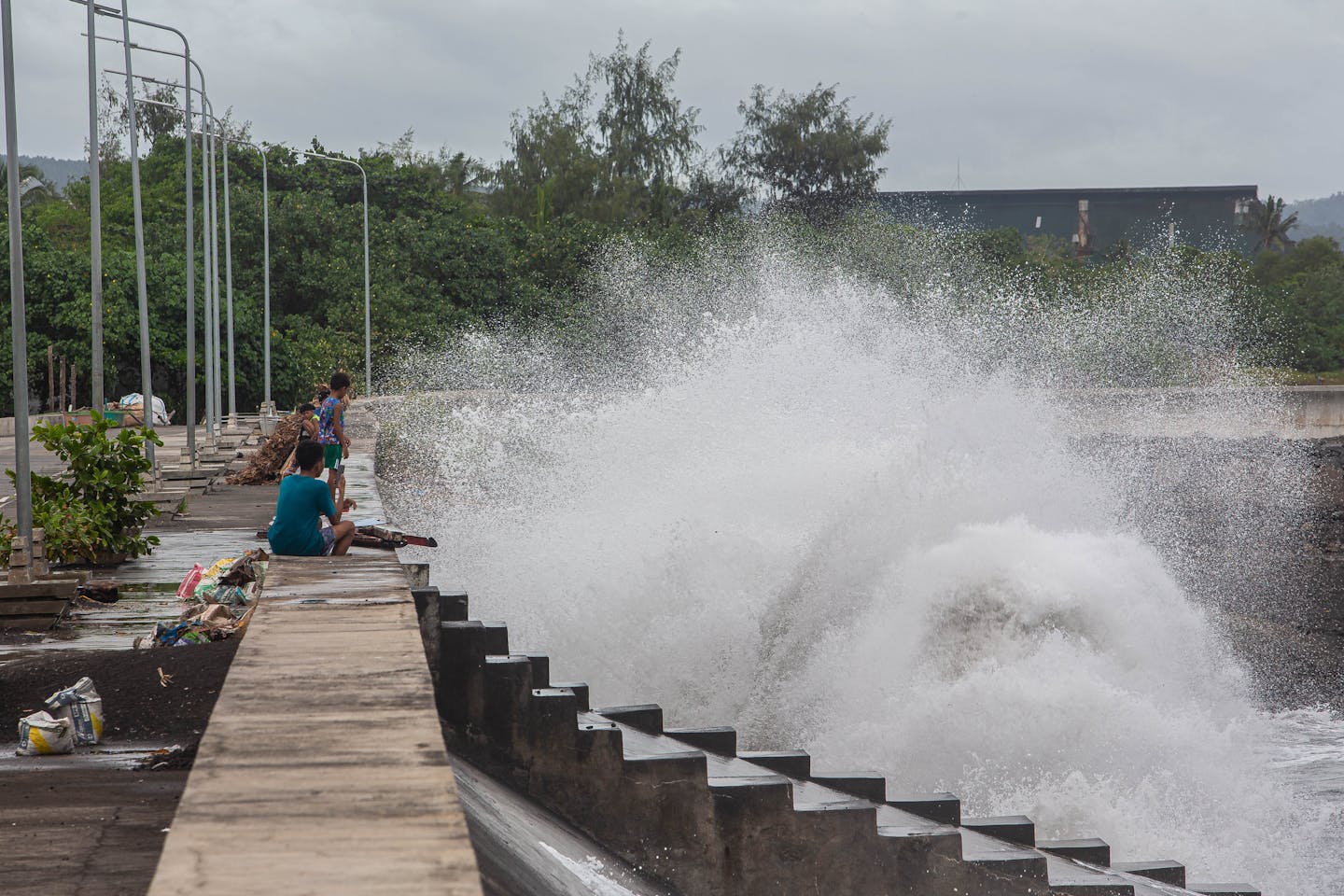
A recent study by the ISEAS-Yusof Ishak Institute reveals that climate change and extreme weather events are now the primary concerns for Southeast Asians, surpassing unemployment and economic recession. About 55.3% of respondents identify climate challenges as the region's biggest issue, driven by recent severe weather impacts in countries like the Philippines, Vietnam, Malaysia, and Thailand. While economic worries remain significant, they rank as the second biggest concern at 49.3%. The report highlights the urgent need for collective action to address climate change effectively.
Antarctica, Australia, Indonesia, Malaysia, Nigeria, Philippines, Republic of Korea, Singapore, Thailand, United Kingdom, Viet Nam | Health
Climate overtakes economic woes as Southeast Asia’s biggest challenge
The EU and India are intensifying their strategic partnership focused on critical and emerging technologies (CETs) amidst geopolitical challenges in the Indo-Pacific. Following a notable high-level visit by EU leaders to India in February 2025, both parties aim to finalize a Free Trade Agreement while expanding cooperation in areas like semiconductors, AI, and digital infrastructure. The EU-India Trade and Technology Council (TTC) is central to these efforts, emphasizing technology transfer and joint initiatives. India's partnership with the US serves as a model for operationalizing this collaboration, highlighting the integration of technology with security and trade.
Belgium, Colombia, Estonia, France, Germany, India, Indonesia, Ireland, Kenya, Mauritius, Nepal, Netherlands, Philippines, South Africa, Switzerland, Thailand, Ukraine, United Kingdom | Financial services, Education, ICT
How to Leverage the EU–India Partnership on Critical and Emerging Technologies?
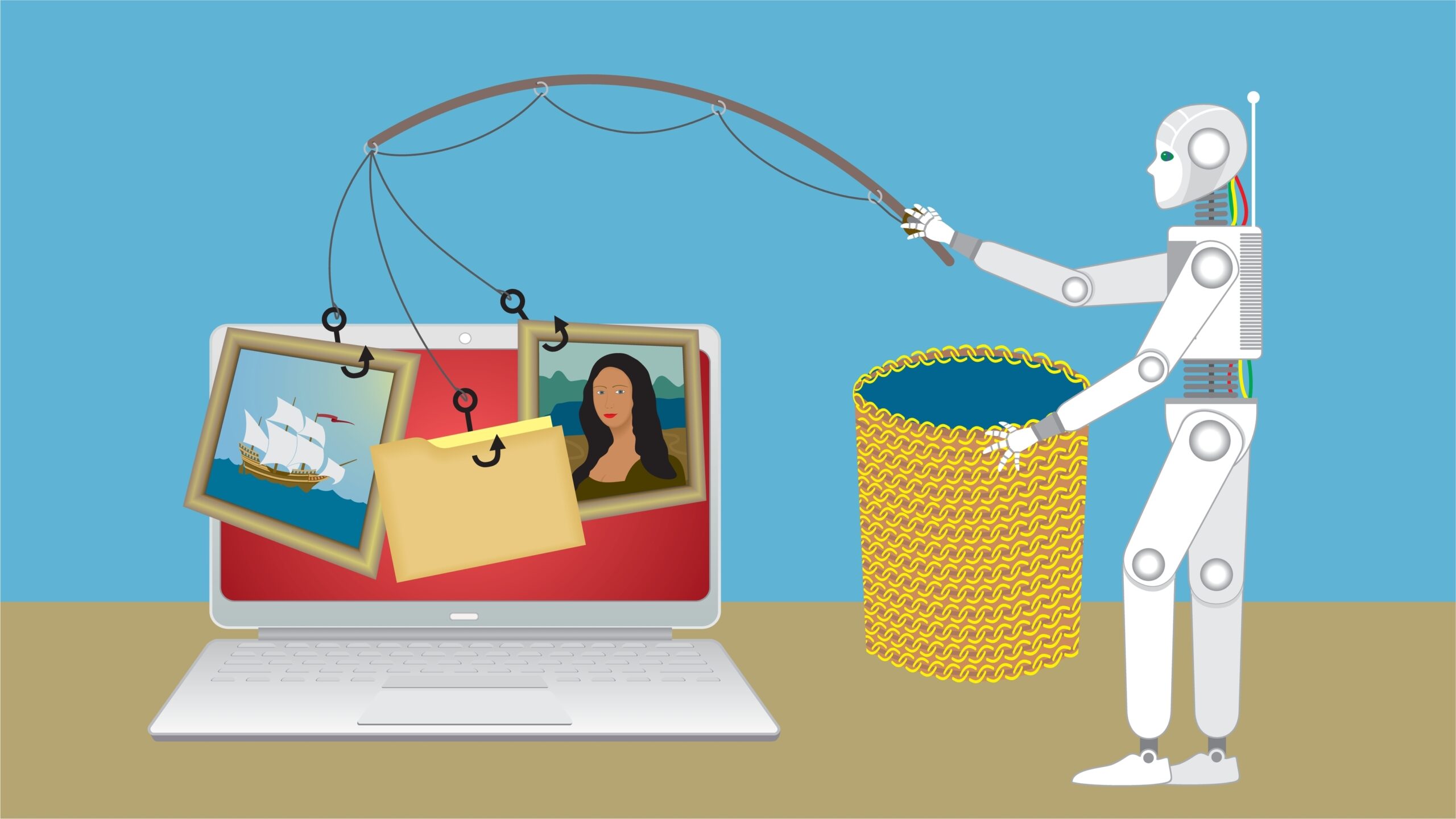
UK musicians, including Annie Lennox and Kate Bush, released a silent album titled “Is This What We Want?” to protest government plans allowing AI companies to use copyright-protected works without permission. The ongoing legal disputes highlight concerns that AI models operate by effectively stealing content, threatening the livelihoods of creators. A report by the Tony Blair Institute argues for updated copyright regulations, supporting a text and data mining exception for AI training while ensuring rights holders maintain control. It emphasizes the need for new policies to balance innovation with fair compensation for creators.
Education
Rebooting Copyright For The Age Of AI
Southeast Asian nations are responding to punitive tariffs announced by U.S. President Donald Trump, which include high rates for Cambodia (49%), Laos (47%), and Vietnam (46%). These tariffs, aimed at nations with trade surpluses, threaten the region's export-driven economy, particularly affecting major markets like Vietnam and Thailand. Both countries expressed shock and frustration, with Vietnam's Prime Minister emphasizing the need for negotiation while maintaining ambitious GDP growth targets despite the tariffs. Vietnamese officials are seeking to diversify export markets and restructure the economy in light of the challenging trade environment.
Thailand, Viet Nam
Southeast Asian Governments React to Punitive Trump Tariffs
Longer working hours in India, particularly the proposed 90-hour workweek, threaten the economy by reducing productivity and negatively impacting worker health. A 2024 survey reveals that 58% of Indian workers suffer from burnout, which leads to lower morale and increased mistakes. India's labor productivity stands at only $8.7 per hour, the lowest among BRICS nations. Additionally, the push for extended hours exacerbates issues for neurodiverse workers and women, who bear additional caregiving burdens. To enhance productivity, India should prioritize worker training and skill development instead of longer hours.
Education
Longer working hours are hurting India’s productivity
The report reviews the incorporation of security sector reform (SSR) in the mandates of UN peacekeeping operations and special political missions from 2012 to 2022. It highlights good practices and opportunities to enhance SSR mandates, emphasizing the importance of prioritizing support to mitigate violence and conflict due to SSR's long-term nature. Prepared to assist Switzerland’s 2023–2024 role on the United Nations Security Council, it aims to foster discussions on the future of peace operations and contribute to Switzerland's legacy on the Council.
Review of SSR language in the mandates of UN peace operations
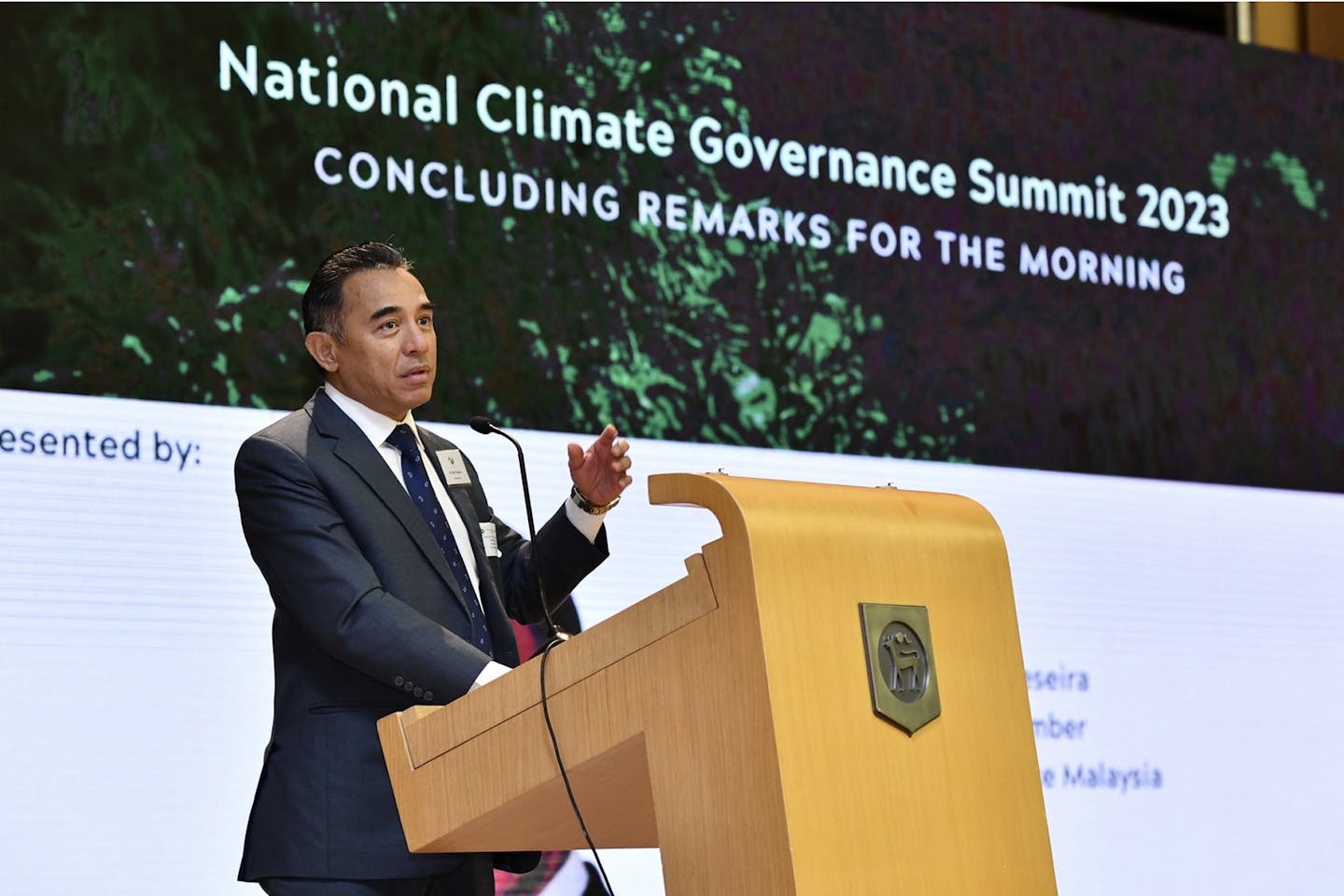
Dr. Gary Theseira, the newly-appointed council chair of Climate Governance Malaysia, discusses the challenges faced by developing countries during climate negotiations, particularly highlighting the disruptive tactics employed by developed nations like the United States. He recounts his experiences during the pivotal COP21 summit where he defended the G77 and China coalition's position. Theseira emphasizes the necessity for political leaders to understand sustainability deeply and have expert advisors rather than relying solely on wealthy interests. Serving as an adjunct professor, he advocates for corporate leaders to enhance their understanding of climate issues in decision-making processes.
ICT, Education
Behind the 'bribe, bully, buy' tactics of developed countries, with veteran climate negotiator Dr Gary Theseira
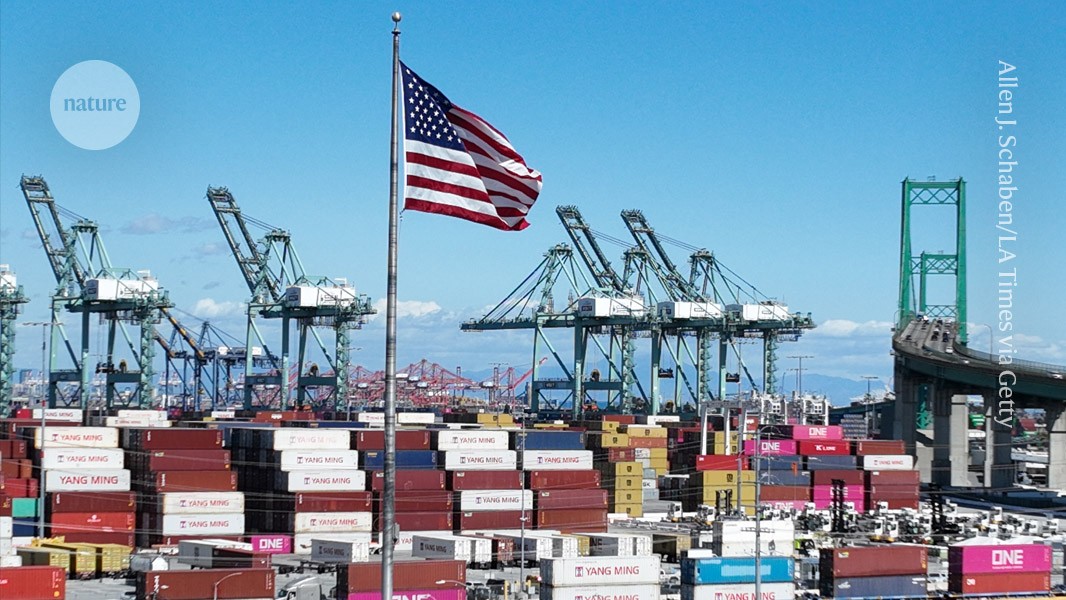
Tariffs imposed by the Trump administration on imports, ranging from 10% to 54%, are significantly raising prices for essential scientific supplies like microscopes, glassware, and computer chips. This comes at a time when research budgets are already strained due to grant cuts. Experts indicate that these price increases represent systemic changes that could severely impact U.S. research institutions, which rely heavily on imported lab equipment and reagents. Many vital scientific products are sourced from countries affected by these tariffs, complicating budgeting and procurement for researchers.
Tariffs hit science labs: Trump levies raise cost of supplies
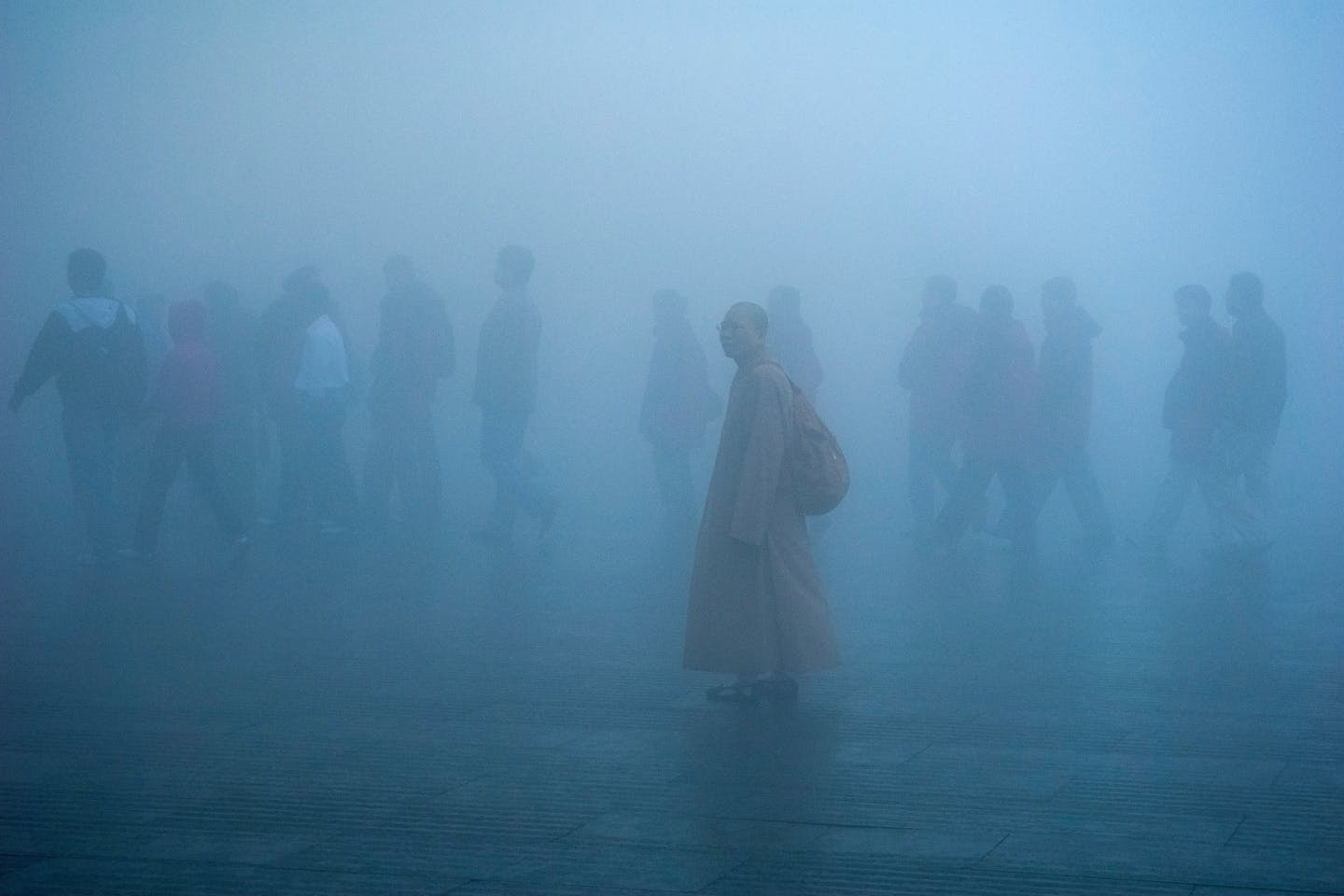
Ground-level ozone is a significant air pollutant that threatens planetary health, exacerbated by climate change as temperatures rise. It forms from precursor pollutants like methane and nitrogen oxides resulting from fossil fuel combustion and agricultural activities. Increasing levels of ozone contribute to human health issues, including respiratory problems and heightened mortality rates, particularly in regions such as India and China. In 2019, ozone was linked to approximately 365,000 deaths globally, with newer estimates suggesting around 1.4 million annual deaths. Additionally, ozone pollution negatively impacts food security and can worsen global warming, underscoring the urgent need to mitigate emissions.
Rising ground-level ozone pollution endangers planetary health
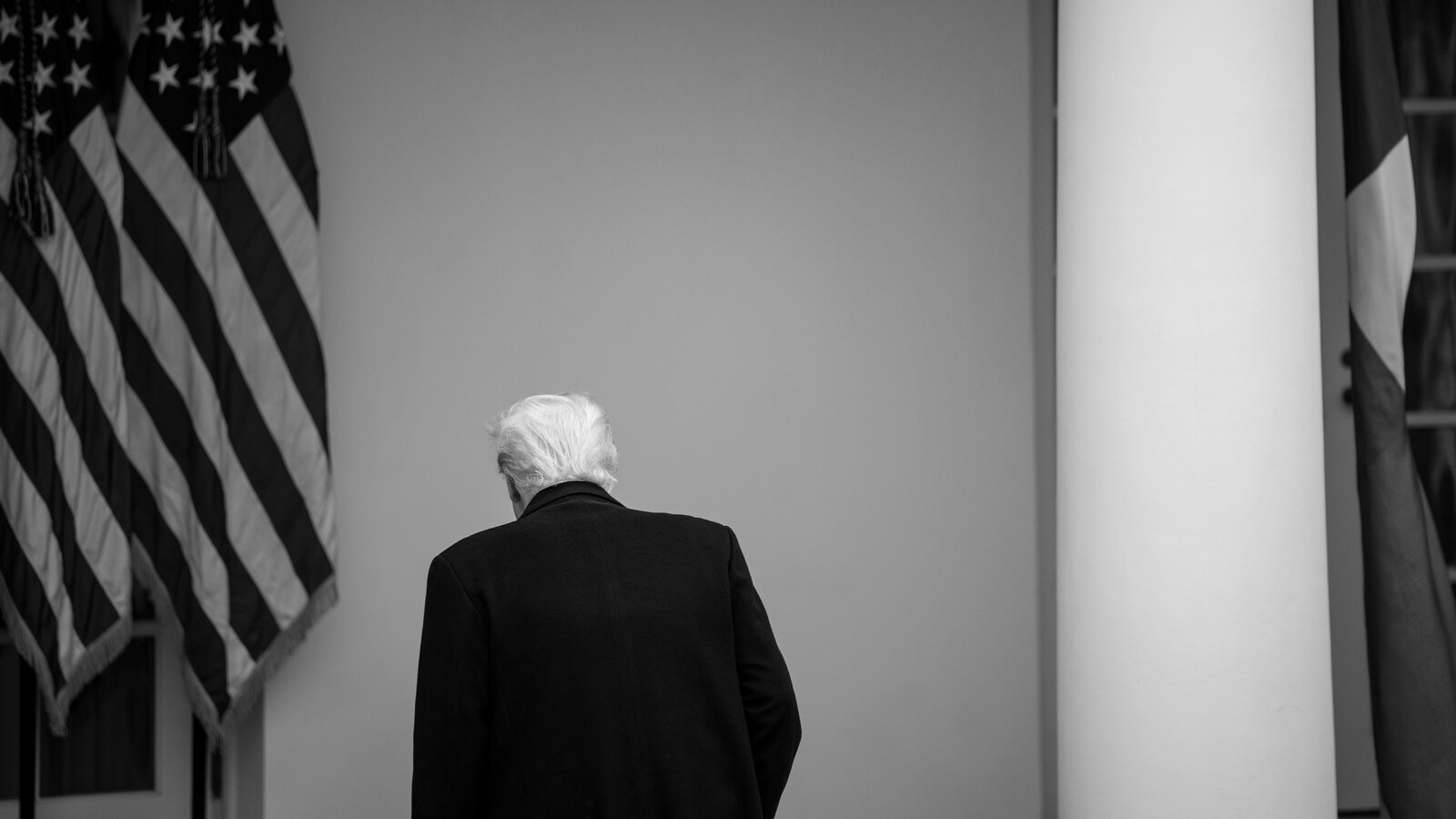
Trump's tariffs threaten not only economic stability but also the American psyche by erecting barriers to international exchange. His policies hinder the flow of ideas, technologies, and relationships critical for progress. Historically, successful nations have thrived as crossroads of diverse influences, facilitating innovation through collaboration. Renowned for attracting ambitious immigrants and championing free trade, America risks losing its identity and global role by fostering isolationism and resistance to foreign engagement.
Opinion | Tariffs Destroy What Makes America Great
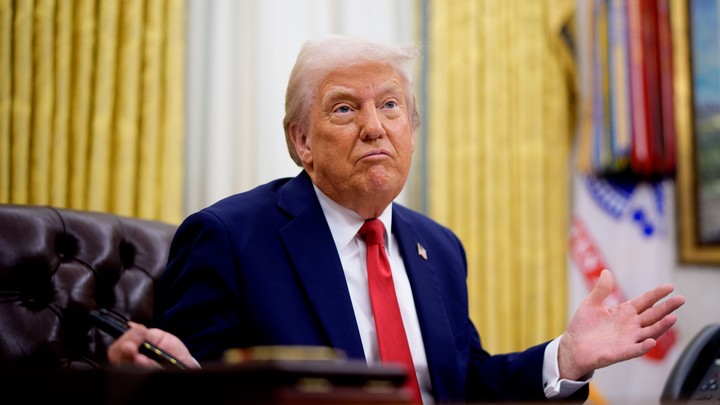
Trump's recent announcement of extensive tariffs aims to significantly raise the U.S. tariff rate to levels not seen since the late 1800s. Analysts express confusion over the contradictory rationale behind the tariffs, with goals stated by Trump aides ranging from raising revenue to promoting free trade. These statements conflict with one another, as raising taxes contradicts efforts to eliminate trade barriers. Additionally, the administration's approach appears arbitrary, with tariffs applied to uninhabited territories and countries with low income levels. The overall message underscores a lack of coherent economic strategy.
There Is Only One Way to Make Sense of the Tariffs
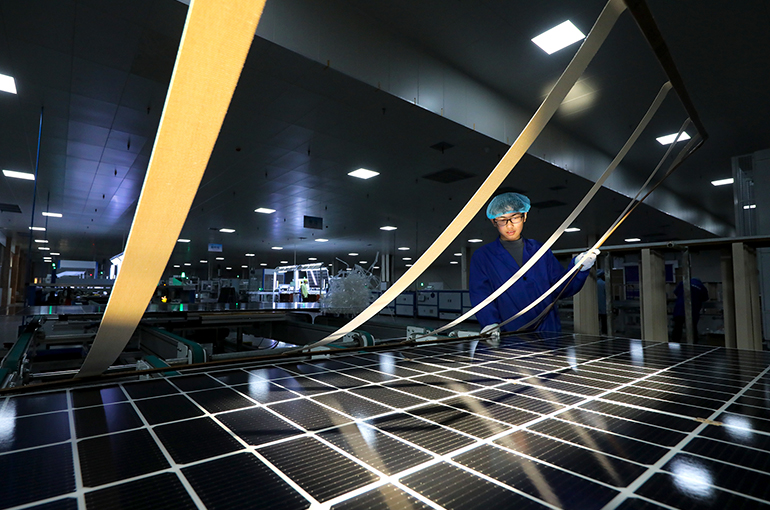
High Reciprocal Tariffs imposed by the US on solar products, including a 34% tariff on China, are expected to negatively impact China’s photovoltaic (PV) industry, although the extent depends on the sustainability of the tariffs and potential countermeasures from trading partners. Direct exports from China to the US have been minimal, but tariffs on Southeast Asian production may increase costs and drive up solar panel prices in the US. Despite unfavorable tariffs, leading Chinese companies plan to establish manufacturing facilities in the US, attracted by its market potential amidst geopolitical complexities.
China’s Solar Sector Faces Uncertainty After US Tariff Hike, Insiders Say
Donald Trump implemented a wide range of tariffs, with rates from 10% for the UK to 49% for Cambodia, aiming to raise funds for the US economy and promote fairer international trade. The tariffs are based on trade balances and designed to retaliate against countries with trade surpluses with the US. Over 100 countries will be affected, and while some may retaliate, the EU has already indicated a response. The International Monetary Fund suggests a potential 0.5% decrease in global growth but does not foresee a recession. The tariffs pose risks of inflation and a downturn in the US economy.
Why has Trump launched so many tariffs and will it cause a recession? Expert Q&A
Vicious cycles, or “doom loops,” are accelerating climate change, particularly in the Arctic, where rising temperatures are quickly melting sea ice, which in turn exacerbates warming. In 2024, global coal demand increased 1% due to intense heatwaves in China and India, highlighting a troubling feedback loop fueled by air-conditioning needs. Solutions include utilizing rooftop solar panels for cooling, which can reduce energy demand by shading buildings and pre-cooling them during the day. Transitioning to renewable energy will require significant investments and international cooperation, but success could create virtuous cycles toward sustainability.
‘Doom loops’ are accelerating climate change – but we can break them