Authoritarianism is rising globally, prompting questions about resistance. Historical examples show that individuals may resist regimes due to moral commitments and empathy. Research indicates that those who oppose autocracy often feel compelled to act against violations of rights and are typically more open to risk. Effective resistance requires strong leadership that promotes ethical values and inclusivity. Trustworthy leaders can inspire followers to take a stand, as demonstrated by past movements against oppression. Fostering traits that encourage moral courage and ethical behavior is essential in combating authoritarian tendencies.
Education
Would you join the resistance if stuck in an authoritarian regime? Here’s the psychology
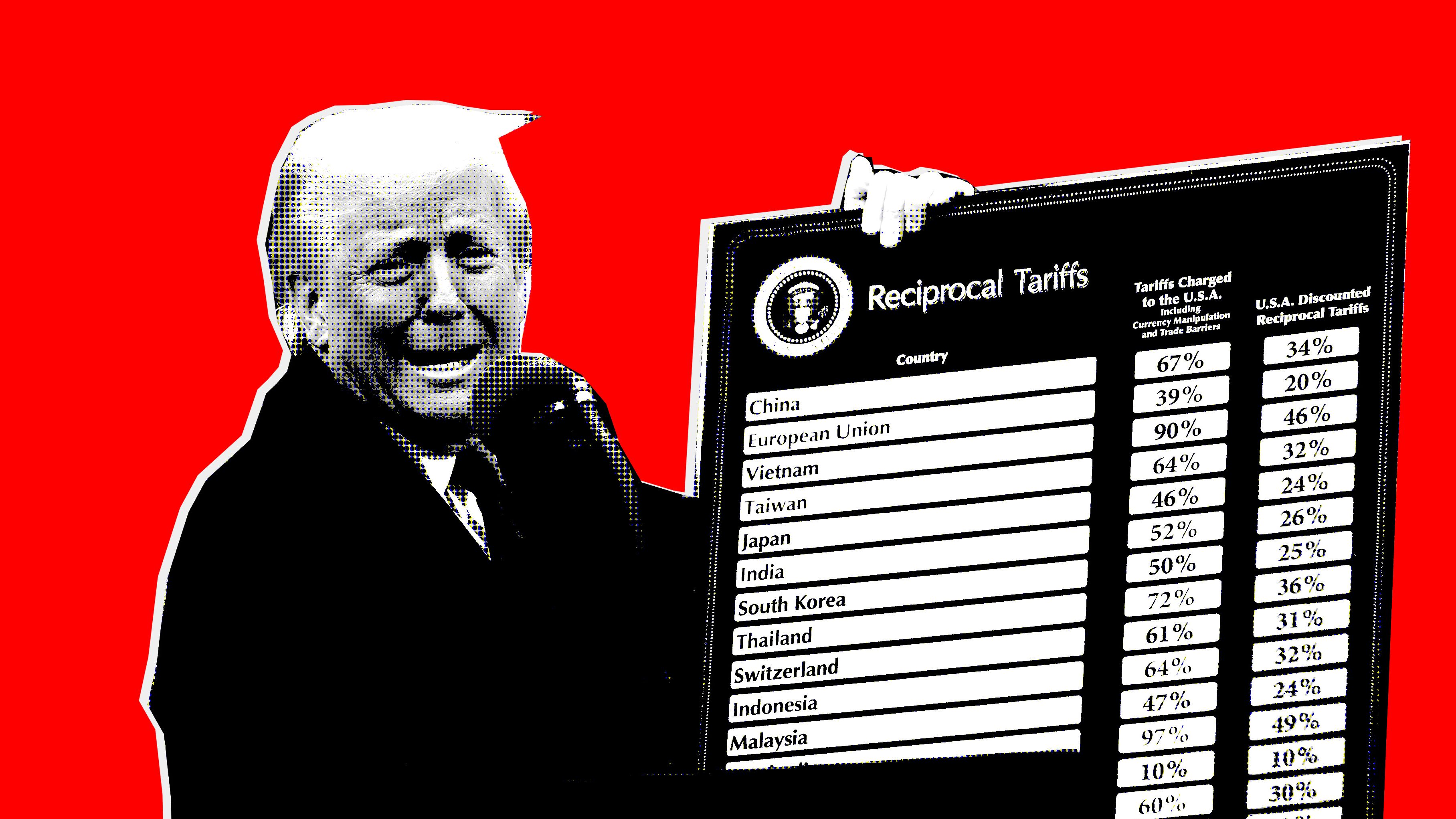
President Trump's recent tariffs target countries including China, Vietnam, and Cambodia while also absurdly imposing tariffs on remote territories like the British Indian Ocean Territory and Heard Island. The aim is to restore manufacturing jobs in the U.S., but many of these jobs have been replaced by automation, making such efforts futile. Anticipated price increases and economic downturn loom, with experts predicting a recession may follow. The tariffs are viewed as a reckless strategy that risks international trade relations, with potential retaliation from other nations further complicating the situation. The approach reflects a broader trend of winning by causing pain to others, jeopardizing the U.S.'s reputation as a trade partner.
The Trump Tariffs Are How Everything Works Now
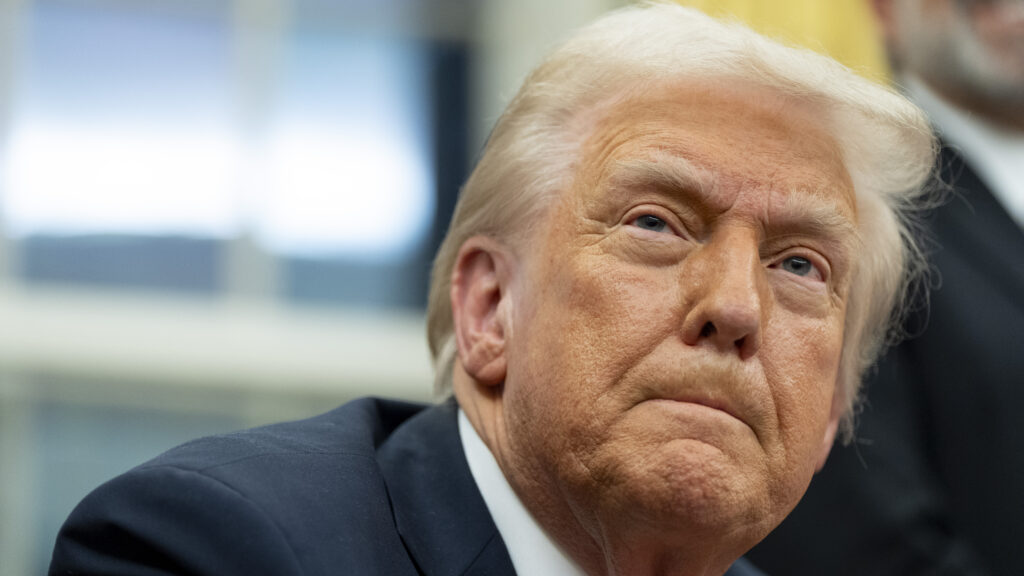
President Trump announced a 10% baseline tariff on all imported products, exempting pharmaceuticals for now. This decision initially raised concerns among biotech investors but led to some recovery in trading. However, uncertainty remains regarding the impact on drug manufacturing, as nearly 90% of U.S. biotechs depend on imported components. Analysts suggest that tariffs on pharmaceuticals may still develop, with drugmakers lobbying for a phased approach. Additionally, the European Medicines Agency has halted clinical trials for Sarepta's gene therapy for Duchenne muscular dystrophy following a patient death.
Pharmaceuticals are spared from tariffs, for now

The report examines liability law's role in addressing the challenges of determining responsibility for harm in AI development, where multiple actors contribute. It proposes a three-step analysis for liability allocation along the value chain, emphasizing the choice of liability regime, shared responsibility among contributors, and addressing information asymmetries. The report advocates for a baseline liability system based on demonstrated fault, supported by measures to ease the burden of proof and improve evidence access. Additionally, it suggests that stricter liability regimes may be appropriate in some cases and analyzes existing EU liability rules within this framework.
AI Liability Along the Value Chain
Developing countries can thrive in a circular economy by focusing on repair, refurbishment, remanufacturing, and recycling, which can generate multiple revenue cycles and create jobs while enhancing economic resilience. Investment in circular infrastructure and skills can position these nations as regional hubs for refurbishment and recycling, attracting multinational investment. As global demand shifts from new products to reused goods, countries reliant on traditional manufacturing may face job displacement and decreased revenues. Strategic positioning in global supply chains, investment in education, and an emphasis on local repair hubs can enable developing nations to capitalize on circular economy opportunities, fostering economic growth.
Belgium, Chile, Colombia, Germany, Ghana, India, Philippines, Republic of Korea, South Africa, United Kingdom, Viet Nam | Financial services, Education
Circular economy: How developing countries can thrive with fewer new products

The European Union's new Social Climate Fund (SCF) aims to address the emissions from buildings and transport, crucial for achieving a 55% reduction in emissions by 2030 and net-zero by 2050. The SCF redistributes auction revenues from the upcoming emissions trading system (ETS2) to protect vulnerable households and small businesses from cost increases. Effective implementation requires targeted financing, public outreach, and cross-country learning to enhance the adoption of green measures. Accelerating decarbonisation is essential, as current policies fall short of climate targets, particularly in the transport sector, which contributes significantly to emissions.
Financial services
Making the best of the new EU Social Climate Fund
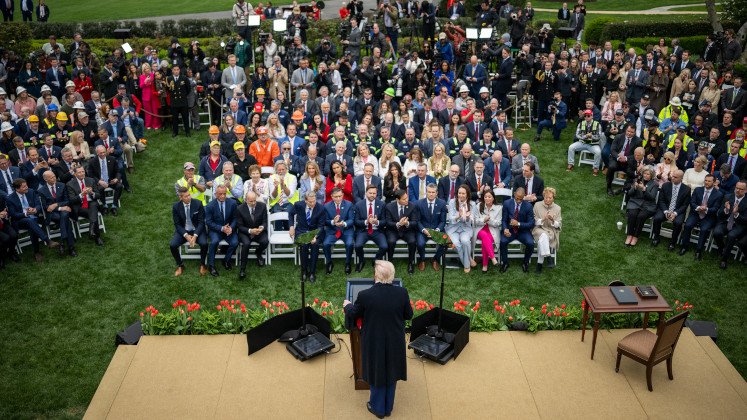
The Trump administration's tariffs announced on April 2 are the most severe since the 1930s, imposing a 10% tax on all imports and greater rates on key partners (e.g., 20% on the EU, 34% on China). These tariffs threaten to disrupt global trade, inflate prices, and harm economies worldwide, challenging WTO principles. The EU and UK need diplomatic strategies, strategic retaliation, and domestic reforms to address this crisis. The EU may reconsider its approach toward US relations, while the UK aims for a preferential trade agreement to mitigate the impact of tariffs.
United Kingdom
How the EU and UK should respond to Trump’s Liberation Day tariffs

GenAI is significantly contributing to vehicle autonomy by addressing technological challenges through synthetic data generation, enhancing AI capabilities in cars, and promoting human-machine collaboration. Automated vehicles use end-to-end AI models to process complex driving scenarios more efficiently than traditional rule-based systems. Synthetic datasets, generated by AI-driven simulation platforms, train models to handle diverse and rare driving situations. Moreover, AI improves driver monitoring systems and human-machine interfaces, facilitating safer and more intuitive interactions. Despite advancements, regulatory and consumer acceptance challenges remain for autonomous vehicle deployment.
How GenAI is helping drive vehicle autonomy
The European Commission plans to propose reducing the General Data Protection Regulation (GDPR) in the coming weeks, aiming to streamline regulations that some believe hinder business competitiveness. This initiative is part of a broader effort by Commission President Ursula von der Leyen to make European businesses more competitive with global rivals. Criticism of GDPR highlights its complexity, with calls for a more workable framework that doesn't compromise privacy. Danish Digital Minister Caroline Stage Olsen supports simplifying compliance, echoing concerns raised by former Italian Prime Minister Mario Draghi regarding regulations stifling innovation.
Europe’s GDPR privacy law is headed for red tape bonfire within ‘weeks’

The US tariff hikes announced on April 2, 2025, are more severe than initially expected, including both monetary tariffs and non-tariff barriers. Significant increases affect countries with strong trade ties to the US, such as China (34%), the EU (20%), and Vietnam (46%). The tariffs may lead to exports declining nearly 10% for Vietnam and Cambodia, impact GDP negatively by almost 5% for Vietnam, and decrease EU GDP by approximately 0.4%. The complex assessment underscores the potential economic repercussions for various nations linked to the US.
Larger-than-expected US tariff hikes will hit many countries hard
Governance paradigms have transformed during the COVID-19 pandemic, requiring responsive and inclusive mechanisms. Participatory governance has become crucial, emphasizing collaboration among stakeholders. Digital technologies have facilitated this shift, democratizing participation and enabling grassroots initiatives like civic hacking to address societal issues. This study examines two local civic hacking initiatives during the pandemic—one in Wuhan, China, and the other in Italy—to analyze their dynamics and implications. Findings highlight the role of civic hacking in enhancing crisis response through collaboration, transparency, and inclusivity.
Education, Health
Digital Technologies and Participatory Governance in Local Settings: Comparing Digital Civic Engagement Initiatives During the COVID-19 Outbreak

Africa's slow development is primarily attributed to its demographic challenges rather than poor governance. The continent's youthful population leads to high dependency ratios, hindering economic growth. Currently, many African nations are classified as low or lower-middle income. Despite substantial development aid, growth has remained sluggish since independence in the 1960s, mainly due to a high number of dependants compared to working-age individuals. Improvements in the ratio are not expected until after 2050. Africa's slow demographic transition, limited empowerment of women, and reliance on subsistence agriculture further exacerbate the situation.
Angola, Belgium, Benin, Burkina Faso, Cameroon, Democratic Republic of the Congo, Egypt, Ethiopia, Germany, Ghana, Guinea, Kenya, Lesotho, Malawi, Mali, Mauritania, Mozambique, Namibia, Republic of Korea, Rwanda, Senegal, South Africa, Tanzania, Uganda, United Kingdom, Zambia | Education
Africa’s slow development: it’s demographics, not poor governance

On April 2, 2025, President Trump announced new tariffs starting at 10% for all US trade partners, increasing for specific countries with surpluses to nearly 50%. Major economies like China, the EU, and Japan will face intermediate rates. These tariffs are a continuation of Trump's previous protectionist measures, reminiscent of the 1930s trade policies that contributed to a global trade war. The immediate effects are projected to include significant declines in exports from China and other nations, suggesting harmful short-term consequences for the global economy and potentially spiking inflation in the US.
Mexico
Trump’s “Reciprocal” Tariffs: A Farcical Repetition of the Tragic Trade Policies of the 1930s
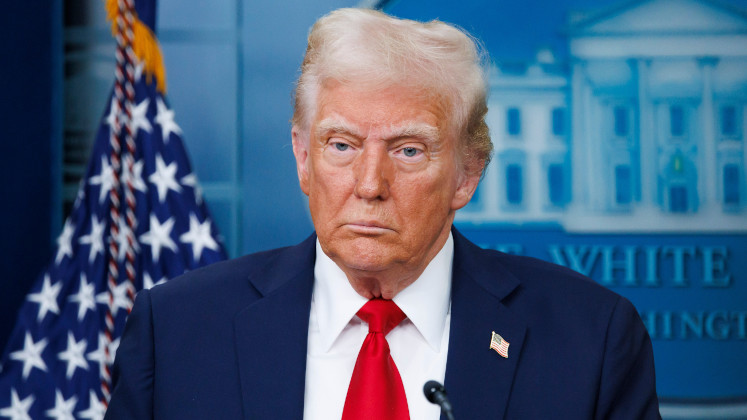
The EU’s Anti-Coercion Instrument serves as a potential response to Donald Trump's 20% tariffs on EU imports, but its effectiveness is limited. The instrument allows for unilateral countermeasures against economic coercion, yet the US tariffs are aimed at enhancing domestic competitiveness rather than coercing specific EU legislation. As such, the EU may face challenges in justifying its response under the regulation's parameters. Coordinating an international response with allies like Canada and Japan could strengthen the EU's position and demonstrate a unified approach against US trade policies.
Is the EU’s Anti-Coercion Instrument a credible weapon against US tariffs?
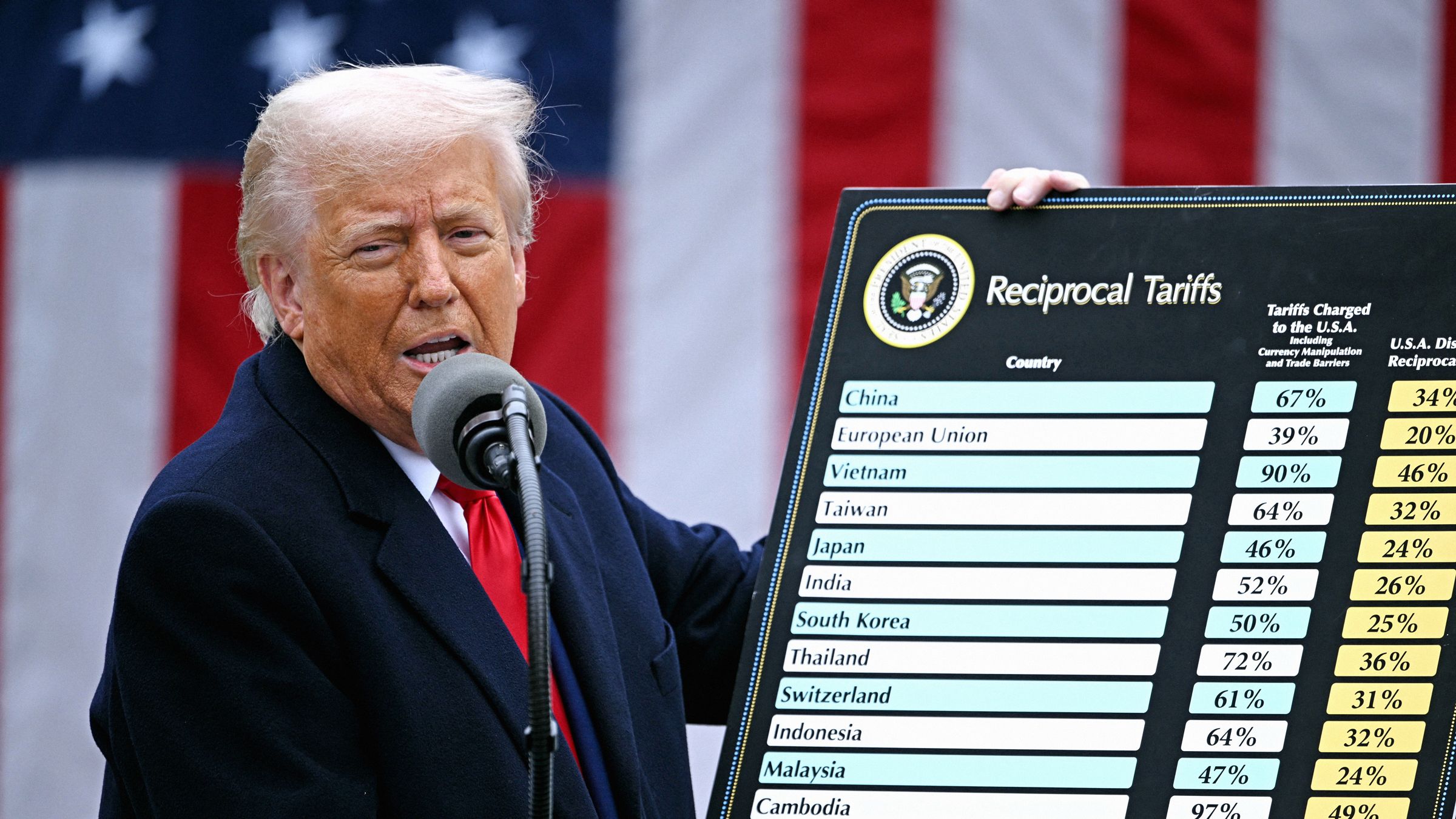
Trump's recently announced tariffs, starting at 10% on imports and escalating for countries like China and India, threaten significant disruptions in the US tech industry. Major stocks, including Apple and Nvidia, experienced sharp declines as economists warned of potential inflation and rising consumer prices. The tariffs primarily impact e-commerce, especially affecting Amazon and other online retailers reliant on Chinese goods. Moreover, Trump’s decision to end the de minimis exemption could reshape online shopping dynamics, while some tech firms may find new opportunities amidst these changes.
Trump’s Tariffs Could Reshape the US Tech Industry
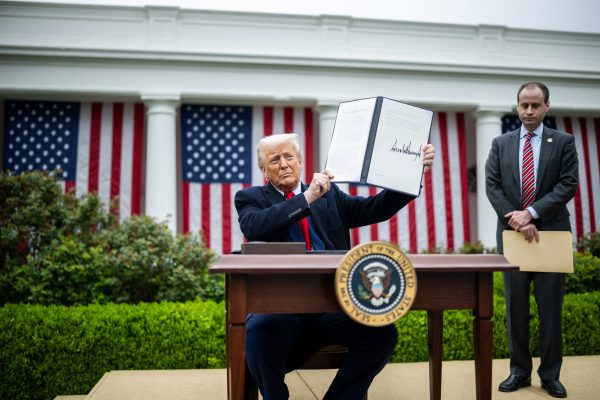
Southeast Asian nations face significant economic challenges due to new tariffs announced by President Trump, termed "Liberation Day," imposing a baseline 10% tariff on all nations. Countries like Cambodia (49%), Laos (48%), and Vietnam (46%) have been particularly affected. The tariffs allegedly reflect retaliatory measures against perceived unfair trade practices, including false claims about their effective tariffs on U.S. goods. This strategy risks damaging U.S. trade relationships, particularly with Vietnam, where exports to the U.S. are crucial to its economy. Observers note the tariffs may undermine strategic partnerships and could lead to higher consumer prices in the U.S.
Cambodia, Viet Nam
Southeast Asia Slammed By President Trump’s ‘Liberation Day’ Tariffs

President Donald Trump has announced the imposition of tariffs on the Heard and McDonald Islands in Antarctica, which are uninhabited and home to penguins and seabirds. The tariffs, set at 10 percent reciprocally, are part of a broader trade initiative. Australia manages these islands, which are recognized as a UNESCO World Heritage Site and are critical for environmental research. The situation raises concerns about compliance with the Antarctic Treaty, promoting peaceful and cooperative scientific use of the continent. Australia, claiming the islands since 1953, monitors surrounding waters for security and environmental protection.
Antarctica
Trump Tariffs Hit Antarctic Islands Inhabited by Zero Humans and Many Penguins

TradeTech Forum 2025 will take place on April 8, 2025, in Abu Dhabi, UAE, focusing on the transformative impact of advanced technologies like AI, cloud computing, and IoT on global trade. The forum aims to harness these innovations to enhance cross-border commerce and economic growth amid rising geoeconomic tensions. Key initiatives include regulatory sandboxes for startups and publishing trade-technology reports, with participants set to present regulatory recommendations to inform future trade policies. The forum highlights the role of technology in addressing modern trade challenges and fostering cooperation among global stakeholders.
Africa | Education, ICT
Trade and technology: Here’s what to know about TradeTech Forum 2025

People with dementia often face premature unemployment, despite advancements in technology that could support their continued work. Many individuals experience a transition from temporary leave to early retirement, driven by stigma and misconceptions about technological ability. Digital tools, such as automated scheduling, navigation apps, and generative AI, can enhance workplace accessibility by relieving challenging tasks and accommodating specific needs. Employers need to develop personalized strategies and interventions to support employees with dementia, similar to existing policies for other conditions, to foster inclusive work environments.
Education
People with dementia could stay in the workplace longer – with the right tech
The UK government's reluctance to promote lifestyle changes for energy demand reduction hinders climate change mitigation. Key priorities such as investing in public transport and reducing car travel are often overlooked. A recent survey of 3,000 UK citizens revealed that while 51% support a net zero target, only 43% are actively making lifestyle changes for climate reasons. To effective net zero action, five key steps are proposed: galvanizing public support through relatable issues, ensuring fairness in policy measures, and fostering community involvement in decision-making. This approach can mobilize enthusiasm for necessary lifestyle adjustments.
Nigeria | Financial services, Education
Five ways to improve net zero action – our new research highlights lessons from the past