
The European Production Tax Barometer 2025 provides a comparative analysis of production tax burdens across thirteen European countries, including new insights on France, which has previously worked to reduce its higher tax burdens. Recent setbacks occurred due to political and economic challenges, impacting the full removal of the Corporate Value-Added Contribution (CVAE). The Czech Republic was included for the first time, highlighting its significant industrial base and favorable investment climate. The study remains vital for assessing fiscal policies and their effects on competitiveness within the single market.
Austria, Barbados, Belgium, Bulgaria, Czech Republic, France, Germany, Greece, Latvia, Luxembourg, Malta, Morocco, Netherlands, Poland, Portugal, Spain, Sweden, Switzerland, Tunisia, United Kingdom
European Production Tax Barometer 2025
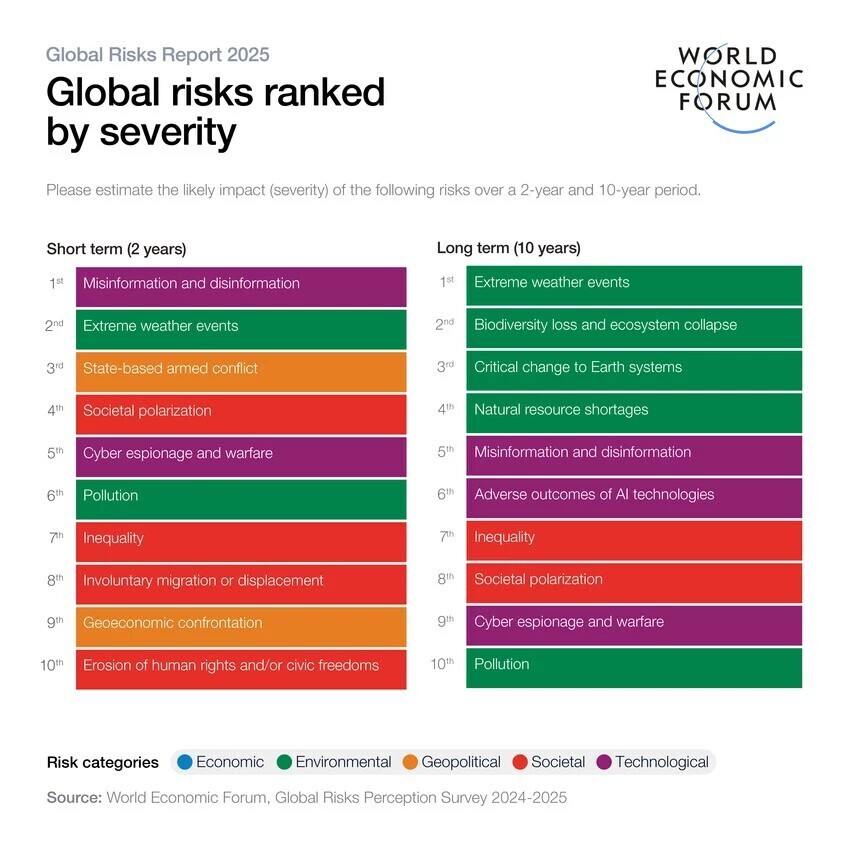
The World Economic Forum has introduced a four-step guide, "The Intervention Journey," to enhance digital safety and address online harms, emphasizing the need for collaboration across sectors. The steps include identifying risks, designing safety measures, implementing strategies, and ensuring ongoing feedback and transparency. Additionally, Microsoft plans to launch 11 AI cybersecurity agents to tackle growing cyber threats, while various global initiatives highlight advancements in AI and digital technologies in sectors like banking, fashion, and healthcare.
Africa | Health, Education, ICT
Global roadmap launched to strengthen digital safety, and other digital technology stories you need to know
HHS initiated extensive layoffs affecting approximately 10,000 workers, impacting key areas like drug approval and disease tracking. Significant cuts occurred at the FDA, NIH, and CDC, including leadership dismissals and affected personnel involved in critical health research. Concurrently, President Trump is set to announce a broad tariff plan, named “Liberation Day,” expected to apply reciprocal tariffs across all countries, with potential implications for the pharmaceutical industry. Drugmakers anticipate tariffs but prefer a phased implementation. The Trump administration's budget reductions are also crippling research funding at major institutions like Mass General.
Get ready for ‘Liberation Day’ (Trump’s tariff announcement)

AI therapy offers convenience and cost-effectiveness for mental health support, particularly for young people facing long waits for traditional therapy in the UK. However, it cannot replace human therapists, especially for severe mental health crises. Chatbots lack emotional understanding and cultural competence and are unsuitable for deep trauma responses. They may foster dependency on digital support, delaying access to necessary human care and potentially isolating users. While AI can assist therapists, the human connection inherent in psychotherapy remains essential for effective treatment and personal growth.
Why AI therapists could further isolate vulnerable patients instead of easing suffering

Leaders of Western companies facing competition from Chinese manufacturers in strategic sectors like batteries and electric vehicles must recognize the impact of the learning curve, which enables significant production increases to drive down costs. Chinese firms, such as CATL and BYD, have gained a substantial lead due to their ability to capitalize on domestic demand, making it increasingly difficult for competitors to catch up. To remain competitive, innovation in processes or products may be essential.
Will Tariffs Drive Domestic Innovation?
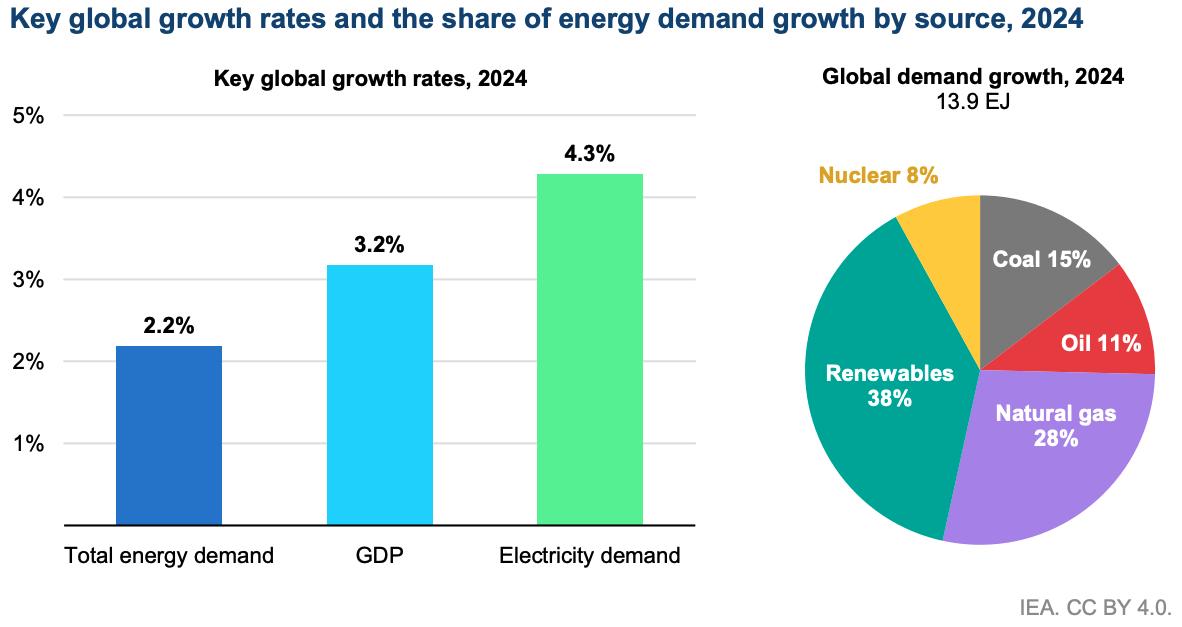
Global energy demand surged by 2.2% in 2024, nearly double the recent average, largely driven by emerging economies and a resurgence in advanced economies, with electricity consumption increasing by 4.3%. China's BYD has surpassed Tesla in EV sales, aided by new ultra-fast charging technology that enhances range significantly. Investment in energy technologies continues, with Schneider Electric pledging $700 million in the US and Bosch focusing on electrolyzer components for hydrogen production. Additionally, record prices for copper and advancements in fusion energy and nuclear projects are highlighted as significant developments within the sector.
India
Surge in global energy demand growth, and more top energy stories

An Artificial Intelligence (AI) Action Summit took place in Paris on February 10-11, drawing over 100 countries to address the governance of AI. Chloé Goupille, Secretary General of the Summit, emphasized France and Europe's potential leadership roles in creating an inclusive framework for AI regulation amid rising global interest. The event featured significant dialogue and 250 related global discussions, resulting in a landmark declaration and 100 “Paris Actions” to ensure AI benefits all. The Summit highlighted Europe’s commitment to balancing innovation with safeguards through substantial investments and collaboration across continents.
Interview with Chloé Goupille: “The EU has a unique voice on artificial intelligence”
Lessons from past technological transformations, such as the Industrial Revolution, can inform current AI governance challenges. This research combines historical analysis with backcasting, where participants from various sectors explored scenarios of AI-enabled flourishing and examined historical case studies to develop refined policy pathways. The discussions highlighted the need for nuanced AI governance models that balance innovation and public good. The findings suggest that integrating historical context with foresight methodologies can aid in effective policy planning for AI and other transformative technologies.
Applying History to Inform Anticipatory AI Governance
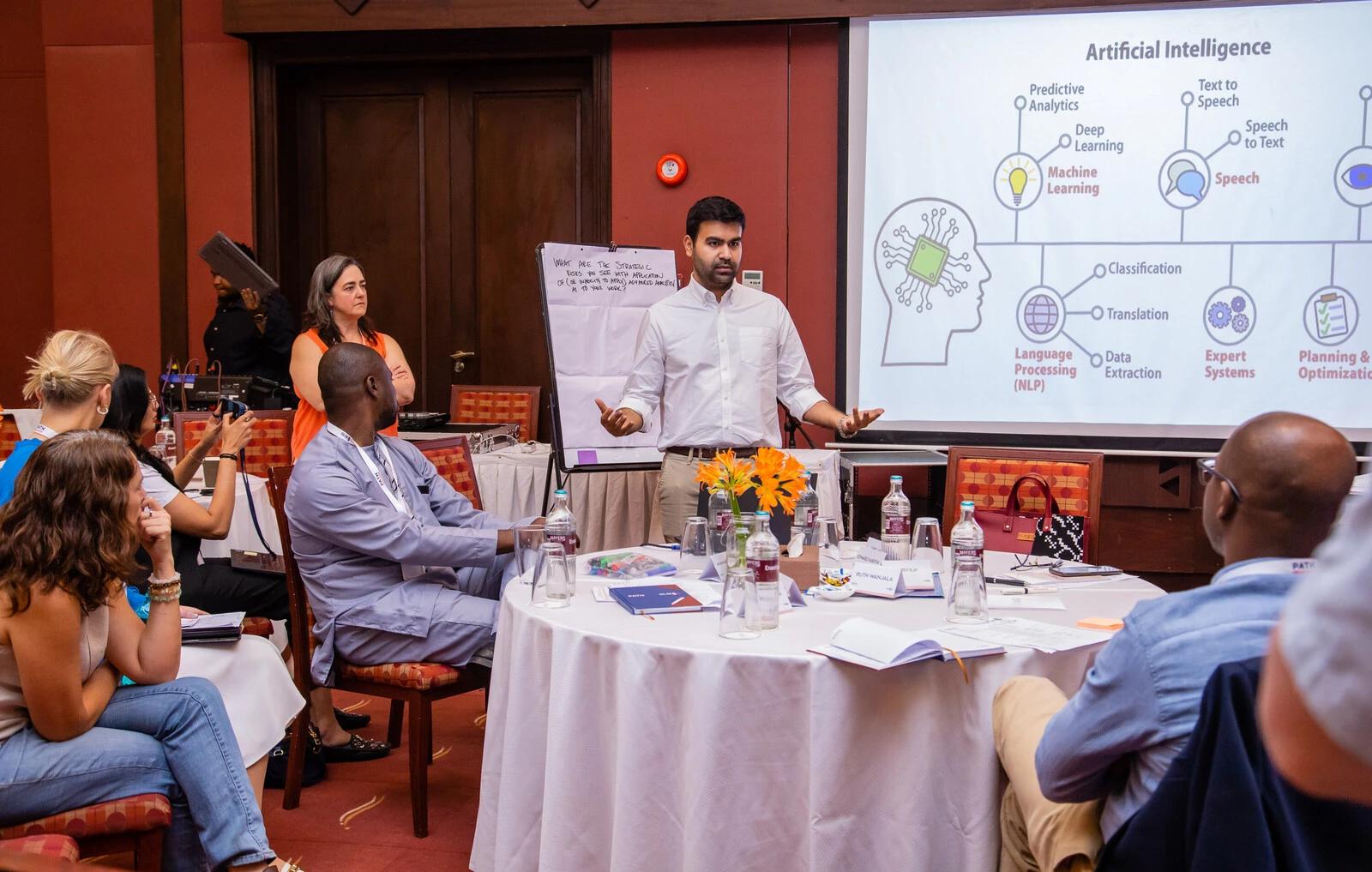
AI has significant potential to enhance global health outcomes, but to realize this, investments in evidence, infrastructure, and equity are essential. At the Global AI Summit in Kigali, there is a call for Africa to transition from being passive recipients to active contributors in AI development. There's an urgent need to close the evidence gap through rigorous trials, like those initiated in Kenya, to understand AI's practical impacts in healthcare. Additionally, lacking infrastructure and equitable access hampers AI deployment, especially in sub-Saharan Africa. Prioritizing these elements will ensure AI provides meaningful, inclusive solutions in healthcare.
Africa | Education, Health
Future-proofing AI in health: why we must prioritize investments in evidence, infrastructure and equity

Collective social innovation is vital for addressing complex global challenges through collaborative efforts that unite diverse groups to create impactful solutions. Historical examples demonstrate that such collective approaches can promote resilience and social change by sharing knowledge and resources. Key benefits include fostering cooperation via shared narratives, building relationships across sectors for resource pooling, and involving grassroots leaders to ensure community engagement. Notable initiatives, like the Amazon Sacred Headwaters Alliance and Community Solutions, highlight the potential for large-scale social impacts. In the face of increasing fragmentation, collaborative strategies are essential for fostering equitable and sustainable futures.
Health, Education
Unleashing the power of collective social innovation to tackle complex issues around the world
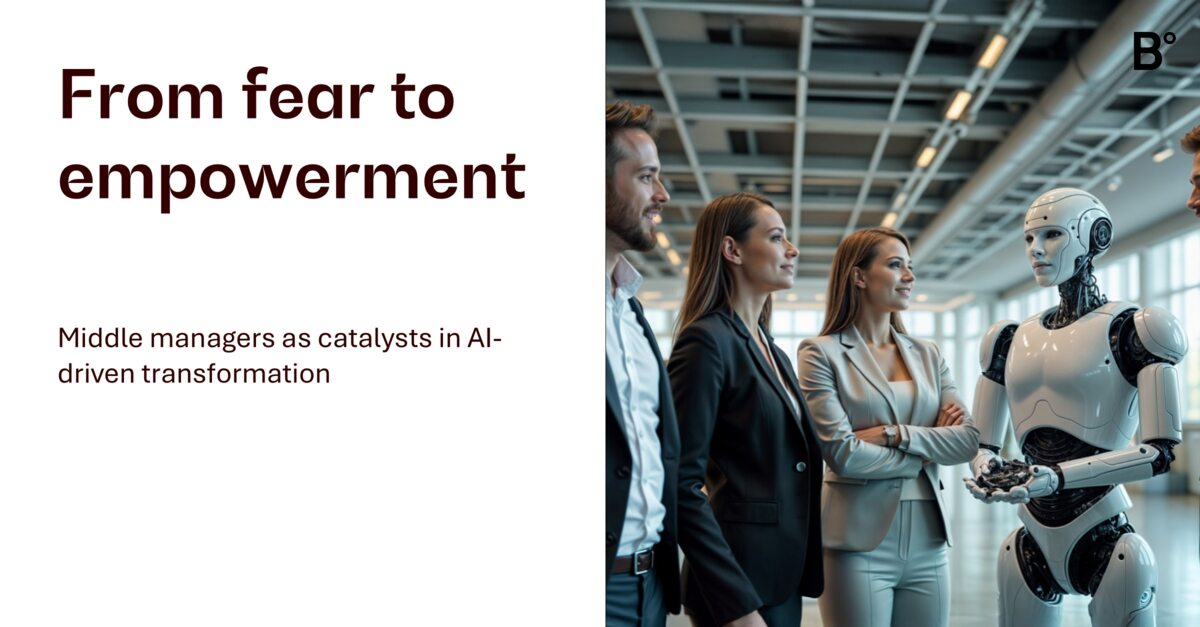
AI offers significant opportunities for transformation in efficiency and innovation, yet its success relies on a workforce prepared for integration. A lack of readiness is a critical barrier, with only 2% of firms ready for large-scale AI adoption. Training is common, but only 35% have dedicated change management teams. While Generative AI can enhance productivity and job satisfaction, fears of job displacement hinder acceptance. Empowering employees through the right tools and knowledge mitigates these fears, positioning AI as a catalyst for growth. Middle managers play a vital role, bridging leadership and employees to ensure successful AI implementation.
From fear to empowerment: Middle managers as catalysts in AI-driven transformation
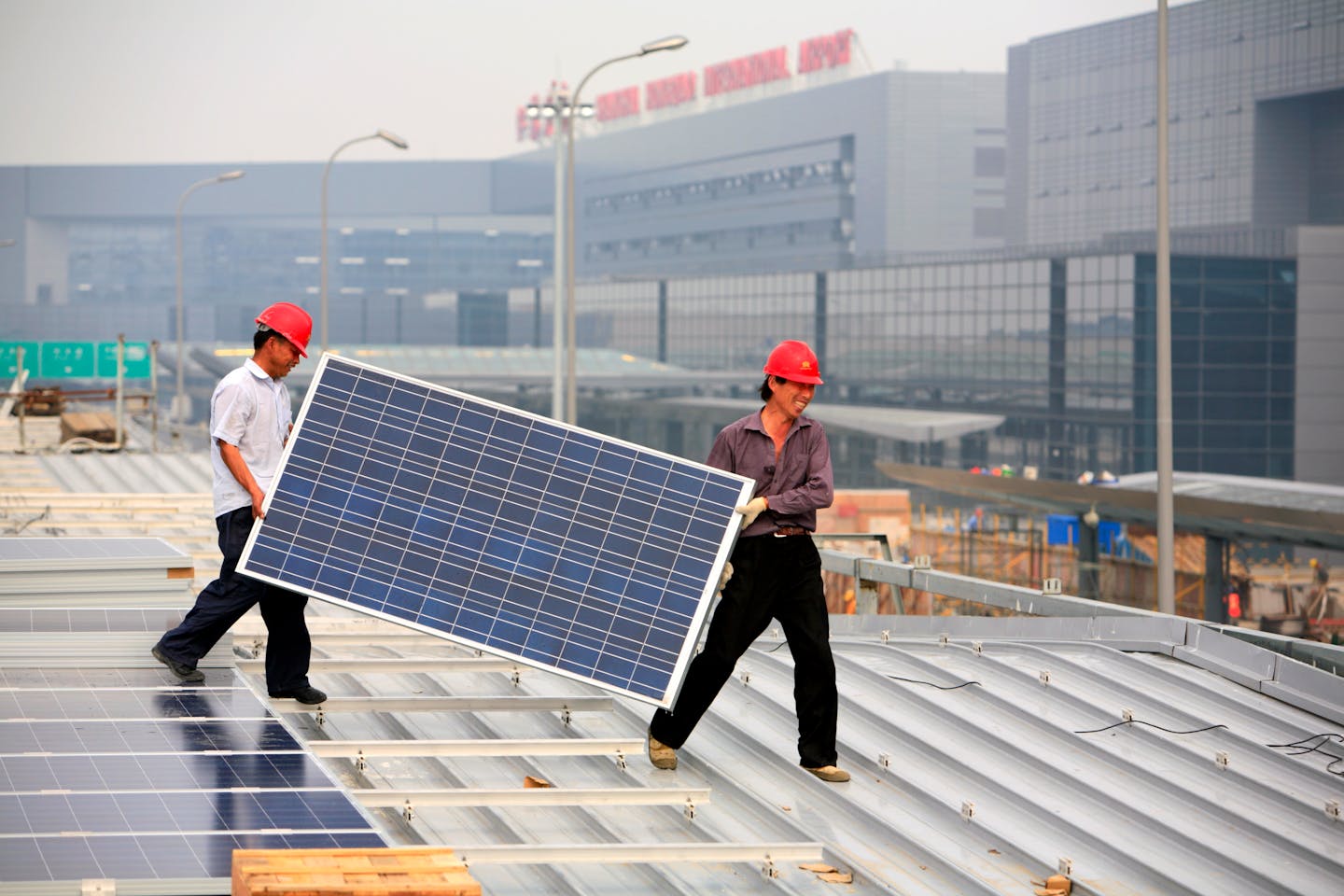
China's Green Electricity Certificates (GECs) track renewable energy generation, allowing businesses and consumers to verify their clean energy usage. Each GEC corresponds to one megawatt-hour (MWh) of renewable energy. Introduced in 2017 and gaining traction by 2024, nearly 5 billion GECs have been issued. GECs can be traded separately from physical electricity, similar to the EU's Guarantees of Origin system, facilitating broader market participation. Companies can acquire GECs through national and regional trading platforms, opting for online purchases or direct negotiations for larger quantities.
Q&A: How do China’s green electricity certificates work?

Effective governance is essential for countries to meet their climate targets under the Paris Agreement. The OECD report highlights the potential of a mission-oriented approach to enhance climate action, analyzing fifteen countries' climate council assessments. It identifies significant gaps, such as limited societal engagement and poor coordination, while showcasing successful whole-of-government strategies. The report recommends integrating mission governance principles into national climate efforts and targeting specific missions to address climate challenges, enhancing overall climate action efficacy.
Health
Harnessing Mission Governance to Achieve National Climate Targets

Older adults experience a decline in financial and health literacy, with an average decrease of about one percentage point annually. A study tracking 1,075 cognitively healthy older adults over 12 years revealed that this decline could negatively impact their decision-making regarding Social Security claims, insurance choices, and susceptibility to scams. While both genders showed similar declines, women, who typically have lower financial literacy and longer lifespans, face greater risks. The findings highlight the need for targeted literacy interventions to enhance well-being among older adults, particularly women.
Does Financial Literacy Decline with Age?

Emerging economies face significant challenges in digital transformation due to energy supply issues and limited resources. Shared digital infrastructure (SDI) emerges as a viable solution, allowing countries to pool resources for regional data hubs, mitigating costs and energy constraints. This model enhances digital sovereignty, enabling access to cloud computing and e-governance initiatives. Regions like ASEAN and the African Union are positioning to benefit from renewable energy sources, fostering economic growth and improved service delivery. Caribbean nations could also leverage SDI for greater resilience against climate change-related disruptions, ensuring sustainable digital infrastructure development.
India, Nigeria, South Africa | ICT
Developing countries are struggling to achieve their technology aims. Shared digital infrastructure is the answer

Bio-fermented silk fiber offers a sustainable, high-performance alternative to traditional silk and other animal-derived materials, leveraging AI-driven protein engineering and precision bio-fermentation. This innovative approach reduces environmental impact, contributes less than 20% to overall production burdens compared to conventional methods, and supports a circular economy due to its biodegradability. With extensive market potential across various industries, including textiles and automotive, biofabricated materials are positioned to disrupt the fabric industry by meeting rising demands for eco-friendly and scalable solutions.
How silk fibre produced using bio-fermentation could disrupt the fabric industry
Older workers offer valuable experience and flexibility, yet companies often resist hiring them due to age discrimination. The retirement process has evolved, particularly since the pandemic, with many seeking different career paths rather than traditional retirement. Historically, mandatory retirement aimed to mitigate concerns of senior employees overshadowing juniors, but as job markets shift, older workers are increasingly seen as a skilled and motivated workforce. Employers should recognize the benefits of engaging older employees, as they often demonstrate lower absenteeism, better social and job skills, and a willingness for flexible schedules.
Retirement and the Changing Workforce | Peter Cappelli
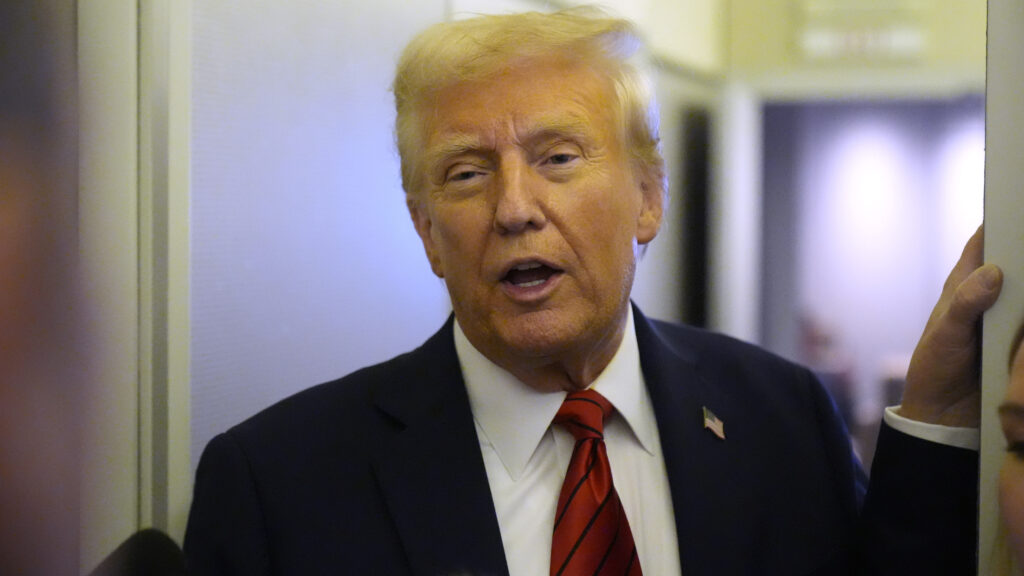
Proposed tariffs by the Trump administration on pharmaceuticals could lead to significant shortages and increased prices for Canadian-made drugs in the U.S. An analysis estimates that $3 billion in annual pharmaceutical sales from Canada may incur an additional $750 million in costs due to a potential 25% tariff. Expert Mina Tadrous notes that initial costs might be absorbed by companies and wholesalers, but ultimately they will likely be passed on to consumers and payers.
Canada
Trump’s proposed tariffs may cause shortages of Canadian-made drugs in the U.S., analysis finds

GENSA, the Gender and Equity Network South Asia, was formed in 2020 from the collective aspirations of over 250 individuals seeking to address gender-related challenges in South Asia. Its foundation arose from discussions among members of the Community of Evaluators, South Asia, emphasizing grassroots involvement rather than corporate or donor-driven agendas. GENSA promotes knowledge production, capacity building, and culturally relevant initiatives in gender equity. Despite lacking formal funding and structure, it quickly gained 150 members in its first six months through volunteer efforts and peer referrals. The network adapted successfully during the COVID-19 pandemic by shifting to virtual support and workshops.
GENSA: A Movement for Gender Equity in South Asia
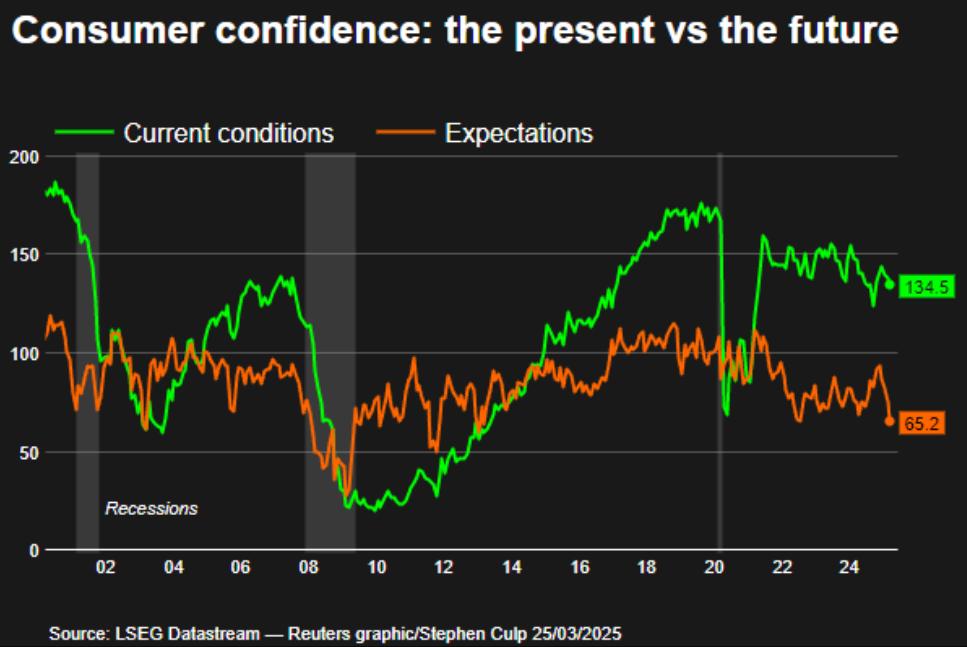
US corporate profits increased by $204.7 billion in Q4, yet uncertainty remains due to tariffs and economic slowdowns. The OECD reported a global borrowing surge of $25 trillion in 2024, nearing three times the level in 2007, intensifying risks of rising debt costs and market volatility. Gold prices soared by over 18% this quarter, and military-focused ETFs are gaining traction. Potential retaliatory tariffs from other countries against the US may escalate trade tensions. Additionally, Bank of America noted an 80% rise in mortgage applications, aided by a better housing market and favorable bond yields.
United Kingdom | Financial services
US corporate profits rebound, but uncertainty looms, and other finance news to know