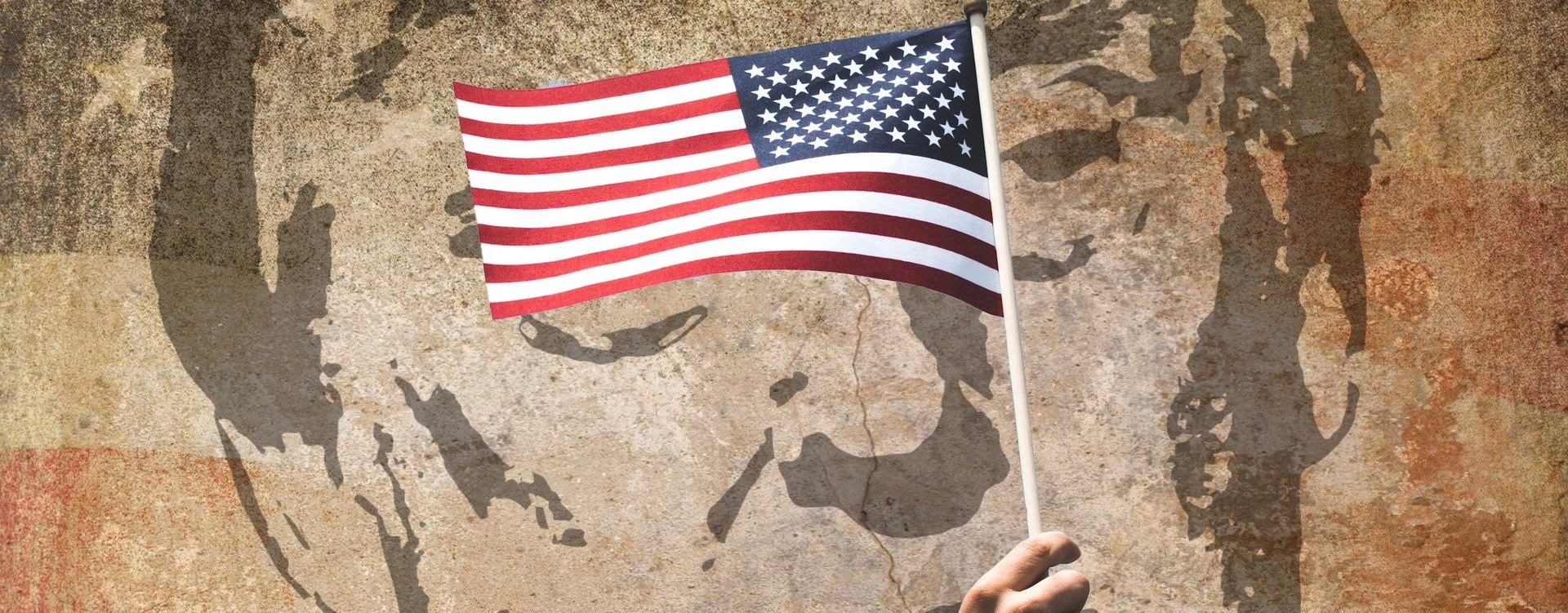
The re-election of Donald Trump shifts global geopolitics towards nationalism and economic unilateralism, reversing trends in liberal democracy. His "America First" policy emphasizes national sovereignty, impacting trade relationships and alliances, while promoting a mix of isolationism and assertive tactics focused on American interests. Countries like India, Brazil, and Hungary exhibit rising nationalist sentiments, tightening immigration and adopting protectionist measures. Trump’s approach favors direct negotiations over multilateralism and forces allies to bear more defense costs, highlighting a self-interested philosophy that prioritizes economic gain over collective global stability.
Russian Federation
Geopolitics in the era of Trump

The United States will impose import tariffs on countries that impose tariffs on US exports, including a 25% tariff on imported cars, starting April 2nd. Hudson Meadwell argues that Trump's rhetoric and policy shifts should not be seen as chaos but as expressions of his magical thinking and desire for an imperial republic led by him. This political imaginary indicates a significant shift from a constitutional republic toward an imperial republic, driven by Trump’s fantasies and narcissism, with tariffs serving as a tool to manipulate the international economic landscape and maintain power.
Long Read – Trump’s trash talk about tariffs shows his grandiose magical thinking

The US will begin imposing 25% tariffs on automotive imports starting April 2, 2025, significantly affecting the EU's automotive industry, particularly in Germany, Austria, and the Visegrád countries. The EU, the largest exporter in this sector with $300 billion in annual exports, faces an estimated export decline of about $8 billion due to the tariffs. Countries like Mexico, Canada, and Japan will also be impacted, with Slovakia being the EU's hardest hit due to its extensive automotive sector exposure. Overall, this move poses further challenges to Europe's already struggling automotive industry.
Austria, Belgium, Bermuda, Bulgaria, Canada, Costa Rica, Croatia, Czech Republic, Ecuador, Georgia, Germany, Guatemala, Hungary, Italy, Japan, Luxembourg, Malaysia, Malta, Mexico, Philippines, Republic of Korea, Romania, Slovakia, Slovenia, Spain, Switzerland, Taiwan, China, Türkiye, Ukraine, United Kingdom
How Trump’s new tariffs will impact the EU’s already struggling automotive industry
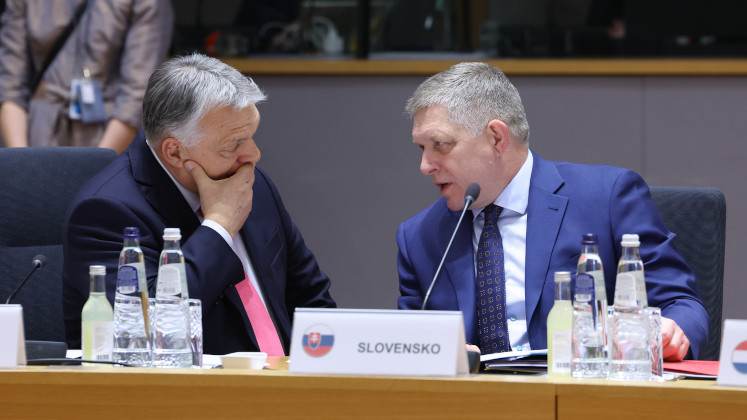
Widespread optimism characterized the democratic prospects of Central and Eastern Europe before the 2004 EU enlargement, influenced by political science literature. Dawson, Herman, and Ananda analyze how this prevailing optimistic narrative emerged and its real-world impacts, especially in light of current democratic challenges in the region. They conducted a comprehensive review of scholarship from 2000-2015, revealing biases favoring optimistic interpretations tied to EU accession, often promoted by West European scholars. This bias likely influenced EU policymaking, which may have exacerbated issues in civil society, highlighting the need for methodological pluralism and a clearer separation between academia and political power dynamics.
Latin America
Did political science get Central and Eastern Europe wrong?

Artificial intelligence, particularly through systems like QuakeFlow developed by Stanford University, is transforming earthquake forecasting and analysis. This technology allows researchers to process vast amounts of seismic data efficiently, identifying small tremors that often precede larger quakes. Seismologist Margarita Segou noted trends in seismic activity in Santorini, highlighting that AI improves detection of earthquakes typically missed by traditional methods. Christopher Johnson from Los Alamos National Laboratory emphasized AI's role in uncovering overlooked seismic events. However, predicting specific earthquakes remains challenging, exacerbated by climate change. AI relies on quality data from seismometers, underscoring disparities in resources between wealthier and less equipped countries.
AI is shaking up the hidden world of earthquake forecasting

Lamia Mohsin, a climate expert from Bangladesh, advocates for climate justice and resilience for marginalized communities affected by extreme weather. After witnessing the devastation of Cyclone Aila, she committed to public policy focused on climate adaptation, working with UNDP since 2019. Mohsin promotes climate-resilient practices like salinity-tolerant rice and addresses the significant challenges faced by vulnerable populations. As a young woman in a high-stakes environment, she strives to be seen as an expert rather than just a "young voice," emphasizing the need for equitable climate finance and the importance of local insights in global discussions.
Nigeria
‘Not just a young voice’: How a climate expert from Bangladesh pushes past labels
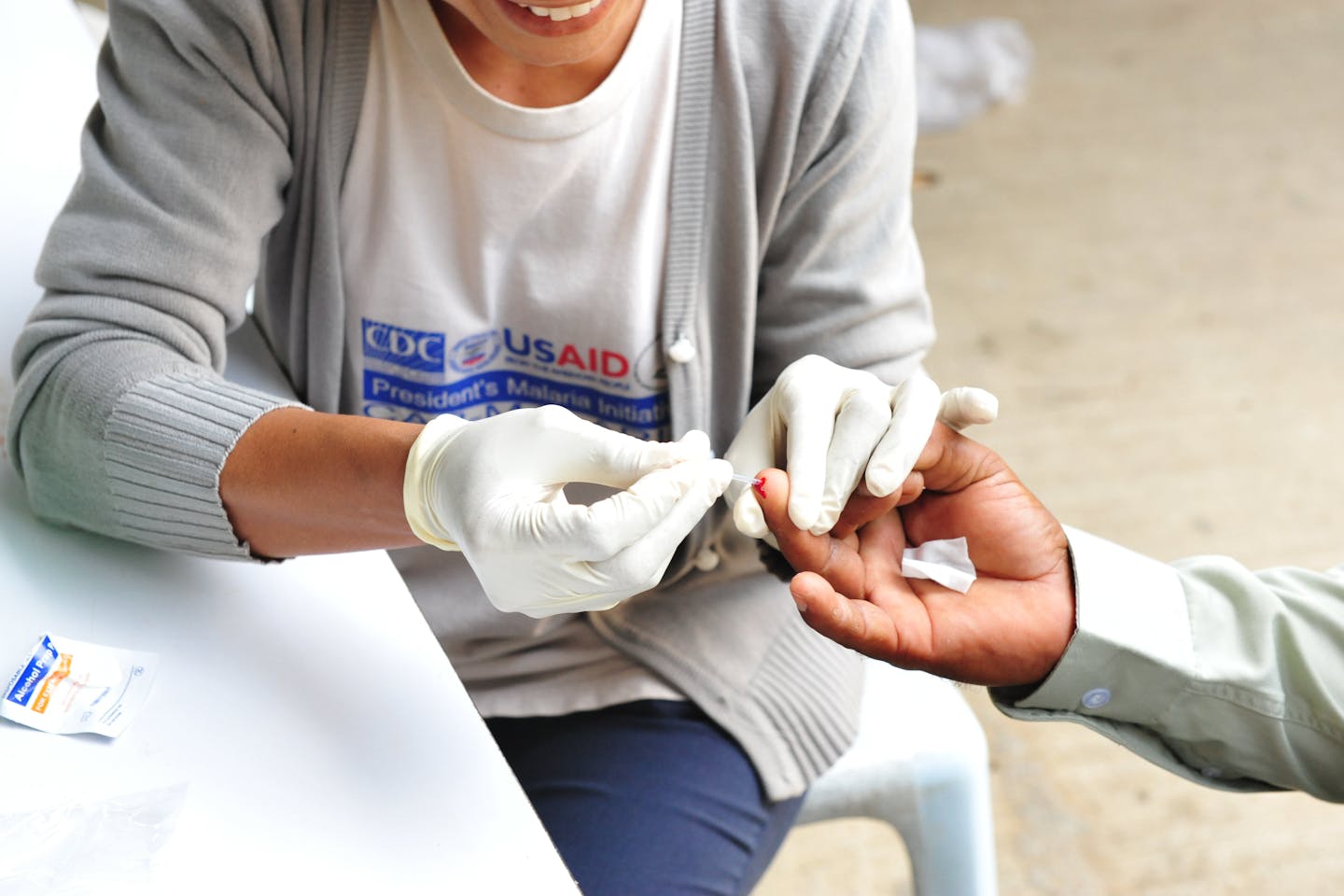
Funding cuts for life-saving health initiatives could jeopardize decades of progress in combating AIDS, tuberculosis, and malaria, according to Peter Sands, executive director of the Global Fund. As international aid faces financial constraints, there’s a pressing need to innovate while acknowledging that reduced funding could lead to a reversal of advancements in global health. Continuous support is crucial for managing infectious diseases and preventing drug-resistant strains. Effective healthcare underpins societal stability, emphasizing the link between health and global security.
Africa | Financial services, Health
Q&A: 'Moment of reckoning' in fight against AIDS, TB, malaria

Philanthropy currently allocates less than 2% of its funding to climate change mitigation, despite the urgent need for ecological action. As trillions are transferred to younger generations, sustainable investing and environmental philanthropy can thrive. Key opportunities include supporting innovative projects in fossil-free steel production and decarbonizing agriculture, mobilizing impactful collaborations, enhancing GHG monitoring through better data systems, and capitalizing on the growing interest of next-gen investors in sustainable solutions. Wealth managers play a crucial role in connecting these emerging opportunities to sustainable capital flows.
Financial services, Education, Health
5 opportunities to catalyze Earth action through philanthropy and sustainable investing

AI has potential for improving business practices but is inadequate for addressing complex social sustainability issues, such as forced or child labor, due to its focus on digital economies. Experts warn against relying on AI for sustainability reporting, as it can amplify existing inaccuracies, thus increasing the risk of greenwashing. Data centers, key to AI operations, also pose environmental challenges due to significant water consumption and fossil fuel reliance, complicating the transition to sustainable practices. Regulatory measures are essential to ensure standardization in supply chain data before broader AI implementation in sustainability efforts.
AI is limited in tackling 'hard' sustainability problems: experts
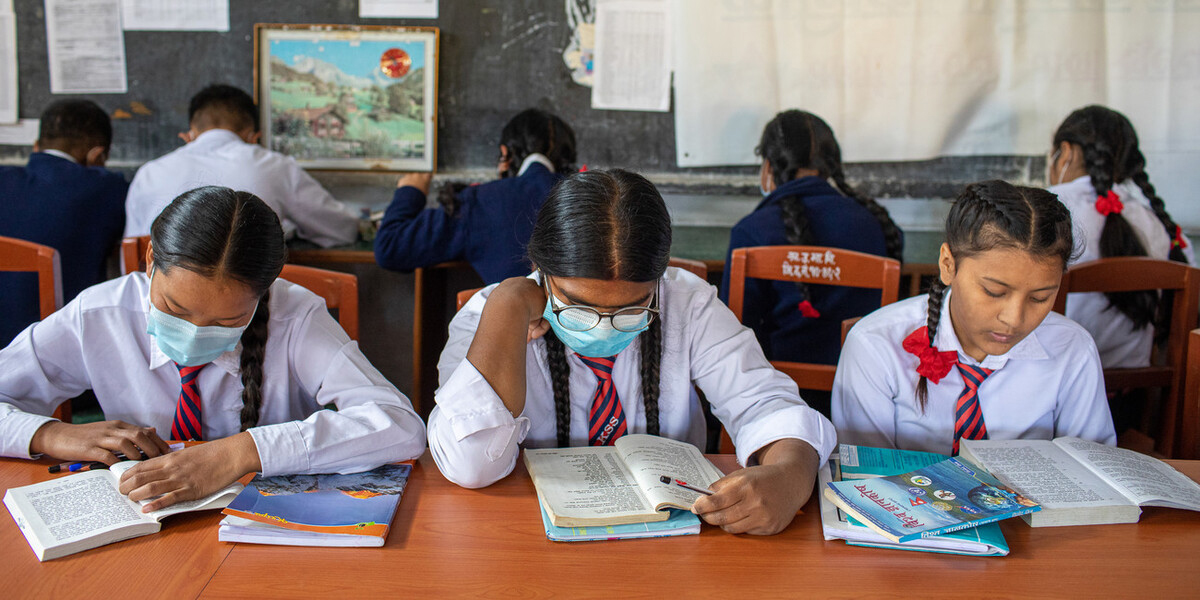
The sector-wide approach (SWAp) in Nepal aims to enhance equitable access to quality school education through collaboration between the government and joint financing partners. Despite achieving gender parity in enrollment, challenges like limited access for Dalit children and inadequate resources persist. The School Education Sector Plan (2022-2032) seeks to strengthen education quality and recovery from COVID-19 learning losses. Key takeaways from recent consultations include the necessity for interministerial collaboration, improved local government capacities, and better resource management to enhance educational outcomes in the evolving federal structure.
Education
3 Takeaways from Sector Dialogues to Improve School Education in Nepal

Rising compliance costs, regulatory fragmentation, and de-risking are severely limiting access to cross-border banking, particularly impacting small and emerging economies. The traditional correspondent banking model struggles with increased operational burdens and a lack of trust. To address these issues, alternative approaches are needed, including regulatory harmonization through AI-powered platforms, smarter risk-based compliance methods, next-generation payment infrastructures, and strengthening national financial systems. These strategies aim to enhance financial connectivity and resilience, ensuring global banking access and financial inclusion for vulnerable economies.
ICT, Financial services
Banks Without Borders: How AI, IDs, and Innovation Are Changing the Game
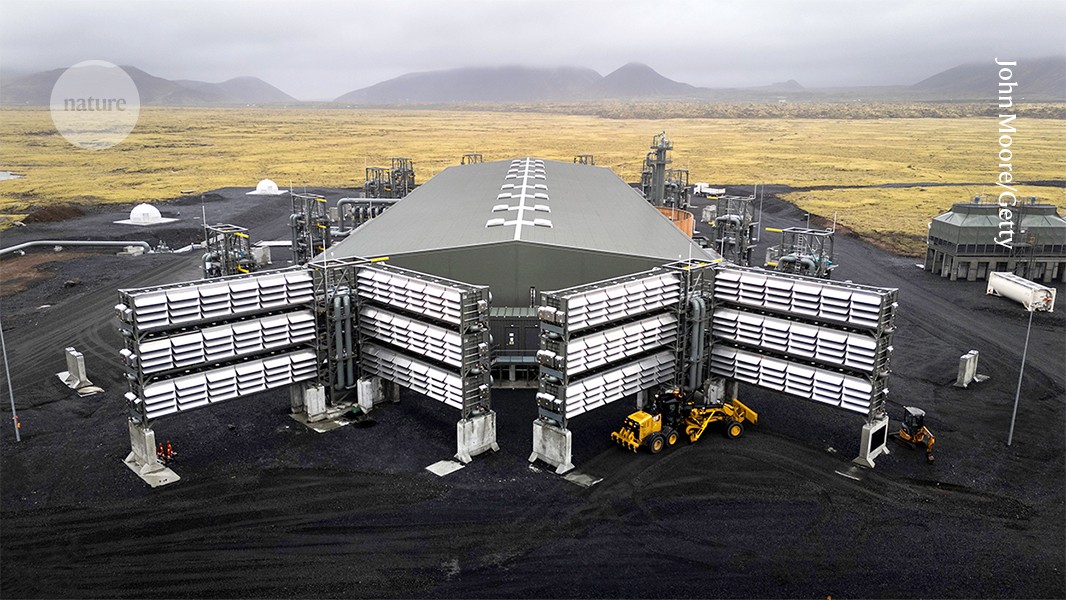
Achieving net zero by 2050 requires balancing carbon emissions with removals, presenting significant challenges due to historical carbon-dependent economic paradigms. Critical obstacles include premature perfectionism, rigid carbon accounting, and limited collaboration. Effective carbon markets are essential, but current expectations and lack of binding regulations hinder investment and adoption. The article identifies six solutions to these barriers, emphasizing the need for flexible approaches that prioritize progress, driven by early movers in the corporate sector who can navigate the complex landscape of net-zero strategies. Overall, substantial investment in clean energy and carbon removal is crucial.
Financial services
Six roadblocks to net zero — and how to get around them
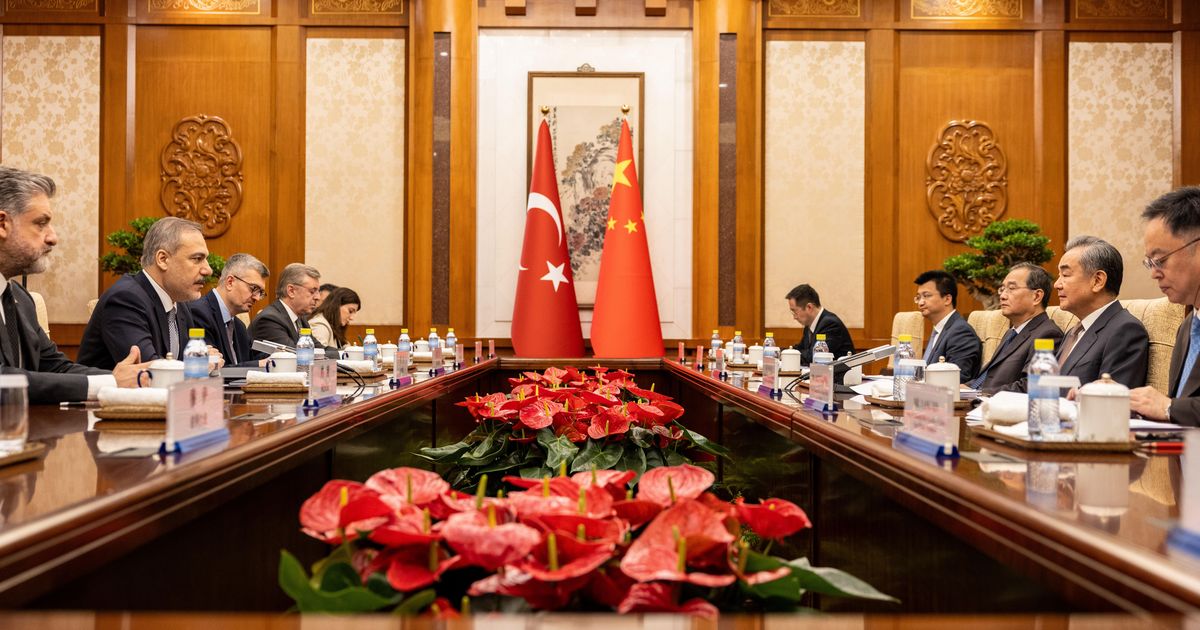
Turkey's relations with the US have deteriorated, limiting its benefits from the Sino-US tech rivalry. The country aims to advance its technological capabilities, particularly in the Fourth Industrial Revolution, prioritizing partnerships with Chinese tech firms for affordable access to advanced technology. Turkey's ambitions include domestic initiatives like the Togg electric vehicle and a quantum computer. However, its foreign policy remains ambivalent, as Ankara leans towards China while navigating its NATO membership and EU candidacy. The ongoing US-China competition, particularly in AI, EVs, and 5G, influences Turkey's policy choices in the high-tech landscape.
Germany, Taiwan, China, Türkiye | Financial services, ICT, Education
The US-China Tech War: Where Does Turkey Stand?

The Trump administration's planned 25% tariffs on imported automobiles are causing significant uncertainty in the U.S. auto industry, hindering decision-making for automakers reliant on complex global supply chains. Experts, including Wharton professor John Paul MacDuffie, indicate that these tariffs will likely disrupt decades of stability established by prior trade agreements. This will deter capital investments and complicate operational planning as manufacturers, particularly American companies like Ford, GM, and Stellantis, struggle to navigate the unpredictable policy environment. The situation is exacerbated by the need to stockpile inventory to mitigate immediate cost impacts.
How Tariffs Will Impact the U.S. Auto Industry

AI mental health chatbots offer a cost-effective solution to the U.S. mental health care crisis but raise significant ethical concerns, particularly regarding their use with children. Experts emphasize that children are vulnerable and require a supportive social context for their development that AI lacks. The unregulated nature of many AI apps, alongside potential biases in their training data, could exacerbate health inequities. While AI chatbots can be useful tools, they should not replace human therapists. Ongoing discussions are needed to ensure ethical practices in their application for children's mental health.
My robot therapist: The ethics of AI mental health chatbots for kids
Negative perceptions of immigration are prevalent in political discourse and media across Europe, yet recent analysis shows a shift towards more positive attitudes among the public. Long-term data reveals that many Europeans now view immigration as beneficial, especially in countries like Ireland, the UK, and Switzerland. The UK, in particular, has seen a significant rise in the belief that immigration positively impacts the economy, despite a recent slight decline. However, negative trends are emerging in countries such as Ireland, the UK, and Poland, indicating that public attitudes can fluctuate based on broader political narratives and events.
Latin America
What Britons and Europeans really think about immigration – new analysis
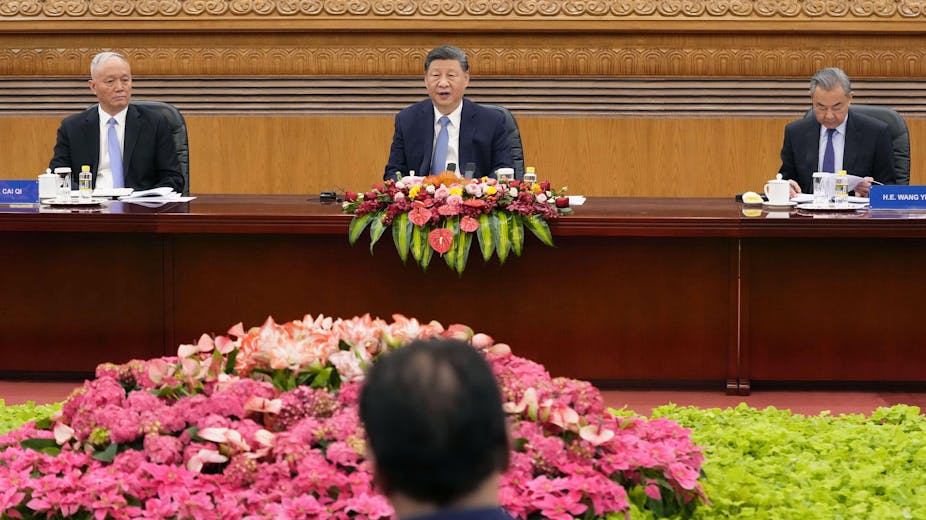
China aims to counteract the impact of Trump’s tariffs by enhancing foreign investment and domestic consumption. President Xi Jinping has assured business leaders of improved market access and open communication with the government. Despite signs of economic recovery, including a 5.9% increase in industrial production and a 4% rise in retail sales, challenges remain due to a real estate crisis and high youth unemployment. Beijing intends to stimulate economic growth through additional policies and has emphasized boosting domestic consumption, which currently lags behind global averages. Additionally, China is making strides in AI innovation with the introduction of DeepSeek, positioning itself as a competitor in the tech sector.
Financial services
How Beijing plans to bounce back against Trump’s tariffs

Chinese start-up DeepSeek launched R1 in January 2025, an open-source AI model that offers a cost-effective alternative to existing models. This innovation coincides with a resurgence of industrial policy as governments seek to enhance AI capacity and competitiveness. Emphasizing the role of national innovation systems, the paper advocates for crafting AI industrial policy that promotes innovation and reduces dependency on major tech firms, reflecting a shift away from previous neoliberal frameworks.
ICT, Education
AI, Innovation and the Public Good: A New Policy Playbook
The book addresses the growing integration of emerging digital technologies, such as artificial intelligence and blockchain, in public governance. It highlights the benefits of automation, hyper-connectivity, and complexity through algorithmic systems and data-driven AI. The book also examines regulatory compliance and the need for innovative legal frameworks to manage these technologies. Additionally, it emphasizes the importance of socio-ethical concerns, particularly trust and public values, in the evolving digital landscape of public governance.
Financial services, Health, ICT, Education
Public Governance and Emerging Technologies
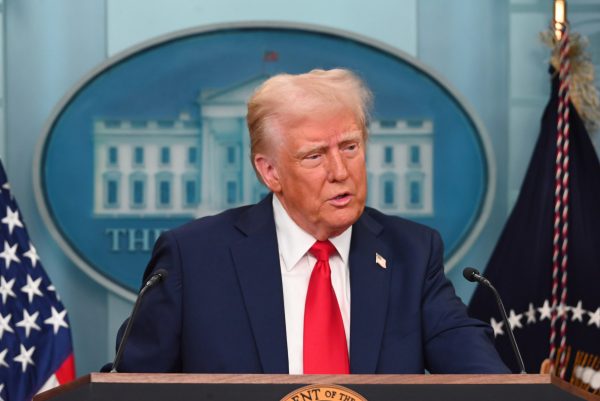
U.S. President Trump has reaffirmed his "Tariff Man" identity by imposing various tariffs on imports from Canada, Mexico, China, and the European Union as part of his "America First" strategy. With a significant trade deficit with ASEAN totaling $230.5 billion, it's anticipated that the region may face similar tariff measures. ASEAN countries, particularly Vietnam and Thailand, could be targets due to their trade links and past currency manipulation accusations. Thailand, with its 1966 Treaty of Amity and Economic Relations, holds a strategic card, granting U.S. entities special investment treatments, reflecting a complex history of U.S.-Thailand relations.
Thailand
Does ASEAN Hold Any Cards in the Coming Tariff War?