The 2024 edition of the Italian Foreign Policy Report is presented in Trento, focusing on Italy’s foreign policy developments. This report is produced in collaboration with the Fondazione Compagnia di San Paolo and involves a team of researchers from the Italian Foreign Policy Programme. The presentation aims to analyze Italy's foreign policy in 2024 and explore future directions and challenges for 2025, encouraging participation from students, faculty, and the public.
Italy
L’Italia nell’anno delle grandi elezioni - Presentazione del Rapporto sulla politica estera italiana 2024 - Trento

The global demographic shift towards an ageing population necessitates age-proofing AI tools in the workplace to foster inclusivity. As the UN projects over 2 billion people will be age 60 or older by 2050, age bias in AI can marginalize older workers, particularly in hiring processes. Companies risk legal repercussions and diminished competitiveness if they overlook the capabilities of older employees, who often outperform younger peers. Organizations should implement inclusive design, robust data management, flexible work arrangements, job redesign, and tailored training programs to integrate older workers effectively, leveraging their strategic skills in an AI-driven environment.
Education
How 'age-proofing' AI in the workplace can foster inclusivity

Green hydrogen is emerging as a key solution for global decarbonization, offering a carbon-free alternative by utilizing renewable energy for electrolysis. The European Union aims for climate neutrality by 2050 and is prioritizing green hydrogen to reduce dependency on Russian fossil fuels. North Africa, with its abundant solar and wind resources, is positioned as a vital supplier for Europe, leveraging existing gas infrastructures for transport. The Southern Hydrogen Corridor project will facilitate this connection. Development of these corridors will enhance economic cooperation, energy security, and contribute to wider international climate goals, promoting sustainable energy infrastructure.
South Africa, Tunisia
Green Hydrogen Corridors Between North Africa and Southern Europe: A Pathway to Energy Transition and Decarbonization

Adopting a revenue operations (RevOps) approach can significantly enhance the resilience and efficiency of personal protective equipment (PPE) supply chains. The COVID-19 pandemic exposed critical vulnerabilities, emphasizing the need for strategic demand forecasting and agile distribution. RevOps promotes a unified model that integrates sales, operations, and finance, enabling organizations to anticipate demand, optimize production, and ensure equitable distribution. By leveraging advanced analytics, real-time market data, and public-private partnerships, corporations can create sustainable supply chains that are prepared for future crises, thus improving the availability and adaptability of essential PPE.
Health
How taking a RevOps approach can build agile and strategic supply chains for PPE

The acceleration of quantum technology is highlighted, with 2025 designated as the International Year of Quantum Science and Technology. The International Telecommunication Union (ITU) is launching a "Quantum for Good" initiative to ensure equitable access and benefits from quantum advancements. Similar to the evolution of AI, quantum technology holds promise but faces significant challenges, including security threats to current encryption methods and limited access primarily confined to developed tech markets. ITU aims to foster collaboration and invest in skills to ensure that quantum technology serves all communities, especially in developing nations.
Education
Advancing quantum technology for good

Inequality is identified as a significant barrier to addressing environmental issues like climate change, according to Tony Juniper in his book "Just Earth: How a Fairer World Will Save the Planet." He emphasizes that social justice must align with environmental priorities for a secure future, highlighting how disadvantaged groups often lack representation in policy decisions. Juniper critiques the narrow demographics within the UK environmental sector and points out tensions in global negotiations favoring developed nations. He proposes a vision for a just transition that prioritizes climate justice, although voices from affected communities remain underrepresented.
Climate change isn’t fair but Tony Juniper’s new book explains how a green transition could be ‘just’
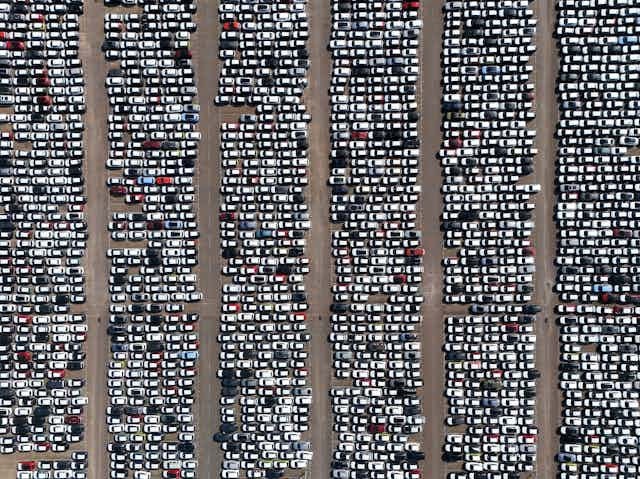
Donald Trump has announced a new 25% tariff on imported cars, with additional “reciprocal tariffs” likely to follow. His administration’s frequent tariff adjustments contribute to trade uncertainty, negatively impacting economies involved. Research indicates that the US trade deficit stems more from domestic issues than international trade. In a worst-case scenario, non-reciprocal tariffs could lead to significant GDP drops in Canada (16.5%) and Mexico (6.6%), while the US risks a 0.19% decline. Even in less severe outcomes, all nations would see GDP contraction. Cooperation among affected countries could lead to advantageous negotiations for a return to previous low-tariff conditions.
Donald Trump likes tariffs, but they damage the economies of everyone involved

Geopolitical instability and economic uncertainty are leading to a "shakeout" in corporate sustainability, as some companies reduce their commitments while others enhance investments in long-term sustainable practices. Dr. Mark Konyn of AIA Group emphasizes that businesses firmly committed to sustainability are integrating it across all levels and can leverage competitive advantages. Despite some firms retracting their pledges, AIA notes a positive shift among new bond issuers in Asia towards sustainable finance. China's consistent approach to climate action, including significant reductions in carbon intensity and renewable energy growth, highlights the urgency for global cooperation on sustainability.
Nigeria | Financial services, Health
Global instability causing 'shakeout' in corporate sustainability

The EU's financial policy is undergoing a significant transformation under Ursula von der Leyen, shifting from regulatory oversight and sustainability-driven finance to a focus on market-driven capital flows and competitiveness. The appointment of Maria Luís Albuquerque as Commissioner for the Savings and Investments Union marks a strategic pivot away from the interventionist approach of former Commissioner Mairead McGuinness. Albuquerque emphasizes fostering investment and reducing regulatory burdens, indicating a movement towards market liberalization. This transition raises concerns about the EU’s commitment to sustainable finance amidst a broader deregulatory trend.
Financial services
Two visions, one Commission – how von der Leyen is redefining EU financial policy

Encouraging savings is crucial for financial resilience, as many individuals lack the funds to handle unexpected expenses. Financial insecurity is a systemic risk exacerbated by global challenges like inflation and geopolitical tensions. Proactive savings systems are essential, yet traditional approaches remain reactive, often surfacing only after a crisis. Employers can significantly contribute by integrating savings options into payroll, enhancing employee engagement and productivity. Addressing the global $50 trillion savings gap requires collaboration across sectors, leveraging technology and public policy to support sustainable financial solutions.
Africa | Health, Education, Financial services
Why encouraging people to save is the key to financial resilience

The digital transformation of manufacturing is accelerating, with a projected market growth from $0.44 trillion in 2025 to $1.07 trillion by 2030. Key emerging technologies include Artificial Intelligence (AI), advanced robotics, digital twins, 3D printing, and the Industrial Internet of Things (IIoT). AI enhances predictive maintenance and quality control, as demonstrated by Siemens' use of AI in electronics production. Collaborative robots improve efficiency, while digital twins optimize operations, exemplified by Schaeffler's initiatives. Additionally, 3D printing enables customized production at BMW, and IIoT fosters real-time monitoring and automation. Early adoption of these technologies provides competitive advantages.
ICT
Emerging technology trends shaping the digital manufacturing landscape

President Donald Trump's tariffs are expected to harm the US economy by increasing consumer prices and reducing employment. Tariffs function as a consumption tax, raising costs for both imported and domestically produced goods. This situation has led to decreased retail sales and consumer confidence, along with forecasts predicting significant GDP growth declines. Additionally, the mass deportation of undocumented workers could exacerbate labor shortages, driving up wages and production costs, further fueling inflation and economic stagnation. Overall, these policies threaten long-term competitiveness and economic stability.
What Trump’s tariffs will do to the US economy

Digital solutions, including robotics and telemedicine, are crucial for improving elder care amid the challenges of aging populations and inadequate traditional care systems. Digitalization enhances care quality and fosters social inclusion by involving older individuals as active participants. This book presents an analysis of case studies on digital healthcare adoption, barriers faced, and regional insights, emphasizing the potential of technology to bridge healthcare gaps. It offers practical recommendations for policymakers to advance efficient and dignified elder care in the digital age.
Africa | Health, Education, ICT
Digitalization for Improving Elder Care

The Oxford Intersections series, edited by Philipp Hacker, offers an interdisciplinary examination of artificial intelligence (AI) as a global phenomenon, addressing its societal impact across various regions and disciplines. It provides a comprehensive framework that assesses AI's influence on sectors such as labor, governance, and personal relationships. The work emphasizes both opportunities and risks associated with AI, particularly large generative models like ChatGPT. Additionally, it addresses societal and regulatory challenges, offering insights that transcend Eurocentric views and uniting diverse scholarly perspectives.
Education
Oxford Intersections: AI in Society
The paper by Ramya Chandrasekhar explores the legal complexities of re-using data from the open web for training foundation AI models. It highlights discrepancies between legal frameworks and the technical processes involved in AI development, emphasizing that mere techno-legal openness of datasets is insufficient. Well-resourced entities, particularly Big Tech, often exploit data flows without contributing to communal resources. The report advocates for limiting the extractive practices of such actors and recognizing community data sovereignty. It proposes alternative licensing frameworks to promote a healthier digital commons and fulfill the open web's promise for everyone.
Legal frictions for data openness
Robotics has the potential to advance 46% of Sustainable Development Goals (SDG) targets, particularly in low and middle-income countries, yet this potential is largely untapped. While aerial robotics like drones receive significant attention, other types such as robotic arms, ground, and aquatic robotics are often overlooked. The UK Foreign, Commonwealth & Development Office aims to explore how these robots can drive global development in the least developed countries, positioning itself as a leader in utilizing robotics for sustainable development outcomes.
Robotics for Global development
Masculinity norms can change through scaled-up school-based gender equality initiatives, but many educators lack sufficient resources and knowledge to effectively work with boys on these issues. Research indicates a rise in misogyny among young males, highlighting the need for schools to promote gender-equitable values. Effective approaches include stimulating critical thinking about gender roles, employing learner-centered and interactive methods, framing discussions constructively rather than confrontationally, and creating safe, inclusive environments. These strategies can help boys reflect on their experiences and foster gender-equitable attitudes and behaviors.
Education
7 insights for working with boys on gender norms for World Teachers’ Day | Align Platform
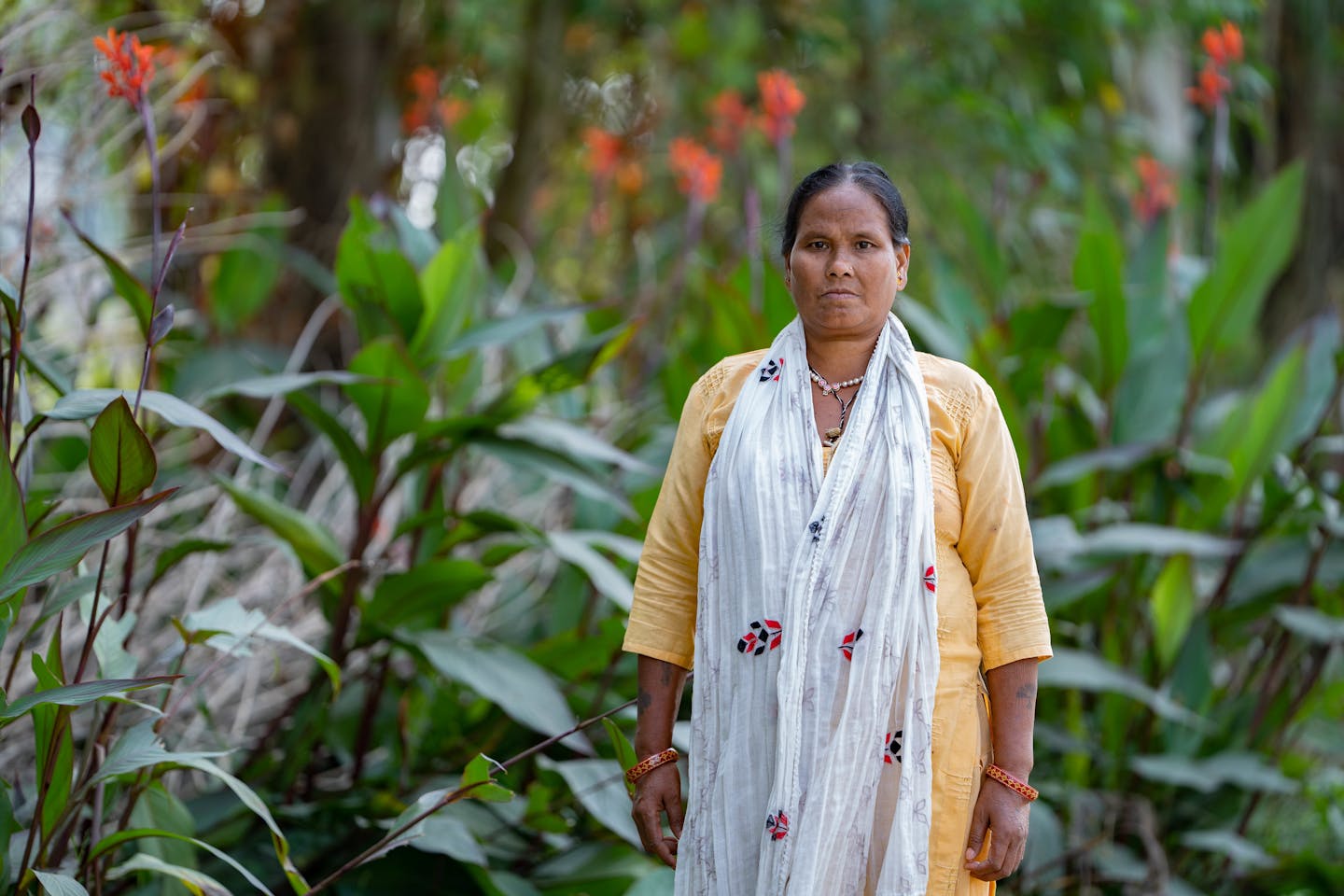
A report by the Rights and Resources Initiative indicates minimal progress in securing women's rights to forests within Indigenous, Afro-descendant, and local communities across 35 countries in the Global South. Despite some new laws introduced since 2017, most remain "gender-blind," offering inadequate protections for women's voting, leadership, and inheritance rights. Only 11 countries guarantee property inheritance, and alarming statistics reveal just 2% and 5% provide adequate rights for voting and community leadership, respectively. With a looming 2030 deadline for gender equality goals, the findings stress the importance of women's rights in advancing community sustainability and resource management.
Women’s forest and land rights remain fragile across the Global South
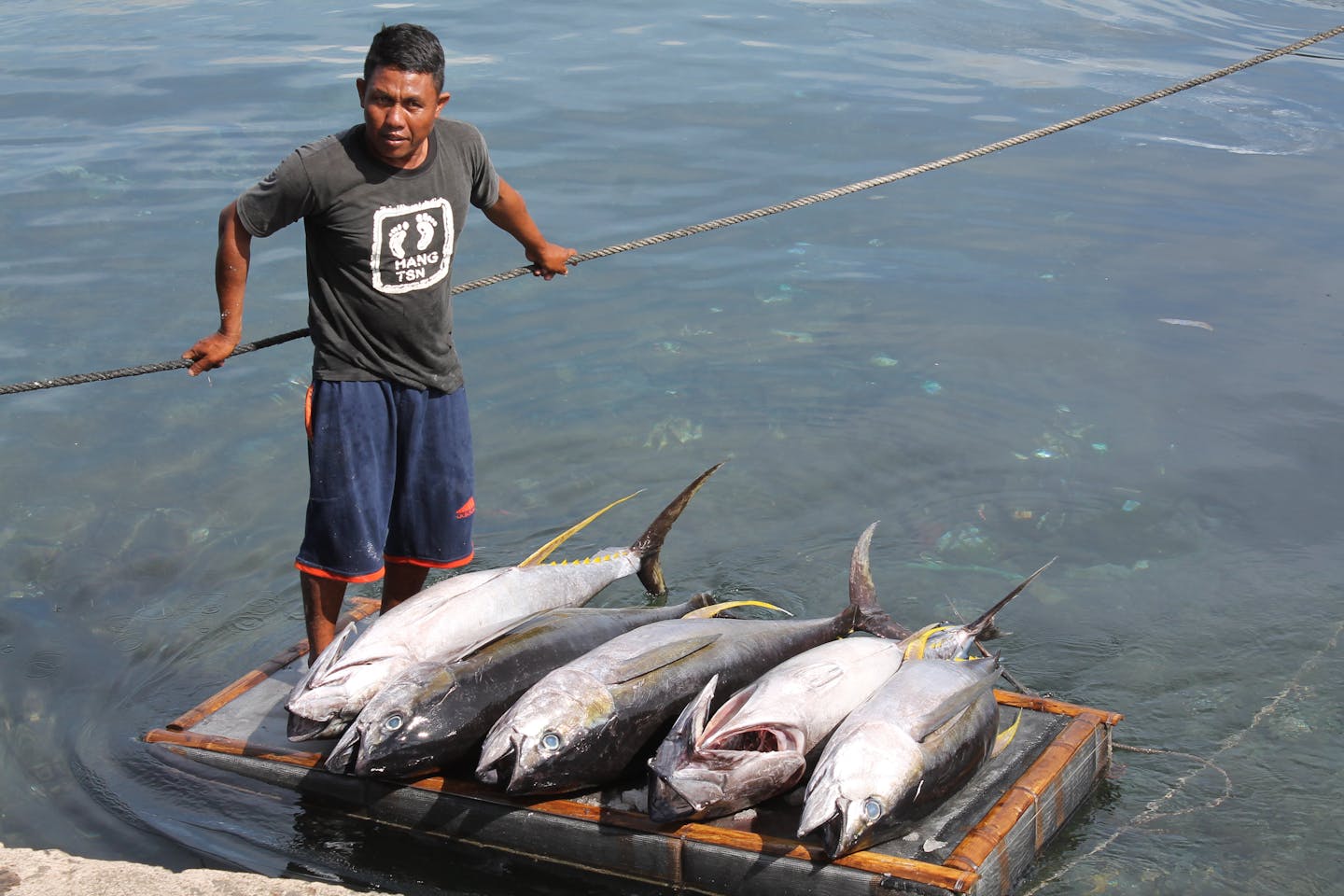
Fish play a crucial role as a protein source but are also central to conflicts over fishing rights and practices. Greater transparency in fisheries, advocated by Maisie Pigeon of the Coalition for Fisheries Transparency, is essential for resolving these issues. By publicizing vessel ownership and fishing activities, transparency can help combat overfishing and illegal practices, ultimately benefiting fish stocks and small-scale fishers. Key principles include beneficial ownership disclosure, which identifies the real owners profiting from vessel operations. Countries like South Korea, the UK, and Chile are recognized for advancing fisheries transparency, which is increasingly seen as vital for effective governance and community support.
Q&A: Greater transparency can make fisheries fairer
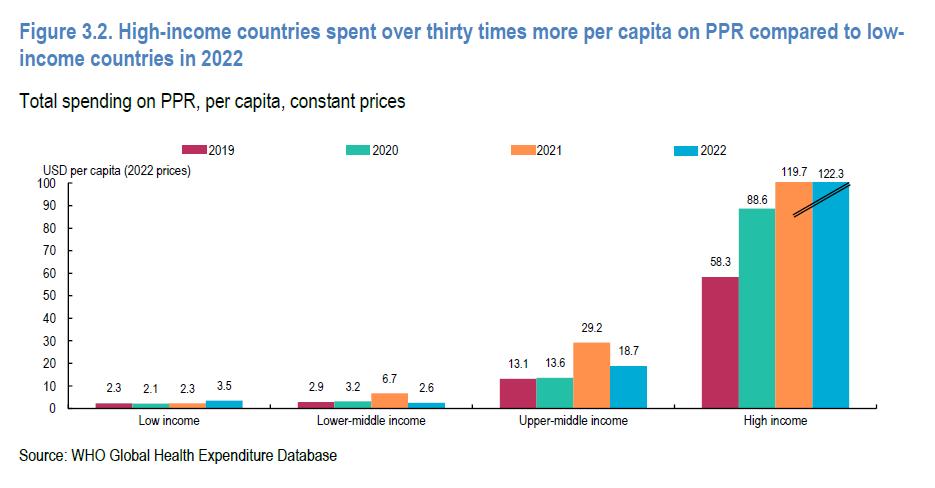
Funding gaps pose a significant threat to global health security, with an OECD report highlighting a need for $10.5 billion annually to enhance pandemic preparedness, especially in low- and middle-income countries. Although funding for pandemic readiness increased post-COVID, investments in primary healthcare and sanitation have declined. The UK has launched a 'priority pathogens' tool to identify and rank 24 pathogen families at risk, aiding research and response efforts. Meanwhile, Namibia faces its first cholera case in a decade, and new studies link parenthood to slower brain ageing. Reports also show rising measles cases in Europe.
Africa | Education, Health
Funding gaps threaten global health security, warns OECD – and other top health stories