
Turkey is positioned as a significant power broker amidst global crises, effectively negotiating with Europe, the US, and Russia while managing internal protests. Since the 2000s, Turkey has prioritized cooperative foreign policy, enhancing ties with Russia, Iran, and Syria, while balancing its NATO membership and EU trade relations. 

Turkey plays a crucial role in the Black Sea, enforcing the Montreux Convention to control shipping and mitigate Russian naval power. Although maintaining a friendly relationship with Russia, Turkey supports Ukraine, contributing military aid to ensure its independence. Turkey also aims to become an energy hub, diversifying its energy sources and routes in response to regional conflicts.
Russian Federation, Türkiye
Turkey is an incredibly powerful broker in the current world crisis, and a masterful negotiator
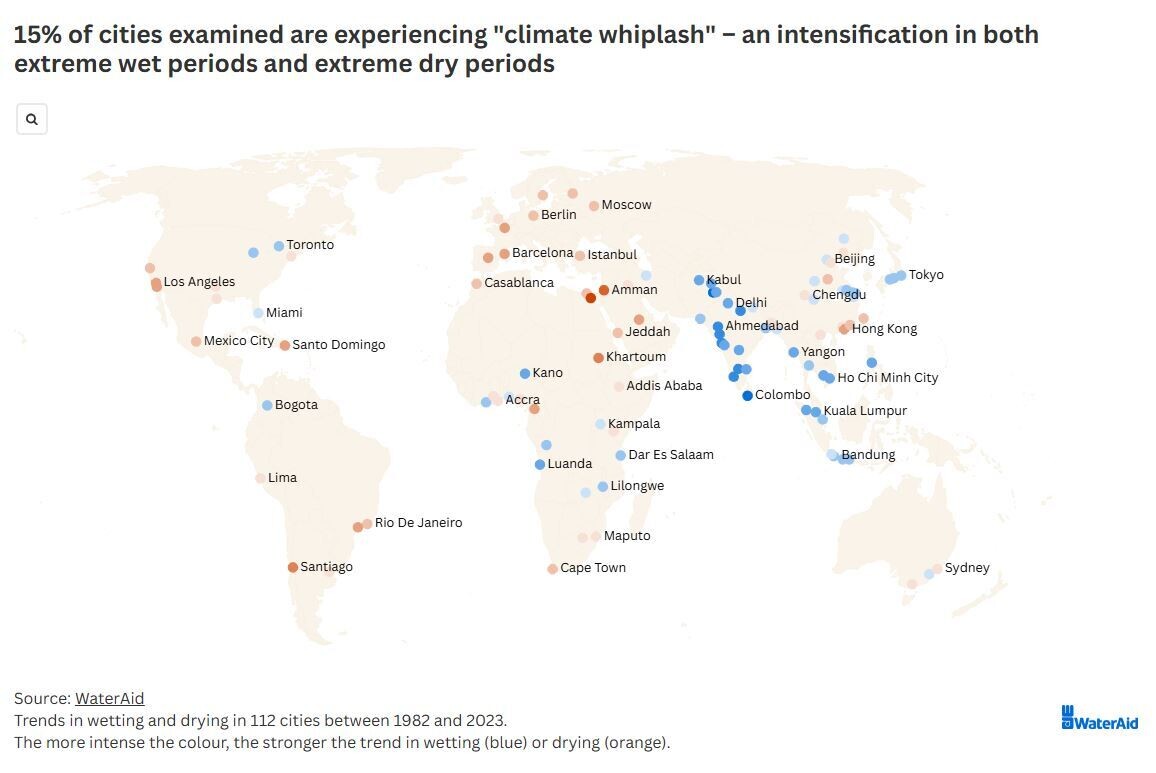
Cities globally are experiencing severe climate extremes, termed "climate whiplash," leading to simultaneous floods and droughts, particularly noted in Hangzhou, China, and Jakarta, Indonesia. A report reveals that only 17% of cities meet WHO air quality standards, with cities in India, Chad, and Bangladesh facing critical pollution levels. Additionally, Japan is seeing the fastest rise in land prices in over three decades. Urban developments in Germany require 320,000 new apartments yearly to address housing shortages. The article stresses the importance of sustainable urban development amidst these challenges.
India, Japan, Nigeria, Rwanda, United Kingdom | Financial services, Health, ICT, Education
Cities face 'climate whiplash' – and other urban transformation stories to read this month

Tourism to the US is projected to decline by 5.5% in 2024, influenced by factors such as the reelection of Donald Trump, rising tariffs, and shifting global attitudes. Cancellations from Canadians, who constitute the largest group of foreign visitors, are significant, with a reported 36% of Canadians canceling planned trips. Negative perceptions, particularly from Western Europeans, are rising due to political rhetoric and border issues concerning visa enforcement. In light of these challenges, alternative travel destinations are gaining popularity as travelers rethink their plans to visit the US.
Tourists are cancelling trips to the US – here’s how this could affect its economy
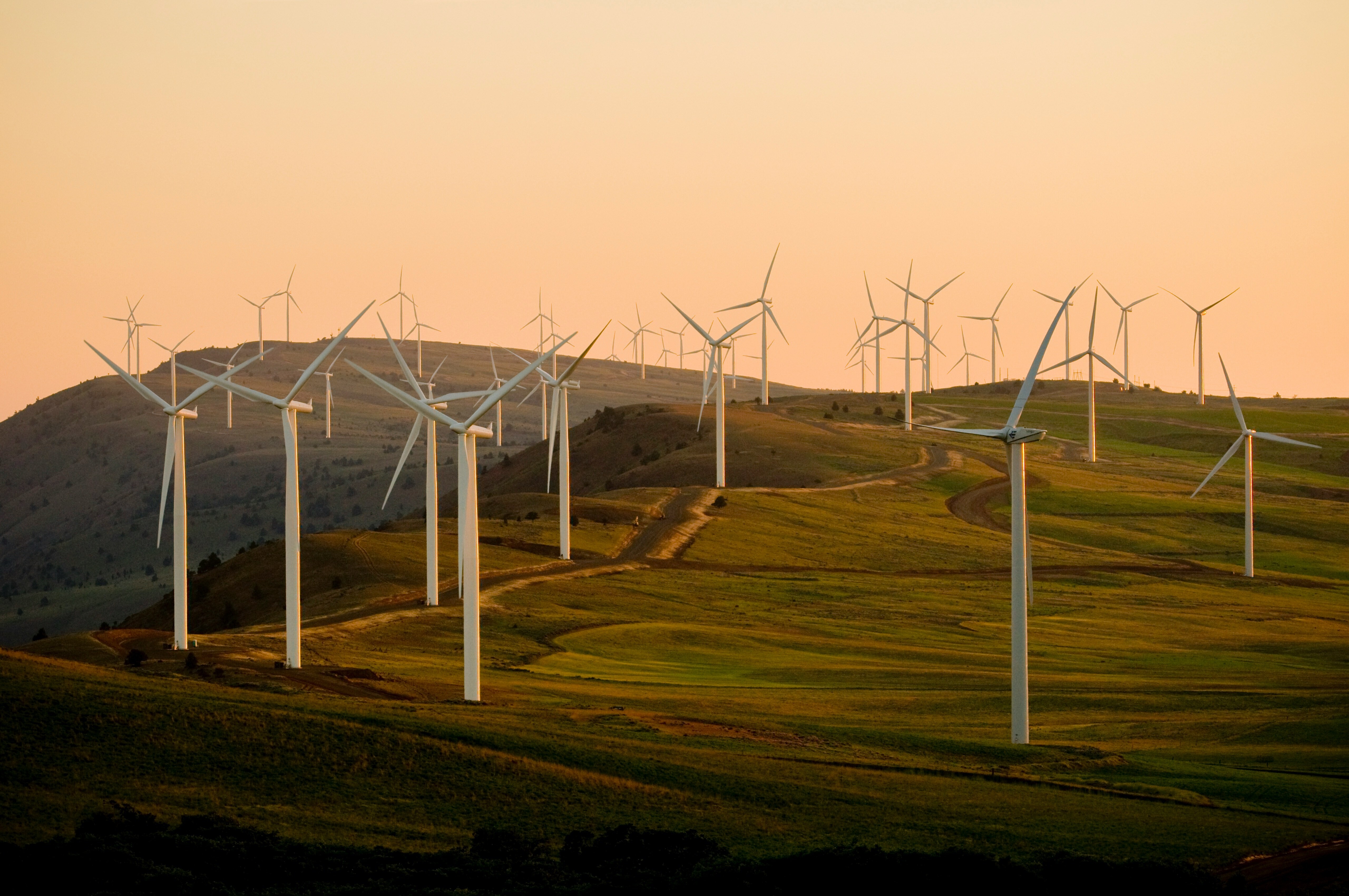
A bipartisan plan is essential for advancing the energy transition in the US, particularly as current policies favor fossil fuels and block renewable energy projects despite public support for environmental protections. Polls indicate a strong desire among Americans for stricter climate policies and cleaner air and water. The urgency of climate change has been highlighted by dire warnings from the Intergovernmental Panel on Climate Change. Successful historical policies demonstrate the potential for bipartisan cooperation on energy reform. The focus should include a mix of lower-carbon fossil fuels and increased community engagement in renewable energy projects to promote economic growth and public health.
What next for the energy transition in the US?

Germany's economy faces significant challenges, including high energy costs and changing global trade dynamics. However, there are promising signs of resilience, driven by innovation, a strong Mittelstand, and government fiscal reforms. Emphasizing long-term investments through a "total fund management" approach is crucial for adapting to the "re-industrial era." While historical strengths in manufacturing face structural pressures and competition, shifts in fiscal culture and resource ties may bolster growth. Germany's ability to transform and embrace new economic demands will determine its future leadership in industrialization.
Australia, Austria, Belgium, Chile, Czech Republic, Denmark, Egypt, France, Germany, India, Ireland, Italy, Japan, Jordan, Kenya, Luxembourg, Malaysia, Netherlands, Nigeria, Pakistan, Poland, Portugal, Republic of Korea, Russian Federation, Rwanda, Saudi Arabia, South Africa, Spain, Sweden, Switzerland, Taiwan, China, Tanzania, Tunisia, Ukraine, United Arab Emirates, United Kingdom, Viet Nam | Financial services, ICT, Education
Germany’s economic crossroads could lead it to thrive in the 're-industrial era'

Jeremy Siegel, a Wharton emeritus professor of finance, attributes recent stock market declines to tariffs and trade tensions. He analyzes the impact of these factors along with shifts in the tech sector and investor sentiment on overall market stability.
Jeremy Siegel on Stock Market Uncertainty

More than 90% of employers utilize automated systems for job application filtering, yet human oversight is crucial for assessing cultural fit and communication. AI's integration in recruitment handles high application volumes and identifies qualified candidates effectively. A new conversational AI by micro1 improves candidate assessment by focusing on real-time skill evaluation, reducing bias, and ensuring fairness. Research shows that candidates in AI-led interviews perform better in subsequent human interviews (53.12%) compared to traditional methods (28.57%). This approach also enhances consistency, especially benefiting younger candidates and women. Furthermore, it leads to significant cost savings by streamlining initial screenings and directing efforts toward top candidates.
Hiring with AI doesn't have to be so inhumane

Imagining a positive future is essential for driving progress, as hope and optimism mobilize creativity, resilience, and innovation, transforming challenges into opportunities. Historical examples, such as Europe's reconstruction and Singapore's reinvention, illustrate how hopeful visions lead to significant social transformations. Psychological and neuroscientific studies support the notion that positive thinking enhances emotional regulation, decision-making, and mental well-being. Creating favorable future scenarios fosters individual performance and social cohesion, while also informing strategic planning. In a complex global landscape, positive narratives are crucial for initiatives aligned with sustainable development goals.
Africa | Health, Education
Why is imagining a positive future crucial for progress?
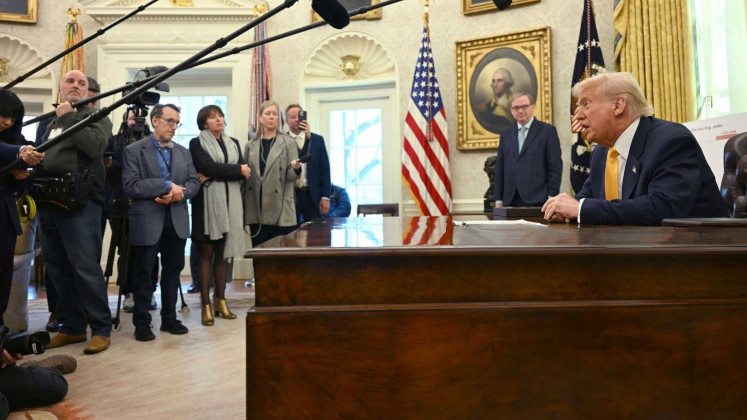
Europe's ability to maintain its social model and strategic interests hinges on deeper integration, especially in light of evolving U.S. policies that challenge the longstanding alliance. Tensions arise from differing economic models, with the U.S. prioritizing market-driven growth and Europe supporting social welfare. To enhance strategic autonomy, Europe should adopt a federal approach for defense and foreign relations, align tariffs with federal mechanisms, and seek funding methods that reduce inflationary pressures. Emphasizing a unified foreign policy can tackle trade imbalances while ensuring stability and sustainability without resorting to excessive borrowing.
Belgium, Germany, South Africa, Ukraine, United Kingdom | Financial services
The solution to Trump’s bullying? Create a federal Europe that is no longer dependent on the US
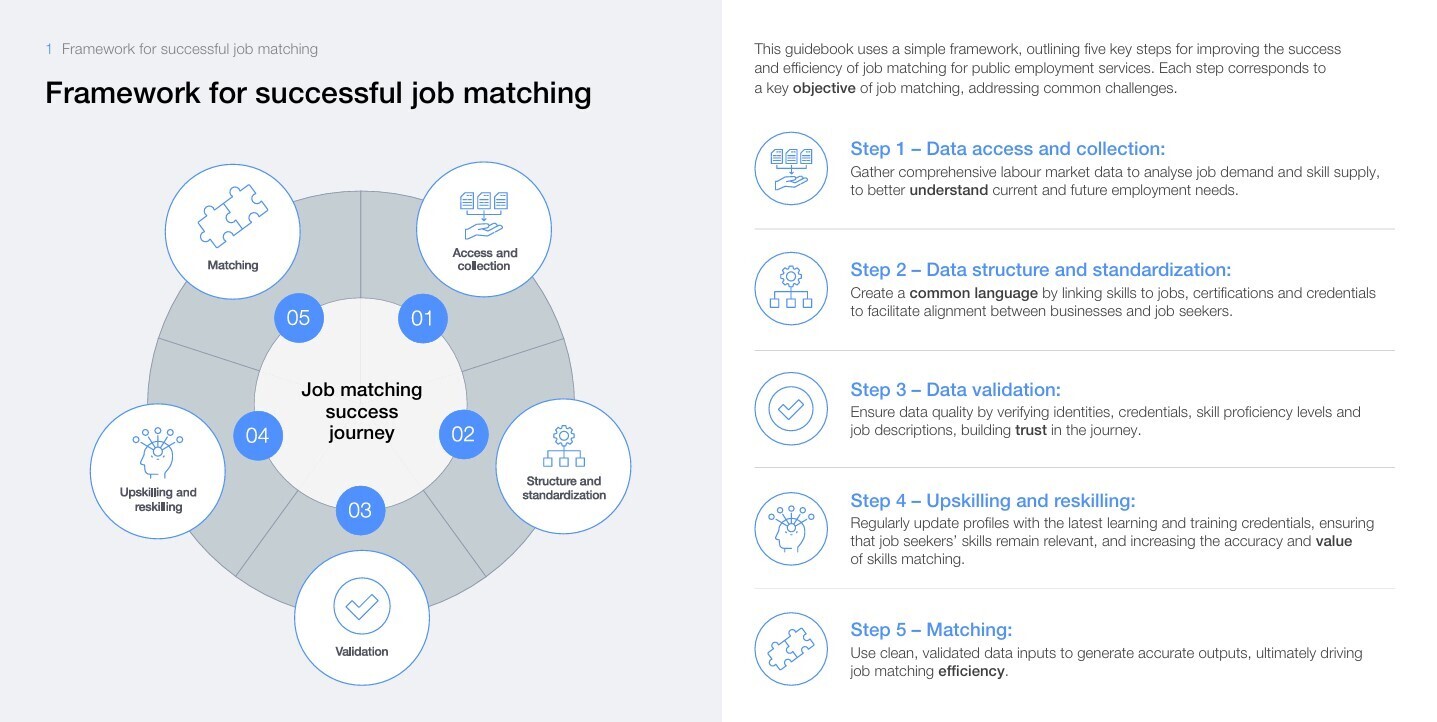
By 2030, over 20% of global jobs are projected to evolve due to labor-market shifts, with potential creation of 170 million new roles and displacement of 92 million, as outlined by the World Economic Forum. A five-step framework is proposed to help policymakers align talent with these emerging jobs: 1) Collect dynamic, real-time labor market data. 2) Standardize job and skills terminology for consistency. 3) Ensure data trustworthiness using secure technologies like blockchain. 4) Utilize AI-driven platforms for personalized skill training. 5) Employ advanced AI to match workers with suitable employment opportunities. Collaboration between public and private sectors is essential for effective implementation.
ICT, Education
Future of jobs: 5 ways to match skills to more meaningful work
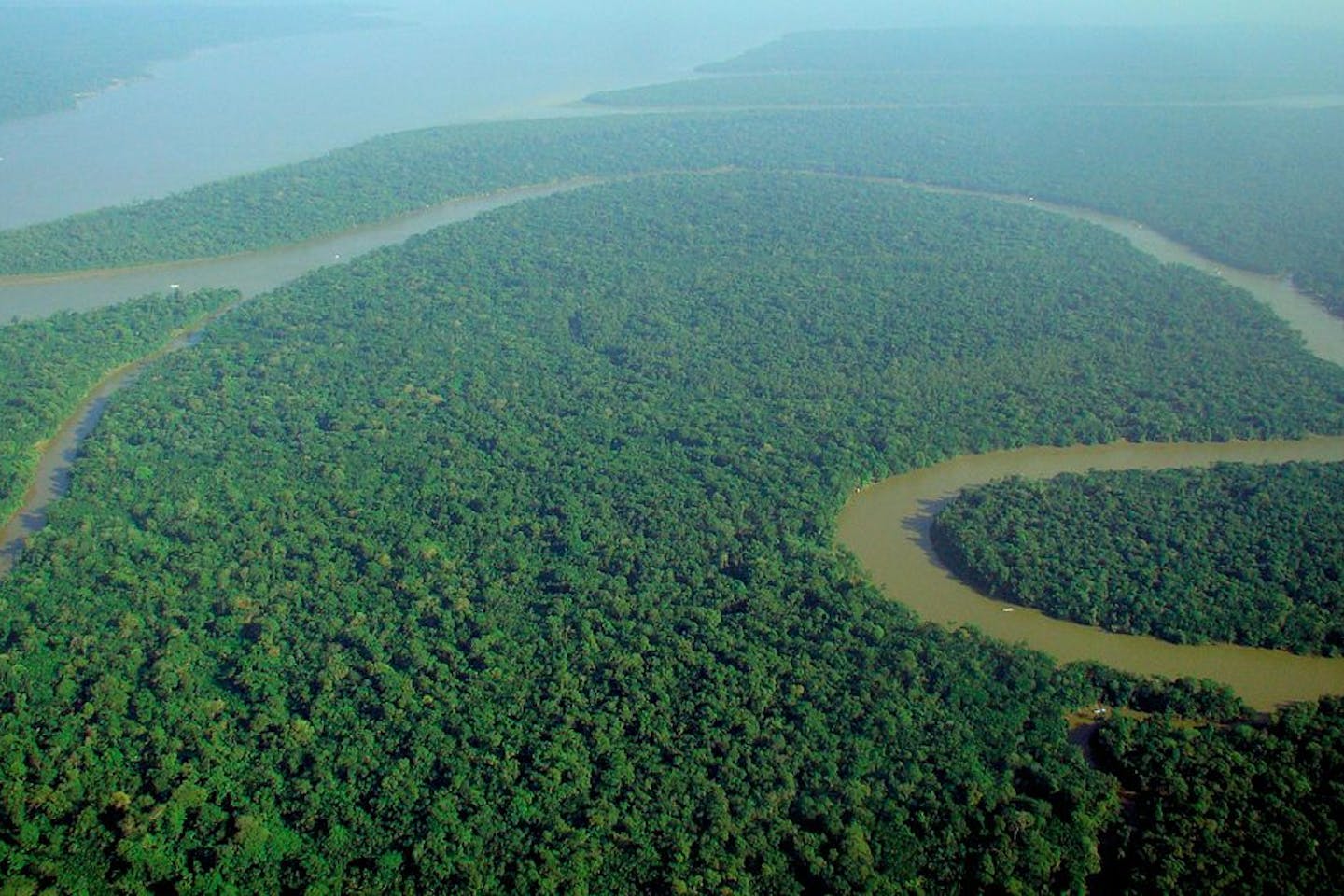
Christiana Figueres, former UN climate chief, expressed confidence in Brazil as host of COP30, highlighting a "substantial difference in intention and integrity" compared to previous petrostate hosts. She emphasized that Brazil's leadership will be free from fossil fuel influences despite the country's plans for oil exploration in the Amazon. Figueres noted that Brazil will be led by experienced climate diplomats, ensuring a focus on climate protection. However, the Brazilian government faces criticism for cutting protected rainforest for highway construction ahead of the summit, raising concerns about the impact on the climate agenda.
Brazil, Nigeria
COP30 is in good hands with Brazil: Christiana Figueres

Generative AI has introduced "generative bubbles," where user engagement with AI technologies like ChatGPT is limited by individual interactions and skill levels, rather than algorithmic filtering alone. These bubbles perpetuate narrow perspectives, shaping how information is consumed and generating risks of misinformation and disinformation. Unlike filter bubbles, which constrain users externally through algorithms, generative bubbles impose internal limitations driven by user behavior and prompt formulation. Discrimination arises from both internal engagement and inherent biases in AI design, influenced by factors such as education and culture. Effective AI governance can help mitigate these generative bubbles.
Education
The generative AI bubble is changing how we see the world
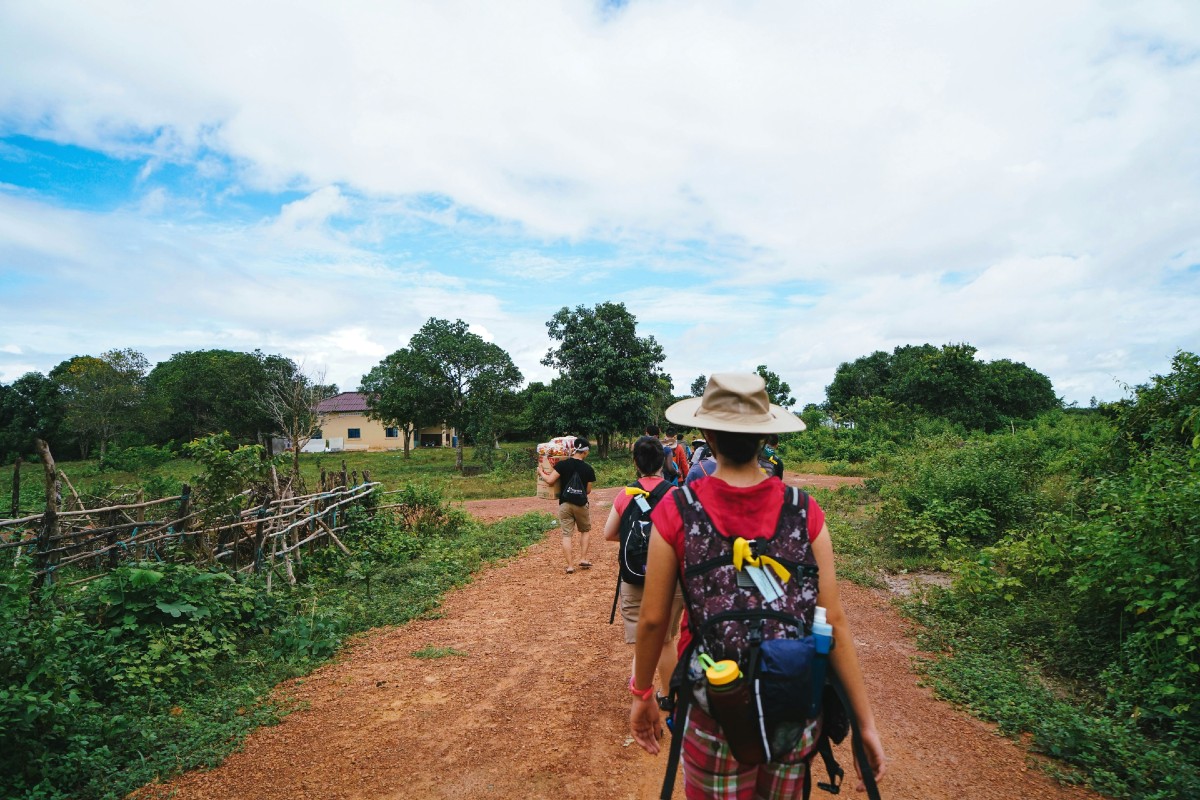
Empowering women in the tourism sector is crucial for fostering a resilient and sustainable industry. Women make up 52% of the workforce in tourism across Asia and the Pacific, yet face numerous challenges including limited access to finance, societal caregiving expectations, and workplace discrimination. In regions like Cambodia, women are often overrepresented in low-paid jobs, while countries like the Maldives show significantly low female representation in resorts. The pandemic heightened these challenges, but women have shown resilience through innovative business practices. To promote equity, policies must prioritize women's opportunities and support systems in tourism.
Empowering Women in Tourism: The Key to a Healthy, Resilient Industry
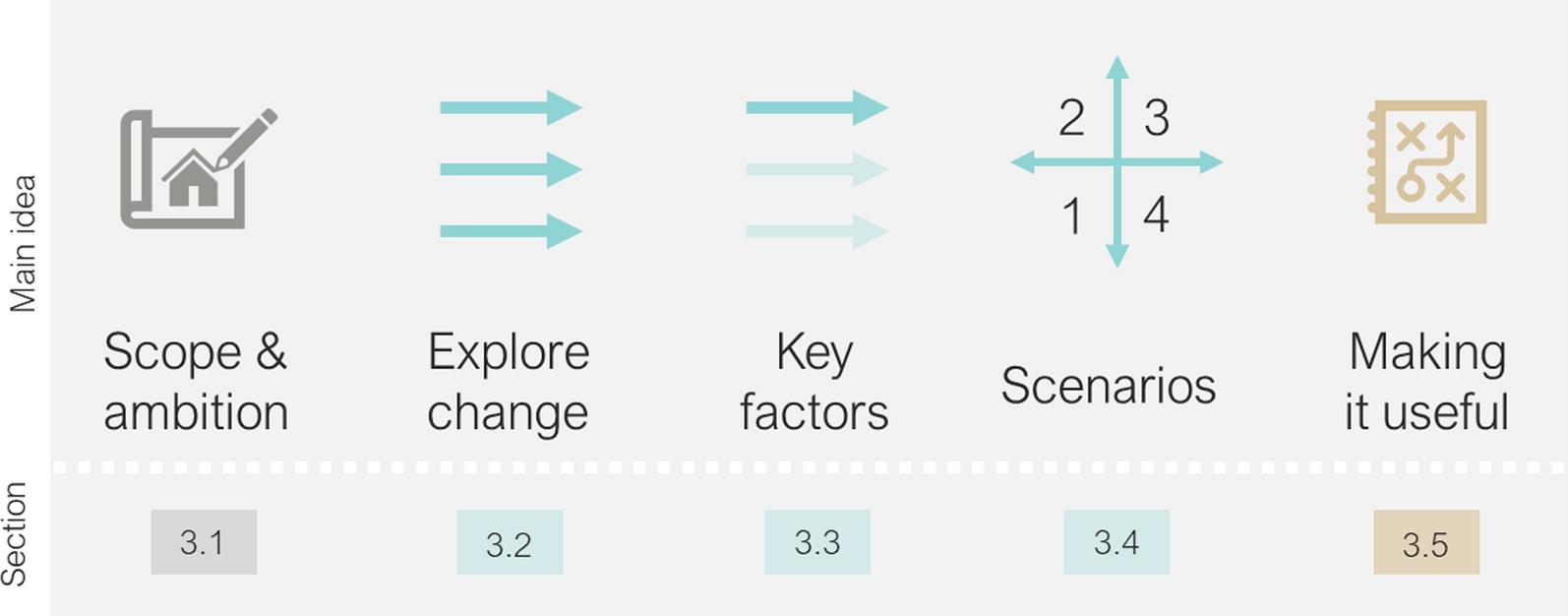
Scenario planning is increasingly recognized as a vital tool in addressing uncertainties in transport planning, particularly for small and medium-sized cities in Norway. This paper discusses the integration of scenario planning with traditional national planning to create robust mobility strategies. It details the identification of key uncertainties affecting mobility and the formulation of four plausible future scenarios to enhance transport analysis and decision-making. The study aims to share insights from the scenario development process, providing valuable lessons for others engaged in sustainable mobility planning amid uncertainty.
Austria, Denmark, Iceland, Jordan, Norway, Sweden, Switzerland, Ukraine | Financial services
Using scenarios to address uncertainty in planning for sustainable mobility in small and medium-sized Norwegian cities
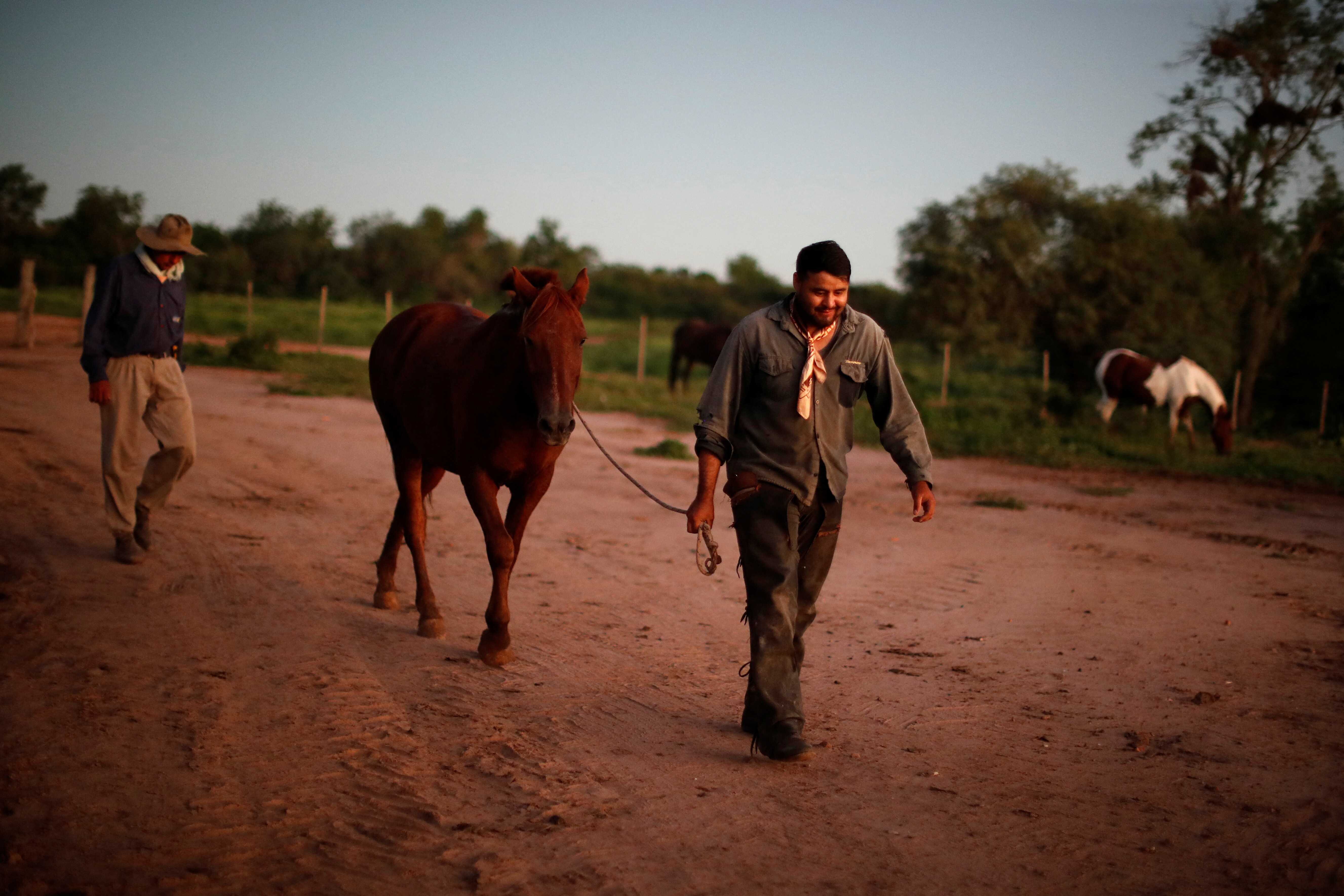
The Gran Chaco, spanning over 100 million hectares across Argentina, Paraguay, Bolivia, and Brazil, is South America’s second-largest forest and a significant ecological zone facing threats from agricultural expansion. Despite increased soybean and livestock production, which has severe environmental impacts, initiatives like REDD+ and sustainable agricultural practices offer opportunities for conservation alongside economic growth. Collaborative efforts among governments, businesses, and local communities are essential for implementing effective policies and financial incentives to protect this biodiverse biome while meeting global food demands.
Argentina, Bolivia, Brazil, Chile, Colombia, Ethiopia, Guatemala, Kenya, Paraguay, Peru, Senegal, Tanzania
Balancing threats and opportunities: South America's hidden biome
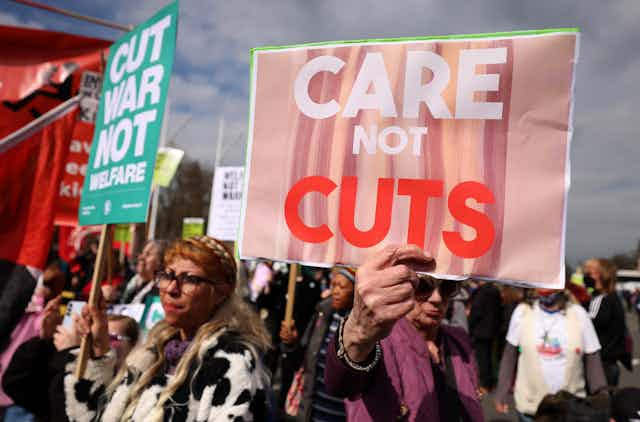
Chancellor Rachel Reeves’ fiscal rules require that day-to-day government spending must be covered by income by the end of a five-year cycle. These rules, aimed at maintaining financial market confidence, lead to significant cuts in public services, particularly in welfare, local government, and criminal justice. Economists, including Mariana Mazzucato, criticize the rigidity of these rules, fearing a return to austerity similar to 2010-2017. The Office for Budget Responsibility, tasked with evaluating economic forecasts, has often miscalculated, influencing government policy significantly while limiting financial options.
Financial services
David Blunkett: the world has changed since Liz Truss’s mini budget, so what is Labour still so scared of?

John Lyons, a Trinidadian artist, describes painting as an "adventure in creative uncertainty," aligning with Margaret Hefferman's book, Embracing Uncertainty. Hefferman argues that artists thrive amidst unpredictability, advocating for a mindset of curiosity and flexibility. She presents compelling narratives, like the Bristol Paraorchestra, to illustrate this. The importance of arts education is highlighted, noting significant budget cuts in both the UK and US, which neglect the art's vital role in society. Hefferman emphasizes the mutual benefits of arts and sciences and urges support for creative industries amidst growing financial pressures and challenges.
Embracing Uncertainty: what we can all learn from how artists thrive in an unpredictable world
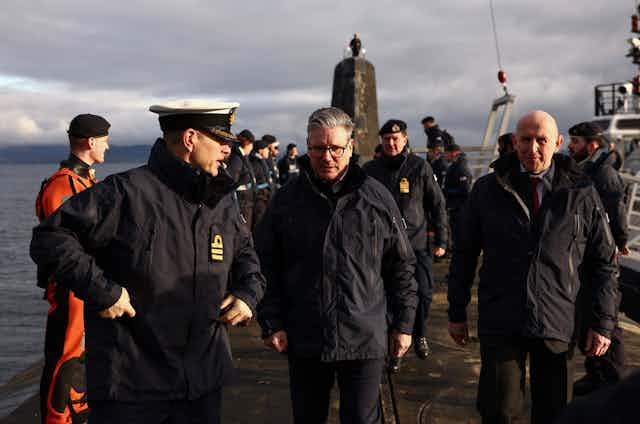
The UK’s nuclear deterrent relies heavily on the US, particularly concerning the Trident program, which depends on American technology and support. With Donald Trump’s presidency heightening concerns over US reliability, the UK faces risks if the partnership falters. Options for the UK include developing its own nuclear capabilities, collaborating with France, or disarming, all of which present significant challenges. The current nuclear arsenal is also costly to maintain, prompting discussions about shifting focus to alternative defense strategies that address modern security threats like cybersecurity and terrorism.
The US has the power to switch off the UK’s nuclear subs – a big problem as Donald Trump becomes an unreliable partner
Prime Minister Keir Starmer emphasizes the UK's nuclear capabilities amid rising tensions with Russia but faces challenges due to the UK's reliance on US nuclear technology and support. The historical partnership established through the mutual defense agreement has provided access to key technologies but raises concerns of vulnerability under unpredictable US leadership. The UK's Trident program, while operationally independent, depends on US-designed technologies, complicating potential alternatives like collaboration with France or disarmament. Maintaining the nuclear arsenal is financially burdensome, prompting calls to explore alternative defense strategies in light of evolving security threats.
UK nuclear deterrent: the mutual defense agreement is at risk in a Trumpian age

Grocery shopping data, combined with banking information, is effectively facilitating financial inclusion by providing insights into individuals' financial behaviors, particularly for those without credit histories. This data, characterized by its universality, recency, granularity, and frequency, enables financial institutions to evaluate credit risk accurately. A case study in South Africa demonstrated the impact of a privacy-preserving collaboration between banks and grocery retailers, successfully scoring 8 million previously credit-invisible individuals and increasing access to affordable credit. This innovative approach serves as a potential model for enhancing global financial inclusion.
Ghana | Financial services, ICT
How grocery shopping data is unlocking financial inclusion