
The practical know-how of AI is crucial for its effective adoption and realization of economic benefits. As the "know-how economy" emerges, companies are struggling to leverage AI investments into tangible returns due to a lack of shared knowledge. Successful examples show businesses like Savion Ray and Yum Bakery transforming operations through effective AI usage, signaling a shift where knowledge becomes a valuable currency. This democratization of AI know-how enables a wider range of professionals to contribute to AI applications, emphasizing the importance of soft skills and business acumen alongside technical expertise.
United Arab Emirates | Financial services, ICT, Education
AI know-how is the final piece of the adoption puzzle. Here's why

Rising global life expectancy correlates with an increase in neurodegenerative disorders like Alzheimer’s and Parkinson’s, projected to affect over 60 million people. Digital speech biomarkers offer a low-cost, scalable method for early detection and monitoring of these diseases, capturing speech and linguistic features that indicate cognitive dysfunction. This technology can enhance access to diagnostics, especially in low- and middle-income countries, which bear a disproportionate burden of Alzheimer’s cases. Collaborative initiatives, like the Include Network, aim to democratize these tools globally, though further funding and strategic alliances are essential to ensure equitable deployment, especially in underserved areas.
Health
Neurodegenerative disorders: Can digital speech testing help reduce global health inequity?

The European steel industry faces significant challenges due to a 25% tariff imposed by the US, which further impacts its competitiveness. The European Commission recognizes the industry's strategic importance for defense and is implementing the ‘European Steel and Metals Action Plan’ to enhance competitiveness and ensure energy security while promoting decarbonization and protecting jobs. Since 2010, the EU's global market share in steel has declined, while China's has increased, leading to concerns about overcapacity and the need for a robust domestic industry. In 2023, the EU exported $24 billion worth of affected steel and aluminum products to the US.
Belgium, France, Tunisia, United Kingdom
Challenges and potential opportunities for the EU steel industry in the face of US tariffs

The EU is projected to experience a population decline post-2026, impacting economic and labor markets unequally across member states. Eastern and Southern countries face significant population decreases and aging, with working-age groups shrinking and a rising share of those aged 85+. In contrast, Northern and Western nations may see growth due to higher migration rates. This demographic shift necessitates tailored policies: Eastern countries should enhance talent retention and migrant attraction, Southern nations need family-friendly policies, while Western regions must focus on migrant integration and rural development. A coordinated EU strategy is essential to address these challenges and reduce regional inequalities.
Belgium, Germany | Financial services, Education, Health
The demographic divide: inequalities in ageing across the European Union
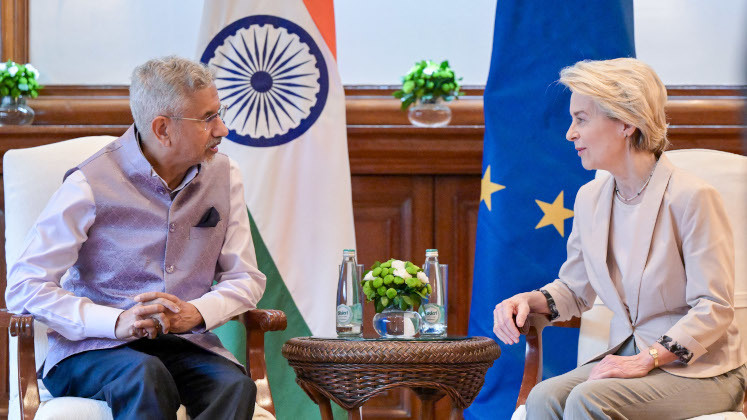
Growing tensions between the EU and the United States underscore the need for the EU to enhance its technological sovereignty. Chloe Teevan and Gautam Kamath suggest that India could be a vital partner in this endeavor. By collaborating with like-minded democracies, particularly in areas like digital public infrastructure, the EU can learn from India's successful initiatives, such as the India Stack. This cooperation includes hardware development and regulatory alignment, aiming to reduce dependency on the U.S. and bolster European competitiveness in the global tech landscape.
Estonia, Germany, Ghana, India, Indonesia, Ukraine, United Kingdom | Financial services, Education, ICT
Why partnering with India could boost EU tech sovereignty

China’s “two new” policy aims to stimulate domestic demand and reduce emissions through large-scale equipment upgrades and consumer goods trade-ins. Announced in 2023 and promoted further in 2024, the policy encourages upgrading inefficiencies in manufacturing and consumer products while recycling old, high-emission items. The government provides subsidies for consumers to trade in outdated goods for new, energy-efficient alternatives, including electric vehicles. In 2025, funding increased, allowing the inclusion of more products and enhancing trade-in standards. The initiative also facilitates loans for businesses to support equipment upgrades, aiming for significant carbon reduction while boosting consumer spending.
Q&A: How China’s ‘two new’ policy aims to help cut emissions

Humanity generates a vast quantity of data essential for the digital economy and societal benefits, impacting areas such as logistics, politics, and individual well-being. Access to data is crucial for addressing global challenges like environmental protection and crisis response. Despite advancements, the full potential of data, particularly for public good, remains untapped. This paper proposes a preliminary set of data goals and principles aimed at establishing a global data governance framework rooted in human rights and sustainable development, encouraging international cooperation and the safe use of data. Feedback on these principles is sought to refine them further.
Financial services, Education, ICT, Health
Towards a set of Universal data principles
The Asia Bond Monitor for March 2025 reports a slight decline in financial conditions in emerging East Asia from December 2024 to February 2025. The local currency bond market grew by 3.1% quarter-on-quarter in Q4 2024, with total bond issuance reaching USD2.6 trillion, reflecting a 7.5% decrease due to lower sales. Sustainable bonds in the ASEAN+3 region totaled USD917.6 billion at the end of 2024, showing a year-on-year growth rate decrease to 12.1% from 29.4% in 2023.
ASEAN | Financial services
Asia Bond Monitor – March 2025

Global business leaders must adapt to a new reality characterized by polarization, liquid dynamics, unilateral policies, tension, and omni-relational opportunities. The shifting geopolitical landscape, exemplified by the U.S. pivot from multilateralism, influences corporate strategy and necessitates a clear corporate purpose. Business leaders should prepare for continuous change by developing scenario-based strategies, diversifying supply chains to enhance resilience against geopolitical shocks, and embracing innovative practices from emerging markets. Understanding these factors will enable companies to navigate the complexities of the current global business environment effectively.
Chile, Indonesia, Peru, Poland, Republic of Korea, Russian Federation, South Africa, Switzerland, Taiwan, China, Tanzania, Ukraine, United Arab Emirates, United Kingdom, Uruguay | Financial services
Move over VUCA: global business leadership in times of Trump

Local banks play a crucial role in supporting businesses recovering from climate disasters, as they are more likely to continue lending compared to larger banks, which often withdraw support post-disaster. Research shows that local banks leverage personal relationships and local knowledge to assess credit risk effectively, while big banks rely on rigid financial models that overlook local recovery potential. This access to credit is vital for maintaining employment and economic stability in affected areas. Policymakers are urged to support local banking systems and promote the use of "soft" information in lending practices to enhance recovery efforts.
Financial services
Why we need local banks to tackle climate disasters

India's pursuit of its 2070 net-zero emissions goal necessitates addressing energy, health, and socio-economic inequalities, particularly in coal-dependent communities. The transition from coal presents both challenges and opportunities, as these areas face reliance on a single livelihood and susceptibility to market fluctuations. Research is needed on the socio-economic impacts of mine closures and the health effects of energy policies. Despite progress in reducing household air pollution through initiatives like the Pradhan Mantri Ujjwala Yojana, disparities in benefits and growing pollution from industrialization raise concerns. A comprehensive, inclusive, and equitable approach is vital for a just energy transition.
India
India’s Energy Transition Needs Focus on Inclusion, Diversity, Equity, Accessibility

The environmental polycrisis, encompassing climate breakdown, biodiversity loss, and pollution, poses a significant threat but can be addressed through increased societal honesty. Deceit in politics, media, and business has impeded progress, fueling a culture of misinformation. To combat this, accountability and transparency must be demanded from leaders, with dishonesty treated as unacceptable. A shift towards integrity involves supporting honest alternatives and initiating critical conversations to raise standards of truthfulness in leadership. This cultural change is essential for effective decision-making and progress in tackling environmental challenges.
Nigeria | Health
To address the environmental polycrisis, the first step is to demand more honesty
Africa possesses abundant minerals essential for the global clean energy transition, including copper, lithium, and cobalt. With a projected population of 2.5 billion by 2050 and a significant increase in its working-age population, the continent has the potential to become an industrial powerhouse. To achieve this, African governments and businesses must shift from raw material exports to developing domestic industries, particularly in green technology and battery manufacturing. Successful examples include Morocco's battery gigafactory. Addressing infrastructure deficits and ensuring reliable energy access through renewable sources are crucial for attracting global manufacturers and promoting sustainable growth.
Afghanistan, Bangladesh, Benin, Burkina Faso, Burundi, Cameroon, Democratic Republic of the Congo, Djibouti, Egypt, Eswatini, Ethiopia, Gabon, Georgia, Ghana, Guinea, India, Kenya, Liberia, Madagascar, Malawi, Mali, Mauritania, Mozambique, Namibia, Niger, Nigeria, Papua New Guinea, Rwanda, Senegal, South Africa, Tanzania, Togo, Tunisia, Uganda, Zambia, Zimbabwe
How Africa’s green opportunity could change it from resource exporter to industrial powerhouse
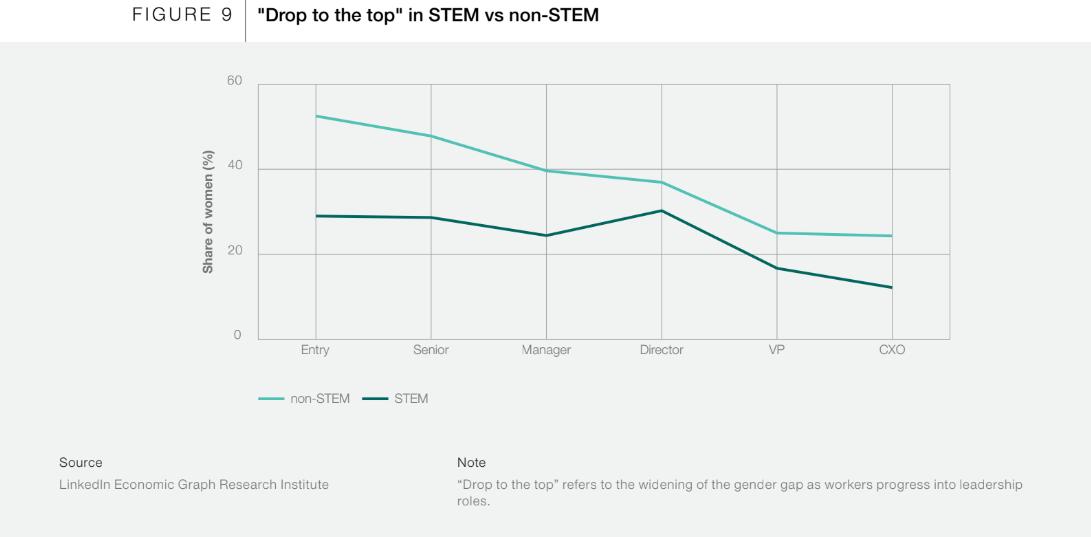
AI may both exacerbate and offer solutions to the gender gap in STEM fields. Currently, women represent only 28.2% of the STEM workforce and 12.2% of STEM executives, despite making up over a third of STEM graduates. The World Economic Forum and LinkedIn's white paper highlights that while generative AI could help advance women’s careers, a significant number face drop-off from STEM roles, particularly at senior levels. Women are also more likely to work in positions vulnerable to AI disruption. Addressing these disparities requires focused skilling initiatives to improve women's opportunities in an AI-driven job market.
Education
Can AI fix the gender gap in STEM? Here's what the data says

Climate hazards, such as storms and wildfires, pose increasing threats to businesses, significantly driving up costs and reducing operational efficiency. The need for companies to reassess their climate resilience strategies is urgent, as extreme weather increasingly impacts fixed assets and worker productivity. A study estimates that climate hazards could lead to $560-610 billion in annual losses for listed companies by 2035. Key industries, including travel, utilities, and telecom, could face losses exceeding 20% of their earnings. Investing in climate resilience yields significant returns, with effective strategies focusing on mitigating losses, seizing adaptation opportunities, and fostering collaboration within communities.
Nigeria | Financial services
How climate hazards are reshaping business realities and responses
Public institutions are essential for addressing global challenges such as climate change, election security, forced migration, and unemployment due to AI, particularly in the Global South. However, many institutions face significant public distrust and are perceived as inefficient and outdated. New methods and models drawn from innovations in government, business, and civil society can help redesign these institutions to become more results-oriented, agile, and transparent, better equipped to meet future needs.
Bangladesh, Nigeria | Financial services, Education, Health
Designing New Institutions and Renewing Existing Ones – A Playbook
The report on Digital Infrastructures highlights the critical importance of robust digital frameworks for technological advancements. It acknowledges the contributions of various experts and professionals from companies including Orange, Nokia, and Amazon, emphasizing collaborative efforts in developing effective strategies. The document stresses the need for continuous innovation and adaptation within digital infrastructures to support economic growth and decarbonization. Additionally, it showcases insights from industry leaders on evolving digital technologies and their impact on society.
Burkina Faso, France, Senegal | Education, ICT
Digital Infrastructures: A Critical Move
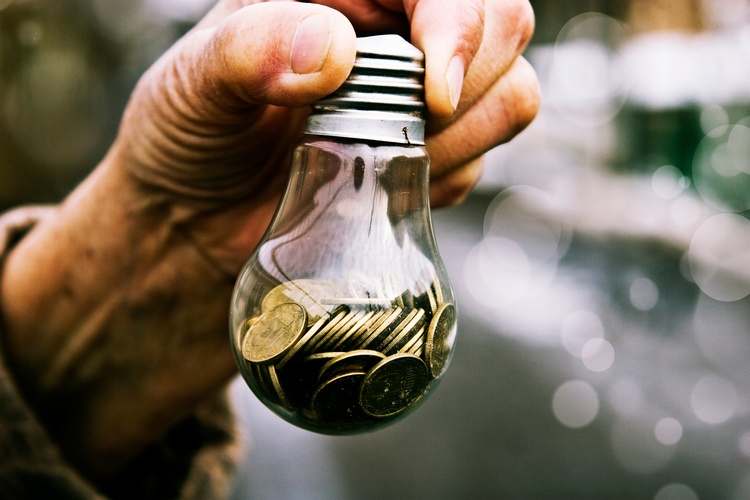
A study led by Dr. Georgia Makridou assesses energy poverty in 32 European economies from 2004 to 2021, highlighting major contributors such as poor housing conditions, rental status, urban living, and financial resources. Key findings reveal that inadequate housing increases energy poverty risk, renters are particularly vulnerable, urban households face higher costs, and greater financial security reduces exposure. Recommendations include improving housing standards, providing targeted financial support, enhancing landlord accountability, and increasing access to renewable energy for low-income households. Further research is suggested to understand the long-term impacts of renewable adoption.
Latin America
New Research Examines Energy Poverty Across Europe
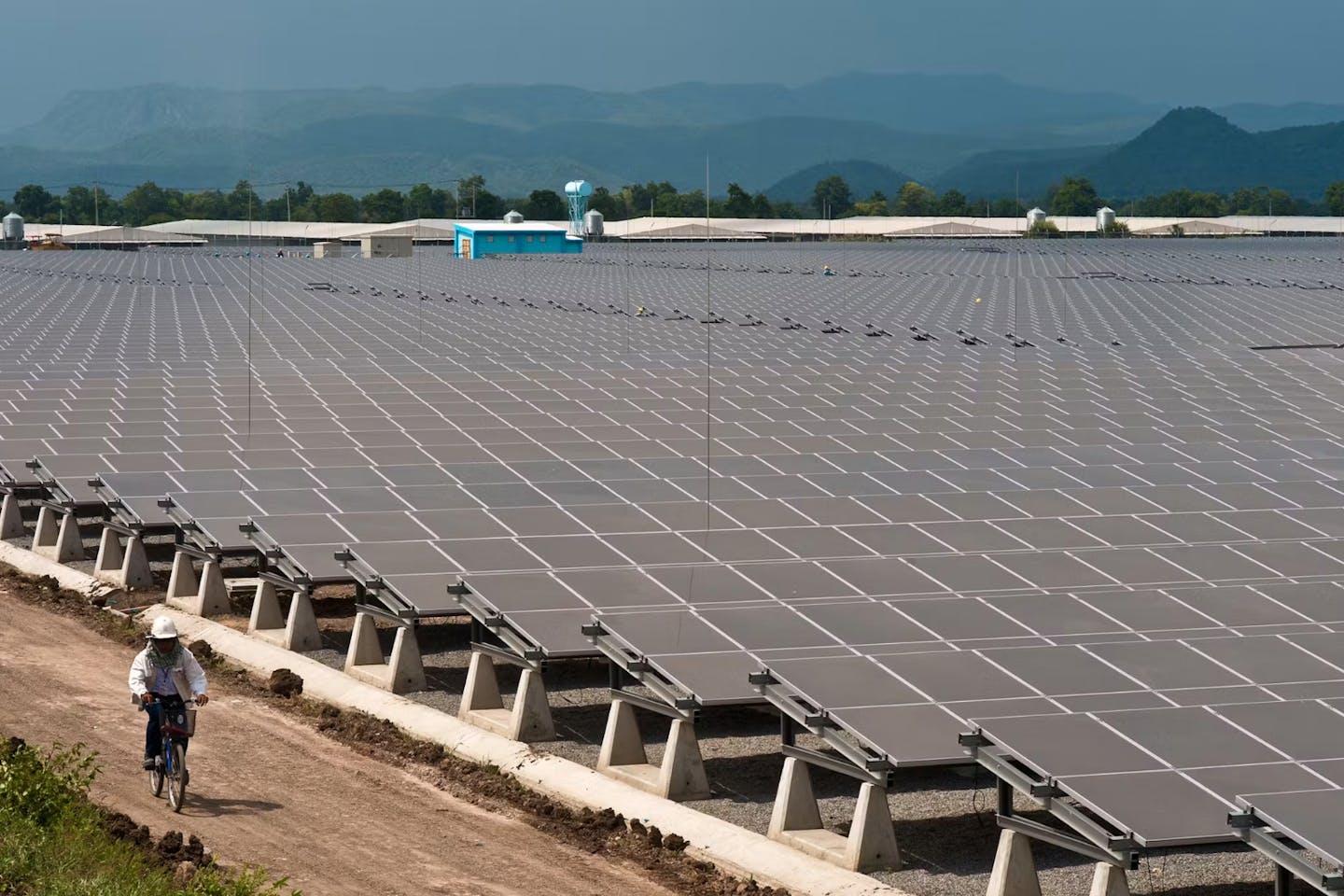
Indonesia's energy transition is primarily hindered by challenges in getting clean energy projects approved, rather than a lack of funding. Elrika Hamdi, deputy head of the Just Energy Transition Partnership (JETP) secretariat, highlighted that the national electricity firm, PLN, has not effectively procured renewable energy despite significant financing available. JETP has identified approximately 40 priority renewable projects, with a US$20 billion commitment from rich nations. Hamdi suggests investing in captive power for industrial facilities instead of grid projects, as the current dispersed and small-scale nature of projects deters investors. Indonesia's renewable penetration remains low, at around 15% as of 2024, with significant funding gaps persisting.
Indonesia, Nigeria
Funding is not a barrier for Indonesia's clean energy transition – it's project viability: JETP official

Indigenous Peoples, represented by the International Indigenous Peoples’ Forum on Plastics (IIPFP), demand inclusion in UN negotiations for a treaty on plastic pollution. Despite being sidelined, they emphasize the need for the treaty to address global plastic production, harmful chemicals, and uphold Indigenous rights. Plastic pollution significantly impacts Indigenous communities, affecting their health and cultural practices. Barriers to participation include challenges in accreditation and high travel costs, particularly for Global South representatives. Ongoing negotiations face stalemates, highlighting the urgency for Indigenous voices in shaping an effective treaty.
Indigenous Peoples fight to be heard at plastics treaty talks