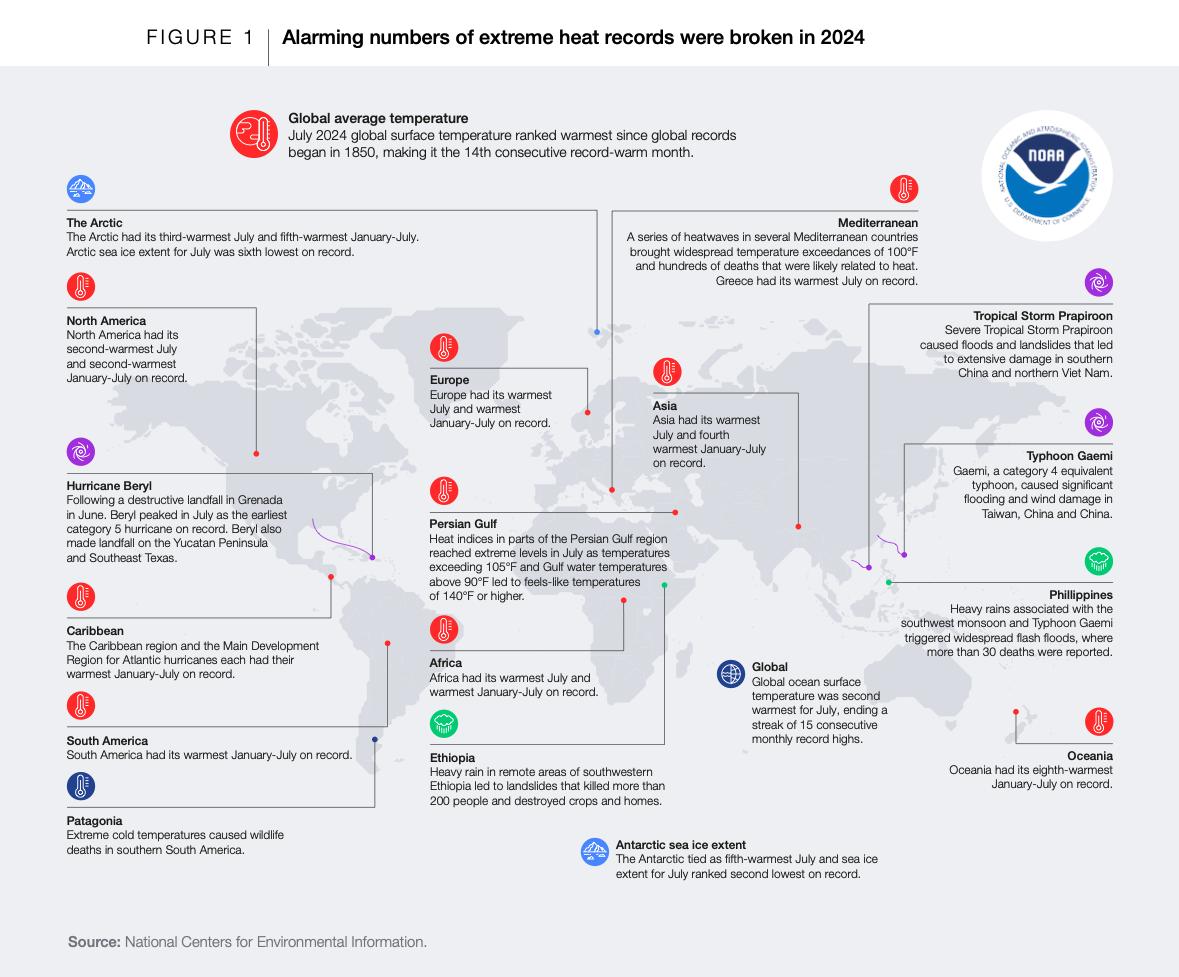
Extreme heat is increasingly affecting global habits and productivity, leading to an estimated $2.4 trillion in losses annually by 2030. This intensifying phenomenon threatens health, contributing to issues like heart disease and accelerated aging. Adaptations include a surge in air conditioning demand, with a predicted tripling of use by 2050, and changes in daily activities such as reduced outdoor recreation and increased indoor socialization. Employers are modifying work schedules to mitigate heat stress among workers. Urgent implementation of heat preparedness strategies is essential to protect vulnerable populations as extreme temperatures rise.
Africa | Health
Extreme heat is changing the way we live. This is how
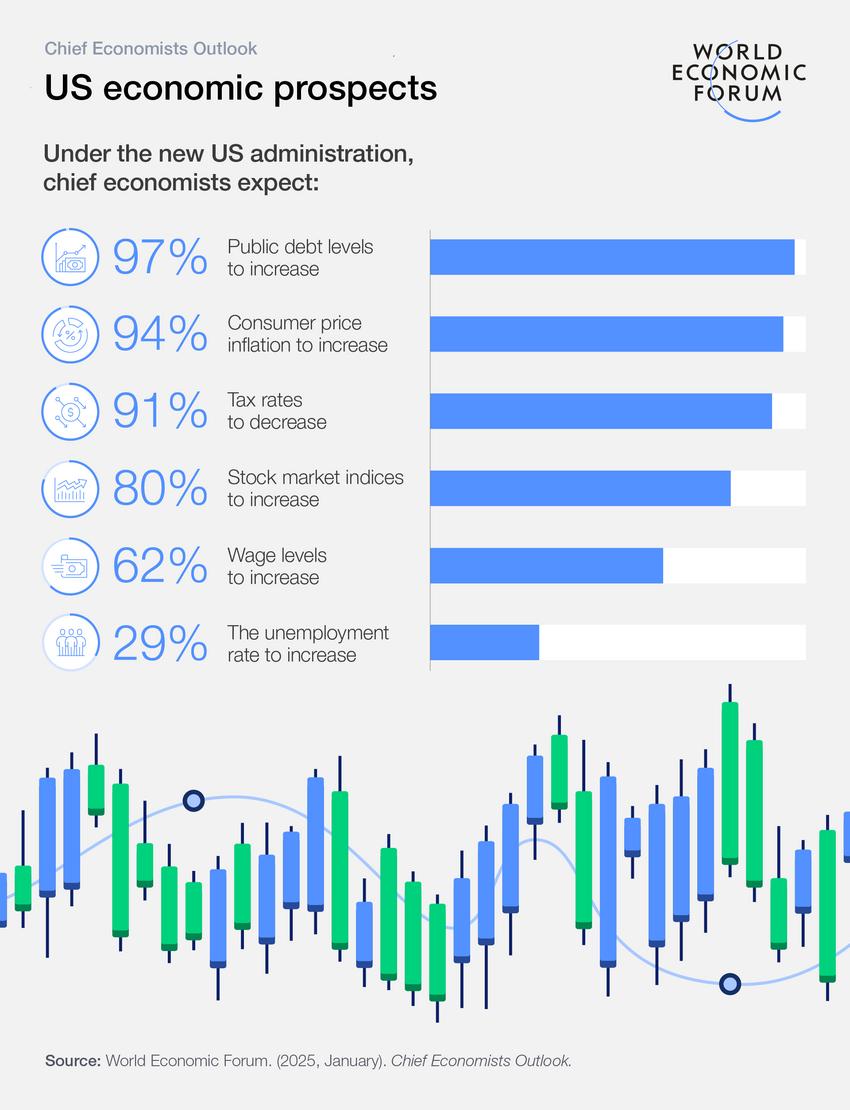
Financial repression refers to policies that manage national debt by keeping interest rates artificially low, enabling governments to reduce debt-to-GDP ratios. Following World War II, many countries adopted this approach, leading to a significant decrease in debt ratios from 100% in 1945 to 20% by 1970. Currently, global public debt exceeds $100 trillion, prompting governments to consider financial repression again due to limited fiscal options. While effective short-term, this strategy risks eroding savers’ wealth and has long-term economic implications. The approach includes measures such as interest rate caps and government control over financial institutions.
Financial services
What is 'financial repression' – and should countries embrace it as debt climbs?
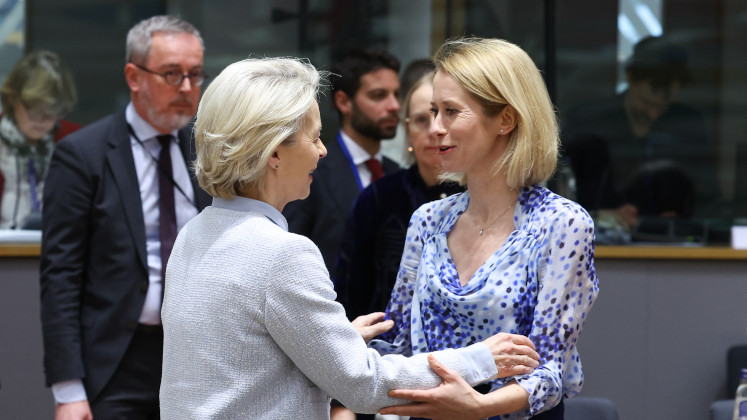
The EU is perceived as a promoter of gender equality, yet women remain underrepresented, particularly in leadership roles. Despite progress, such as nearly 40% female representation in the European Parliament post-2019 elections, systemic barriers persist, influenced by societal norms and institutional structures. Challenges include ingrained gender expectations, inadequate parental leave, and biases affecting candidate selection. Addressing these multi-level challenges requires comprehensive reforms and cultural shifts across the EU, highlighting the need for collaborative efforts to dismantle both formal and informal obstacles to women's political advancement.
Latin America
The complex struggle for gender equality in EU politics
The Youth Employment and Skills – Pan African Coalition for Transformation (YES-PACT) hosted a learning event on February 25, 2025, focusing on employment opportunities for marginalized groups in Ghana. Key speakers discussed the challenges faced by women and individuals with disabilities among others, highlighting the impact of socio-economic issues and the necessity for collaboration among policymakers and stakeholders. Gifty Mensah emphasized the importance of structured career guidance within Ghana's Technical and Vocational Education and Training (TVET) system to reduce unemployment and align education with market demands. She advocated for career counseling centers in TVET institutions to support informed career decisions.
Education
Marginalized Groups Deserve Jobs and Opportunities
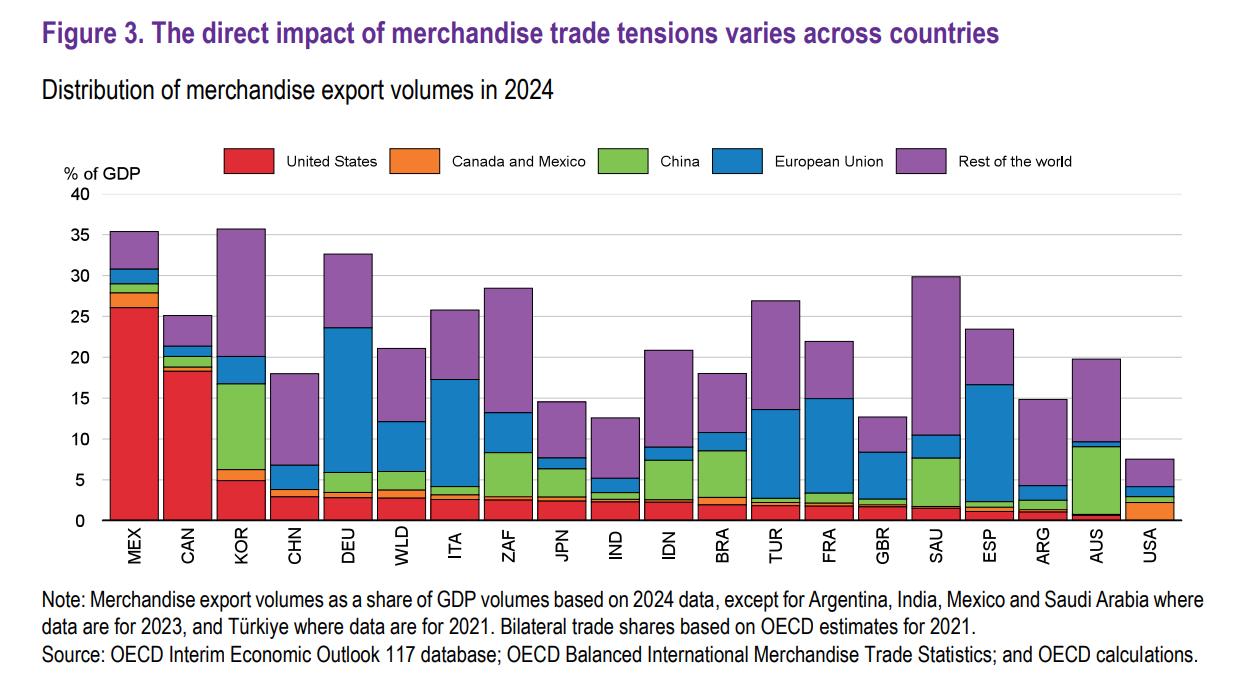
The OECD warns that trade fragmentation could hinder global growth due to rising tariffs and economic policy uncertainty. Global GDP growth is projected to decline from 3.2% in 2024 to 3.0% by 2026, with escalating trade tensions and persistent inflation impacting investment and consumer demand. Meanwhile, the UK and India are nearing a free trade agreement aimed at enhancing bilateral trade, which reached £41 billion in 2024. Other notable updates include Trump's emergency powers to boost domestic mineral production, and challenges facing economies in Germany and Sweden stemming from trade tensions.
Afghanistan, Argentina, Australia, Austria, Bahrain, Barbados, Belarus, Belgium, Benin, Bermuda, Bolivia, Brazil, Bulgaria, Burkina Faso, Burundi, Cambodia, Cameroon, Canada, Chile, Colombia, Cuba, Czech Republic, Democratic Republic of the Congo, Denmark, Djibouti, Dominican Republic, Ecuador, Egypt, El Salvador, Estonia, Eswatini, Ethiopia, Finland, France, Gabon, Georgia, Germany, Ghana, Greece, Guatemala, Honduras, Hungary, Iceland, India, Indonesia, Ireland, Israel, Italy, Jamaica, Japan, Jordan, Kazakhstan, Kenya, Kyrgyz Republic, Latvia, Lesotho, Lithuania, Luxembourg, Madagascar, Malawi, Malaysia, Malta, Mauritania, Mauritius, Mexico, Moldova, Morocco, Mozambique, Myanmar, Namibia, Nepal, Netherlands, New Zealand, Niger, Norway, Oman, Pakistan, Panama, Papua New Guinea, Paraguay, Peru, Philippines, Poland, Portugal, Republic of Korea, Romania, Russian Federation, Rwanda, Saudi Arabia, Senegal, Seychelles, Singapore, Slovakia, South Africa, Spain, Sudan, Sweden, Switzerland, Syria, Taiwan, China, Tajikistan, Tanzania, Thailand, Togo, Trinidad and Tobago, Tunisia, Türkiye, Uganda, Ukraine, United Arab Emirates, United Kingdom, Uruguay, Uzbekistan, Viet Nam, Yemen, Zambia, Zimbabwe
OECD warns trade fragmentation could slow growth, and other international trade news to read this month
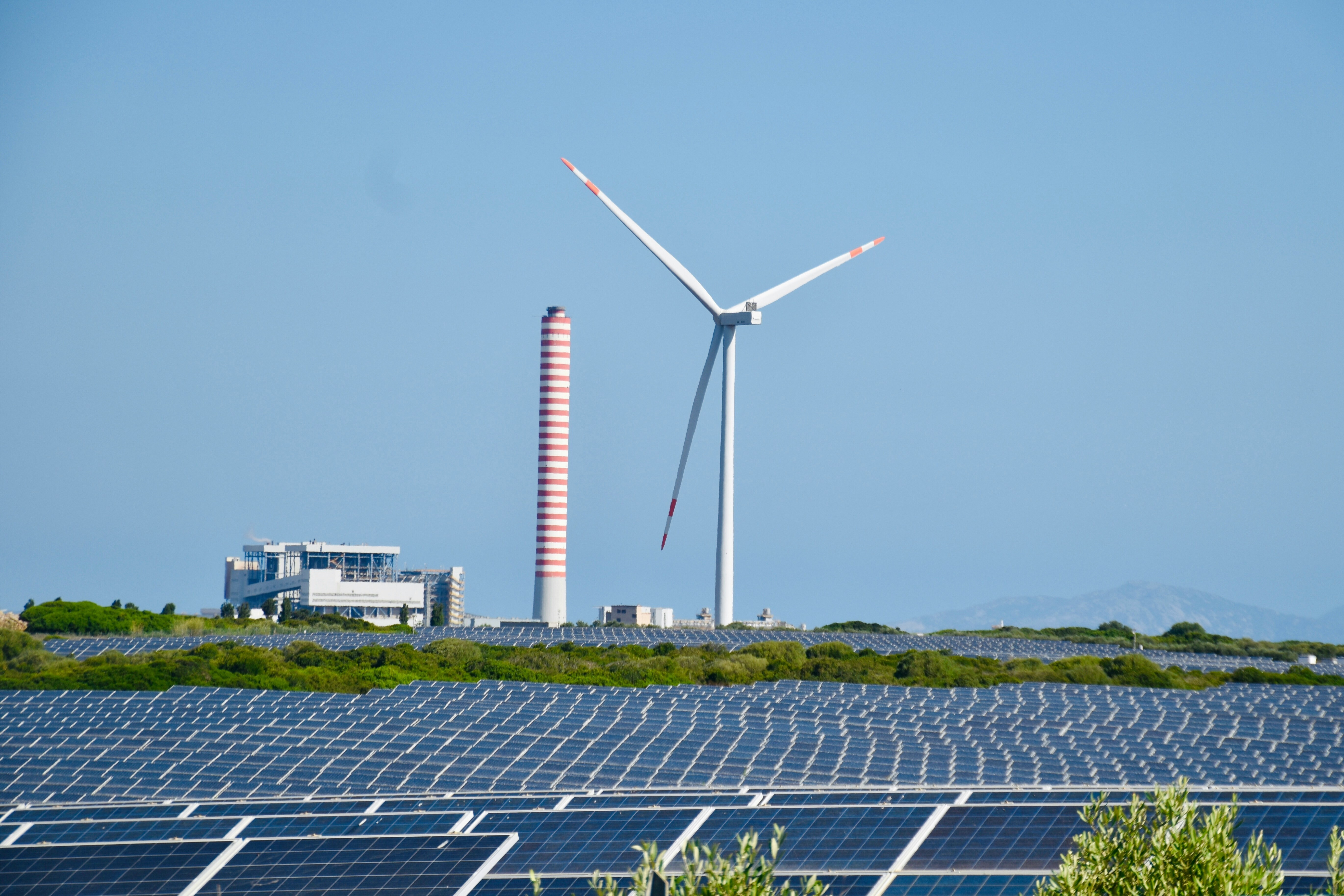
The transition to a net-zero future through renewable technologies like solar, wind, and electric vehicles is creating significant waste, including discarded solar modules, turbine blades, and lithium-ion batteries. The volume of this waste is expected to surge without proactive management, risking a new environmental crisis. A sustainable approach requires a circular economy focused on waste prevention, reduction, reuse, and recycling. Strategies include sustainable design, market incentives for durability, repurposing retired components, and enhancing recycling infrastructure. Addressing renewable energy waste is crucial for achieving environmental goals while maintaining economic value and sustainability.
Sweden | Financial services, Health, ICT, Education
How technology designed to help us reach net zero can also leave zero waste

The arrest of Istanbul Mayor Ekrem İmamoğlu highlights Turkey's deteriorating democracy and Erdoğan's efforts to eliminate political rivals, undermining free elections and democratic institutions. Erdoğan's motivations are linked to a domestic economic crisis and a desire to eliminate threats ahead of the 2028 elections. As Turkey's geopolitical significance rises, the question arises whether Europe can sustain a security partnership with a regime that disregards democratic norms. A partnership with a non-democratic Turkey is unsustainable, and Europe should convey that cooperation requires minimum democratic governance to maintain credibility and signal that authoritarianism will not be legitimized.
Türkiye
Turkey’s Authoritarian Turn: İmamoğlu’s Arrest and Europe’s Strategic Dilemma

France's domestic turmoil is easing while international affairs take precedence. President Macron's popularity rises to 27% due to his diplomacy around Ukraine, contrasting with Prime Minister Bayrou's drop to 25% amid criticism over pension reforms. Macron has engaged in high-profile meetings bolstering France's diplomatic standing, while Bayrou faces backlash from trade unions and right-wing parties, potentially jeopardizing his position. The key challenge remains maintaining domestic stability to ensure credibility on the global stage.
France
[Decoding France] - Calm at Home, Storm Abroad?

US private equity firms, notably Global Infrastructure Partners (GIP) and BlackRock, are increasingly investing in Indo-Pacific infrastructure. GIP has pivoted its strategy, raising over $2 billion for an emerging markets fund targeting Asian and Latin American markets. Significant deals include GIP’s partnership in the $4 billion privatization of Malaysia Airports and a consortium acquisition of Hutchinson Port Holdings for nearly $23 billion. This shift may reflect both commercial opportunities and potential geopolitical strategies, as US investments aim to compete with China's rapid infrastructure development in the region.
Indonesia, Malaysia
US Private Equity Is Making Interesting Moves in the Indo-Pacific

International financial centres (IFCs), such as Hong Kong, are essential for enhancing global connectivity amid rising geopolitical tensions and economic fragmentation. These hubs facilitate capital flows, support innovation, and promote sustainable finance, playing a pivotal role in addressing global challenges like the green transition and economic growth. Hong Kong exemplifies this importance through its robust fundraising capabilities and programs that link international investors with Chinese markets. The region’s innovations in sectors like AI and green technology further solidify its position as a crucial connector in a rapidly evolving financial landscape.
Financial services
Why international finance centres like Hong Kong are crucial connectors in a fragmented world

Collective social innovation addresses complex challenges such as rising inequality, environmental crises, and social fragmentation by uniting diverse stakeholders for systemic change. The report from the Schwab Foundation emphasizes the importance of collaboration, funding alignment, and grassroots leadership in driving large-scale social change. It provides global case studies that illustrate successful multistakeholder collaborations, innovative governance models, and resource aggregation. This serves as a call to action for funders, policymakers, and changemakers to leverage collective action for a more just, inclusive, and sustainable world.
Health, Education
The Future is Collective: Advancing Collective Social Innovation to Address Society’s Biggest Challenges

Collective social innovation is essential for addressing complex challenges such as rising inequality, environmental crises, and social fragmentation. The report, developed by the Schwab Foundation for Social Entrepreneurship, emphasizes how diverse stakeholders can collaborate to achieve systemic change. It presents values, strategies, and models that foster successful multistakeholder partnerships. Global case studies illustrate the emergence of new governance structures, resource aggregation, and data-driven decision-making. By promoting collaboration and grassroots leadership, collective social innovation aims to create a more just, inclusive, and sustainable world, urging funders and policymakers to leverage collective action for impactful change.
Education, Health
The Future is Collective: Advancing Collective Social Innovation to Address Society’s Biggest Challenges

Online harms like child sexual exploitation, scams, privacy violations, and disinformation are increasingly complex and prevalent due to rising digitization. Organizations face challenges in implementing interventions due to limited resources and regulatory complexities, risking legal and reputational damage. "The Intervention Journey: A Roadmap to Effective Digital Safety Measures" outlines a plan that includes identifying risks, designing tailored safety measures, evaluating effectiveness, and fostering collaboration. It emphasizes the importance of proactive and adaptable strategies, such as AI-driven moderation and user education, to enhance online safety and resilience in the digital ecosystem.
ICT
The Intervention Journey: A Roadmap to Effective Digital Safety Measures

Online harms, including child sexual exploitation, scams, privacy violations, and disinformation, are increasing in complexity due to growing digitization. Organizations face challenges in implementing effective interventions due to resource limitations and regulatory complexities. The Intervention Journey provides a roadmap emphasizing the identification of risks, development of tailored safety measures, ongoing evaluation, and collaboration among organizations. It advocates for proactive and adaptable strategies, such as AI-driven moderation and user education, to mitigate these harms. Following this roadmap will enhance organizations’ capabilities to create safer online environments and strengthen the digital ecosystem overall.
Education, ICT
The Intervention Journey: A Roadmap to Effective Digital Safety Measures

The atoll nations of Kiribati, Maldives, Marshall Islands, and Tuvalu face severe threats from climate change, particularly rising sea levels, which could inundate large portions of their land by 2100. The Asian Development Bank's Triple A "Accelerating Atoll Adaptation" Initiative aims to enhance their resilience by promoting transformational adaptation strategies that combine science, governance, local knowledge, and innovative financing. Immediate responses are inadequate; comprehensive measures, including improved infrastructure, land planning, and disaster preparedness, are essential to mitigate socioeconomic impacts like forced migration and freshwater scarcity. Implementing these strategies requires significant resources and long-term commitment.
Antarctica, Bangladesh, Nigeria | Financial services
Navigating the Rising Tide: Transformational Adaptation for Resilient Atoll Nations

Perception of waste is heavily influenced by human understanding and cultural contexts. Nuclear waste, for example, highlights the challenges of ownership and responsibility over materials that must remain secure for thousands of years. Waste is not purely a material issue but reflects historical, social, and technological shifts, including the emergence of digital waste. The rise of a waste consciousness, particularly since the late 1960s, emphasizes recycling and the evolving nature of waste perceptions. Despite efforts to minimize waste, it remains a persistent challenge that requires ongoing awareness and innovation.
How our perception of waste shapes our reality

Women make up over half of the agricultural labor force but face significant barriers, including lack of access to land and financial services, and are disproportionately impacted by climate change. Advocates for women's rights in agriculture should focus on local solutions, leveraging indigenous knowledge and ensuring their participation in decision-making. Structural barriers like the global debt crisis and development policies that disempower women must be addressed. Projects and innovations from local communities can lead to progress, highlighting the need for supportive policymaking and an understanding of women as key agents of change in agriculture.
Bangladesh, Nigeria, South Africa
How do you advocate for women in agriculture?
The MAGA movement reflects a sophisticated ideological framework that challenges traditional democratic values in the U.S. The emergence of the second Trump presidency signifies a regime change aimed at undermining the liberal values of democracy, such as pluralism and rule of law. The MAGA agenda, supported by postliberal thinkers, prioritizes a cultural transformation over mere transactional politics. This poses significant geopolitical implications for Europe, which must navigate its own values while responding to potential threats from the MAGA sphere and its expansionist tendencies.
Ukraine | Financial services
The MAGA Theory: a Big Bang ?

Jude Browne's book addresses the societal challenges posed by advanced technologies, particularly robotics, artificial intelligence, and genetic technologies. It explores the question of political responsibility regarding the structural impacts of these innovations and emphasizes the need for preparation for their far-reaching effects. The work provides a vision for politically feasible and socially responsible responses to the pressing issues arising from technological advancements.
Political Responsibility and Tech Governance
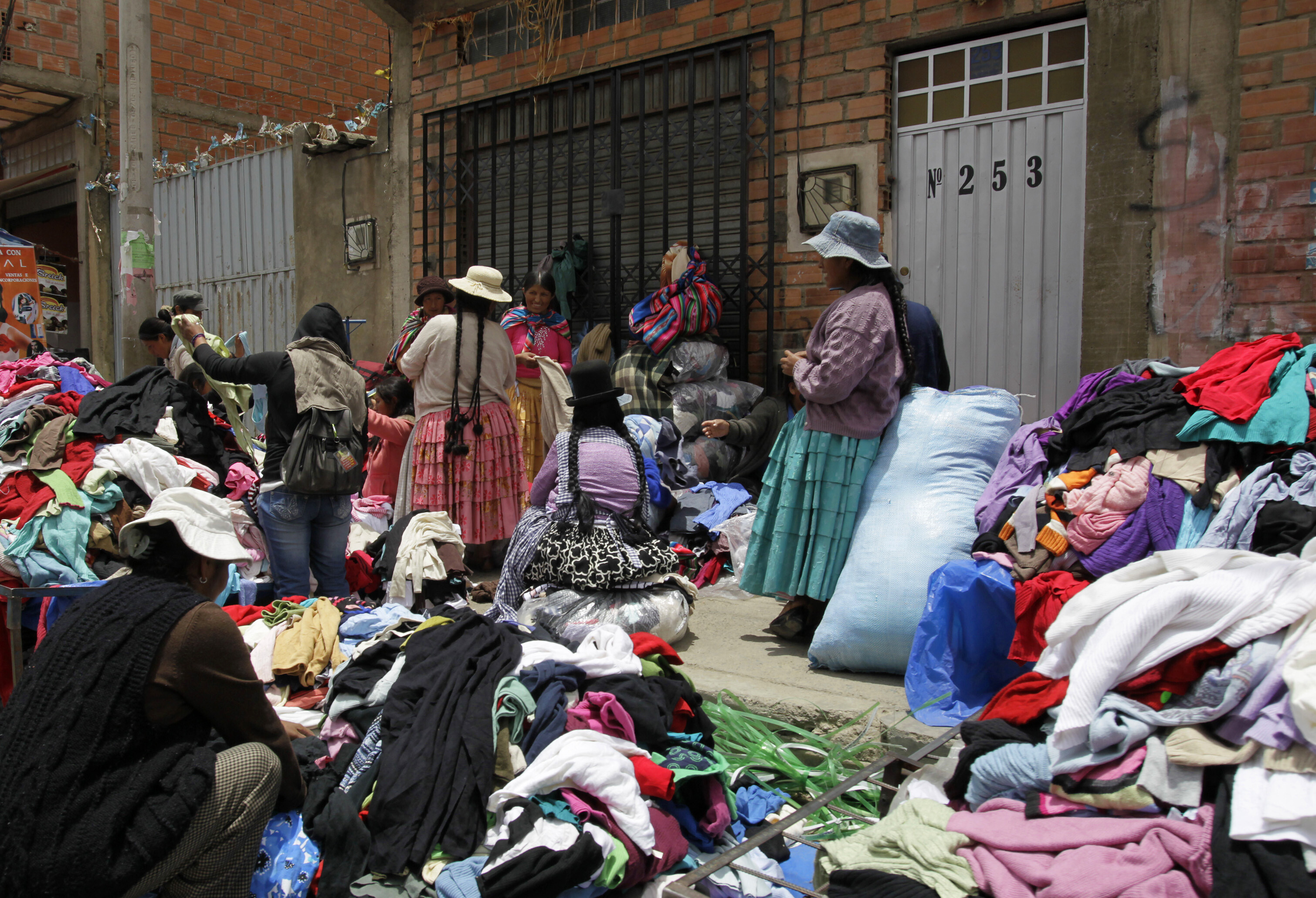
Public-private partnerships (PPPs) are crucial in empowering women entrepreneurs in emerging markets by providing support that goes beyond funding. Female entrepreneurship is increasing, contributing significantly to poverty reduction, economic resilience, and inclusive growth. Programs like Ecuador's Gender Parity Initiative facilitate access to credit and financial literacy, impacting thousands of women. Other initiatives in Guatemala and Jordan enhance supply chain integration and support market internationalization for women-led businesses. Despite progress, a $1.7 trillion global financing gap exists, underscoring the need for improved access to finance, resources, and networks for women entrepreneurs.
Burkina Faso, Egypt, Ethiopia, Paraguay, Senegal, United Arab Emirates | Education
How public-private partnerships are empowering women entrepreneurs beyond funding