
Choppers, a chimpanzee featured in PG Tips tea advertisements, lived a significant yet troubled life marked by trauma and adaptation. Captured at six weeks old, she suffered injuries during poaching that affected her health and mobility. Choppers transitioned from a performing role in the 1970s to a quieter life at Twycross Zoo, reflecting changing societal attitudes towards animal welfare. Her life story, reconstructed through osteobiography, highlights the impact of her early diet and captivity, while serving as a reminder of the ongoing issues of wildlife trafficking and zoo management.
How we revealed the life story of PG Tips chimp – written in her bones

Nokia, Honeywell Aerospace Technologies, and Numana have partnered to accelerate the global adoption of Quantum-Safe Networks (QSN), starting with deployments in Montreal, Canada. The collaboration combines Numana’s Kirq Quantum Communication Testbed with Nokia’s post-quantum networking infrastructure and Honeywell’s satellite-based quantum encryption keys to enhance data integrity. The initiative supports quantum innovation strategies in Quebec and Canada, focusing on education, ecosystem development, and research to advance secure communications. This strategic partnership aims to transform Quebec into a global leader in quantum communication technologies.
Education, ICT
Nokia and Honeywell Aerospace Technologies Partner with Numana to Advance Quantum-Safe Networks

Generation Z is emerging as a powerful force in social entrepreneurship, demonstrating innovation and a commitment to addressing social challenges through youth-led solutions. Supported by organizations like Resolution Project and Enactus, young entrepreneurs have collectively created ventures valued at over $6.5 billion. Initiatives such as EcoResin, Project Dakshata, Cassavity, and Agrosage illustrate their efforts in the circular economy, agricultural value chains, and sustainable practices. By tackling issues like waste management, food spoilage, and resource utilization, these entrepreneurs are fostering collaboration and driving measurable impact across diverse sectors and regions.
Education
Don’t Underestimate Gen Z: How Youth-Led Solutions are Shaping the Future of Social Entrepreneurship

Australia is experiencing a significant insurance gap, leaving many home and business owners underinsured or uninsured, particularly in the wake of increasing climate-related disasters. The percentage of those facing insurance stress has grown from 10% in 2022 to 15%. In 2022, disasters caused over $6 billion in insured losses, with 48% of total losses remaining uninsured. Factors contributing to this gap include risk-reflective pricing, increased global reinsurance costs, and climate uncertainties. Solutions require government intervention, such as establishing protection gap entities to provide multi-peril insurance and stabilize coverage for high-risk areas, ensuring broader accessibility and affordability.
Australia | Financial services
Risky Business: Bridging the Insurance Gap in Australia
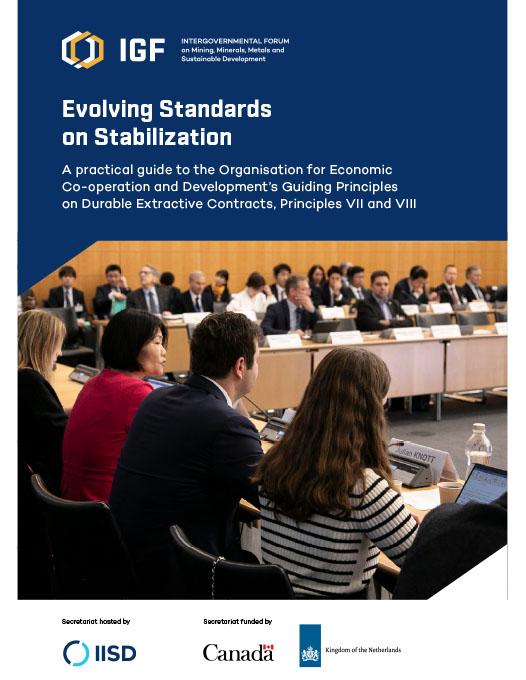
International standards on stabilization clauses in mining contracts are evolving, with the OECD Guiding Principles advocating for a reduced and more targeted use of such clauses. The principles emphasize alternatives and provide practical guidance for governments and companies to transition from outdated practices. The report explores the historical context, growing controversies, and the significance of the 2020 OECD principles, aiming to facilitate the drafting of balanced and predictable mining agreements. This approach addresses both fiscal and non-fiscal issues, distancing from the presumptive use of stabilization clauses.
Evolving Standards on Stabilization
The ITU Journal on Future and Evolving Technologies explores the integration of emerging technologies for digital and sustainable development. The 2025 edition highlights Geospatial AI (GeoAI) as a crucial tool in advancing the UN Sustainable Development Goals, addressing challenges such as disaster response and food security. Notable innovations include SATGPT for flood mapping, AI damage assessment, and machine learning for conflict mapping. Additionally, the journal features advancements in next-generation communication technologies. Upcoming special issues and webinars aim to further explore critical topics in AI and telecommunications, emphasizing their role in creating a sustainable future.
ICT
ITU Journal explores GeoAI innovation for the good of humanity

Diverting military resources to the Indo-Pacific is imprudent as Europe faces the pressing threat of Russia. Peter Harris argues for urgent European retrenchment from Asia amidst rising concerns about U.S. commitment to NATO. While European nations have pursued strategies to engage in the Indo-Pacific—citing trade interests and a desire to uphold global security—such efforts are misguided given ongoing conflicts on the continent. Europe's focus should instead be on strengthening its military presence to address immediate challenges posed by Russia, as current resources cannot effectively influence security dynamics in Asia.
Africa, Latin America
It’s time to reverse Europe’s “pivots” to Asia

Track and trace technologies are essential for creating a circular plastics economy by enhancing transparency, accountability, and recycling efficiency. These technologies enable companies to verify recycled content, ensure compliance, and build consumer trust, addressing key challenges of plastic pollution. Tools like blockchain offer transparency and secure tracking, while data-driven platforms promote accountability and incentivize sustainable practices. However, significant obstacles such as inadequate funding, regulatory uncertainty, and difficulties in scaling hinder progress. To overcome these challenges, fostering partnerships and establishing clear data standards are crucial for driving investment and broader implementation of traceability solutions.
Barbados, Belgium, Burkina Faso, Costa Rica, Denmark, Egypt, Ethiopia, Germany, Ghana, Indonesia, Ireland, Japan, Luxembourg, Paraguay, Peru, Poland, Republic of Korea, Russian Federation, Rwanda, Singapore, Sweden, Switzerland, Taiwan, China, Tanzania, Thailand, Tunisia, Uganda, United Kingdom | Financial services, Health, Education, ICT
How track and trace technologies are evolving to help tackle plastic pollution

Cities are increasingly adopting mobility technologies to enhance transportation efficiency and meet climate goals. This includes the use of AI, electric vehicles, and autonomous systems, with San Francisco, Singapore, and Helsinki leading by example. These cities prioritize innovative solutions and invest in infrastructure, achieving high rankings in the Urban Mobility Readiness Index. Public transit remains the most sustainable option, with increasing ridership post-COVID. Initiatives include Singapore’s public transit innovation center and Helsinki’s green hydrogen production. Embracing technologies like robo-taxis and air taxis is seen as essential for improving mobility and addressing climate challenges.
3 ways cities can accelerate towards the future of transport
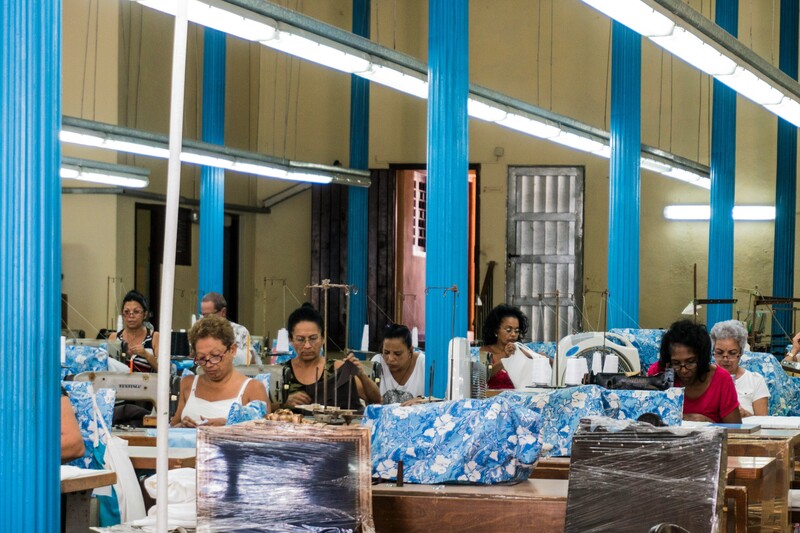
The private sector is playing a crucial role in combating tuberculosis (TB) in workplaces by enhancing early identification and treatment. In 2022, a record 8.16 million people were diagnosed with TB, largely due to increased private initiatives bridging public and private healthcare. Companies in India and Indonesia are integrating TB screenings into routine health checks, leading to quicker treatment. The World Economic Forum's Ending Workplace TB initiative is leveraging technology to enhance lung disease screening, aiming to improve employee well-being and productivity. With significant opportunities for large-scale health interventions, efforts are also underway to address other respiratory diseases.
Health
How the private sector is helping end tuberculosis in the workplace
The Chips Diplomacy Support Initiative (CHIPDIPLO) is an 18-month project aimed at enhancing Europe's semiconductor sector in light of geopolitical risks, particularly the US-China rivalry and Russian threats. It will structure European foreign policy to better anticipate and manage risks in semiconductor production and supply chains. Key objectives include fostering EU coordination on industrial policy, expanding international partnerships, and providing analytical tools for mitigating geopolitical risks. The initiative seeks to attract investment and talent to bolster European competitiveness and innovation in the semiconductor industry.
ICT
Chips Diplomacy Support Initiative

President Donald Trump’s trade wars adversely affect the global economy, including the UK. The ongoing "stop-go" trade policies create significant economic uncertainty, leading to reduced business investment and potential GDP declines. Predictions indicate that higher US tariffs could lower global GDP by approximately 1% and UK GDP by as much as 2.5% in three years. While the link between US trade uncertainty and UK inflation appears weak, the Bank of England must consider these uncertainties in interest rate decisions to mitigate their negative impact on economic growth.
Ukraine, United Kingdom | Financial services
Trump’s tariff wars and their impact on the UK economy in five graphs

The Asian Economic Integration Report 2025 analyzes the impact of regional integration on economic growth in Asia and the Pacific, emphasizing its benefits in trade, investment, finance, migration, remittances, and tourism. It advocates for renewed regional cooperation to mitigate external shocks, suggesting modernization of trade agreements, enhanced financial frameworks, and advancements in digitalization to foster economic prosperity and address upcoming challenges.
Australia, Bahrain, Bangladesh, Barbados, Benin, Bolivia, Burkina Faso, Cambodia, Chile, Colombia, Costa Rica, Dominican Republic, Egypt, Ethiopia, Georgia, Germany, Ghana, Hungary, India, Indonesia, Jamaica, Japan, Jordan, Kenya, Kyrgyz Republic, Malaysia, Myanmar, New Zealand, Pakistan, Paraguay, Peru, Philippines, Republic of Korea, Russian Federation, Rwanda, Saudi Arabia, Senegal, Seychelles, Singapore, South Africa, Switzerland, Taiwan, China, Tajikistan, Tanzania, Thailand, Tunisia, Uganda, Ukraine, United Arab Emirates, United Kingdom, Viet Nam, Yemen, Zambia, Zimbabwe | ICT, Financial services, Health
Asian Economic Integration Report 2025: Harnessing the Benefits of Regional Cooperation and Integration
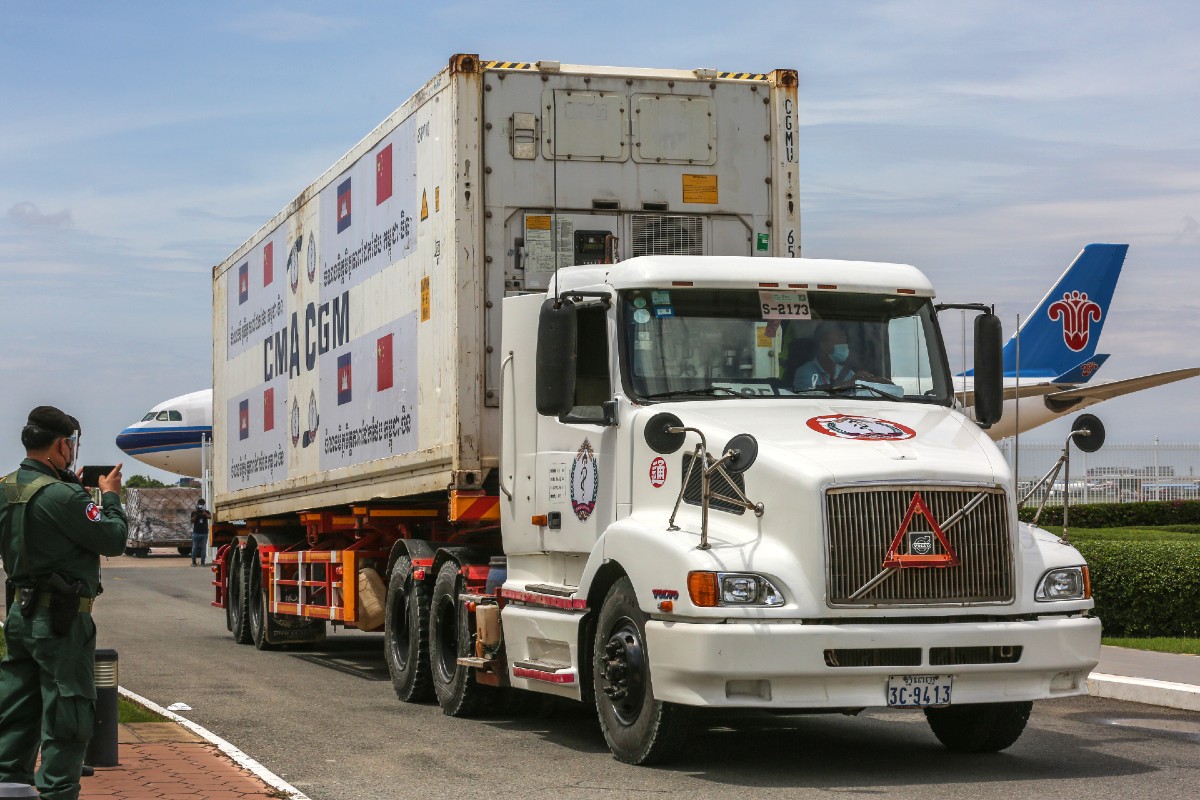
Decarbonizing healthcare supply chains is crucial for reducing emissions and enhancing health system resilience, especially in vulnerable areas. Over 70% of healthcare emissions stem from the supply chain, including the production and disposal of medical goods. Key strategies for decarbonization include the development of eco-designed medical supplies, implementing sustainable manufacturing processes, investing in low-carbon transportation, and improving healthcare waste management. Transitioning to biodegradable materials, optimizing logistics, and utilizing innovative technologies like drones can significantly reduce the carbon footprint of healthcare operations.
Health
Building Healthy Supply Chains While Cutting Carbon
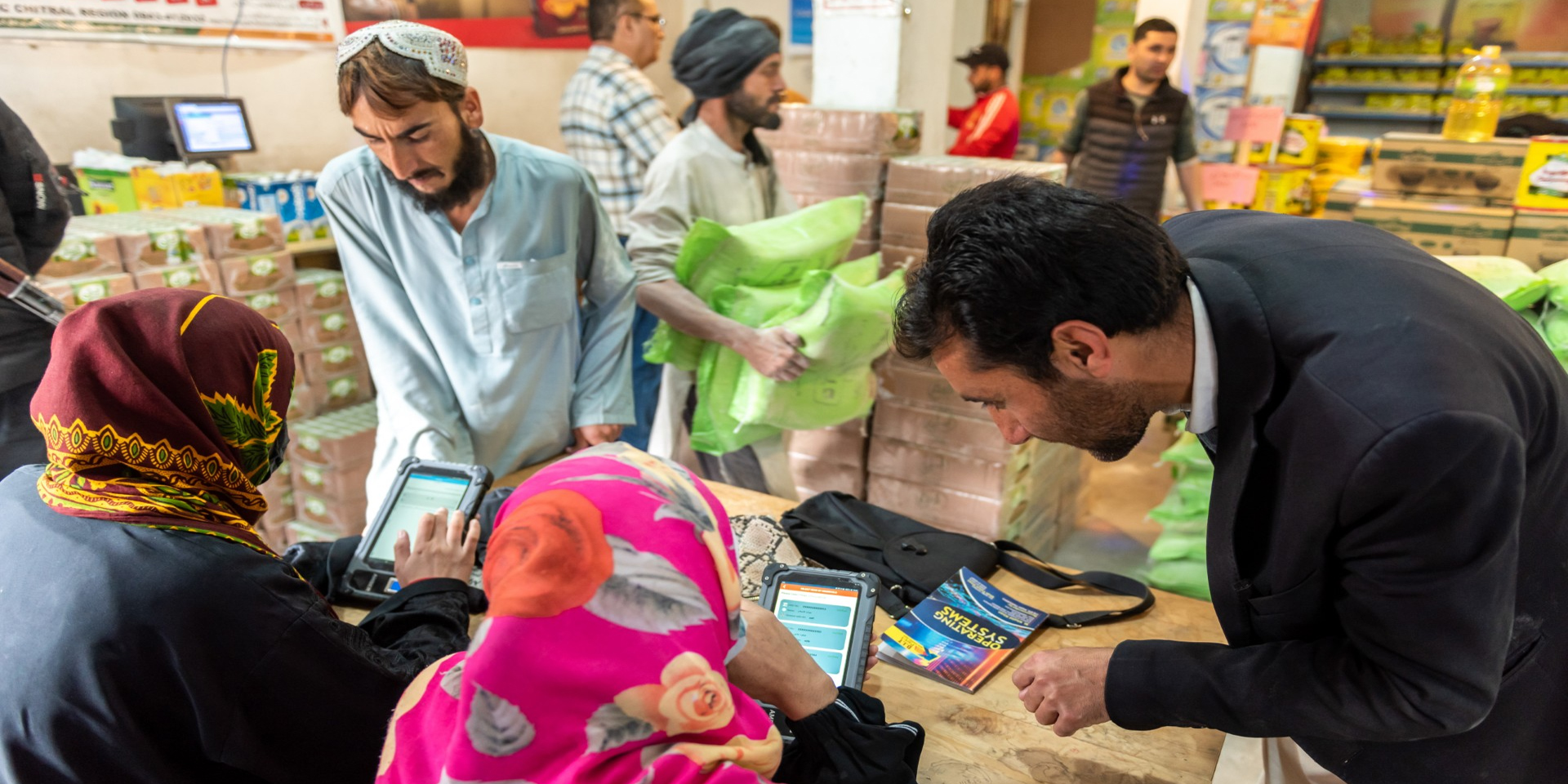
Only 21% of adults in Pakistan have access to banking services, significantly impacting women, who are less likely to access financial services. Digital finance, particularly mobile money, presents a crucial opportunity to enhance financial inclusion by facilitating low-cost, secure transactions. The launch of Raast in 2021 has simplified transactions, leading to a surge in usage, with over 102 million payments processed in 2023. Lessons from India and China highlight the potential of digital payment systems. Despite progress, full digital adoption faces challenges and requires supportive regulatory frameworks to foster trust and encourage merchant participation.
Bangladesh, Pakistan | ICT, Financial services
From Cash to Digital: Advancing Financial Inclusion in Pakistan

Voluntary disclosure requests from companies can significantly enhance the sustainability of supply chains, encouraging suppliers to share environmental data and reduce emissions. Despite reduced legal obligations to report, companies seeking climate-related information typically see a 52% compliance rate from suppliers. This engagement often leads to a 2.5% reduction in supplier greenhouse gas emissions. Companies that confront suppliers about their environmental performance are also more likely to sever ties with non-compliant or high-emission suppliers, especially in environmentally scrutinized sectors. This trend highlights the potential of contractual relationships to foster sustainable practices amid weakening regulations.
How voluntary disclosures can make supply chains more sustainable
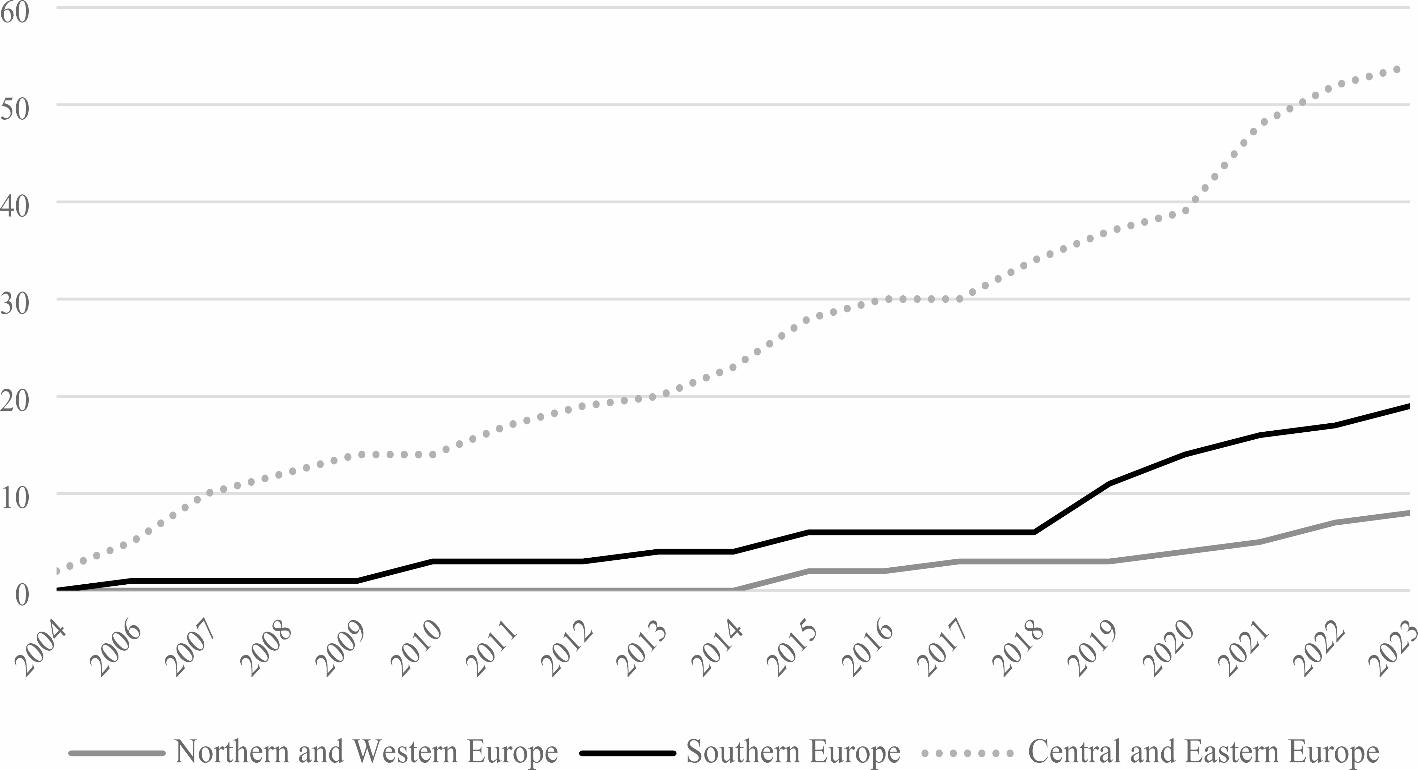
Many EU Member States have implemented emigrant return policies (ERPs) from 2004 to 2023 to encourage their citizens to return. This comprehensive analysis scrutinizes 81 policies across 17 countries, revealing that ERPs predominantly target young, skilled individuals and are mainly justified economically. While many policies are symbolic, the use of costlier economic tools has risen. The introduction of ERPs often serves political purposes, showcasing government action in response to emigration issues, despite their limited effectiveness in altering migration patterns. The study enhances understanding of the governance of migration within the EU.
Portugal, Spain
Please come back! How and why European governments try to reattract emigrated citizens

AGI-prepping is influencing political dynamics, with supporters arguing that advancements in Artificial General Intelligence (AGI) could render large government institutions obsolete. The emergence of DOGE is seen as a step towards consolidating government information into a model that can better serve societal needs, minimizing the need for extensive bureaucratic frameworks. Predictions suggest that by 2027, AI will surpass human expertise in various fields, leading to a future where AGI could efficiently solve complex problems without traditional governmental structures. This shift implies a radical rethinking of institutional roles in a high-tech future.
Should AGI-preppers embrace DOGE?
Venture capital funds have invested approximately $200 billion into generative AI, driven by a "growth at all costs" mentality. In 2023, 71% of gains in the S&P 500 were linked to seven major tech companies, with significant capital expenditures projected for AI infrastructure. Goldman Sachs anticipates over $1 trillion in spending on chips and data centers by Big Tech within five years. However, major AI player OpenAI is projected to incur $5 billion in losses this year, raising concerns that a potential collapse of the AI bubble could severely impact venture capital and the broader economy.
Bubble Trouble
The Positive Deviance approach identifies individuals or groups that achieve better outcomes despite similar challenges. The Data-Powered Positive Deviance (DPPD) method enhances this by utilizing both traditional and non-traditional data sources to uncover effective practices. The UNDP Somalia Accelerator Lab applied DPPD in the West Golis region, focusing on pastoral communities that thrived during severe droughts (2016-2017). By employing geospatial data and engaging with local communities, strategies such as soil and water conservation, locally-produced pesticides, and reseeding practices were identified. Success hinges on empowering communities to adopt and adapt these practices rather than merely sharing them.
From Insights to Action: Amplifying Positive Deviance within Somali Rangelands