
The European Commission has launched the Alliance for Language Technologies European Digital Infrastructure Consortium (ALT-EDIC) and the Language Data Space (LDS) to address the shortage of European language data for training large language models. These initiatives aim to enhance multilingual AI systems across the EU, facilitate better access to services for small businesses, and preserve the EU's linguistic heritage. Formed in February 2024, ALT-EDIC includes 17 member states and 9 observers. The LDS, part of the Common European Data Spaces, will create a marketplace for language data, promoting collaboration among European public and private entities.
The Language Data Space (LDS)
Organizations can be more or less democratic, influencing both democratic and authoritarian societies. This paper argues for a renewed focus in organizational research on the democratic structures within organizations and their societal outcomes. It presents a framework for assessing the level of democratic organization, emphasizing employee participation in decision-making. The authors highlight the spillover effects of organizational democracy on civic engagement and call for further research on the consequences of democratic organizing at both organizational and societal levels.
On Democratic Organizing and Organization Theory

UOB is the first bank in Singapore to align its sustainability report with the Taskforce on Nature-related Financial Disclosures (TNFD). It identified five sectors in its loan portfolio that significantly impact nature, accounting for 20% of corporate lending. Key sectors are agriculture, metals and mining, and built environment, while oil and gas was excluded from analysis due to low nature dependencies. Chief sustainability officer Eric Lim emphasized the critical importance of water in all industries and highlighted the need for improved data on nature-related risks, stating that approximately 60% of UOB's sustainable finance portfolio already incorporates nature concepts.
Financial services
‘Water will be critical’, says UOB, first Singapore bank to publish TNFD-aligned report

Morning blue light therapy can enhance sleep quality and daily activities in older adults. With age, sleep patterns deteriorate, leading to shorter, less restorative sleep and increased daytime sleepiness. The study found that exposure to blue-enriched light in the morning improved sleep and stabilized daily activity by aligning the internal circadian clock with external light conditions. Increased time outdoors in natural light also promoted better sleep habits. Conversely, evening light exposure negatively impacted sleep, emphasizing the importance of maintaining darkness at night. Simple adjustments to light exposure could be a medication-free solution to improve sleep for older adults.
Why morning blue light therapy could improve sleep and daily activity in older adults

The arts and humanities are crucial for sustaining democracy, fostering critical thinking and civic engagement, particularly in times of crisis. Funding for the arts varies widely, influenced by cultural values and economic priorities. Medieval Venice serves as a historical example of art's role during crises. Despite facing famine, plague, and political turmoil in the mid-14th century, the Venetian government funded ambitious artistic projects in the state church of San Marco as a response to uncertainty. These projects, including lavish decorations and altarpieces, aimed to reassure citizens and affirm civic identity amidst challenges to political authority and citizenship.
Latin America | Financial services
Medieval Venice shows us the good art can do in times of crisis

The Technocracy movement of the 1930s aimed to merge the US, Canada, and parts of Central America into a scientifically managed entity called a "Technate." Advocates, led by Howard Scott, believed that technology could solve economic inefficiencies and advocated for expert governance over elected politicians. The movement gained popularity during the Great Depression, promoting a systematic restructuring of society based on energy efficiency rather than traditional economic systems. Today, modern figures like Elon Musk echo some of these ideas through their emphasis on innovation and efficiency, drawing parallels to past technocratic visions.
A 1930s movement wanted to merge the US, Canada and Greenland. Here’s why it has modern resonances

PagerDuty, a digital operations management platform, serves major corporations, assisting them in delivering reliable technology services amidst increasing reliance on software and AI. CEO Jennifer Tejada emphasizes the importance of an "ownership mindset" among leaders, focusing on understanding users and preventing operational issues before they arise. By leveraging AI, including generative and agentic AI, PagerDuty aims to enhance digital operations and maintain brand reliability. Tejada highlights her leadership journey since taking the company public in 2019, reflecting on the significance of treating each role with ownership for growth and innovation.
Education
Focus on the Future: An Interview with PagerDuty’s Jennifer Tejada

The UK government plans significant welfare reforms to cut costs, targeting a £5 billion annual savings by 2030 amidst rising welfare expenditure, projected to reach £70 billion. Similar concerns about welfare sustainability are present in Germany and France. The UK's welfare system heavily impacts public finances, with nearly one-third of spending allocated to welfare in 2024-25. While intended to stimulate employment among those able to work, reforms may adversely affect mental health and fail to boost overall workforce participation. Productivity issues also hinder economic growth, with the UK lagging behind other industrial nations in productivity improvements.
Financial services
Why the social pain of welfare reform overshadows any economic gain
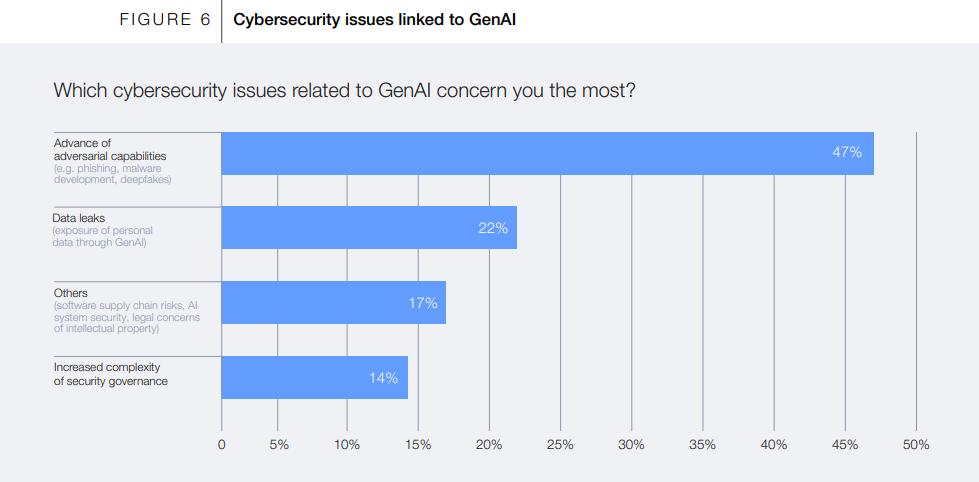
Five major US tech companies—Cisco, IBM, Intel, Microsoft, and Red Hat—are collaborating to establish data safety standards amid the rapid evolution of AI. This initiative aims to standardize data provenance protocols to ensure data quality across AI applications. Concurrently, the US has suspended some measures against Russian cyber threats, raising concerns about potential vulnerabilities. Cybercriminals exploit vulnerabilities in tools associated with ChatGPT and phishing campaigns targeting the hospitality sector have emerged. Europol warns that organized crime is increasingly using AI for scams, while the UK promotes transition to quantum-resistant encryption by 2035.
Financial services, ICT
US tech titans back push for data and AI standards, and other cybersecurity news to know this month

The rise of extreme right-wing parties in Europe poses a threat to democracy, despite its historical success in the region. Various factors contribute to this shift, including economic crises and social media's role in political behavior. A critical yet often overlooked factor is personal experience; many have lived in relative democratic stability, causing them to underestimate the risks of autocracy. Psychological research shows that lack of experience with rare catastrophic events leads to complacency. Simulating experiences of authoritarian regimes, through shared stories from immigrants, may help raise awareness of democratic vulnerabilities and counteract this complacency.
Latin America
The paradox of democracy’s success: behavioural science helps explain why we miss autocratic red flags

Countries like Cuba, Brazil, and Thailand are exemplifying health sovereignty by pursuing self-reliance in healthcare. Cuba emphasizes preventive care with significant public health spending, achieving high life expectancy and low infant mortality despite economic constraints. Brazil’s Unified Health System integrates services and enhances domestic pharmaceutical production, ensuring universal access and health equity. Thailand's Universal Health Coverage program effectively reduces health expenditures while achieving over 98% insurance coverage. These models demonstrate that robust health systems can be established through strategic investments and efficient design, affirming the importance of national control over health priorities.
Cape Verde, Dominican Republic, Ghana, Guinea, Haiti, Honduras, Hungary, Indonesia, Lesotho, Malaysia, Mongolia, Mozambique, Paraguay, Philippines, Qatar, Republic of Korea, Senegal, Singapore, Sweden, Switzerland, Tanzania, Thailand, Ukraine, United Kingdom | Financial services, Health
Health sovereignty builds resilience in a volatile world. Here are 3 countries working towards it
Europe faces a trade dilemma as U.S. restrictions and tariffs on China may lead to increased reliance on Chinese exports within its own markets. China's trade surplus with Europe is rising, while its exports to the U.S. are declining. Europe is burdened by the need for Chinese products to support its decarbonization agenda, despite concerns over dependency and price effects from Chinese monopolies. This situation may compel Europe to adopt protectionist measures, aligning more with U.S. policies and undermining its commitment to free trade, which could ultimately challenge China’s international economic expansion.
Belgium, Egypt, France, Germany, Japan, Jordan, Malaysia, Peru, Portugal, Russian Federation, South Africa, Switzerland, Taiwan, China, Tunisia, Ukraine, United Kingdom, Viet Nam | Financial services
Can Europe Do a

Artificial intelligence (AI), particularly large language models (LLMs), can enhance workplace efficiency but has significant limitations. Despite their ability to mimic human speech, LLMs often provide incorrect answers, do not adapt to changing information, and lack true understanding of the context. AI can be beneficial for private critiques of ideas, clarifying thoughts, and handling low-stakes tasks like summarizing reviews or generating social media posts. However, caution is necessary for high-stakes decision-making due to potential liabilities, as demonstrated by cases where misinformation led to legal consequences. Authenticity in communication remains vital as AI usage becomes more prevalent.
How AI can (and can’t) help lighten your load at work
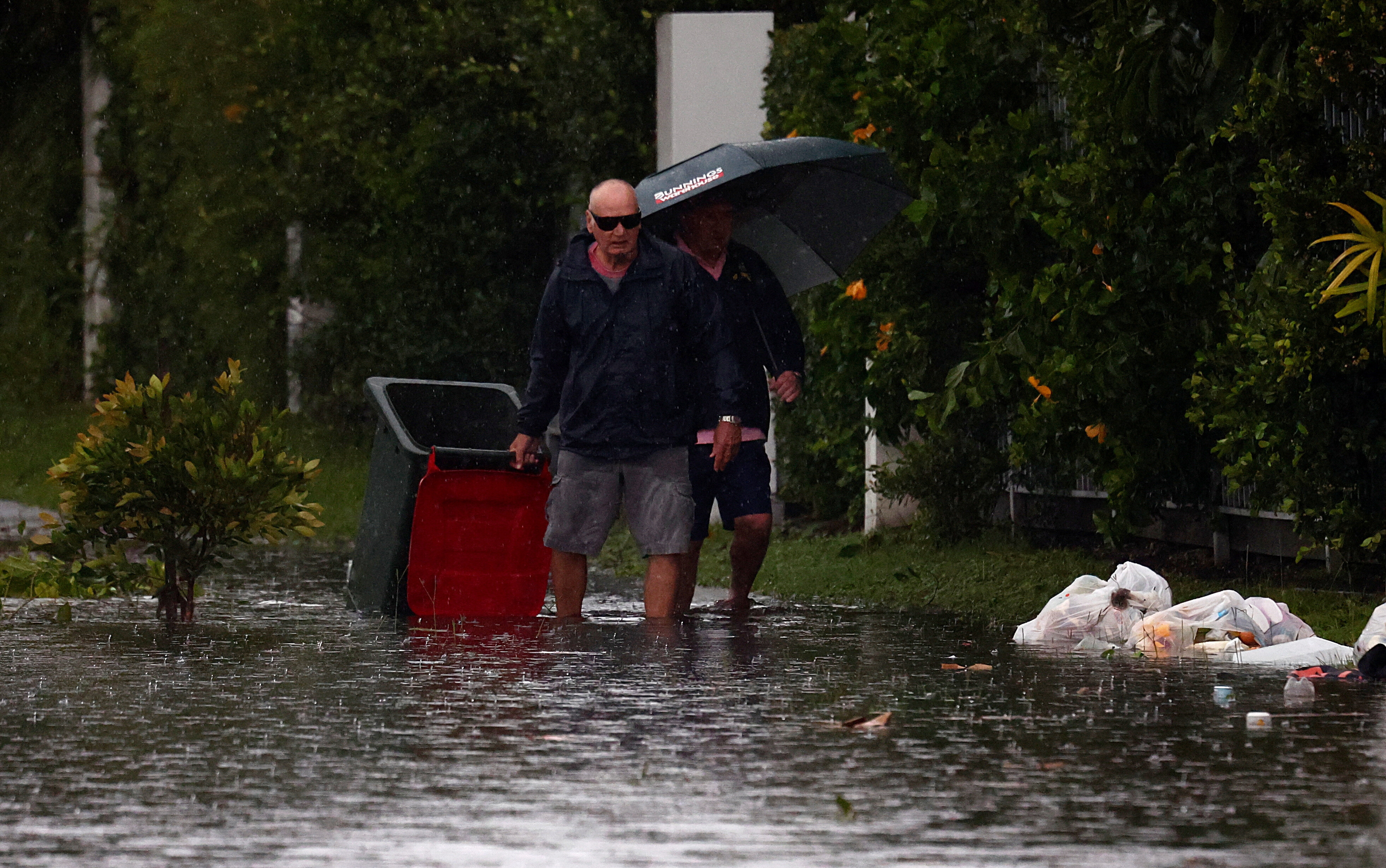
Water scarcity, pollution, and climate-related events are critically threatening global water systems, vital for economic growth and community health. To build water resilience, partnerships, innovative governance, and tailored financing are essential. Key strategies include holistic water valuation, fit-for-purpose financing, basin-level partnerships, adaptive governance, and a policy-innovation nexus. Effective collaborations across sectors can help mitigate economic risks associated with water issues, emphasizing the integral role of water in over 60% of global GDP. Addressing these challenges requires sustainable, long-term investment and coordinated action at local and global levels.
Nigeria | ICT, Education, Health, Financial services
Why safe and secure water is critical for economic growth and thriving societies worldwide

By 2030, global water demand is expected to exceed sustainable supply by 40%, driven by climate change, population growth, and human activities. Collaboration is crucial for addressing this water crisis, as knowledge-sharing among stakeholders, including corporates and innovators, fosters effective solutions. The Aquapreneur Innovation Initiative connects start-ups with resources to scale impactful water technologies, such as AI tools for agricultural efficiency and greywater recycling systems. Public-private partnerships are emphasized to ensure solutions effectively address specific problems, enhancing the overall water innovation ecosystem.
Africa | Health, Education
World Water Day: Why collaboration is the key to solving the global water crisis

In the Horn of Africa, escalating conflicts in South Sudan and Ethiopia's Tigray region are threatening peace processes and regional stability. In South Sudan, a power struggle over President Salva Kiir's succession is intensifying, with violent clashes persisting between the White Army militia and the South Sudanese army. Meanwhile, in Ethiopia, the Tigray People's Liberation Front is divided, with rising tensions between factions potentially leading to a broader crisis. Domestic peace agreements are poorly implemented, and international engagement is fragmented. High-level preventive diplomacy is urgently needed to mitigate conflict escalation and support local mediation efforts.
Ethiopia
Horn of Africa: Time for preventive diplomacy

Cities face significant challenges in creating environments conducive to early childhood development, with municipal teams identifying issues related to physical space, mobility, policy, and inequality as major concerns. The research, drawn from over 300 cities worldwide, highlights that many local governments overlook the unique needs of young children and caregivers. Key challenges vary by region, with Latin American cities noting inadequate public spaces and unsafe conditions, while African cities emphasize poverty and lack of access to basic services. The findings advocate for a holistic, multisectoral approach to urban planning that prioritizes child-friendly design.
Chad, Germany, Ghana, Haiti, Mali, Nigeria, Singapore, South Africa, United Kingdom | ICT, Health, Education
What challenges do cities face in creating better conditions for early childhood development?

Experts highlight that Asia faces severe risks from glacier loss and rising sea levels, with over 14 trillion tonnes of ice vanished in the last three decades. The region may see sea levels rise by up to 1 metre by 2070 due to high emissions, impacting 200 million people, disrupting trade, and threatening power production from major rivers. The Hindu Kush Himalayas have recorded unprecedented ice loss, which could lead to severe water shortages and affect economic hubs. Urgent action is needed from businesses and policymakers to decarbonize, especially as Asia contributes 50% of global greenhouse gases.
Antarctica
Asia’s hidden ice risks: Disrupted trade, power production loss and sinking coastal capitals
The paper presents public comments addressing the National Science Foundation's request concerning an artificial intelligence action plan on behalf of the Office of Science and Technology Policy. It identifies critical policy actions for enhancing AI talent within the U.S. government and leveraging AI for national benefits. The research was conducted independently by the Technology and Security Policy Center at RAND, highlighting the importance of developing in-house AI expertise for governmental advantage.
Enhancing In-House U.S. Government AI Talent

Forests are essential for food security, supporting global food systems by regulating water cycles, enriching soil, and providing sustenance for billions. Conservation, agroforestry, and sustainable land management can reverse deforestation, enhance agricultural productivity, and mitigate carbon emissions. Over 5 billion people depend on forests for resources, and sustainable practices help integrate trees into farming, improving yields. The World Economic Forum’s 1t.org initiative aims to conserve and restore forests. Healthy forests also enhance water quality and soil health, which are crucial for sustainable agriculture and overall food production.
International Day of Forests: How conserving and restoring forests will lead to a food-secure future