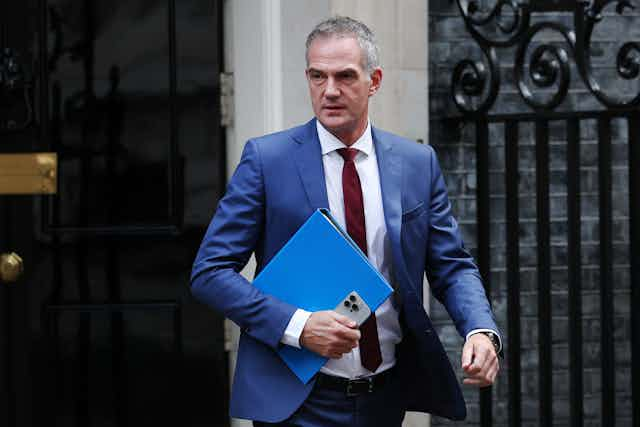
Massive student-led protests in Serbia, sparked by the Novi Sad railway station tragedy, have expressed widespread dissatisfaction with Aleksandar Vučić’s regime, culminating in a historic demonstration on March 15. However, significant change hinges on the opposition's ability to mobilize effectively. Three potential scenarios for change include violent removal, political defections among Vučić's allies, and electoral defeat through a strong opposition. Current dynamics suggest the latter is feasible if the opposition refrains from boycotting elections and actively seeks to resist electoral manipulations, despite unfavorable conditions.
Serbia
Serbian opposition parties must step up to end Vučić’s regime
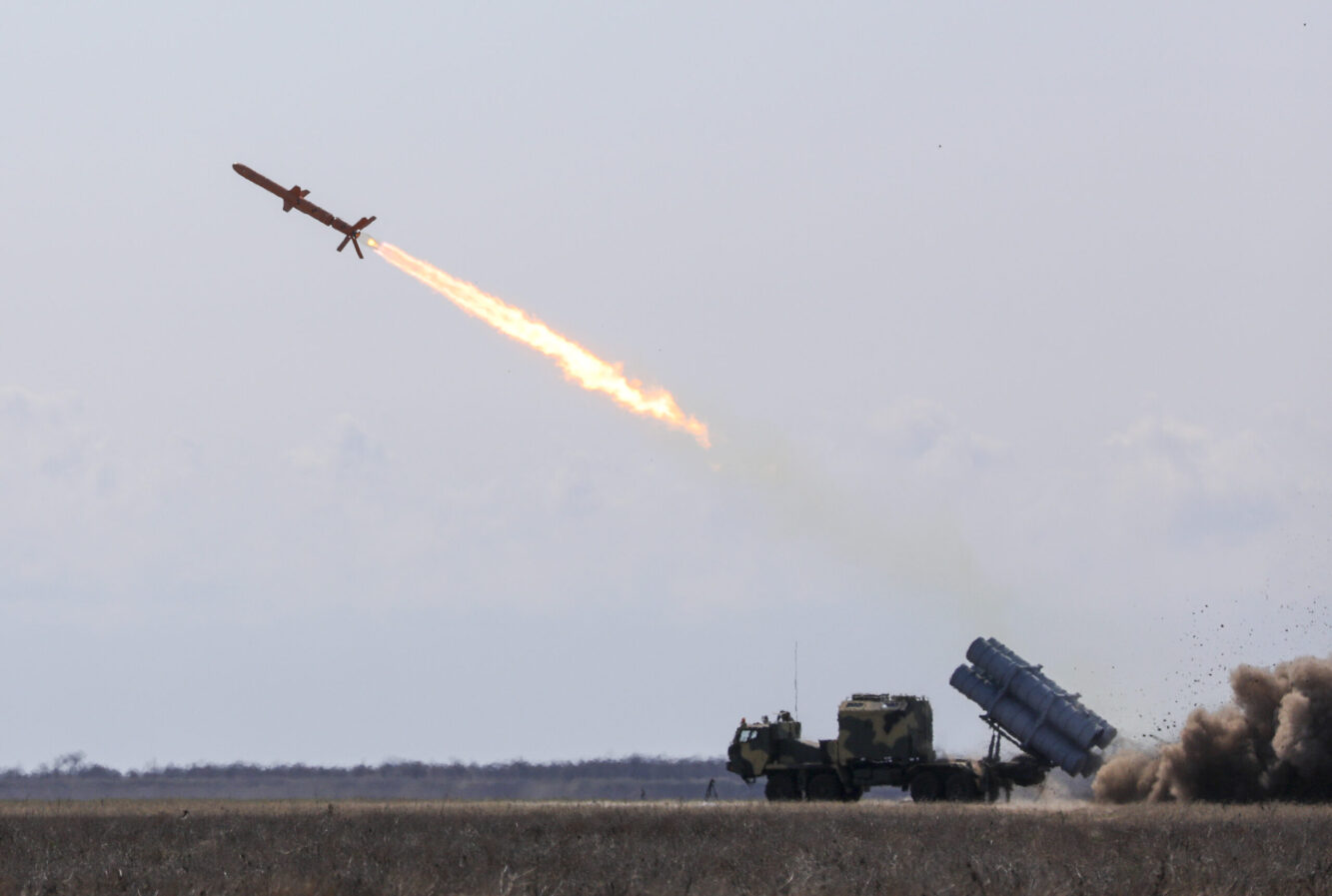
Europe needs to develop its own long-range strike capabilities to enhance conventional security amid rising threats, particularly from Russia. Currently, European nations largely depend on U.S. support for deep strike operations, highlighting significant capability gaps. Recent initiatives, like the European Long-Range Strike Approach, aim to produce a European-made land-based cruise missile by the 2030s, with additional systems in development. Despite these efforts, there remains a scarcity of long-range missile options due to historical disinvestment in military capabilities. A shift is necessary to ensure effective deterrence and defense in high-intensity conflicts.
Russian Federation
Europe, Deterrence, and Long-Range Strike - War on the Rocks
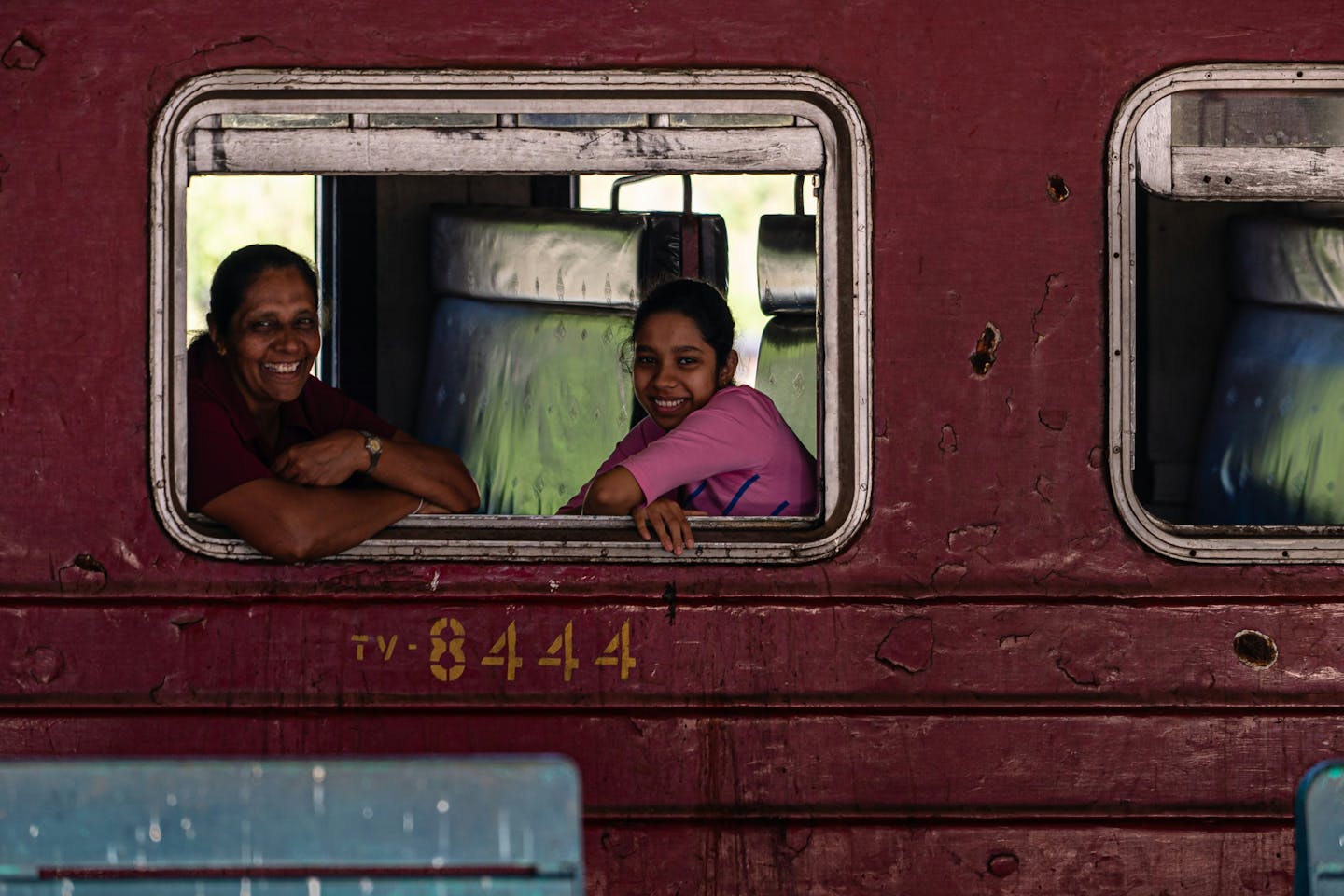
Sri Lanka faces significant climate vulnerabilities, particularly in the Jaffna Peninsula and Central province, where rising temperatures, coastal erosion, and saltwater intrusion threaten livelihoods and infrastructure. In Jaffna, 59% of groundwater sources are affected by salinity, leading to abandoned agricultural fields and freshwater shortages. Despite requests for millions in funding for disaster mitigation, authorities receive only a fraction of needed support, hampering efforts. The Central province's tea industry also suffers from droughts and shifting climates, contributing to economic instability. Comprehensive plans and adequate financing are critical for effective climate adaptation in these regions.
Antarctica, Bangladesh, Nigeria, Sri Lanka | Health
Limited climate aid leaves Sri Lankan communities vulnerable

Migration from rural Bhutan to industrial areas, particularly Pasakha, is driven by climate change and declining agricultural returns. Sonam and Pema, former farmers, exemplify this trend as they seek factory jobs due to fallow land and limited job prospects. While internal migration is significant—49.7% of the population has relocated—migrants face precarious living conditions, pollution, and climate vulnerabilities. Despite these challenges, many, like Kinley, have rebuilt their lives with remittances from abroad, notably Australia. This growing trend raises concerns about "brain drain," yet contributes to Bhutan's remittance-driven economy, aiding families amid declining agricultural opportunities.
Bangladesh
Bhutan’s growing migration wave demands better planning
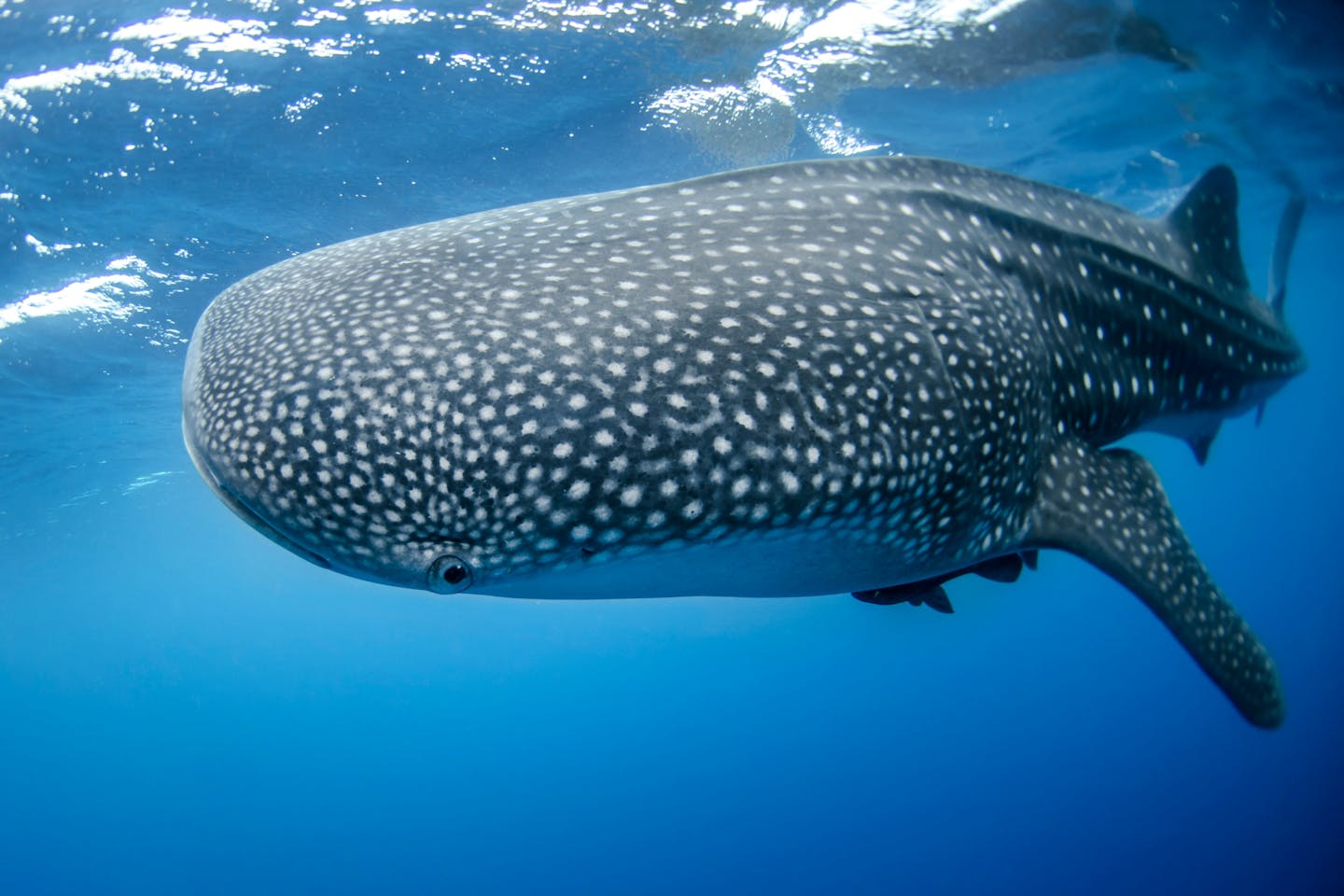
Threats to ocean health, including overfishing, biodiversity loss, and pollution, necessitate a sustainable blue economy that balances economic development with ecosystem preservation. Sustainable Development Goal 14, focused on ocean health, suffers from inadequate investment. Initiatives like the World Bank’s PROBLUE fund and the UN's Sustainable Blue Economy initiative aim to support sustainable ocean practices. Quantifying the benefits of marine ecosystems through non-market valuation can attract investment and secure funding, such as blue bonds. A collaborative financial ecosystem involving various sectors is essential for advancing ocean sustainability and achieving goals outlined in the UN's Ocean Decade.
Antarctica | Financial services, Health
To save our ocean, we need a sustainable blue economy
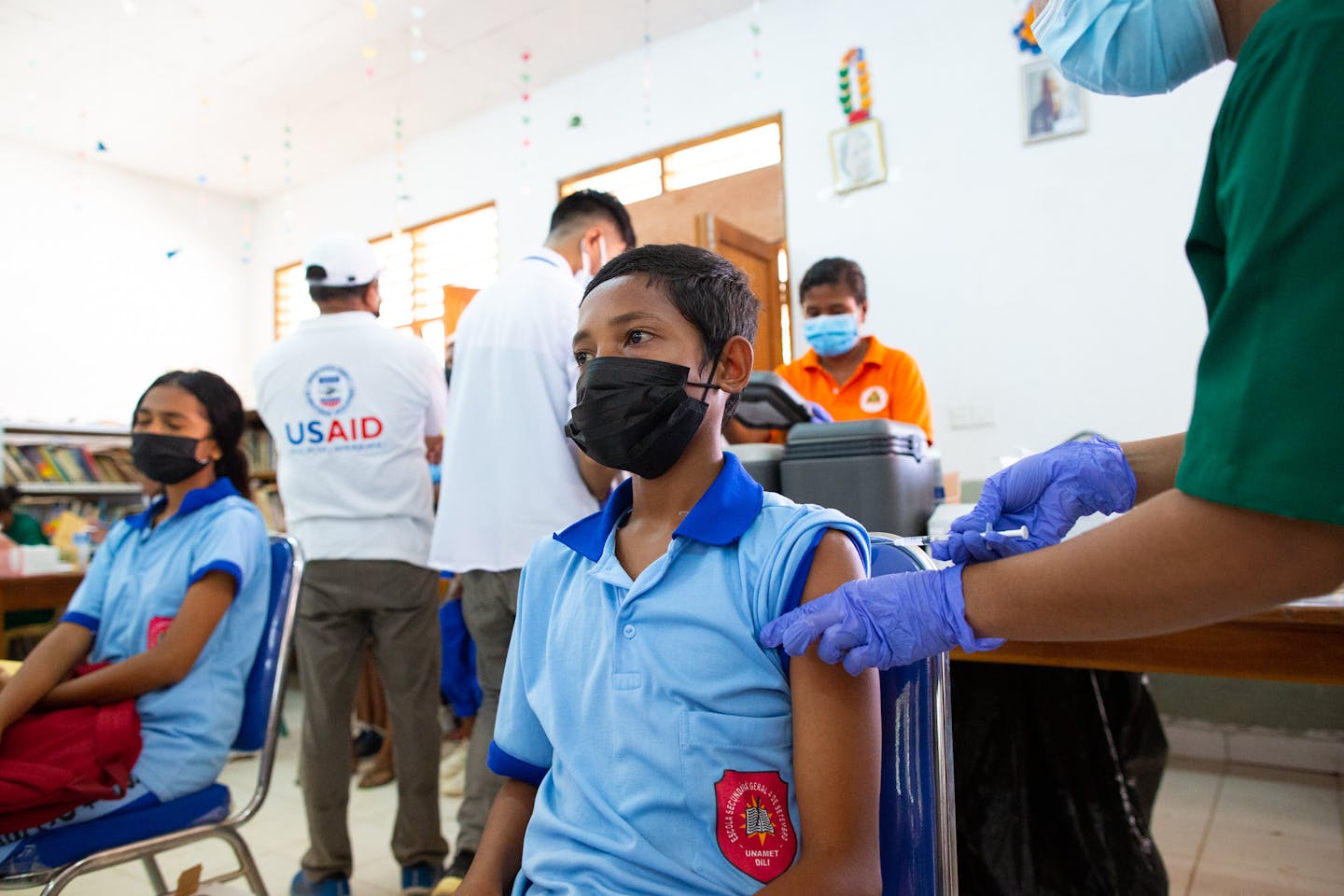
China is positioned to replace the U.S. as a key foreign donor in Asia but is unlikely to fully fill the aid gap, particularly in areas like democracy and health. While U.S. foreign aid amounts to $7 billion in Asia for 2024, China primarily provides loans for infrastructure and has shifted away from extensive development finance in the region. South Korea and Japan are also potential aid contributors but would need to significantly increase their budgets to match U.S. levels. The overall impact of the U.S. aid cuts will likely hinder efforts in vital humanitarian sectors.
Republic of Korea | Health
Powerful Asian countries will struggle to fill aid gap left by US

To future-proof their careers against automation, students must focus on developing soft skills, which are less likely to be automated and more valued by employers. Key soft skills include critical thinking, emotional intelligence, and collaboration. By 2030, 375 million workers may need to transition to new roles due to automation impacts. Five effective experiences to cultivate these skills include participating in group projects, role-playing and debates, volunteering, engaging in team sports, and structured therapy. These approaches enhance communication, problem-solving, adaptability, and emotional intelligence, preparing students for a competitive job market.
Education
How students can future-proof their careers against automation
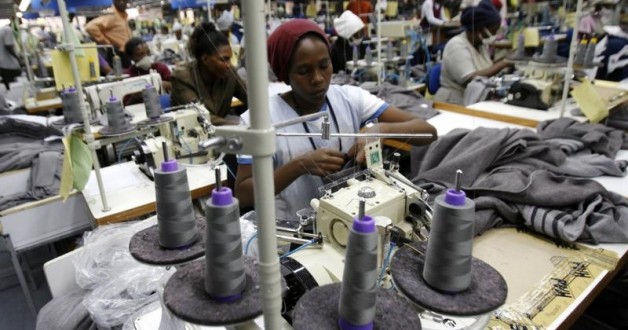
Zambia has significant potential for economic growth, supported by its natural resources and strategic location, yet it faces challenges such as economic inequality, unemployment, and a lack of diversification. Despite various national development plans aimed at industrialization and poverty reduction, progress has been inconsistent. The Zambia Country Economic Transformation Outlook (CETO) evaluates the country’s performance and identifies challenges, focusing on key sectors like agro-processing, manufacturing, tourism, and the digital economy. It offers actionable recommendations for sustainable growth, emphasizing the importance of addressing gender-specific barriers to ensure equitable benefits from economic advancements.
Angola, Botswana, Burkina Faso, Cameroon, Chad, Chile, Colombia, Cyprus, Democratic Republic of the Congo, Egypt, Eswatini, Ethiopia, Gabon, Ghana, Kenya, Lesotho, Malawi, Malaysia, Mozambique, Namibia, Pakistan, Peru, Philippines, Senegal, South Africa, Switzerland, Tanzania, Uganda, United Kingdom, Zambia, Zimbabwe
Country Economic Transformation Outlook (CETO): Zambia

The U.S.-Philippine alliance has shown remarkable resilience despite shifts in political leadership and regional dynamics. A reflection on Greg Poling's 2016 perspective highlights the alliance's durability amidst the Philippines' closer ties with China. Key changes since then in both domestic politics and security relations underscore the evolving yet steadfast nature of this alliance. The discussion emphasizes the importance of the alliance in addressing contemporary challenges in the region.
Philippines
Rewind and Reconnoiter: The Strength of the U.S.-Philippine Alliance - War on the Rocks
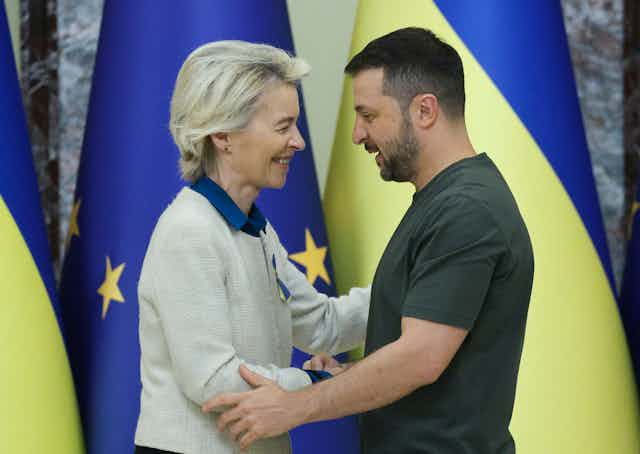
European defence spending needs to address multiple potential threats, particularly considering the evolving geopolitical landscape. An estimated €800 billion is suggested for increased joint defence expenditure, but clarity on its financial feasibility is lacking. The discussion often misplaces emphasis on GDP percentages rather than a strategic allocation of funds. Three key points arise: prioritizing smarter spending focused on innovative technologies over large expenditures, promoting collaborative budgeting among EU states to maximize efficiency, and prioritizing local procurement to enhance security. Overall, effective cooperation and strategic investment are vital for a more robust European defence.
Denmark
European defence spending: three technical reasons for political cooperation
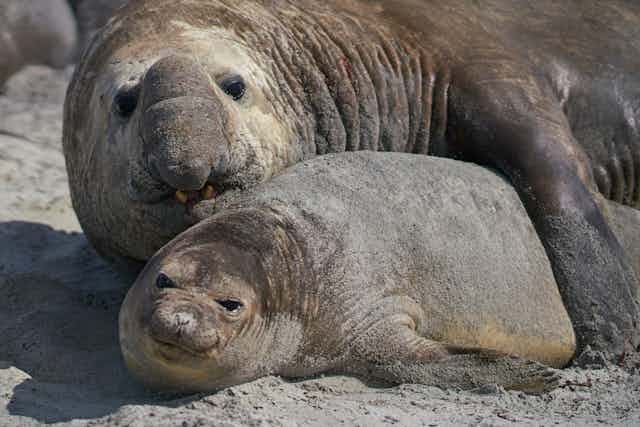
Sexual selection significantly influences the evolution of genomes, particularly in mammals. Research indicates a correlation between sexual size dimorphism (SSD) and shifts in gene family sizes across 124 species. Species with high SSD exhibit expanded gene families linked to olfactory traits and contracted brain development gene families, suggesting a prioritization of reproductive success traits over cognitive abilities. In contrast, species with low SSD show expanded brain-related gene families, favoring complex social behaviors. The study emphasizes the interplay between sexual and natural selection in shaping biological diversity and highlights the evolutionary trade-offs between reproductive traits and survival capabilities.
Evolution: features that help finding a mate may lead to smaller brains

Stroke is preventable and awareness of its risk factors is crucial for public health. While traditionally viewed as an older person's disease, incidence is rising among those under 55. Key risk factors include hypertension, high cholesterol, obesity, diabetes, smoking, and poor diet, increasingly seen in younger adults. Women face unique risks, including hormonal influences and certain health conditions. To reduce stroke risk, individuals should stop smoking, manage blood pressure and cholesterol, monitor blood sugar levels, maintain a healthy weight, follow a Mediterranean diet, and ensure adequate sleep. Social factors, including income and education, also contribute to stroke risk.
Health
Eight ways to reduce your stroke risk – no matter what age you are

Concerns regarding artists' rights in the context of generative AI (GenAI) are escalating, particularly following protests against the UK government's plans to permit AI companies to use copyrighted material for training. An open letter from global artists requested Christie’s auction house to cancel a sale featuring AI-assisted art, arguing it promotes unauthorized use of artists' works. Research highlights the need for more inclusive understanding of AI data sets and their influence on artistic creativity. Notable artists, like Holly Herndon and Refik Anandol, are actively exploring the complexities of AI image generation, emphasizing the strategic manipulation of data sets rather than mere replication of existing art.
If we fully engage with how generative AI works, we can still create original art

Consumer confidence in the US has declined significantly due to economic policy uncertainty, with a 22% drop in the University of Michigan’s Index of Consumer Sentiment since December 2024. Investor nervousness is reflected in a slip of 10-year Treasury yields and a softening dollar. In Germany, a fiscal overhaul has been announced, allowing increased defense spending and an infrastructure fund of €500 billion. The European Central Bank has also cut interest rates to stimulate growth amid high uncertainty. Global growth is expected to moderate, with the OECD revising GDP growth forecasts downwards.
Egypt, Germany, Ghana, Hungary, Luxembourg, Poland, Singapore, Sweden, Taiwan, China, United Kingdom | Financial services
Consumers take fright at US policy trajectory, and other key economic news to know
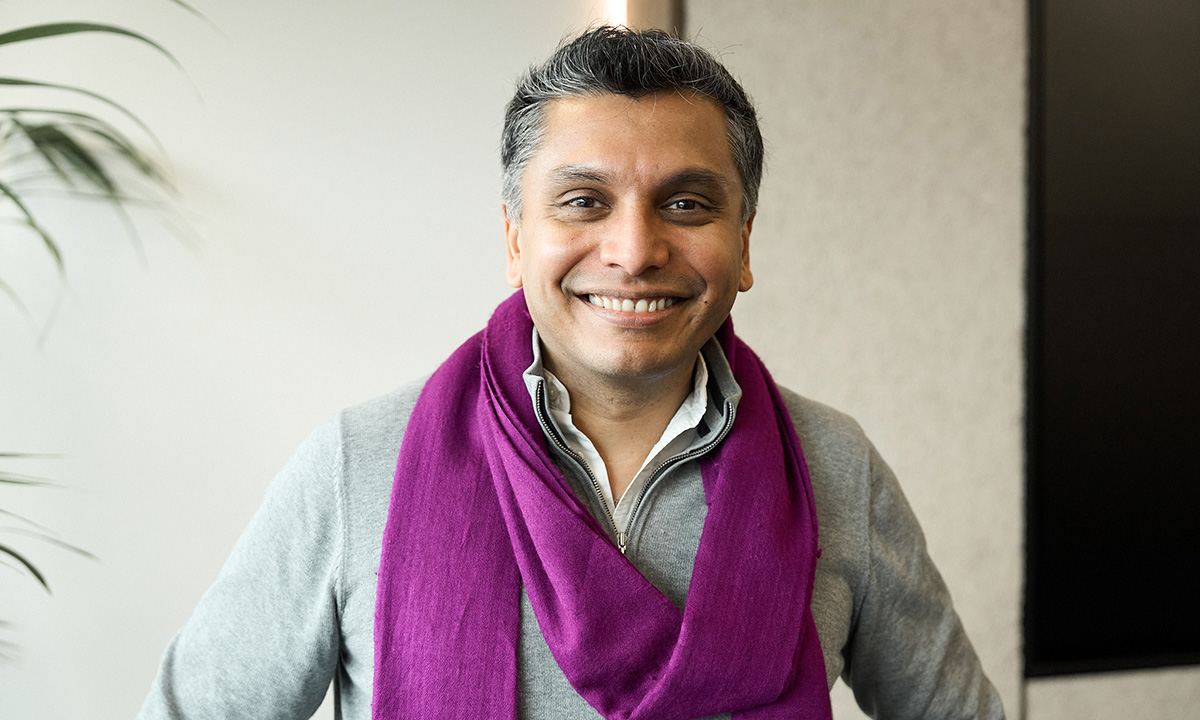
Business leaders must navigate a polarized political environment that intertwines with corporate challenges. To manage outrage, companies need to embed resilience in their operating models and ensure alignment with their core values, according to Karthik Ramanna. Continuous innovation and adaptability within structured frameworks are essential for staying competitive. Diverse perspectives enhance decision-making, but organizations must balance social justice motivations with business purposes. The cultural discourse on outrage differs between the US and UK, with the latter displaying more nuance. Companies should strategically utilize social media while being mindful of its potential to create echo chambers.
Financial services
How Business Leaders Should Manage In A World Of Outrage

PescaData connects small-scale fishing cooperatives to impact investors and donors, fostering sustainable blue economy financing while ensuring fair data practices that uphold data sovereignty and traditional ecological knowledge. The platform has enabled fishers to document nearly 300 initiatives that align with Sustainable Development Goals since 2022. Key principles for data governance established by fishers include ownership of data, transparency in usage agreements, recognition of their contributions in decision-making, co-design of the platform, and security for collected data. This approach emphasizes a humanity-centric model that respects community control over resources.
Bridging Digital Divides: How PescaData is Connecting Small-Scale Fishing Cooperatives to the Blue Economy
Net zero optimism is prevalent among energy executives, with 75% confident their companies will achieve 2050 net zero goals. However, the energy sector faces challenges, including insufficient planning and ambiguous metrics, which could hinder progress. The energy value chain primarily consists of carbon-heavy businesses, significantly impacting greenhouse gas emissions. Energy and capital-intensive industries are crucial to global sustainability and must innovate and adapt to meet decarbonization pressures while managing growth and disruption.
Solving the energy transition paradox
A UK government minister's ChatGPT prompts were obtained through a Freedom of Information (FOI) request, highlighting the evolving implications of FOI laws in the digital age. This case raises questions about what constitutes a public record, such as whether AI-generated content and even Google searches should be disclosed. Historically, FOI has empowered citizens and journalists to access government workings, though it faces challenges from exemptions and delays. The inclusion of AI interactions in FOI discussions underscores the necessity for transparency in government communication, especially as informal platforms become integral to decision-making.
Why a journalist could obtain a minister’s ChatGPT prompts – and what it means for transparency
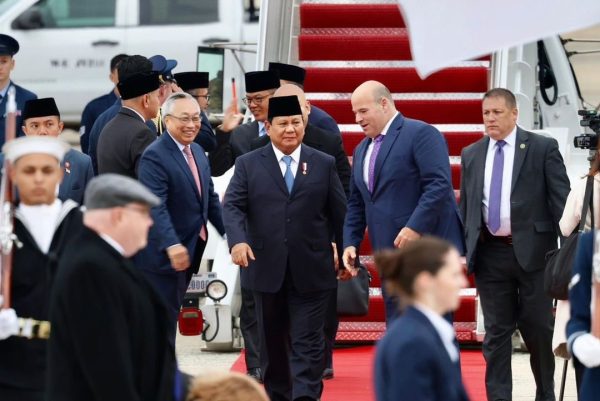
Indonesia continues its "free and active" foreign policy under President Prabowo Subianto, who is adopting a more proactive stance than his predecessor. Prabowo's administration maintains a non-aligned approach, focusing on balancing ties with both China and the U.S. His early international engagements include significant dealings with Beijing and Washington, alongside visits to various countries, positioning Indonesia as a leader among developing nations. However, issues in the South China Sea raise concerns about Indonesia's regional influence and security. Overall, while the pace of foreign policy activity has increased, fundamental strategies remain unchanged.
Indonesia
Indonesia’s Foreign Policy Under Prabowo: Still Free But More Active?
Large AI models should be viewed as cultural and social technologies rather than intelligent agents. They enable humans to leverage accumulated information, similar to historical innovations like writing, print, and the Internet. These models facilitate access to machine-readable content and allow for the reorganization and transformation of information, contributing to large-scale coordination in society. The discourse about AI often misinterprets these systems, overlooking their true role in augmenting human capabilities and societal functions.
Large AI models are cultural and social technologies