
Judy Wajcman emphasizes the transformative potential of AI in enhancing diagnostics but argues against its application in education, stating that it cannot replace traditional teaching. She highlights the nuanced impacts of technology, suggesting automation will change job roles rather than eliminate jobs entirely. Wajcman calls for thoughtful consideration of which work should be automated, advocating for design accountability over consumer responsibility in technology use. She expresses concern that our focus on technological advances overshadows necessary societal and political discourse about the future.
Education
Judy Wajcman: AI will be good for diagnostics, but not for educating kids

The 2024 Asia-Pacific SSG Forums held in Melaka, Malaysia from October 7-11, highlighted significant changes in regional security over the past five years. The report discusses contemporary security challenges and the national SSG/R agenda, particularly focusing on Myanmar, Sri Lanka, Afghanistan, and the South China Sea. It reviews the network's achievements in Security Sector Reform (SSR), addresses missed opportunities, and contemplates the future of the network. The forum serves as a unique platform for diverse participants to engage in open conversations about security and governance in the region.
ASEAN, Asia Pacific
Asia-Pacific SSG Forums 2024 - Summary report
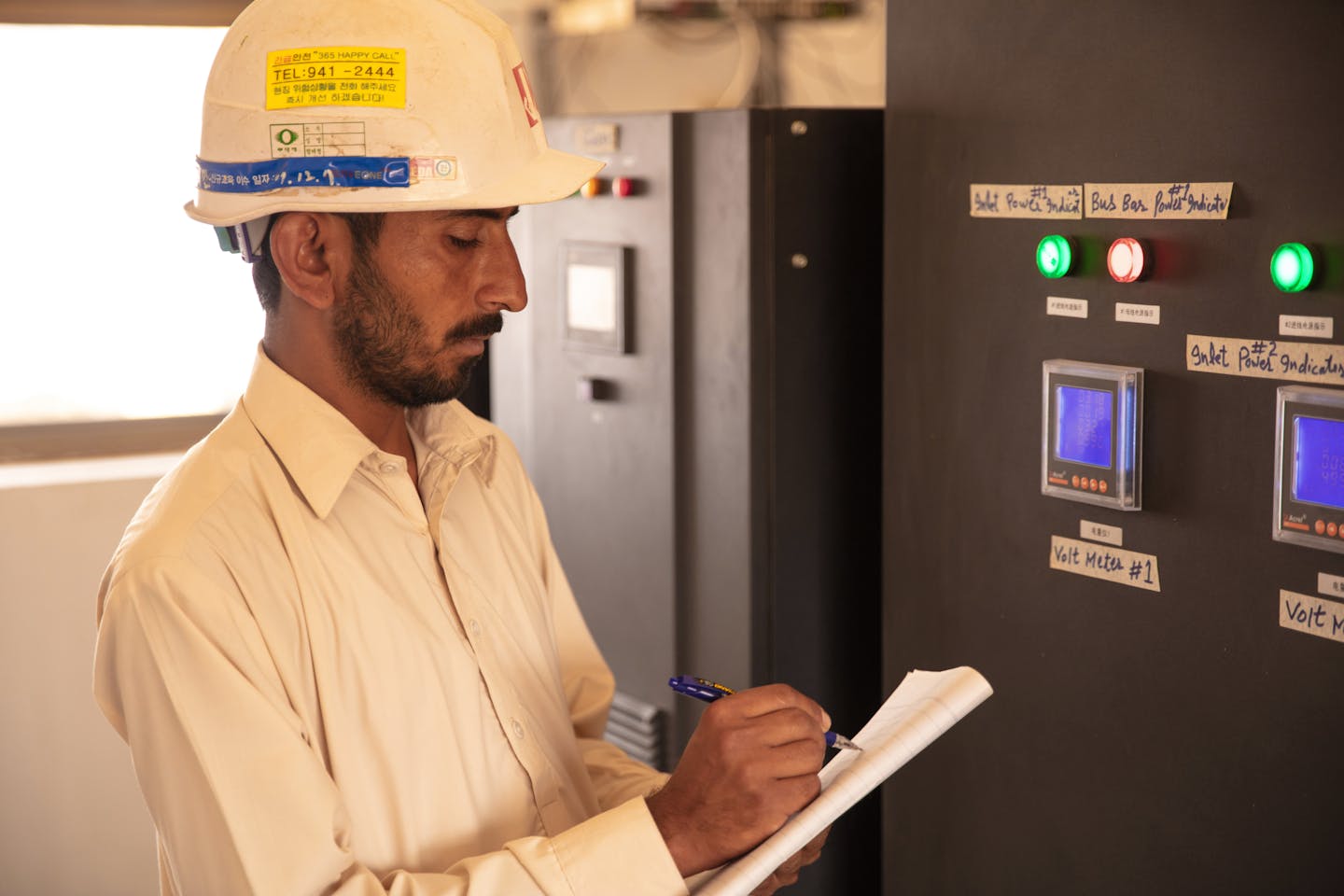
Pakistan's energy sector struggles to restore Chinese investor confidence despite efforts to attract foreign capital. A recent 600 MW solar project in Muzaffargarh attracted no bids due to perceived high risks and political instability. China's investments, primarily through the China Pakistan Economic Corridor (CPEC), have significantly decreased, with only US$4.86 billion allocated since COVID, mostly for a nuclear plant. Increased security threats, regulatory challenges, and financial arrears, totaling US$1.4 billion, further deter potential investors, complicating Pakistan's path to a robust energy transition.
Pakistan
Pakistan must rebuild Chinese investor confidence in its energy transition

In July 2024, the EU and Serbia signed a strategic raw materials partnership aimed at diversifying supply chains and enhancing economic ties, particularly due to Serbia's lithium resources essential for battery production. Serbian President Aleksandar Vučić seeks to consolidate power through this initiative, which has sparked significant protests over concerns about environmental impact and rule-of-law erosion. The partnership's success hinges on high ESG standards and a commitment to sustainable practices. Resistance notably surrounds the controversial Jadar lithium mining project, raising questions about the implementation of the partnership amid mounting public dissent.
Montenegro, Serbia
The EU’s Raw Materials Diplomacy: Serbia as a Test Case

Citizens’ assemblies have the potential to enhance democratic processes in the U.S. by providing a platform for genuine civic engagement and building civic power at the local level. A guide by the Democracy Funders Network and New America outlines the opportunities and challenges associated with these assemblies, emphasizing their role in collaborative governance. This approach seeks to improve communication between lawmakers and citizens, fostering trust and effective policy outcomes through shared decision-making.
A Funder’s Guide to Citizens’ Assemblies
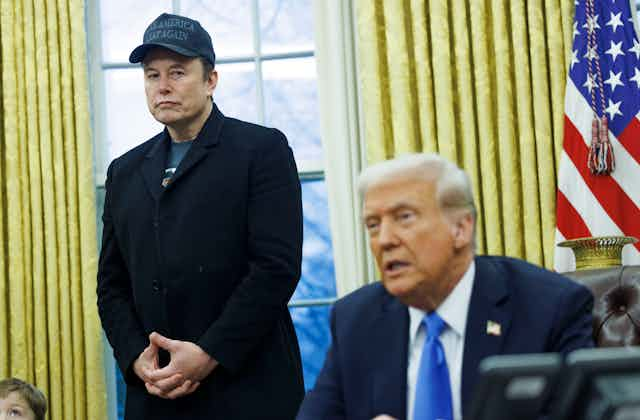
The Trump administration's approach to artificial intelligence (AI) marked a significant shift from regulatory alignment with the EU to a focus on economic dominance. Executive orders aimed at reducing regulations around AI disregarded safety concerns central to the EU's framework. The US strategy emphasizes competitiveness, potentially undermining global digital cooperation and regulatory standards. This deregulatory stance could lead to increased risks from AI technologies and social media platforms, threatening consumer protections and democratic values. Additionally, it raises concerns about how the EU will enforce its own digital regulations amid pressures from the US.
Financial services, ICT
How the US threw out any concerns about AI safety within days of Donald Trump coming to office

The US has played a crucial role in providing military intelligence to Ukraine since 2014, enhancing its defense against Russia. A potential withdrawal or reduction of US intelligence support would significantly impact Ukraine's situational awareness and targeting accuracy, increasing its vulnerability on the battlefield. Although European nations like the UK, France, and Germany possess capabilities in electronic and signals intelligence, they lack the extensive reach and rapid processing speed of the US. Coordinated efforts and increased funding would be required for Europe to fill this gap, but they would still fall short of the level of support Ukraine experienced under US President Biden.
Ukraine
Europe may struggle to replace the military intelligence that Ukraine needs – but it has key strengths

The COVID-19 pandemic, declared five years ago, has transformed global life, causing over 7 million deaths and unprecedented economic disruption. Job losses, shifts to remote work, and strained supply chains marked immediate impacts. Government intervention became crucial to stabilize economies and prevent financial crises, but such actions also contributed to rising inflation. The real estate market saw increased prices and decreased affordability, exacerbated by changes in work culture. In healthcare, while lessons were learned about resource allocation and the importance of data, preparedness for future pandemics remains inadequate.
Africa | Financial services, ICT, Education, Health
How COVID-19 Changed the World

Hybrid intelligence (HI) merges human natural intelligence (NI) with artificial intelligence (AI), enhancing decision-making and effectiveness in complex scenarios, such as high-risk surgeries. HI leverages AI's computational power alongside the emotional and ethical depth of human understanding, enabling organizations to achieve sustainable outcomes. Effective implementation of HI requires cultivating "double literacy," where individuals understand both human cognition and AI mechanisms, facilitating ethical and innovative applications. Acknowledging the multidimensional nature of NI promotes creativity and strategic alignment in business, ultimately enriching both individual and collective progress.
Education
Why Hybrid Intelligence Is the Future of Human-AI Collaboration

The rapid development of artificial intelligence is projected to significantly impact the UK's creative industries, valued at £126 billion and employing 2.4 million in 2022. The Make it Fair Campaign urges government support for artists and enforcement of copyright laws as generative AI raises concerns over copyright infringement and job security. While AI offers opportunities to enhance creativity and efficiency, it poses risks to intellectual property and may lead to a uniform cultural landscape. The UK government is navigating the balance between innovation and copyright protection, referencing the EU's AI Act but struggling to address copyright issues effectively. Calls for transparency and protection for artists are becoming increasingly urgent.
Education
Protecting artists’ rights: what responsible AI means for the creative industries

Ethiopia's infrastructure development has significantly driven economic growth and reduced poverty levels over the past two decades. From being one of the world's poorest countries, it ranked 27th by 2023, with a consistent average annual growth rate of around 9.5%. Key projects, such as the electrified railway and the Grand Ethiopian Renaissance Dam, have enhanced access to essential services. Despite this progress, Ethiopia's GNI per capita remains just below the threshold for lower-middle-income classification. While extreme poverty has decreased from 39.5% in 2004 to 14.4% in 2023, infrastructure quality and coverage challenges persist, requiring more strategic approaches to ensure inclusive growth.
Bangladesh, Burkina Faso, Egypt, Ethiopia, Ghana, Kenya, Nigeria, Rwanda, South Africa, Uganda, Zambia
Can infrastructure development drive inclusive growth in Ethiopia?

The article discusses various topics including the implications of artificial superintelligence, efforts in de-extinction projects involving woolly mammoths, issues surrounding ownership of genetic data, and the contrasting perspectives of illiberal regimes versus classical liberal ideals. It highlights the complexities of scientific advancements and their societal impacts, alongside the changing perceptions of race relations due to movements like Black Lives Matter.
Superintelligence, Woolly Mice, and Illiberal Governments

The transition from productive to financialized capitalism, along with the advancement of digital technologies, automation, and artificial intelligence, poses a threat to social protection systems. Demographic changes further complicate the matter. Policymakers must reevaluate the composition and structure of contributions to ensure equitable financial support from all firms, maintaining essential social protection programs that have been critical for income stability since the late 19th century.
Financial services, Education
Future-Proofing Social Protection
The investment treaty and investor-state dispute settlement (ISDS) system poses significant threats to climate action, human rights, and equitable economic growth. Urgent reform is necessary to ensure fairness between foreign investors and developing nations. This system has been criticized for hindering sustainable development and social justice. Various stakeholders, including policymakers, civil society, and academics, are urged to advocate for reforms to address these challenges effectively, with a focus on actionable steps for 2025 and beyond.
Why Is Investment Treaty and Investor-State Dispute Settlement Reform Needed?
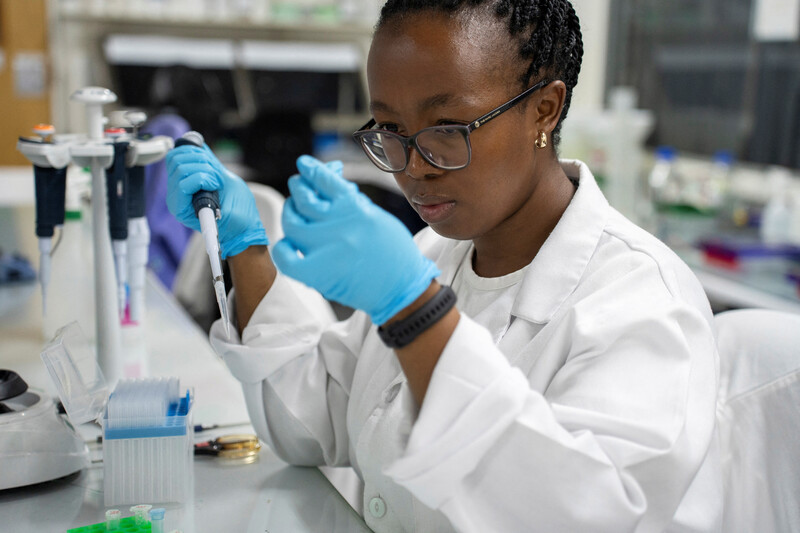
US-China scientific collaboration is essential for global progress, yet geopolitical tensions risk reversing decades of advancements. As China emerges as a leader in scientific output—surpassing the US in total publications while maintaining high-impact research through international partnerships—the potential decoupling in science and technology could disrupt shared achievements. Companies are reshoring investments amid security concerns, while China's growth in collaboration outpaces other nations. The continuation of the US-China Science and Technology Cooperation Agreement is threatened, jeopardizing future cooperation and innovation. Over 30% of US high-impact research involves Chinese scientists, highlighting the interconnected nature of modern science.
Taiwan, China | Health
US-China tensions risk setting science back by decades

Japan needs to address structural weaknesses to reclaim its status in the global tech landscape. Key issues include a lack of global standardization in technology development, an independent innovation approach leading to the "Galápagos syndrome," and a cautious entrepreneurial mindset. Japan must shift towards a risk-taking culture, increase participation in global technology governance discussions, and foster an agile regulatory environment. Additionally, investing in sectors like semiconductors and promoting startup growth are essential for economic resilience and enhancing Japan's influence in global technology. Active engagement in platforms like the World Economic Forum can facilitate these changes.
Austria, Azerbaijan, Botswana, Brunei Darussalam, Cape Verde, Chad, Denmark, Estonia, Ethiopia, Finland, Georgia, Germany, Ghana, Haiti, Iceland, Indonesia, Ireland, Israel, Jamaica, Japan, Jordan, Kenya, Kuwait, Kyrgyz Republic, Mali, Mongolia, New Zealand, Paraguay, Philippines, Qatar, Republic of Korea, Russian Federation, Rwanda, Senegal, Serbia, Seychelles, Singapore, Sweden, Switzerland, Taiwan, China, Tanzania, Thailand, Uganda, United Arab Emirates, United Kingdom | Financial services, Health, ICT, Education
Japan used to be a tech leader. Here's how it can regain global standing

Behavioral red lines are essential to align AI systems with societal norms and prevent harmful behaviors. These red lines categorize into unacceptable AI uses—linked to human misuse—and unacceptable AI behaviors, which AI should never engage in regardless of human requests. Effective red lines should be clear, universally applicable, and reflect severe harms. Key proposed red lines include prohibitions on self-replication, unauthorized system access, advising on weapons development, physical attacks, impersonation, and defamation. Establishing these boundaries aims to build a safer AI ecosystem while ensuring compliance through robust governance mechanisms.
AI red lines: the opportunities and challenges of setting limits

Digital health technologies can significantly reduce health inequities in low- and middle-income countries (LMICs), where noncommunicable diseases are the leading causes of death. These tools improve access to care, enhance disease surveillance, and support healthcare workers through remote consultations, real-time data analysis, and ongoing education. Innovations like the 99DOTS program for tuberculosis management demonstrate cost-effective solutions for patient adherence. As mobile phone ownership increases, initiatives like the "Know Your Lemons" breast cancer campaign can expand awareness. Collaboration among stakeholders is essential for scaling these transformative technologies effectively.
Africa, Latin America | Financial services, Education, ICT, Health
How digital tools can reduce health inequity in low- and middle-income countries

Private markets are crucial for scaling climate solutions as entities worldwide pursue energy transition goals. Private equity and infrastructure firms utilize their governance and operational expertise to transform companies and address funding gaps in the climate landscape. Investments are increasingly directed towards profitable, scalable enterprises needing capital for growth. These firms implement hands-on management, positioning companies to attract buyers through proactive sustainability narratives. As they refine strategies, there are opportunities emerging in regenerative agriculture and other sustainability sectors. This convergence of sustainability and commercial prospects highlights the urgent need for institutional investors to increase commitments in private market strategies focused on climate transition.
Health
Why private markets are key to accelerating climate solutions
The New Zealand government plans to establish a research organization dedicated to emerging technologies, particularly quantum technologies, as part of a science sector reform. The first quantum revolution enabled the development of computers and smartphones, while the second wave focuses on quantum computing, advanced sensing systems, and secure communications. New Zealand boasts a strong legacy in quantum physics but requires investment in STEM education and commercialization to leverage its expertise. The implications of quantum computing include enhanced computational capabilities, potential risks to privacy, and challenges in implementing new encryption protocols essential for information security.
New Zealand | Financial services, ICT, Education
Quantum Technologies Are Changing Our World – What Does New Zealand Need to be Part of The Next Revolution?