
Nearly all small-cap issuers among Singapore-listed firms are now disclosing at least one TCFD recommendation as they begin mandatory ISSB-aligned climate reporting. However, only 29% reported their Scope 3 emissions, which represent over 70% of a firm's carbon footprint, highlighting a significant challenge. While the number of firms disclosing emissions has increased, full TCFD alignment remains limited, with only 28% adhering to all recommendations. The focus is now on enhancing the depth of disclosures, particularly in climate scenario analysis and risk integration.
Barbados, Iceland, Seychelles, Singapore | Financial services
Scope 3 a 'critical weak link’, as most Singapore-listed firms begin basic climate reporting
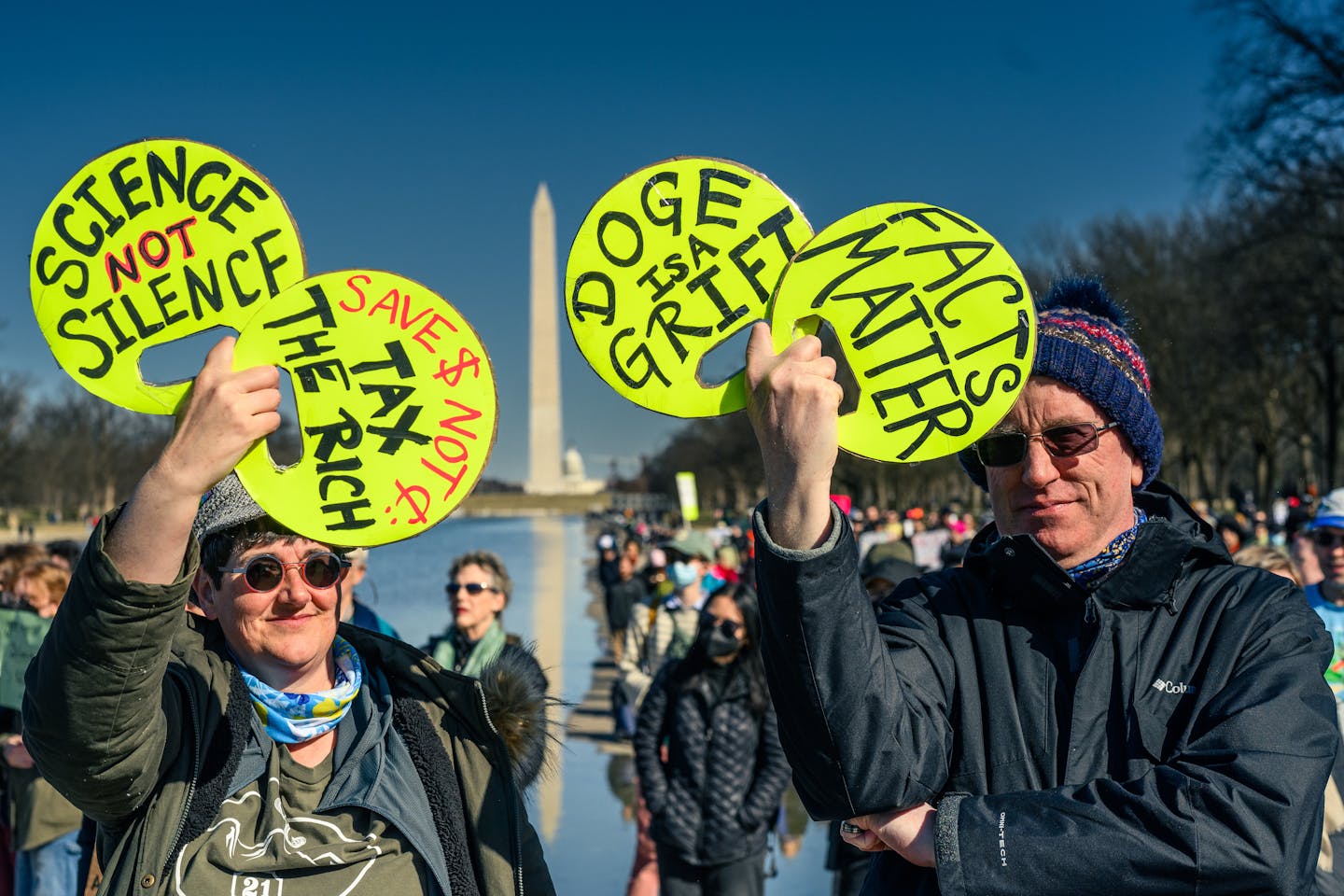
The Trump administration's decision to cut foreign aid threatens nearly 10% of global climate finance, particularly targeting US Agency for International Development (USAID) projects, which accounted for about a third of US climate funding, nearly $3 billion in 2023. This follows a significant increase under Biden, who raised climate aid to $11 billion annually. Experts warn that halting US aid jeopardizes global climate efforts and achieving the $300 billion climate-finance goal agreed upon in 2024, reinforcing the US's perceived laggard status in international climate commitments.
Financial services
Analysis: Nearly a tenth of global climate finance threatened by Trump aid cuts
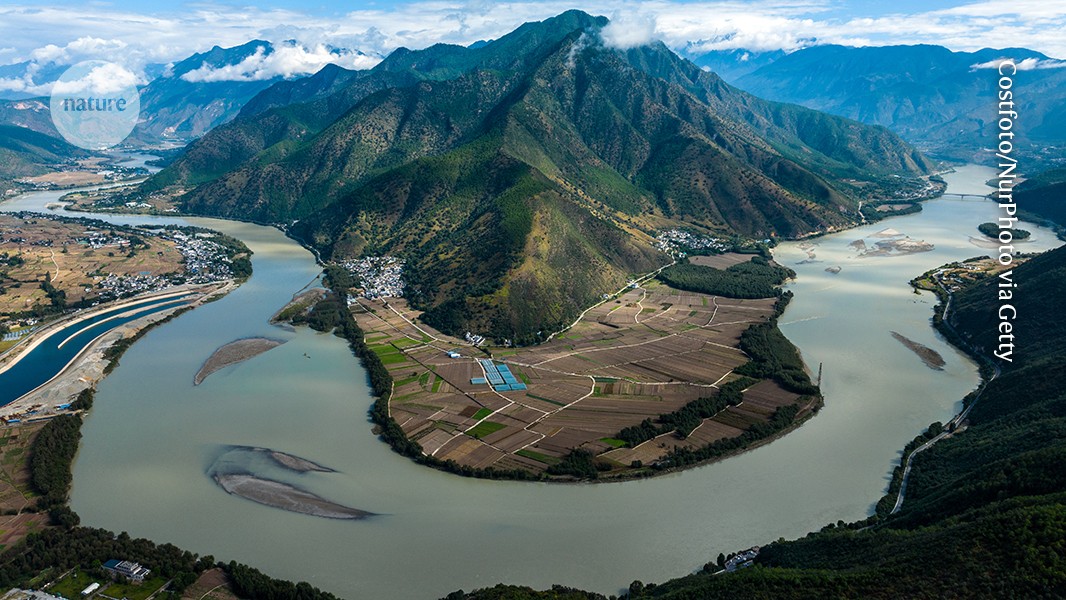
A comprehensive digital twin of the Yangtze River basin is being developed to enhance real-time water management and prevent flooding in China. The project integrates diverse data on weather, water flow, and ecological factors, facilitating improved decision-making. Initiated by the Changjiang Water Resources Commission with significant government funding, this initiative aims to tackle challenges like population growth, pollution, and climate-induced flooding. A preliminary version is already in use, with ongoing enhancements in monitoring and modeling systems across the basin set for completion by 2035.
ICT
How a vast digital twin of the Yangtze River could prevent flooding in China
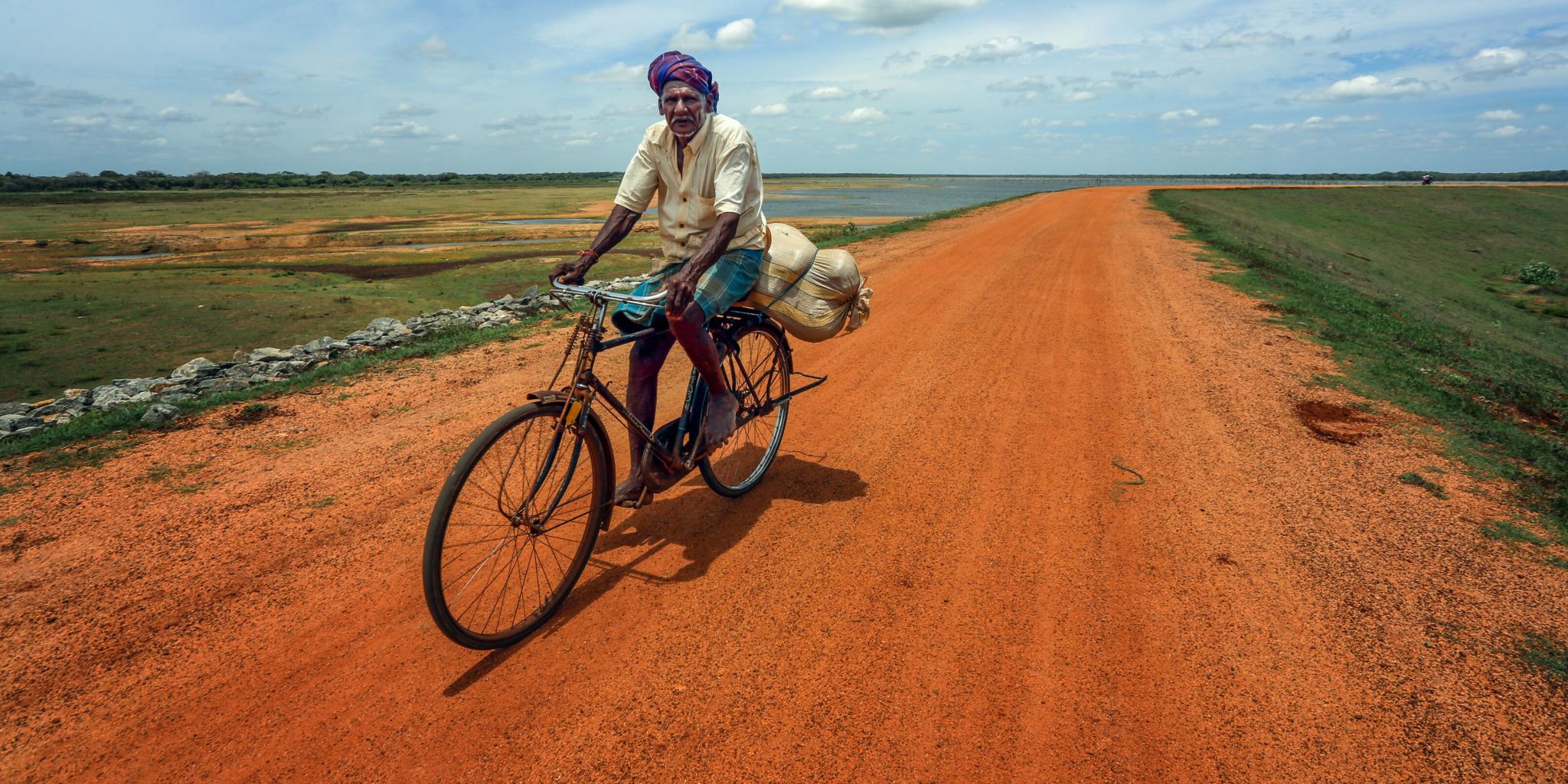
Sri Lanka, facing an economic crisis and high climate vulnerability after its 2022 debt default, seeks innovative financial strategies for recovery. Debt-for-climate-and-nature swaps present a viable solution, allowing the country to restructure external debt in exchange for investment in climate action. These swaps facilitate broader programs, enhance accountability, and align with climate commitments. Historical examples from other countries demonstrate their effectiveness. Key considerations for Sri Lanka's future swaps include political stability, strong institutional support, and regulatory frameworks. Strategic engagement with potential creditors is essential for successful implementation.
Barbados, Madagascar, Nepal, Nigeria, Sri Lanka, Zimbabwe | Financial services
Transforming Debt into Climate Action: Driving Sri Lanka’s Economic Recovery

Researchers at the University of Florida developed PhyloFrame, an AI-driven tool designed to reduce ancestral bias in genetic data for improving precision medicine. Led by Kiley Graim, Ph.D., the project aims to incorporate diverse genetic backgrounds, addressing gaps in medical research predominantly based on European ancestry. By utilizing population genomics databases and UF's powerful supercomputer, PhyloFrame enhances disease prediction and treatment recommendations across all demographics. The tool's success could lead to wider clinical application, ensuring tailored treatment plans that consider individual genetic makeup.
AI tool to make genetic research more comprehensive
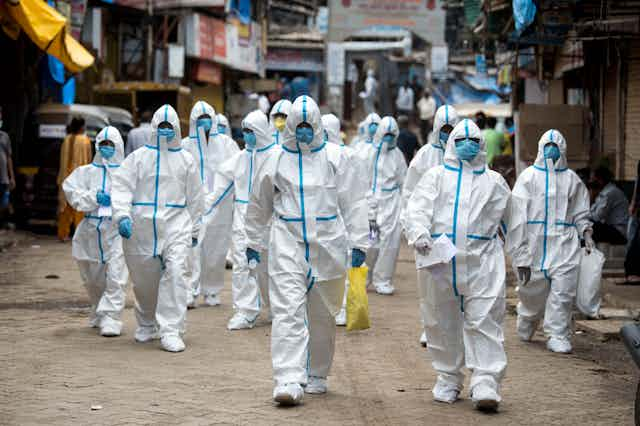
Five years post-pandemic, global preparedness for future outbreaks remains inadequate. Current health challenges include ongoing measles deaths, COVID-related fatalities, and sporadic polio cases in previously near-eradicated regions. Vaccination rates have declined, exacerbating illnesses like measles. Historical public health measures have proven effective, yet recent responses to diseases like mpox were sluggish and poorly funded. The necessity for robust global public health frameworks is paramount amidst rising political threats to organizations like the WHO. However, advancements such as rapid vaccine development during COVID and innovative studies for drug trials offer some optimism for future responses.
Health
Five years after the pandemic, the world is poorly prepared for another one

The COVID-19 pandemic has transitioned from a medical emergency to an endemic disease over the past five years. As the virus has mutated, society has also evolved, leading to changes in public health messaging and discourse around vaccination and herd immunity. The initial shared focus on the pathogen has unraveled, revealing political and social complexities. As we move to an end stage of sense-making, narratives surrounding the pandemic continue to shift, influenced by new data and changing societal priorities. These narratives provide insights into human behavior and reaction to crises, reflecting our ongoing understanding of the pandemic's impact.
Financial services, Education, Health
How the pandemic’s narratives are still unfolding, five years on

Ukraine's mineral resources, particularly lithium, graphite, and rare earth elements, have become a focal point in global geopolitics, with significant implications for energy security and the green energy transition. The Ukrainian Shield hosts critical minerals essential for electric vehicles and renewable technology. Ukraine ranks third globally in rutile production and holds the largest uranium reserves in Europe. Despite immense mineral potential, ongoing conflict has hindered exploration and extraction. Recent US-Ukraine negotiations aim to involve Ukraine's mineral wealth in post-war reconstruction efforts, highlighting the strategic importance of these resources amidst a global race for critical minerals.
Lithuania, Ukraine, Uzbekistan
What’s so special about Ukraine’s minerals? A geologist explains

Geopolitical shifts are disrupting globalization and intensifying systemic risks, necessitating anticipatory governance as a proactive decision-making strategy for governments and organizations. This approach enables entities to foresee, prepare for, and mitigate crises, fostering the agility needed in a volatile multipolar world marked by trade wars, economic decoupling, and shifting alliances. Rapid changes, such as climate impact and the rise of AI, demand effective forecasting through advanced predictive analytics. However, early warnings often face delays due to bureaucratic inertia, highlighting the need for institutionalized early action and local resilience to navigate future challenges.
Latin America | Financial services, Health, Education
Building an anticipatory governance strategy for an increasingly risky world
Establishing a US–EU–China triangle is not feasible due to divergent interests and the evolving geopolitical landscape. As the US shifts its stance under Donald Trump's leadership, tensions with Russia and the potential for EU engagement with China arise. However, Europe must not sacrifice its relationship with the US to pursue ties with China, as the latter remains uncommitted to a partnership. The dynamics between China and Russia differ, with each having distinct global roles, complicating the possibility of a cohesive strategy. Europe's reliance on the US for defense underscores the challenges of navigating this new international order.
Why There Cannot Be a US–EU–China Triangle

Carbon pricing, currently covering nearly a quarter of global energy emissions, requires a more compelling narrative to expand its political acceptance. Key areas for reframing include presenting carbon pricing as an economic solution, emphasizing the demand for carbon-intensive products, and highlighting the need for systemic change. Advocates must also address objections regarding feasibility, political resistance to new taxes, affordability, and concerns over international fairness. Success hinges on effectively communicating the benefits and reality of carbon pricing, countering misconceptions, and mobilizing public support through creative messaging.
Financial services
3 ways to sharpen up the carbon pricing narrative – and 4 objections to overcome
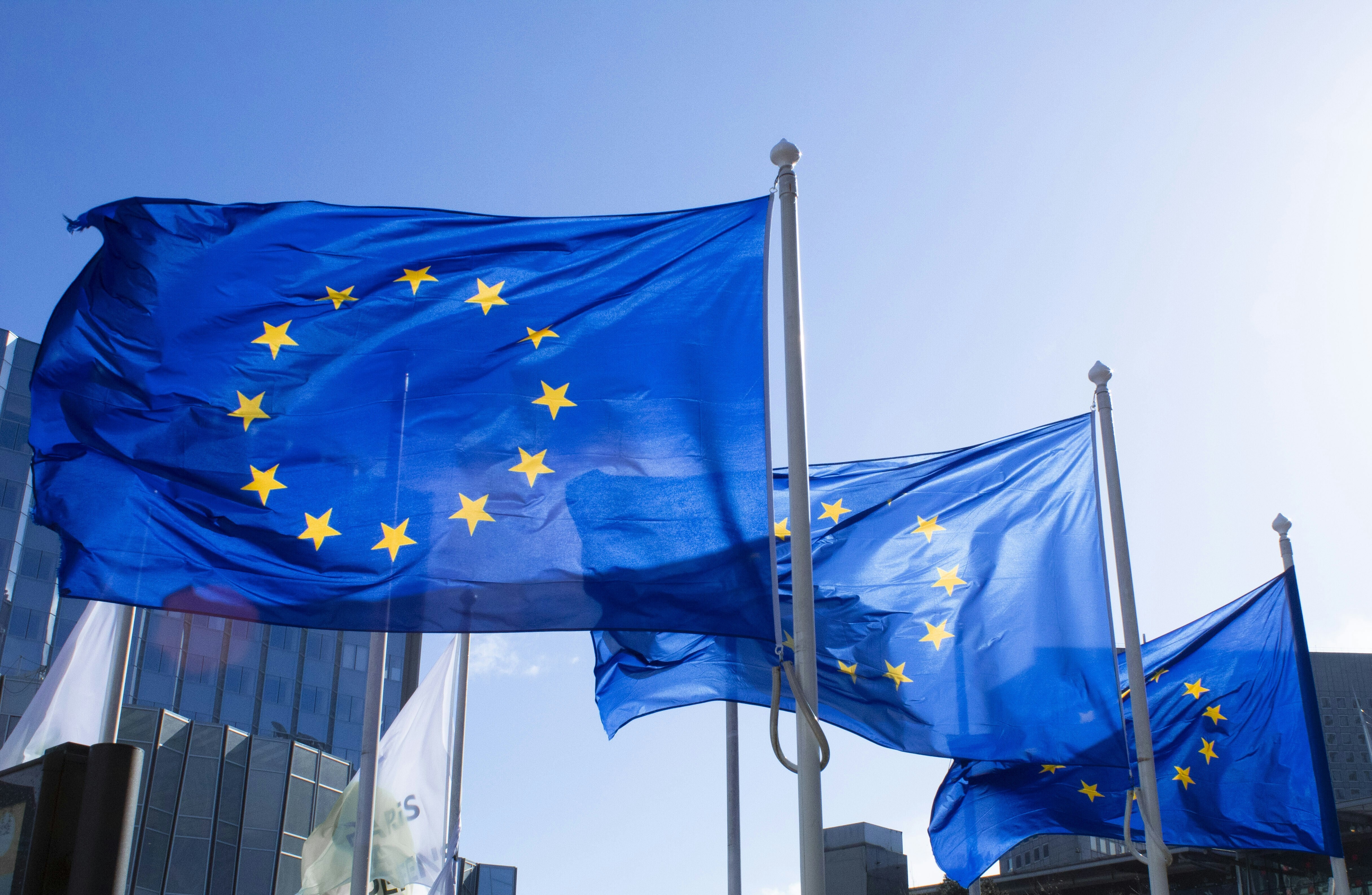
The EU's Omnibus proposal aims to simplify sustainability reporting obligations by reducing the number of companies affected, postponing deadlines, and decreasing data points. While intended to lessen administrative burdens by 25% overall and 35% for SMEs, concerns arise about regulatory uncertainty and potential setbacks in sustainability initiatives. Key elements like double materiality and due diligence remain, but doubts persist over the implications for consistent reporting and competitiveness against stricter global regulations. The outcomes depend on final approvals and negotiations, but market dynamics may continue to drive sustainability efforts regardless of regulatory changes.
The EU's Omnibus proposal: What it is aiming for and what lies ahead
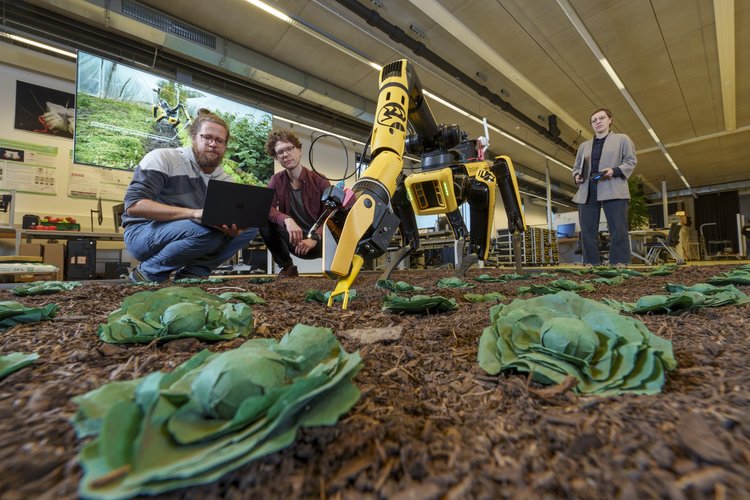
The Polybot project, an AI-based harvesting robot, has received a validation grant of approximately 220,000 euros from the Federal Agency for Breakthrough Innovation (SPRIND) to transition from research to startup phase. This funding supports evaluating Polybot’s AI technology for sustainable agriculture, particularly in harvesting tasks. The project seeks to automate various farming activities, reduce reliance on chemical herbicides, and address labor shortages faced by farmers. Through intensive mentoring and investor engagement, the project aims to enhance agricultural efficiency and sustainability, with practical applications developed in collaboration with farmers.
Validation order for AI-supported agriculture
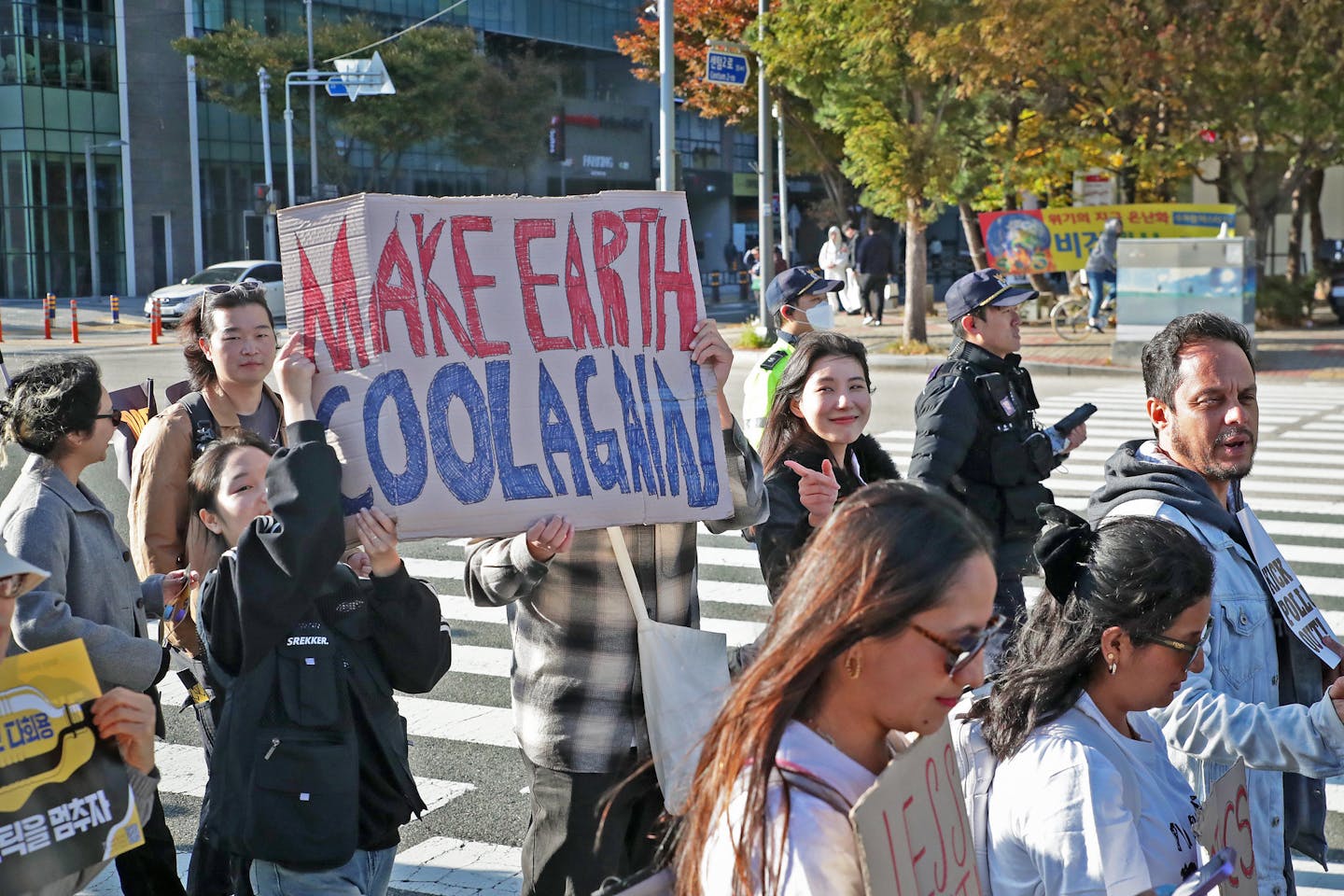
Observers anticipate progress towards a legally binding treaty to mitigate global plastics pollution during upcoming talks in Geneva, from August 5 to 14. Previous negotiations faced resistance, particularly from petrostate interests, yet over 100 nations have now called for caps on plastic production. The treaty discussions aim to focus on reducing pollution rather than addressing chemical production directly. Countries, including those in Southeast Asia, are adopting extended producer responsibility schemes to promote greater accountability. The goal is to finalize an ambitious treaty that prioritizes pollution reduction despite varied national interests.
Expectations for plastics treaty rise as date set for resumed talks
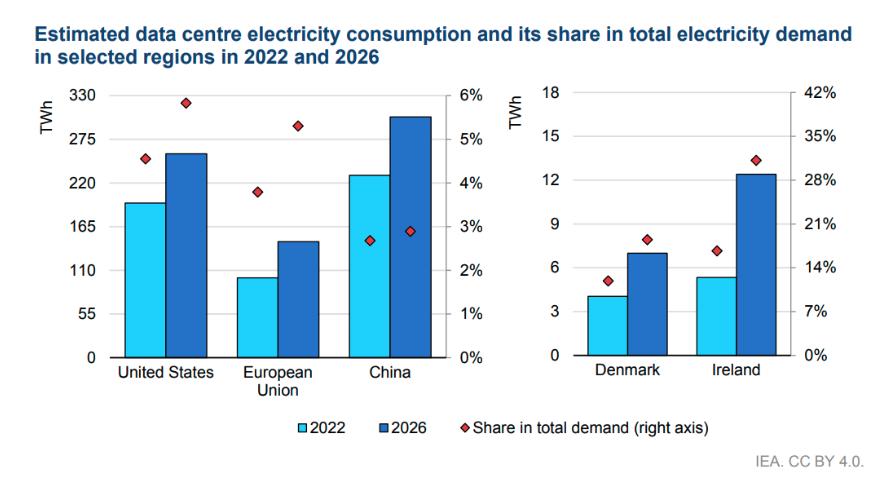
Tech sector demand has led to a 35% increase in long-term renewable power purchase agreements, driven by electricity needs for data centers. The EU proposes extending its gas storage regulation until 2027 to secure energy supply through mandatory storage targets. Weather data is increasingly vital for energy system reliability. Notable developments include Equinor's gas discovery in the Norwegian Sea, ongoing coal production in China, UK-Ireland data sharing agreements for energy security, and Thailand's $1.8 billion AI initiative for energy efficiency. The energy landscape is shifting with significant investment anticipated in advanced energy solutions by 2030.
Egypt, India, United Kingdom | ICT
Tech's energy demand drives big rise in long-term power contracts, and more top energy stories

Intense diplomatic efforts are underway to de-escalate the conflict between Russia and Ukraine, aiming for a sustainable ceasefire and political settlement despite deep mutual distrust. Confidence-building measures (CBMs) rely on reciprocity, where one side's positive step encourages similar action from the other. Examples include the Black Sea grain deal and prisoner exchanges. Initiating CBMs, termed ‘costly signals,’ may involve political risks but can foster trust and reduce tensions. Suggested measures include a truce on specific attacks and a ban on missile strikes. Successful implementation may reveal each side's commitment to peace negotiations.
Russian Federation, Ukraine
Costly Signals: Possible De-escalation Measures between Russia and Ukraine
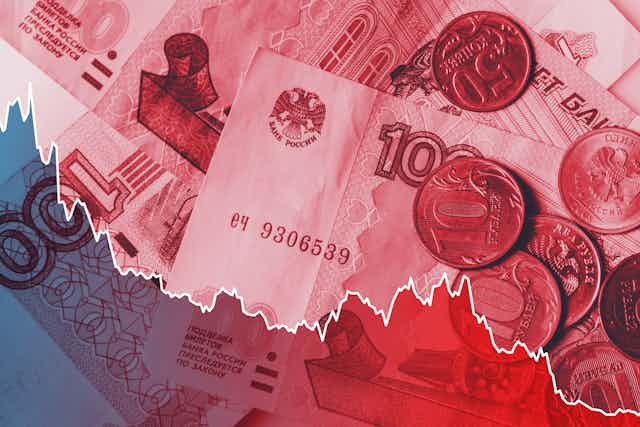
Russia’s economy is experiencing stagnation, characterized by gradual decline amidst war and sanctions, but is not on the brink of collapse. Despite challenges like rising inflation and an acute labor shortage due to military mobilization, the economy has shown resilience through increased government spending, particularly on infrastructure and military production. However, prospects for development are dim, with low investment in research and aging infrastructure. Dependency on Chinese imports is growing, while the Russian civil aviation and automotive sectors face significant difficulties. Overall, a crisis is not imminent, but sustainable growth remains absent.
Russian Federation, Ukraine
Russia’s economy is stagnating – but that won’t force it to end the war

Rich Sutton and Andrew Barto, Turing Award recipients, highlight that AI improvements focus on heavy computation over human knowledge. Modern AI chatbots use large language models (LLMs), evolving from earlier probabilistic language models like Google Translate. While Google Translate has expanded to 249 languages, it often struggles with idioms and nuances, particularly in lower-resourced languages. Despite its popularity, users typically rely on it for low-stakes contexts due to potential errors in critical areas like healthcare. Human translators remain essential for high-stakes situations, facing challenges from automation anxiety as machine translation capabilities evolve.
To understand the future of AI, take a look at the failings of Google Translate
Environmental negotiations in 2024 struggled with urgent climate impacts and political instability. Frustration over slow progress led to increased reliance on courts to enforce environmental commitments. Expectations for advancements in chemicals and waste governance were unmet. While new rights for Indigenous Peoples were recognized in biodiversity and desertification discussions, climate negotiations saw efforts to diminish previously agreed terms. The effectiveness of multilateral decision-making structures was questioned amidst varying financial achievements. Activists continued to play a significant role outside formal negotiations, raising concerns over the collective commitment to global environmental governance.
Nigeria | Health
State of Global Environmental Governance 2024

Digital Participation Platforms (DPPs) present challenges and opportunities for integrating Artificial Intelligence (AI) to enhance citizen participation. Current AI solutions often overlook social impacts, focusing primarily on technical aspects. This paper proposes design principles for developing AI architectures that consider the socio-technical context of DPPs. Drawing on Collective Intelligence theory and validated by experts, these principles include optimizing AI alignment with goals, enhancing transparency, monitoring impacts, empowering users, and addressing cognitive disparities. This framework aims to enhance the effectiveness of AI in fostering digital citizen participation.
Artificial intelligence for digital citizen participation: Design principles for a collective intelligence architecture