
Illiberalism is increasingly pervasive across both Eastern and Western Europe, debunking the myth that it is confined to Eastern European politics. The Visegrád group has split, with Poland and the Czech Republic maintaining liberalism while Hungary and Slovakia embrace illiberalism. Western democracies, including Canada and the UK, are under threat, as seen in Italy and the Netherlands. Illiberalism reflects a class alliance between the wealthy and the lower middle class, revealing dynamics of social class, race, and geographic privilege that transcend regional boundaries. Historical misconceptions about democracy in Eastern Europe are challenged, emphasizing a shared struggle against anti-democratic tendencies.
Hungary, Poland
The myth of Eastern European illiberalism

Economic development in Asia and the Pacific shows significant regional disparities, which are crucial for digital nomads when selecting locations for remote work. Access to subnational economic data—covering GDP, employment, and prices—enables informed decision-making for both digital nomads and policymakers. The growing digital nomad population, estimated between 25 million and 80 million, is spurring the introduction of digital nomad visa programs across 60 economies, promoting local innovation and entrepreneurship. The ADB’s Key Indicators for Asia and the Pacific 2024 provides essential geographically disaggregated data, helping understand local economic conditions and guiding targeted policy interventions.
Albania, Algeria, Angola, Armenia, Australia, Azerbaijan, Bahrain, Bangladesh, Barbados, Belgium, Benin, Bolivia, Botswana, Brunei Darussalam, Bulgaria, Burkina Faso, Burundi, Cambodia, Cameroon, Cape Verde, Chad, Chile, Colombia, Costa Rica, Cyprus, Democratic Republic of the Congo, Denmark, Dominican Republic, Ecuador, Egypt, El Salvador, Ethiopia, Gabon, Georgia, Germany, Ghana, Greece, Guatemala, Guinea, Haiti, Honduras, Hungary, India, Indonesia, Israel, Jamaica, Japan, Jordan, Kazakhstan, Kenya, Kuwait, Kyrgyz Republic, Latvia, Lesotho, Lithuania, Luxembourg, Madagascar, Malawi, Malaysia, Mali, Malta, Mauritius, Mongolia, Morocco, Mozambique, Myanmar, Namibia, Nepal, Netherlands, New Zealand, Nicaragua, Norway, Pakistan, Panama, Papua New Guinea, Paraguay, Peru, Philippines, Poland, Qatar, Republic of Korea, Romania, Russian Federation, Rwanda, Saudi Arabia, Senegal, Serbia, Seychelles, Singapore, Slovenia, South Africa, Spain, Sri Lanka, Sweden, Taiwan, China, Tajikistan, Tanzania, Thailand, Trinidad and Tobago, Tunisia, Uganda, Ukraine, United Arab Emirates, United Kingdom, Viet Nam, Yemen, Zambia, Zimbabwe | Financial services, ICT
How Data Helps Digital Nomads Thrive in Asia and the Pacific

Governments play a dual role in disinformation, acting both as instigators through propaganda and as regulators with anti-disinformation laws. This paradox involves an analysis of public and state-controlled media, democracy's quality, and media freedom, particularly in nations with anti-disinformation measures. Findings indicate that such laws often restrict press freedom and are mainly promoted by authoritarian regimes or flawed democracies, thus risking the erosion of democratic principles in traditionally free societies. Additionally, the misuse of disinformation by political leaders is increasingly systemic, endangering public interest.
Latin America
Probing the paradox: are governments fighting or fueling disinformation?

The CARE Principles (Collective Benefit, Authority to Control, Responsibility, Ethics) can be adapted to manage data for vulnerable populations in wartime and humanitarian crises, particularly focusing on internally displaced persons (IDPs) and civilians under occupation. These groups are at risk of data misuse, which includes privacy violations and targeted repression. Adapting CARE principles facilitates data governance that prioritizes safety, dignity, and empowerment, ensuring data serves the collective welfare of affected communities. The essay advocates for extending CARE as a universal standard to address ethical challenges in data management during crises.
Extending the CARE Principles: managing data for vulnerable communities in wartime and humanitarian crises
Open government is increasingly recognized as essential for enhancing democratic governance through transparency, participation, and collaboration. The Open Government Partnership has promoted awareness and reforms across various countries at all government levels. Recent advancements in digital technologies are revolutionizing these initiatives by improving information access and fostering innovation. The Research Handbook on Open Government comprises five sections: the historical evolution, core components, application in policy areas, implementation across contexts, and emerging research trends, providing a holistic view of open government's development and future directions.
Health
Research Handbook on Open Government
Wind and waves will be included in the economic measurements of countries for the first time, following changes approved by the United Nations. This update seeks to reflect the economic impact of natural resource consumption and the value of data, effective in 2030. The inclusion of wind and waves will allow for the estimation of energy generation potential, while data will be recognized as an asset. Experts suggest these adjustments are minor "tweaks," which may make economies appear larger without a real change in material wealth or tax revenues, potentially increasing future spending challenges for the UK government.
Ukraine, United Kingdom
Data, waves and wind to be counted in the economy

Switzerland's recent funding cuts to international development, which divert resources towards military spending and aid for Ukraine, threaten the effectiveness of the UN and its agencies based in Geneva. The Swiss government plans to reduce foreign aid by CHF 110 million this year, with expected cuts totaling at least CHF 321 million by 2028. This situation exacerbates issues for programs like the UN Development Programme, UN Women, and the International Development Association, which are crucial for addressing poverty and health crises. Urgent action is needed to reverse these reductions and support a strong multilateral system.
Switzerland | Health
❝Switzerland must rethink funding cuts to avoid further weakening international Geneva - Geneva Solutions
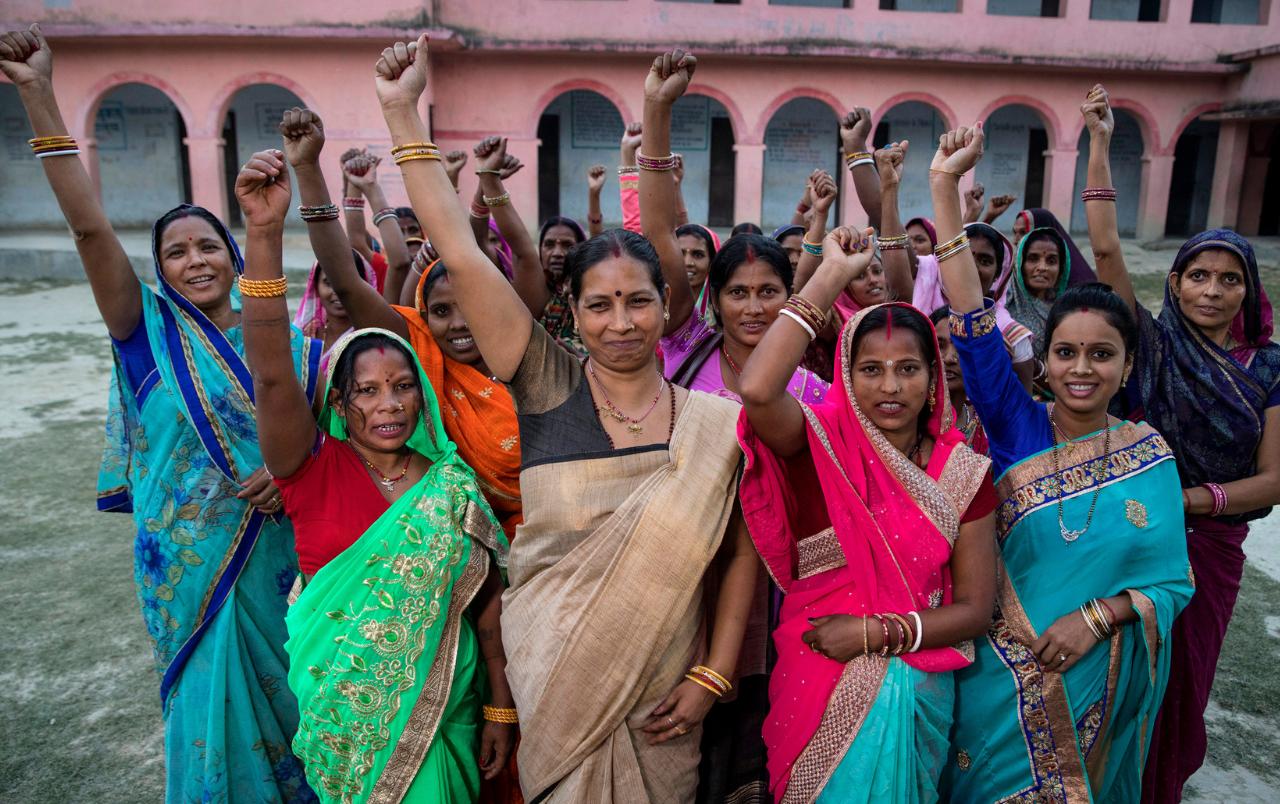
Gender equity and women's leadership are crucial for the advancement of the Global South, where women contribute approximately 37% of GDP in low- and middle-income countries. Despite this, significant disparities persist: women earn 20% less than men and undertake 76% of unpaid care work. Women occupy only 26% of parliamentary seats in Africa, 23% in Asia, and 35% in Latin America and the Caribbean. Addressing these inequities through investment in the care economy, bridging the digital divide, and promoting women's leadership is essential for sustainable development and economic growth in these regions.
Ghana, Guinea, Mali, Singapore, South Africa | Health
Bridging the Gender Gap in the Global South
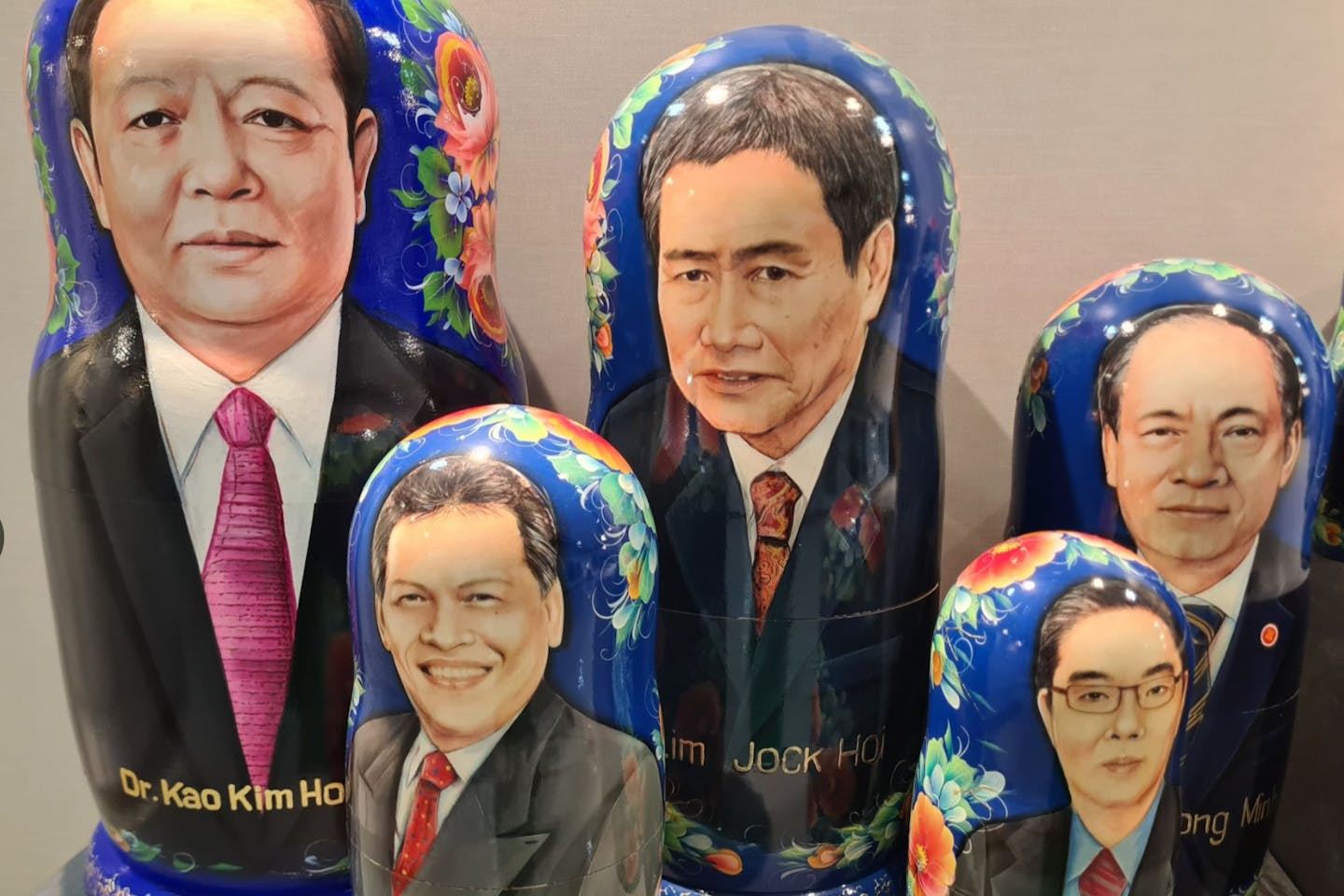
Calls for ASEAN to appoint its first female secretary-general are intensifying as the group prepares for Indonesia to nominate a candidate in 2028, coinciding with ASEAN's 60th anniversary. All past secretary-generals have been men, and experts argue that diverse leadership is essential for addressing current geopolitical and economic challenges. Initiatives like the ASEAN Gender Mainstreaming Strategic Framework have been introduced, yet gender representation remains limited, with women holding only 23% of parliamentary seats in ASEAN nations. Advocates emphasize the need for awareness campaigns to promote female leadership in the selection process.
ASEAN
Why calls for Asean to appoint its first female secretary-general are getting louder
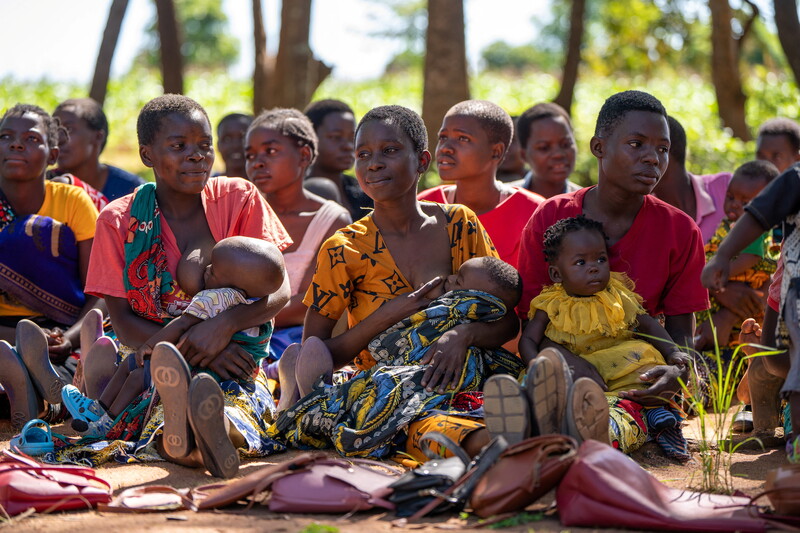
Women’s health is significantly underfunded and neglected, resulting in women spending 25% more of their lives in poor health. The World Economic Forum's Global Alliance for Women's Health advocates for recognizing women's health as a human right and economic opportunity. Five key priorities are established to elevate women’s health in the global agenda: amplifying women's voices, safeguarding bodily autonomy, uplifting adolescent girls, integrating women's health in healthcare systems, and maximizing social and political capital. Addressing women's health issues has economic benefits, with potential gains of $1 trillion and 27 million disability-adjusted life years annually by 2040, emphasizing the interconnectedness of health, rights, and economic prosperity.
Health
International Women’s Day 2025: leading experts on maximizing women’s health and rights

On-device AI can significantly reduce the energy demand of artificial intelligence, potentially cutting consumption by 100 to 1,000 times per task compared to cloud-based processing. As data centers currently consume vast amounts of electricity, projections indicate energy use will double by 2027. An energy credit trading system could incentivize energy-efficient AI adoption by providing financial benefits for companies implementing low-power solutions. This shift, complemented by advancements in energy-efficient AI chips, is crucial for sustainable AI integration across industries, highlighting the need for cooperative action among governments, businesses, and innovators.
How on-device AI can help us cut AI's energy demand
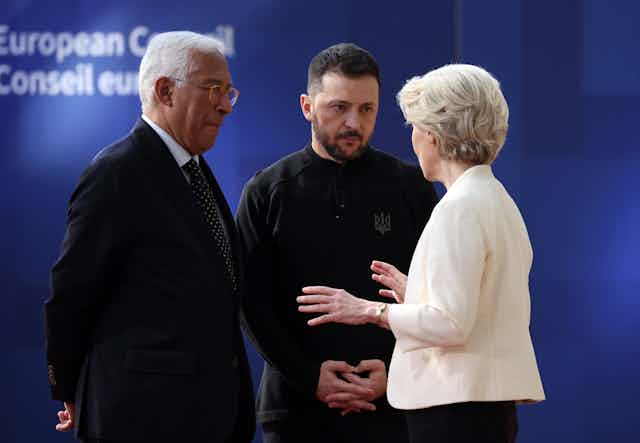
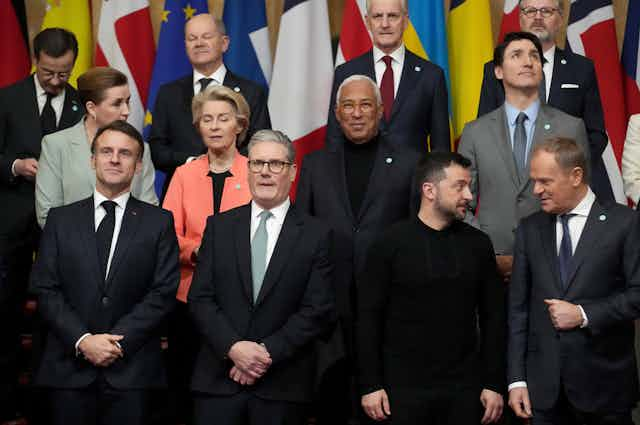
EU leaders have agreed to a significant increase in defense spending to support Ukraine, triggered by the U.S. withdrawal of support. An €800 million military spending package was discussed, but financing remains undecided. While many EU countries face debt struggles, France continues to raise defense spending. Hungary and Slovakia oppose an EU defense budget, preferring individual state contributions, with Hungary's president maintaining a lenient stance towards Russia. A proposal by French President Macron for a joint nuclear deterrent is met with mixed feelings amid concerns over U.S. commitment. The summit reaffirms EU support for Ukraine, but substantial changes in defense readiness will take time.
Ukraine
European leaders agree defence ramp-up to support Ukraine – but Hungary continues to block progress

Tariffs are disrupting airline manufacturing, leading to increased maintenance costs and subsequently raising ticket prices. Economic factors resulting from these tariffs significantly impact the airline industry.
How Tariffs Are Reshaping Aviation: Supply Chains, Costs, and Consumers
The US-EU relationship is fragile, with Keir Starmer positioned to navigate Britain’s role as a diplomatic bridge. He can leverage Britain's island identity to act as a link between the US and EU, especially in supporting Ukraine against Russian aggression. Historically, Britain has maintained significance as a “geopolitical bridge” and “offshore balancer” against continental domination. Starmer's challenge lies in reinforcing the UK-US alliance within NATO, emphasizing shared interests in a unified approach to European security. By fostering closer foreign policy ties with the EU, he can enhance Britain’s international relevance post-Brexit.
Ukraine, United Kingdom
Britain can still be a bridge between the US and Europe – here’s how Starmer can prove it

Mainstream parties in Europe are facing challenges from the rising populist right, exemplified by the significant vote increase for Germany's Alternative für Deutschland (AfD) and UK’s Reform UK. Strategies like the German "firewall," which excludes populists from coalitions and discussions, have failed to mitigate their appeal. Social democratic parties are advised against mirroring populist policies, as this alienates their liberal base. Conversely, centre-right parties risk losing centrist voters by adopting populist stances. Historical cases, such as Austria's coalition with the Freedom Party, show that engaging with populists can legitimize them, complicating responses for mainstream parties. Instead, centre-left parties should focus on managing the political landscape without emulating populists.
Germany
How should Labour and the Tories respond to the populist right? Lessons from Europe

UK welfare spending is projected to rise significantly, yet many workers are leaving jobs due to health issues, particularly mental health. One in four working-age individuals is disabled, with a major increase in health-related economic inactivity post-COVID. Poor job conditions, such as long hours and stress, are linked to health declines. A study showed nearly 10% of employees with health issues quit within four years, primarily within the first year. The UK lacks effective occupational health systems and policies, unlike other countries that are proactively addressing these challenges. Urgent reforms in job design and worker protections are needed to improve workforce health and welfare sustainability.
Health
Welfare cuts won’t succeed without healthier jobs
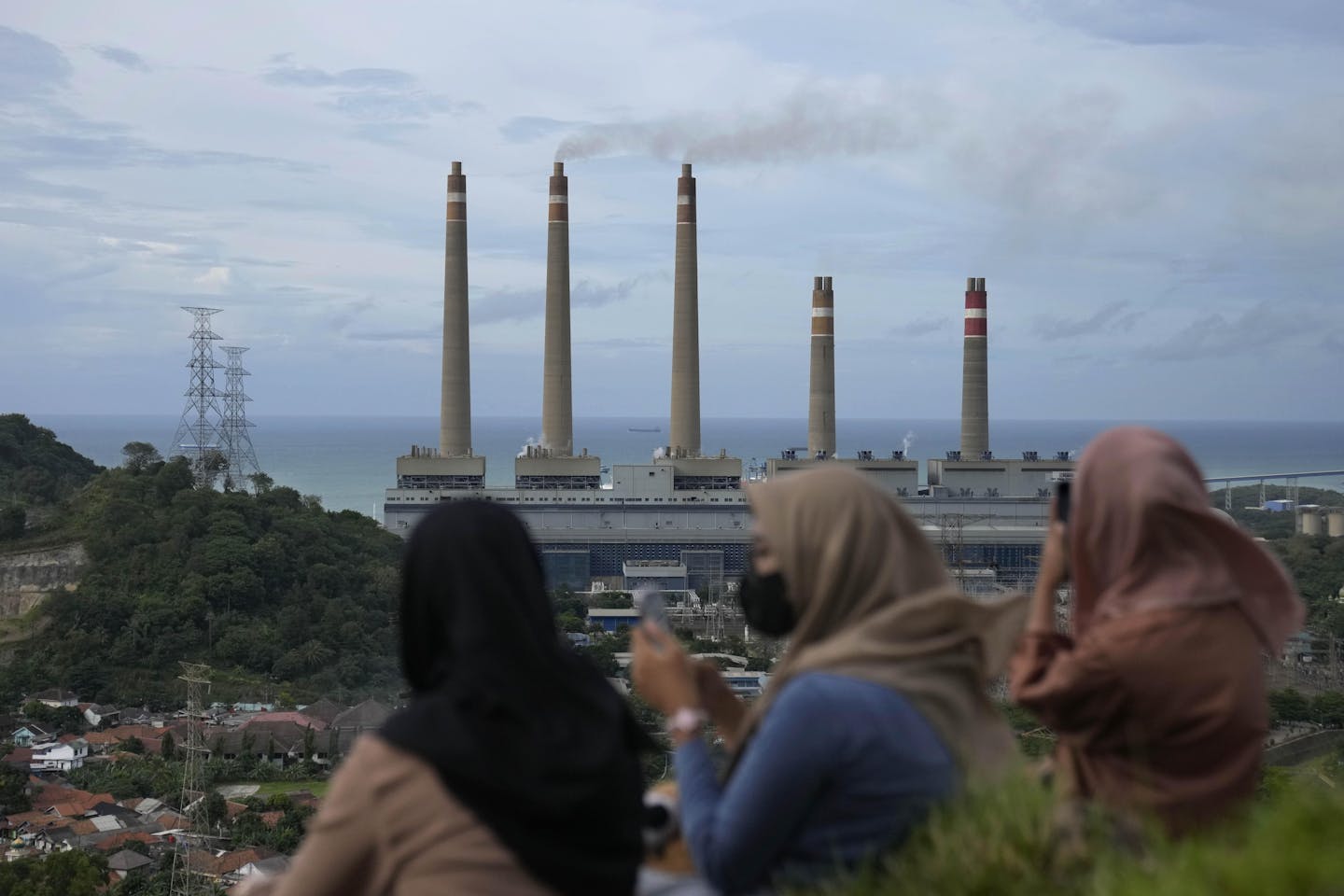
The US has withdrawn from its US$20 billion partnership with Indonesia aimed at reducing coal reliance, marking a significant setback for the Just Energy Transition Partnership (JETP). While the US was to contribute US$2 billion, including a World Bank guarantee and investments, other partners such as France, Germany, and the EU will maintain their support. Activists criticize the US exit, emphasizing its detrimental impact on climate justice and global cooperation. Despite this setback, calls for Indonesia to continue pursuing clean energy commitments remain strong, with a focus on redirecting wealth from polluters towards renewable initiatives.
Indonesia
Indonesia's US$20 billion coal phase-out pact hit by US pull-out
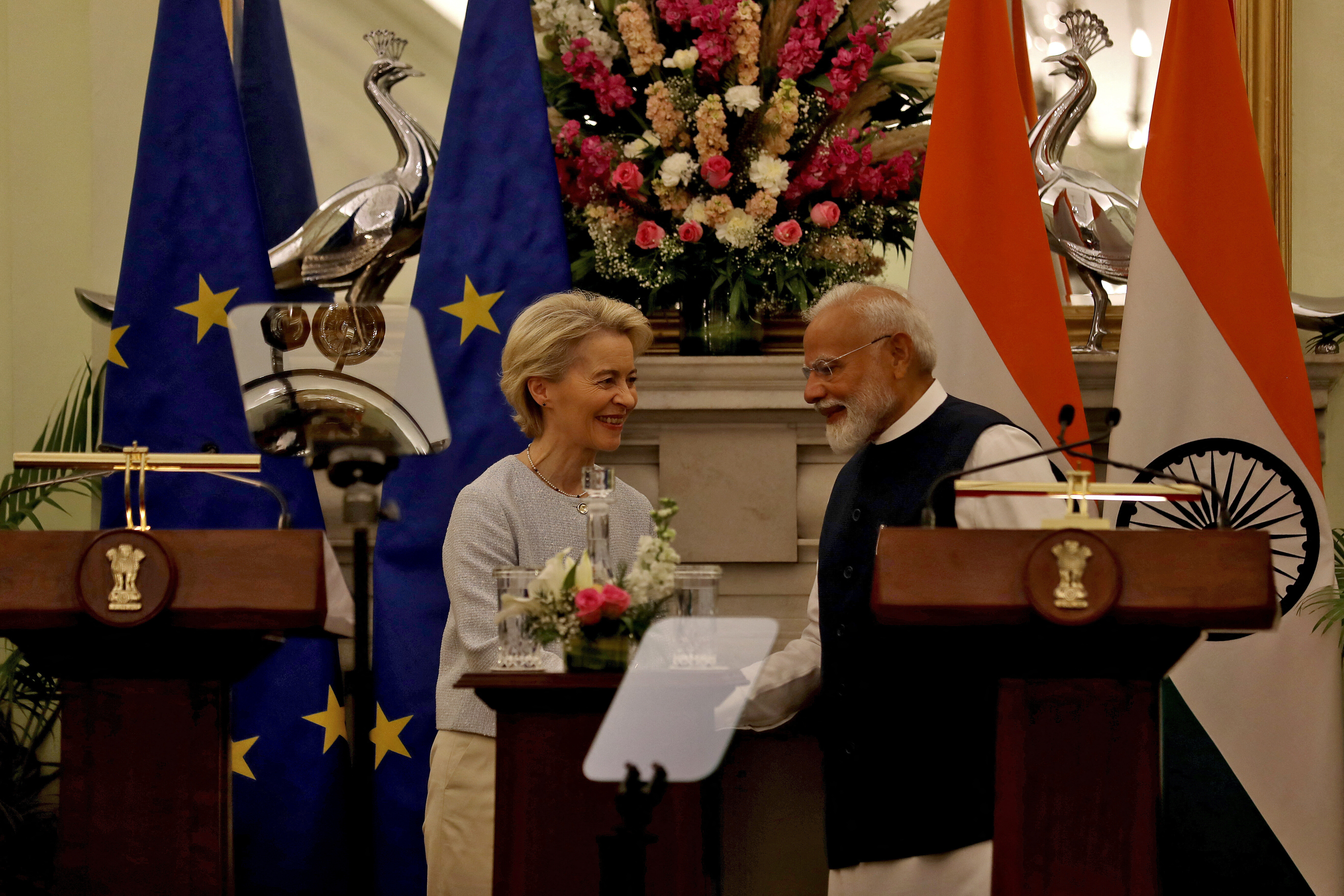
India and the EU are striving to finalize a free trade agreement by the end of the year, aiming to strengthen their partnership amidst global trade tensions. The EU accounts for 12.2% of India's trade, with significant discussions involving agriculture, pharmaceuticals, and vehicles. Key areas for potential cooperation include semiconductors, clean technology, and artificial intelligence. The agreement is expected to deliver substantial economic benefits, with real income gains of €3 billion to €4.4 billion for both parties, reflecting the EU's commitment to enhancing its foreign policy through this partnership.
Estonia, France, India, Ireland, Nepal, United Kingdom
The EU and India are close to finalizing a free trade agreement. Here's what to know
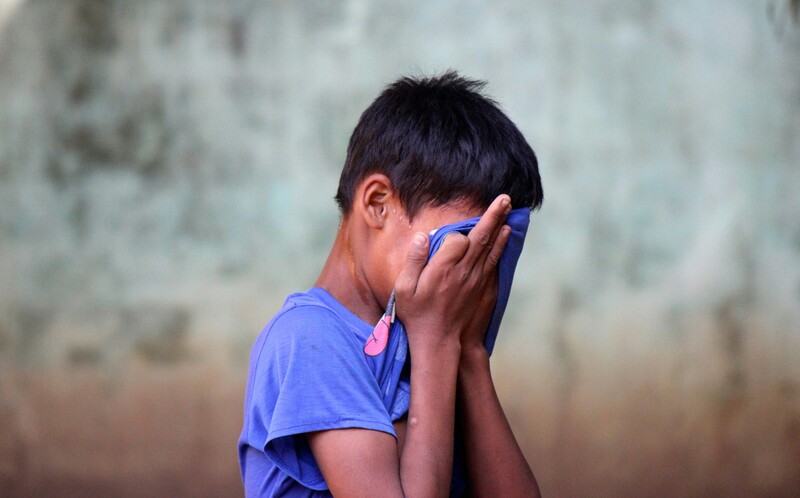
Young people are facing a generational mental health crisis exacerbated by economic, social, and environmental pressures. With 64.9 million unemployed youth and 244 million out of school, systemic barriers hinder their potential. Mental health conditions often begin by age 18, yet many remain untreated. Factors include financial instability, climate change, social media challenges, and exposure to violence. Collaborative initiatives, like the Youth Alliance, aim to empower youth through education, job opportunities, and mental health advocacy, emphasizing the importance of policy-maker involvement and youth engagement in building a supportive environment.
Africa | Financial services, Education, Health
Young people worldwide face a perfect storm for their mental health. Here's how to help them
The Circular Economy (CE) concept is increasingly significant in European cities, focusing on enhancing material reuse, reducing waste, and improving resource efficiency. This study examines how spatial planning can facilitate CE implementation, analyzing policy coherence between CE initiatives and urban planning, governance structures, and stakeholder engagement. It highlights the importance of multi-level governance and collaboration in overcoming barriers to CE adoption. Circular city design aims for sustainability and resilience through effective resource management and community engagement. The analysis suggests that integrating CE principles into urban development requires a clear definition and understanding of circular cities to navigate challenges effectively.
Belgium, Ghana, Greece, Luxembourg, Netherlands, Poland
Circular Economy and European Cities Spatial Planning Policy Coherence