
The Ukraine military has gained acclaim for effectively resisting a technologically superior adversary through innovative tactics and drone technology. This conflict is characterized as a significant shift in warfare, being the first large-scale drone and AI war, and marking the rise of Lethal Autonomous Weapons (LAWS). Drones play a crucial role in reconnaissance and offensive operations, with Ukraine utilizing over 1.2 million unmanned vehicles by 2024 as part of its "Million Drone Army" initiative. The effective use of cost-efficient drones has enabled Ukraine to conduct deep strikes and reshape battlefield economics, challenging traditional military paradigms.
Russian Federation, Ukraine
Ten Lessons from the Russia-Ukraine War

Research publication has traditionally been the gold standard for scientists, but this method often restricts access to critical underlying data, hindering advancements in science, according to neuroscientist Sean Hill. Hill emphasizes the need for open and accessible data to maximize research value and accelerate discoveries. He co-founded Senscience, which offers AI-driven services to make research data readily usable and aligned with Responsible AI principles. The rise of AI has transformed scientific research and is now crucial for tackling major challenges in health, climate, and security, yet many researchers still struggle with data management and recognition. Senscience aims to enhance collaboration and improve scientific quality through innovative data-sharing solutions.
Open Science In The Age Of AI
Dr. Anna Zeiter is the Chief Privacy Officer and Vice President for Privacy, AI & Data Responsibility at eBay. She has served on the board of the International Association of Privacy Professionals since 2020 and co-led a World Economic Forum working group on data valuation. eBay has a long history of implementing AI responsibly, developing its own AI tools and leveraging third-party services. Zeiter emphasizes the company's commitment to European privacy regulations and proactive adaptation to the EU AI Act, which she views as essential for building customer trust and fostering innovation.
Interview Of The Week: Anna Zeiter, Chief Privacy Officer, eBay

To achieve a successful resolution to the Russia-Ukraine war, Donald Trump must engage with European powers, as the dynamics of transatlantic relations have shifted. An agreement between the U.S. and Russia that sidelines Europe risks an unsustainable peace and potential capitulation for Ukraine. Effective deterrent measures against future Russian aggression, ongoing economic pressure on Russia, and enhanced European defense collaborations are essential. A coalition of European states should fortify strategic cities in Ukraine to safeguard against renewed attacks and ensure Ukraine’s territorial claims are upheld.
Russian Federation, Ukraine
Trump can’t secure a robust peace in Ukraine without Europe

India’s Next Big Innovation Labs (NBIL) specializes in 3D bioprinting technologies, focusing on innovations like corneal tissue and organ-on-a-chip bioprinting. Supported by various investors, including the Government of Karnataka and Merck, NBIL aims to advance tissue engineering and eliminate animal testing. Its TRIVIMA platform, developed with Microsoft, seeks to personalize bio-printed tissues for transplant while reducing organ shortages. The company targets healthcare solutions that enhance drug development and regenerative medicine. Competitors include RegenHU and Cellink, but NBIL differentiates itself through its expertise in engineering, materials science, and AI.
Startup Of The Week: Next Big Innovation Labs (NBIL)
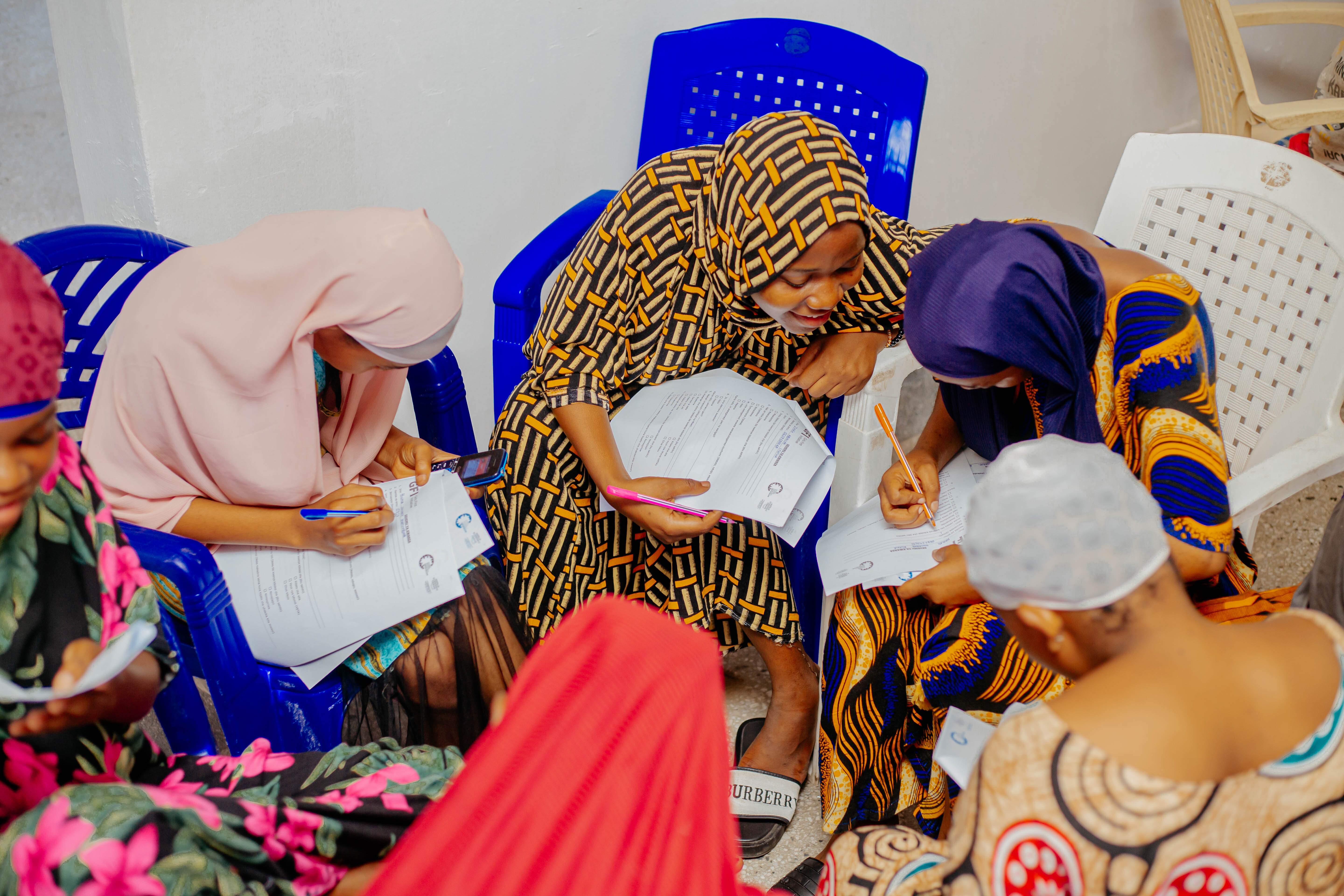
Young people can significantly drive women's empowerment by addressing systemic barriers in education and employment. The gender gap currently costs the global economy trillions, with projections indicating that closing these gaps could add up to $28 trillion by 2025. Youth-led initiatives, such as Tanzania's Niboreshe program, aim to bring quality education to girls in informal settlements, while Kenya's Technovation empowers girls in STEM. These innovative projects highlight the importance of community-driven solutions in achieving gender equality and fostering inclusive opportunities for women.
Tanzania | ICT, Health, Education
Young people have the power to break barriers to women’s empowerment

Ukraine's significant reserves of critical minerals provide a strategic opportunity for the country in the global supply chain. International investment, particularly from the US and EU, could help stabilize Ukraine through joint ventures like a reconstruction investment fund co-managed with the US, targeting mining and energy sectors. Ukraine’s mineral wealth and industrial capabilities position it well for attracting foreign partnerships in mining, oil, and gas development. Critical minerals are crucial for advanced technologies, suggesting that enhancing this sector could contribute to Ukraine’s reindustrialization and economic growth.
Georgia, Kazakhstan, Latvia, Lithuania, Moldova, Papua New Guinea, Poland, Romania, Russian Federation, Tajikistan, Uganda, Ukraine, Uzbekistan, Zimbabwe
Ukraine critical minerals can bring business opportunities and peace
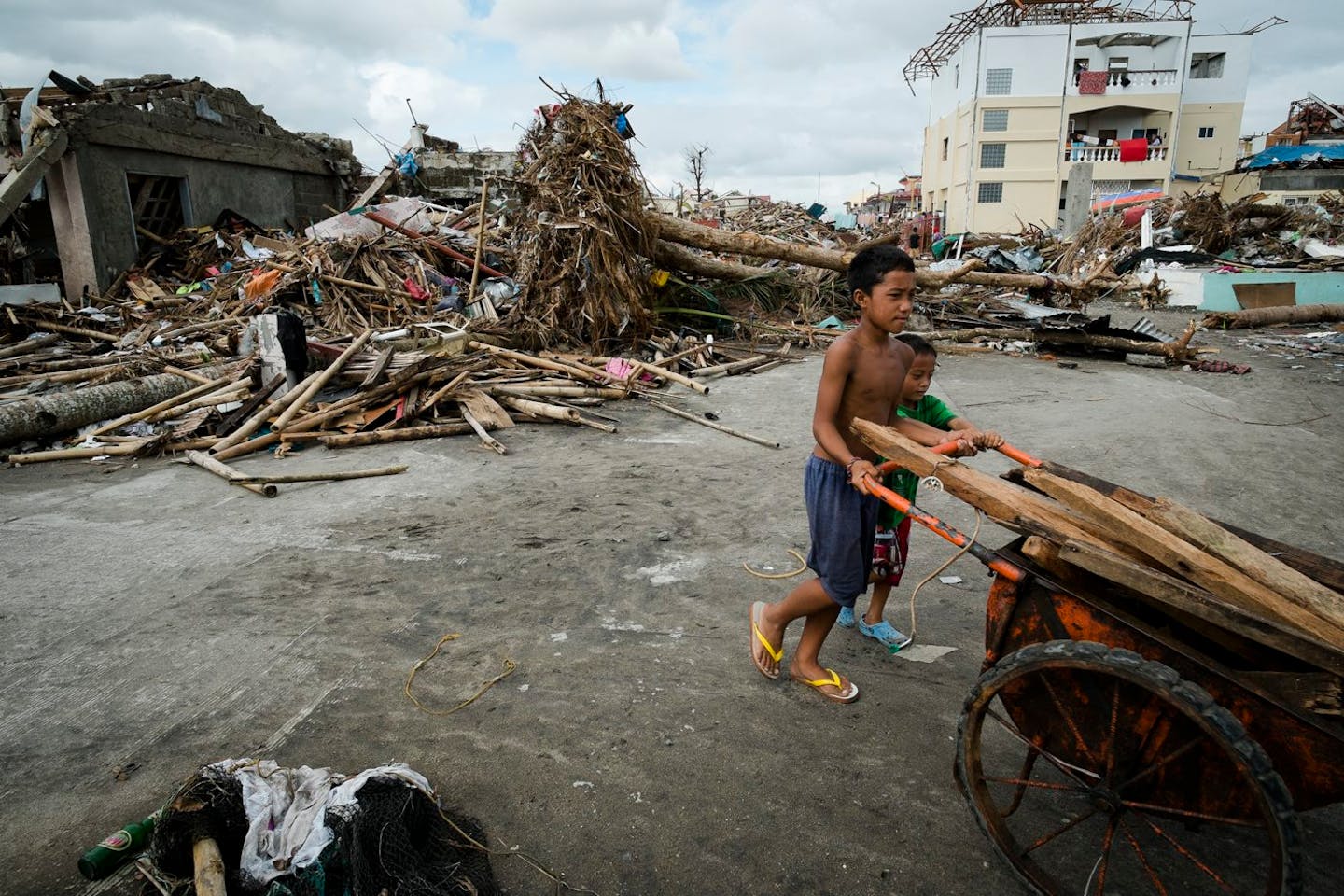
Asian countries need to enhance their climate adaptation plans to attract private investment, as detailed in a report by Asia Investor Group on Climate Change (AIGCC). While national adaptation plans (NAPs) are essential for channeling private capital, only Thailand has submitted its NAP. Many nations lack investor perspectives in their planning processes, resulting in inadequate adaptation financing despite the growing climate challenges. The report emphasizes the need for cohesive risk assessments, project opportunities, and active investor engagement to significantly increase adaptation finance across Asia.
Nigeria | Financial services
Asian countries need better climate adaptation plans to attract private investment: report
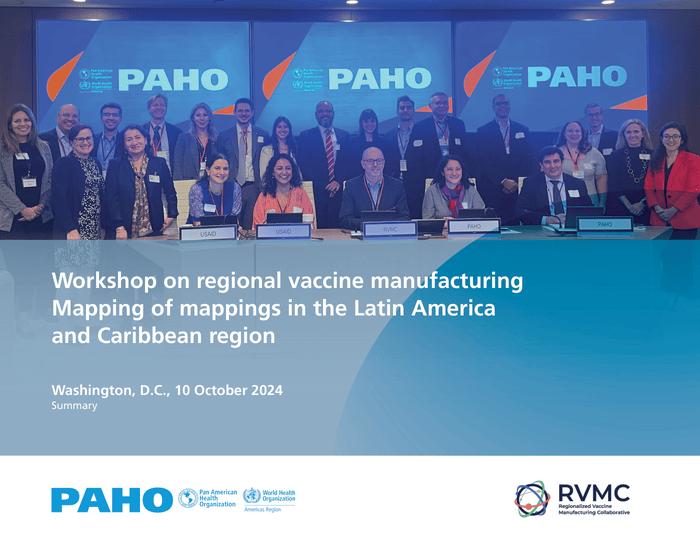
A workshop titled “Regional Vaccine Manufacturing: Mapping of Mappings in the Latin America and Caribbean region” was held on October 10, 2024, organized by PAHO, USAID, and RVMC in Washington, D.C. It focused on reviewing existing mappings related to vaccine manufacturing in the region, identifying data gaps, and exploring collaborative opportunities to enhance local production and innovation. While Latin America and the Caribbean possess growing manufacturing capacities, they still depend heavily on external vaccine supplies. Participants emphasized the need for improved information gathering to address gaps and support sustainable, resilient vaccine production.
Dominican Republic
Workshop on regional vaccine manufacturing: Mapping of mappings in the Latin America and Caribbean region - World
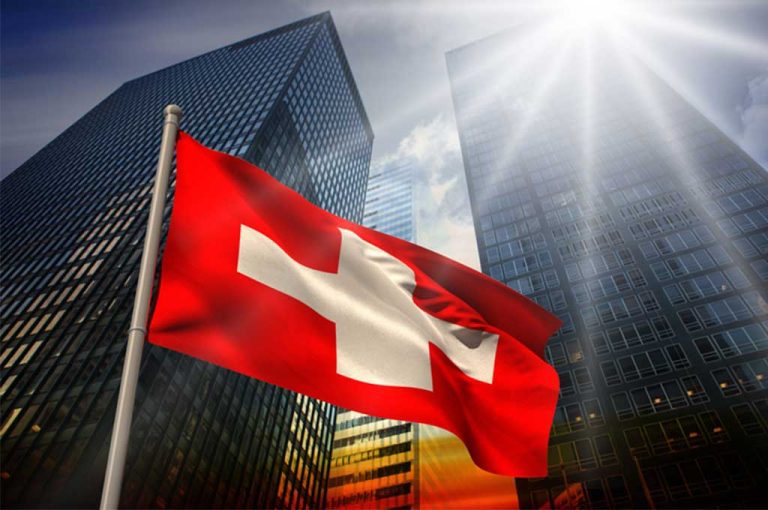
Local economic policies significantly influence global business operations, particularly for multinational companies (MNCs). Research indicates that MNCs headquartered in countries with low-interest rates thrive compared to those in higher-rate environments, as they access funds more easily. The Swiss National Bank's decision to cut interest rates and its impact on the Swiss franc demonstrates how local financial conditions affect international competitiveness, investment, and employment levels. Companies in favorable conditions managed to expand even amid currency fluctuations, while those in less favorable environments had to diversify strategies. Policymakers can learn to balance exchange rate management and interest rate policies to support domestic businesses effectively.
Switzerland | Financial services
How local economic policies shape global business
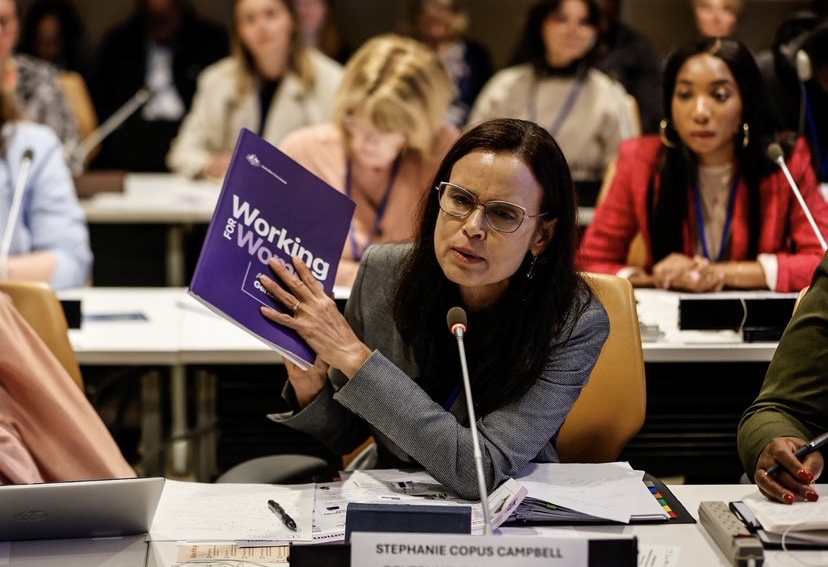
Australia's International Gender Equality Strategy aims to enhance gender equality in the Indo-Pacific amid global setbacks in women's rights. The strategy focuses on five priorities: ending sexual and gender-based violence (SGBV), promoting gender-responsive peace and security, ensuring equitable climate action, fostering economic equality, and supporting women's leadership. It calls for integrating SGBV protection into international engagements and investing in response services. The plan mandates gender equality objectives in development investments over $3 million and encourages women's participation in economic and peace processes. Despite some gaps in detail, the strategy underscores Australia's commitment to gender equality as essential for economic and social progress.
Australia
How Australia is advancing gender equality in the Indo-Pacific
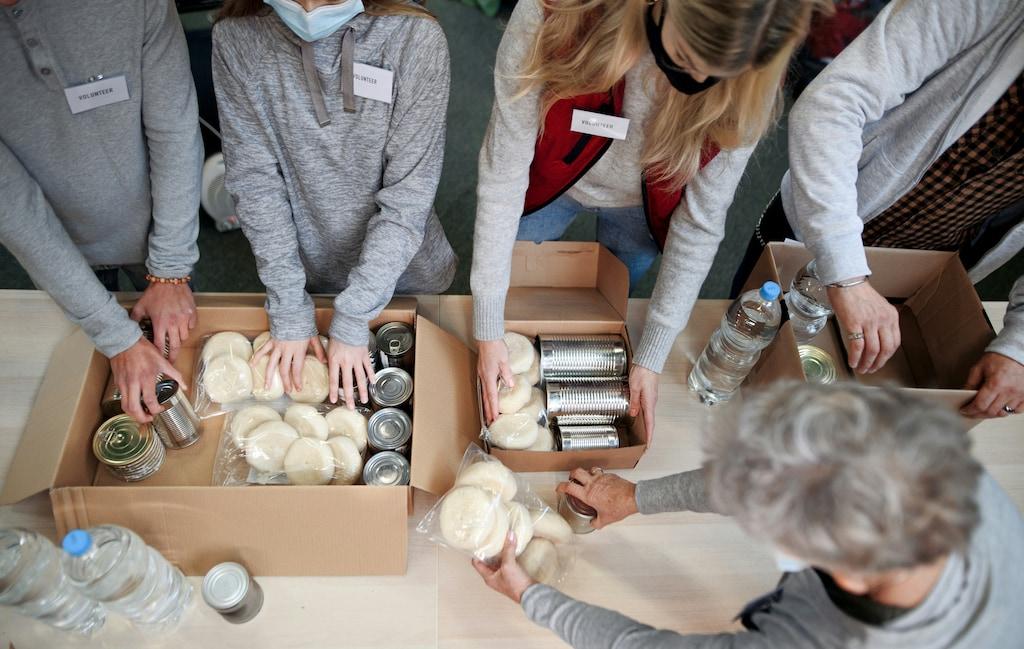
Approximately 4.7 billion people live below the "economic empowerment line," unable to afford basic daily necessities. While economic growth is vital for progressing in lower- and middle-income countries, it doesn't sufficiently address the challenges faced in higher-income nations. The McKinsey Global Institute found significant variations in empowerment needs even among countries with similar GDP levels. Companies can tailor social initiatives focused on connections, contexts, and capabilities to effectively empower individuals and communities. Examples include food bank donations and targeted loans. Assessing initiatives based on their efficiency can guide companies in maximizing their impact on economic empowerment.
Financial services
How companies can tailor social initiatives to empower more people

The global illicit drug trade is valued at over half a trillion US dollars annually, with major revenue sources in Colombia, Bolivia, China, Afghanistan, and Southeast Asia. Most profits are generated by various dealers along the supply chain, where about 70% to 80% of revenue is retained by local wholesalers and retailers in high-demand countries like the US and UK. Money laundering plays a crucial role, using techniques such as offshore wire transfers, shell companies, and cash businesses. Professional money launderers often collaborate with drug cartels, facilitating the transfer of large sums, as exemplified by a case involving TD Bank and networks linked to the Sinaloa cartel.
Afghanistan, Burkina Faso, Colombia, Mexico, Myanmar, Pakistan | Financial services
Money laundering plays a key role in every part of the illegal drugs industry – here’s how it works

Melatonin supplements may enhance the body’s natural DNA repair mechanisms, especially in individuals with disrupted sleep patterns, such as night shift workers. A Canadian study found that participants taking melatonin showed an 80% increase in a urinary marker indicating improved DNA repair compared to those on a placebo. While melatonin is not a cure for accumulated DNA damage, it could mitigate further harm by improving repair efficiency. Continued research is needed to explore its broader applications, and maintaining a healthy lifestyle remains essential for cellular protection.
Can melatonin supplements really ‘reverse’ DNA damage caused by lack of sleep?

Labrador retrievers and humans share common obesity genes, with significant findings from a study revealing that the same genes influencing weight gain in labradors are also implicated in human obesity. Genetic factors account for 40%-70% of human obesity, while selective dog breeding allows for easier identification of obesity-related genes. The study identified DENND1B as a key gene, affecting body weight regulation through its interaction with brain mechanisms controlling hunger and energy use. High-risk dogs exhibited increased appetites, necessitating vigilant dietary management from their owners, paralleling challenges faced by genetically predisposed humans.
Labradors and humans share the same obesity genes – new study
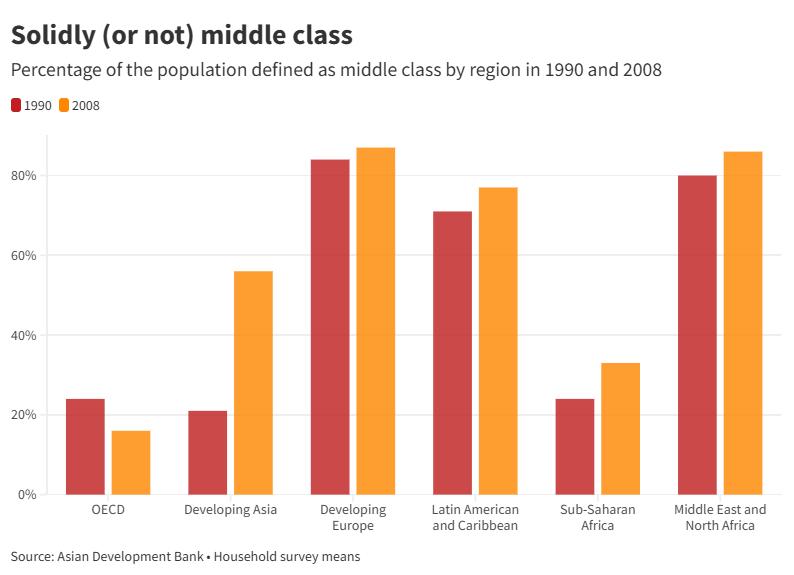
Middle-out economics emphasizes the importance of a thriving middle class for a healthy economy. Recent analyses indicate that the share of Americans classified as middle class has decreased to about 51% from 61% since 1971, with similar trends observed in Europe and Asia. Proponents argue that enhancing service industry jobs with better pay and conditions can restore middle-class stability. Current economic policies, focusing on protectionist measures and local manufacturing, aim to rebuild this demographic but face challenges, including rising costs of living that disproportionately affect middle-income earners.
Africa
What is ‘middle-out’ economics, and does it stand a chance?

Investing in women's rights benefits society as a whole, as gender equality enhances outcomes for everyone. Violence against women remains a global crisis, significantly impacting economic activity; addressing this issue could yield vast economic returns. Reproductive rights are fundamental human rights; access to contraception decreases unintended pregnancies, enabling women to pursue education and professional opportunities, with substantial economic benefits. Furthermore, improving reproductive health care can significantly reduce maternal and neonatal mortality rates. Addressing these issues fosters healthier families and stronger economies, promoting equity for all.
Health
Explainer: Why investing in women and girls benefits everyone
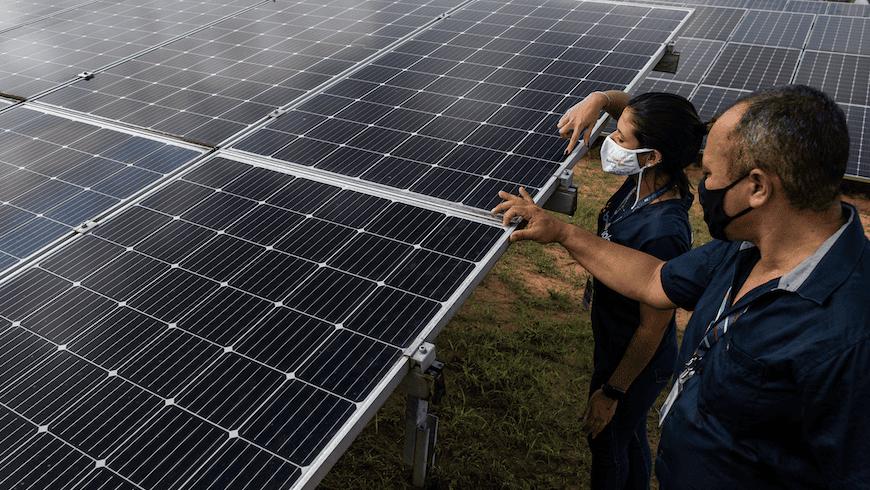
Gender incentives in climate finance effectively enhance women's employment in renewable energy projects when linked to reduced loan interest rates. Evidence from Latin America, particularly through IDB Invest's initiatives, shows that this approach promotes energy transition, increases affordable electricity, and empowers women economically. Successful examples like the New Juazeiro Bifacial Solar Power Project highlight significant achievements, including hiring 162 women, extensive training opportunities, and enhanced support systems. However, challenges persist, such as the temporary nature of construction jobs, necessitating strategic planning for women's post-project employment.
Financial services
Gender Incentives in Climate Finance: Doubling Down on Proven Approaches During Uncertain Times

The United States' pivot towards Russia under Trump marks a significant shift in international relations, particularly impacting Ukraine and Europe. Ukraine risks losing its sovereignty with potential negotiations barren of its input, effectively pressuring it to cede territory for a U.S.-backed peace deal that prioritizes resource access. Europe faces an erosion of trust in the U.S. security umbrella, pivotal since the Cold War, leading to a precarious environment as its leaders grapple with the implications of U.S. foreign policy. This realignment represents a historic decoupling of American and European allies, reminiscent of past Soviet strategies.
Ukraine
Assessing the damage of a Trump-Putin deal
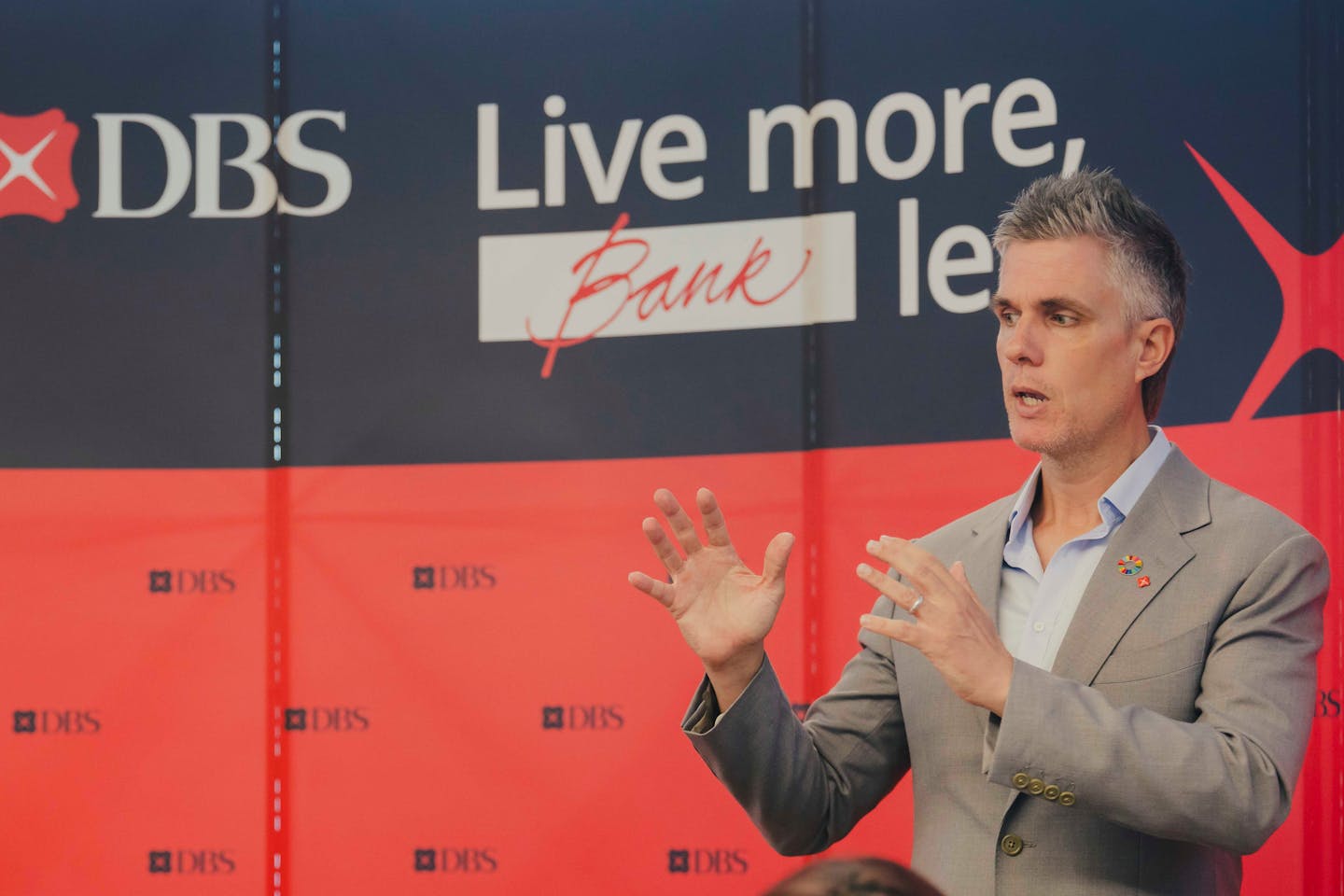
DBS has reaffirmed its commitment to climate targets amid recent exits from the Net-Zero Banking Alliance by other Asia Pacific banks. The Singapore lender is developing decarbonisation pathways for additional sectors while clarifying transition financing activities. In 2024, renewables constituted 62% of its power portfolio, and thermal coal exposure decreased to S$1.3 billion. Difficulties remain in achieving targets for steel and shipping, with the latter showing slight improvements. DBS is also assessing its approach to the food, agriculture, and chemical sectors and has updated its transition finance framework to address emerging challenges in Asia's taxonomies.
Singapore | Financial services
DBS doubles down on climate goals; updates transition finance framework