
King Charles III is utilizing his royal position to support the UK government's foreign policy, specifically through inviting Donald Trump for a second state visit. This invitation, which includes a visit to Balmoral, highlights the monarchy's role in diplomacy. While state visits enhance international relations, they can also be controversial; Trump's upcoming visit has already sparked public petitions against it. Despite being constitutionally required to remain politically neutral, the king's invitation is seen as an effort to strengthen trade relations while balancing support for Ukraine amid the ongoing conflict.
United Kingdom
The king has a tricky diplomatic role to play in inviting Trump for a state visit

Global firms increasingly take sides in geopolitical conflicts, exemplified by swift actions taken during Russia's invasion of Ukraine, where many companies excluded themselves from the Russian market. This “partisan behavior” often carries economic risks, as seen with companies like Shell and Cisco suffering substantial losses. The pressure from consumers and social media exacerbates the challenge of maintaining neutrality. To mitigate backlash, firms can choose a non-partisan humanitarian stance, focusing on supporting conflict victims, as demonstrated by Comcast and Verizon's humanitarian contributions. Developing a shared code of conduct centered on humanitarian measures could promote ethical responses in future conflicts.
Why global firms are pushed to take sides in wars, and how they can avoid it

Collaborative philanthropy has significantly increased over the past decade, with nearly half of existing collaborative funds established in this time. These collaboratives enable donors to maximize their impact by pooling resources and leveraging leadership expertise. Despite enthusiasm, donors express concerns over alignment with personal goals and the collaborative's overall effectiveness, prompting questions about a potential oversupply of collaboratives. Key trends driving this growth include wealthy donors adopting leaner models, foundations fundraising from other donors, and an emphasis on trust-based philanthropy. Evolving structures in regions like Africa and India reflect diverse approaches, enhancing potential for impactful funding in various sectors.
Health
Learning From a Decade of Collaborative Philanthropy (SSIR)

The U.S. Army is utilizing a generative AI tool named CamoGPT to identify and remove references to diversity, equity, inclusion, and accessibility (DEIA) from training materials, following a directive from President Trump's January 27 executive order. This initiative is led by the Army's Training and Doctrine Command (TRADOC) to align with national security objectives. CamoGPT, which allows users to search documents for specific keywords, is designed to streamline the review process. The broader effort to eliminate DEIA initiatives includes closing related offices and reviewing past programs.
The US Army Is Using ‘CamoGPT’ to Purge DEI From Training Materials

Friedrich Merz is positioned to lead a new grand coalition in Germany amid a fragmented political landscape following the recent federal election. The CDU/CSU garnered 28.8% of the vote, while the far-right Alternative for Germany (AfD) surged to 20.8%, doubling its past results. The SPD, previously in power, suffered a historic low at 16.4%. The current fragmentation reflects a decline of the traditional center parties, which collectively achieved only 44.9% of the vote—significantly lower than previous decades. The rise of the AfD and shifts in voter demographics highlight growing discontent regarding immigration and social inequality in Germany.
Germany
Can Friedrich Merz navigate Germany’s fragmented political landscape?

Organizations must adopt a balanced approach to AI, recognizing its potential while being aware of associated risks. A recent study reveals that only 26% of companies have functioning AI products, and a mere 4% have reaped significant returns. To close the gap between aspirations and achievements, organizations should implement structured frameworks like OPEN and CARE, enabling them to navigate AI's transformative power and foster resilience amid uncertainty.
Two Frameworks for Balancing AI Innovation and Risk
Foreign aid needs to shift from politicization and self-interest to genuine solidarity and development investment. Current foreign aid practices, often influenced by political affiliations, undermine humanitarian goals and provoke resentment among aid recipients. The distinction between humanitarian and development assistance has blurred, as crises multiply and aid becomes conditional. Issues of historical injustice, such as colonialism and slavery, further complicate aid dynamics, leading to demands for reparations. To effectively address global challenges, aid must prioritize moral purpose and foster true cooperation rather than serving as a tool for political leverage.
Africa
Restoring foreign aid’s moral purpose is the right response to Trump
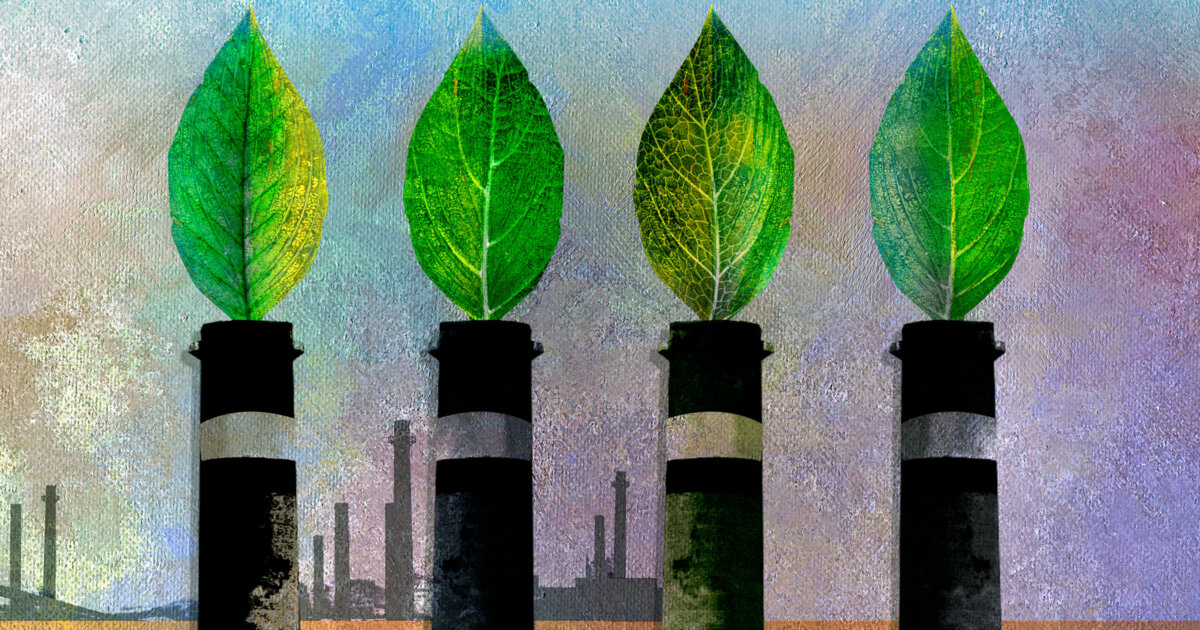
BASF and Henkel, two major European chemical companies, are advancing toward net-zero emissions through collaborative strategies amid strict EU regulations. The chemical sector, a significant energy consumer and CO₂ emitter, faces challenges in reducing emissions due to complex value chains and high-energy processes. The sector's interconnectedness necessitates cooperation across the entire supply chain, emphasizing the potential for meaningful progress by aligning corporate climate goals with actionable policies at various organizational levels. This underscores the importance of teamwork in tackling the industry's carbon challenges.
Germany | Financial services
The Way to Net Zero: Reducing Emissions Takes Teamwork

The invasion of Ukraine in February 2022 has destabilized eastern Europe, fostering an environment conducive to organized crime. This research examines how armed conflict influences the connection between organized crime and state structures, highlighting the adaptation of criminal networks to capitalize on market disruptions and weakened governance. The report underscores the significant relationship between organized crime, kleptocracy, and regional stability, emphasizing the expansion of illicit markets amidst the chaos created by the war, which offers new opportunities for these networks.
Russian Federation, Ukraine | Financial services
In the Shadows of War: The Impact of Russia’s Invasion of Ukraine on Criminal Networks in Eastern Europe Experts Related Research

Africa has the potential to play a crucial role in the global semiconductor industry by diversifying supply chains and leveraging its rich natural resources, such as critical minerals. With investments in local manufacturing, particularly in assembly, testing, and packaging (ATP), African nations can capture more value from their resources and support industrial growth. A young, skilled workforce in STEM fields coupled with a strategic geographic location strengthens Africa's appeal for semiconductor production. Collaboration between governments and multinational firms, along with policy initiatives to enhance infrastructure and training, can further develop Africa's capabilities in this sector, driving economic growth and job creation.
Ethiopia, Ghana, Senegal, South Africa, Tanzania | ICT
How Africa could help diversify the booming global semiconductor industry

The US pledged $500 million in military aid to the Philippines in 2023 to support its defense against Chinese incursions. However, under the Trump administration's more transactional foreign policy, uncertainties about this aid have emerged, particularly following actions by Elon Musk that halted assistance from USAID, jeopardizing food and medical aid for developing nations. The aid's future remains uncertain, raising questions about the reliability of the US as an ally for the Philippines, especially as China intensifies its pressure on Philippine maritime territory. The Philippines may pursue legal action regarding environmental damage and violations within its Exclusive Economic Zone.
Philippines
What America as an unreliable ally under Trump may mean for the future of the Philippines

The Irish American diaspora significantly influences US-Ireland relations and Northern Ireland policies over 25 years post-Good Friday Agreement. Research by Albert C. Cano highlights how Irish Americans lobby on issues like the UK's Legacy Act, support mental health initiatives, and maintain advocacy for peace and justice. Historical involvement includes both grassroots funding and elite lobbying, exemplified by groups like NORAID and the Four Horsemen, whose conflicting strategies shaped the conflict narrative and US mediation efforts. Current efforts continue through organizations like Friends of Ireland and the Irish National Caucus, though questions remain about their political effectiveness.
Ireland
How Irish America still influences Northern Ireland and its politics
Strengthening Europe requires forging a democratic union rather than rearmament, which leads to stagnation and undermines the continent's ability to rebuild Ukraine after the conflict with Russia. EU leaders have focused narrowly on inducting Ukraine into NATO as their strategic goal since the invasion, though this aim has become increasingly unrealistic.
Ukraine
The Case Against European Rearmament
A second online dialogue on environmental crime was hosted on January 23, 2025, by the Global Initiative Against Transnational Organized Crime (GI-TOC) and the Government of France. The event focused on persistent obstacles in combating environmental crime, including geopolitical tensions, weak implementation of conventions, and poor coordination between agencies. It aimed to provide a platform for stakeholders to discuss challenges and develop strategies within the multilateral system. The series of dialogues seeks to align political priorities with actionable solutions and inform upcoming international meetings, including the UN Crime Congress in 2026.
Health
Second Security and Development Dialogue on Environmental Crime
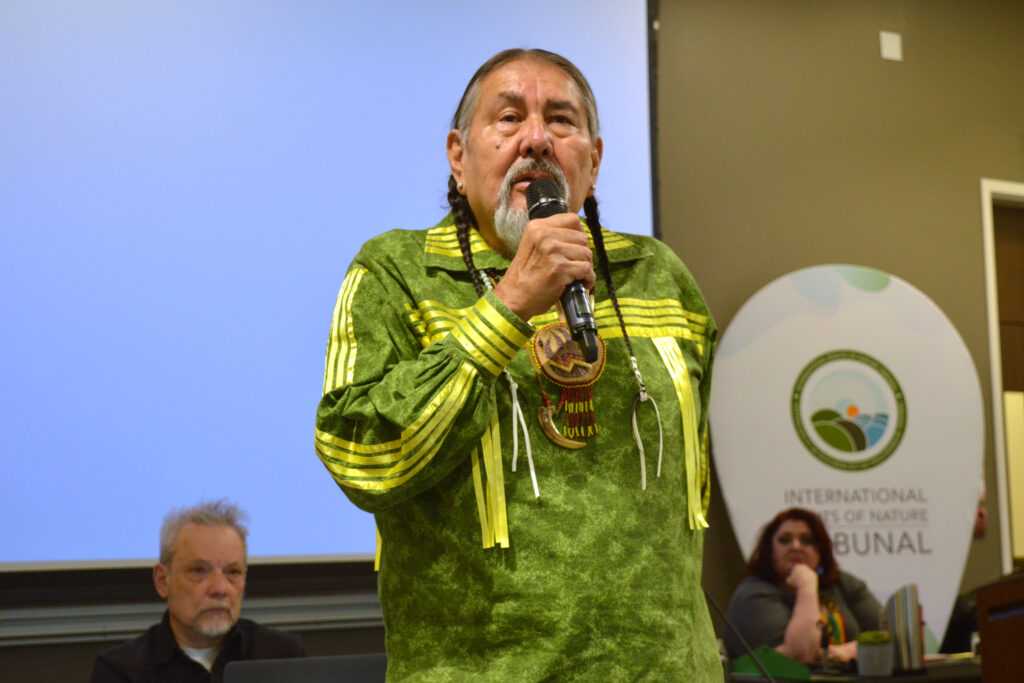
Intensifying mining operations globally are causing significant environmental damage and social disruptions. A people’s tribunal investigated the impact of the Canadian mining industry, particularly highlighting the case of Barrick Gold's operations in Argentina, where a cyanide spill contaminated local waters. The tribunal, held in Toronto, emphasized the need for recognizing the rights of nature, aiming to elevate ecosystem protections beyond traditional regulations. Witnesses, including Indigenous women, testified to the adverse effects on cultures, ecosystems, and increased violence against women linked to mining. The tribunal seeks to influence future legal actions regarding nature's rights.
The Rights of Nature Become a Rallying Point Against an Ascendant Mining Industry - Inside Climate News

Indigenous peoples and local communities achieved significant progress at the 16th United Nations biodiversity negotiations in Rome, building on prior successes from the COP16 discussions in Cali. A new program of work on traditional knowledge and direct participation was adopted, alongside the launch of the Cali Fund, which will support resource mobilization to benefit Indigenous communities. The fund aims to equitably share profits from digital genetic resources. The inclusion of Indigenous representation in conservation decision-making was solidified, marking a historic shift in their involvement in biodiversity protection efforts.
Indigenous leaders hopeful following resumed UN biodiversity negotiations in Rome
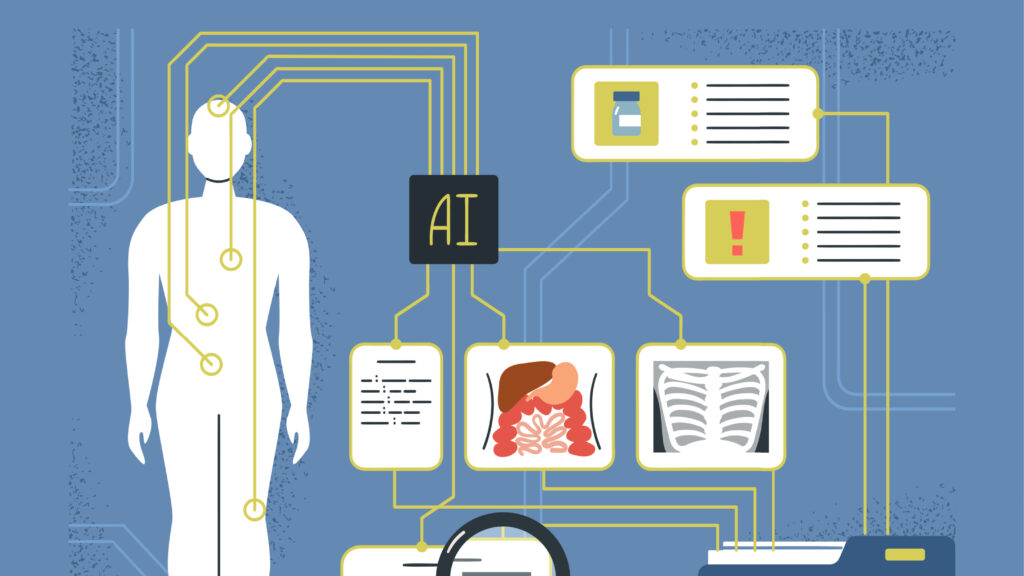
President Trump's early executive actions are hindering advancements in the application of AI within the healthcare sector, particularly in rural areas. Health Secretary Robert F. Kennedy Jr. emphasized the potential of AI to address the rural healthcare crisis. However, AI algorithms typically trained on data from well-resourced facilities struggle to function effectively in less equipped environments, like rural hospitals. The chaos following Trump's orders has created uncertainty for researchers and regulators, stalling efforts to make AI safe and efficient for diverse populations amidst impending budget cuts.
Trump’s early actions imperil efforts to improve AI’s performance in medicine

The report outlines strategies to combat corruption and enhance integrity in law enforcement within the SSG/R framework. It defines law enforcement corruption as abuses for personal gain, emphasizing drivers like low pay and weak oversight. Five key interventions are proposed: assessing corruption risks, strengthening ethical codes, enhancing accountability in investigations, improving HR management, and reinforcing financial oversight. Essential lessons highlight the need for senior leadership commitment, a systems approach to reforms, local adaptation of standards, and the importance of whistleblower protection. The report underscores that measuring impact requires time as institutional changes evolve gradually.
Corruption control and integrity-building in law enforcement
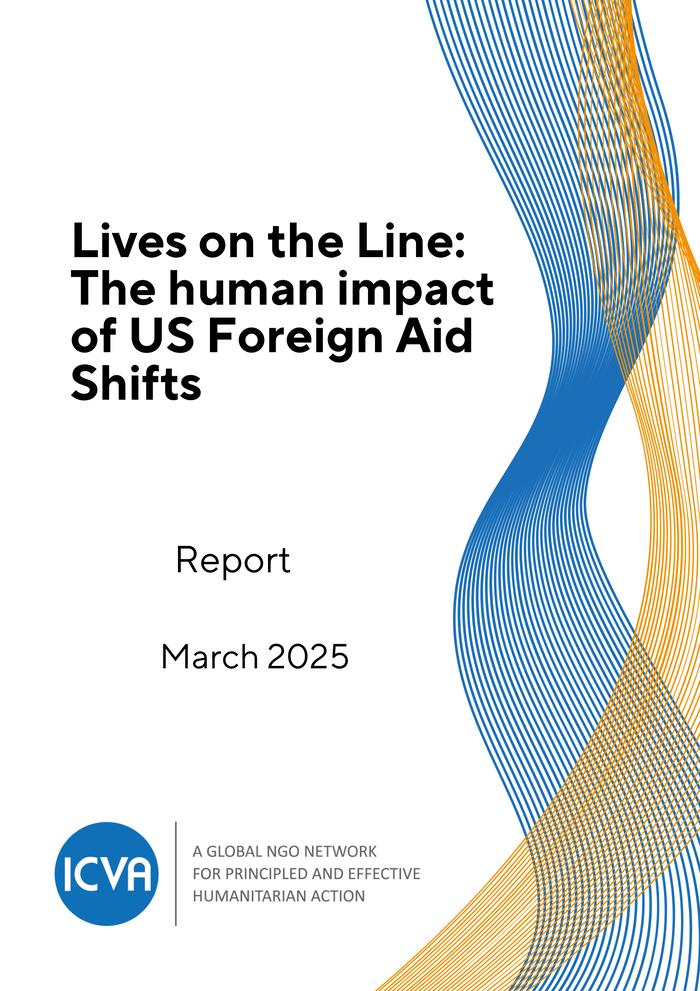
The recent shift in U.S. foreign aid policy has led to significant declines in humanitarian assistance, triggering widespread aid suspensions and service closures across critical sectors like healthcare and food distribution. Vulnerable populations, including LGBTIQ+ individuals and refugees, face increased risks and disruptions to essential services. NGOs report financial crises due to frozen funding, leading to layoffs and potential organizational collapse, particularly among local entities reliant on project-based funding. The reduced humanitarian funding landscape complicates the situation, while the risks of rushed reforms lack input from affected communities.
Health
Lives on the Line: The human impact of US Foreign Aid Shifts - World
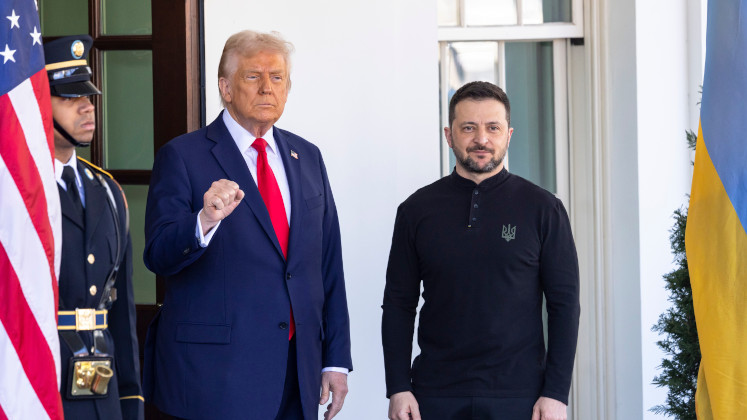
Volodymyr Zelenskyy’s meeting with Donald Trump and JD Vance on February 28 marked a notable shift in U.S. support for Ukraine. Zelenskyy had employed a "we-referencing language" strategy to foster a shared identity with allies since Russia's invasion, using collective pronouns significantly more than individual ones. However, the meeting revealed a change, as Trump and Vance primarily used confrontational "you" language, indicating a power imbalance and highlighting divisions. This linguistic contrast underscores the challenges Zelenskyy faces in maintaining international solidarity amidst shifting geopolitical dynamics.
Russian Federation, Ukraine
How Zelenskyy’s language strategy hit a wall in Trump’s White House