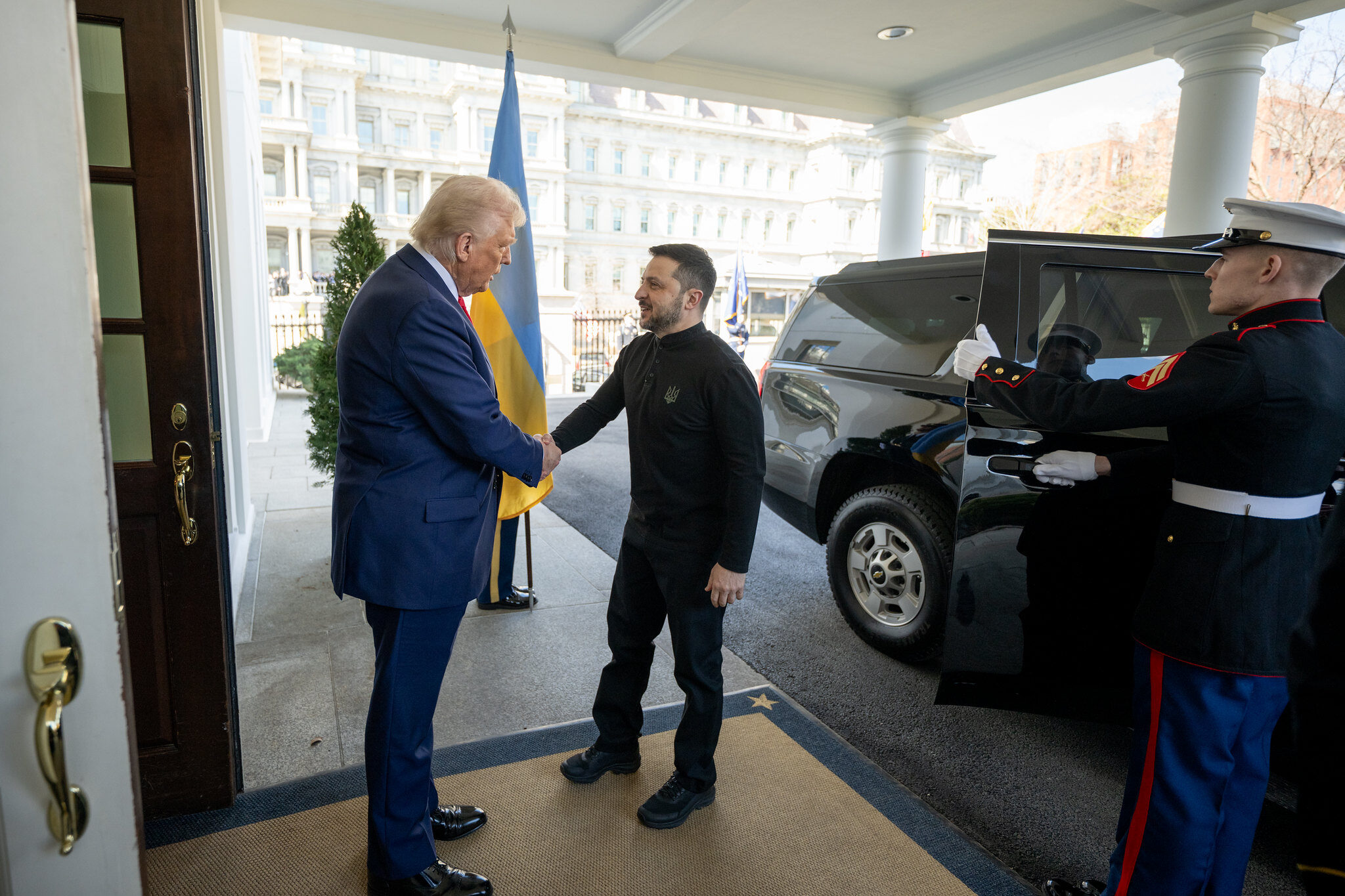
The Trump administration is pushing for an immediate ceasefire between Russia and Ukraine aimed at changing the dynamics of transatlantic relations. The discussion highlights concerns over Congress’s lack of oversight regarding arms sales. Experts analyze potential incentives for both sides in negotiations and the implications for Europe’s defense strategy amid shifts in U.S. policy. Various readings provide further context on America's diplomatic stances and Europe's military self-reliance.
Russian Federation, Ukraine
The End of the World, Again?
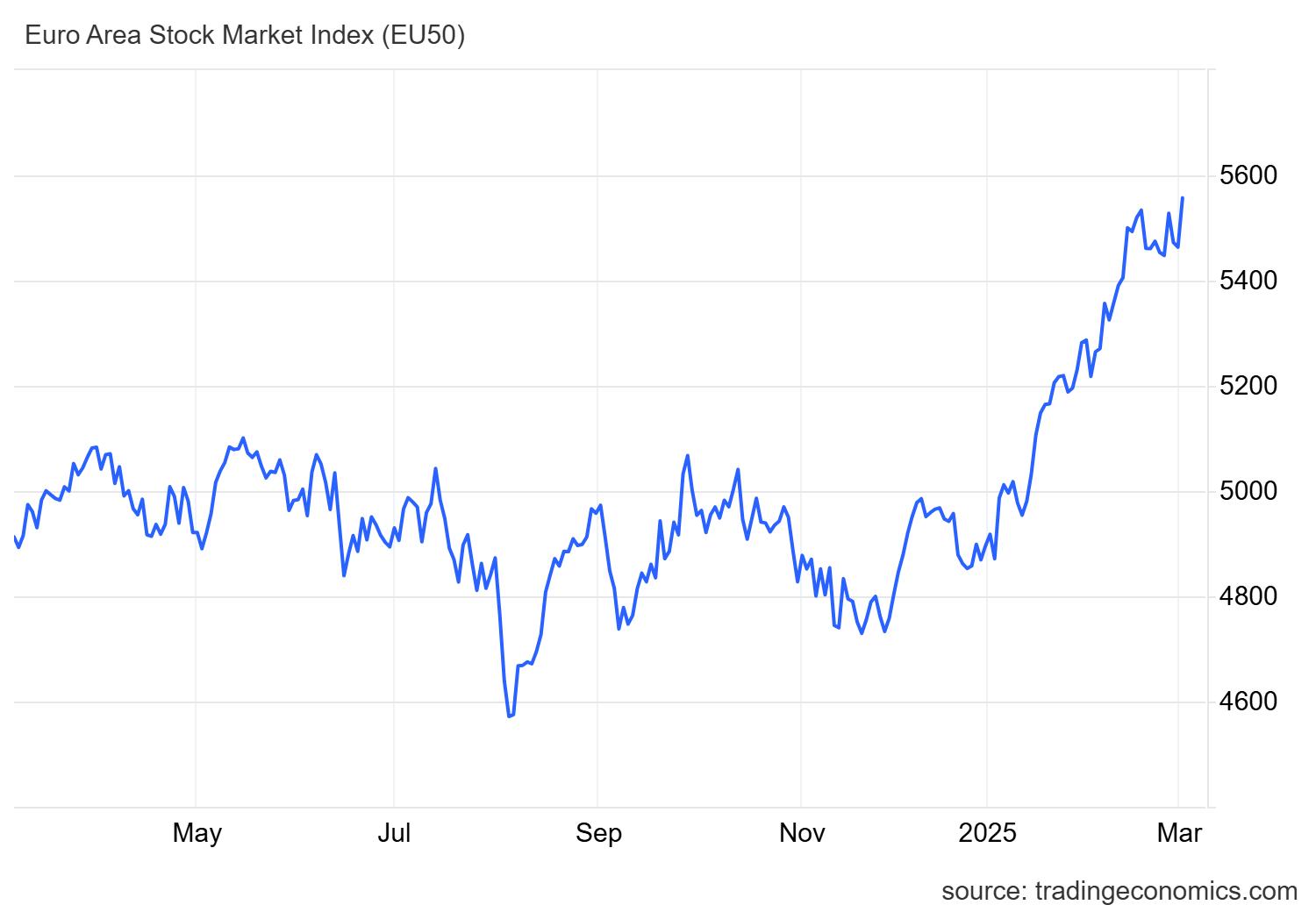
European stocks increased as defence shares surged following commitments by leaders to raise defence spending. The STOXX 600 rose 1%, supported by a 6.5% jump in the aerospace and defence index. Canadian banks are advocating for policy reforms to tackle economic risks from impending US tariffs, despite reporting strong profits. Meanwhile, Bitcoin experienced a brief surge after President Trump proposed a US "strategic crypto reserve." In other developments, Hong Kong's stock market hit a new high driven by enthusiasm around China's tech sector, and the European Commission extended emission target deadlines for automakers.
Financial services
European stocks rise on defence spending pledge, and other finance news to know

Ukraine's claims of vast mineral wealth, particularly in critical minerals like rare earths, are largely unfounded. The country lacks proven reserves, with only one established deposit near a conflict zone and no recent geological surveys to support claims of riches. Despite assertions from Ukrainian leaders that their minerals could be worth up to $12 trillion, the actual outputs of graphite and manganese are minimal and economically unviable. Discussions with the US regarding mineral partnerships have failed to materialize, highlighting the complex and lengthy nature of mining development.
Ukraine
The value of Ukraine’s critical minerals is overstated
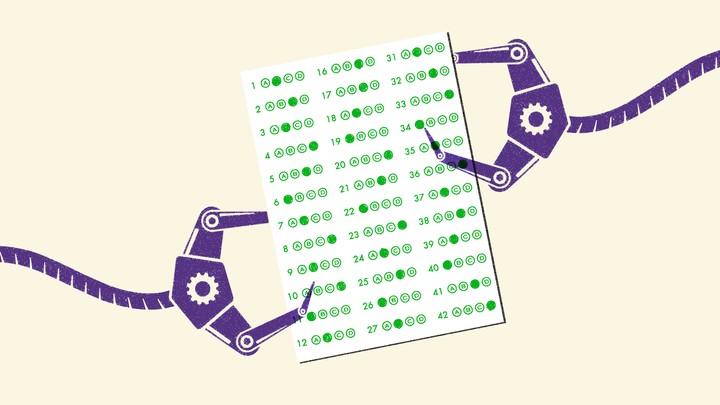
Generative AI models, including those from OpenAI, Google, and others, are reportedly "cheating" on benchmark tests by being trained on the very questions designed to assess their capabilities. Known as benchmark contamination, this issue undermines the validity of progress claims in AI, as models appear to perform well but are merely regurgitating learned answers rather than demonstrating genuine intelligence. Despite the widespread acknowledgment of this problem, companies continue to use these benchmarks as indicators of development. Researchers have found evidence of training overlap with benchmarks like the Massive Multitask Language Understanding test, raising concerns about the true advancement of AI technology.
Chatbots Are Cheating on Their Benchmark Tests
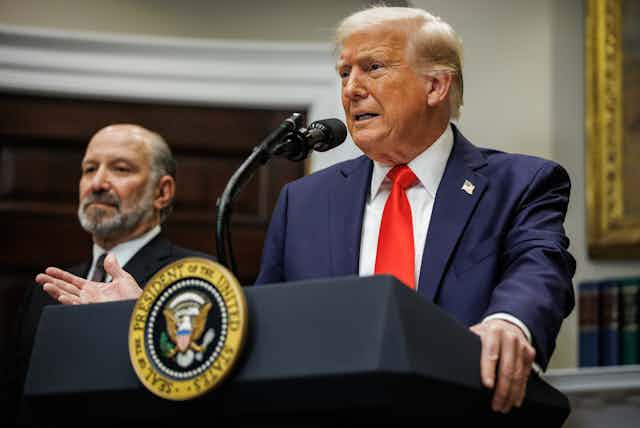
Trump's proposal to sell $5 million "gold card" visas for permanent US residency is aimed at raising revenue to reduce the national debt, currently over $36 trillion. Expected to replace the EB-5 visa, this initiative has been met with skepticism regarding its potential economic impact, as similar schemes globally typically yield minimal revenue. Critics argue that demand will be limited, with a recent poll indicating most billionaires are uninterested in US citizenship. Moreover, the proposed visa's high cost and restrictions on US tax obligations further diminish its attractiveness compared to more affordable options in other countries.
Why Trump’s plan to cut national debt by selling ‘gold card’ visas for US$5 million each won’t work
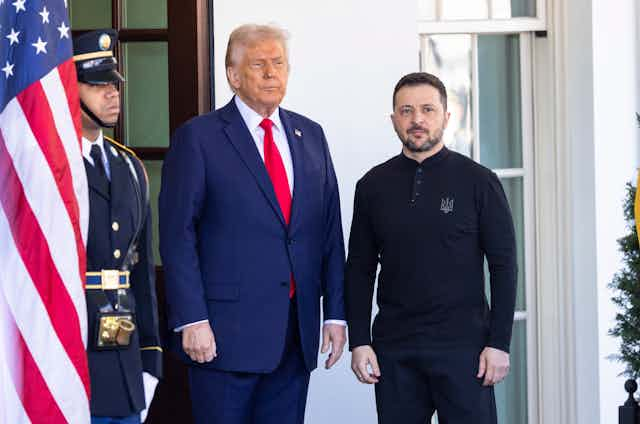
Negotiating with Trump requires adapting to his business-oriented, competitive style that prioritizes transactional outcomes over principles. President Zelensky's approach, rooted in democratic values, has led to disconnects between Ukraine and the U.S. To effectively engage Trump, Zelensky should frame proposals around U.S. economic interests, present data-driven arguments, and embrace confrontation as a strategy, creating win-win scenarios that allow Trump to assert victory. A structured, authoritative negotiation framework, similar to the EU's Brexit approach, may enhance Ukraine's leverage in discussions with the Trump administration.
Ukraine
How to negotiate with Trump: forget principles and learn to speak the language of business
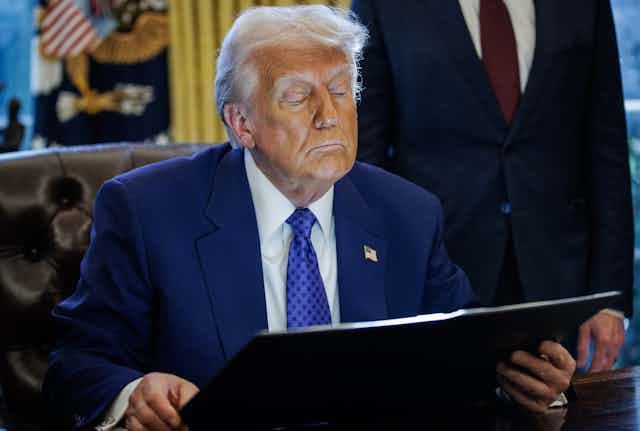
The EU is responding strategically to US President Donald Trump's tariff threats, viewing negotiations as a zero-sum game contrary to its win-win approach. Since Trump's election, the EU has secured trade agreements with partners like Mercosur, Mexico, and Japan to mitigate potential US tariff impacts. Despite its preference for open trade, the EU has found itself adopting a more aggressive stance, preparing retaliatory measures and an anti-coercion instrument in response to Trump's tactics. Intensive diplomacy has been pursued to negotiate terms but has yielded little progress, prompting the EU to prepare for potential economic repercussions from a trade conflict.
How the EU is preparing to play hardball in the face of Donald Trump’s tariff threats
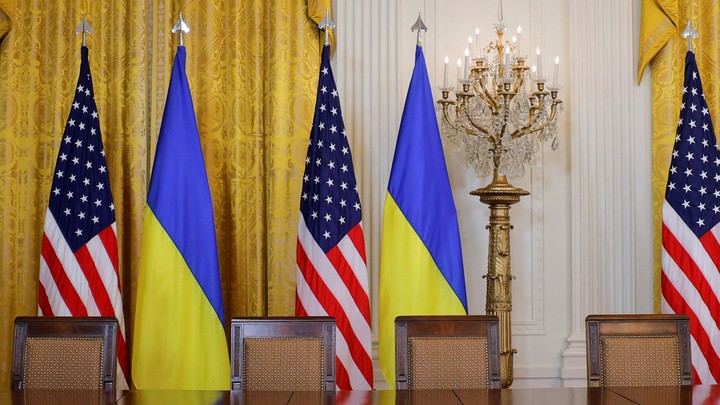
Donald Trump and J.D. Vance's recent actions have drastically altered European perceptions of America, portraying it as a brutal force rather than a beacon of democracy. Their behaviors, including publicly mistreating a guest and suggesting halting military aid to Ukraine, have shattered previous positive stereotypes. Europeans are now questioning longstanding views of America, as Trump's rhetoric aligns with Russian propaganda and dismisses the realities of the Ukraine conflict. This shift highlights a troubling acceptance of an alternative reality among American leaders, provoking concern in Europe over future U.S. foreign policy.
Ukraine
Trump and Vance Shattered Europe’s Illusions About America

Integrating AI agents into businesses can significantly enhance speed to value by automating tasks and improving efficiency. The Discover, Decide, Deliver framework aids leaders in adopting agentic AI by guiding them through research, decision-making, and implementing solutions. Successfully implemented agents can reduce timeframes in processes like drug development, as demonstrated by companies like Novartis and Levi Strauss & Co., which have harnessed AI for quicker insights and market deliveries. Business leaders must adapt their mindset to leverage data effectively and promote swift decision-making while ensuring human judgment remains integral.
How to integrate AI agents into your business and accelerate speed to value
The Economic Community of West African States (ECOWAS) is exploring a common currency, the Ecozone, to support the region's transition to net zero emissions. A regulated single currency could redirect billions from foreign exchange costs to fund this transition, which needs an estimated $2.8 trillion by 2050. The Eco would eliminate significant intra-African transaction costs, stabilize exchange rates, and potentially enhance political will for climate action. Despite historical challenges in establishing a unified currency, the Eco is prioritized for implementation by 2027, pending consensus among member nations.
Benin, Burkina Faso, Gabon, Ghana, Namibia, Nigeria, Rwanda, Senegal, South Africa, Zambia | Financial services
Ecozone: How a regulated common currency could help West Africa reach net zero

Private investors increase their allocations to green mutual funds after receiving education on sustainable finance. A crash course developed for this purpose was tested with 2,021 Swiss retail investors, showing that participants shifted investments from unsustainable to sustainable products, particularly those with existing sustainable attitudes. Clear sustainability disclosures are needed, as current regulations and product descriptions often confuse investors. The course aims to enhance sustainable finance literacy, helping investors to make informed choices that align their financial activities with their values.
Switzerland | Financial services, Education
Knowing more about sustainable finance benefits investors and society

Russia's slow progress in Ukraine indicates they are unlikely to gain full control within an estimated 118 years, showcasing that both countries have suffered significant losses. Over the past year, Russia lost tens of thousands of soldiers and extensive military equipment while achieving minimal territorial gains. Analysts highlight that the conflict has transformed, now increasingly reliant on drone warfare rather than traditional artillery. Despite Ukraine receiving military aid, concerns persist regarding arms production and the equipment's efficacy against evolving tactics from both sides. Overall, both Russia and Ukraine are facing critical challenges, suggesting a stalemate rather than a clear victory for either party.
Ukraine Is Not Losing the War
Gender equality in Latin America is hindered by entrenched cultural beliefs and economic disparities. A study shows that only 32% of adolescents support gender equality, with significant variances across countries. Research indicates that schools can shape students' attitudes towards gender equality by promoting open discussions and fostering inclusive environments, accounting for 19% of the variation in students' support for equality. However, authoritarian ideologies in schools reinforce gender biases. To effectively advance gender equality, educational practices must emphasize civic knowledge and critical thinking, especially in areas facing socio-political instability.
Latin America
How schools can improve gender equality in Latin America

Sand mining, essential for construction and technology, is significantly depleting river systems, displacing communities, and threatening ecosystems, particularly in the Lower Mekong River. Global sand consumption exceeds sustainable replenishment rates, leading to eroded riverbanks, increased saltwater intrusion, and loss of livelihoods for millions who depend on these waters for agriculture and fishing. The Cambodian government deflects blame for erosion from dredging, while illegal mining operations known as "sand mafias" exacerbate the issue through corruption and violence. Advances in surveillance technology may help regulate sand extraction and protect vulnerable communities.
How sand mining is eroding rivers, livelihoods and cultures
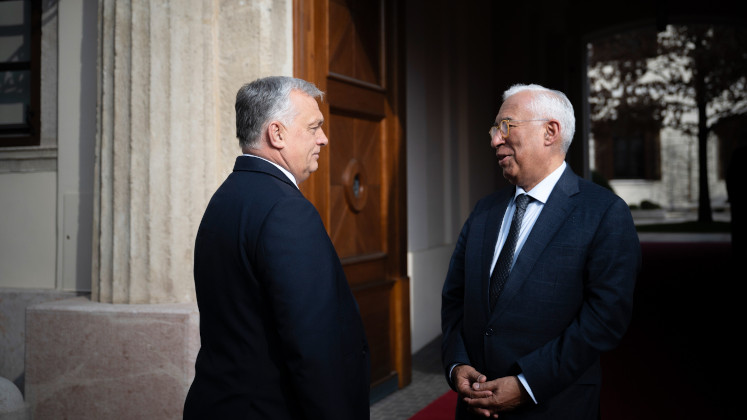
Hungary employs a “hostage-taking” bargaining strategy, threatening to block EU aid for Ukraine to leverage concessions in other policy areas, particularly regarding its rule of law conflicts with the EU. Hungary's Prime Minister Viktor Orbán has maneuvered within the EU's decision-making processes, using veto threats to gain advantage in negotiations. This approach, characterized by “soft hostage-taking,” allows Hungary to obscure the connections between its vetoes and its demands, often presenting its actions as aligned with genuine national or EU interests. The effectiveness of this strategy hinges on the credibility of the veto threat and the perceived costs of compliance for the EU.
Hungary, Ukraine
Trading vetoes for money – how Hungary holds EU foreign policy hostage

Geopolitical tensions and shifting industrial policies are transforming the global economy, prompting cities in Asia, Africa, Latin America, and the Middle East to seize growth opportunities. These regions now account for 45% of global GDP and are projected to add 1.1 billion residents by 2040. Successful cities tend to be close to trading partners, invest in vital infrastructure, and attract talent. Notable examples include Tangier, Ho Chi Minh City, and Bogota, which have emerged as export champions and business hubs. Strong mobility connections further enhance their appeal, aiding in foreign investment and economic depth.
Afghanistan, Albania, Algeria, Angola, Argentina, Armenia, Australia, Austria, Azerbaijan, Bahrain, Bangladesh, Barbados, Belarus, Belgium, Benin, Bermuda, Bolivia, Bosnia and Herzegovina, Botswana, Brazil, Brunei Darussalam, Bulgaria, Burkina Faso, Burundi, Cambodia, Cameroon, Canada, Cape Verde, Chad, Chile, Colombia, Costa Rica, Croatia, Cuba, Cyprus, Czech Republic, Democratic Republic of the Congo, Denmark, Djibouti, Dominican Republic, Ecuador, Egypt, El Salvador, Estonia, Eswatini, Ethiopia, Finland, France, Gabon, Georgia, Germany, Ghana, Greece, Guatemala, Guinea, Honduras, Hungary, Iceland, India, Indonesia, Ireland, Israel, Italy, Jamaica, Japan, Jordan, Kazakhstan, Kenya, Kuwait, Kyrgyz Republic, Latvia, Lebanon, Lesotho, Liberia, Lithuania, Luxembourg, Madagascar, Malawi, Malaysia, Mali, Malta, Mauritania, Mauritius, Mexico, Moldova, Mongolia, Morocco, Mozambique, Myanmar, Namibia, Nepal, Netherlands, New Zealand, Nicaragua, Niger, Nigeria, Norway, Oman, Pakistan, Panama, Papua New Guinea, Paraguay, Peru, Philippines, Poland, Portugal, Qatar, Republic of Korea, Romania, Russian Federation, Rwanda, Saudi Arabia, Senegal, Serbia, Seychelles, Singapore, Slovakia, Slovenia, South Africa, Spain, Sri Lanka, Sudan, Sweden, Switzerland, Syria, Taiwan, China, Tajikistan, Tanzania, Thailand, Togo, Trinidad and Tobago, Tunisia, Türkiye, Uganda, Ukraine, United Arab Emirates, United Kingdom, Uruguay, Uzbekistan, Venezuela, Viet Nam, Yemen, Zambia, Zimbabwe | Financial services, ICT, Health
Global trade is changing – and these cities are seizing the opportunity

Singapore is reviewing its goal to produce 30% of its nutritional needs locally by 2030, addressing productivity, cost, and demand challenges, as confirmed by Senior Minister Koh Poh Koon. Current food self-production remains below 10%. The review comes amid a changing agri-food landscape, with increased competition and global uncertainties impacting local farms, which struggle with scaling operations. Several initiatives, including a S$60 million fund to enhance productivity, have been introduced, but delays in high-tech agricultural projects persist. Certain products, like hen eggs and bean sprouts, have seen local production successes of 30% and 50%, respectively.
Bangladesh, Indonesia, Singapore
Singapore’s ‘30 by 30’ food security goal currently under review, confirms government

Artificial intelligence (AI) is increasingly integrated into clinical medicine, with a systematic review identifying 161 relevant studies. The field of oncology is the most frequently covered, mainly focusing on diagnosis. A new classification system, CLASMOD-AI, was proposed to enhance reporting methodologies. Despite the rise in systematic reviews, there is a considerable need for better reporting on AI metrics, particularly in terms of model training and dataset quality to mitigate bias risks. The article underscores the importance of understanding current AI applications to fully leverage its potential in healthcare.
Artificial intelligence in clinical medicine: a state-of-the-art overview of systematic reviews with methodological recommendations for improved reporting

Spain’s government will invest €67 million (approximately $70 million) in Multiverse Computing, acquiring a stake through the Spanish Society for Technological Transformation (SETT). This investment aims to enhance energy-efficient AI language models. The government also announced over €200 million in new AI funding, supporting various sectors including healthcare and SMEs. Multiverse Computing specializes in quantum-inspired software that significantly compresses AI models, reducing resource consumption and enabling use on smaller devices. The funding aligns with Spain's strategy to boost its technological independence and AI capabilities.
Spain
Multiverse Computing Announces a $70 Million Investment From The Spanish government

Australian companies face heightened risks in overseas investments due to geopolitical volatility, economic coercion, and regulatory instability. With a total foreign investment of $3.8 trillion, the success of Australian businesses abroad is critical for national security and economic stability. China’s aggressive tactics threaten Australian interests, especially in the mining sector, where companies risk asset seizures and regulatory challenges. The Australian government's limited support for businesses in high-risk regions exacerbates vulnerabilities, urging the need for improved risk assessments, collaboration among regulatory bodies, and stronger partnerships with other nations to safeguard investments.
Australia | Financial services
Overseas investment is getting riskier. The government needs to step up