
New U.S. tariffs on agricultural imports from Canada and Mexico are expected to significantly disrupt agrifood trade patterns in the Western Hemisphere. A 25% tariff could reduce U.S. agrifood imports from Mexico by 46.4% and from Canada by 60.5%, while increasing bilateral trade between Canada and Mexico by 33%. These changes may open opportunities for other countries to expand exports, but they will not fully compensate for losses in the U.S. market. The interconnected nature of trade within North America and with Latin America indicates that these tariffs will have broader repercussions throughout the hemisphere.
Argentina, Canada, Guatemala, Mexico
Impact of proposed U.S. tariffs on agricultural trade flows in the Western Hemisphere

Managing expectations and securing buy-in from newsroom leadership are crucial for effective integration of artificial intelligence (AI) tools in journalism. Research conducted at the Associated Press (AP) and the BBC highlights that AI's potential relies on tailoring tools to newsrooms' specific needs and ensuring human oversight for accuracy. The AP initiative observed significant shifts in engagement with AI post-ChatGPT release, demonstrating heightened interest as newsrooms explored AI's transformative possibilities while addressing information overload challenges faced by audiences.
AI in the newsroom: What researchers learned from the AP and the BBC
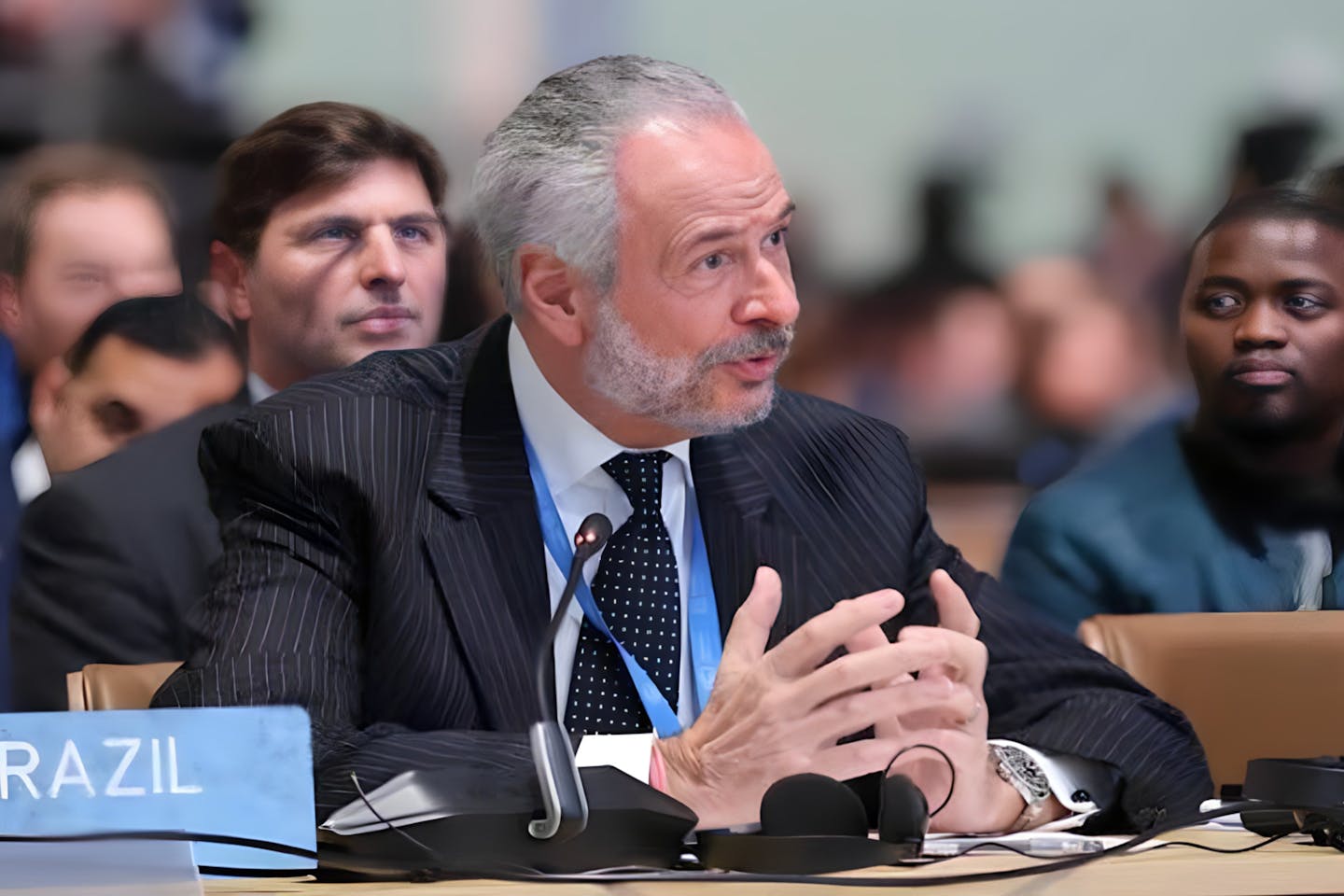
China and India are crucial to global climate action, according to COP30 president André Aranha Corrêa do Lago. With the U.S. retreating from climate leadership, more responsibility falls on these nations. China is a leader in solar technology, significantly lowering costs for renewable energy globally, while India's growing economy, despite poverty levels, holds potential for significant contributions to climate efforts. Both countries have yet to submit their climate action plans under the Paris Agreement, but their leadership is deemed essential, especially as developed nations face challenges in climate finance.
India, Nigeria | Financial services
China and India central to climate action: COP30 president

Ireland's higher education system requires urgent decolonisation due to its colonial legacy, which has marginalized Irish culture and perspectives in favor of English and American intellectual frameworks. Grassroots movements like “Why Is My Curriculum White?” and initiatives at Trinity College Dublin advocate for increased representation of the Irish language and a reexamination of Eurocentric curricula. Efforts to decolonise must move beyond superficial changes by integrating the diverse voices of all communities in Ireland and addressing the complexities of Irish identity. An authentic education system can emerge by confronting colonial histories and fostering inclusive practices.
Education
Decolonising Ireland’s education system remains vital despite the country’s wealth and privilege

A bill to ban first-cousin marriage in the UK is set for discussion, motivated by public health concerns related to higher incidences of genetic illnesses in children of such unions. A study in Bradford showed that while first-cousin marriages correlate with increased learning and health issues, most children from these marriages are healthy. Ethical concerns arise, as restricting marriage for public health could be seen as eugenic. Alternatives to address health issues should focus on supporting communities rather than enforcing bans on marriages within them.
Banning first cousin marriage would be eugenic and ineffective – expert view
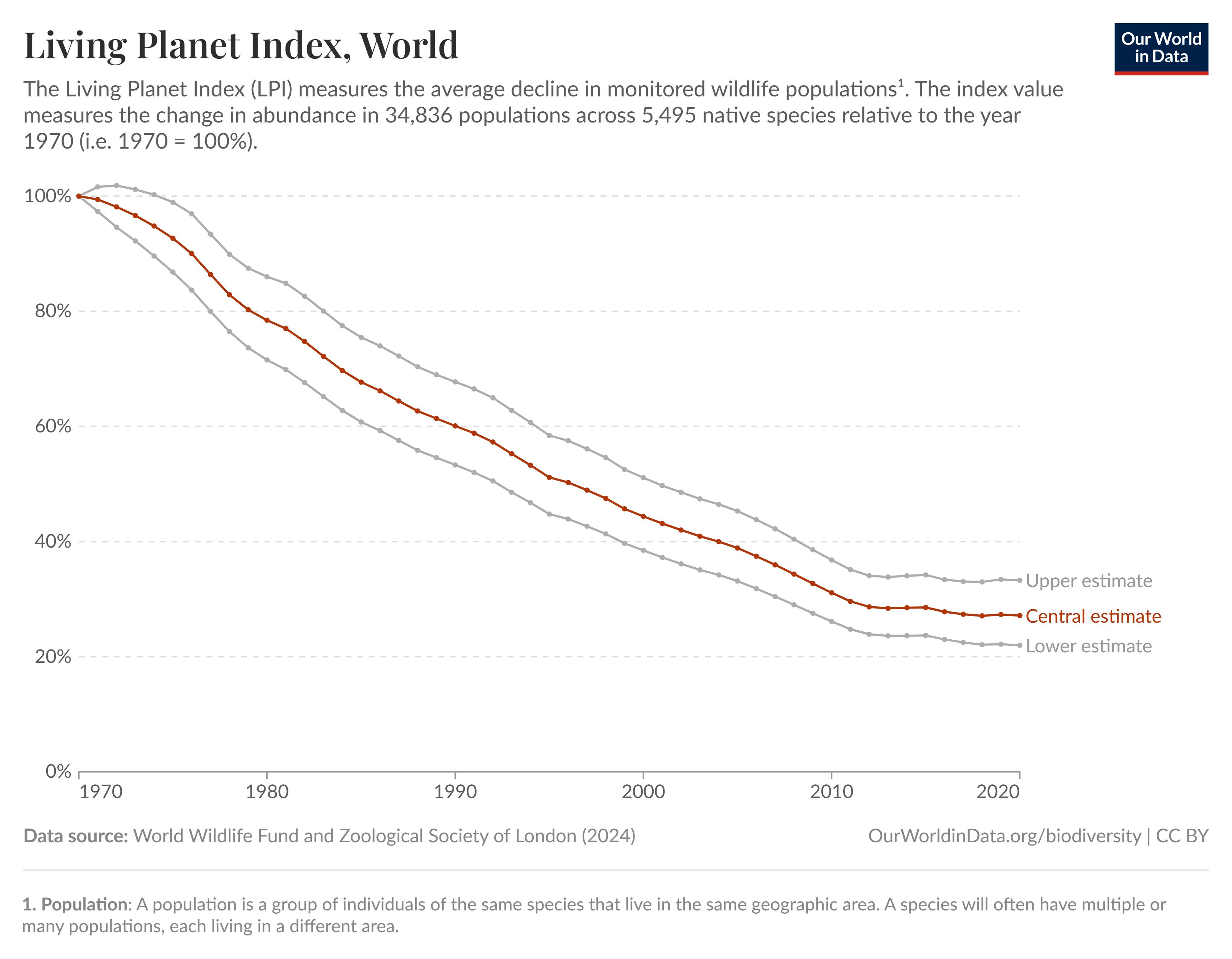
Funding for global biodiversity has been secured with a $200 billion deal at COP16, aimed at reversing wildlife decline. Marine heatwaves are inflicting significant ecological and economic damage, with a dramatic increase in heatwave days noted. The Atlantic Meridional Overturning Circulation is currently stable against collapse despite looming climate threats. Other significant developments include wildfires in Japan and Ukraine's greenhouse gas emissions rising due to conflict, alongside UK initiatives to support biodiversity through beaver reintroduction and a new climate justice degree at the University of Sussex.
Nigeria | Health
Funding deal secured to reverse wildlife decline, and other nature and climate stories you need to read this week

The risk of AI weapons escalating unchecked is significant. Flawed AI reasoning, exemplified by algorithms producing erroneous conclusions and biased outcomes, poses grave dangers. Google’s decision to end its ban on AI weapon development raises concerns, especially given past controversies involving military contracts. Factors such as the “confidence trap,” the alien logic of AI, and corporate accountability issues exacerbate the risks. Despite potential catastrophic consequences of AI misuse, the normalization of errors in warfare may numb societal responses. Advocates argue for a comprehensive ban on AI weapon development, drawing parallels to successful global actions against CFCs.
How the risk of AI weapons could spiral out of control

A grand coalition between CDU/CSU and SPD is the most likely outcome of Germany's election, with significant implications for the EU. Expert analysis highlights potential disagreements over EU social and defense policies that could hinder collaboration. The coalition's foreign policy positions diverge, particularly regarding military support for Ukraine and defense spending. While SPD supports internal redistribution at the EU level, CDU/CSU favor a national focus. This anticipated coalition suggests continuity in Germany’s cautious approach to deeper EU integration, raising questions about its future role in Brussels.
Germany
What Germany’s election result means for the EU
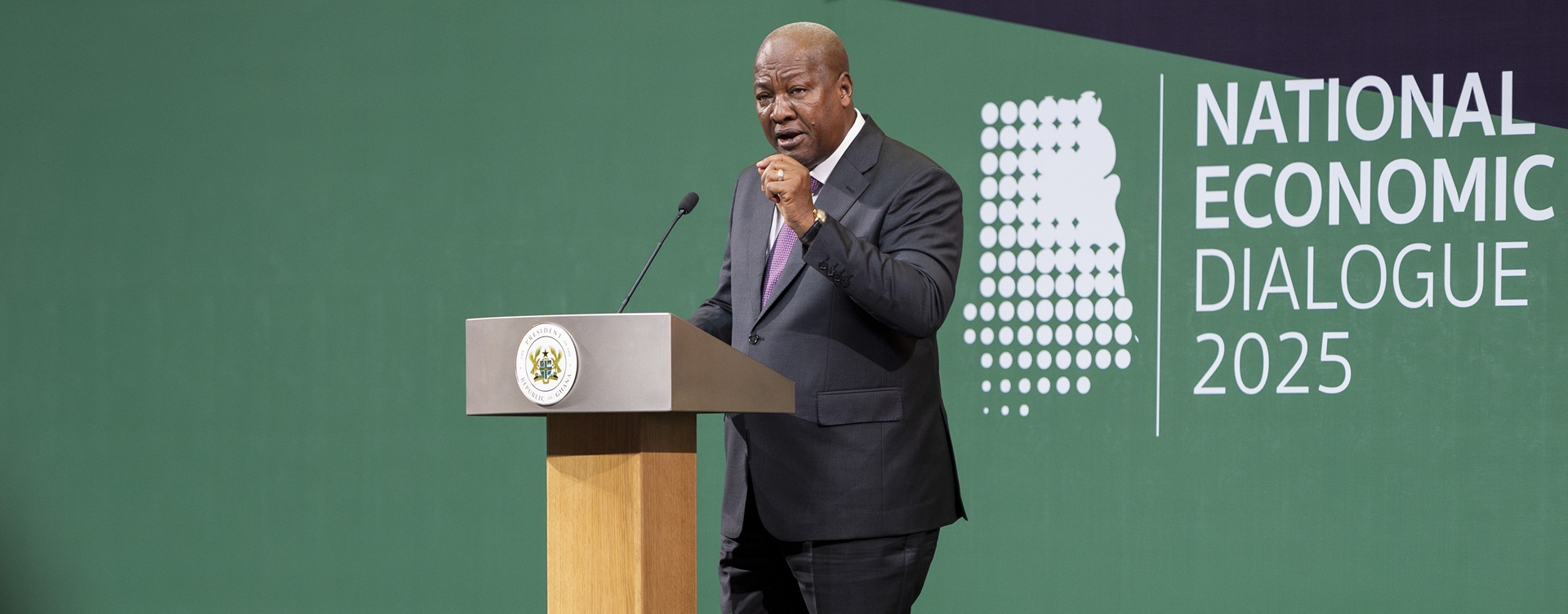
Ghana's recent economic dialogue aims to transition from a Guggisberg economy towards achieving President Mahama’s vision of a 24-hour economy, focusing on long-term resilience and transformative growth. Despite being West Africa's second largest economy with significant GDP growth, Ghana remains vulnerable due to limited economic diversification, dependence on traditional exports like cocoa and gold, and a weak manufacturing sector. Economic growth has been volatile and influenced by external factors, leading to high public debt, inflation, and reliance on International Monetary Fund interventions for stability. A strategic shift is essential for sustainable economic development.
Bangladesh, Barbados, Benin, Botswana, Burkina Faso, Egypt, Ethiopia, Gabon, Georgia, Ghana, Greece, Guinea, Jamaica, Kenya, Lesotho, Nigeria, Paraguay, Senegal, South Africa, Tanzania, Uganda, Zambia, Zimbabwe | Financial services
Resetting Ghana’s economy
Governments must modernize their communication structures to effectively engage citizens in the increasingly complex digital information environment. This shift is essential to mitigate the impact of foreign information manipulation and interference (FIMI), which undermines democracy by thriving on a lack of reliable information from host nations. While existing efforts address aspects of the information ecosystem, insufficient focus has been placed on improving how governments communicate domestically. Prioritizing ethical and effective communication strengthens national resilience and upholds democratic principles in the face of adversarial threats.
Financial services, ICT, Health, Education
The National Security Imperative for the Modernization of Government Communication Structures | Shorenstein Center
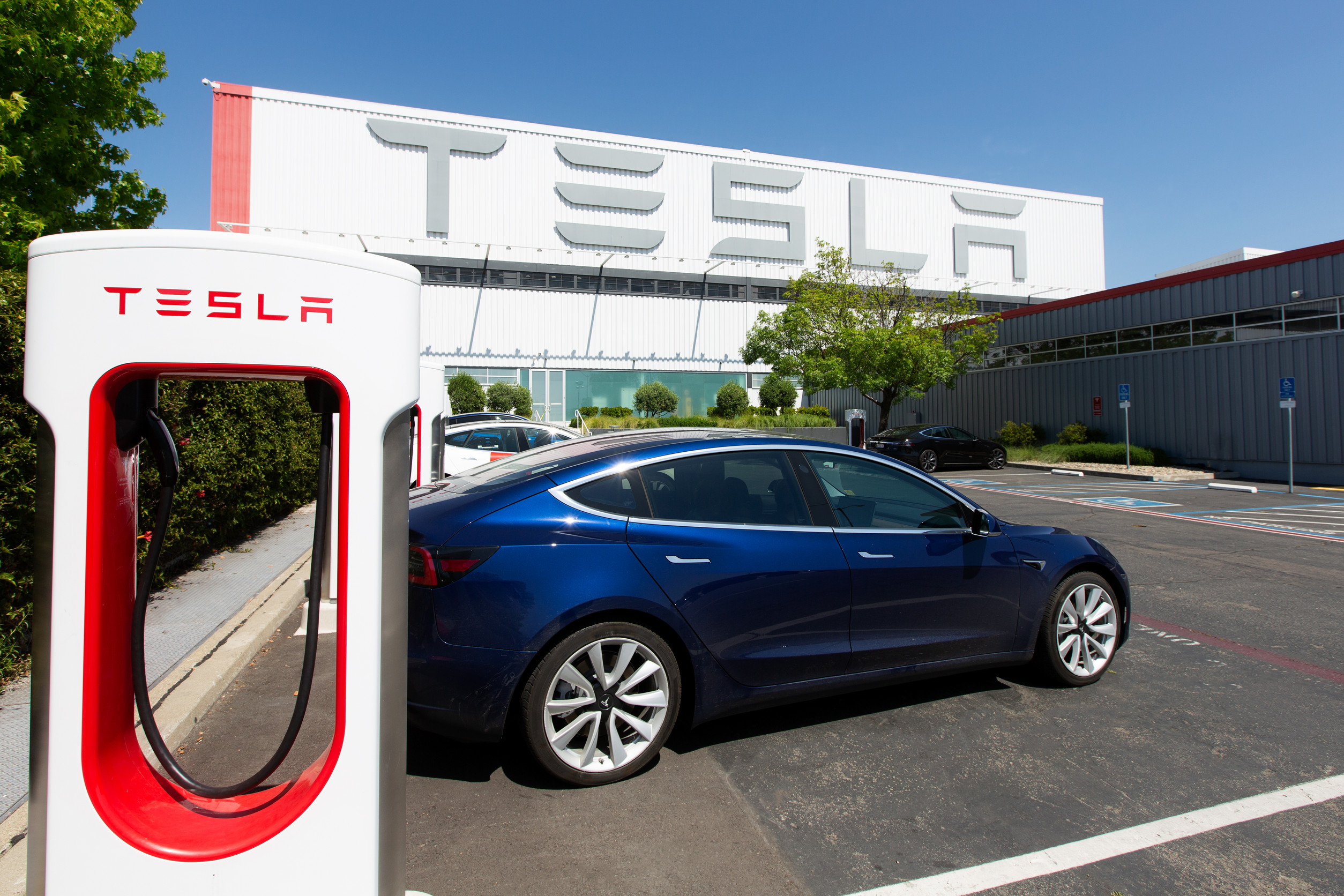
Tesla's electric vehicle sales in China plunged by 49.2% in February year-over-year, highlighting the company's struggle against increasing local competition, particularly from BYD, which saw a 161.4% rise in sales. The downturn is compounded by ongoing trade tensions between the U.S. and China, influencing the automotive sector's dynamics. These challenges have led to fluctuations in Tesla's stock, prompting analysts to issue a "Hold" recommendation amid cautious investor sentiment.
Tesla’s China Sales Down 49% Amidst Rising Local Competition, Trade War

Agentic AI represents a shift towards autonomous systems capable of independently defining and pursuing goals, distinguishing it from traditional AI, which relies on human oversight. This technology has potential applications across various fields, such as healthcare and finance, enhancing decision-making and problem-solving capabilities. In behavioural science, agentic AI can automate and personalize interventions, adapt strategies based on user responses, and enable scalable research methodologies. However, the integration of this technology requires careful governance to manage ethical and privacy concerns as it becomes increasingly influential in decision-making processes.
How agentic AI can be applied to behavioural science

Asia and the Pacific require approximately $43 trillion from 2020 to 2035 to enhance and maintain transport infrastructure, averaging about $2.7 trillion annually. Investment needs have tripled since 2000, with significant focus needed on road networks, which will account for 63% of total investments. The infrastructure gap poses risks such as increased traffic congestion, economic losses, and safety issues. Urban rail investment is projected to rise significantly, while maintenance funding remains critically underfunded, representing about 24% of total expenditures. Despite efforts, by 2035, Asia's transport infrastructure per capita is expected to remain 70% lower than in wealthier nations.
Burkina Faso, Cambodia, Estonia, Georgia, Germany, Ghana, Hungary, Indonesia, Japan, Luxembourg, New Zealand, Poland, Republic of Korea, Singapore, Sweden, Taiwan, China, Thailand | Financial services, Health
Building a $43 Trillion Bridge Across Asia’s Infrastructure Gap
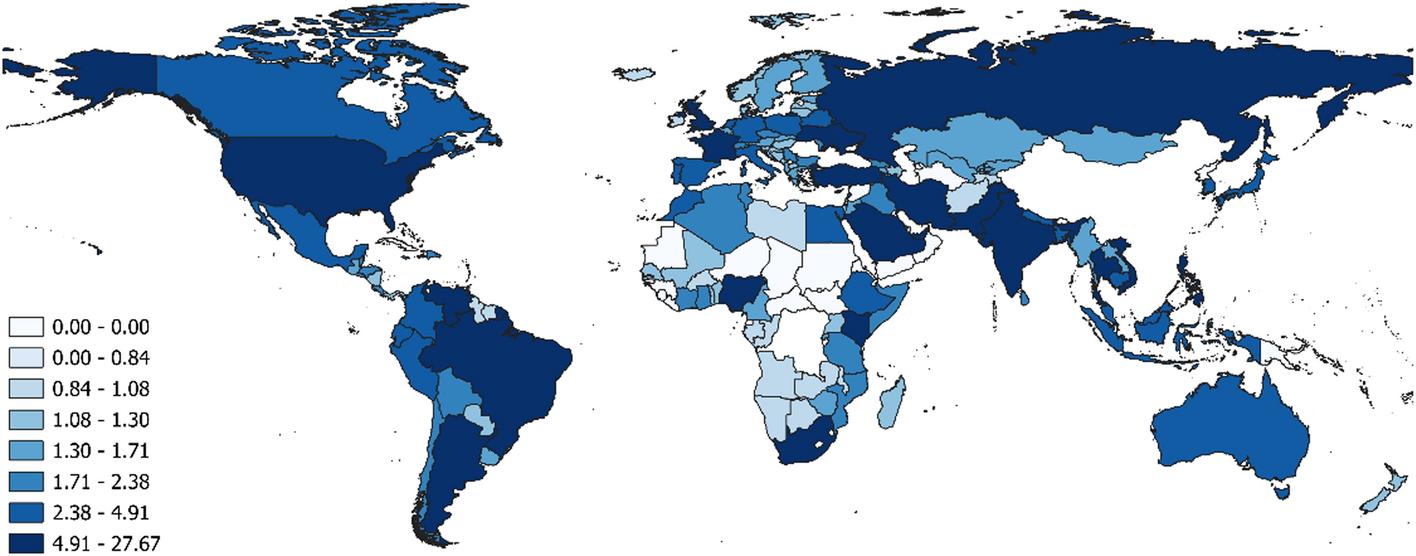
Cryptocurrency adoption is rapidly increasing, driven by pricing dynamics and economic instability, particularly in countries with unbanked populations and high inflation. This study employs Generalized Linear Models and Spatial Autoregressive Models to analyze global adoption patterns, revealing that factors such as infrastructure availability and spatial dynamics significantly impact adoption rates. Countries with limited access to traditional financial systems experience higher cryptocurrency adoption. The research emphasizes the evolving perception of cryptocurrencies as alternatives to conventional banking, with notable growth observed in nations like El Salvador, China, Lebanon, and Nigeria.
Austria, Azerbaijan, Bahrain, Barbados, Benin, Bolivia, Burkina Faso, Cambodia, Chad, Cyprus, Egypt, El Salvador, Gabon, Georgia, Ghana, Hungary, Ireland, Jamaica, Jordan, Kazakhstan, Luxembourg, Malaysia, Malta, Moldova, Morocco, Russian Federation, Singapore, Taiwan, China, Thailand, Tunisia, Ukraine, Zambia, Zimbabwe | Financial services
Global surge: exploring cryptocurrency adoption with evidence from spatial models

Natural capital includes vital natural assets like forests, rivers, and biodiversity essential for sustainable development and economic growth. In the Asia-Pacific region, these ecosystems support multiple sectors but are often undervalued in traditional economic models, leading to environmental degradation. The People, Planet, Prosperity (3Ps) project promotes incorporating natural capital valuations into policymaking among 16 pilot countries. Strategies to improve integration include utilizing advanced data tools, early collaboration with financial agencies, capacity building, and fostering global partnerships. Effective implementation requires sustained investment in data infrastructure and institutional reforms to embed natural capital considerations in decision-making processes.
Financial services
Integrating Natural Capital into Sustainable Development and Investment

Women entrepreneurs are confident and proactive in their business ambitions, with 96% believing in their capacity for growth. However, they face significant barriers, mainly a lack of access to formal financing; nearly 27% report inadequate funding. Challenges include high interest rates, small loan sizes, and limited support networks. Implementing women-centered design for financial services can address these issues, providing tailored solutions that enhance accessibility and profitability. Such an approach not only empowers women entrepreneurs but could also contribute an estimated $6 trillion to the global economy.
Education, Financial services
Women Entrepreneurs Are Confident and Capable - So Why Are Systems Holding Them Back?
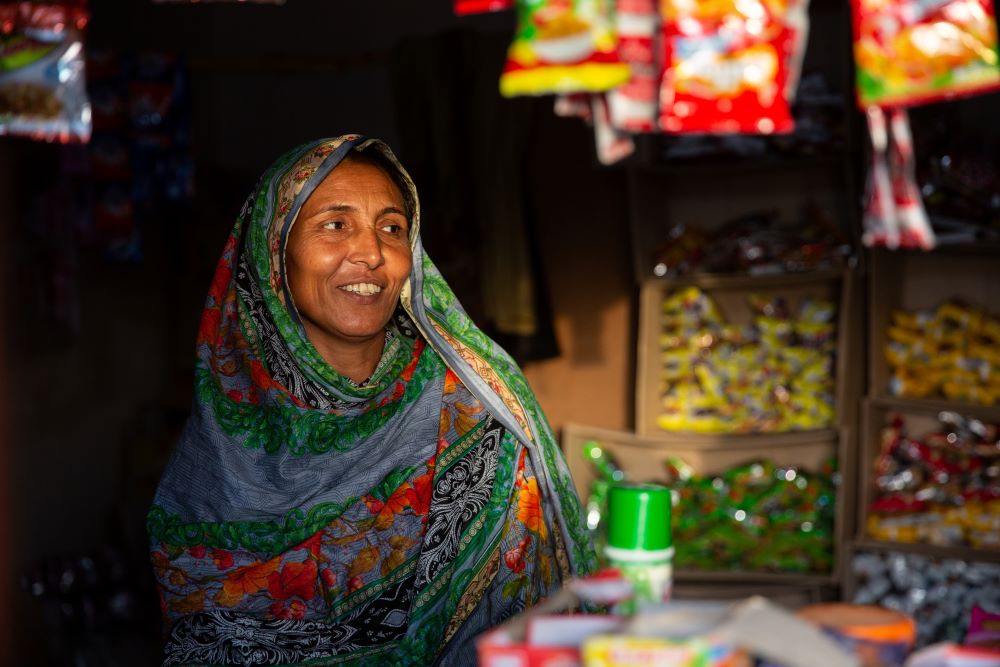
Progress has been made in women's financial inclusion, but challenges persist. Key areas of focus include women-centered product design, credit access for women entrepreneurs, and savings groups addressing gender inequality. Recent research shows that financial literacy training can enhance women's financial inclusion and resilience. The guide offers a selection of knowledge resources aimed at empowering women financially. It includes publications on measuring women's economic empowerment, advancing gender equality in finance, and effective policy solutions. The importance of addressing systemic barriers to create a more inclusive financial ecosystem remains critical.
Financial services, Education
Women's Financial Inclusion: A Guide to Knowledge Resources IWD 2025

China faces an increasing risk of an unprecedented prolonged recession, with deflation projected to continue into 2024, marking the longest economic price decline since the 1960s. Contributing factors include a collapsing property sector, deteriorating public confidence due to demographic challenges, and substantial debt. High investment rates have undercut domestic consumption, exacerbated by government policies that limit mobility and weaken social security for workers. Xi Jinping's government has doubled down on state control, stifling private sector growth and reducing foreign investment. A rapidly aging population and rising household savings further complicate the scenario, hindering economic recovery efforts.
Taiwan, China | Financial services
China is on course for a prolonged recession

AI enhances human collective intelligence, significantly transforming disaster response, healthcare, environmental protection, and media. By processing vast datasets, AI systems generate valuable insights, improving decision-making and response times. In disaster scenarios, AI analyzes satellite data to optimize resource allocation. In healthcare, it assists in diagnosis and surgical precision. Meanwhile, AI aids in fact-checking media and simulating policy impacts for governments. The collaboration between humans and AI presents vast possibilities, requiring responsible and ethical integration to address global challenges and promote inclusivity. Together, they can create a more equitable and sustainable future.
AI could supercharge human collective intelligence in everything from disaster relief to medical research

The World Economic Forum Annual Meeting 2025 in Davos highlighted the vital role of religion and spirituality in creating an inclusive and sustainable future. Key moments included Pope Francis's message on AI and intergenerational solidarity, emphasizing ethical technological guidance. A multi-faith dinner fostered dialogue among leaders, focusing on trust as crucial for social change. Additionally, immersive virtual meditation sessions integrated technology with ancient practices to inspire collective action for the environment. The event underscored the importance of values-driven leadership and collaboration among diverse stakeholders to address global challenges.
How Davos 2025 uncovered three big moments for religion, spirituality and values