
Key trends shaping the energy world in 2025 include rising energy investment reaching over $1.5 trillion, yet growth rates are declining. The new Trump administration's trade tariffs could negatively impact global GDP and oil demand. The ongoing geopolitical tensions, particularly regarding Ukraine and the Middle East, threaten commodity prices and trade. Capital allocation decisions are crucial as companies balance investments between fossil fuels and low carbon energy. Despite the increasing share of low carbon investments, significant growth is needed to meet climate goals. OPEC+ faces challenges in maintaining high oil prices amid resilient non-OPEC supply.
Afghanistan, Canada, Egypt, Ghana, India, Kenya, Moldova, Netherlands, Nigeria, Norway, Poland, Russian Federation, Saudi Arabia, Uganda, Ukraine, United Arab Emirates, United Kingdom, Venezuela | Financial services
5 trends shaping the energy world in 2025

The EcoHub project, funded by the German Federal Ministry of Education and Research, aims to streamline the collection and processing of sustainability data for manufacturing companies. Developed by researchers at Fraunhofer IPA in collaboration with various industry partners, the service-oriented platform centralizes sustainability data management, enhancing data accessibility and security. It facilitates the preparation of environmental reports, enabling businesses to identify material waste and improve energy efficiency through clear, actionable insights. The platform's prototype is complete and in use, with plans for wider implementation and a demo version.
Austria, Denmark, Egypt, Estonia, Ethiopia, Finland, Germany, Ghana, Hungary, Ireland, Luxembourg, Netherlands, Poland, Senegal, Sweden, Switzerland, Tanzania, Tunisia, United Arab Emirates, United Kingdom | Education
IT Platform Collects Sustainability Data

AI's transformative potential is underutilized, focusing too narrowly on generative AI conveniences rather than addressing global challenges. To unlock AI's capabilities, equitable access and collaboration are essential. The World Economic Forum's AI Governance Alliance promotes responsible AI usage to avoid a widening digital divide. Effective system transformation in sectors like healthcare requires empowering workers with AI, enhancing efficiency without displacement. The path forward involves embracing AI’s potential, democratizing access, and building public confidence in its application to overcome critical barriers and improve societal outcomes.
ICT, Education
How can we take AI to the edge of possibility?
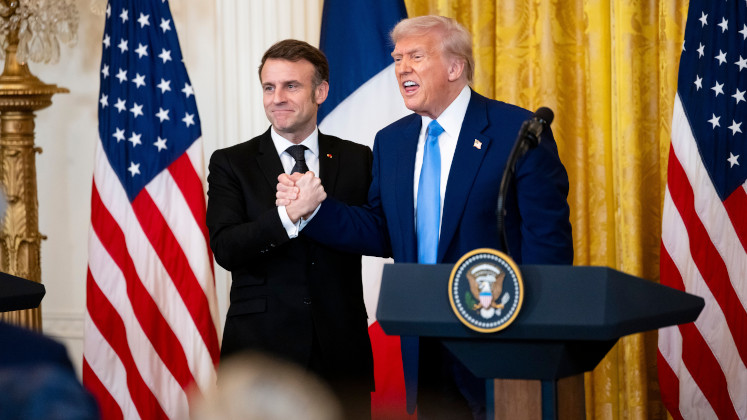
Donald Trump's pivot to Russia has disrupted the concept of a unified "West," as his administration prioritizes direct dealings with Moscow over European interests. This shift prompts the need for Europe to establish an independent security system, potentially funded by frozen Russian assets, to enhance its military capability and self-defense. The uncertainty surrounding US commitments could lead Europe to increase defense spending or restructure financial mechanisms, creating a more autonomous approach to security. Ultimately, the evolving geopolitical landscape may compel Europe to redefine its role and responsibilities in global affairs.
Russian Federation
We no longer have a “West”, but do we have a “Europe”?

Jeff Bezos's recent directive for the Washington Post restricts its opinion section to support personal liberties and free markets, sparking backlash among journalists and subscribers. This move led to resignations and a reported loss of 75,000 digital subscribers. Critics, including former Post reporters Woodward and Bernstein, argue it undermines the paper's historical commitment to independent journalism. Additionally, Bezos's refusal to endorse a presidential candidate for the first time in decades led to a loss of 250,000 subscriptions. Despite these challenges, the Post continues to produce significant investigative journalism, recently winning three Pulitzer prizes.
How Jeff Bezos brought the Washington Post’s global reputation into question

The Amplifying African Voices (AAV) dialogue series in 2025 focused on China's evolving engagement with African countries, particularly concerning debt challenges and investment models beyond traditional lending. The discussion highlighted negative capital outflows from Africa to China and concerns over declining international support. Key trends identified included increased selectivity in flagship projects, emphasis on strategic small-scale FDI, and collaboration with multilateral agencies. Additionally, there was a call for new engagement modes involving emerging actors in development finance, with the potential for innovative financing instruments like panda bonds. Five research themes emerged to enhance regional connectivity and investment effectiveness in Africa.
Africa | Financial services
China-Africa Relations: Debt and Investment: Are there new models for engagement?

AI-driven supply chains present manufacturers with opportunities to enhance resilience and efficiency in response to disruptions. The transformation involves a three-stage approach: 

1. **Digitalization** - Transitioning from manual to cloud-based systems for real-time data visibility and operational control.
2. **Adaptability** - Integrating AI technologies like machine learning to forecast challenges and optimize resources.
3. **Autonomy** - Achieving systems that operate with minimal human intervention, enhancing efficiency and allowing human focus on strategic tasks.

Organizations must overcome challenges like data quality, organizational readiness, and regulatory compliance to successfully adopt AI in supply chains.
Education
Harnessing AI technology to build autonomous supply chains

The United States plans to boost oil and gas production after President Donald Trump declared a national energy emergency and aimed to reduce industry regulations. Despite being the top global producer of crude oil and liquefied natural gas, rising energy prices and legal challenges from environmental groups could limit drilling. Chevron's President Jeff Gustavson indicated that while increased production is vital for meeting rising energy demands, meaningful policy changes require Congressional support to streamline permitting processes. Chevron is committed to enhancing energy security while adhering to environmental standards to facilitate a transition to a lower carbon future.
The US enters its 'drill, baby, drill' era. Here’s what a top energy leader has to say
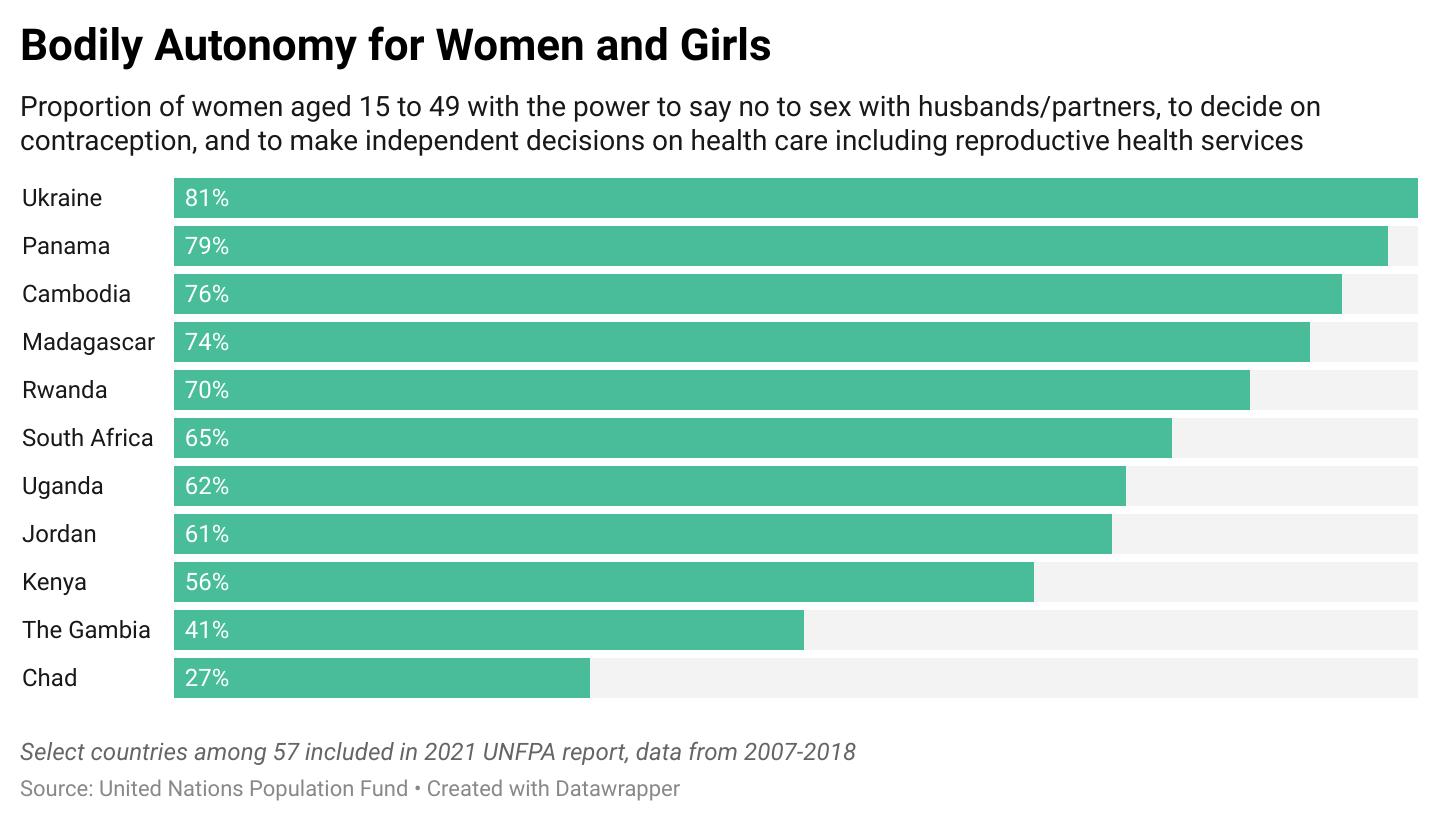
Roughly half of all women globally lack bodily autonomy, facing barriers like harmful stereotypes and restrictive laws related to reproductive rights. A UNFPA report highlights that in 57 surveyed countries, women's ability to make independent decisions on sex, contraception, and healthcare varies significantly. Denying access to abortion has widespread negative impacts on women's lives, influencing education and mental health. While some countries have made progress in liberalizing abortion laws, challenges remain, including high rates of child marriage and female genital mutilation. Achieving gender equality correlates with economic growth, emphasizing the importance of women's rights for societal advancements.
What is women's ‘bodily autonomy’ and why does it matter for everyone?

The Middle East is experiencing the fastest growth in digital payments globally, driven by a young, tech-savvy population and significant government investment. Real-time payments, projected to rise from $675 million in 2022 to $2.6 billion by 2027, are transforming the banking industry and enhancing financial inclusion. High smartphone penetration and a surge in e-commerce, accelerated by the pandemic, further support this trend. Government investments in digital infrastructure, including 5G networks and improved internet speeds, are also facilitating the rapid adoption of digital payment solutions in the region.
Bahrain, Brunei Darussalam, Egypt, Jordan, Saudi Arabia, United Arab Emirates, Yemen | Financial services, Health, ICT
What's behind the Middle East's boom in digital payments?

AI is underappreciated in its ability to enhance sustainability, particularly in areas such as agriculture, water management, industry, urban planning, and biodiversity conservation. It plays a crucial role in climate monitoring and prediction, with AI algorithms assessing deforestation and environmental changes with high accuracy. In sustainable urban planning, AI optimizes energy management, leading to significant reductions in energy costs and waste. AI also aids environmental monitoring, tracking wildlife and coral health, while improving recycling processes with advanced robotics. Scaling these AI applications globally can significantly reduce energy consumption and greenhouse gas emissions.
Why AI’s role in advancing sustainability is underestimated

Local and federal agencies are increasingly implementing AI systems to enhance decision-making, resource efficiency, and service delivery in areas like urban planning and public safety. Local governments, crucial for maintaining democratic values and community trust, face challenges in adopting participatory AI design methods. Such methods require robust frameworks and higher implementation standards in the public sector than in the private sector. A workshop aims to examine new practices in participatory algorithm design, focusing on community engagement in the development and deployment of public sector algorithms.
Education
Emerging Practices in Participatory AI Design in Public Sector Innovation

Emissions embedded in trade account for 23% of global greenhouse gas emissions, highlighting significant climate co-dependence among countries. Two main measurement approaches are used: production-based, focusing on emissions within a country, and consumption-based, which accounts for emissions linked to imported goods. The G20 countries represent 80% of these traded emissions, underscoring substantial opportunities for decarbonization. Current trade policies primarily address production-based emissions, with insufficient focus on consumption-based emissions, leading to risks of carbon leakage and competitiveness issues. Border carbon adjustments are emerging as a response to these challenges.
Bahrain, Barbados, Belgium, Bermuda, Bolivia, Bulgaria, Burkina Faso, Burundi, Cambodia, Cameroon, Canada, Denmark, Ecuador, Egypt, Estonia, Ethiopia, Gabon, Georgia, Germany, Ghana, Greece, Guatemala, Hungary, India, Indonesia, Ireland, Jamaica, Japan, Jordan, Kenya, Lebanon, Lesotho, Luxembourg, Madagascar, Malaysia, Mauritius, Morocco, Netherlands, Portugal, Russian Federation, Rwanda, Senegal, Singapore, Sweden, Taiwan, China, Tanzania, Thailand, Trinidad and Tobago, Tunisia, Uganda, United Arab Emirates, United Kingdom | Financial services
Emissions in trade: Where are they and how do we measure them?
Increasing complexities in political transitions across West and Central Africa have heightened security challenges and governance uncertainties. The United Nations Development Programme (UNDP) and the African Union Commission (AUC) have launched the Africa Facility to Support Inclusive Transitions (AFSIT) to aid countries during these transitions by addressing socio-economic drivers of instability and promoting sustainable development. The report outlines policy recommendations for Burkina Faso, Guinea, Gabon, Mali, and Niger, focusing on economic diversification, infrastructure, agriculture, education, social inclusion, governance, and regional security collaboration. Scenario-based analyses offer actionable pathways for achieving inclusive growth and long-term stability.
Afghanistan, Albania, Algeria, Angola, Armenia, Azerbaijan, Bahrain, Bangladesh, Barbados, Belgium, Benin, Bolivia, Bosnia and Herzegovina, Botswana, Brazil, Brunei Darussalam, Bulgaria, Burkina Faso, Burundi, Cambodia, Cameroon, Cape Verde, Chad, Chile, Colombia, Costa Rica, Croatia, Cyprus, Democratic Republic of the Congo, Denmark, Djibouti, Dominican Republic, Ecuador, Egypt, El Salvador, Estonia, Eswatini, Ethiopia, Finland, France, Gabon, Georgia, Germany, Ghana, Greece, Guatemala, Guinea, Honduras, Hungary, Iceland, Indonesia, Ireland, Israel, Jamaica, Japan, Jordan, Kazakhstan, Kenya, Kuwait, Kyrgyz Republic, Latvia, Lebanon, Lesotho, Liberia, Luxembourg, Madagascar, Malawi, Malaysia, Mali, Malta, Mauritania, Mauritius, Moldova, Mongolia, Morocco, Mozambique, Myanmar, Namibia, Netherlands, New Zealand, Nicaragua, Niger, Nigeria, Norway, Oman, Pakistan, Panama, Papua New Guinea, Paraguay, Peru, Philippines, Poland, Portugal, Qatar, Republic of Korea, Romania, Russian Federation, Rwanda, Saudi Arabia, Senegal, Serbia, Seychelles, Singapore, Slovakia, South Africa, Spain, Sudan, Sweden, Switzerland, Taiwan, China, Tajikistan, Tanzania, Thailand, Togo, Trinidad and Tobago, Tunisia, Uganda, Ukraine, United Arab Emirates, United Kingdom, Uruguay, Venezuela, Viet Nam, Yemen, Zambia, Zimbabwe | Financial services, Health, Education
Advancing Inclusive Development: Policy options for Burkina Faso, Guinea, Gabon, Mali and Niger

Strong government policies are essential for advancing Hong Kong's sustainability agenda and enhancing its role as a "super-connector" for green capital between China and the global market. Paul Chow, HKEX's chief sustainability officer, emphasized the need for stronger initiatives, similar to those in Singapore, which operates a carbon tax and a government-driven carbon credit market. Hong Kong's voluntary carbon market, Core Climate, lacks maturity and understanding, hindering growth. Improved government communication about carbon credits and potential links with China's carbon market could boost activity and better position Hong Kong in the sustainability landscape.
Barbados, Cambodia, Denmark, Ghana, Hungary, Indonesia, Luxembourg, Republic of Korea, Seychelles, Singapore, Taiwan, China | Financial services
Stronger government policies needed for Hong Kong's carbon marketplace to thrive: HKEX chief sustainability officer

Timor-Leste has significant potential for sustainable development, driven by its youthful population (median age 20.7 years), strategic geographical location, and abundant natural resources, particularly oil and gas. However, it faces considerable challenges, including high poverty rates (41.8%), food insecurity affecting over 62.5% of the population, an undiversified economy reliant on a depleting petroleum fund, and infrastructure deficits. To leverage opportunities, the government should improve public financial management, enhance regional economic integration, and promote investments in human capital and infrastructure development.
Albania, Algeria, Angola, Armenia, Australia, Austria, Azerbaijan, Bahrain, Bangladesh, Barbados, Belgium, Benin, Bolivia, Botswana, Brunei Darussalam, Burkina Faso, Burundi, Cambodia, Cameroon, Cape Verde, Chad, Chile, Democratic Republic of the Congo, Denmark, Dominican Republic, Ecuador, Egypt, El Salvador, Estonia, Eswatini, Ethiopia, Gabon, Georgia, Ghana, Greece, Guatemala, Guinea, Honduras, Hungary, Iceland, Indonesia, Israel, Jamaica, Jordan, Kazakhstan, Kenya, Latvia, Lebanon, Lesotho, Lithuania, Luxembourg, Madagascar, Malawi, Malaysia, Mali, Malta, Mauritania, Mauritius, Moldova, Morocco, Mozambique, Namibia, New Zealand, Nigeria, Norway, Panama, Papua New Guinea, Paraguay, Peru, Philippines, Portugal, Republic of Korea, Rwanda, Senegal, Serbia, Seychelles, Singapore, Slovakia, Slovenia, South Africa, Sweden, Taiwan, China, Tajikistan, Tanzania, Thailand, Trinidad and Tobago, Tunisia, Uganda, United Arab Emirates, Venezuela, Viet Nam, Yemen, Zambia, Zimbabwe
Harnessing Youth and Infrastructure for Timor-Leste’s Sustainable Future

Gender-inclusive entrepreneurship in South Asia faces significant barriers, with only 18% of firms owned by women compared to 34% globally. Financial limitations, social norms, and structural challenges hinder women's access to capital, business networks, and growth opportunities. A comprehensive solution involves creating an inclusive ecosystem, providing targeted financial services, and offering business development support. Engaging development partners, governments, and the private sector in multi-stakeholder partnerships can help address these issues and promote sustainable economic growth. Tailored approaches and resources aimed at overcoming gender biases are essential for empowering women entrepreneurs in the region.
Multi-Stakeholder Solutions Needed for Women Entrepreneurs in South Asia

The Singapore government is inviting consultants to propose frameworks for recognizing cross-border renewable energy certificates (RECs) to facilitate clean power deals in Southeast Asia. This initiative, with a tender closing on March 24, will involve a seven-month study aimed at aligning REC transactions with standards set by international bodies like RE100 and the Greenhouse Gas Protocol. Currently, cross-border RECs lack recognition, impacting corporate claims of renewable energy use. The study will engage various stakeholders, including tech companies and regulatory authorities, to create a credible framework that supports regional renewable energy investment and aligns with global standards.
Singapore
Singapore seeks experts to work on global framework for cross-border renewable energy certificates

Family firms have longer and more persistent export relationships compared to non-family firms, according to a study of 45,850 firms and 16,098 family firms. The research suggests that family firms benefit from socioemotional balancing and network mechanisms, allowing them to maintain stronger ties with foreign partners. This advantage is particularly evident in times of economic crises or when operating in culturally distant markets. These findings contribute a novel governance-related insight to the understanding of export-survival literature.
Are family firms’ export relationships more persistent?

US inflation surged to a four-decade high of 9.1% in 2022, significantly influencing the presidential election, with many voters prioritizing the economy. Since Trump took office, inflation has unexpectedly risen to 3%. Economic strategies like trade tariffs and tax cuts are predicted to exacerbate inflation rather than alleviate it. Tariffs on imports from countries like China and Canada are likely to increase consumer prices and may trigger retaliatory tariffs, leading to a trade war that benefits no one involved. Overall, evidence suggests that Trump's economic policies are unlikely to lower consumer prices effectively.
US inflation has increased since Trump took office – why prices are unlikely to come down soon