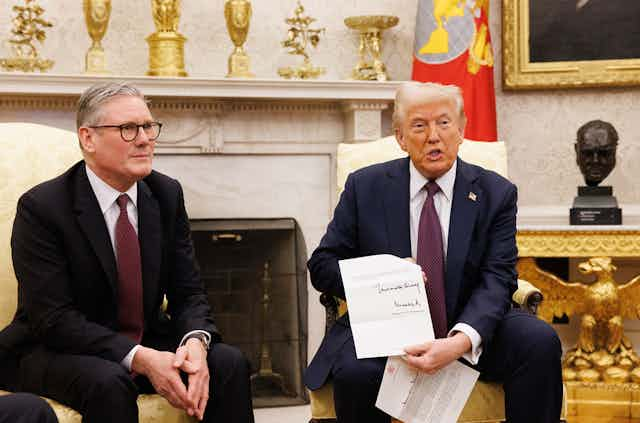
Keir Starmer became the second European leader to visit Donald Trump at the White House, following Emmanuel Macron. Starmer presented a letter from King Charles, nudging Trump toward accepting a state visit invitation. The British Embassy meticulously planned the meeting, with Starmer tactfully addressing Trump without direct confrontation. He announced an increase in UK defense spending, framing it as politically advantageous. Despite this, the US's alignment with adversarial nations raised concerns. Starmer's successful diplomatic balancing act reflected a significant shift in foreign policy dynamics, emphasizing the importance of royal diplomacy and preparation in negotiating with the Trump administration.
France, United Kingdom
Keir Starmer meets Donald Trump: assiduous planning results in deft diplomacy
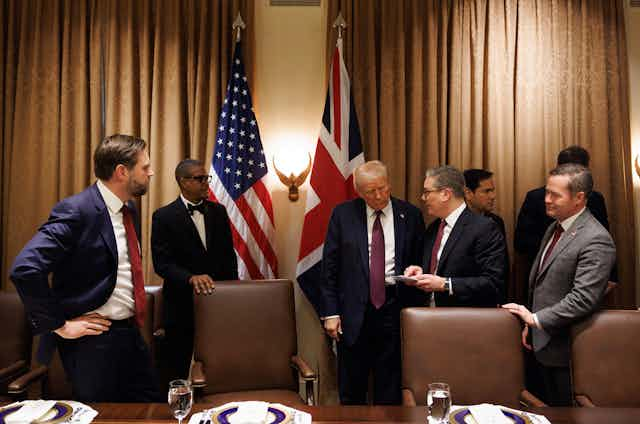
The UK's foreign policy under Prime Minister Keir Starmer embraces "progressive realism," a blend of idealism and pragmatism, emphasizing the rule of international law and national self-determination. During his visit to the White House, Starmer aimed to engage with President Trump without compromising Ukraine's interests, promoting the idea that supporting Ukraine aligns with a sustainable peace strategy. This approach seeks to balance the UK's national interests while advocating for global principles against authoritarian aggression, highlighting the importance of meaningful Ukrainian involvement in peace negotiations.
Ukraine, United Kingdom
Keir Starmer at the White House: what ‘progressive realism’ now means in relation to Ukraine and Donald Trump

Early Warning Systems (EWS) monitor and predict extreme weather events, providing crucial alerts to protect communities from natural disasters like floods and tsunamis. Advancements in AI, remote-sensing, and partnerships among governments, businesses, and communities are enhancing these systems. The UN's Early Warnings for All initiative aims to ensure that everyone receives adequate warnings by 2027. Despite progress, challenges remain, including funding gaps and the need for better collaboration. A World Economic Forum white paper emphasizes the importance of open data, business engagement, and public-private partnerships in improving EWS effectiveness.
Germany | Financial services, ICT
How do Early Warning Systems work – and how can we improve them?
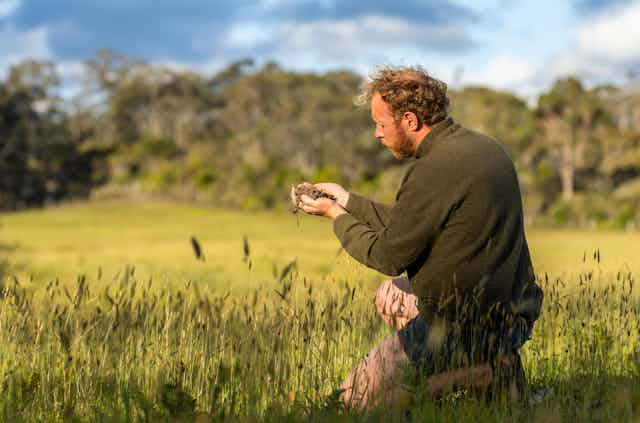
The UK's food system is facing multiple crises, including high living costs, health issues linked to diet, and declining farmer incomes, all exacerbated by environmentally harmful agricultural practices. Current inefficiencies allow retailers to dominate profits, often leaving farmers with minimal earnings. A proposed green new deal for agriculture aims to address these challenges by promoting a sustainable, equitable system that reduces reliance on livestock and enhances plant-based food production. This plan advocates for more equitable land ownership, increased agro-ecological farming, and improved incomes for farmers and agricultural workers through ecosystem service payments. It envisions a significant shift towards plant-based diets, ultimately benefiting public health and the environment.
The UK’s food system is broken. A green new deal for agriculture could be revolutionary
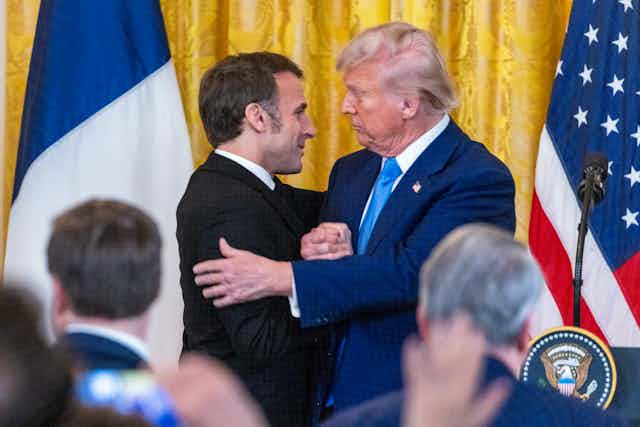
French President Emmanuel Macron employed exceptional diplomatic skills during his meeting with U.S. President Donald Trump in Washington, showcasing effective communication strategies, including fluent English and shared memories. Despite Macron’s mastery of diplomatic nuances, Trump’s unique approach to diplomacy, characterized by unpredictability and a focus on personal branding, posed challenges. Macron’s efforts aimed to articulate France’s strategic interests within the evolving geopolitical landscape, particularly regarding Ukraine. However, the efficacy of his traditional diplomatic methods faces hurdles in the face of Trump's unconventional style.
France
Emmanuel Macron used every diplomatic trick in the book at the White House – but Trump writes his own rules

Japan is developing regional startup ecosystems to counteract the migration of young people to Tokyo, which has seen consistent population growth. Initiatives include STATION Ai in Nagoya, the largest open innovation base, aiming to support startups in the manufacturing hub of Aichi Prefecture. Other regional efforts, such as Kobe's Innovation Community and Fukuoka's Startup City initiative, are also underway. These cities focus on attracting talent and fostering innovation through strategic support, collaborations, and enhancing business networks, despite facing challenges like labor shortages and declining birth rates.
Japan
How Japan is championing a regional startup economy
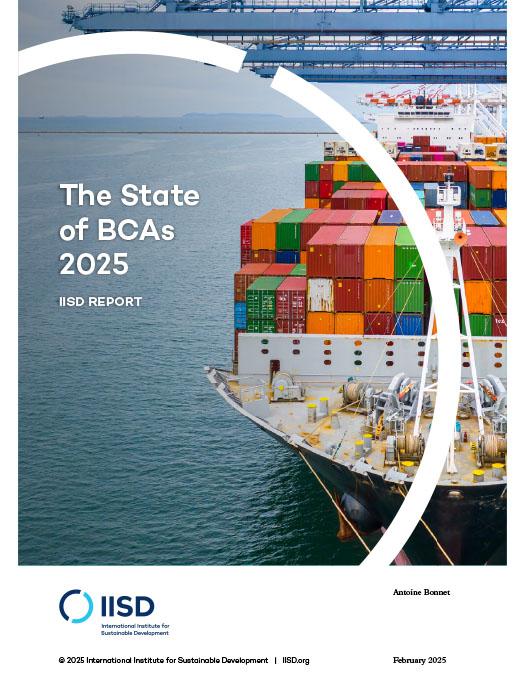
As countries strengthen climate policies, border carbon adjustments (BCAs) are being implemented to combat carbon leakage, with the EU and UK leading the way by launching their mechanisms in 2026 and 2027. Research shows that carbon leakage, which undermines emissions reductions, can offset 13% to 25% of efforts. The EU's CBAM applies carbon costs on key imports like steel and cement, while other nations, including Australia, Canada, and the US, are exploring similar strategies. Ongoing debates at the WTO focus on the trade impacts and fairness of BCAs as they reshape international climate and trade policies.
Bahrain, Barbados, Bolivia | Financial services
The State of BCAs 2025

Corporate registration for the Philippines' Green Energy Option Programme (GEOP) has surged by 120% since its 2021 launch, with 451 businesses now participating. However, only 18 renewable energy suppliers restrict customer intake. High requirements favor large firms while hindering smaller players, prompting calls for regulatory amendments. Proposed changes include sourcing replacement power from the wholesale electricity market and allowing "volume matching" for variable energy sources. Additionally, regional disparities exist, with most registrations concentrated in Luzon, highlighting the need for improved infrastructure and policy support to facilitate broader participation in the renewable energy sector.
Corporate demand for Philippine green energy programme more than doubles

States strategically employ international law to shape its evolution within a changing global system. The article examines the role and effects of international law—constraining, screening, and authorizing state behavior—and identifies modes through which states influence its development, including agreements, legal positions, state activities, adjudication, and scholarship. Additionally, it discusses broader dynamics and implications for the international legal order, advocating for negotiation theory to expand its focus beyond treaty-making processes.
Shaping the Evolution of International Law in View of its Core Effects
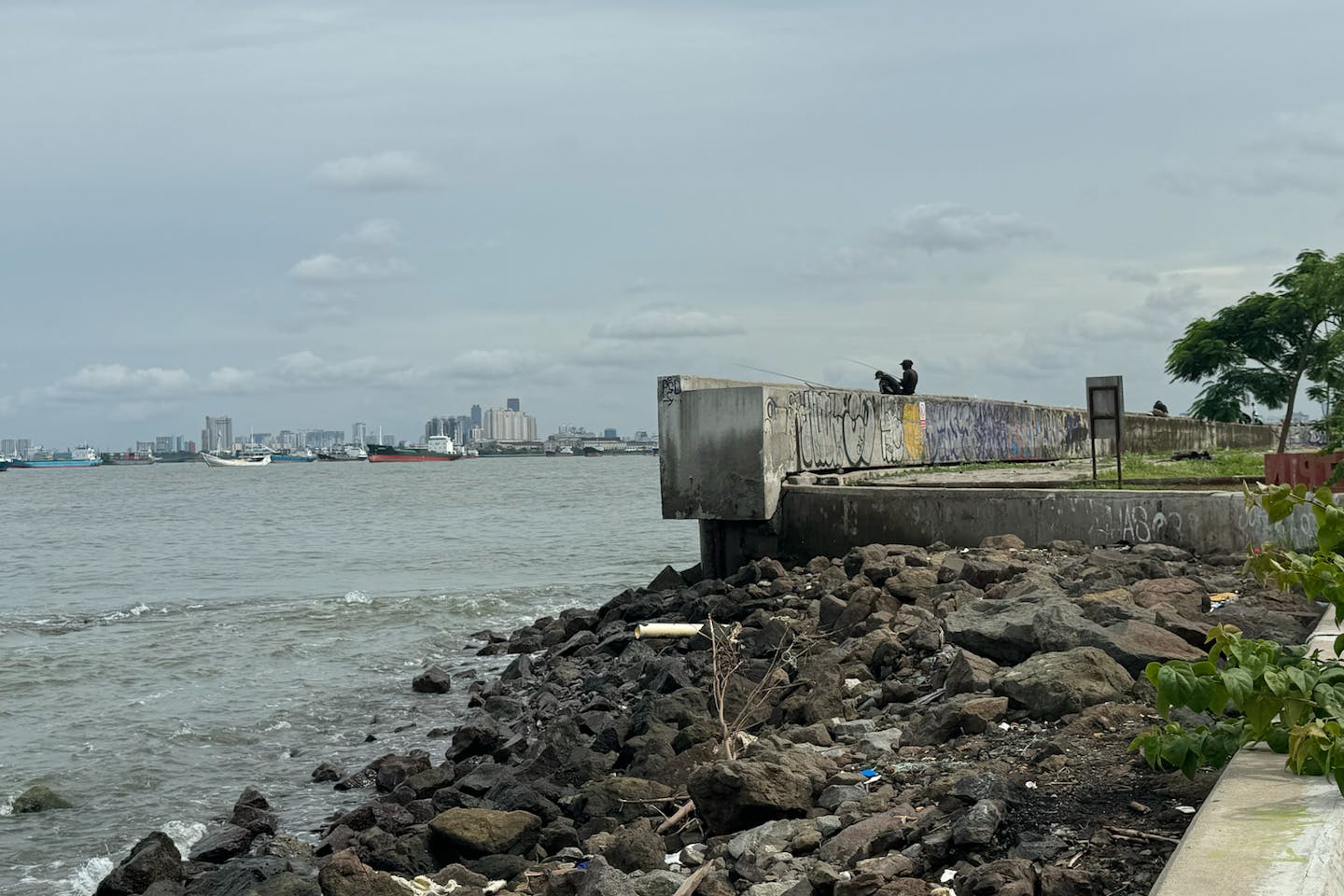
Indonesia plans to construct a 700-kilometre sea wall from Cilegon to Gresik at a cost of approximately US$50 billion to protect northern Java from tidal flooding and land subsidence, particularly affecting Jakarta. Despite President Prabowo Subianto's assurances of long-term protection for vulnerable rice fields, critics argue that this mega-project may worsen inequality and prioritize profit over community needs. Environmental advocates call for inclusive flood mitigation strategies instead of this short-term solution, highlighting concerns over displacement of local fishermen and potential debt resulting from foreign investments.
Indonesia
Will a giant sea wall save Indonesia's economic heartland from rising sea levels?

The 2024 business mapping survey report on Timor-Leste identifies significant challenges for micro, small, and medium-sized enterprises (MSMEs). It assesses issues in financing, digitalization, and supply chains while emphasizing the need for policies to incentivize exports, foster innovation, and encourage digital adaptation. These strategies aim to develop a more diverse and growth-oriented business environment.
Indonesia, Lesotho, Malaysia, Mozambique, Republic of Korea, Singapore, Taiwan, China, Tanzania, Viet Nam
Asia Small and Medium-Sized Enterprise Monitor 2024—Volume II: Trends and Challenges Facing Small Businesses in Timor-Leste—Key Survey Findings

Spain remains an attractive destination for foreign investment, with 89% of foreign-owned companies planning to maintain or increase their investments in 2025, despite challenges related to taxation and bureaucracy. The key factors driving this interest include a skilled workforce, high-quality infrastructure, and market size. While optimism is high, with 92% of companies expecting to expand their workforce, investors point out the need for improvements in bureaucratic processes and labor legislation. These insights are based on the 17th edition of the Barometer of the Business Climate in Spain, which surveyed over 700 executives.
Algeria, Azerbaijan, Bahrain, Barbados, Belgium, Bolivia, Botswana, Brunei Darussalam, Bulgaria, Cape Verde, Chile, Colombia, Costa Rica, Cyprus, Czech Republic, Egypt, El Salvador, Estonia, Eswatini, Georgia, Germany, Greece, Guinea, Hungary, Iceland, Indonesia, Ireland, Israel, Latvia, Luxembourg, Netherlands, Paraguay, Peru, Philippines, Poland, Portugal, Republic of Korea, Russian Federation, Saudi Arabia, Serbia, Seychelles, Singapore, Slovakia, Slovenia, Spain, Sweden, Switzerland, Taiwan, China, United Arab Emirates, United Kingdom, Uruguay, Venezuela
Spain continues to appeal for foreign investment, despite taxation and bureaucracy challenges
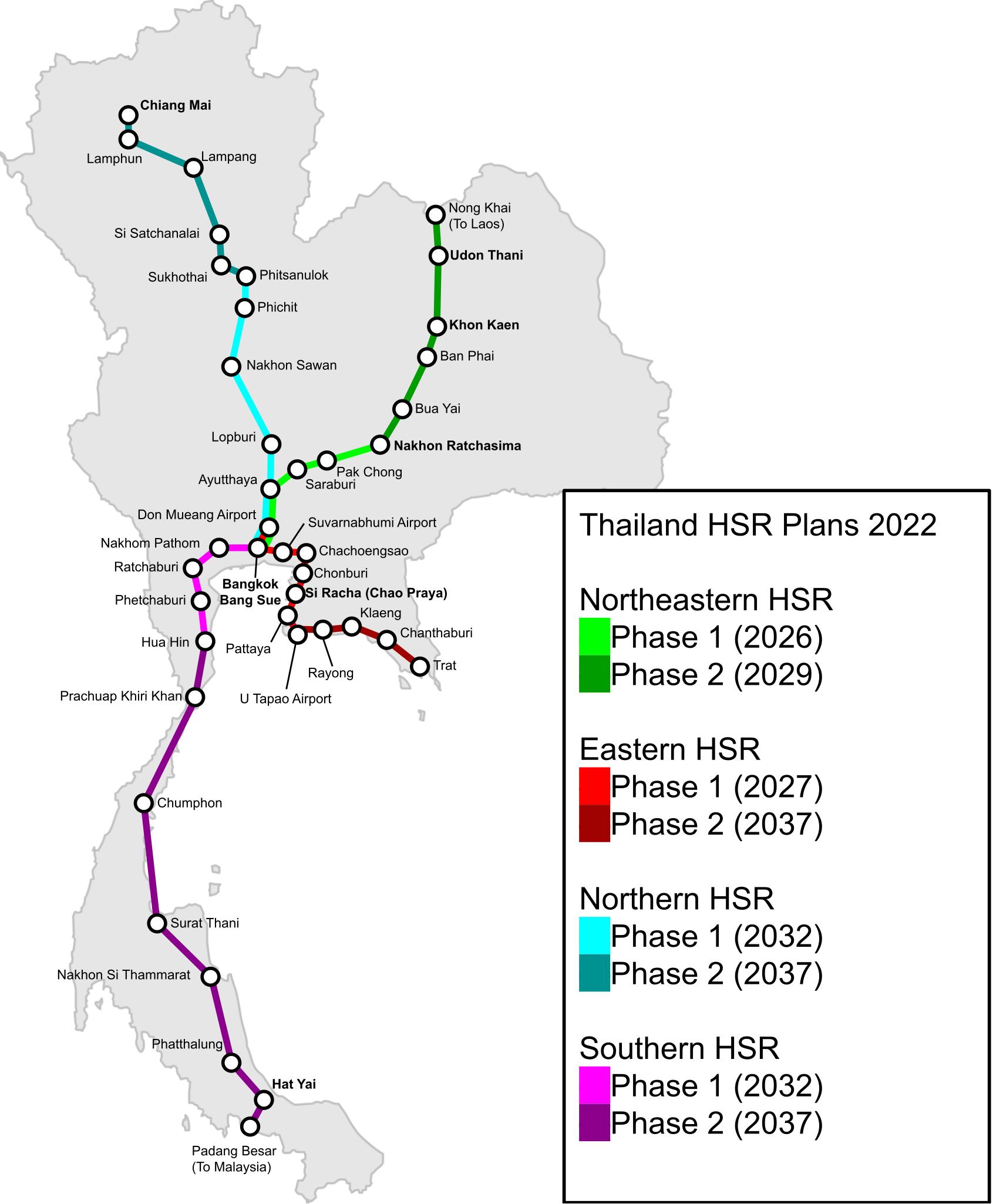
Los Angeles is initiating a significant rebuilding effort after January wildfires, which caused 26 fatalities and displaced 150,000 residents, with Governor Gavin Newsom requesting $40 billion in federal aid aimed at debris removal, repairs, and low-income housing tax credits. The city plans to enhance climate resilience through improved urban designs. Meanwhile, Thailand's high-speed rail link to China is delayed to 2030, with ongoing impacts from financial and pandemic-related issues. Other urban updates include UAE's planning of air taxi routes, rising health insurance costs in New Delhi due to pollution, and German cities facing financial difficulties.
Rebuilding Los Angeles, and other urban transformation stories to read this month

A panel titled "Pathways to Peace" will feature former Middle East leaders and ambassadors discussing the complexities of the Israel-Palestine conflict and exploring potential peace strategies. Scheduled for March 10 at 6 p.m. in Bailey Hall, the panel includes notable figures such as Salam Fayyad, Tzipi Livni, and Daniel B. Shapiro, moderated by Ryan Crocker. The event is free, open to the community, and includes a 45-minute Q&A session. Attendees must reserve tickets in advance, with a limit of four per person.
Israel
‘Pathways to Peace’ panel to shed light on Middle East conflict
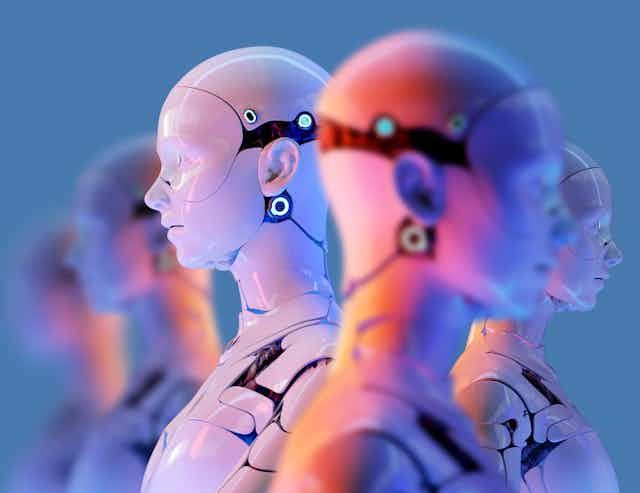
Humanoid robots, showcased by Unitree at a lantern festival in China, pose potential safety risks, demonstrated by an incident where a robot nearly headbutted a spectator. With anticipated soaring sales, there is an urgent need for safety regulations. Key steps include: 

1. Establishing clearer ownership and liability laws for robot control, akin to existing drone regulations.
2. Enhancing robot design for safety, including protective features and better signaling of intent.
3. Providing robust operator training to close the skills gap. 

These measures are essential to mitigate risks associated with humanoid robots in public spaces.
A robot nearly headbutted a festival spectator in China – here are four urgent steps to make the tech safer
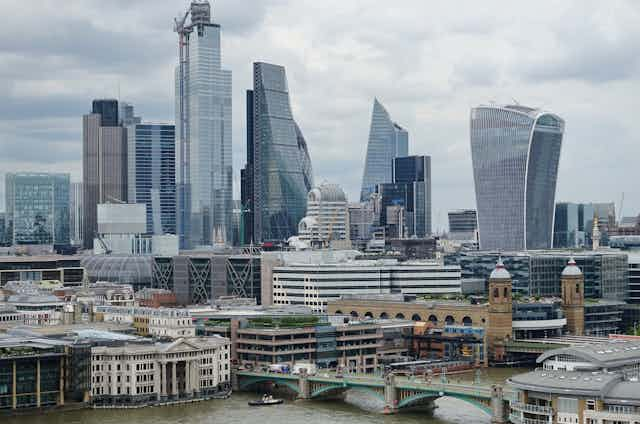
The UK's proposal to relax banking regulations post-2007-08 crisis risks reviving financial instability. Regulators, seeking to boost economic growth, are considering changes to mortgage affordability rules, potentially increasing unsustainable household debt. Easing restrictions could inflate house prices, reducing affordability for first-time buyers. Delays in implementing international banking safeguards may further endanger the financial system. Trends such as "synthetic risk transfers" mirror pre-crisis practices, raising concerns over hidden risks. Historical evidence indicates that deregulation often leads to economic upheaval, suggesting current moves may repeat past mistakes.
Financial services
How the UK’s rollback of banking regulations could risk another financial crisis
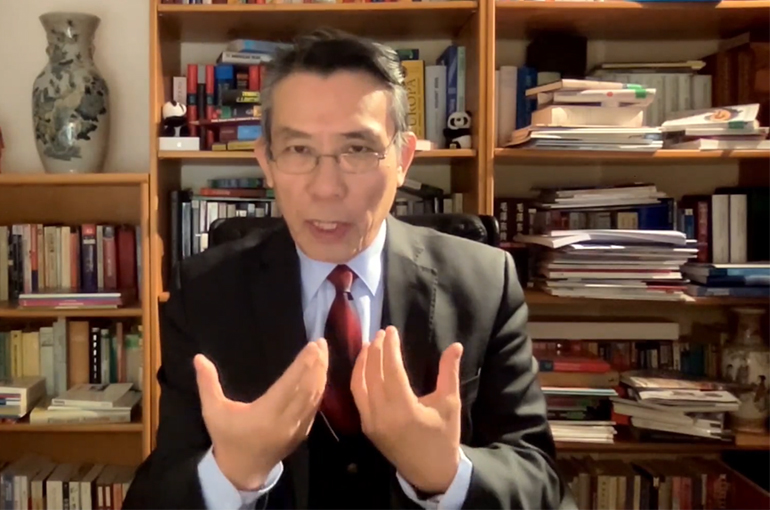
Anti-establishmentarian forces in Germany are gaining momentum, as indicated by the recent federal election results. Gu Xuewu, a political science professor at the University of Bonn, notes that while the Alternative for Germany (AfD) is not expected to become the largest party soon, it represents a significant shift in the political landscape, capturing about 20.8% of votes. He argues that the political spectrum should be viewed through the lens of establishmentarian versus anti-establishmentarian factions, predicting rising support for these anti-establishment parties amid ineffective responses from traditional political structures. External influences, particularly from the U.S., may further complicate Germany's political future.
Germany
Today's America Is Tomorrow's Europe, University of Bonn's Political Science Professor Says

Investment in advanced energy solutions is projected to exceed $500 billion annually by 2030, driven by the demand for jobs, economic growth, and energy security. Governments can enhance their competitive edge through strong partnerships and tailored incentives supporting advanced energy projects. Industries such as battery storage and clean fuels are experiencing significant growth, despite financing challenges. Economic analyses indicate substantial potential benefits from projects like sustainable aviation fuel facilities and small modular reactors. However, attracting investment remains a challenge; effective public policies and incentives are crucial for bridging the financing gap. Global competition, particularly from China, will shape investment dynamics in this sector.
India
Why jobs, growth and supply security are now driving investment in advanced energy solutions

Ongoing geopolitical shifts are undermining international cooperation in cybersecurity, presenting challenges for cyber leaders. The rapid adoption of artificial intelligence and transformative technologies is altering the cybersecurity landscape, introducing new vulnerabilities. As millennials and Generation Z dominate the workforce, cyber threats are increasingly targeting decentralized platforms and cryptocurrency exchanges. Increasing geopolitical tensions are leading to reduced cooperation and funding for cybersecurity initiatives and creating uncertainty in the global cyber landscape. Cyber leaders must adapt to evolving threats, emphasizing the need for new security practices and addressing the complexities of global supply chains.
Azerbaijan, Georgia, Russian Federation, Seychelles, Ukraine, United Kingdom | Health, ICT, Financial services, Education
3 trends shaping the future of cyber leadership

The EU is adapting to a new geopolitical landscape, marked by shifting U.S. policies and the need for strategic partnerships, particularly with India. The EU aims to strengthen its relationship with India, recognizing it as a vital partner amidst rising global uncertainties. Despite challenges like trade tariffs and migration issues, India remains the EU's top trade partner in goods. However, the strategic cooperation in technology and defense is lagging, hampered by India's ties with Russia and Iran. To enhance their partnership, both parties should pursue a narrower Free Trade Agreement after resuming negotiations in 2022.
India
EU-India’s Commitment to a Strategic Relationship: Now or Never?