Middle Eastern banks are set for significant AI adoption, anticipated to contribute 13.6% to the GCC's GDP by 2030, with approximately 25% of AI investments focusing on the financial sector. Governments are fostering innovation through national AI strategies and investment in tech infrastructure. The integration of Generative and Agentic AI is poised to enhance customer experiences and operational efficiency. Financial institutions must embrace new business models and partnerships while adapting internally to leverage AI effectively, ultimately delivering personalized financial guidance and improving overall productivity.
United Arab Emirates | ICT, Financial services
Middle Eastern banks are set for an AI makeover
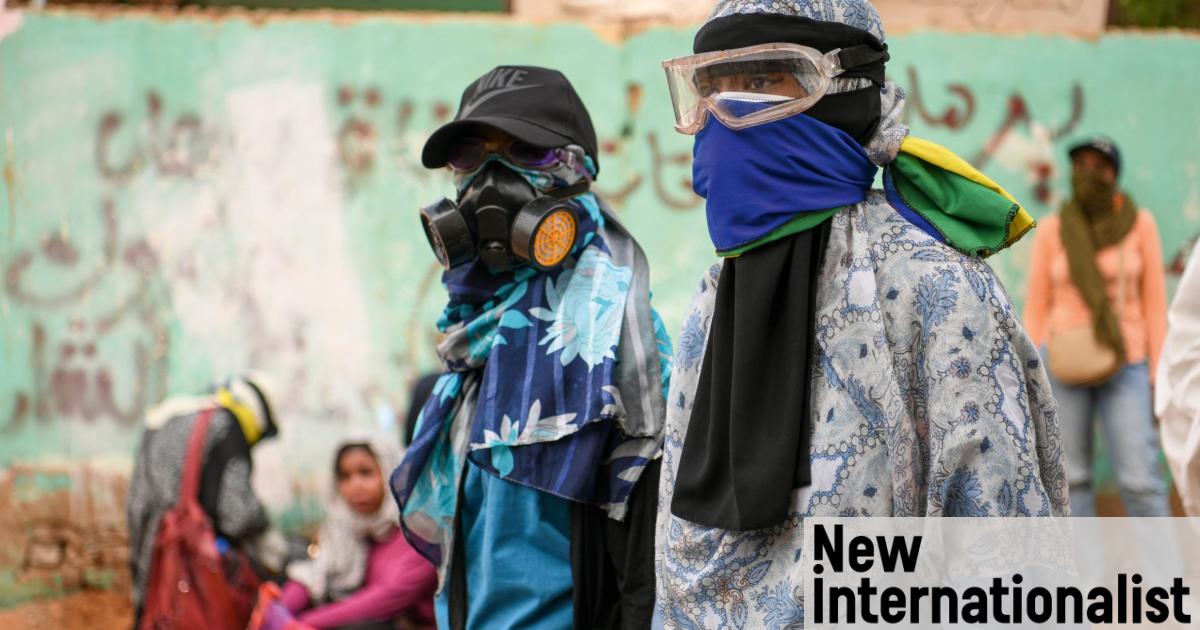
At the Adré refugee camp in Chad, the Saving Alginina Initiative provides essential meals to children displaced from war-torn Sudan, particularly from West Darfur. Founded in response to violence by the Rapid Support Forces, the initiative has expanded its reach across Sudan and into refugee camps, supported by the Sudanese diaspora. The ongoing civil war has created the world’s worst humanitarian crisis, displacing 12 million people and leaving 30.4 million in urgent need of aid. Grassroots movements, particularly Emergency Response Rooms and resistance committees, have become critical for organizing aid and maintaining civic resistance, embodying the spirit of the Sudanese revolution against authoritarian rule.
Sudan
Revolutionary aid in Sudan
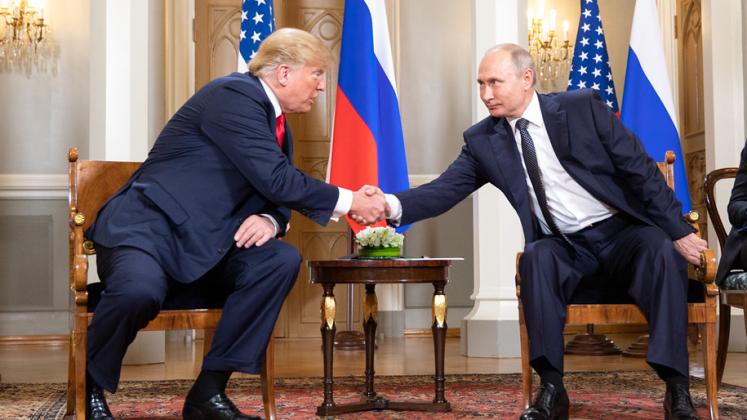
Donald Trump's foreign policy in his second term has significantly disrupted long-standing alliances and US global standing. His administration has abandoned commitments to allies, rewarded Russian aggression, and adopted a dangerous, transactional approach to international relations. These actions undermine decades of diplomatic theory, create insecurity among allies, and potentially lead to military escalations, particularly in Europe. The US's withdrawal from established international systems risks destabilizing the global order, contrary to American interests. Overall, these policies endanger both national and global security by fostering mistrust and unpredictability in international relations.
In foreign affairs, Trump has abandoned good theory for dangerous practice
The study by IFAD, FAO, and WFP examines how discriminatory social institutions and unequal power dynamics affect climate resilience within agrifood systems. It outlines essential characteristics of gender transformative change in climate resilience programming and compiles various interventions that promote gender equity and disaster risk management in agriculture. Targeted towards practitioners in food security, agriculture, climate, and gender, the study aligns with the Joint Programme on Gender Transformative Approaches for Food Security and Nutrition.
Health
Gender transformative change for climate action: Taking a gender transformative approach for resilient and sustainable agrifood systems - World

Elon Musk's Department of Government Efficiency (DOGE) is impacting US Antarctic operations, prompting concerns about funding cuts and staff layoffs within the United States Antarctic Program (USAP). Critical program managers have been dismissed, jeopardizing communication, budgeting, and scientific research projects at key stations such as the Amundsen-Scott South Pole Station. Scientists fear that disruptions could take decades to recover from, while budget reductions may halt essential operations and impede climate research. Amidst this unease, foreign nations are recruiting US scientists, further exacerbating the situation.
Antarctica
DOGE’s Chaos Reaches Antarctica
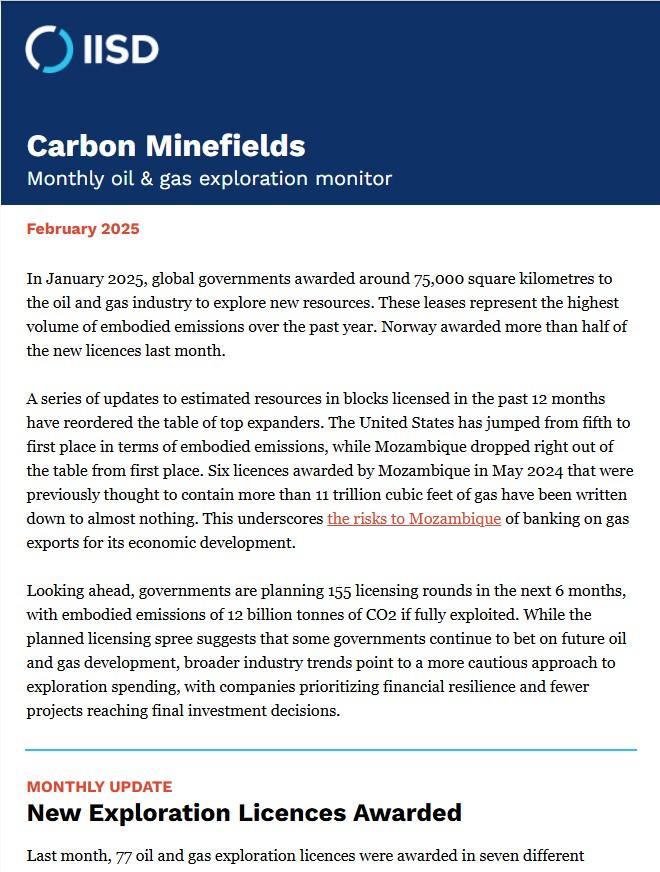
In January 2025, 77 oil and gas exploration licenses were awarded across seven countries, with Norway granting the majority and leading in embodied emissions projected to exceed 180 million tonnes of CO2. The U.S. emerged as the top country for future emissions, while Mozambique saw a significant reduction in estimated gas volumes from its recent licenses, raising concerns about its economic reliance on gas exports. Additionally, 155 licensing rounds are planned in the next six months, potentially resulting in 12 billion tonnes of CO2 emissions if fully exploited. Exploration capital expenditure reached USD 23.2 billion over the past year.
February 2025 | Carbon Minefields Oil and Gas Exploration Monitor
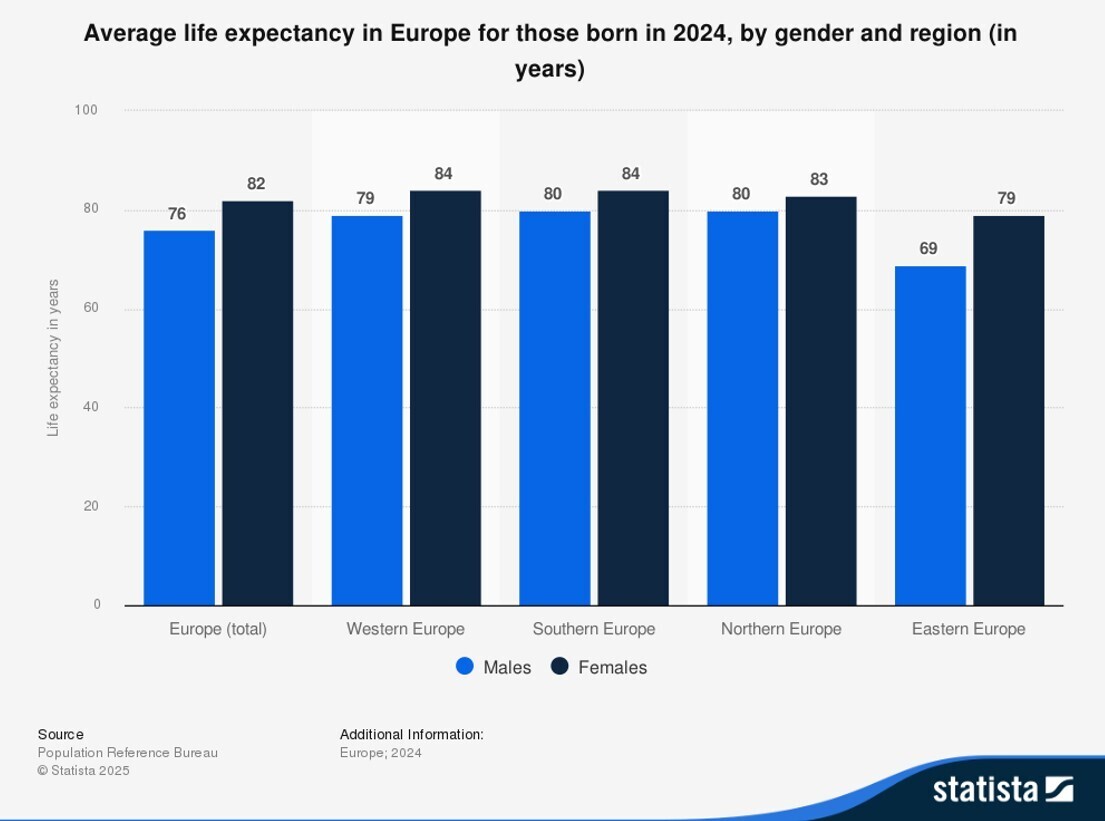
Every seven seconds, a mother or newborn dies, prompting the WHO to call for urgent action on maternal and newborn health leading up to World Health Day 2025. Key issues include preventable deaths, severe healthcare gaps in low-income and conflict-affected areas, and failure to meet UN maternal survival targets. The WHO plans to expand emergency care units, strengthen services in crisis zones, and enhance midwife training. Meanwhile, life expectancy growth in Europe has stalled due to obesity and inactivity, prompting calls for government health reforms. Other health news includes a US aid freeze affecting global health programs and advances in migraine treatments.
Health
WHO sounds alarm on maternal and newborn health crisis, and other top health stories
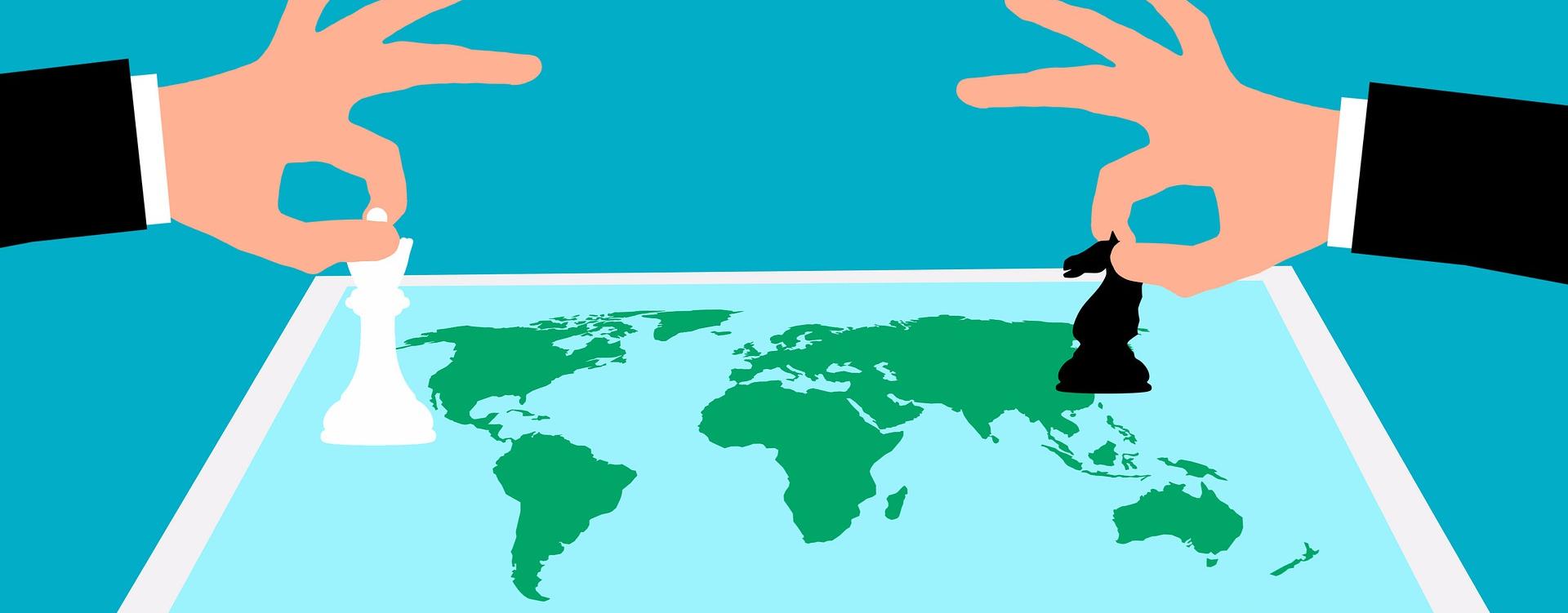
Africa’s ability to shape its future hinges on strategic choices amid shifting global power dynamics. Recent geopolitical tensions, particularly in transatlantic relations, have implications for Africa's strategic calculations. The continent's reliance on external aid is diminishing, leaving it vulnerable to changing alliances and reduced financial support amidst internal structural challenges. Despite Africa's potential, characterized by its markets, resources, and youthful demographics, it struggles to translate these into global influence due to high dependency ratios and economic fragmentation. Effective leadership and proactive strategies are essential for Africa to define its role in a multipolar world, with varying economic outcomes depending on future global scenarios.
Afghanistan, Algeria, Angola, Australia, Benin, Burkina Faso, Burundi, Cameroon, Cape Verde, Colombia, Democratic Republic of the Congo, Djibouti, Egypt, Eswatini, Ethiopia, Gabon, Georgia, Ghana, Guinea, India, Kenya, Lesotho, Liberia, Madagascar, Malawi, Mali, Mauritania, Mauritius, Morocco, Mozambique, Namibia, Niger, Nigeria, Pakistan, Peru, Philippines, Russian Federation, Rwanda, Senegal, Seychelles, South Africa, Sudan, Sweden, Tanzania, Tunisia, Uganda, Ukraine, United Arab Emirates, United Kingdom, Yemen, Zambia, Zimbabwe | Financial services, Health
Africa’s agency in a contested world
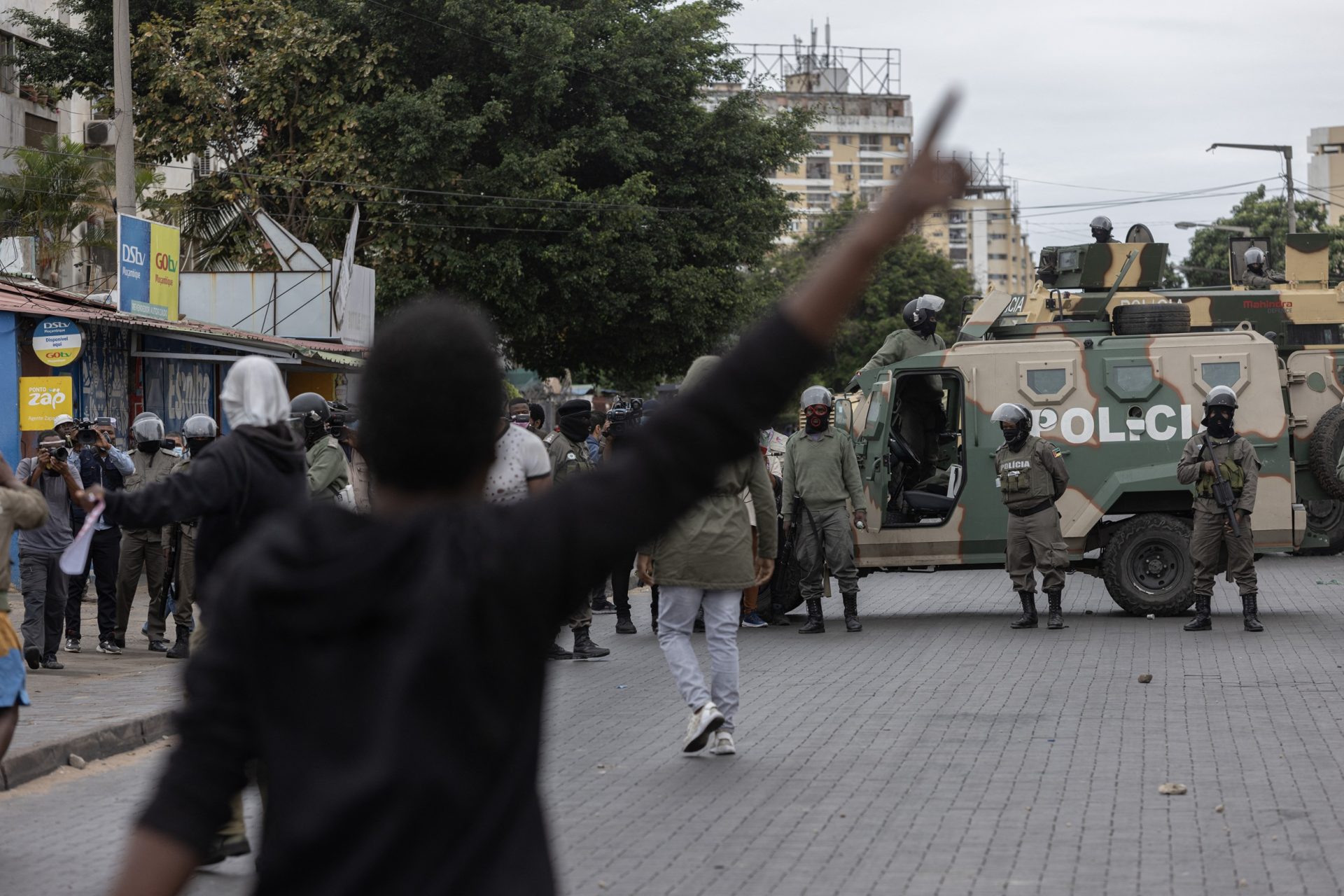
Public demonstrations in Mozambique, which began after the October elections, are fueled by deeper issues beyond alleged electoral fraud. While fraud allegations have heightened unrest, the core dissatisfaction stems from decades of Frelimo's governance, economic decline, and rising poverty—now affecting 65% of the population. Youth unemployment and lack of basic services contribute to widespread frustration. Corruption scandals have further eroded trust in the government. Opposition leader Venâncio Mondlane has mobilized this discontent, highlighting the disconnect between the ruling party and its younger constituents.
Mozambique
More Than Elections: What’s Really Driving Protests in Mozambique?
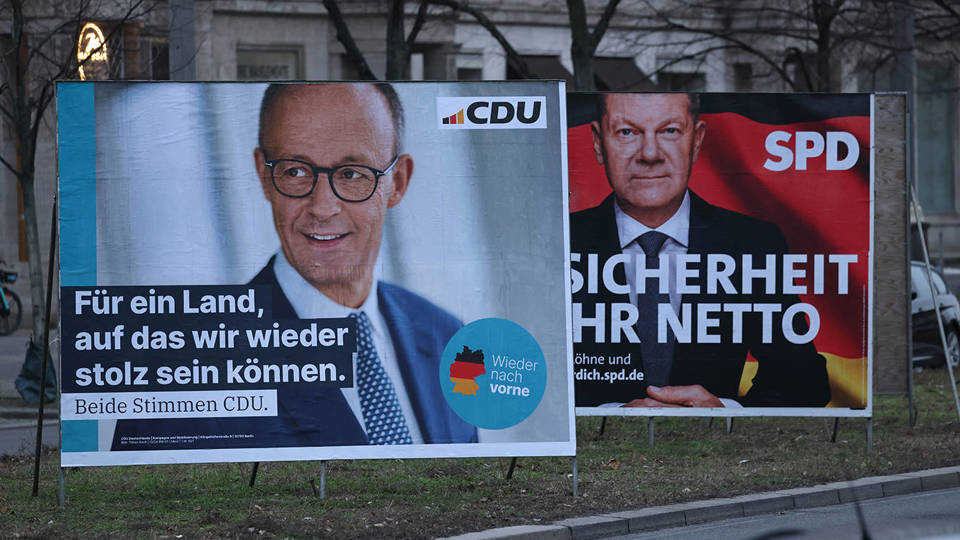
Germany's recent election reflects significant geopolitical shifts, with both the Russian and US governments supporting the far-right Alternative for Germany (AfD) for the first time. Although the AfD will not be in power, the traditional parties, the center-right Christian Democrats (CDU) and center-left Social Democrats (SPD), are expected to form a coalition government. To address the country's economic challenges and prepare for Europe's future, reviving the social market tradition could be beneficial.
Germany
Make Europe Great Again
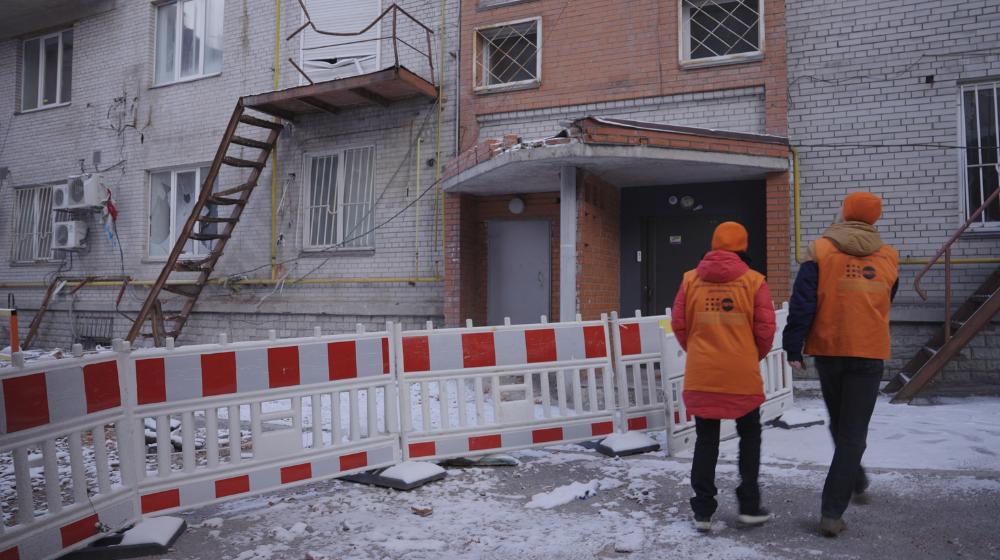
The war in Ukraine has significantly heightened psychological distress and gender-based violence, with reports of such violence tripling since the invasion. UNFPA operates 87 mobile psychosocial support teams that provide urgent assistance to survivors, including medical care, legal aid, and long-term support resources. Many individuals, particularly women and children, continue to face anxiety and trauma even after finding safety, necessitating ongoing psychosocial care. The response teams, vital for ensuring safety and recovery, also endure emotional challenges as they work under dangerous conditions. Sustaining these services is crucial for addressing the widespread psychological impact of the conflict.
Health
Mental health support teams in Ukraine offer a lifeline in a warzone

North Korean nationals have perpetrated a fake IT worker scheme impacting hundreds of U.S. firms, funneling millions toward the country's ballistic missile program. This scheme exploits identity fraud to gain access to sensitive systems, posing a significant national security threat. The FBI warns that North Korea has trained thousands to execute such fraud, aided by Chinese and Russian firms. The ongoing shortage of cybersecurity expertise in the U.S. increases vulnerability, allowing adversaries to leverage this infiltration for potential sabotage or data theft. Enhanced integration between the defense industrial base and the broader technology sector is crucial for mitigating these risks.
Financial services, ICT, Education
The Rise of the Fake Tech Workforce: State-Sponsored Infiltration of U.S. Technical Supply Chains - War on the Rocks

The Trump administration's Reciprocal Trade and Tariffs memorandum is characterized as a unilateral approach that threatens to harm international trade more than previous tariffs. The plan aims to establish tariffs based on purported unfair practices of trading partners, contrasting the longstanding principles of reciprocity and non-discrimination upheld by the World Trade Organization (WTO). This initiative could undermine previous agreements and alter the regulatory landscape by unilaterally defining what constitutes fairness. As a result, the US would impose tariffs or threats thereof to coerce changes in trading partners' regulations, impacting the global trade system established over the past 70 years.
United Kingdom | Financial services, ICT
The US reciprocal tariff plan is anything but reciprocal

Telecom companies must adopt generative AI to tackle challenges and enhance competitiveness. GenAI can reduce operational costs through automation, foster business growth via hyper-personalized marketing, and improve customer satisfaction through AI chatbots. The industry, already experienced in AI, faces stagnant revenues and the need for transformation into tech-driven organizations. Key opportunities include reducing service costs, driving business growth, enhancing customer experiences, and securing operations against cyber threats. Success hinges on deploying AI to automate tasks, personalize services, and bolster security measures in response to increasing complexities in the telecom landscape.
ICT
How telecoms can thrive in the age of generative AI
Public administrations face challenges in converting abundant data into actionable strategies and innovations. To assist public servants, the iLab of DG DIGIT from the European Commission is developing the Digital Innovation Toolkit, which includes educational materials on data innovation approaches, practical resources such as workshop templates, checklists for assessing data journeys, interactive exercises for skill development, and canvas models for planning. This toolkit aims to enhance the management of data-related initiatives and promote collaboration and problem-solving in public sector environments.
ICT, Education
The Data Innovation Toolkit

Research indicates only 6% of Gen Z in Britain genuinely support dictatorship, contrasting sharply with recent media claims suggesting over half favor autocratic governance. Surveys reveal that while some young people express a preference for strong leadership, most do not equate this with a rejection of democracy. Additionally, differing methodologies in studies, such as response options, contribute to the discrepancies in findings. Ultimately, the sensationalized portrayal in the media fosters generational division and misrepresents the electorate's true sentiments towards democratic values.
Only 6% of gen Z actually favour dictatorship – not half, as some reports would have you believe
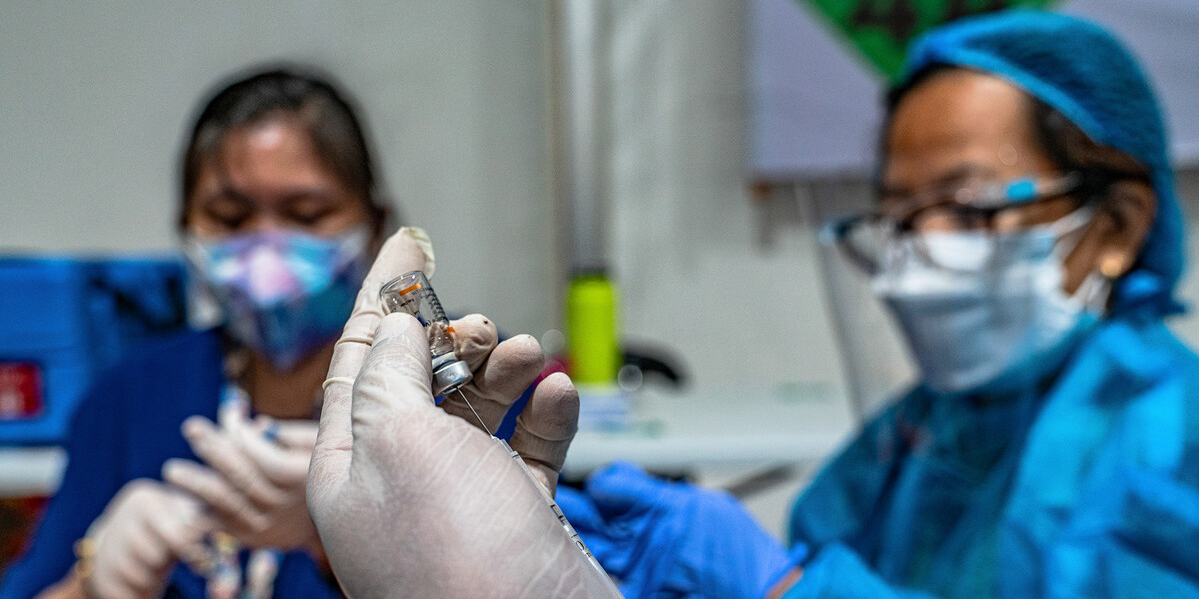
Lower vaccination coverage in low- and middle-income countries exacerbates the burden of vaccine-preventable diseases, with 700,000 under-5 child deaths in 2018 linked to vaccine inequity. The WHO reports that 10 manufacturers produce 70% of global vaccine doses, creating barriers for smaller manufacturers. Key challenges in sustainable vaccine manufacturing include the need for significant investment, regulatory complexities, and a fragile supply chain. The article emphasizes the importance of maintaining quality during production, providing adequate demand forecasting, and addressing intellectual property issues to facilitate technology transfer for enhanced manufacturing capacity. Additionally, environmental impacts of vaccine production highlight the need for sustainable practices.
Health
Building Sustainable Vaccine Manufacturing Practices in Lower-Resourced Settings

Vaccine manufacturing is highly concentrated geographically, particularly outside Asia and the Pacific, which hosts over 60% of the global population. Historically, regulatory approval for vaccines in this region has been slow, with delays averaging 52 months pre-COVID-19. Strengthening regulatory frameworks is vital for faster vaccine access, utilizing tools like the WHO Global Benchmarking Tool to identify and address system gaps. Regulatory convergence, exemplified by initiatives like the ASEAN Mutual Recognition Arrangement, can enhance efficiency and facilitate cooperation among nations. Robust post-market surveillance is also essential for maintaining vaccine safety and efficacy.
ASEAN | Health
Enhancing Vaccine Regulation for Pandemic Preparedness
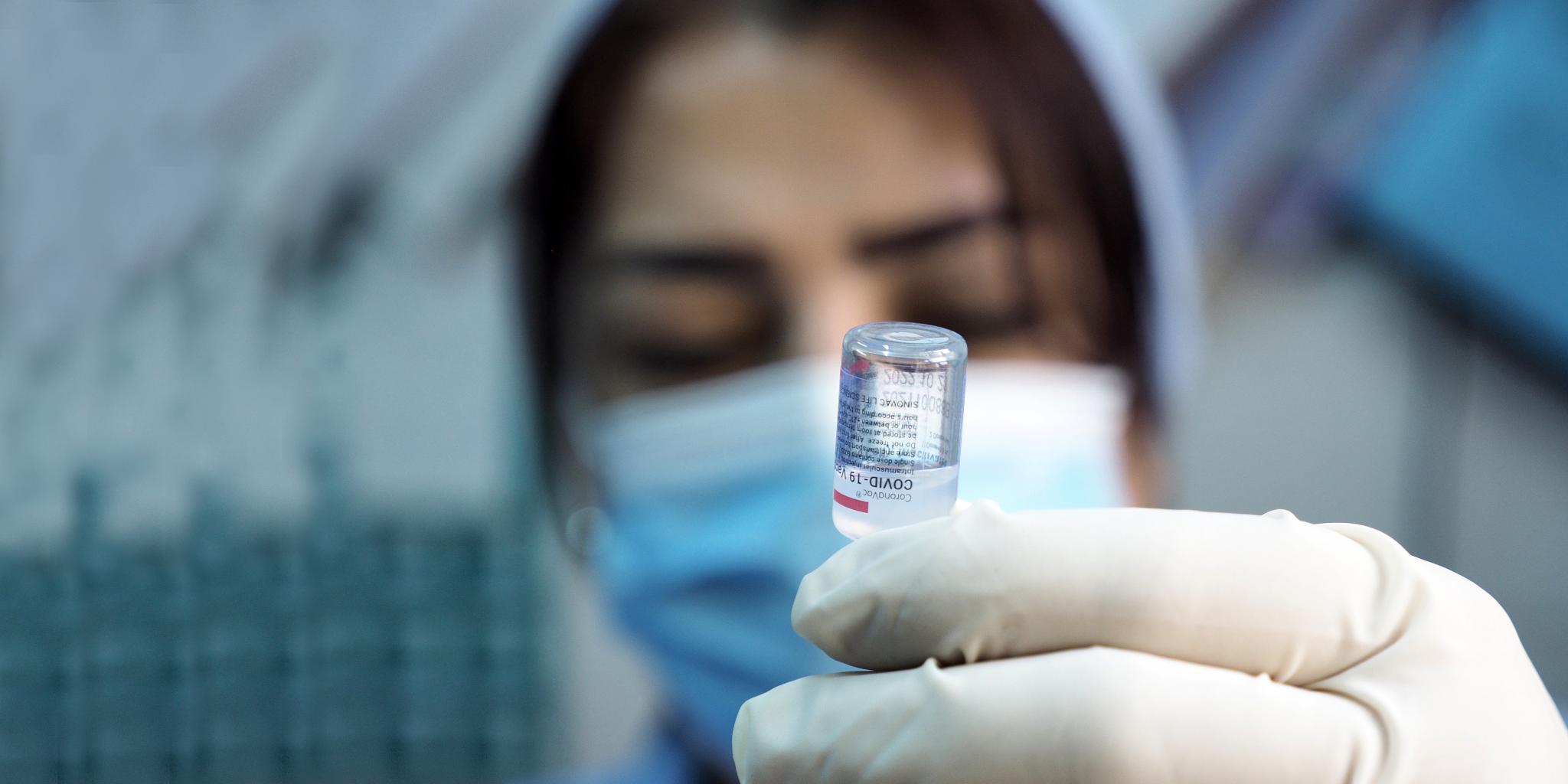
Rapid advancements in vaccine research and development (R&D) during the COVID-19 pandemic highlighted the need for sustainable and locally relevant vaccine strategies, particularly in resource-limited settings. Effective vaccine development should focus on diverse platforms tailored to specific pathogens and communities, addressing cost, manufacturing complexities, and local epidemiology. Investments should prioritize a range of vaccine technologies and collaborative networks like CEPI's “portfolio approach.” The initiative aims to foster a global vaccine library and enhance R&D through regulatory agility, data sharing, and innovative trial designs. Equitable access can be improved through international partnerships and capacity-building efforts.
Financial services, Education, Health
Ensuring Sustainable, Locally Relevant Vaccine R&D in Resource-Limited Settings

Artificial intelligence (AI) has been effectively utilized for humanitarian assistance, as shown in Togo where it helped identify households in need during the COVID-19 pandemic. By analyzing satellite imagery and mobile data, the government provided financial support without traditional surveys. Post-pandemic, there is potential for AI to continue aiding poverty alleviation. However, collecting accurate data remains challenging, particularly in low- and middle-income countries. Researchers are now exploring the integration of data from citizen scientists, who gather social and environmental information, to enhance poverty identification and support efforts.
Combine AI with citizen science to fight poverty