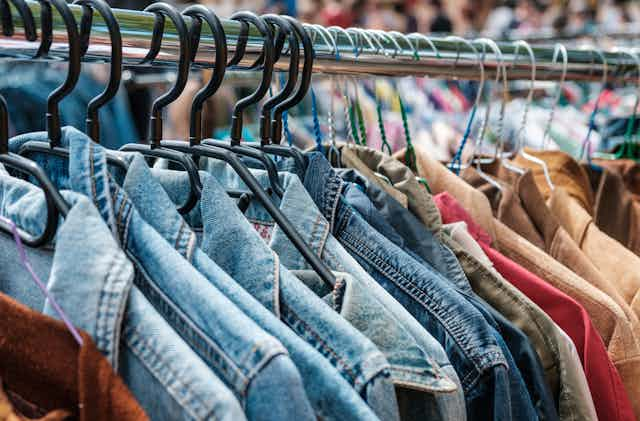
The circular economy promotes sustainability through reducing, reusing, recycling, and recovering resources, moving away from traditional consumption models. However, its transition, especially in developing countries, raises critical equity concerns. Workers may face low wages and poor working conditions despite the shift towards circular practices. The risks of job loss in industries like textiles highlight the need for inclusive models that involve local communities in decision-making. A successful transition requires addressing social dimensions, fostering grassroots solutions, and ensuring fair resource distribution. International cooperation and support for local entrepreneurs are essential for a just implementation of the circular economy.
Financial services, Education
The world needs a circular economy. But workers in developing countries shouldn’t pay the price

The UK government's Climate Change Committee (CCC) has proposed recommendations for the seventh carbon budget (2038-2042) aimed at legally binding greenhouse gas emissions limits. Long-term planning is deemed crucial for achieving net-zero targets through the deployment of low-carbon technologies and societal changes. The analysis indicates that transitioning to net zero is beneficial economically and environmentally, promising warmer homes, lower bills, and enhanced energy security. The CCC focuses on established technologies like electric vehicles and heat pumps while downplaying the role of costly emerging solutions. However, it underestimates the economic impacts of climate change and emphasizes technological solutions over critical demand reductions.
Will the UK’s proposed long-term emissions strategy get us to net zero? An expert review

Masomah Ali Zada, an Afghan cyclist, overcame significant obstacles to pursue her dream of competing in the Olympics. Initially facing societal restrictions on women's cycling in Afghanistan, she sought asylum in France in 2017. There, she trained and competed as part of the Refugee Olympic Team at the Tokyo 2020 Olympics. Ali Zada emphasizes the importance of hope, courage, and resilience throughout her journey, which also led her to successfully complete her master's degree in civil engineering in France. She aims to normalize cycling for women in Afghanistan and inspire others to break through societal barriers.
Africa
How courage and resilience took this Afghan cyclist to the Olympics
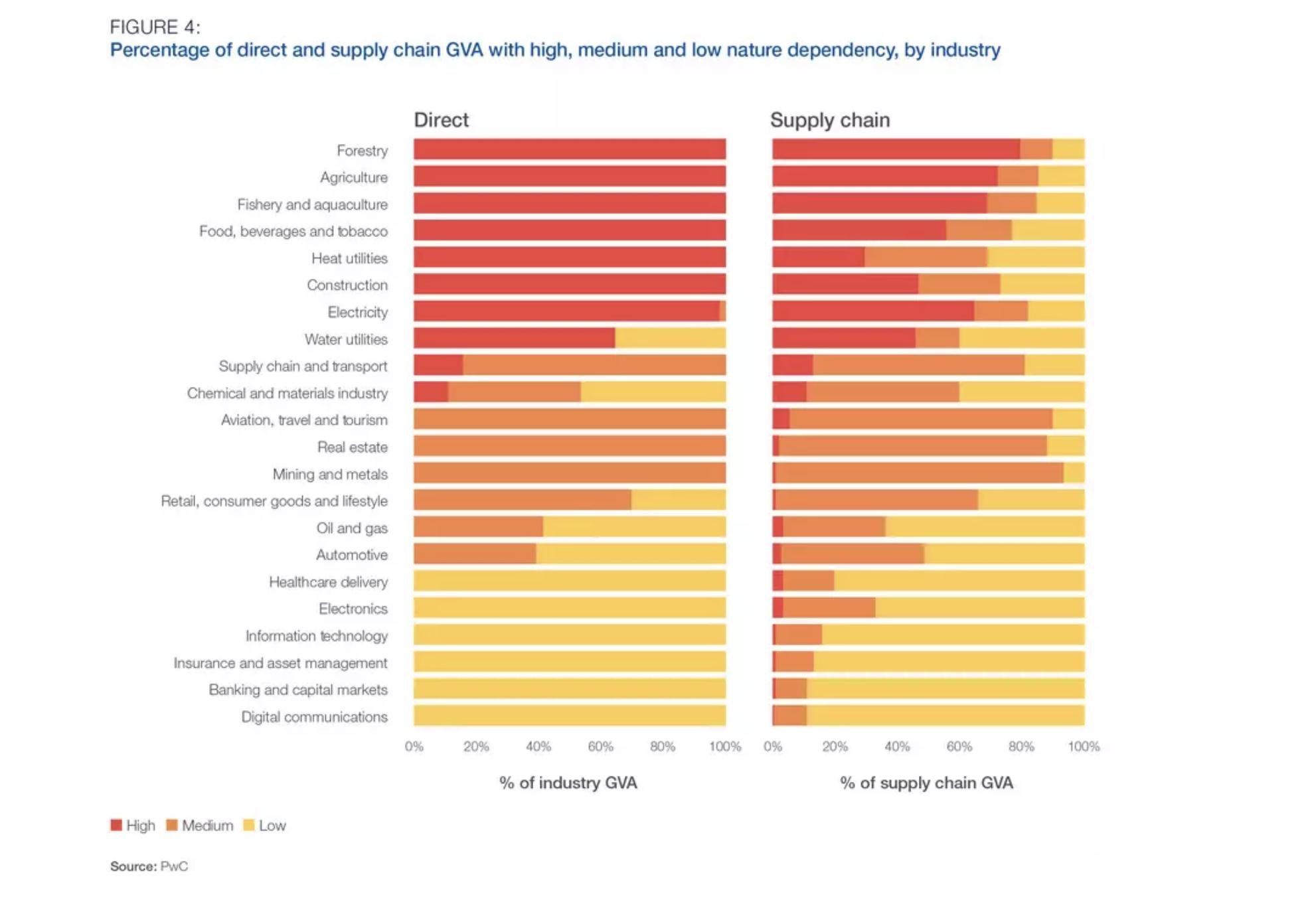
Over half of the world's GDP relies on natural resources, yet rainforests like the Amazon are under severe threat from human activities. The Amazon Sacred Headwaters Alliance aims to foster a regenerative economy by protecting 35 million hectares of rainforest, crucial for South America's economy. Atossa Soltani identifies three necessary changes: shifting political mindsets to reduce industrial threats, cancelling sovereign debt to alleviate pressure on resources, and promoting deforestation-free investment policies. These measures are vital for transitioning to sustainable practices that prioritize ecological and economic integrity.
Brazil, Ghana, Indonesia, Nigeria | Financial services, Health
3 things that need to change to create a more regenerative economy
The United Arab Emirates (UAE) is emerging as a significant hub for startups, with venture capital (VC) and private equity (PE) funding projected to exceed $2 billion by the end of 2024, up from $638 million in 2023. However, climate-tech investments remain limited compared to other sectors, particularly impacting startups transitioning from early to growth-stage funding. This brief addresses the funding gap in the UAE's climate-tech ecosystem, examining regulatory, financial, and infrastructure challenges, and proposes actionable solutions to support the growth of climate-tech startups locally and beyond.
United Arab Emirates
UICCA | SUSTAINING STARTUPS: Bridging the financial gap in the uae climate-tech ecosystem
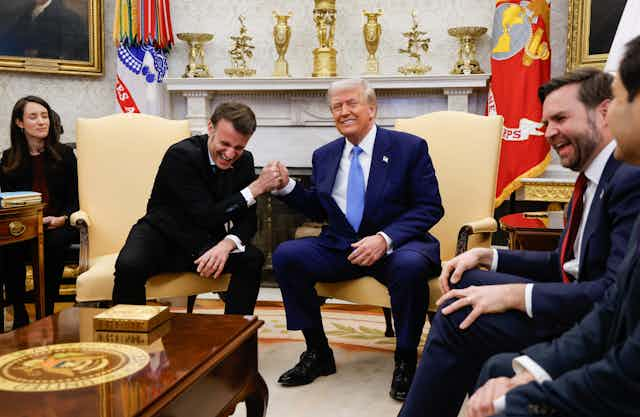
Donald Trump's transactional approach to foreign policy challenges traditional transatlantic alliances, particularly regarding NATO and European security. His skepticism towards NATO and emphasis on quid pro quo arrangements with Ukraine highlight a shift in U.S. commitment. European leaders are responding by boosting defense spending and contemplating a more independent European security strategy, echoing historical sentiments from figures like de Gaulle. The EU is also focusing on enhancing its defense industrial capabilities. Adapting to this new reality necessitates significant financial investment and political resolve within Europe.
Germany, Ukraine
Trump and Europe: US ‘transactionalism on steroids’ is the challenge facing leaders now
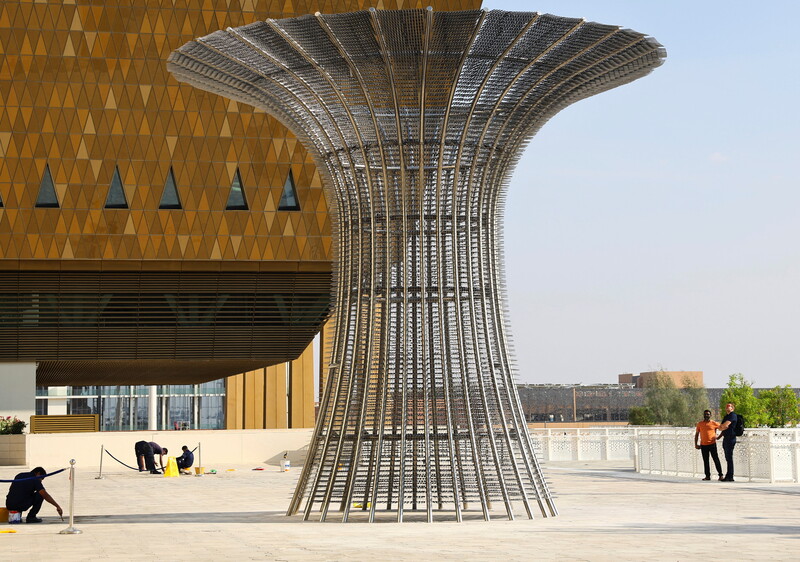
Innovation districts are pivotal for urban economic growth but must prioritize local benefits, sustainability, and adaptability. These districts face competition for investment and require effective place-based strategies. Historical examples highlight the risks of economic exclusion, emphasizing the need for inclusivity and connectivity. Digital infrastructure is crucial as it shapes economic participation, especially in response to pandemic-induced changes. Effective urban policies and lessons from successful innovation districts will guide future developments to balance economic aspirations with the carbon costs of urban growth.
Financial services, ICT, Education
How we can unlock the potential of innovation districts
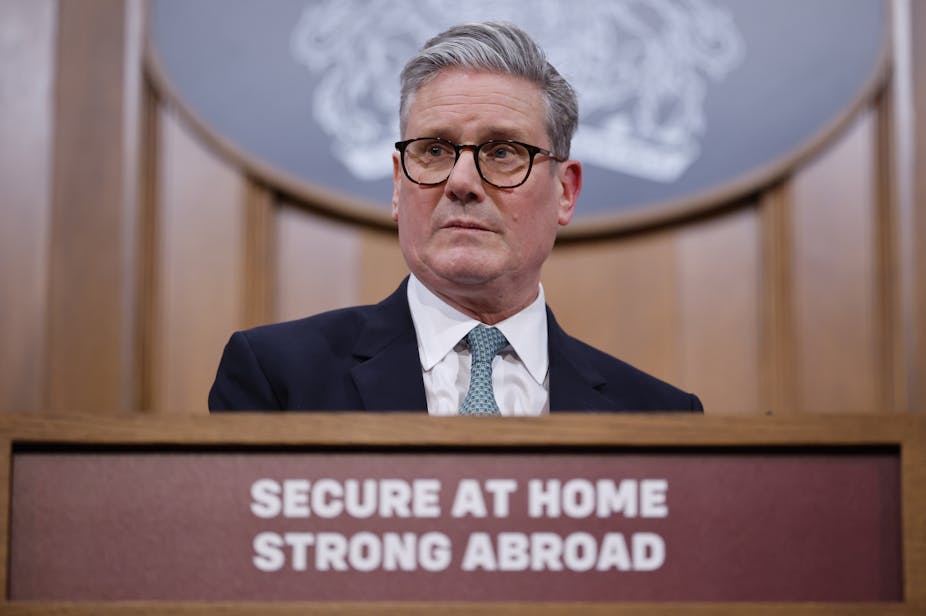
Keir Starmer's decision to cut foreign aid to increase defence spending reflects the UK’s response to shifting European security needs and public sentiment that is increasingly wary of aid. The UK’s aid budget will decrease from 0.5% to 0.3% of GNI, limiting funds available for genuine development projects while a significant portion is allocated to refugee housing and multilateral contributions. This reduction jeopardizes the UK’s global influence and soft power, especially in poorer nations, amid a broader trend of aid fatigue and skepticism regarding the effectiveness of foreign aid.
United Kingdom | Financial services
Starmer announces aid cuts to fund defence – but Britain’s days as an aid superpower are already long over

Extinction is a natural process, yet mass extinctions impose extraordinary stress on ecosystems, evidenced by past events such as the end-Cretaceous extinction and the Permian-Triassic boundary. Currently, humanity's actions are triggering a sixth mass extinction. Poetry serves as a powerful tool to comprehend these overwhelming realities, evoking complex, layered perspectives that reflect ancient Earth’s history. By intertwining the disciplines of palaeontology and poetry, one can explore how language shapes our understanding of time and extinction. This approach emphasizes the significance of silence and absence as vital elements in both poetry and geological study, revealing deeper meanings in our environmental crises.
How poetry can help us understand mass extinction events
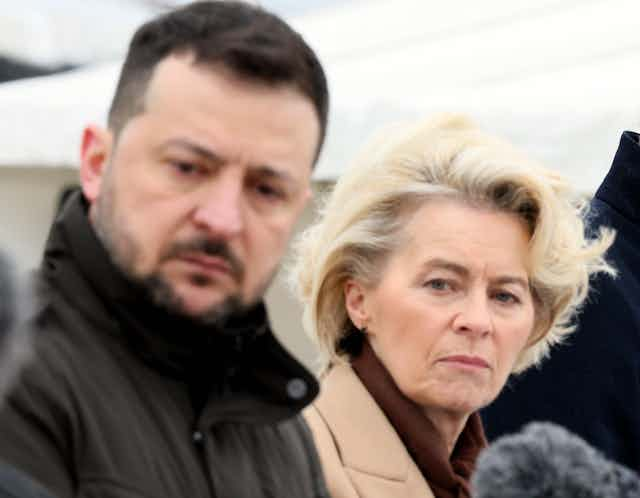
The geopolitical landscape is shifting, with the current situation described as "no world order" rather than a stable configuration. European governments recognize the need for a strategic overhaul but are struggling to adapt their policies amidst immediate crises. Concepts like autonomy and multilateralism are being emphasized, yet their practical application remains unclear and limited. The focus is increasingly leaning towards a realpolitik approach, prioritizing practicality over moral considerations. A rethinking of international liberalism is crucial, emphasizing cooperation on critical issues like climate change while also addressing the complexities of the evolving global order.
No world order: Europe needs more radical thinking for the Trump era

Collaboration is essential for enhancing global disease detection and prevention. Robust national disease surveillance systems, supported by public-private partnerships, are crucial for effective pandemic preparedness. Rwanda's successful containment of a Marburg virus outbreak in 2024 exemplifies the importance of rapid response mechanisms and investment in capacity building. The urgent need for interconnected systems that anticipate and mitigate biological threats is highlighted, with industry playing a key role in providing data and technologies. The BRIDGE Alliance was launched to create sustainable, interoperable disease surveillance networks to improve global health security.
Financial services, ICT, Education, Health
How collaboration is strengthening global efforts to detect and prevent disease
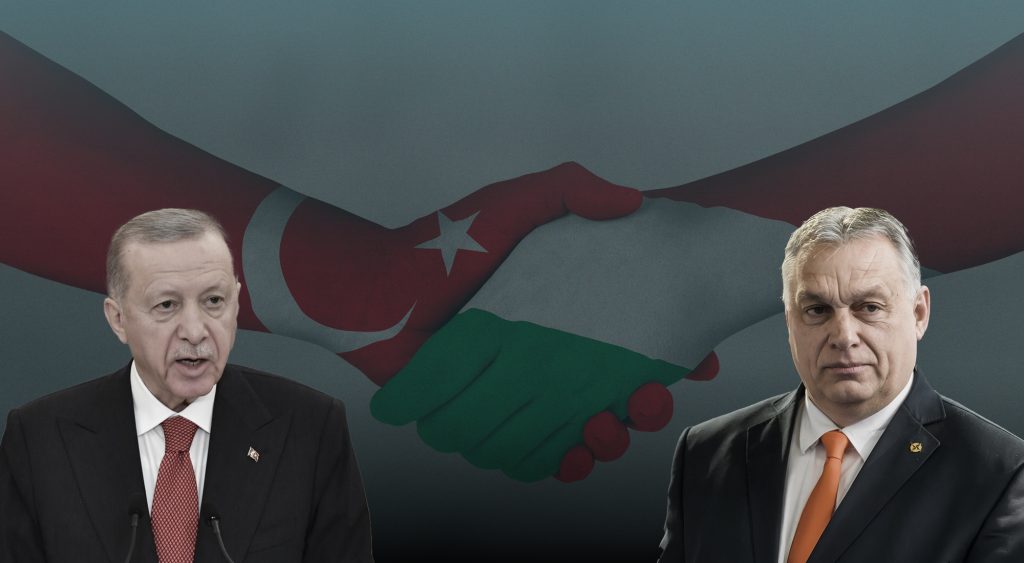
Türkiye and Hungary have developed a partnership centered on mutual interests, driven by their leaders, Recep Tayyip Erdoğan and Viktor Orbán, who share governance styles that challenge Western liberalism. Their cooperation spans economic development, migration management, and cultural diplomacy. Historically intertwined, the nations have shifted from rivalry during the Cold War to strategic collaboration in the 21st century, benefitting from Hungary's EU membership and Turkey's geopolitical significance. Key areas of cooperation include trade, energy, and joint initiatives addressing migration, reflecting broader regional and global political dynamics.
Bosnia and Herzegovina, Hungary, Türkiye
Türkiye-Hungary Relations: A Growing Partnership
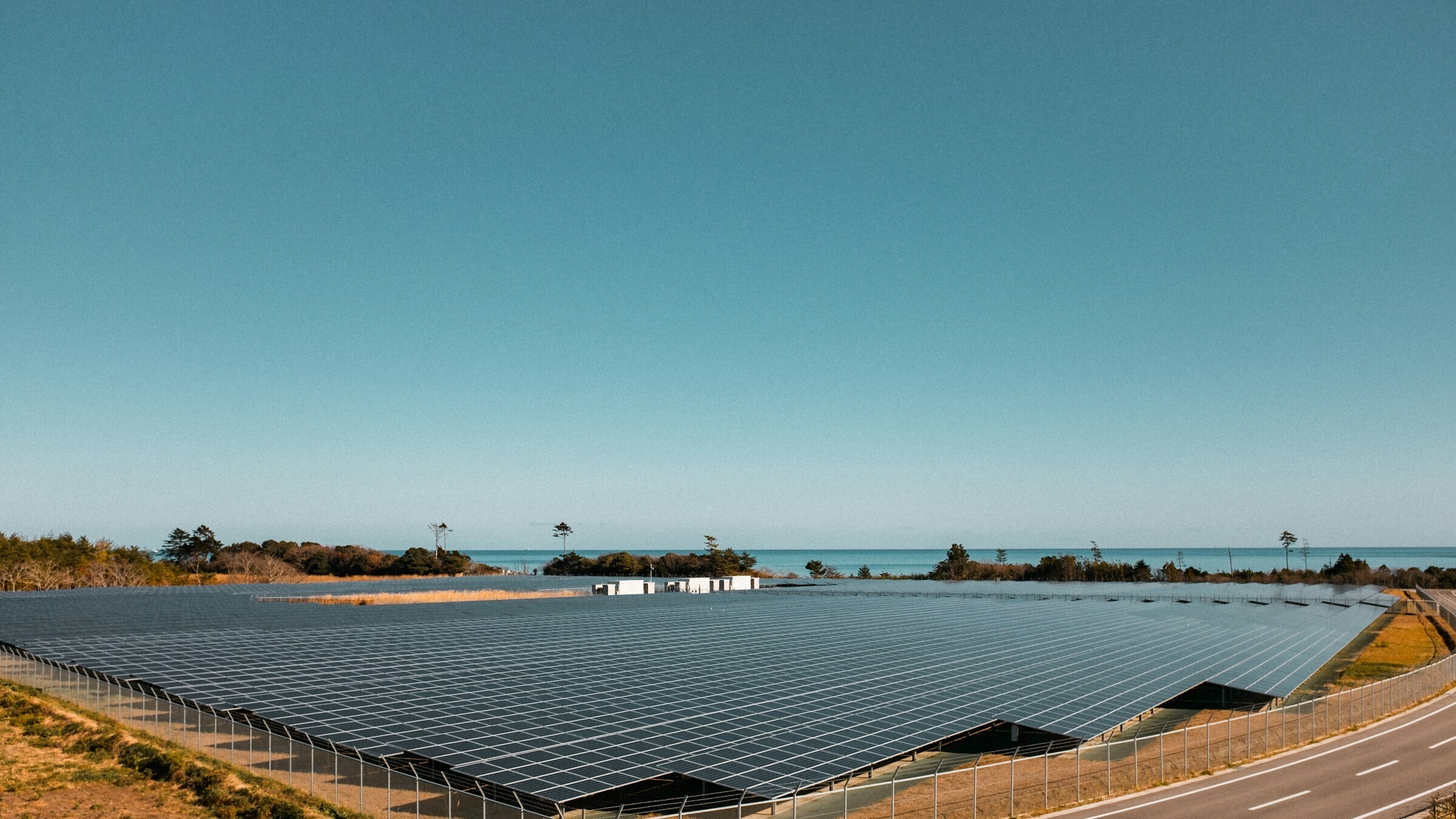
Japan is diversifying its energy sources to enhance stability, security, and sustainability amid geopolitical uncertainties and the climate crisis. The country's energy self-sufficiency rate fell from 20.2% in 2010 to 15.2% in 2023, driving reliance on thermal power, which now constitutes 72.8% of its energy mix. To address this, the Japanese government approved the Strategic Energy Plan aiming for renewable energy to become the primary power source by 2030. Key initiatives include a shift towards solar and offshore wind power, notably through advances in perovskite solar cells, alongside efforts to increase offshore wind capacity from 0.15 GW to 5.7 GW by 2030.
Austria, Ghana, Greece, Iceland, Indonesia, Jamaica, Japan, New Zealand, Nigeria, Norway, Russian Federation, Singapore, Taiwan, China, Thailand
How Japan's efforts to harness local energy supports communities
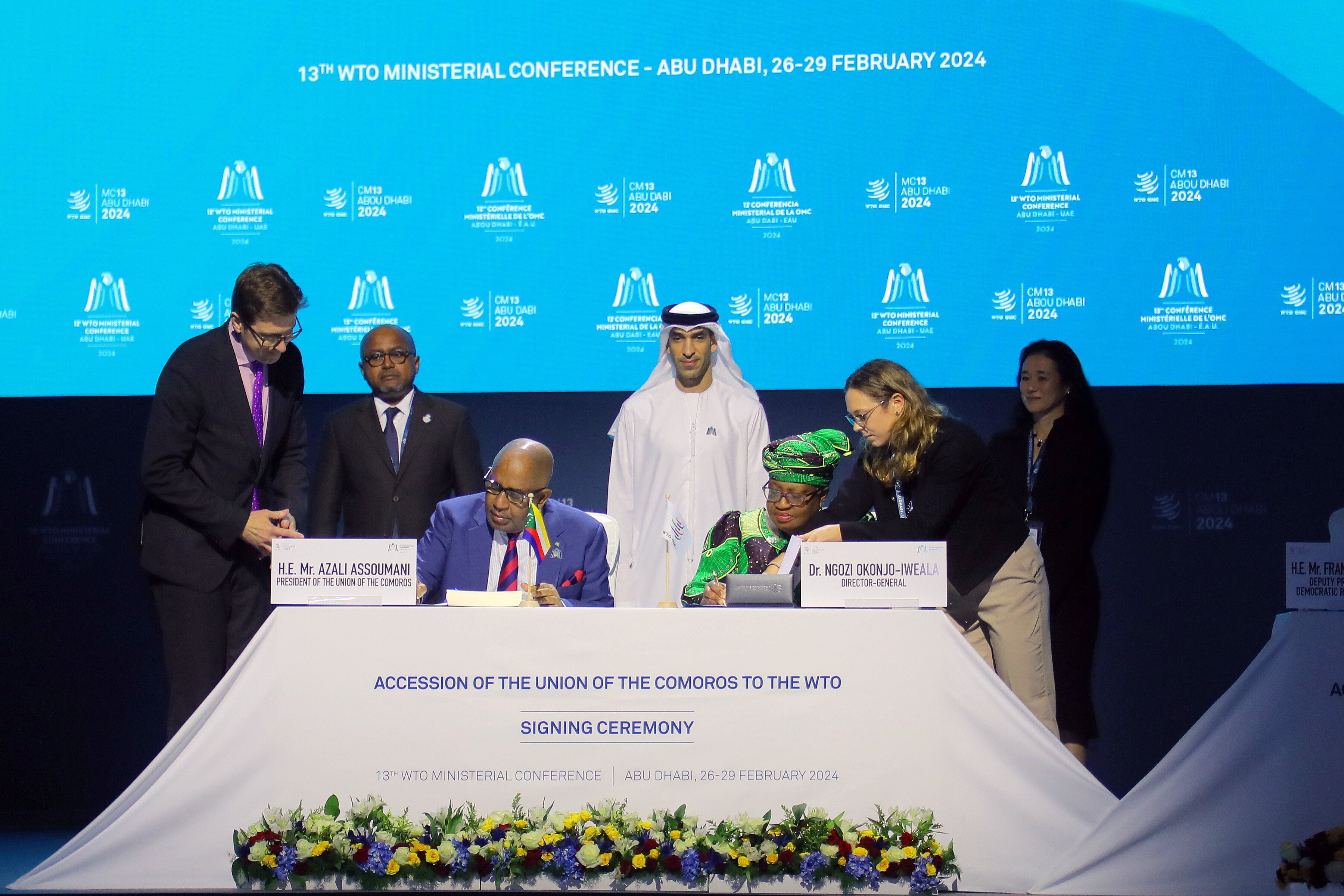
Comoros became the 165th member of the World Trade Organization (WTO) on February 26, 2024, following 17 years of negotiations. This membership is poised to enhance the nation's economic growth, leveraging its strategic location and access to the African Continental Free Trade Area (AfCFTA). Key development priorities include modernizing agriculture, enhancing the tourism sector, building a sustainable blue economy, and strengthening financial and logistics services. The WTO agreements are expected to attract foreign investment, improve trade infrastructure, and promote the export of key commodities, helping Comoros realize its economic goals outlined in the Emerging Comoros Plan 2030.
Bahrain, Barbados, Belgium, Benin, Bolivia, Burkina Faso, Burundi, Cambodia, Cameroon, Cape Verde, Colombia, Costa Rica, Cyprus, Czech Republic, Democratic Republic of the Congo, Denmark, Djibouti, Dominican Republic, Ecuador, Egypt, Estonia, Eswatini, Ethiopia, Finland, France, Gabon, Georgia, Ghana, Guatemala, Guinea, Honduras, Iceland, Indonesia, Ireland, Israel, Jamaica, Jordan, Kazakhstan, Kenya, Kyrgyz Republic, Lesotho, Liberia, Luxembourg, Madagascar, Malawi, Malaysia, Mali, Malta, Mauritania, Mauritius, Moldova, Morocco, Mozambique, Namibia, New Zealand, Oman, Pakistan, Panama, Paraguay, Peru, Philippines, Poland, Portugal, Republic of Korea, Russian Federation, Rwanda, Saudi Arabia, Senegal, Seychelles, South Africa, Sweden, Switzerland, Taiwan, China, Tajikistan, Tanzania, Thailand, Togo, Trinidad and Tobago, Tunisia, Uganda, Ukraine, United Arab Emirates, United Kingdom, Yemen, Zambia, Zimbabwe
How World Trade Organization membership is helping Comoros realize its economic goals
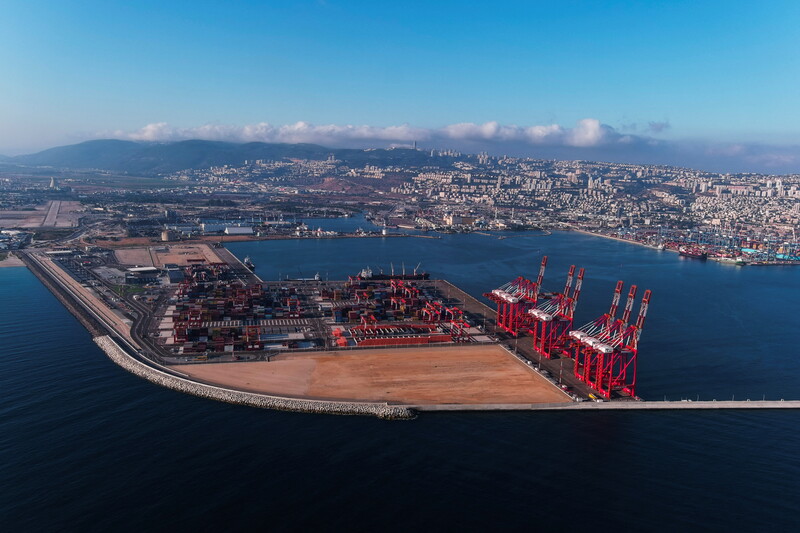
Ports must integrate economic growth with sustainability, employing nature-positive strategies to protect ecosystems while addressing climate challenges through investments in low-carbon fuels and resilient infrastructure. As critical nodes in global trade, handling 80% of international cargo, ports face significant threats from rising sea levels and changing weather patterns. Essential transformations in management and operations are needed, prioritizing green designs and restoration of ecosystems. Successful examples include the Port of Darwin and Mormugao Port, which are beginning to implement environmental initiatives. A projected growth in global port infrastructure emphasizes the necessity for sustainable practices to balance economic development with environmental stewardship.
Financial services
Unlocking growth: How tomorrow’s ports can boost economies, create jobs and protect nature

Istanbul Mayor Ekrem İmamoğlu faces two legal investigations, including charges of “insulting and targeting a public official” and “attempting to influence a trial.” This legal action is viewed as part of Turkish President Erdoğan's strategy to eliminate potential challengers ahead of the 2028 elections. Erdoğan's regime has increasingly targeted the opposition, particularly through judicial means, raising concerns over the erosion of political rights and freedoms. The appointment of state trustees in municipalities previously governed by the opposition signals a broader crackdown that threatens the integrity of future elections in Turkey.
Turkey’s Authoritarian Drift Accelerates: Istanbul Mayor Faces Imprisonment

Deepfakes, created using AI, pose significant cybersecurity threats by enabling fraud and undermining biometric security. Cybercriminals utilize deepfake technology for social engineering attacks, such as creating realistic scenarios that deceive victims, exemplified by a $25 million scam. The risk extends to biometric systems, where deepfakes can mislead facial and voice recognition security measures. The prevalence of deepfake tools is rising, with projections of 8 million being shared globally by 2025. To combat these threats, organizations and governments are investing in detection methods, legislative measures, and public education on identifying deepfakes. Vigilance is crucial to prevent falling victim to such attacks.
Deep trouble: Deepfakes and their implications for cybersecurity
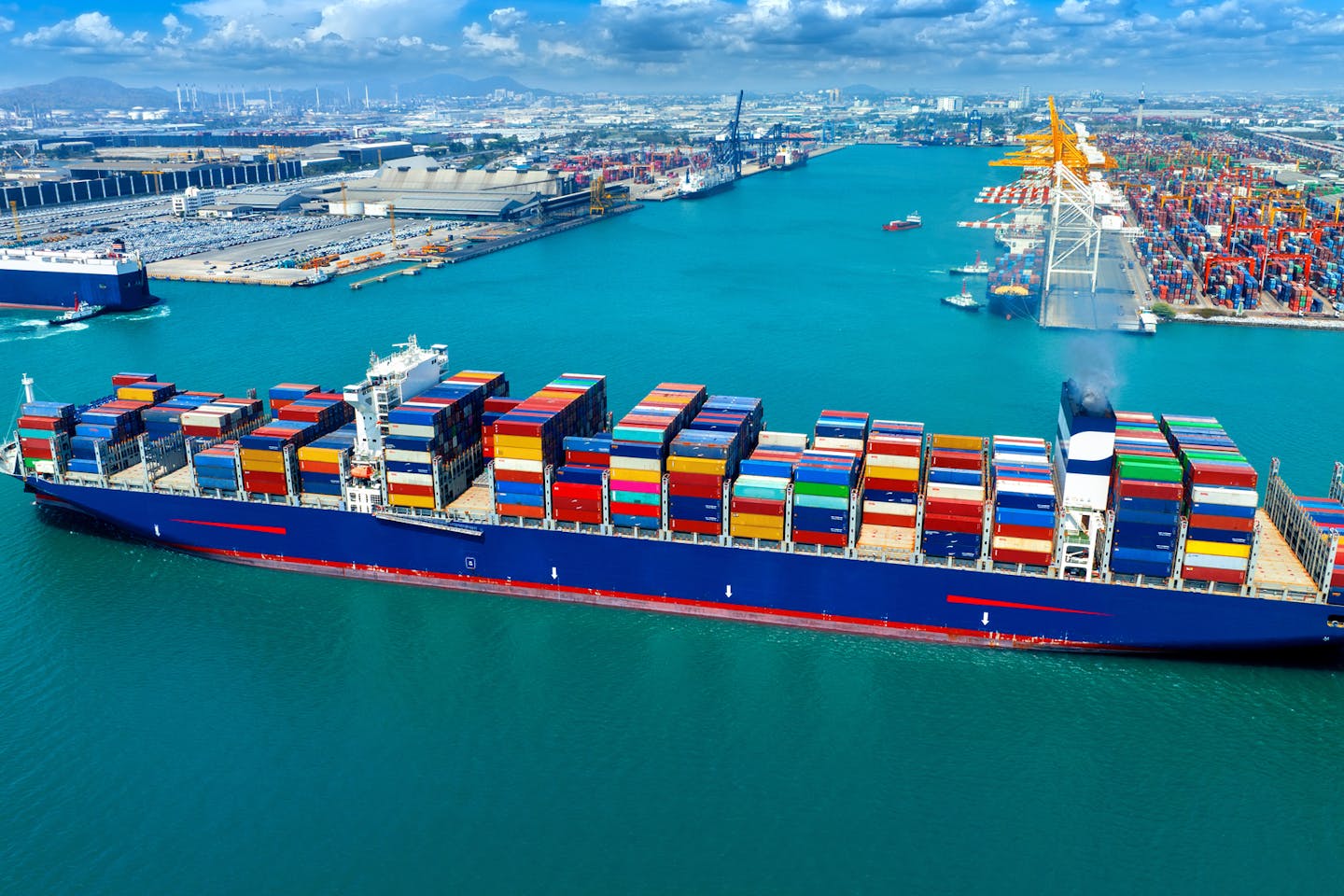
Asia exhibits a divided stance on a proposed global carbon levy for shipping emissions following discussions at the International Maritime Organisation (IMO). Japan, South Korea, and 45 other nations support the levy to aid climate action, while China, Indonesia, and Brazil oppose it due to concerns over costs, export impacts, and food security. The levy, potentially generating up to $60 billion annually for low-carbon initiatives, aims to transition to cleaner fuels in shipping, with proponents advocating for urgent action in the sector known for significant greenhouse gas emissions.
Iceland, Indonesia, Jamaica, Japan, Malaysia, Norway, Oman, Philippines, Republic of Korea, Singapore, Thailand, United Kingdom
Asia divided on shipping carbon tax
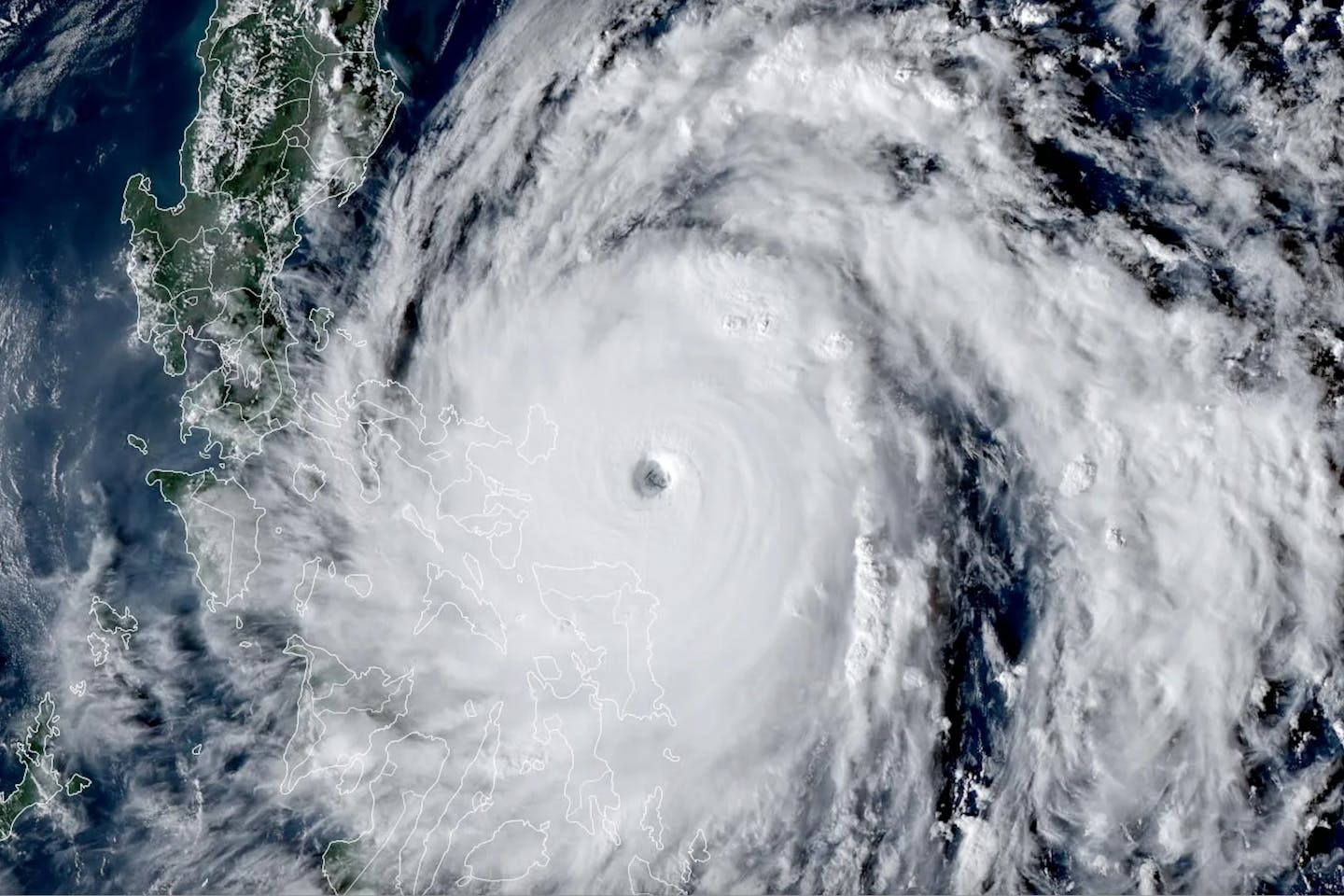
Intensified cyclones in Asia significantly disrupted port operations, leading to increased greenhouse gas emissions due to delays, idling, and vessel rerouting. Typhoons impacted regions like the Philippines and Hong Kong, while emissions per voyage increased despite improvements in emissions intensity, which dropped from 220 to 209 grams CO2e per kilometer of cargo transported. The maritime industry adapted by optimizing vessel use, though external factors and geopolitical tensions posed ongoing challenges. The report indicates that while emissions overall rose, efficiency in shipping operations was maintained, highlighting the complexities of maritime environmental impact.
Philippines
New data shows intensified cyclones in Asia led to port closures and delays, resulting in higher emissions
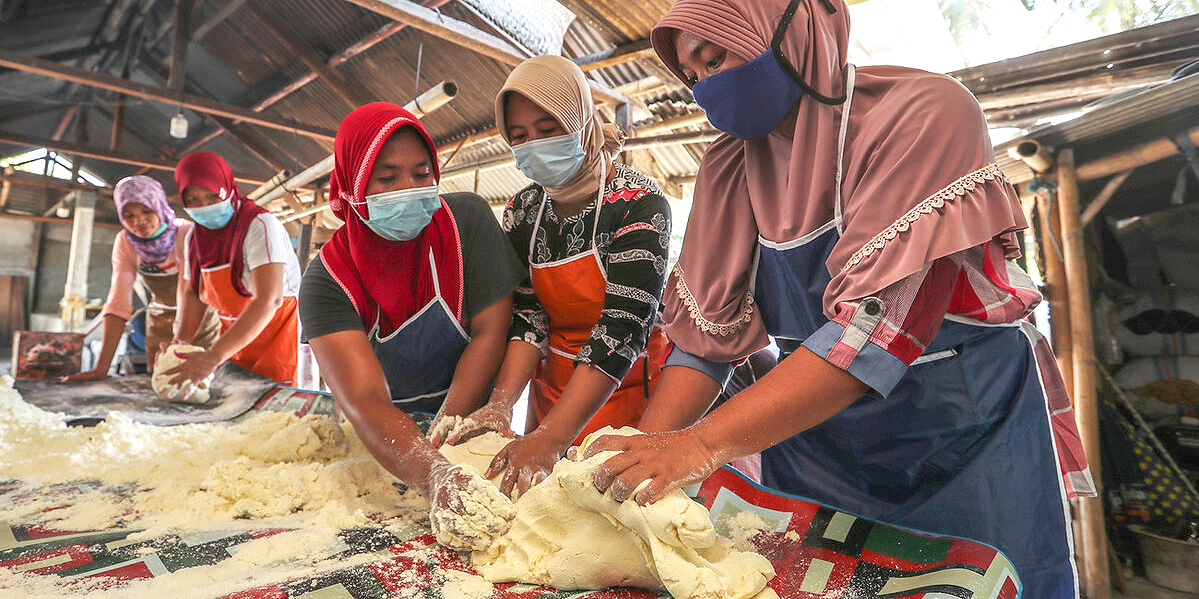
Micro, small, and medium-sized enterprises (MSMEs), particularly women-led MSMEs (WMSMEs), face significant financing challenges. The finance gap for WMSMEs in Asia is approximately $1.7 trillion. COVID-19 accelerated the shift towards digital solutions, which improved financial inclusion. The Asian Development Bank (ADB) initiated crowdsourcing challenges in Nepal, Pakistan, and Thailand to identify innovative financial technology solutions, focusing on alternative data analysis and AI tools for better credit scoring. Key lessons include the importance of a collaborative approach, tailoring problem statements to local needs, and validating solutions to ensure their effectiveness and relevance, particularly for women's access to finance.
Education, Financial services
3 Lessons from Crowdsourcing Digital Solutions for Improving MSMEs’ Access to Finance