Lifelong learning can transform aging populations in Asia and the Pacific into productive economic contributors, helping to address the challenges of a growing older demographic. With older adults expected to increase from 13.5% in 2022 to 25.2% by 2050, investing in education and skill development is vital. Current participation in lifelong learning is low, particularly among older adults, due to ageism and limited opportunities. Programs like SkillsFuture in Singapore and Silver Universities in Kazakhstan offer promising models. Overcoming barriers to education and fostering an age-inclusive workforce culture is essential for economic resilience and inclusivity.
Education
Better with Age: How Lifelong Learning Can Transform the Workforce
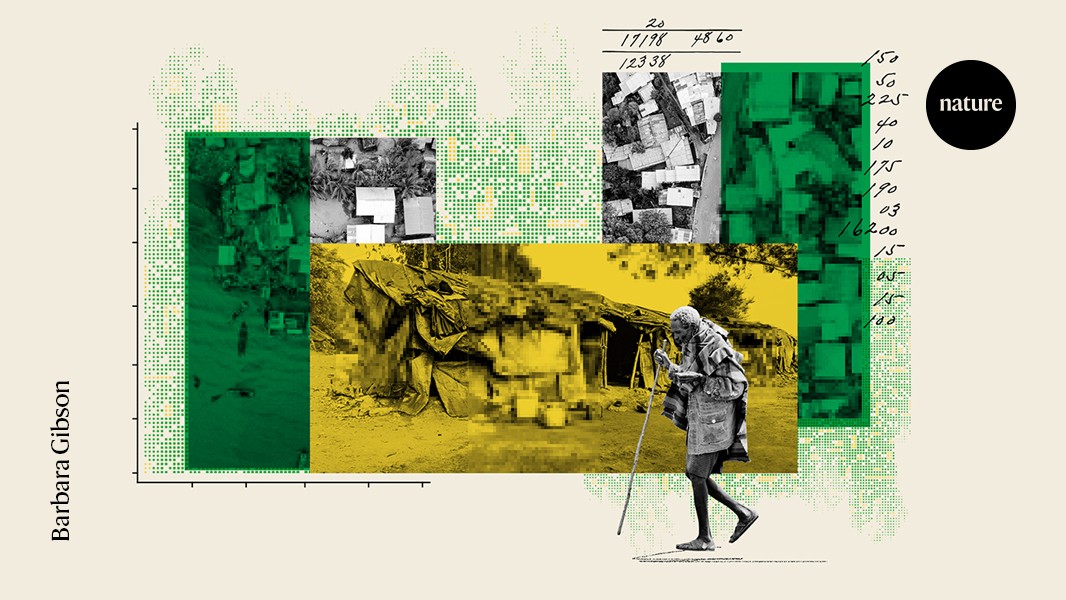
AI can enhance poverty measurement and aid distribution, as demonstrated by Togo’s Novissi project, which utilized AI to analyze satellite images and mobile data for targeted financial support during the COVID-19 pandemic. While approximately 700 million people live on less than $2.15 a day, traditional methods of assessing poverty are costly and slow. AI allows for quicker, broader evaluations but raises concerns regarding biases and inaccuracies. Despite these issues, AI offers a potential improvement over outdated data collection methods, according to researchers and the World Bank.
Can AI help beat poverty? Researchers test ways to aid the poorest people
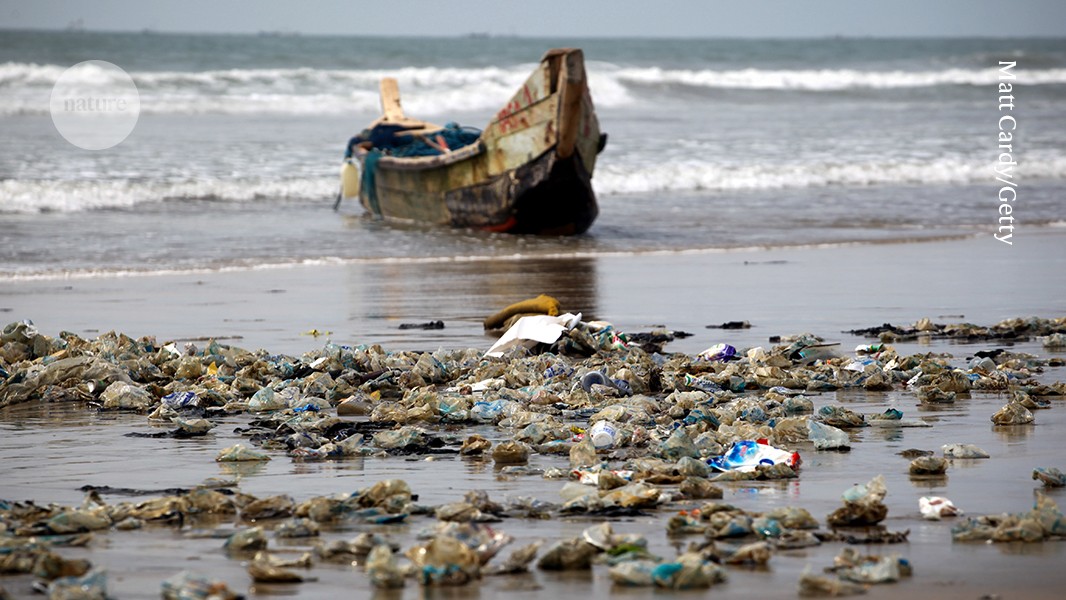
Artificial intelligence (AI) can effectively aid in poverty alleviation, as demonstrated in Togo during the COVID-19 pandemic, where AI identified households in need of financial support through satellite imagery and mobile data. To continue these efforts post-pandemic, comprehensive data on households is crucial, but traditional survey methods are often ineffective, especially in low- and middle-income countries. Leveraging citizen science offers a promising alternative, enabling communities to collect and manage their own data. Partnerships between AI researchers and citizen scientists, supported by adequate funding, can enhance the accuracy and application of data to meet the needs of vulnerable populations.
Combine AI with citizen science to fight poverty
Nature criticizes the Trump administration's recent withdrawal from key climate talks, preventing US officials from contributing to the UN's climate assessment planning. The article highlights the importance of global collaboration in defending scientific integrity in the face of political challenges. Additionally, it discusses the potential of AI to assist researchers in addressing poverty, the need for new academic evaluation metrics beyond publication counts, and strategies to protect gut bacteria from antibiotics.
Daily briefing: Nature denounces Trump’s attack on US research

Key learnings from ADB-supported COVID-19 vaccination programs in seven Southeast Asian countries highlight the roles of logistics, health digitalization, and public–private partnerships in pandemic response. The publication emphasizes insights from Cambodia, Indonesia, the Lao People's Democratic Republic, the Philippines, Thailand, Timor-Leste, and Viet Nam, recommending sustained health investments, strong stakeholder collaboration, and enhanced digital infrastructure to improve regional health security and prepare for future pandemics.
ASEAN | Health
Securing Health in Southeast Asia
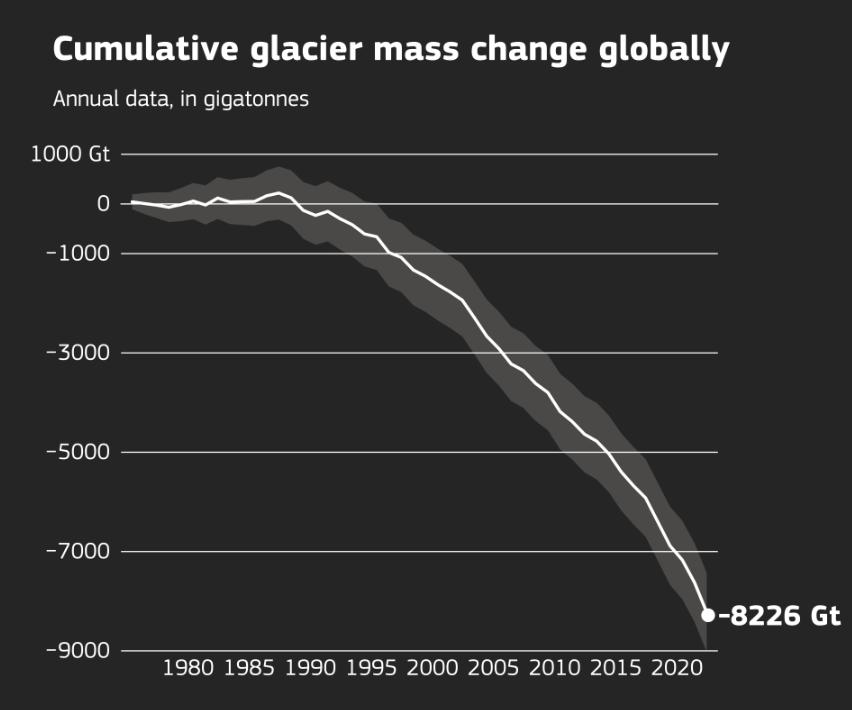
Glaciers are melting at unprecedented rates, having lost over 6,500 billion tonnes of ice since 2000, posing a significant risk of raising sea levels by 32cm. Asia has incurred $2 trillion in damages from extreme weather events since 1993, with China suffering the most. Key news includes the U.S. withdrawal from major UN climate assessments, potential coral bleaching from sunscreen, and proposals for carbon markets in Turkey. Research also suggests that reintroducing wolves in Scotland may assist in carbon storage, while 'hurricane-proof' skyscrapers need reevaluation regarding wind effects.
Glaciers melting faster than ever before, and other nature and climate stories you need to read this week

Jelly was a prominent dish in elite Victorian dining, symbolizing sophistication and culinary skill. Its preparation involved labor-intensive processes that highlighted the era's understanding of collagen, the protein extracted from animal bones, crucial for bone structure. The boiling of bones transformed collagen into gelatin, a key ingredient that set the dish's delicate form. Victorians recognized the health benefits of gelatin-rich broths for the ill, mirroring today's interest in bone broth for health, despite limited scientific evidence supporting its direct benefits. The fascination with collagen and its perceived health advantages has roots dating back to the Victorian era.
How the Victorians started the modern health obsession with collagen

Nuclear deterrence, established since the Cold War, relies on the principle that the consequences of using nuclear weapons prevent escalation. However, the Budapest Memorandum, which promised Ukraine’s sovereignty in exchange for giving up nuclear arms, has proven ineffective as Russia violated its terms. Game theory emphasizes the necessity of "credible commitment" for deterrence to function, meaning allies must be willing to incur costs to ensure protection for others. Given the weakened credibility of such guarantees, countries may reconsider nuclear disarmament, leading to potential arms races in Europe and elsewhere as nations seek self-defense amidst perceived unreliability of allies.
Ukraine
Ukraine war: game theory reveals the complexities (and fragility) of a nuclear deterrent
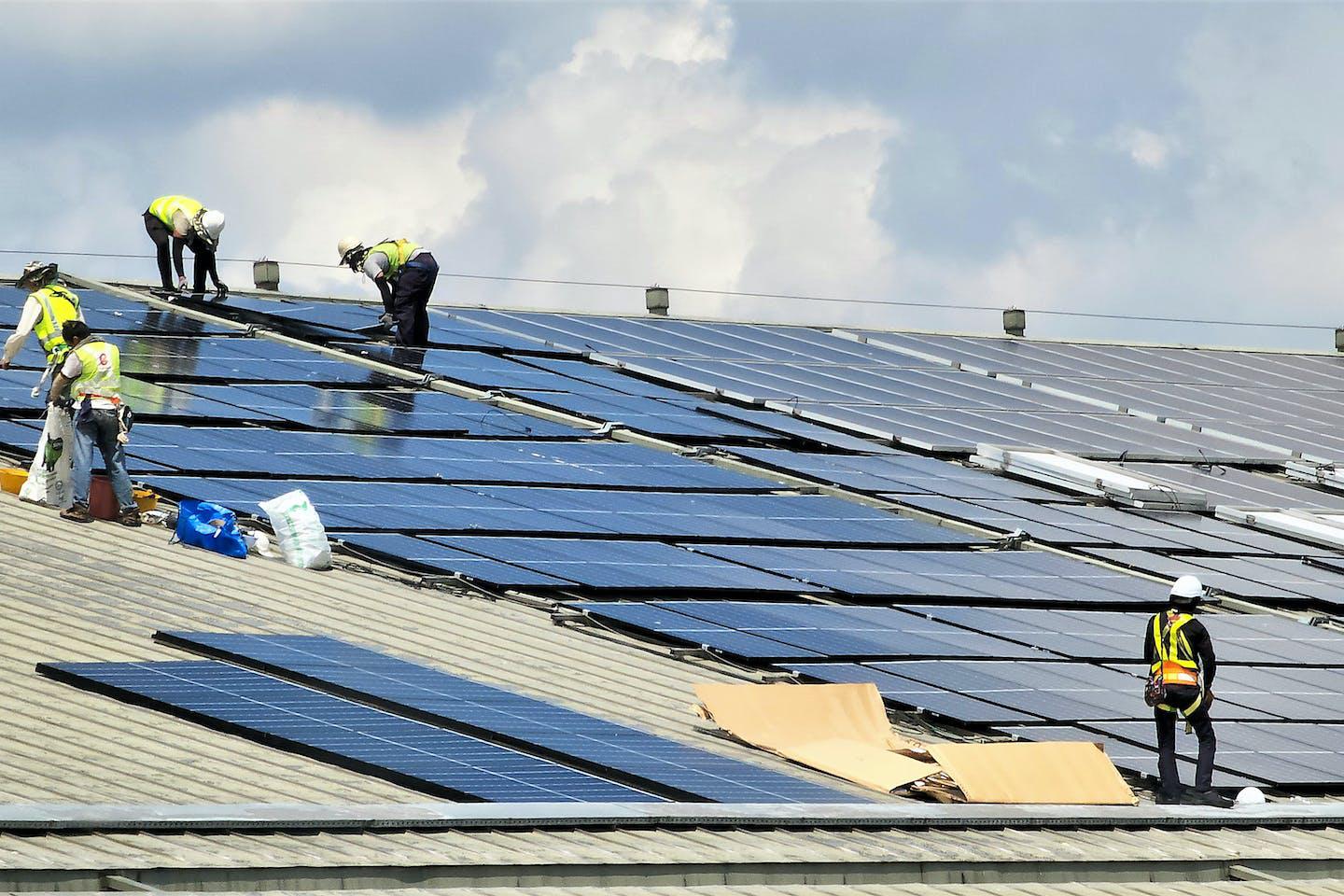
Malaysia's workforce is largely unaware of the impending energy transition, with minimal discussions occurring at the grassroots level, especially among trade unions. The transition threatens jobs primarily in emissions-intensive industries like oil and gas, steel, and agriculture. Petronas plans to restructure its workforce due to dwindling gas reserves, though it will require skilled labor for decommissioning oil rigs. Malaysia’s National Energy Transition Roadmap forecasts 310,000 new jobs by 2050, but concerns exist over whether these will compensate for fossil fuel job losses or maintain similar wage levels.
Malaysia | Education
As Malaysia cuts fossil fuel jobs, how can workers prepare for the energy transition?

Cuts to USAID under the Trump administration could push 5.7 million additional Africans into extreme poverty next year. The suspension of various development assistance programs threatens health initiatives, especially HIV/AIDS prevention, and undermines economic growth, security, democracy, and education in Africa. By 2030, nearly 19 million more Africans may fall into extreme poverty, and sub-Saharan Africa's economy could shrink by $4.6 billion. The U.S. plays a crucial role, providing over 26% of aid to the region; the impact of aid cuts is exacerbated by the inability of foreign direct investment to compensate for lost assistance.
Africa
The toll of USAID cuts on Africa
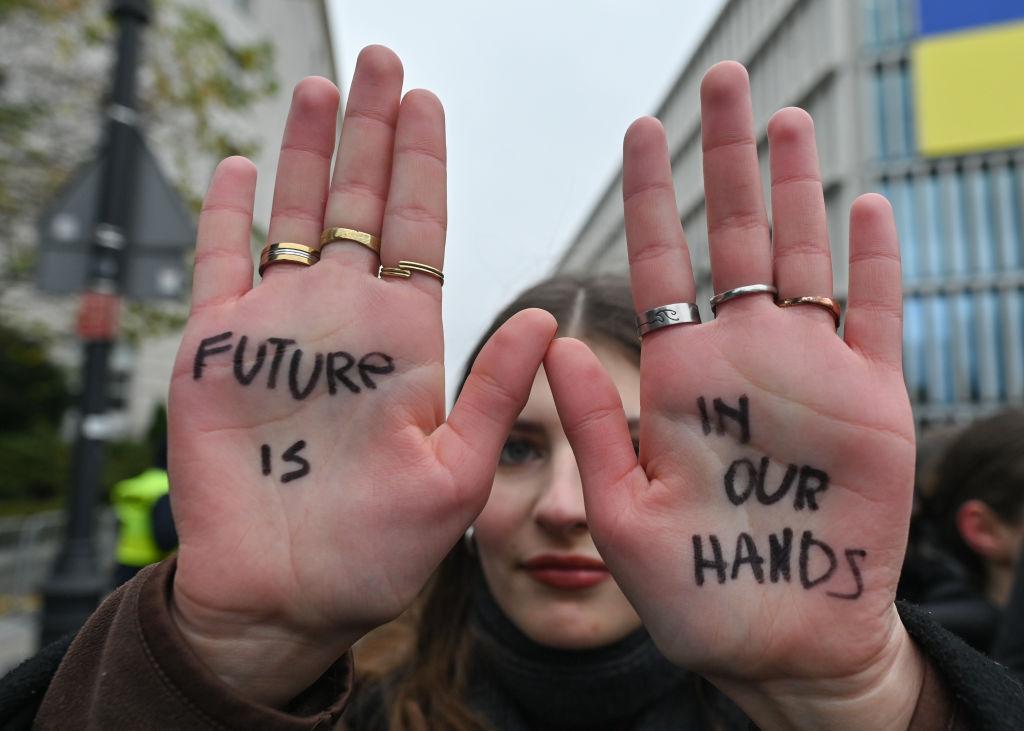
The majority of Europeans continue to support climate action despite growing skepticism toward their governments' ability to effectively address the climate crisis. A 2024 survey of nearly 8,000 individuals across five EU countries reveals persistent concerns about climate change, even as economic and security issues take precedence. Disillusionment is particularly pronounced among those feeling politically marginalized, leading some to focus more on adaptation rather than mitigation. To maintain public support, political leaders must urgently address these concerns, as inaction risks further erosion of trust and boosts populist narratives questioning climate policy efficacy.
Nigeria, Poland, Sweden | Financial services, Health
Europeans still want climate action, but don't trust governments to deliver
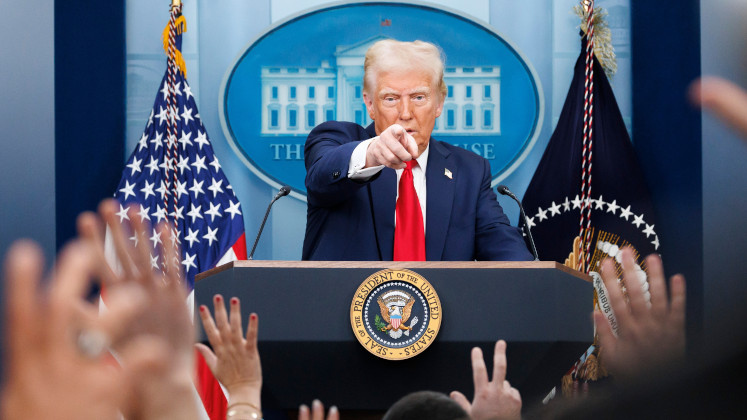
Richard J. Golsan draws parallels between the collapse of French democracy in 1940 and contemporary America under Donald Trump. He highlights key differences, noting that the U.S. has not faced military defeat or occupation like France did. Golsan contrasts the backgrounds of Trump and Pétain, emphasizing Trump's self-promotional style compared to Pétain's military heroism. Both, however, thrive on adulation and see themselves as embodiments of their nations. Golsan warns of more serious implications in comparing their actions, suggesting dire lessons from history are relevant to the current political climate.
Is this America’s Vichy moment?
The fate of Ukraine is significantly influenced by recent international discussions involving key players from Washington, Brussels, Munich, Riyadh, and Paris. A notable Russian-American meeting aimed at restoring relations revealed no significant progress on Ukraine, with Lavrov opposing NATO troop deployment. European leaders emphasized a “peace through strength” approach and agreed to bolster defense budgets. They asserted that any ceasefire should accompany a peace agreement to avoid repeating past mistakes like the Minsk agreements. These events highlight a critical turning point in Ukraine's situation amid evolving geopolitical dynamics.
The Week Everything Changed
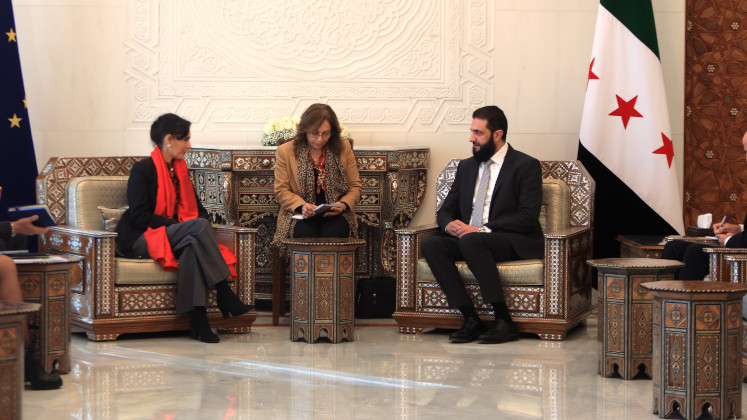
The EU is quickly engaging with Syria following Bashar al-Assad's ousting, aiming to avoid the pitfalls of Western intervention in Afghanistan. Key figures, including German and French foreign ministers, have met with Syria’s interim rulers to promote stability. The new Syrian leadership, including factions linked to HTS and SNA, claims a commitment to reform and women's rights, contrasting sharply with the Taliban's repressive policies in Afghanistan. European interest is also linked to countering Russian influence and strengthening pluralism, although concerns persist regarding the treatment of minorities and long-term political stability in Syria.
Afghanistan, Syria
Europe’s strategy in Syria aims to avoid another Afghanistan

On 8 December 2024, the Assad regime in Syria was overthrown by a rebel alliance led by Hay’at Tahrir al-Sham, facilitated by shifts in regional and international power. Key factors included Turkish support for the rebels, weakening Iranian and Hezbollah influence due to Israeli strikes, and Russia's changing focus amid its conflict with Ukraine. The regime’s collapse alters power dynamics, with Turkey and Israel already occupying parts of Syria, and Arab monarchies expected to influence reconstruction efforts. The U.S. maintains a military presence, its long-term role in Syria remains uncertain. Following this, Syria was readmitted to the Arab League in May 2023, reflecting changing regional alliances.
Syria
The Fall of the Assad Regime: Regional and International Power Shifts

Masato Kanda has been appointed as the president of the Asian Development Bank (ADB), succeeding Masatsugu Asakawa. Kanda, previously vice minister of finance for international affairs in Japan, has extensive experience in international finance and development policy. He is stepping into the role amid geopolitical challenges and trade tensions affecting Asia's developing economies. Kanda pledged to promote sustainable, inclusive, and resilient growth, ensuring ADB's continued support for development in the region. Japan remains a major shareholder of the ADB, which has been led by a Japanese president since its inception in 1966.
Japan
ADB appoints former Japan currency diplomat Masato Kanda as president

Canada and Mexico are in urgent negotiations with the U.S. to avoid a 25% tariff on their exports, with a deadline of March 4. This concern involves $918 billion in trade and follows President Trump’s conditions for enhanced border security. The World Trade Organization (WTO) is also facing calls for significant reforms amid rising economic uncertainties and geopolitical tensions. Simultaneously, gold prices have soared to a record high due to tariff concerns, and President Trump plans to impose new tariffs on key imports by April. Other global trade developments include rising U.S. aluminium imports and growing trade activity in Africa led by Emirates SkyCargo.
Canada, Guatemala, Malaysia, Mexico, Taiwan, China, Tanzania, Trinidad and Tobago, Ukraine, United Kingdom
Canada, Mexico race to avoid US tariffs, and other global trade news to read this month

Nadim Houry emphasizes the necessity of transitional justice in Syria following the overthrow of Bashar al-Assad. He argues that achieving civil peace without addressing past injustices is impossible. Houry highlights the current leadership's focus on security and economic stability, while underscoring the lack of a functioning justice system. Families of victims remain determined to pursue justice, recognizing its essential role in establishing stability and preventing revenge attacks. The conversation around justice includes determining who should face prosecution, acknowledging the complexity of balancing political and societal needs in post-conflict Syria.
Justice in Syria should be “a new social contract”

SWHR's roundtable meeting addressed the impact of menopause on women's health in the workplace, emphasizing the need for support from healthcare providers, employers, and coworkers. Key themes included dismantling stigma around aging, enhancing menopause education in medical schools, and recognizing workplace biases. Participants stressed the importance of dedicated conversations about menopause in clinical settings and advocated for training workplace leaders on menopause issues. The meeting highlighted the need for collaboration and education to retain women experiencing menopause in the workforce, with SWHR planning to release new menopause workplace resources.
Incorporating Midlife Health Priorities into Work-Life Balance during Menopause - Society for Women's Health Research

Generative artificial intelligence (AI) enhances data governance by improving data quality, which is crucial for organizational success. Poor data quality can lead to detrimental outcomes, such as ineffective strategies and lost opportunities. By integrating generative AI, organizations can streamline processes like data classification, metadata management, and policy enforcement. This reduces the workload for data stewards and lowers the risk of human error. Additionally, generative AI can analyze large datasets to ensure compliance with regulations like GDPR and CCPA by identifying patterns and inconsistencies.
Generative AI for data stewards: enhancing accuracy and efficiency in data governance