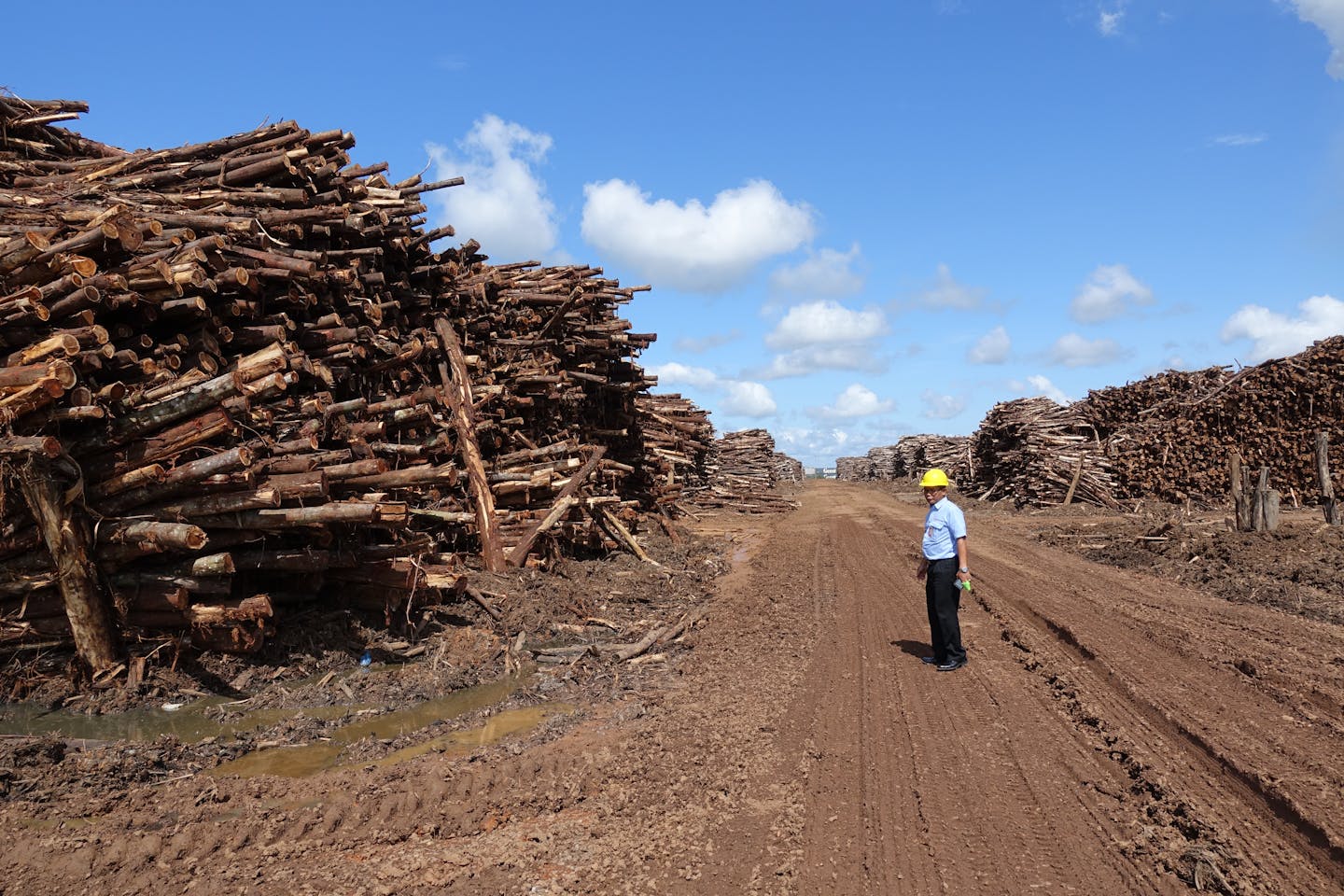
Asia Pulp and Paper (APP) is the first major Indonesian resources firm to have its near-term decarbonisation targets approved by the Science Based Targets initiative (SBTi). However, these targets do not include significant emissions from land use change, pending ongoing reviews. APP aims to reduce its Scope 1 and 2 emissions by 54.6% and Scope 3 emissions by 32.5% by 2033. Despite concerns over Indonesia's climate commitments, APP maintains its long-term net zero goal of 2060 and plans to address emissions by shifting to renewable energy and reducing its reliance on coal.
Asia Pulp & Paper net zero goals approved by SBTi as Indonesian corporates affirm climate pledges
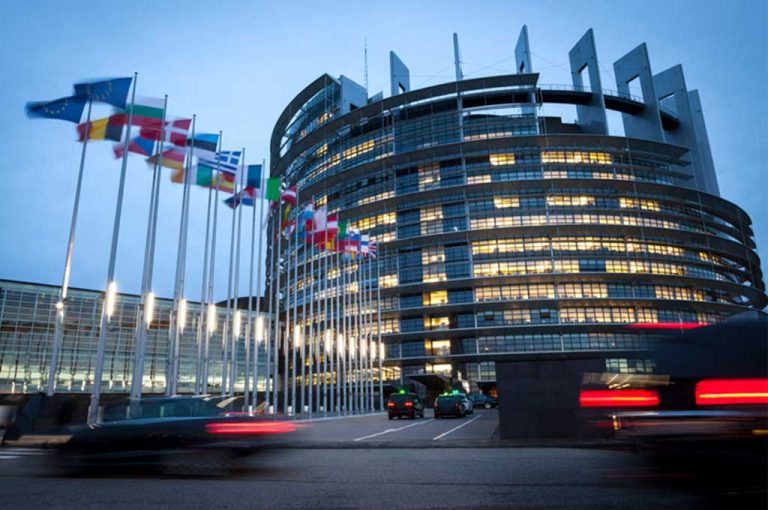
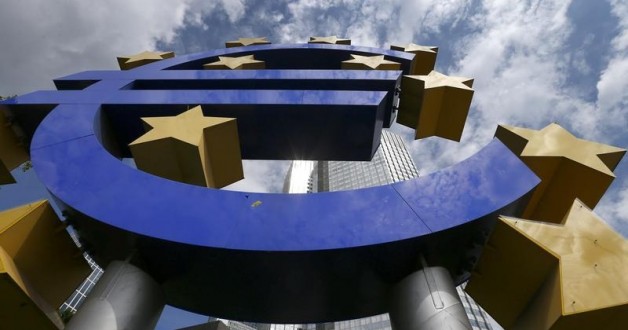
Europe faces significant challenges due to new tariffs and trade policies from the U.S., particularly threatening its open economy. The upcoming U.S. tariffs could exacerbate vulnerabilities in trade relations, leading to broader economic implications, including slowed global growth. Key areas for Europe to focus on include enhancing productivity to overcome the "mid-tech trap," prioritizing defense investment in light of reduced U.S. support, and diversifying trade relationships to mitigate dependence on the U.S. market. The overall goal is to maintain economic competitiveness while navigating an increasingly fragmented global landscape.
Afghanistan, Argentina, Armenia, Australia, Austria, Belarus, Belgium, Bermuda, Bolivia, Brazil, Bulgaria, Canada, Chile, Colombia, Czech Republic, Denmark, Djibouti, Egypt, Estonia, Ethiopia, Finland, France, Georgia, Germany, Ghana, Greece, Hungary, India, Indonesia, Ireland, Italy, Japan, Jordan, Kenya, Latvia, Lesotho, Lithuania, Luxembourg, Madagascar, Malawi, Malaysia, Malta, Mauritania, Mauritius, Mexico, Moldova, Morocco, Mozambique, Myanmar, Namibia, Netherlands, New Zealand, Norway, Paraguay, Peru, Philippines, Poland, Portugal, Republic of Korea, Romania, Russian Federation, Rwanda, Senegal, Slovakia, Slovenia, South Africa, Spain, Sweden, Switzerland, Syria, Taiwan, China, Tanzania, Thailand, Tunisia, Türkiye, Uganda, Ukraine, United Arab Emirates, United Kingdom, Uruguay, Venezuela, Viet Nam, Zambia, Zimbabwe | Financial services, Education
Europe’s response to the new U.S. administration

Artificial intelligence is revolutionizing financial inclusion, particularly in microfinance, by enhancing the efficiency, responsiveness, and personalization of financial services. In Africa, increased connectivity and mobile money adoption are driving AI integration into credit assessment, risk evaluation, and customer engagement. Key benefits include tailored product offerings, simplified credit access, optimized processes, and fraud detection. However, challenges like data access, algorithmic bias, and implementation costs persist. Collaboration among financial institutions, fintechs, and regulators is essential to ensure ethical AI practices, user privacy, and innovative solutions that address local needs, ultimately making financial services more accessible.
Financial services
How Artificial Intelligence Can Revolutionize Financial Inclusion
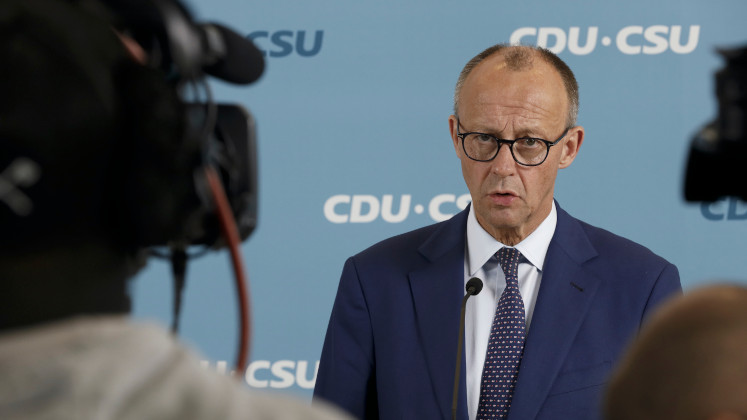
Friedrich Merz is poised to become Germany's next chancellor, leading the CDU/CSU to victory in the federal election. The CDU/CSU performs strongly but faces challenges in coalition-building, likely opting for a grand coalition with the SPD, which may strain both parties due to differing agendas. Immigration and fiscal policy will be contentious, especially as the AfD has gained significant support, capitalizing on anti-immigrant sentiment. Additionally, the Left Party has regained parliamentary presence, complicating the political landscape. The evolving dynamics reflect broader trends in European politics.
Germany
Germany’s election – what happened and what might come next
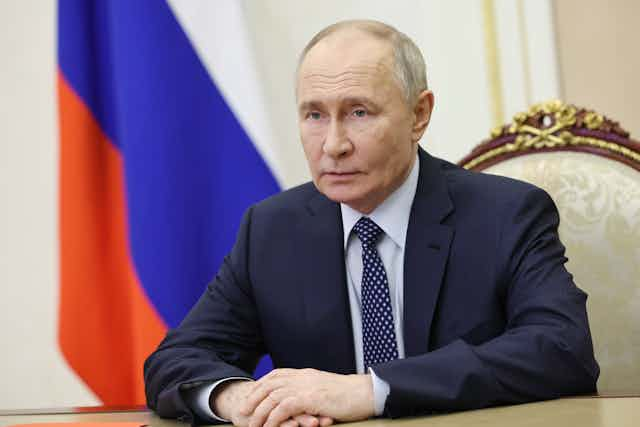
Sanctions are effective less than 10% of the time in achieving complete compliance from targeted regimes, rising to a maximum of 35% for partial concessions. The sanctions on Russia following its invasion of Ukraine have resulted in some economic disruption but have not significantly hindered its economy. Russia has created enforcement gaps, maintained trade through intermediary nations, and enhanced domestic production. Similarly, sanctions against Myanmar's military junta have seen limited success, as neighboring countries continue business dealings and alternative revenue streams remain intact, particularly in the informal jade mining sector.
Myanmar, Russian Federation
Sanctions rarely achieve their goals – here’s why they failed in Russia and Myanmar

US aid reorganization is projected to significantly disrupt economies, with several experiencing up to a 3% drop in gross national income (GNI) by 2025. The private sector must actively participate in sustaining civil society rather than relying solely on traditional aid. A collapse of civil society threatens essential governance, community engagement, and innovation, impacting both citizens and businesses. Corporate actors are urged to identify at-risk social ecosystems and create partnerships to preserve critical assets. The establishment of a “people and planet” fund is necessary to provide sustainable financing for poverty reduction and climate resilience. Collaboration with civil society is crucial for economic development and addressing global challenges.
Financial services, ICT, Education, Health
Why businesses must step up to sustain global civil society
Friedrich Merz, leader of the CDU/CSU, aims to form a coalition with the SPD after securing 28.5% of votes in the recent election. The SPD's share fell to a historic low of 16.4%. Merz emphasized the need to strengthen Europe and reduce dependence on the USA. The far-right AfD achieved 20.8%, marking a significant rise, particularly in eastern Germany. Notably, younger voters favored the Left party. The election highlighted a stark divide in voter sentiment, with the CDU/CSU and SPD struggling with popularity, while the FDP fell below the parliamentary threshold, leading to its leader's retirement.
Germany
German election: the results explained as Friedrich Merz comes out swinging for Europe
Key insights from the World Economic Forum's Annual Meeting 2025 in Davos emphasized that economic growth must be reimagined to ensure it aligns with broader societal goals. Current global growth rates are at their lowest in decades, and leaders stressed that while faster growth is essential, its quality—including innovation, sustainability, and equality—matters significantly. Artificial intelligence and automation are seen as vital tools for reviving productivity and addressing global challenges, yet disparities in access to technology could exacerbate inequalities. The consensus is that future growth must differ from the past, focusing on shared benefits and responsible progress.
Albania, Algeria, Angola, Barbados, Belgium, Benin, Bolivia, Botswana, Burkina Faso, Burundi, Cameroon, Cape Verde, Chad, Chile, Colombia, Democratic Republic of the Congo, Denmark, Egypt, Estonia, Eswatini, Ethiopia, Finland, Gabon, Georgia, Germany, Ghana, Guinea, Hungary, India, Indonesia, Ireland, Israel, Japan, Jordan, Kenya, Lesotho, Luxembourg, Malawi, Mali, Mauritania, Mauritius, Moldova, Morocco, Mozambique, Namibia, Netherlands, New Zealand, Nigeria, Oman, Pakistan, Paraguay, Peru, Philippines, Poland, Portugal, Republic of Korea, Russian Federation, Rwanda, Saudi Arabia, Senegal, Serbia, Seychelles, Singapore, South Africa, Sweden, Switzerland, Taiwan, China, Tanzania, Thailand, Tunisia, Uganda, Ukraine, United Arab Emirates, United Kingdom, Viet Nam, Yemen, Zambia, Zimbabwe | Financial services, Health, ICT, Education
6 things we learned about the future of growth at Davos 2025

Russia and Ukraine are facing significant demographic crises exacerbated by the ongoing war. The conflict is projected to lead to a notable decline in Russia's population due to low birth rates, high mortality, and emigration. Military losses of young men critically impact Russia's demographic and economic future, with approximately one million men lost to date. Concurrently, combating high mortality rates, particularly among men due to alcohol and violence, compounds these challenges. The war further contributes to negative demographic trends, including a potential labor force deficit of 2.4 million people by 2030, leading to long-term socio-economic repercussions.
Tragedy After Disaster? War in Ukraine and Demography

Tariffs have significantly impacted global trade dynamics, leading to growing uncertainty and fears of a trade war, particularly in Europe, where economic growth remains weak. The Trump administration has proposed various tariffs, including a 10% levy on Chinese imports, causing market volatility and price hikes in steel and aluminum. Countries are responding with initiatives to boost growth, such as tax cuts in the US and competitive reforms in the EU. Recent elections in Germany indicate potential shifts in fiscal policy, with discussions about loosening the country's strict debt regulations. Additionally, interest rate cuts in India and Australia reflect broader economic trends.
Afghanistan, Armenia, Austria, Bahrain, Barbados, Belgium, Bolivia, Bulgaria, Burkina Faso, Cambodia, Cameroon, Canada, Colombia, Costa Rica, Czech Republic, Denmark, Ecuador, Egypt, Estonia, Ethiopia, Finland, France, Georgia, Germany, Ghana, Greece, Guatemala, Hungary, India, Indonesia, Ireland, Italy, Jamaica, Japan, Kazakhstan, Kenya, Kyrgyz Republic, Latvia, Luxembourg, Malawi, Malaysia, Malta, Mauritania, Mauritius, Mexico, Moldova, Morocco, Myanmar, Namibia, Netherlands, New Zealand, Norway, Pakistan, Panama, Papua New Guinea, Poland, Portugal, Republic of Korea, Russian Federation, Rwanda, Saudi Arabia, Senegal, Slovakia, South Africa, Sweden, Switzerland, Taiwan, China, Tajikistan, Tanzania, Thailand, Togo, Trinidad and Tobago, Türkiye, Uganda, Ukraine, United Kingdom, Uzbekistan, Viet Nam, Zambia, Zimbabwe | Financial services
Tariffs dramatically change the tenor of global trade, and other economic news to know
A new robotic vision system, PanoRadar, enables robots to see through smoke, rain, and around corners using radio-based sensing and AI, enhancing situational awareness for tasks like search-and-rescue. South Korea plans to acquire 10,000 GPUs by 2025 for a national AI computing center, reflecting a strategic push in the AI industry. In other technology news, a study indicates that mobile phone bans in schools do not improve academic performance or mental health, while Meta is developing a 50,000 km undersea cable to enhance global connectivity. Additionally, China's Contemporary Amperex Technology is seeking a major listing in Hong Kong.
India | Education
Scientists develop ‘superhuman’ robotic vision system, and other technology news you need to know

Saudi Arabia is undergoing a significant transformation focused on economic diversification, diplomatic mediation, and energy transition. With Vision 2030, non-oil sectors now account for 52% of GDP, and growth is projected at 6.2% by 2026. The Kingdom is positioning itself as a global diplomatic broker, illustrated by hosting US-Russian talks on Ukraine, while investing heavily in the US. Additionally, Saudi Arabia aims to become a key player in climate finance, leveraging its Public Investment Fund to address global climate challenges. However, it faces challenges related to youth employment, regional competition, and the balancing act of managing fossil fuel assets against clean energy goals.
Afghanistan, Algeria, Armenia, Bahrain, Brunei Darussalam, Denmark, Egypt, India, Jordan, Kazakhstan, Kuwait, Malaysia, Mauritania, Namibia, Nigeria, Oman, Pakistan, Qatar, Republic of Korea, Russian Federation, Saudi Arabia, South Africa, Sudan, Sweden, Thailand, Ukraine, United Arab Emirates, United Kingdom, Venezuela, Yemen
Saudi Arabia’s balancing act: peace talks, a new economy and straddling the energy transition

Early childhood nutrition is crucial for enhancing healthspan, the period lived in good health, as it significantly influences future health outcomes. Inadequate nutrition during formative years increases the risk of chronic diseases and diminishes overall health quality in adulthood. Investing in balanced nutrition during early life can lead to better educational outcomes, higher productivity, and reduced healthcare costs. Unlike costly advanced therapies, nutritional interventions are cost-effective and can democratize health equity. Addressing childhood nutrition is essential for a healthier aging population and overall socio-economic stability.
Education, Health
From lifespan to healthspan: why childhood nutrition is key to the new longevity

Indigenous intelligence can provide crucial insights for addressing global challenges such as climate change and ethical data governance. During the World Economic Forum Annual Meeting 2025, experts highlighted the importance of integrating Indigenous knowledge into innovation and sustainability efforts. Key lessons emphasized rethinking human-nature relationships, recognizing the successful stewardship of Indigenous communities in ecological conservation, and advocating for Indigenous voices in global discussions. Additionally, the meeting explored the potential for Indigenous data to enhance AI systems and inform decision-making, underscoring the necessity of acknowledging and protecting Indigenous rights in the digital age.
Education
Indigenous intelligence in the digital age: 5 lessons from Davos

Large cities offer a higher quality of life than previously recognized, according to research by Ahlfeldt, Bald, Roth, and Seidel. The study reveals that factors such as urban amenities and personal location preferences contribute to this perception, which is often underestimated due to measurement errors in existing models. By accounting for spatial frictions, the researchers provide a refined quality of life ranking for German cities, showing significant shifts in standings compared to traditional assessments. Hamburg, for instance, surpasses Munich in this new measurement.
Germany
A new measure of quality of life explains why people like living in bigger cities

Experts emphasize the urgent need to prioritize upstream solutions, particularly reuse and refill systems, to combat plastic pollution effectively. Currently, only 4% of global funding addresses these systems, with most financing directed towards recycling and recovery. With plastic production outpacing recycling capacity, significant amounts end up in landfills or oceans. Extended Producer Responsibility (EPR) regulations can incentivize better product designs to facilitate reuse and recycling. Initiatives like SEA circular aim to drive collective action in Asia to reduce plastic waste, while harmonized global regulations could attract private investment to support these upstream solutions.
Education
Redesign, reuse, refill: Experts call for upstream solutions to be prioritised to end plastic pollution
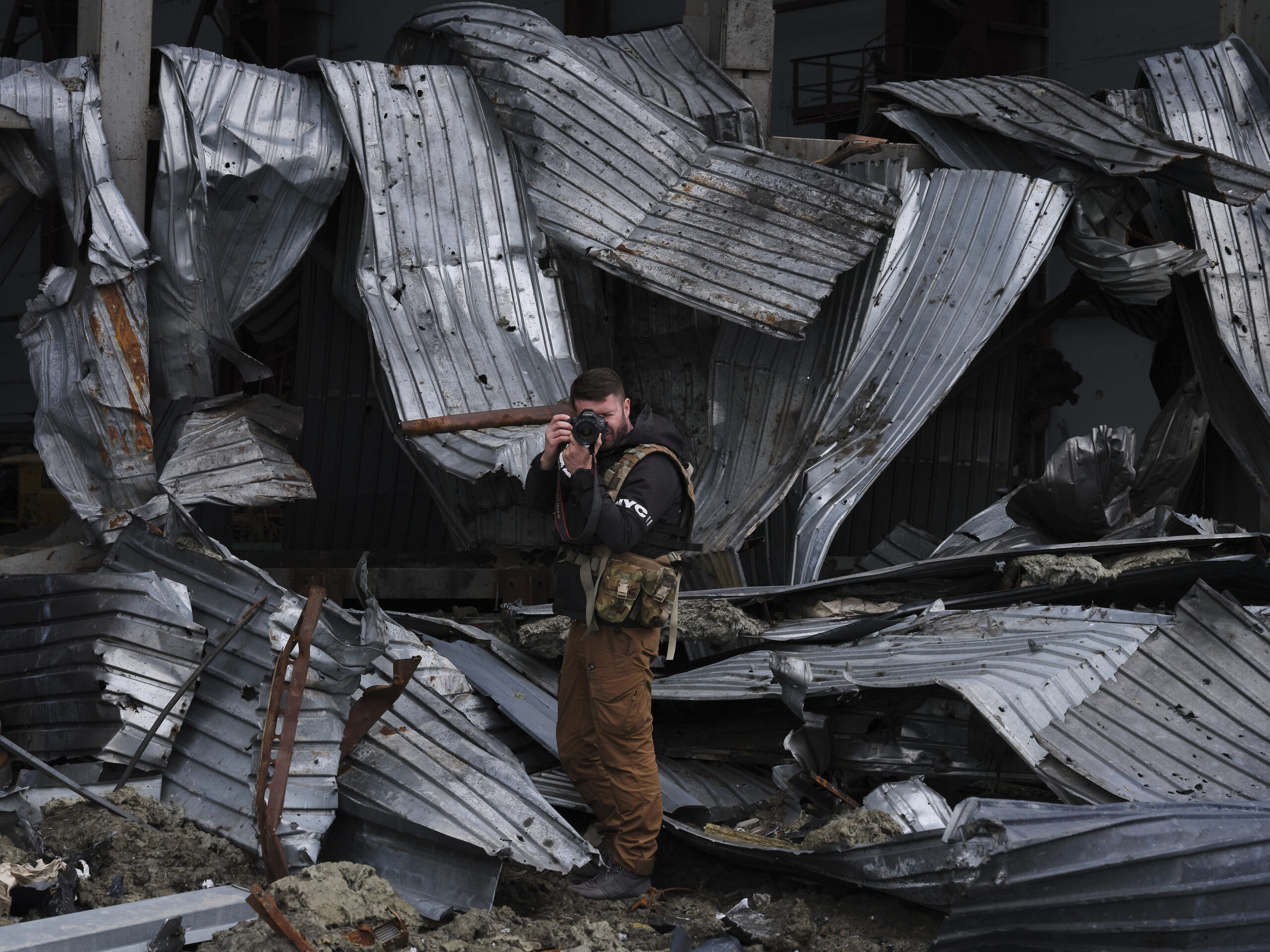
On February 24, 2025, Sabra Ayres emphasized the critical role of Fondation Hirondelle and its partners in supporting local journalism in Ukraine. Yevhen Khrypun, chief editor of Mezhivskyi Meridian, adapted his newspaper's coverage to assist the community as it became a refuge for 5,000 fleeing Ukrainians. Despite financial challenges, he secured grants and expanded his readership, launching a YouTube channel for broader outreach. With increasing threats from the war and reduced USAID support, local media face significant risks, making continued assistance vital for combating propaganda and supporting Ukraine's democracy.
Ukraine
War in Ukraine
Friedrich Merz is poised to become Germany's next chancellor following the CDU's electoral victory. He is known for shifting the CDU further to the right, opposing former Chancellor Angela Merkel’s centrist policies. Merz promotes economic liberalism, advocating for tax cuts and welfare conditionality. A social conservative, he has historically opposed abortion and made controversial comments on gender issues. He is pro-European but emphasizes independence from the US, while navigating complex relationships with the far-right AfD party amidst ongoing coalition-building challenges.
Germany
Who is Friedrich Merz, the man now most likely to lead Germany? Eight things to know
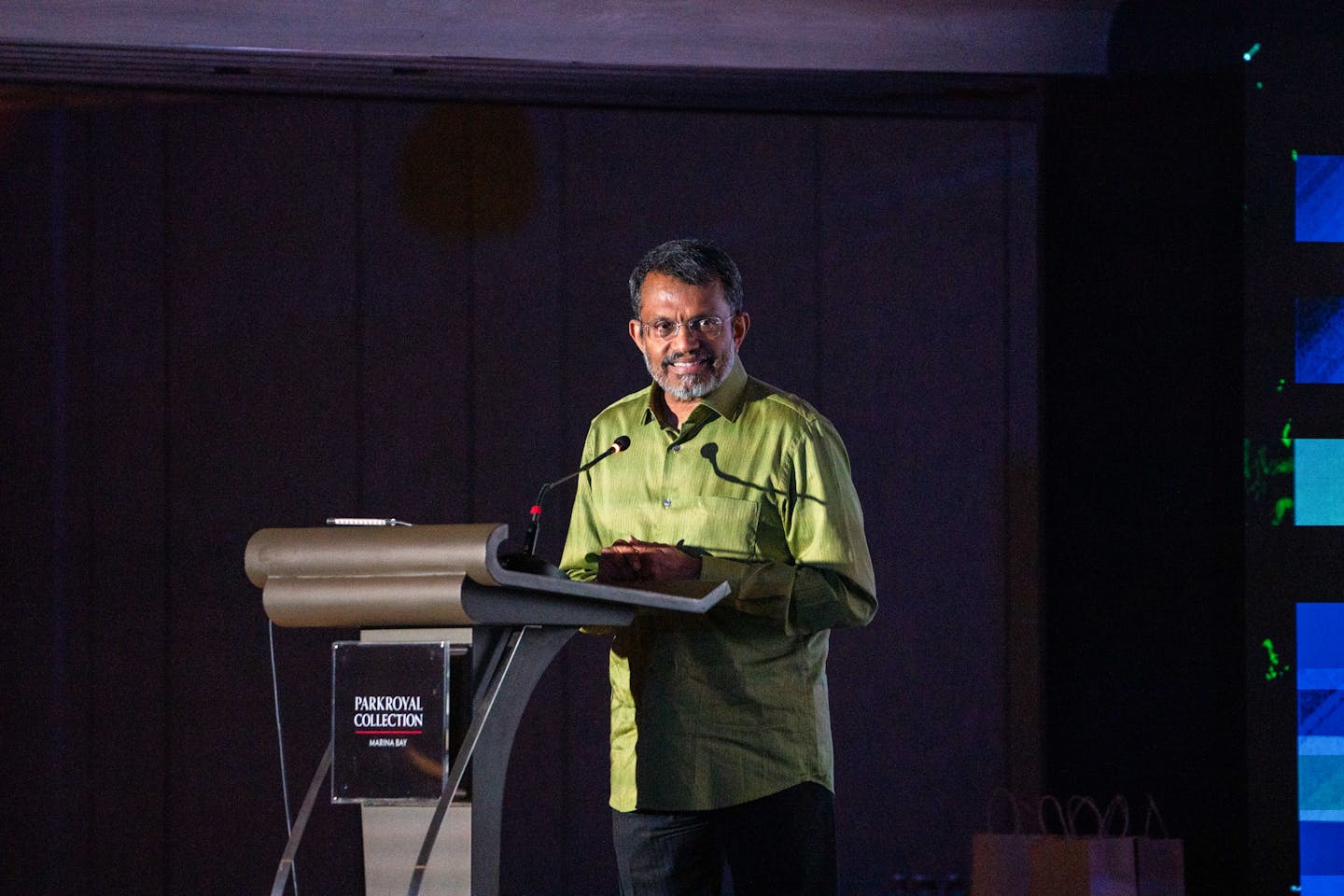
Nature will ultimately determine climate action timelines, not political or economic factors, according to Singapore’s climate envoy Ravi Menon. He highlighted the urgency of addressing climate change, citing record-breaking temperatures and their increasing impact on extreme weather events. While acknowledging short-term political influences, such as the U.S. climate retreat affecting global ambition, Menon emphasized that advancing clean energy technologies and their declining costs are crucial for investment decisions. He warned that certain key technologies still need significant cost reductions to meet decarbonization goals.
Nigeria, Singapore | Financial services, Health
Nature will call the shots, not politics or economics: Singapore’s climate envoy

China will implement a market-based pricing system for new wind and solar projects by late 2025, shifting from fixed rates to pricing determined through competitive auctions. This change aims to enhance the integration of renewables and reduce reliance on coal, potentially leading to lower costs for consumers. Although existing projects will remain under the old pricing structure, new schemes face a more uncertain financial outlook. The reforms are expected to foster innovation in the renewable sector, aligning pricing with actual generation costs and encouraging healthier competition in the energy market.
Explainer: How China’s renewable pricing reforms will affect its climate goals