
Researchers demonstrated a quantum advantage in the odd-cycle game using entangled particles, allowing players to outperform classical strategies significantly. Conducting the experiment with trapped ions separated by two meters, they exceeded the classical limit by 26 standard deviations, confirming a substantial quantum advantage without loopholes. This study, published in Physical Review Letters, has implications for quantum cryptography and artificial intelligence, providing an intuitive framework for understanding how quantum systems can outperform classical methods. Such findings bolster the case for quantum advantage in scenarios with well-defined classical limits.
Quantum Advantage Claim — Quantum Entanglement Gives Players a Significant Edge in Strategic Game
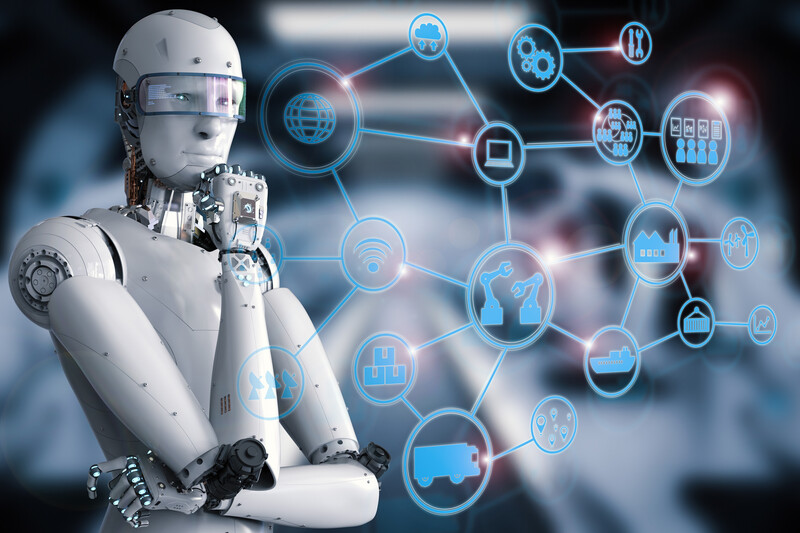
AI agents are transforming global trade for SMEs by providing industry-specific tools that address complex business challenges. In 2024, competition among large language models reduced operational costs but revealed the limitations of generalized AI. By 2025, specialized "vertical" AI agents, developed by companies like Microsoft, Google, and Nvidia, enable SMEs to efficiently navigate the global supply chain. These agents autonomously manage sourcing, logistics, and negotiations, significantly reducing information overload. Alibaba’s AI agent Accio exemplifies this, helping over 500,000 users, especially in emerging markets, streamline product sourcing through advanced natural language processing and comprehensive market insights.
Why AI agents will be a global trade game changer for SMEs

A combined strategy merging scenario planning with emerging world identification and AI-based tools enhances geopolitical risk assessment amidst growing complexity. Traditional forecasting methods are inadequate in addressing unpredictable global dynamics such as political instability and economic disruptions. This integrated framework allows for a better understanding and anticipation of unconventional geopolitical developments, fostering more flexible and resilient decision-making. By focusing on imaginative and forward-looking analyses, stakeholders can effectively navigate changing environments and prepare for multiple potential futures.
Financial services, Health
How to enhance geopolitical risk assessment using this combined strategy
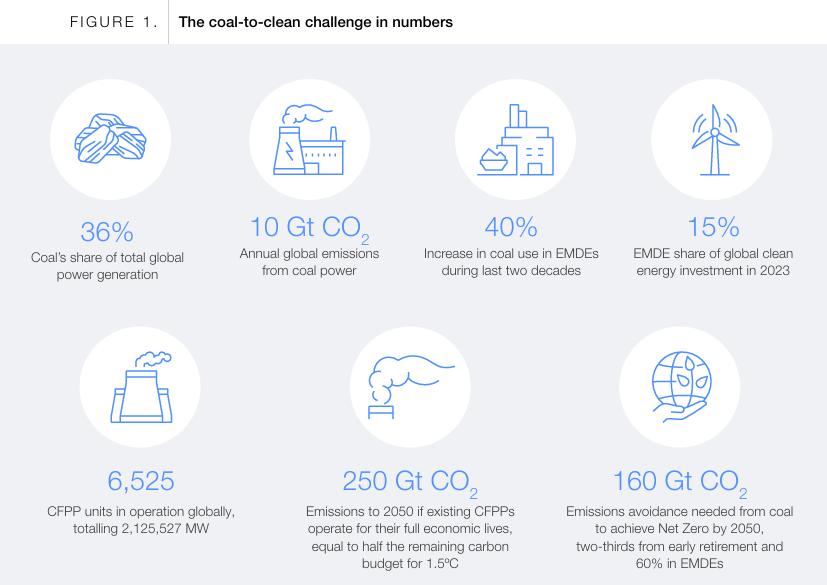
Innovative financing mechanisms are essential for emerging economies to reduce their reliance on coal, which currently accounts for 36% of global power generation. A report from the World Economic Forum emphasizes that transitioning from coal must not disrupt energy supply, employment, or GDP growth in these regions. Additionally, the International Energy Agency projects that emerging economies will drive 85% of global electricity demand growth through 2027. Japan aims for renewables and nuclear to form 70% of its electricity mix by 2040, while countries like India and the US are enhancing energy trade relationships amidst increasing demand for cleaner energy sources.
Bolivia, United Kingdom | Financial services, Health
How innovative financing can cut emerging economies' coal reliance, and more top energy stories

China's advancements in AI signal a transformative moment in tech innovation, marked by strong governmental support and a focus on global collaboration. The recent launch of DeepSeek's R1 model, an open-source AI solution, showcases China's capability to compete with leading U.S. companies by delivering efficient, versatile AI applications at lower costs. Chinese tech giants like Tencent and Alibaba are well-positioned to leverage their vast user bases and super-app ecosystems, integrating AI into daily life in personalized, multifaceted ways. This shift contrasts with U.S. approaches, which tend to emphasize efficiency in task-focused applications.
China’s AI Breakthrough Signals a New Era of Tech Innovation
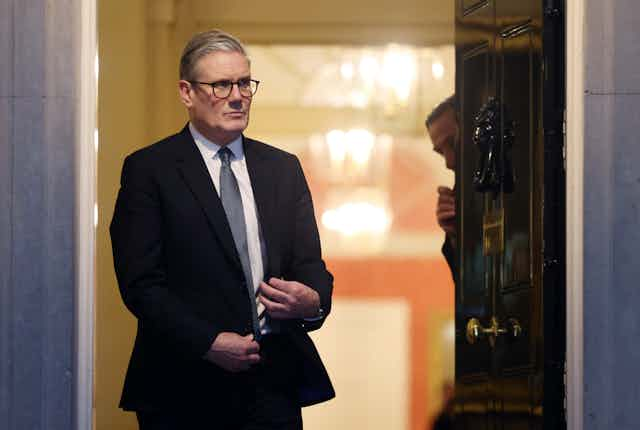
Plans for the UK to deploy troops to Ukraine are in early stages, with Prime Minister Keir Starmer contemplating the potential domestic implications. Public support for sending UK troops as peacekeepers is currently around 58%, with higher backing from Labour (66%), Tory (67%), and Lib Dem (70%) voters. Historical skepticism regarding military interventions, particularly post-Iraq and Afghanistan, suggests public opinion can shift. Starmer must ensure transparent communication regarding the necessity for deployment. Challenges also arise from potential opposition within Parliament and concerns about military readiness and costs associated with troop contributions.
Ukraine, United Kingdom
Will the UK send troops to Ukraine? The challenges facing Starmer’s plan
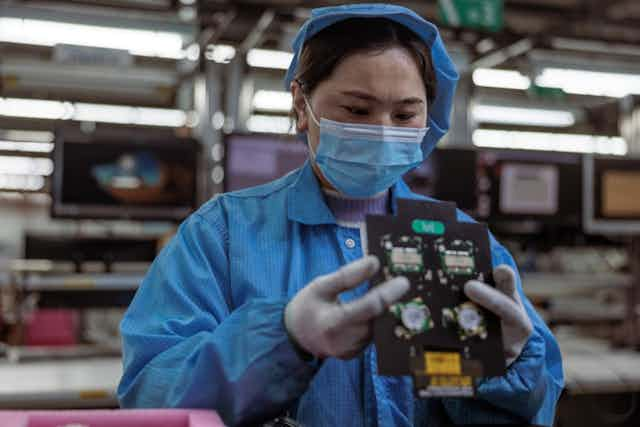
China's confidence in facing the renewed trade war under Trump has grown, bolstered by advancements in high-tech sectors, notably with the launch of AI tool DeepSeek and the electric vehicle successes of BYD. Beijing’s strategy has shifted from cautious to assertive, responding to US tariffs with reciprocal measures. Xi Jinping's call for tech firms to enhance capabilities channels a patriotic duty. China's competitive edge lies in lower prices and growing self-sufficiency, countering US challenges. This evolution marks a significant readiness for prolonged economic conflict, as China aims to strengthen its global economic position.
China: Xi Jinping has learned from Trump’s first trade war and is ready to fight back

Keir Starmer's government faces rising pressure to increase the UK's defence spending amid global tensions, particularly due to the ongoing conflict in Ukraine. The planned military budget will reach £67.7 billion in 2025-26, representing 2.3% of GDP, yet falls short of NATO commitments. Labour's proposal to boost spending to 2.5% reflects concerns about military readiness and aims to counter perceptions of weakness. However, fiscal constraints challenge this initiative as demands for public investment in healthcare and education grow. Additionally, substantial military spending benefits the UK’s defense industry, yet investment in renewable energy could offer more sustainable security solutions.
United Kingdom
Why Keir Starmer may gamble on increasing Britain’s defence spending

The Bauhaus movement, founded in 1919 by Walter Gropius, has become a focal point for far-right criticism in Germany, particularly from Hans-Thomas Tillschneider of the Alternative for Germany (AfD) party. Tillschneider attributes economic issues in Saxony-Anhalt to Bauhaus modernism, rejecting its principles as socialist. Historically, Bauhaus faced resistance from conservative factions who preferred nationalist art, leading to its relocation and eventual closure by the Nazis in 1933. The movement's emphasis on accessible art clashes with conservative aesthetics, centering it in ongoing debates about German identity.
Germany
Why Germany’s far right hates the Bauhaus movement

YouTube originated from a failed dating site concept by former PayPal employees but quickly transformed into a significant platform for video sharing. Launched in 2005, it democratized content creation, leading to the emergence of independent creators and the profession of "YouTuber." Google acquired YouTube in 2006, propelling monetization through advertising. The platform has been pivotal in media, journalism, and influencer marketing, with over 2.5 billion monthly users. However, it faces ongoing challenges with hate speech and misinformation, prompting stricter moderation policies.
Education
YouTube was born from a failed dating site – 20 years on, the world’s biggest video platform faces new challenges
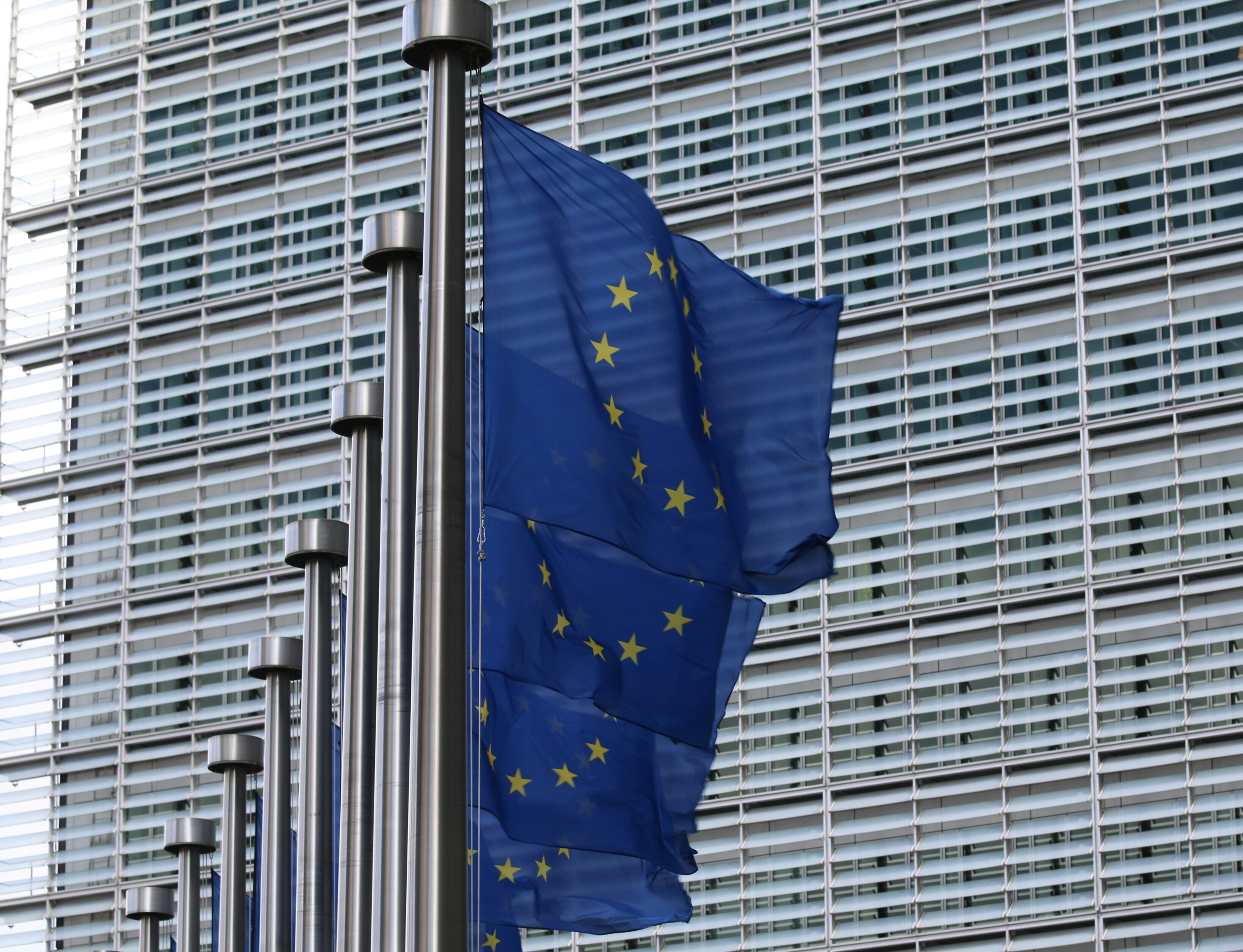
The European Union is reforming corporate sustainability rules to enhance economic competitiveness, with an Omnibus proposal set to streamline sustainability reporting regulations for social and environmental risks. This aims to reduce administrative burdens by at least 25%, particularly benefiting small and medium-sized enterprises. European Commission President Ursula von der Leyen emphasized the necessity for simplified reporting to overcome barriers to scaling and achieve net zero by 2050. However, over 200 investment groups caution that weakening rules may lead to legal uncertainty and hinder competitiveness, underscoring the need for stable, high-quality reporting to inform investment decisions.
Angola, Botswana, Qatar, Switzerland, United Kingdom | Health, ICT, Financial services
What's next for corporate sustainability rules in Europe?
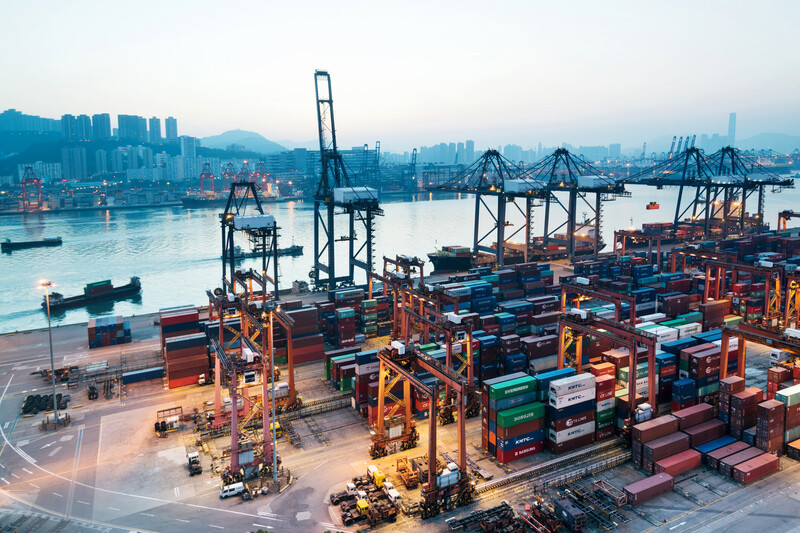
Companies are adapting to new U.S. trade measures by increasing sourcing from the U.S. and diversifying supply chains. Key strategies include 40% planning to increase U.S. sourcing and 46% diversifying geographically, with 62% of executives prioritizing sustainability. Geopolitical tensions have made non-aligned countries attractive for supply chains, though regulatory inconsistencies pose challenges. Businesses are embracing "friendshoring" but face complications due to evolving definitions of allies. The complex trade landscape necessitates a balance of diversification and localization, requiring continual recalibration and technology integration to navigate risks effectively.
Belgium, Bolivia, Canada, Colombia, Costa Rica, Finland, Malaysia, Mexico, Portugal, Switzerland, United Kingdom, Viet Nam | Financial services, Health
The US has ushered in a new era of globalization. How are businesses adjusting?
Recent research reveals a divergence in outlook between economists and corporate leaders regarding the impact of geopolitics on the economy. While economists express concern about macroeconomic risks and long-term effects, business leaders display optimism, focusing on manageable challenges from trade wars. Corporate decision-makers surveyed by ING report that nearly half are uncertain or view the impact of geopolitics as minimal. Key concerns include the war in Ukraine and supply chain challenges, but many anticipate positive developments such as increased European activity and reduced regulations. Overall, corporate sentiment remains optimistic, contrasting with economists' warnings of subdued growth.
Ukraine, United Kingdom | Financial services
Corporate calm vs economists' concerns: Why opinions are divided on the impact of geopolitics
Democracy in the West faces significant challenges as the U.S. experiences a shift towards authoritarianism, marked by figures like Trump, Musk, and Vance. This "New Normal" signifies the decline of established democratic norms and international treaties, replaced by a rise in populism and extreme politics. Current events highlight aggressive rhetoric, including threats against countries like Denmark and Canada, while geopolitical tensions persist, illustrated by Russia's provocative actions. The future remains uncertain as these leaders navigate a landscape of ultimatums and heightened social media influence, which could reshape global alliances and governance.
After Munich : the
Europe's attempts to leverage rapprochement with China as a bargaining chip in transatlantic relations is unlikely to succeed. The Trump administration views European foreign policy as ineffective, making mere dialogue a poor strategy. Realigning with China offers illusory benefits, given China's support for Russia and its existing economic advantages in EU markets. Without addressing significant issues like military support for Russia or achieving trade reciprocity, Europe's pursuit of a "reset" with Beijing will not yield strategic advantages, ultimately necessitating a focus on domestic agendas such as reindustrialization and defense investment.
Europe’s China Temptation Won’t Pay Off

The Fondation Hirondelle will participate in the Geneva Book Fair from March 19 to 23, showcasing an exhibition titled “30 Years of Commitment to Access to Information.” The exhibition features around thirty photographs, videos, and radio reports that highlight the organization’s work and missions across eleven countries, centered on four themes: information as a human right, promoting dialogue and social cohesion, ensuring access to information, and countering disinformation. Visitors are invited to celebrate three decades of journalism focused on access to information.
Meet the Fondation Hirondelle at the 2025 Geneva Book Fair - Fondation Hirondelle - Media for Peace and Human Dignity - Hirondelle.org
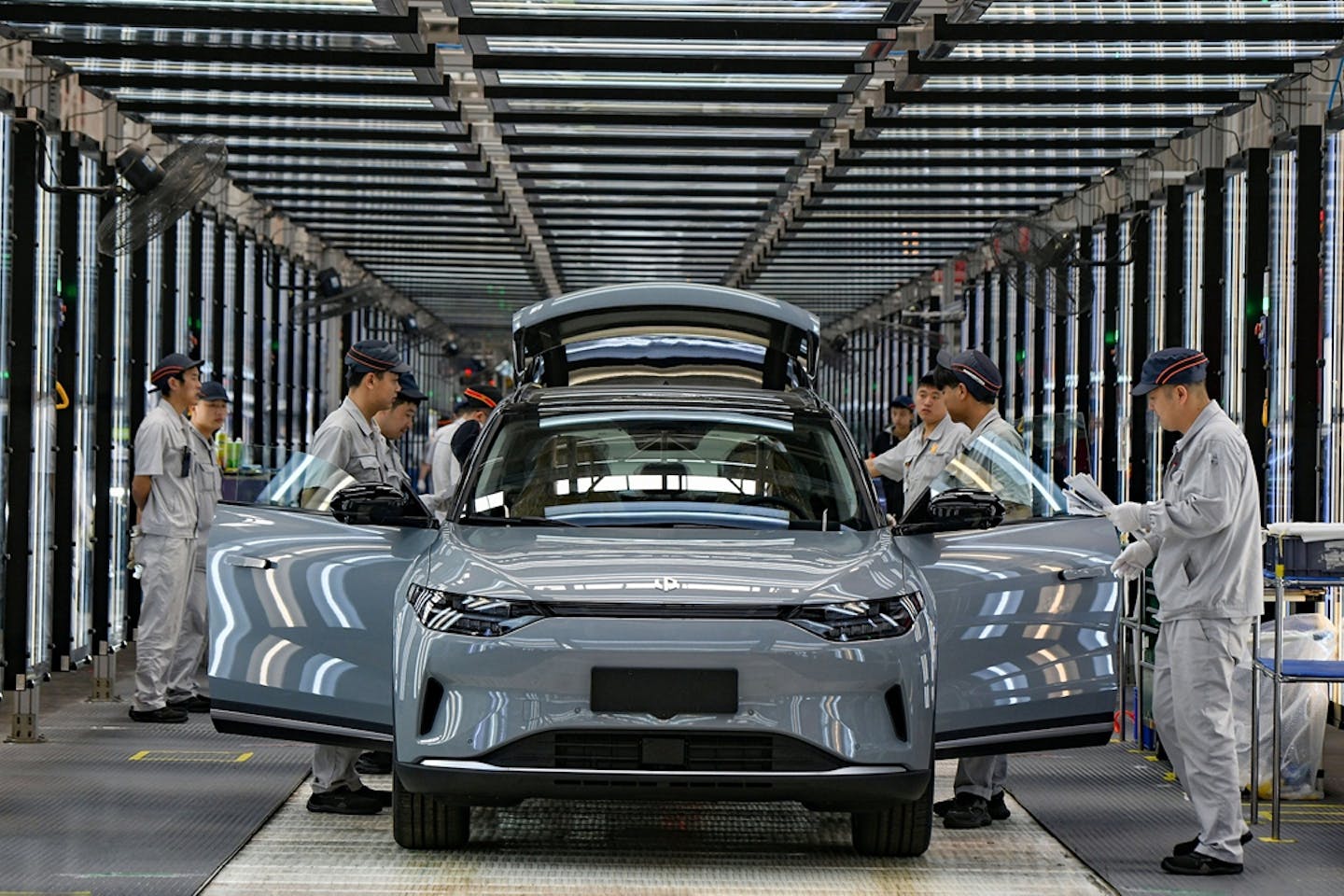
Clean energy contributed to a record 10% of China's GDP in 2024, amounting to 13.6 trillion yuan (US$1.9 trillion) and growing three times faster than the overall economy. The "big three" clean energy products—electric vehicles, batteries, and solar—were primarily responsible for this growth but represented only 0.9 percentage points of the country's emissions increase. Clean energy financing reached 6.8 trillion yuan (US$938 billion), nearing global fossil fuel investments. Additionally, growth in energy storage capacity matched that of fossil fuel generation for the first time, highlighting a shift in energy strategy despite ongoing coal expansion.
Clean energy now a record share of China’s GDP, with minimal emissions impact: study

Innovative strategies are essential for enhancing agricultural resilience and sustainability amid climate change. Understanding the complexities of global policy and financing is crucial for agriculture, as deep divisions exist regarding effective strategies. This comprehensive guide examines the historical, economic, and policy linkages between climate change and agriculture. It identifies gaps in climate action related to agricultural growth and offers actionable strategies for stakeholders to foster sustainable changes in the sector.
Health
Smart Agriculture Under Climate Change
German voters are increasingly concerned about the economy, which is currently in recession and has shrunk over the past two years. Contributing factors include tight fiscal policies, reliance on foreign demand, and rising inflation, with expectations that it will remain above 3%. Germany faces a "triple crisis" marked by high energy prices due to reliance on Russian gas, a weak labor supply, and low productivity growth. These challenges are exacerbated by demographic shifts and inadequate private sector investment. A turnaround necessitates significant improvements in energy policies and labor market participation.
Austria, Belgium, Czech Republic, Denmark, Germany, Malaysia, Mexico, Netherlands, Poland, Republic of Korea, Slovakia, Switzerland, United Kingdom | Financial services, Education
German election: a triple crisis looms large at the heart of the economy
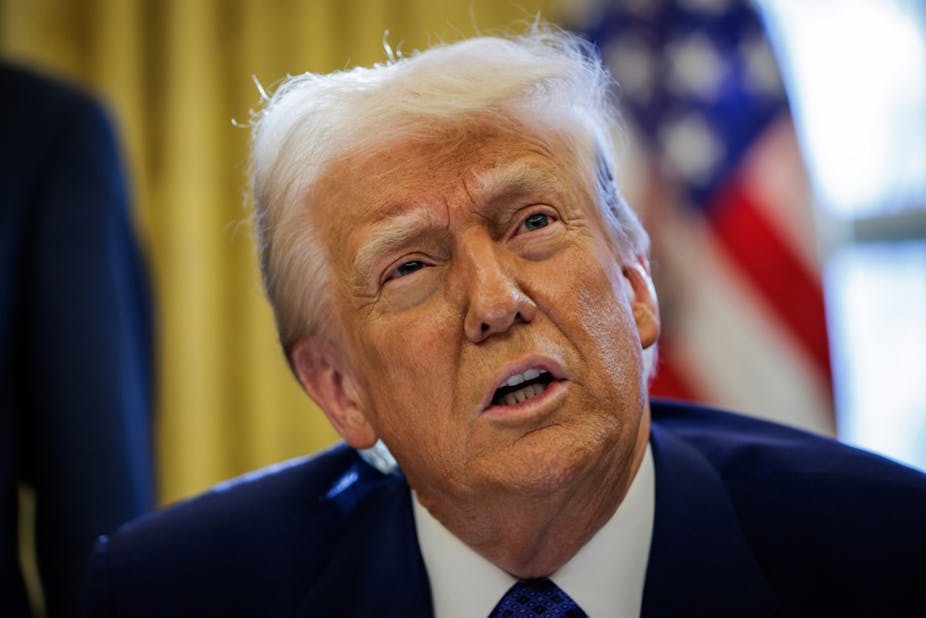
Donald Trump's approach to Latin America marks a significant shift toward interventionism, reminiscent of past US foreign policy. His threats to potentially use military force regarding the Panama Canal have sparked concerns among Panamanians about US intentions. Historically, the US has a long legacy of meddling in the region, including supporting coups and backing authoritarian regimes. While prior administrations attempted to improve relations, Trump's rhetoric suggests a reversion to a paternalistic stance characterized by direct intervention and the pursuit of US interests, echoing the Monroe Doctrine and earlier policies.
Panama
The US has a long history of meddling in Latin America. What’s different about Donald Trump’s approach?