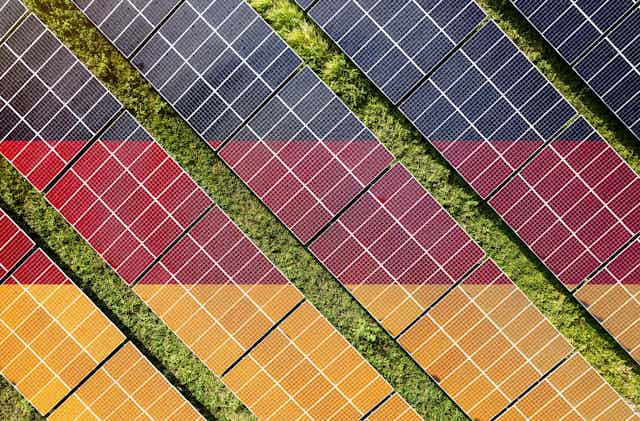
The collapse of the German government in November 2024 highlighted significant disagreements over climate change funding, pushing environmental issues aside in the political discourse. In the lead-up to the February 2025 election, concerns about migration and the economy took precedence, with climate change only prioritized by 13% of voters. Populist parties, like the AfD, have fueled skepticism towards climate policies, particularly among their supporters. Despite this, there remains substantial backing for community-oriented climate initiatives and a desire for participation in energy transition processes. As climate impacts worsen, effective political strategies will be necessary to address public anxieties about costs and job security related to environmental policies.
Financial services
German election: why most political parties aren’t talking about the climate crisis

Italy ranks third in Europe and ninth globally in AI scientific research, yet ranks 20th in AI adoption among EU countries. The article emphasizes the widespread challenges AI poses for citizens, professionals, and institutions. Bocconi University is committed to addressing these challenges through multidisciplinary research and educational programs, including a new Master’s program in Data Analytics and Artificial Intelligence in Health Sciences. The VisionnAIres initiative aims to foster a culture of understanding around AI's societal impact and potential, encouraging reflection on its role in the future.
We Are All… VisionnAIres
Political instability in West and Central Africa, exacerbated by military coups and governance challenges, necessitates inclusive development for stability and growth. The report highlights the socioeconomic hurdles facing countries like Burkina Faso, Guinea, Gabon, and Mali, emphasizing that diversifying economies and improving governance can alleviate poverty and spur inclusive growth. Key strategies involve enhancing agricultural diversification in Burkina Faso, leveraging resource wealth in Guinea, reducing oil dependency in Gabon, and reforming Mali’s agricultural sector. Successful implementation of these strategies could significantly increase GDP and reduce extreme poverty across the region by 2043.
Algeria, Angola, Bangladesh, Belgium, Benin, Botswana, Burkina Faso, Burundi, Cameroon, Chad, Ethiopia, Ghana, Guinea, Kenya, Malawi, Malaysia, Mali, Mauritania, Mauritius, Mongolia, Morocco, Mozambique, Namibia, Nigeria, Rwanda, Senegal, Tanzania, Tunisia, Uganda | Financial services, Health
From instability to inclusion in West and Central Africa

The UK is set to be the first country to implement laws criminalizing the possession, creation, or distribution of AI tools used to generate child sexual abuse material (CSAM), carrying penalties of up to five years in prison. Online child abuse has surged, with an 830% increase in abuse imagery since 2014, exacerbated by AI technologies. A study by Anglia Ruskin University revealed dark web forums are increasingly filled with discussions about AI-generated abuse images, with offenders referring to creators as “artists.” Current laws do not address the possession of technology to create such images, prompting urgent calls for comprehensive legal action to combat this growing threat.
Education
Our research on dark web forums reveals the growing threat of AI-generated child abuse images
Europe's innovation landscape faces significant challenges, including a lagging GDP compared to the US, weak venture capital funding, and a risk-averse mindset. To close this gap, five key reforms are proposed: 

1. Establish an EU-wide corporate framework to streamline cross-border operations.
2. Utilize public procurement, potentially investing €30 billion into startups.
3. Reform investment regulations to facilitate greater capital flow from pension funds into venture capital.
4. Create a world-class European education hub to retain talent.
5. Address the fragmented market structure to boost investment and innovation.

Bold action is essential to drive Europe's tech growth.
Belgium, Switzerland, United Kingdom | Financial services, Health, ICT, Education
Bridging the innovation gap: 5 ways Europe can compete again
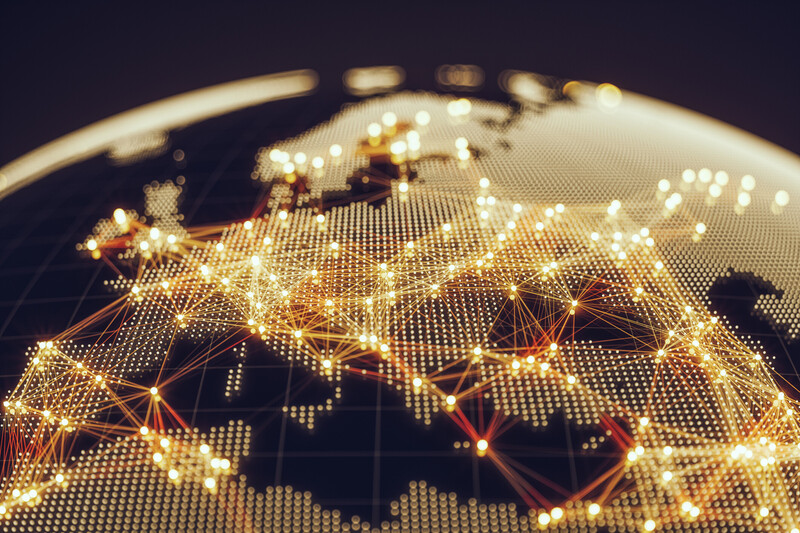
Europe's economic competitiveness is threatened by rapid US growth and business-friendly policies. To avoid falling further behind, the European Commission (EC) emphasizes the need for a coordinated approach to industrial strategy, public finance, and regulatory oversight. Currently, fragmented policies hinder innovation and deployment in key sectors like AI. Successful examples, such as Taiwan and Israel, demonstrate the impact of aligned policies on industry growth. To enhance productivity and drive investment, Europe must prioritize sectors of competitive advantage and ensure effective policy integration, adapting financial and regulatory frameworks to support sustainable development and workforce transitions.
Algeria, Angola, Armenia, Austria, Belgium, Bolivia, Bosnia and Herzegovina, Botswana, Bulgaria, Cambodia, Cameroon, Chad, Chile, Colombia, Costa Rica, Croatia, Cyprus, Czech Republic, Denmark, Ecuador, Estonia, Eswatini, Finland, Germany, Greece, Hungary, Iceland, Indonesia, Ireland, Israel, Italy, Japan, Jordan, Kazakhstan, Kuwait, Latvia, Lebanon, Lesotho, Lithuania, Luxembourg, Malaysia, Malta, Netherlands, New Zealand, Norway, Panama, Peru, Poland, Portugal, Qatar, Republic of Korea, Romania, Russian Federation, Singapore, Slovakia, Slovenia, Spain, Sweden, Switzerland, Taiwan, China, Ukraine, United Kingdom, Venezuela, Viet Nam | Health, ICT, Financial services, Education
3 priorities to boost Europe's competitiveness in a changing world
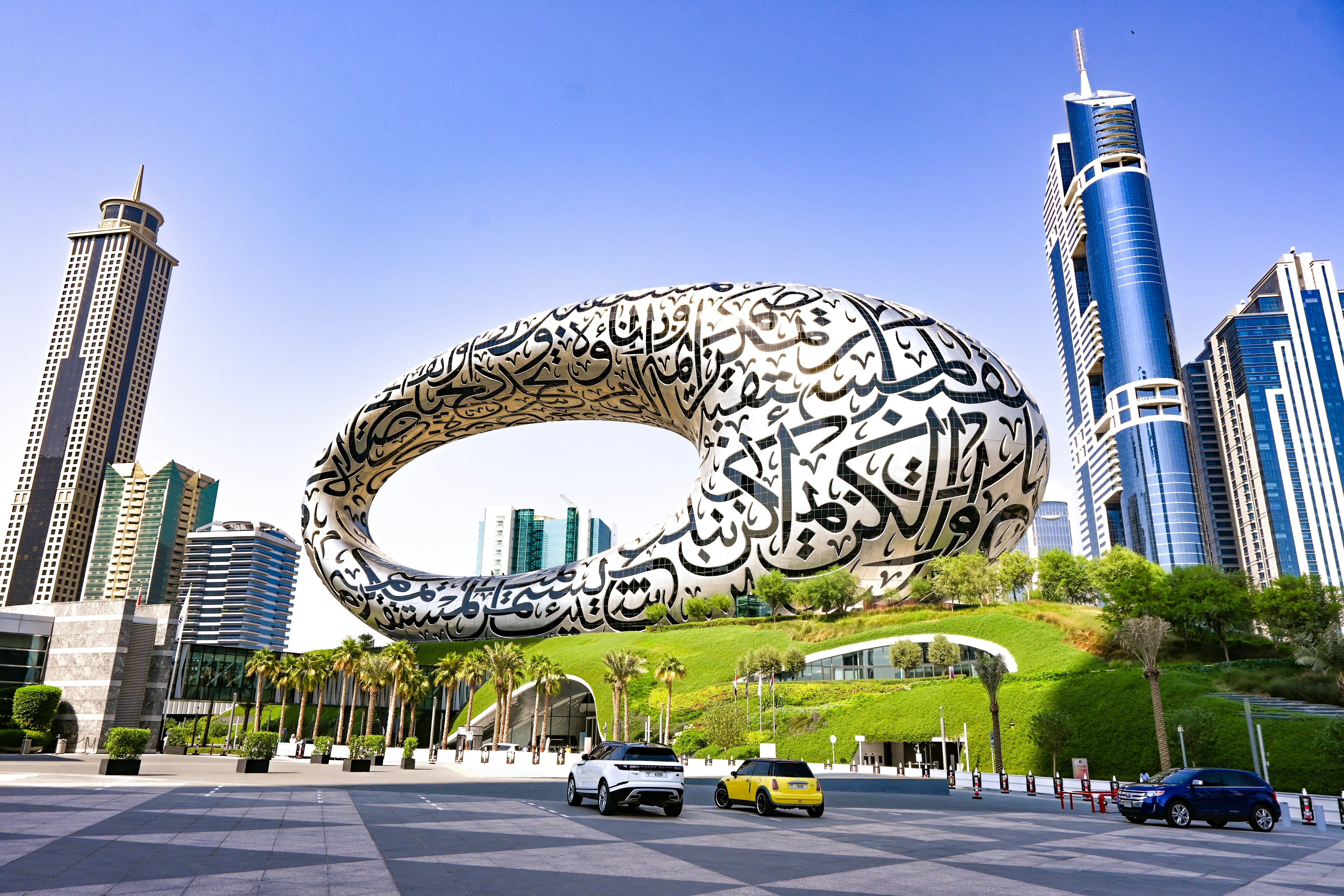
The Gulf Cooperation Council (GCC) is transitioning from an oil-dominated economy to one focused on technology and innovation, positioning itself as a key player in global decision-making. This shift is characterized by economic diversification, tech-driven foresight, and enhanced diplomatic efforts. The GCC is investing in emerging technologies such as AI, cloud computing, and biotech while fostering a business-friendly environment to attract global startups. By promoting inclusive stakeholder engagement and collaborative frameworks, the GCC aims to establish new governance models and strengthen its influence in a multipolar world through cultural outreach and strategic alliances.
Bahrain, Kuwait, Malaysia, Oman, Qatar, Saudi Arabia, United Arab Emirates, United Kingdom | Financial services, Health, ICT, Education
From oil to futures: Why the Gulf is well placed to play a key role in global decision-making
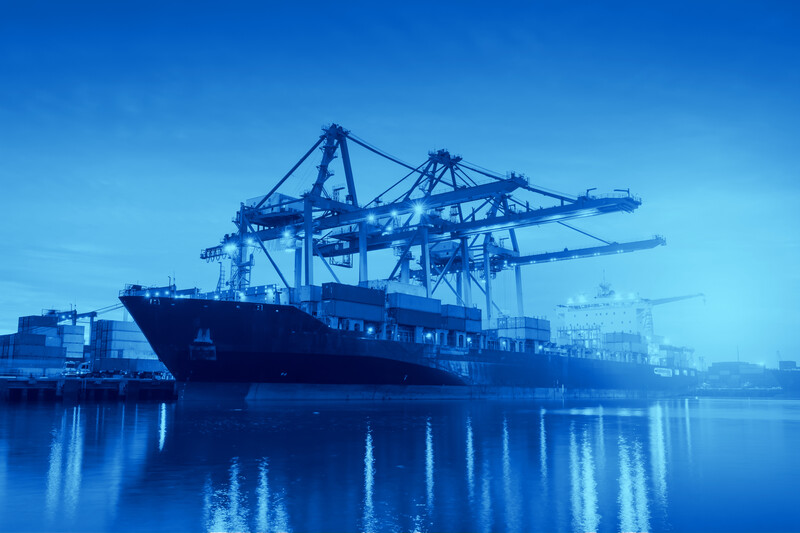
Traditional capital flows, historically dominated by Western economies, are shifting as emerging financial hubs in Asia, particularly the UAE and Singapore, gain influence. Increasing "pull factors" such as strong economic growth, political stability, and robust market infrastructure are attracting investment. Sovereign wealth funds are reallocating resources to support domestic markets, enhancing supply chains and self-sufficiency. The evolving global order is moving towards a polycentric model, where economic power is more distributed, allowing growth economies to play a significant role in shaping a dynamic and interconnected financial landscape.
Colombia, Jordan, Luxembourg, Malaysia, Mexico, Oman, Poland, Saudi Arabia, Switzerland, United Arab Emirates, United Kingdom, Viet Nam | Health, Education, Financial services
Why capital flows have the potential to change the economic status quo

Three experts discussed the future of the United States at the 2025 World Economic Forum. Andrew Edgecliffe-Johnson emphasized the country's unique combination of fragility and resilience, reflecting on growing divisions and confidence in institutions following crises. Walter Mead noted that American populism is characterized by a proactive, innovative spirit rather than mere reactionism, highlighting a more dynamic yet insecure society. David Rubenstein cautioned against assuming American dominance will persist, noting that historical trends show change is inevitable and technology remains a key factor in global position.
United Kingdom | ICT, Education
3 experts: Lessons from history on how to understand America in 2025
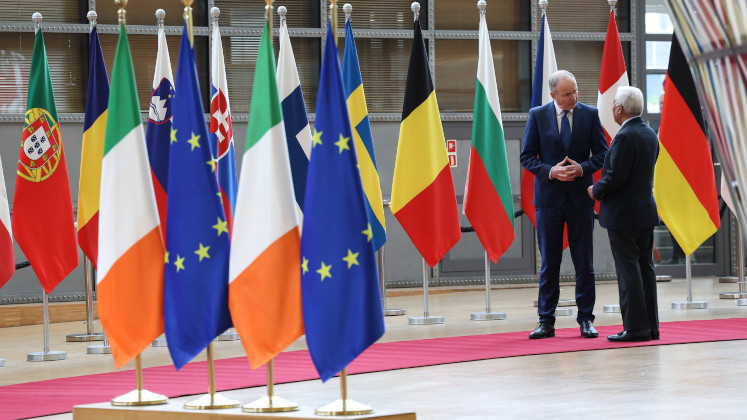
Ireland's long-standing policy of neutrality, established in 1922, is now viewed as a dangerous illusion amid changing global security dynamics. Gerard Delanty asserts that with the decline of Europe’s security framework, the historical rationale for neutrality has become obsolete. The geopolitical landscape, especially following Russia’s military actions, has shifted, emphasizing the need for Ireland to reconsider its military stance and engage in practical cooperation with allies like the UK and France. Despite recognizing these realities, adherence to neutrality remains a challenge, as military cooperation efforts continue to face limitations.
Ireland
In the age of Trump and Putin, Irish neutrality is a comfortable but dangerous illusion
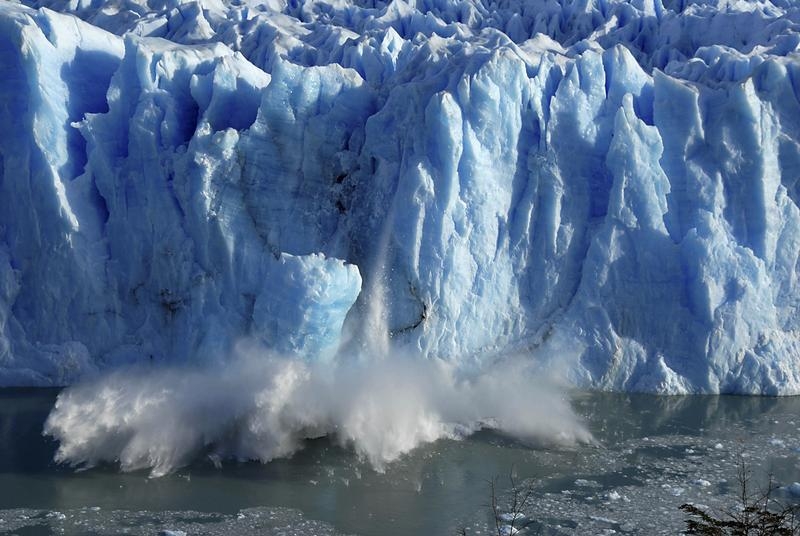
President Trump’s executive orders withdrawing from the Paris Agreement and terminating the Green New Deal are expected to have significant global implications. These directives eliminate over 70 climate initiatives, potentially benefiting China amidst geopolitical shifts. The orders impact U.S. climate governance and finance, as the country will no longer prepare national climate action pledges required by the agreement. This shift may influence other nations’ climate commitments, although most recognize climate change as a critical issue. The U.S. exit creates a power void in international climate negotiations, prompting other countries to assert their influence.
ICT
Trump’s executive orders and the fight against climate change
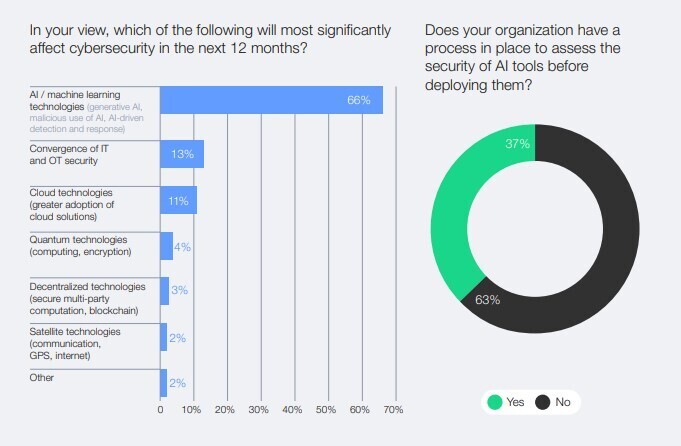
In 2025, the cybersecurity landscape will face increased complexity due to sophisticated attacks, particularly from ransomware, social engineering, and AI-driven cybercrime. Data breaches remained high in 2024, with notable mega-breaches contributing to a surge in victim notifications. Key vulnerabilities include supply chain concerns, geopolitical tensions, inadequate AI assessment processes, regulatory challenges, and a talent shortage in cybersecurity. The Chinese AI app DeepSeek raised privacy alarms, leading to its removal from app stores in some countries. Notable cybersecurity developments include the US pausing election security efforts and Microsoft boosting cybersecurity investments in Poland.
ICT
The cyber threats to watch in 2025, and other cybersecurity news to know this month
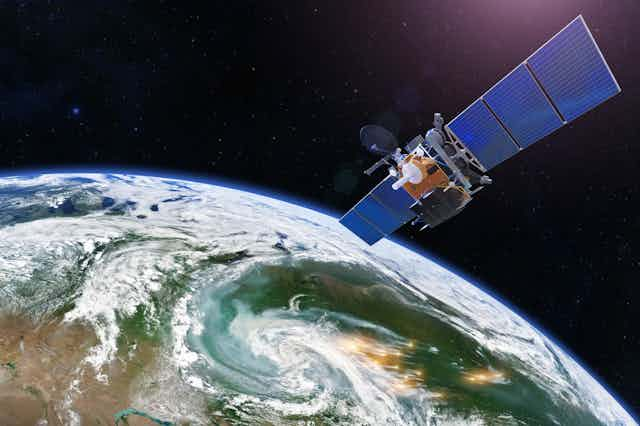
Satellites have transformed climate change science by providing comprehensive data on Earth's systems. Initially limited to land-based observations, satellite technology began with the launch of Sputnik in 1957, followed by Earth-observing satellites in the 1960s and 1970s, enabling timely assessments of weather patterns and environmental changes. Advanced satellite data allows scientists to measure sea level changes, water storage, and air pollution with remarkable precision. Recent research utilizing AI has enabled efficient analysis of vast satellite imagery, revealing significant glacier retreat in Svalbard and the deterioration of the Greenland ice sheet, highlighting alarming trends in global climate change.
How satellites revolutionised climate change science
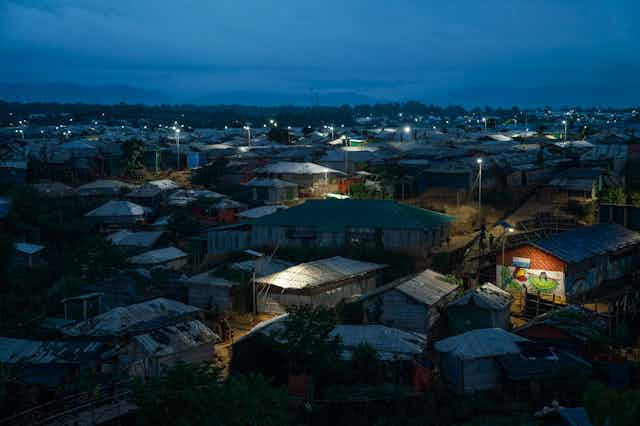
Entrepreneurial refugees are creating sustainable energy solutions within displacement camps worldwide, where over 120 million people live with inadequate energy supplies. Despite limited formal support from humanitarian agencies, refugees establish energy businesses offering solar solutions, phone charging stations, and more. Local companies provide affordable solar panels and home systems, empowering refugees to reduce energy costs. However, high costs of diesel and kerosene significantly burden families, consuming up to 30% of their income. Notable refugee-led enterprises, like Kakuma Ventures and Patapia, are enhancing energy access and fostering economical self-sufficiency in camps.
Health
How refugee entrepreneurs are supplying sustainable energy to the camps they live in
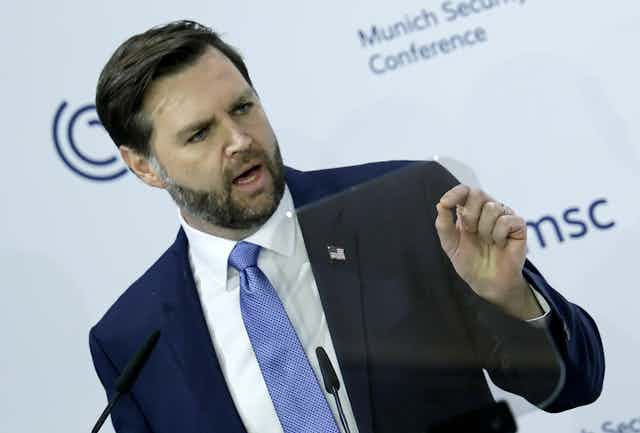
Vice President J.D. Vance criticized European free speech, claiming the real threat to democracy comes from within, rather than external forces like Russia or China. He specifically condemned Scotland’s Safe Access Zones Act, misrepresenting it as a law limiting private prayer at home. In reality, the law restricts protests near abortion clinics to protect individuals seeking medical services. Vance's remarks were perceived as politically motivated, aimed at appealing to religious conservatives in the U.S., while failing to address pressing issues like Russia's actions in Ukraine. The article underscores the complexity of the free speech debate, particularly regarding protesters' rights and the protection of medical facilities.
Censorship, abortion and the ‘threat within’: what a free speech expert thinks of J.D. Vance’s remarks to Europe
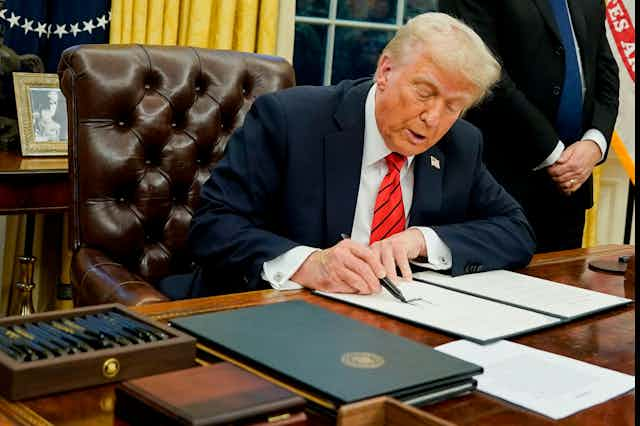
Trump introduced 25% tariffs on most imports from Canada and Mexico, alongside a 10% levy on Chinese goods, citing trade deficits and threats from illegal immigration. Historical evidence suggests such tariffs can increase raw material costs, weaken US manufacturing competitiveness, and potentially harm economic stability. The tariffs may lead to inflated prices for consumers and retaliatory measures from affected countries, exacerbating tensions and economic pressures. The American Chamber of Commerce criticized the tariffs, predicting adverse effects on both US businesses and consumer prices.
Financial services
Will Trump’s tariffs boost the US economy? Don’t count on it
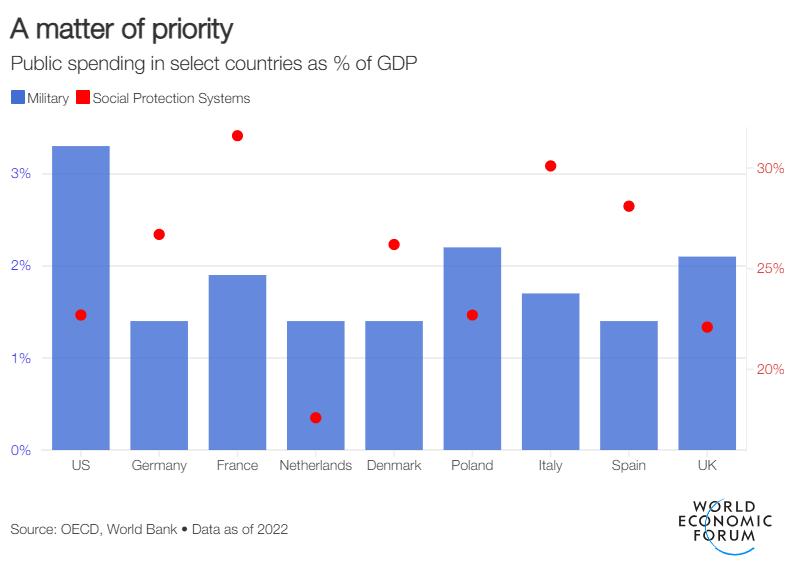
Europe faces increasing pressure to reshape its economies to prioritize military spending in light of global uncertainty and potential threats, particularly from Russia. Currently, European nations allocate around 1.9% of their GDP to defense while devoting over 25% to social protection. The reliance on US defense guarantees is becoming less certain, prompting discussions about the need for a substantial shift in budget priorities. As the region contemplates a necessary rebalancing away from a 'peace dividend' of social spending, leaders suggest that strategic integration is essential for effectively addressing defense spending challenges.
Financial services
Can Europe fundamentally reshape its economies to focus on defence?
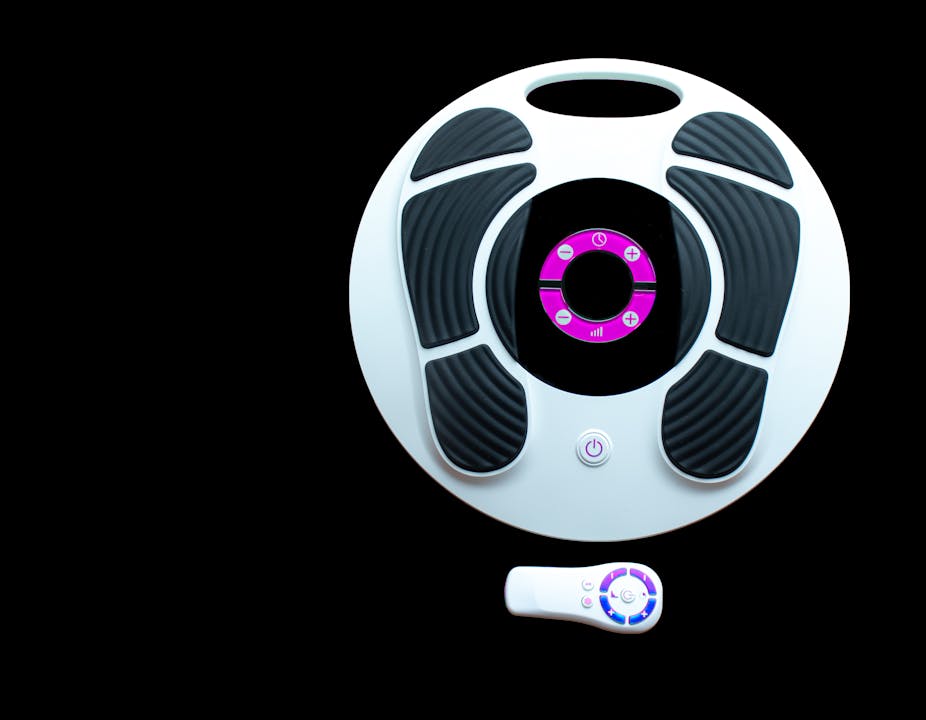
Electronic muscle stimulators can increase calf blood flow temporarily but have limited effects on walking distance in individuals with peripheral artery disease (PAD). A recent trial found no significant walking distance improvement in patients using the devices alone; however, those using them alongside supervised exercise showed better results and reported lower pain levels. While electrical stimulation may benefit some patients, it is not a substitute for standard treatments like medication and regular walking, and its cost-effectiveness remains uncertain.
Electronic muscle stimulators are supposed to boost blood flow to your legs – here’s what the evidence says
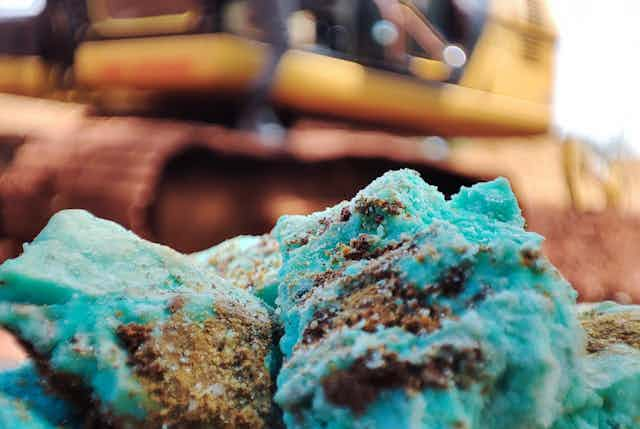
Donald Trump's potential second term may adversely affect the supply and demand for critical minerals essential for green technologies, such as lithium and cobalt. However, the expectation is that these impacts will be temporary. The US holds a competitive position in critical mineral production, with limited local demand for clean technologies compared to China and Europe, which dominate the market. Additionally, proposed tariffs could increase the significance of certain minerals, thereby impacting local industries. Overall, the trajectory of the global transition to clean energy is expected to remain stable despite potential short-term disruptions.
Trump threatens to disrupt the world’s critical minerals supply – but there are reasons to be positive
Donald Trump's potential second term may negatively impact the demand and supply of critical minerals essential for the green energy transition, such as lithium and cobalt. However, the US maintains a competitive position in the critical minerals market, producing a variety of essential minerals and potentially boosting recovery from electronic waste. The US accounts for only a small share of clean technology demand, with China and Europe leading, suggesting that their policies will predominantly drive the energy transition. Additionally, proposed new tariffs could increase the criticality of certain minerals, underlining a complex interplay in mineral markets, likely resulting in only temporary market fluctuations rather than a long-term threat to the green energy transition.
Trump’s effect on critical minerals could be crucial for the future of green energy