
The UK government has increased funding for neighborhood policing to £200 million, aiming to restore public trust in police services amid declining confidence. Research indicates that police are failing to meet the public’s minimum service standards, particularly in responsiveness, behavior, and community engagement. A nationwide survey revealed less than 30% confidence in police openness and effectiveness. The current workforce is younger and less experienced due to a significant drop in officer numbers from 2010 to 2018. An emphasis on neighborhood policing could enhance public trust, essential for crime reporting and cooperation.
Police are failing to deliver a minimum standard of service, according to the UK public
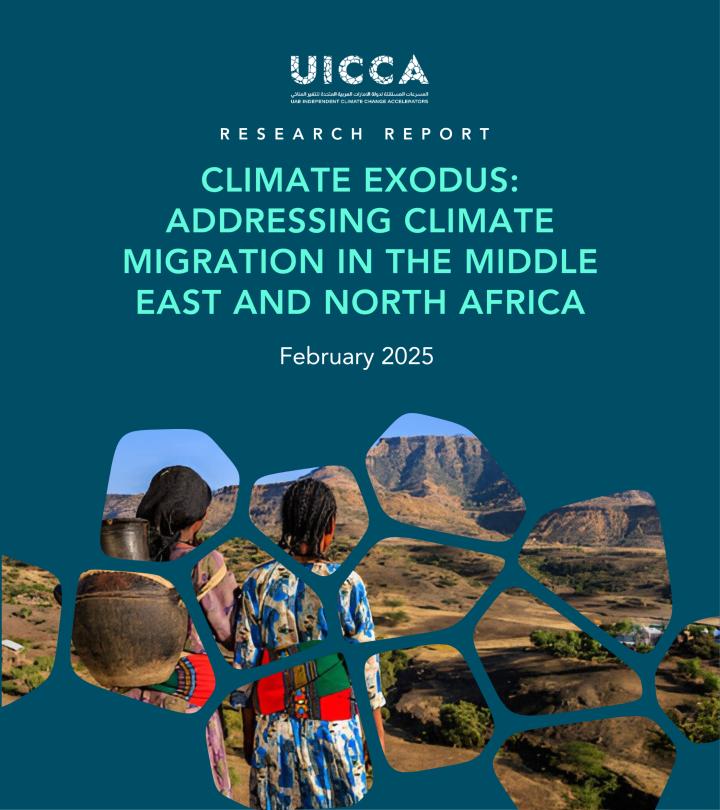
Climate change poses significant threats to global ecosystems and human existence, with displacement due to climate impacts being a critical humanitarian concern. In the Middle East and North Africa (MENA), communities are particularly vulnerable, already facing challenges like desertification, water scarcity, and heatwaves. Urgent policies and strategies are required for adaptation and mitigation to address these issues and prevent further displacement. The report emphasizes the importance of local, national, and international efforts to tackle the main drivers of climate displacement in the region.
UICCA | CLIMATE EXODUS: ADDRESSING CLIMATE MIGRATION IN THE MIDDLE EAST AND NORTH AFRICA

Artists in the U.S. government are redefining the public sector's capabilities and fostering innovative community engagement. Amanda Lovelee's Art and Policy Project for the Twin Cities' Metropolitan Council involved 13 artists reimagining future urban elements through creative projects. Artists like Kao Lee Thao and Peter Haakon Thompson produced works that integrated cultural narratives and community visions into government discourse. Cultural strategist Mallory Rukhsana Nezam emphasizes the importance of internal change facilitated by artists, highlighting their ability to humanize government processes and inspire public service appreciation, even as challenges persist in community-focused projects.
Can Artists Change Government From the Inside Out?

Quantum computing remains primarily a research endeavor, with classical computers expected to outperform them for the foreseeable future, according to Nobel laureate Frank Wilczek. He highlights that while Google’s Willow chip shows quantum advantage in specific calculations and improves error correction, it does not signal a practical breakthrough. The challenges of reliability, scalability, and practical applications persist, marking quantum computing as an experimental field rather than a replacement for classical systems. Long-term potential exists, particularly in areas such as chemistry, but the current technology is far from realizing these promises.
Nobel Laureate: Quantum Computing Won’t Overtake Classical Machines Anytime Soon

Rapid advancements in AI and shifts in policy are exacerbating misinformation and disinformation risks, emphasized by the European Broadcasting Union's Director-General, Noel Curran. Public service media and fact-checkers are essential for combating these threats, which are recognized as significant dangers over the next two years by the Global Risks Report 2025. Curran warns that increasing government crackdowns on free press and unregulated social media platforms allow manipulation of information. He advocates for stronger collaboration among media organizations to protect the integrity of information and highlights the crucial role of public service broadcasters in maintaining trust and quality in news.
Financial services, Health, ICT, Education
EBU chief: Truth at risk - defending facts in the 'Intelligent Age'
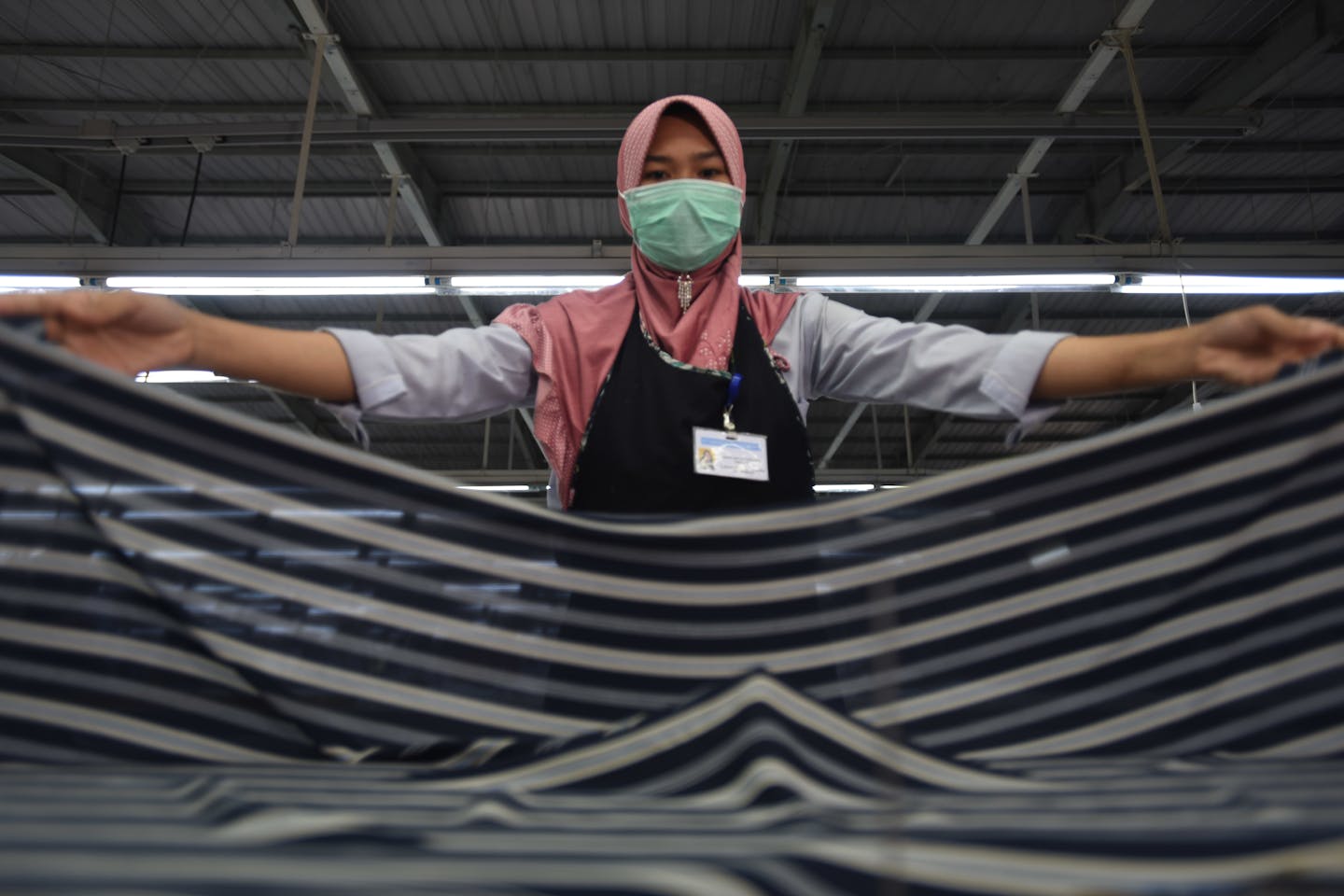
Migrant workers in the Asia-Pacific region face significant abuses, including unsafe working conditions, wage theft, and excessive recruitment fees. Data shows 37% of recorded abuse cases in 2024 involved workers heading to Asia-Pacific countries, with construction, agriculture, and manufacturing being the most affected sectors. South Korea reported the highest number of abuses. Efforts to improve labor migration policies were discussed at a 2022 conference, emphasizing the need for better protections and legal frameworks for migrant workers to ensure their rights and safety.
Bangladesh, Malaysia
Why is Asia-Pacific a hot spot for migrant worker abuses?
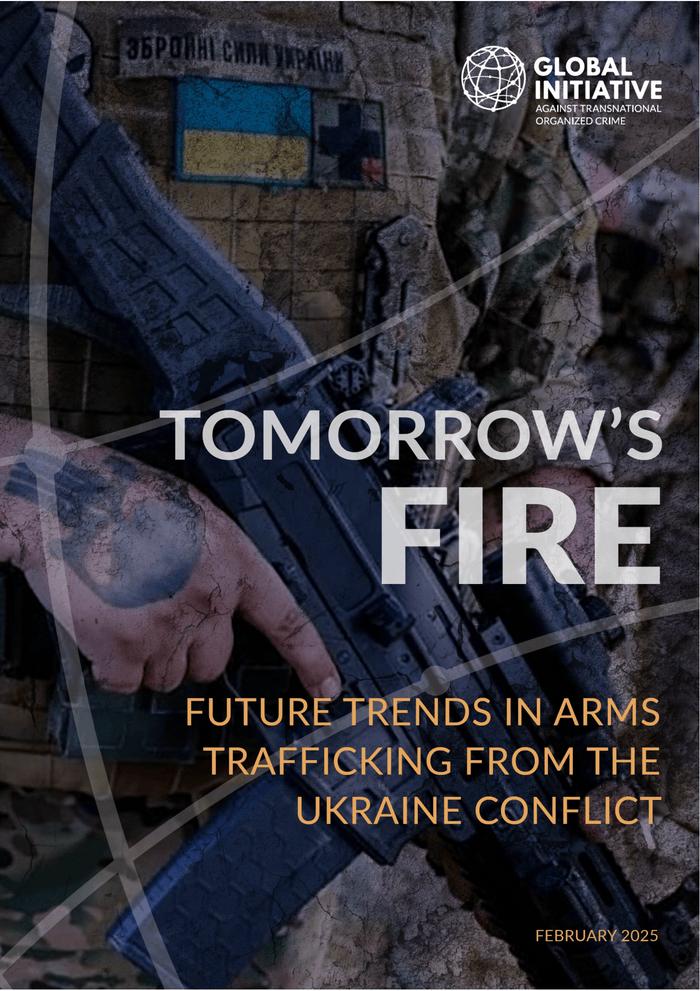
The Ukraine conflict may soon enter a resolution phase, raising concerns about the resultant arms trafficking in Europe. A January 2025 conference evaluated three scenarios: peace, stalemate, and decisive victory, assessing their impact on organized crime and illicit arms markets. Key findings indicated that criminal networks are evolving, establishing complex trafficking routes. Recommendations include developing flexible policy responses, leveraging insights from previous conflicts, and enhancing international cooperation. Notably, the illicit arms trade could vary significantly, with Europe preferring smaller firearms while other regions might see heavier weaponry. Türkiye may emerge as a central arms trade hub.
Russian Federation, Ukraine
Tomorrow's fire: Future trends in arms trafficking from the Ukraine conflict (February 2025) - Ukraine
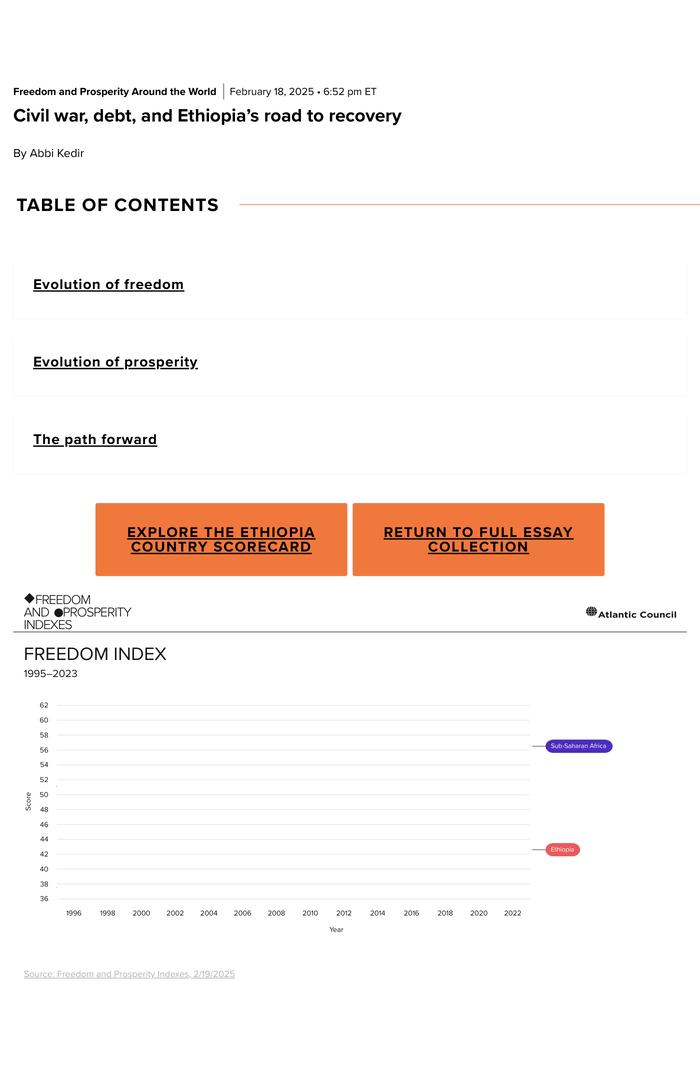
Since 2000, Ethiopia has experienced significant economic growth driven by public infrastructure investment, though recent internal conflicts and the COVID-19 pandemic have led to serious setbacks. The country faces rising inflation, a shortage of international reserves, and challenges in stabilizing its currency following the decision to float the Ethiopian birr. Gender equality has improved legally, with higher female representation in government, yet cultural resistance persists, hindering progress. Political freedoms remain limited, and without significant reforms and international support, Ethiopia's economic stability and welfare of its population could deteriorate further.
Algeria, Angola, Armenia, Bahrain, Belgium, Benin, Bolivia, Bosnia and Herzegovina, Botswana, Bulgaria, Burkina Faso, Burundi, Cambodia, Cameroon, Chad, Colombia, Costa Rica, Croatia, Cyprus, Ecuador, Egypt, Estonia, Eswatini, Ethiopia, Finland, Ghana, Greece, Guinea, Hungary, Iceland, Ireland, Israel, Jordan, Kenya, Kuwait, Kyrgyz Republic, Latvia, Lebanon, Lesotho, Lithuania, Luxembourg, Malawi, Malaysia, Mali, Malta, Mauritania, Mauritius, Mongolia, Morocco, Mozambique, Namibia, Nepal, Peru, Portugal, Qatar, Russian Federation, Rwanda, Senegal, Sweden, Switzerland, Taiwan, China, Tajikistan, Tanzania, Tunisia, Uganda, United Kingdom | Financial services, Education
Civil war, debt, and Ethiopia’s road to recovery - Ethiopia
Disasters, pandemics, and conflicts have significantly disrupted education across Asia and the Pacific, affecting millions of students and their future prospects. In 2022, a flood in Bangladesh shuttered 5,000 schools, impacting 1.5 million students. The COVID-19 pandemic led to extended school closures and substantial learning losses. "Building Resilience in Education Systems" presents strategic insights and case studies from various global contexts, focusing on solutions tailored to individual countries to strengthen educational resilience against such crises. The book emphasizes the need for robust measures to prepare for future disruptions.
Health, Financial services, Education
Building Resilience in Education Systems
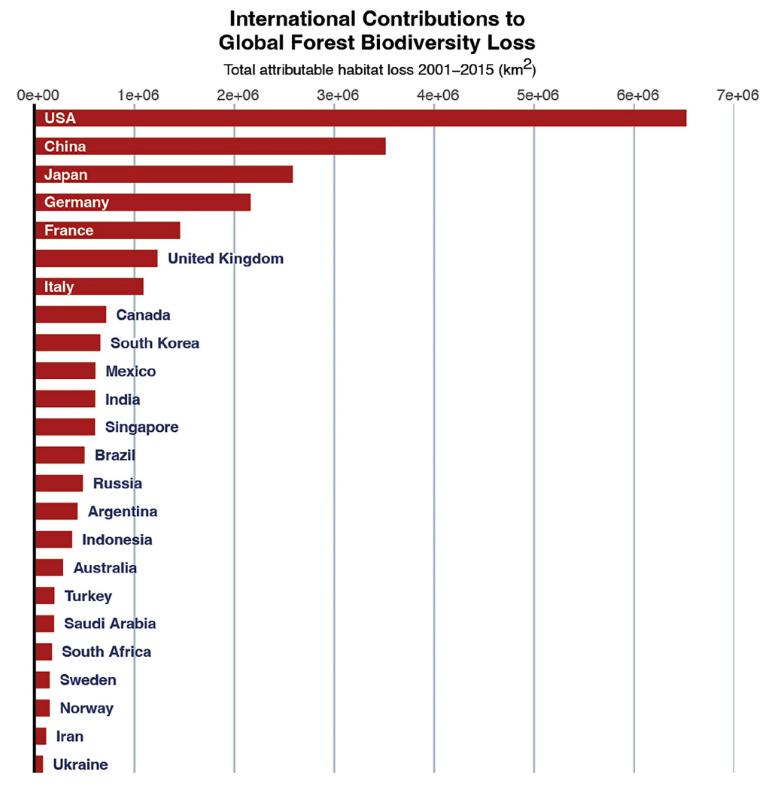
Wealthy nations are contributing to global biodiversity loss by importing agricultural products, effectively "exporting extinction," as revealed by a Princeton University study. These nations impact biodiversity 15 times more abroad than domestically, indicating a need for collaboration to promote sustainable practices. In other news, Trump's executive order reverses the ban on plastic straws, and a report highlights that only 17% of peatlands are protected despite their significant carbon storage capacity. Additionally, recent findings underscore pollution from wildfire suppressants and potential chocolate price increases due to climate change affecting cacao-producing regions.
Richest countries 'exporting extinction', and other nature and climate stories you need to read this week

Germany is holding a federal election on February 23, triggered by Chancellor Olaf Scholz's coalition collapse. The main parties include the Linke, SPD, Greens, FDP, CDU/CSU, and AfD, with the lesser-known BSW also in the running. Initial results will be available the evening of the election, but final tallies may take days due to postal votes and close margins. Polls indicate CDU/CSU's Friedrich Merz is expected to become chancellor, although no party will secure a majority, necessitating coalition talks which may last months. The AfD is unlikely to enter government due to a unified stance against it from other parties.
Germany
The German election explained through seven essential questions

Kleptocracy is a system where political elites exploit their power to siphon public wealth, aided by a network of banks, lawyers, lobbyists, and other professionals. In the UK, these enablers facilitate the extraction and legitimization of wealth from post-Soviet countries, creating structures that sustain kleptocratic regimes. The study from "Indulging Kleptocracy" reveals how British professionals exploit loopholes, accept donations from kleptocrats, and engage in actions that shield these elites from accountability. To combat this, strategies such as labeling kleptocratic enterprises as organized crime and increasing transparency are recommended.
How banks, lawyers and lobbyists in the west help post-Communist kleptocrats stay rich
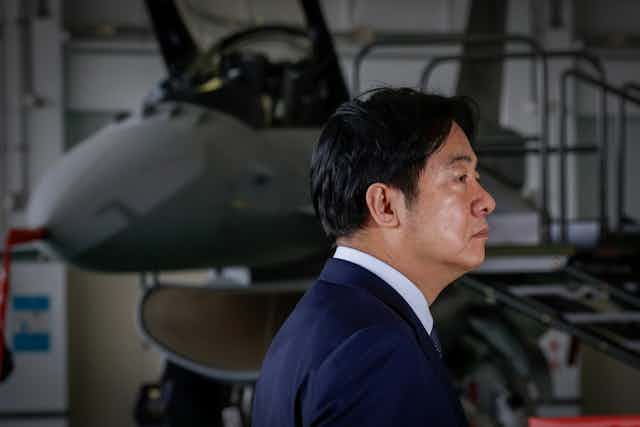
The US State Department has removed a statement opposing Taiwan's independence from its briefings, signaling a shift in US policy under Trump's administration. Instead, the US now advocates for a peaceful resolution to the Sino-Taiwan issue and opposes unilateral changes to the status quo. This change may suggest increased US support for Taiwan, which concerns Beijing, as China views Taiwan as a breakaway province. The Trump administration's stance appears aimed at enhancing US interests amidst ongoing trade tensions with China, potentially strengthening US bargaining power in negotiations. This could complicate China's ambitions regarding Taiwan at a time when its economy is struggling.
Taiwan, China
Trump’s quiet change to US position on Taiwan is all about the economy

The Balkans serve as a vital energy and security corridor, linking Europe with the Middle East, North Africa, and the Caucasus. Despite attracting foreign investments in sectors like automotive and IT, the region faces challenges, particularly a significant brain drain due to limited job opportunities and political instability. Regional players such as Czechia, Romania, and Greece have the potential to foster economic and political integration, acting as credible intermediaries between the Balkans and the West. The EU's slow accession process has led some nations to seek alternative partnerships with Russia and China. Enhanced Western investment in defense and infrastructure can counteract this influence, highlighting the need for more active engagement from regional actors rather than reliance on Brussels.
Belarus, Bosnia and Herzegovina, Bulgaria, Croatia
The Balkans: How to stabilize the 'powder keg' of Europe

Bitcoin's price recently dipped to $95,578.70, reflecting a minor decrease of about 0.20%, amidst overall market volatility and regulatory developments. Despite this fluctuation, Bitcoin maintains a strong market capitalization exceeding $1.88 trillion, indicating its critical position in the digital asset sector. Market movements include a significant deal by MARA Holdings for a Texas wind farm and Grayscale's new crypto fund for the Solana ecosystem, as well as Tether's unsolicited bid for a major stake in Adecoagro, highlighting broader trends in the cryptocurrency landscape.
Bitcoin Holds Strong with $1.88 Trillion Market Cap Despite Recent Dip
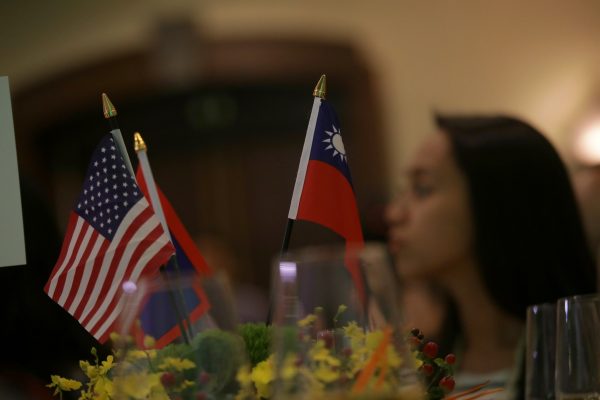
On February 16, 2025, the U.S. State Department revised its Taiwan-U.S. relations fact sheet, omitting the phrase “we do not support Taiwan independence,” suggesting a potential shift in U.S. policy amidst China-U.S. tensions. This may indicate a test of Beijing's boundaries or a strategy for negotiation leverage. The U.S. also altered its position on Taiwan's participation in international organizations, hinting at support for broader inclusion. China's response was swift, condemning the change as a serious misstep that could provoke military and economic retaliation. The ruling Democratic Progressive Party in Taiwan welcomed the shift, while the opposition Kuomintang faced a political dilemma in light of the new U.S. stance.
Taiwan, China
Did the US Just Change Its Taiwan Policy?

Britain faces significant challenges in deploying troops to Ukraine due to inadequate military preparation and declining troop numbers, which have fallen from 100,000 in 2000 to about 70,000 today. Prime Minister Keir Starmer's suggestion for British forces to act as peacekeepers may inadvertently support a Russian narrative against NATO. Britain's weakened military capacity, exacerbated by years of budget cuts, limits its effectiveness against peer adversaries, making current forces more symbolic than capable. Substantial increases in defense spending are needed, yet political reluctance persists, risking the nation's ability to defend itself adequately.
Ukraine, United Kingdom
Why the British army is so unprepared to send troops to Ukraine
China is rapidly advancing toward becoming a major global power in the space sector, driven by a methodical strategy that blends military goals with commercial innovation. The upcoming Tianwen-3 mission aims to return Mars samples, potentially positioning China ahead of similar Euro-American efforts. While initially described as "big but not strong," China's space industry is now evolving with a focus on consumer-driven commercialization and distinguishing itself in a competitive landscape. The government's initiatives, including collaborations with private firms like Huawei and Xiaomi, reflect broader geopolitical aspirations and a commitment to technological leadership, enhancing national pride and political legitimacy.
China Trends #22 - China’s Space Dream: No Limits, No End
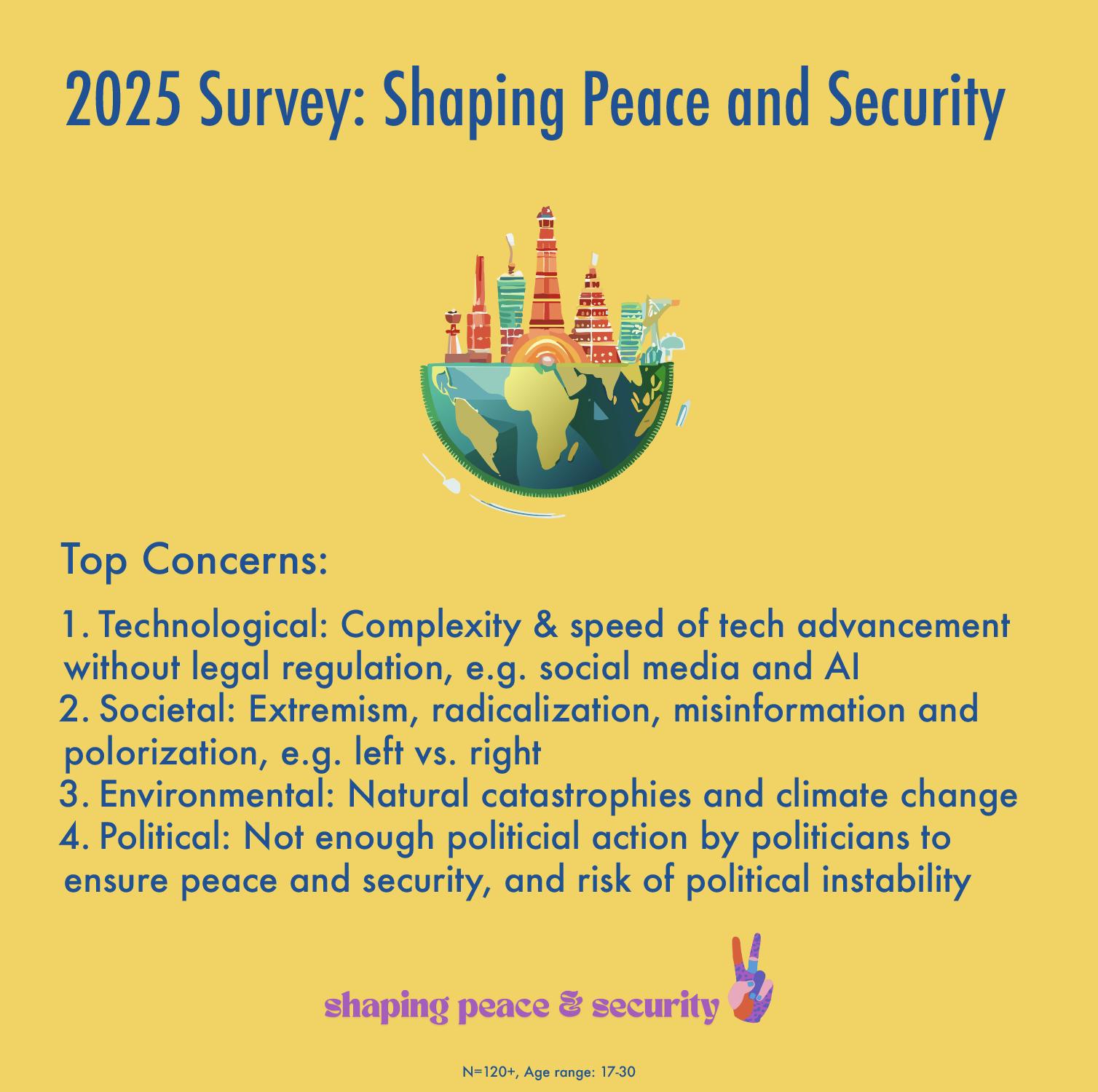
Young people's voices are crucial for shaping global peace and security amidst rising challenges. A survey by Global Shapers Hubs in the DACH region reveals that 64% of youth are concerned about global security, prioritizing threats like radicalization (15%), climate change (10%), and disinformation (9%). Most young respondents feel disconnected from political decision-making, with 91% believing they have little influence. Despite varied opinions on military investment, 66% advocate for recognizing climate change as a security issue. The survey emphasizes the need for inclusive policymaking, better civic engagement opportunities, and enhanced education on peace and security topics.
Financial services, Education, Health
Young people’s voices are key to securing global peace and security
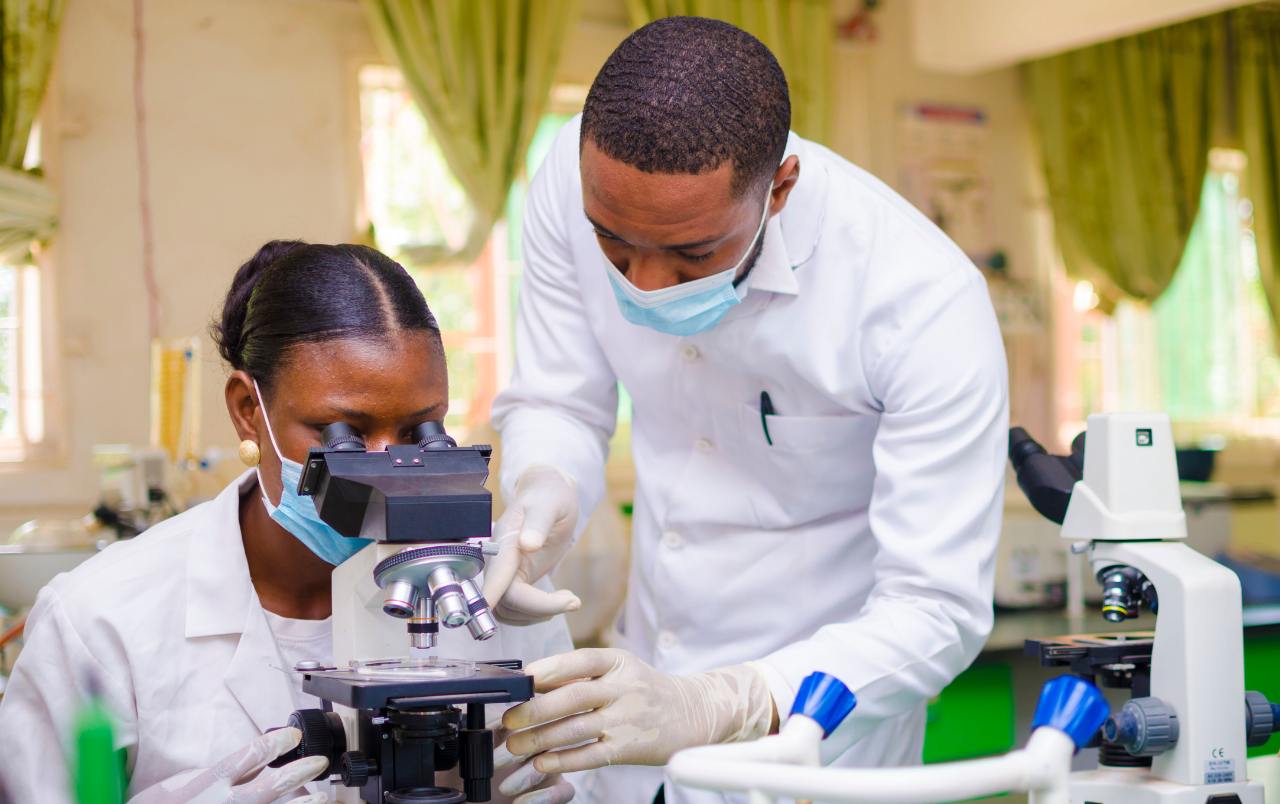
The Centres for Exchange project, initiated by Wellcome Trust and Pivot Collective, aims to address inequities in health research by prioritizing Global South voices. It emphasizes collaborative partnerships that value community needs over project deadlines. Key insights include the importance of clear communication of funders' priorities, maintaining trust despite geographical distances, and recognizing power imbalances in research collaborations. The project promotes inclusive research by foregrounding community knowledge and health equity, moving away from traditional output-driven approaches to more adaptive methods.
Health
Equity in Action: Insights from Wellcome’s Centres for Exchange Initiative